Photo credit: Trias Ambari/Shutterstock.com
Some guns seem to attract rust like they were built for it. You can oil them, wipe them down, and store them in a climate-controlled safe, and they’ll still show orange freckles the next time you check. It’s not neglect—it’s the materials, finishes, and environments they encounter.
Certain blued steels and cheap coatings don’t stand a chance against humidity, salt air, or even the sweat on your hands. If you’ve ever spent more time maintaining a rifle than shooting it, you already know the frustration. These are the guns that look great when they’re new but demand constant babysitting to stay that way.
Winchester Model 94 (Blued Steel)

The Winchester Model 94 is iconic, but its classic blued finish is as vulnerable as it gets. If you hunt anywhere with humidity or rain, you’ll see rust form before the rifle even makes it back to the truck. The exposed steel and open-top design make it easy for moisture to find its way in and stay there.
Hunters love how it carries and shoots, but you can’t ignore how fast the finish deteriorates without frequent oiling. One wet morning in the deer stand, and the barrel or receiver can start to show light pitting. It’s a piece of history, but it’s also a gun that forces you to carry a rag and oil bottle wherever you go.
Remington 870 Express

The Remington 870 Express earned its reputation as a reliable pump shotgun, but the newer matte-finish models have long been criticized for rusting almost instantly. The “parkerized-style” finish isn’t true parkerizing—it’s a cheaper surface treatment that doesn’t seal out moisture effectively.
If you’ve ever carried one in damp weather, you know exactly how fast it can turn brown. The receiver and magazine tube start showing surface rust within hours if they’re not wiped down. It’s a workhorse shotgun, but keeping it clean is a full-time job. Plenty of owners end up refinishing or Cerakoting theirs just to make it usable for more than one wet season.
Marlin 336 (Older Models)

Older Marlin 336 rifles, especially those with traditional blued finishes, have a bad habit of rusting if you so much as breathe on them wrong. The steel quality was fine, but the finish didn’t offer much corrosion resistance. Combine that with the lever-action design that traps moisture around the fore-end and loading gate, and you’ve got a recipe for surface rust.
If you hunt in humid states or along the coast, you’ll learn fast that you can’t leave this rifle unprotected overnight. A wipe-down after every trip is mandatory. It’s one of those rifles that will outlast you if you maintain it, but if you skip even one cleaning, you’ll be polishing orange spots by morning.
Ruger 10/22 (Blued Standard Models)

The blued versions of the Ruger 10/22 are famous for their reliability—but also for how easily they rust when neglected. The finish looks nice out of the box, but after a few seasons of small-game hunting, you start seeing rust along the barrel, screws, and trigger housing pins.
It’s not that the gun is poorly made—far from it. It’s just that the finish is thin and offers minimal resistance to moisture or handling. If you sweat on it or set it down in damp grass, you’ll be cleaning it that night or regretting it the next day. The stainless 10/22s solved that problem, but plenty of hunters learned their lesson on the blued ones first.
Remington 700 (Blued Models)

The classic Remington 700 in blued steel has one of the nicest factory finishes ever offered—but it’s also one of the most rust-prone rifles if not babied. The deep polish looks great until you carry it in wet weather. Then every fingerprint and rain droplet starts turning into rust marks.
Hunters who grew up using them learned early to wipe them down daily. Even a trip from the cold into a warm cabin can cause condensation that starts oxidation by morning. The blued 700s look beautiful, but unless you’re meticulous about care, they’ll start to show their age fast. Stainless versions are far more forgiving, and most modern hunters have switched for that reason alone.
Colt Python (Older Models)

Older Colt Pythons are among the most admired revolvers ever made, but their polished blued finish is a nightmare to keep clean. The high-gloss surface highlights every spot of moisture and corrosion the second it starts. Even handling it without gloves can leave faint fingerprints that turn rusty over time.
Collectors spend as much time maintaining these as they do shooting them. The finish gives the gun its signature look, but it’s also the reason so many older Pythons show pitting around the barrel and frame edges. It’s a revolver that rewards meticulous care—and punishes anyone who doesn’t treat it like fine china.
Mossberg Maverick 88

The Mossberg Maverick 88 is affordable, dependable, and unfortunately, very prone to rust. The blued finish is more of a protective sheen than a true coating, and moisture seems to find its way into every nook of the action. After one rainy day in the duck blind, it’s common to see orange spots on the barrel or around the trigger guard.
Plenty of owners swear by its performance but admit they spend more time cleaning it than shooting it. For a budget shotgun, it’s hard to complain too loudly, but if you live in a humid area, it’ll start showing corrosion faster than you can keep up with it.
Henry Big Boy (Brass Models)

The Henry Big Boy’s brass frame may not technically “rust,” but it tarnishes faster than any other lever gun finish out there. The polished brass looks stunning when new, but humidity, sweat, and fingerprints will dull it almost instantly. Leave it untouched for a week, and it turns cloudy or green around the edges.
Keeping it shiny means constant polishing, and even then, it’s a never-ending cycle. Hunters who care more about shooting than shining often let it patina naturally, but if you’re the type who likes a mirror finish, this rifle will test your patience. It’s beautiful—but it’s a high-maintenance kind of beauty.
Norinco SKS

Many imported Norinco SKS rifles came with thin bluing that wasn’t designed for long-term corrosion resistance. Combine that with storage in humid warehouses before import, and you’ve got rifles that start showing surface rust the minute they hit open air.
Even when properly cared for, they’re quick to oxidize in damp climates. The small parts—like the gas tube, bayonet lug, and barrel bands—rust first, followed by the receiver cover. They’ll run forever mechanically, but you’ll always be fighting the finish. If you own one, frequent oiling isn’t optional—it’s survival.
Tokarev TT-33

The Tokarev TT-33 is a tough, historic pistol, but the wartime finish wasn’t designed for beauty or longevity. The bluing is paper-thin and starts rusting if it sees humidity for more than an hour. Soviet-era steel quality didn’t help much either.
You can oil it, store it properly, and still find new spots the next time you take it out. Collectors have learned to live with a little patina because fighting it is a losing battle. It’s a fascinating pistol to own and shoot, but if you’re allergic to rust, it’ll drive you crazy trying to keep it spotless.
Savage Axis (Blued Models)
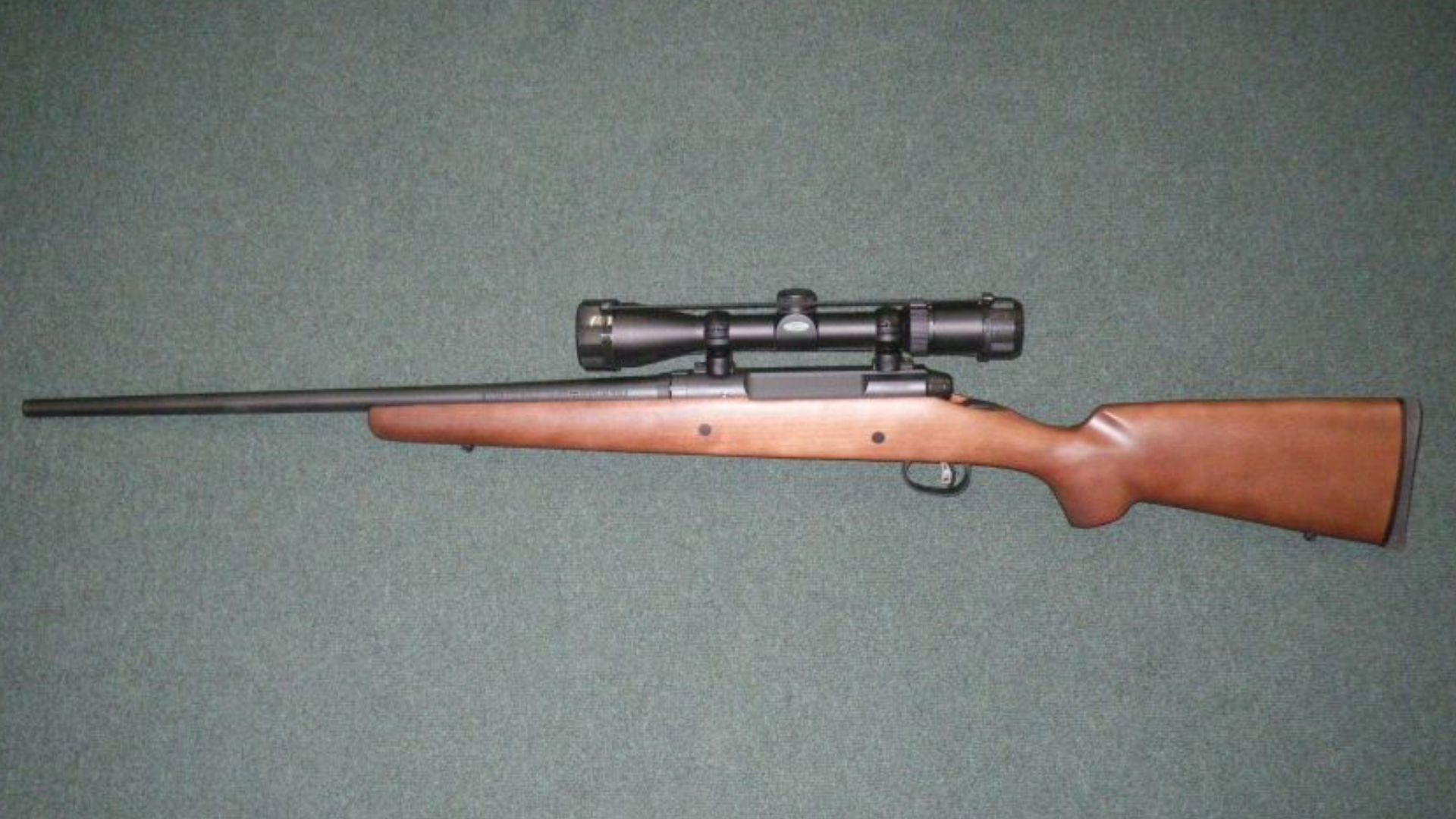
The Savage Axis is a great budget rifle, but the cost-cutting shows in the finish. The matte blue coating scratches easily and offers almost no resistance to moisture. Leave it in a truck overnight after a damp hunt, and you’ll find rust rings on the barrel by morning.
Many hunters Cerakote or paint them for protection, but out of the box, they’re as vulnerable as any rifle sold today. It’s accurate, dependable, and functional—but if you want it to stay rust-free, you’ll have to baby it every single time you take it out. It’s a working gun, not a weatherproof one, and it shows that fast.
Like The Avid Outdoorsman’s content? Be sure to follow us.
Here’s more from us:
The worst deer rifles money can buy
Sidearms That Belong in the Safe — Not Your Belt
*This article was developed with AI-powered tools and has been carefully reviewed by our editors.