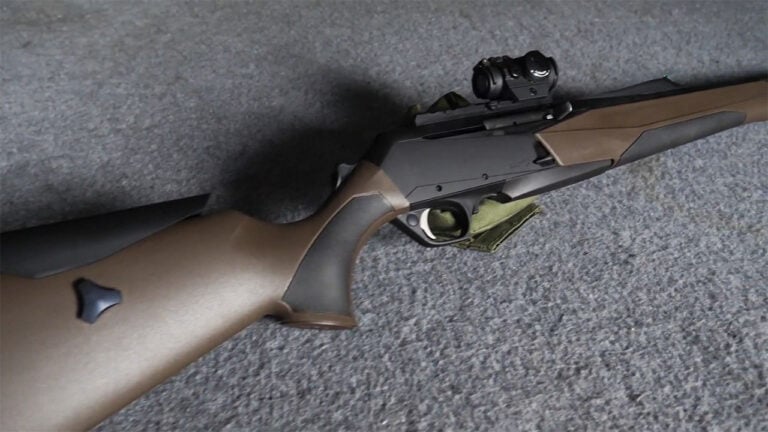
Photo credit: Justin Kral/Shutterstock.com
A rifle that prints a tight group cold can still make you feel like you’re losing your mind once it warms up. Heat changes barrel harmonics, it can shift stress in the steel, and it can magnify any tiny contact point in the stock or handguard. What looks like “random flyers” is often a repeatable pattern: the group starts to walk—usually up, sometimes sideways—after the first few shots.
This isn’t always a knock on the rifle. A lot of popular hunting and utility guns were built to be light, handy, and reliable, not to hold the same point of impact through a long string. But if you don’t understand what’s happening, you’ll chase your scope, blame ammo, and second-guess your fundamentals. These specific rifles are known for sometimes showing that “cold-bore hero, warm-bore wander” behavior, especially when you shoot them faster than a hunting pace.
Ruger Mini-14

A Mini-14 can feel “plenty accurate” for the first couple shots, then start stringing as it warms. The thinner barrel and the way the system hangs together can show vertical shift once you shoot past that initial cold-bore window. The rifle is handy and reliable, but it’s not built around sustained precision strings.
If you bench it like a heavy AR and run quick five- or ten-shot groups, you may watch the group climb and open. That doesn’t mean your optic is slipping. It often means the barrel is heating fast and the harmonics are changing. Minis tend to reward a practical cadence—shoot, pause, shoot—more than rapid-fire accuracy testing. When you treat it like a ranch rifle instead of a target rig, it usually behaves.
Ruger American Rifle

The Ruger American often surprises people with how tight it shoots early in a group. Then you lean into it—shooting faster, shooting more—and the point of impact can start wandering as the thin sporter barrel heats. On some rifles, stock contact or inconsistent bedding makes that shift show up sooner.
The frustrating part is how good the first three shots can be. That makes the next few feel like the rifle “fell apart.” A lot of the time, you’re seeing heat plus stock flex plus barrel contour all stacking together. If the barrel isn’t truly free-floated, heat can turn a tiny contact point into consistent pressure. Slow the cadence, let it cool, and the rifle often looks “accurate again,” which tells you what the real issue is.
Savage Axis II
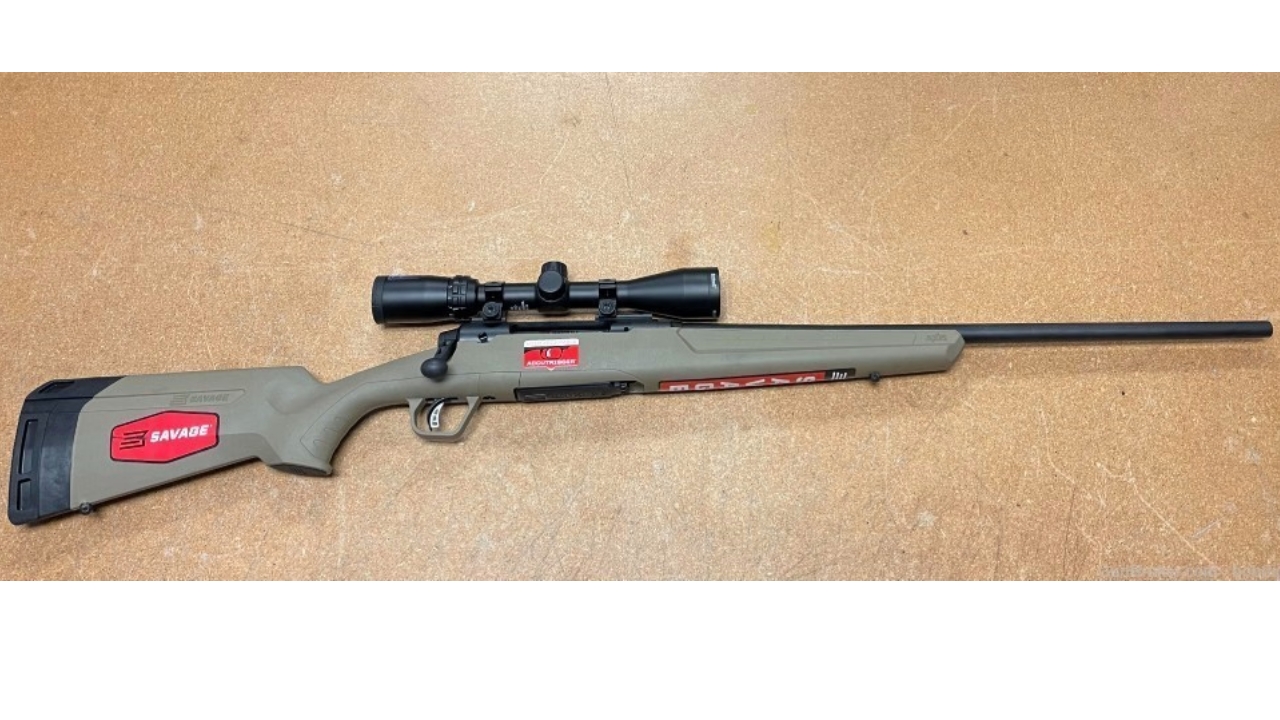
The Axis II has put a lot of animals in freezers, and it can shoot very respectable groups cold. The heat story shows up when you try to run it like a range rifle. The thin barrel warms quickly, and the factory stock can flex enough that small changes in support pressure start influencing the barrel once things get hot.
You’ll usually notice it as stringing—shots start stacking in a line instead of clustering. It can be vertical, it can be diagonal, but it often follows a pattern once the barrel is warm. If you shoot slow and let the barrel cool, it settles back down. That’s why some owners swap to a stiffer stock or make sure the barrel channel is truly clear. The Axis can be accurate, but it likes a hunting pace.
Remington 700 ADL
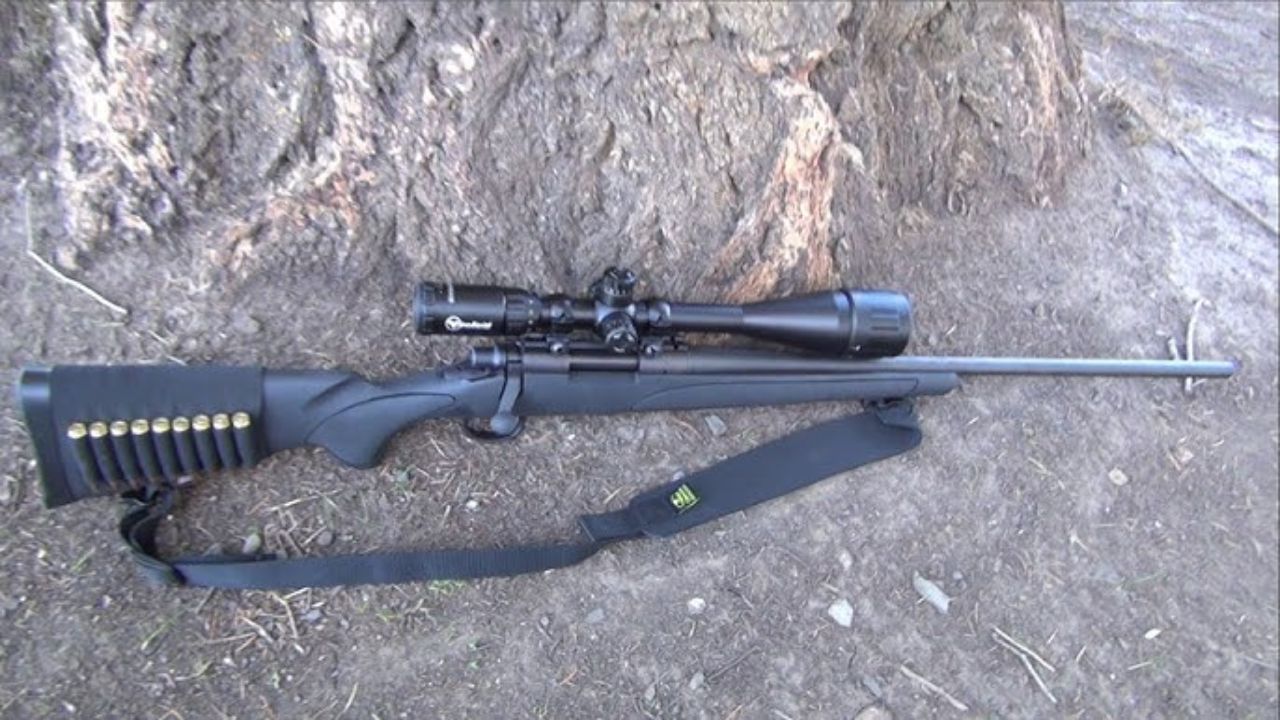
A 700 action can be excellent, but the budget factory stocks are where “heat wander” likes to hide. You get a thin hunting barrel, a flexible stock, and a barrel channel that can become a pressure-point generator once the rifle warms up. Early shots look great, then the group starts walking.
If you’ve ever watched a 700 shoot a tight cluster, then start drifting as the barrel heats, don’t assume the barrel is junk. Often, the stock is touching the barrel when it flexes, or the bedding interface isn’t consistent under recoil. Heat makes the contact and stress more consistent—meaning the shift becomes repeatable. A stiffer stock and proper bedding can transform the rifle. But out of the box, it’s common to see “cold-bore tight, warm-bore wandering” on the lighter setups.
Tikka T3x Lite

The T3x Lite has a reputation for accuracy, and that’s deserved—especially on the first few shots. But it’s still a lightweight rifle with a thin barrel, and thin barrels heat fast. If you shoot quick strings while checking zero or testing loads, you can watch the point of impact start creeping as the barrel warms.
What makes it extra annoying is that the cold-barrel performance can be so good that the heat shift feels dramatic. You’re not imagining it. You’re watching a light barrel do light-barrel things. The solution is more about expectations than excuses: shoot like you hunt. Fire a shot or two, pause, let the barrel cool, then repeat. If you want sustained groups without movement, you’re asking the Lite to do a job a heavier Tikka model was built for.
Winchester Model 70 Featherweight

The Featherweight is a classic because it carries beautifully and points naturally. That same design goal—light and handy—can show up on paper when you run longer groups. The thin barrel heats quickly, and the point of impact can start walking, especially if the stock has any pressure near the fore-end that becomes more influential as the barrel warms.
On many Featherweights, the first couple rounds are dead-on. Then the group starts to drift as you keep shooting. Hunters don’t usually notice because they aren’t firing ten rounds in a row at a deer. Bench shooters do notice, and they sometimes go down a rabbit hole chasing optics and ammo. If your first cold shot is consistent, the rifle is doing what it was designed to do. If you want it to hold the same point of impact through a long string, you’re fighting the design.
Ruger M77 Hawkeye

The Hawkeye is a solid, real-world hunting rifle, and plenty of them shoot well. The heat issue tends to appear with the lighter sporter barrels and certain stock fit situations. As the barrel warms, the rifle can show a slow point-of-impact shift—often upward—when you shoot several rounds in a tight timeframe.
A common culprit is subtle contact in the barrel channel or the way the action is bedded into the stock. Cold, everything is stable. Warm, expansion and stress change how the barrel vibrates and how it sits relative to the stock. You’ll see it as stringing rather than random flyers. The Hawkeye can still be very accurate for hunting. But if you’re doing repeated strings at the bench, it may look like it “opens up” once hot. That’s not unusual in a sporter setup.
Ruger Gunsite Scout Rifle

The Gunsite Scout is built for handy, practical shooting—fast handling, compact length, and real-world use. With its shorter, relatively light barrel, it can show heat shift when you shoot quick strings. You’ll often see the first few rounds sit nicely, then the group starts to move as the barrel gets warm.
Part of the issue is that scout rifles invite a different shooting style. People run them harder than a typical hunting rifle because they’re fun. Heat builds faster than you expect, and that’s when you start seeing drift or stringing. The rifle isn’t failing; it’s showing you the limit of that contour and configuration. If you slow down and let it cool, the tightness returns. If you try to shoot it like a heavy-barrel precision gun, you’re going to watch it walk.
SKS (Norinco and other common variants)

An SKS can be surprisingly decent for the first few shots, especially with a clean bore and consistent ammo. Then it warms up and starts reminding you what it is: a military carbine built for durability, not sustained precision. The thin barrel heats quickly, and many rifles show stringing as the temperature climbs.
You’ll often see the group stretch vertically or drift as you keep shooting. Some of that is barrel heat. Some of it is the way handguard and gas system parts sit around the barrel and change slightly as they warm. Add in iron sights and surplus ammo variation, and it can feel like the rifle is messing with you. The SKS can still be accurate enough for its role. But if you expect it to hold a tight group through multiple rapid strings, heat will expose its limits.
WASR-10 (AKM pattern)

A WASR-10 can shoot fine at a practical pace, and many do. Where the “accurate until hot” story shows up is when you start running strings and the thin AK barrel heats fast. As heat climbs, groups can open and point of impact can drift, especially if the rifle has any handguard pressure or less-than-perfect barrel consistency.
This is one reason guys argue about AK accuracy online. An AK can look respectable on a cold barrel. Then you dump a few mags and it starts printing a different story. That doesn’t make it a bad rifle. It means it’s doing what a thin-barreled fighting rifle often does under heat. If you want an AK that holds tighter groups longer, you’re usually looking at heavier-barrel builds or more refined setups. The WASR is built for rugged function, not benchrest discipline.
PSA PA-15

A lightweight PA-15 can feel accurate early, especially at 50 to 100 yards. Then the barrel heats and the group starts to drift or string. This isn’t unique to PSA, but you see it commonly on budget ARs with pencil or lightweight profiles that heat quickly during rapid fire.
The AR platform makes it easy to blame optics or ammo, because everything is modular and everyone has an opinion. But if your first few rounds are tight and the later rounds walk in a repeatable direction, you’re likely seeing heat and harmonics. If the handguard isn’t truly free-floated—or if you’re loading a bipod hard—you can magnify the shift. The fix is usually simple: slow your cadence, confirm your handguard isn’t contacting the barrel, and accept the reality of thin barrels under heat.
Colt M4 Carbine
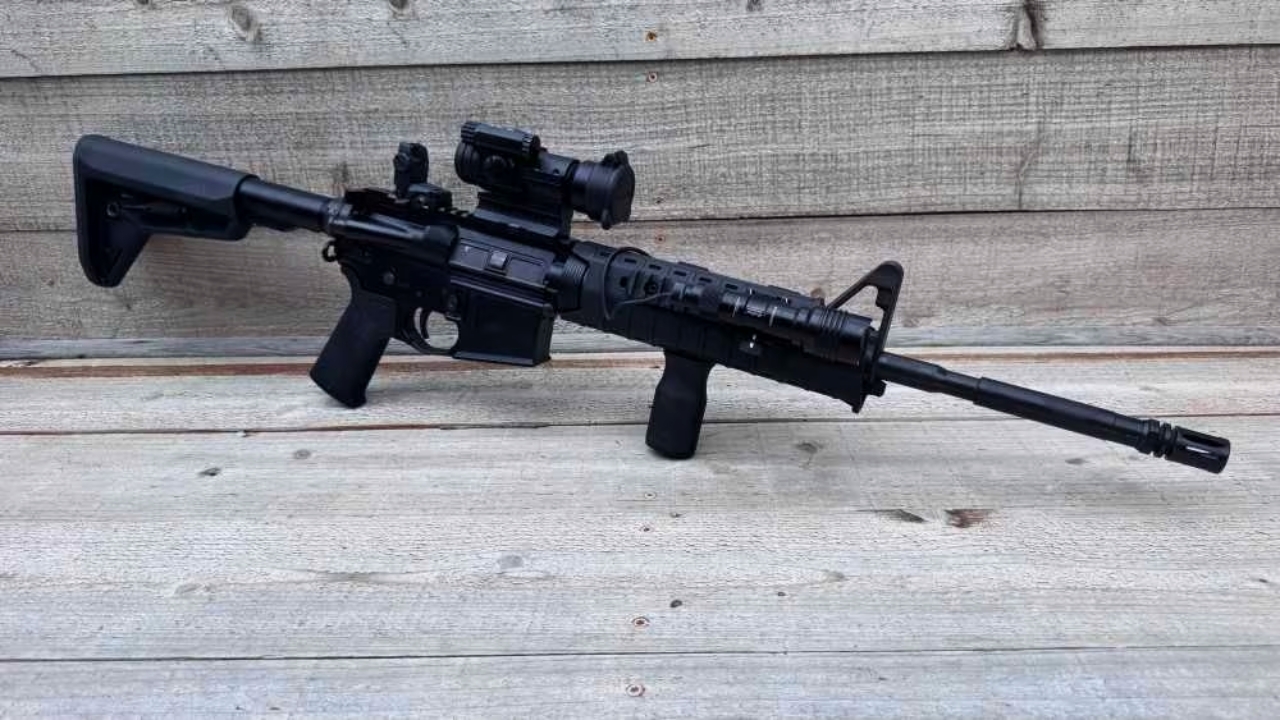
A classic M4-style setup can be consistent enough for duty use and still frustrate you on the bench. With a non-free-float handguard, sling or support pressure can influence the barrel. Heat makes it worse because expansion changes contact points. The first few rounds may group well, then you see drift as the barrel warms and pressure changes.
It’s easy to think “the barrel is bad” when the real culprit is input. If you rest the handguard differently shot to shot, or you load into a sling harder as you shoot, you can create point-of-impact change that looks like heat wander. Add heat and it becomes more obvious. An M4 pattern rifle can still be very effective. But it’s not designed to deliver the same benchrest point of impact through a long string when the barrel is being influenced by the handguard and support pressure.
Mossberg MVP Patrol

The MVP Patrol is a handy bolt gun with magazine compatibility that makes it fun to shoot. With its compact, sporter-ish barrel and practical design, it can show point-of-impact drift as it heats, especially when you shoot quick strings at the bench. The first few shots can be reassuring, then the group starts to stretch.
Often, the issue comes down to barrel contour and stock interface. If the barrel isn’t truly free-floated or the stock flexes under how you’re resting it, heat makes the contact change more consistent. You’ll see a pattern—stringing or a slow walk—rather than random flyers. The MVP Patrol is built for practical use, not slow-fire group shooting all afternoon. If you pace your shots and let it cool, it typically behaves. If you push it, heat shows you the ceiling.
Marlin 336

A Marlin 336 can shoot better than people expect, especially with a good load and a steady rest. Then you start shooting faster, the thin barrel warms, and the barrel band/fore-end system can influence harmonics. Many lever guns show a point-of-impact shift as heat builds because the barrel isn’t hanging out there completely free.
You’ll often see vertical stringing or a subtle walk as the rifle warms. It’s not because the Marlin is “inaccurate.” It’s because lever guns are built around practicality and handling, with fore-end contact that can change as things expand. For hunting, it’s usually a non-issue. You’re not firing a long string at a deer. But if you’re sighting in and you rip off shot after shot, you can convince yourself the rifle won’t hold a group. Slow down, let it cool, and it usually settles right back in.
Winchester Model 94

The Model 94 is another classic lever gun that can be perfectly adequate on the first shots and then start shifting as it warms, especially when you’re shooting from a bench and trying to “prove” accuracy. Thin barrels, fore-end contact, and barrel bands can all play a role in point-of-impact movement once heat builds.
A 94 often rewards a realistic pace. Fire a shot, let it settle, then fire again. When you treat it like a bench gun and run quick strings, you can see groups open and drift. That doesn’t surprise anyone who has lived with lever guns for years. They’re hunting tools designed around carry and quick handling. If you’re chasing tiny groups through long strings, you’re using a Model 94 outside its comfort zone. But for cold-shot consistency, many of them do exactly what you need.
Browning BLR Lightweight ‘81

The BLR is a lever gun that can feel more “rifle-like” than traditional tube-mag levers, and many of them shoot well cold. The Lightweight models, though, can still show heat shift when you run longer strings because the barrel contour and fore-end interface aren’t built for sustained bench work. Once things warm, harmonics and contact points can start influencing where shots land.
You’ll usually notice it as a gradual drift rather than sudden chaos. The first group looks great, the next starts walking, and you’re tempted to touch the scope. Don’t. Let the rifle cool and see if the point of impact returns. Often it does. The BLR is a hunting rifle first, even if it has more modern chamberings. If you want it to hold the same point of impact through long strings, you need to treat it like a hunting gun—or step up to a heavier-barrel platform.
Like The Avid Outdoorsman’s content? Be sure to follow us.
Here’s more from us: