Photo credit: Gear Know-How/YouTube
A pistol doesn’t have to be delicate to be annoying. Some designs are tough as nails, but they punish you the moment you try to do routine maintenance. You go in thinking you’re going to wipe it down, run a brush through the bore, and add a few drops of oil. Next thing you know, you’re chasing tiny springs, fighting a stubborn takedown lever, or digging out a tool because the gun won’t come apart the way your brain expects.
A lot of this comes down to design goals. Some pistols were built around tight packaging, unusual actions, or safety features that complicate disassembly. Others are perfectly logical—once you’ve done it 50 times. If you like simple fieldstripping, these are the pistols that can turn “basic cleaning” into a full teardown whether you wanted it or not.
Ruger Mark IV

The Ruger Mark series is one of the best .22 trainers ever made, but older versions earned a reputation for being a pain to reassemble. The Mark IV fixed most of that with a simple takedown, yet a lot of owners still end up deeper than planned because rimfire gunk builds fast. When a .22 gets filthy, you’re often tempted to go beyond a wipe-down.
With earlier Mark I/II/III pistols, reassembly can feel like a puzzle, especially the first few times. You can absolutely learn it, but it’s not “quick wipe and go.” Even with the Mark IV, the gun invites deeper cleaning because it runs best when you stay ahead of the crud. If you shoot a lot of bulk .22, you’ll learn quickly that your “basic cleaning” schedule turns into more detailed maintenance than you expected.
Walther PPK

The PPK family has a classic look and feel, but it’s not the friendliest pistol for quick cleaning. Fieldstripping involves pulling down the trigger guard, moving the slide off the frame, and working with a recoil spring that lives around the barrel. It’s not impossible, but it’s not as intuitive as modern striker pistols.
The real annoyance is how the small parts and tight packaging make everything feel fiddly. Reinstalling the slide and spring can feel awkward until you’ve done it enough times to make it muscle memory. Add in the fact that these pistols can be sensitive to lubrication and cleanliness, and you’ll find yourself cleaning more carefully than you planned. The PPK will run, but it makes you work for that “clean and ready” confidence.
Beretta 21A Bobcat / 3032 Tomcat

Tip-up barrel Berettas are great for shooters who hate racking slides, but they’re not always “quick clean” pistols. The blowback design and small size mean they can get dirty fast, especially in .22 LR. Even though you can access the chamber easily, you still end up needing to get into nooks that collect residue.
Because they’re compact, everything is tight. Cleaning around the breech face, extractor area, and feed path can feel like detail work rather than a simple bore pass. Owners often discover that if you skip that detail work, reliability can start to slip. These pistols are handy, but they reward careful maintenance. You set out to do a quick wipe-down, and you end up spending extra time with picks, brushes, and a rag wrapped around a small tool just to get the crud out.
Desert Eagle
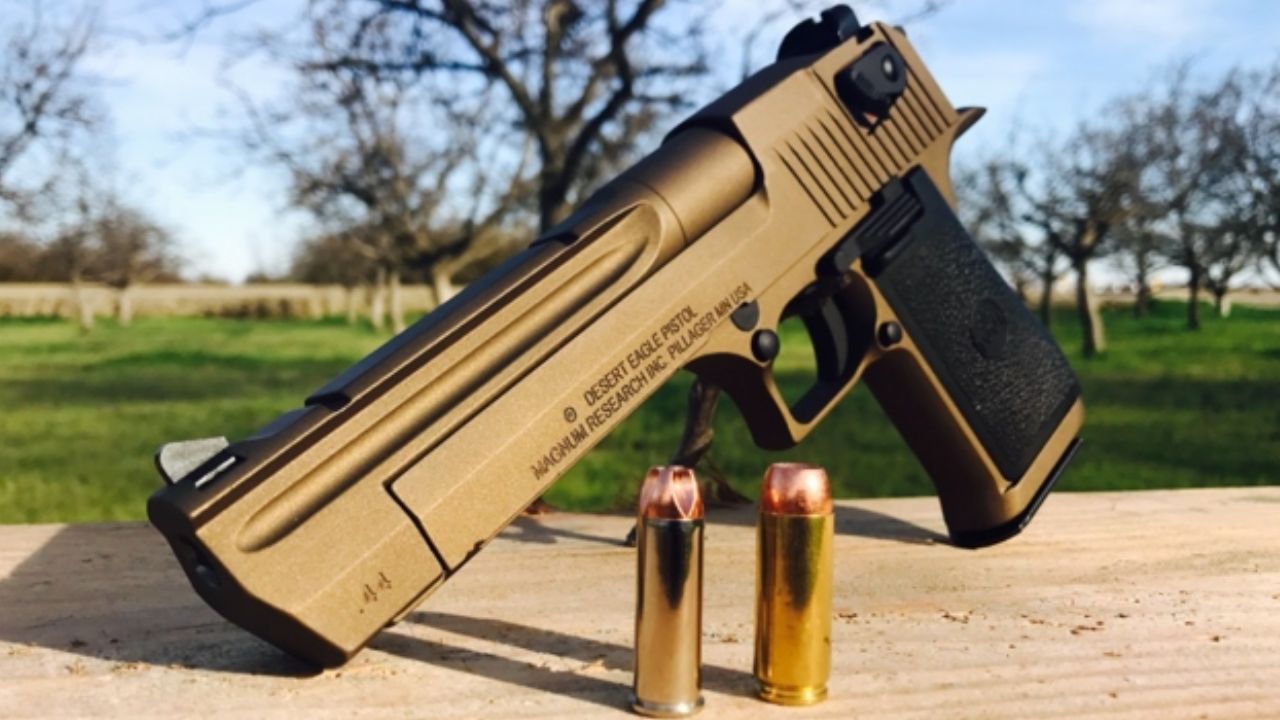
A Desert Eagle is not a “wipe it down and forget it” pistol. The gas-operated system has more going on than a typical handgun, and the gun’s size doesn’t make it easier. Fieldstripping isn’t complicated once you learn it, but cleaning it properly tends to take more time because there’s more surface area and more places for carbon to build.
If you actually shoot it, you’ll find yourself cleaning not only the barrel and slide but also paying attention to the gas system and the areas that get fouled hard. Ignoring those areas can lead to sluggish function. It’s not fragile, but it’s a gun that demands more than a basic wipe. Owners often end up doing a deeper clean because the pistol is expensive, heavy, and meant to run hard. That makes you more likely to go the extra mile every time.
1911 with a full-length guide rod
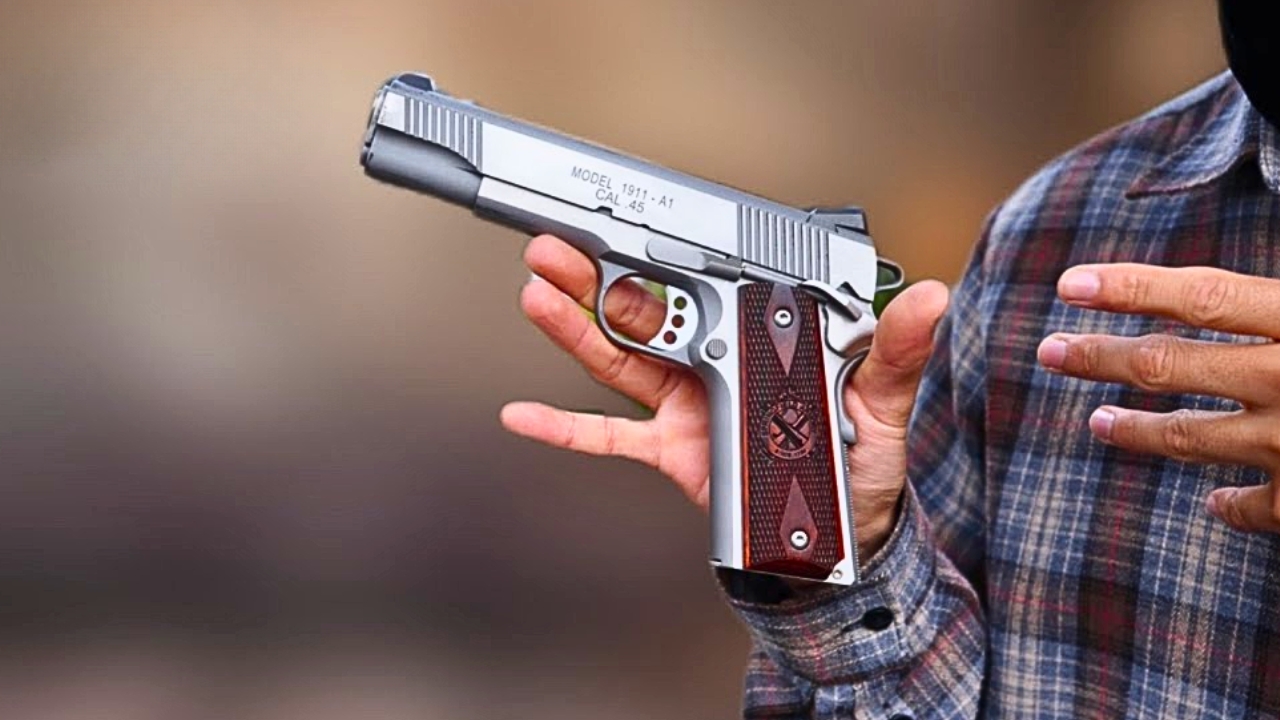
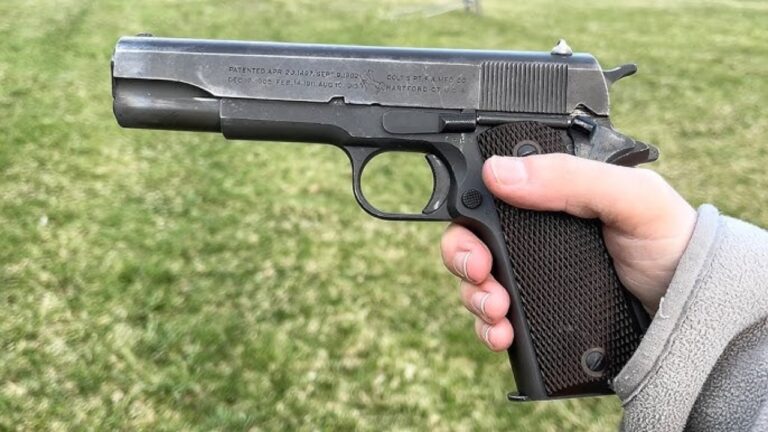
A basic 1911 can be easy to fieldstrip. Add a full-length guide rod and some setups turn the process into a tool-and-technique routine. Depending on the design, you may need an Allen key, paperclip, or specific method to capture the spring. That’s not what most people picture when they think “quick cleaning.”
The annoyance is that you can’t always do the job anywhere. If you don’t have the tool or you forgot the little capture pin, you’re either improvising or not stripping the gun. And when you do strip it, reassembly can feel like you’re wrestling spring tension more than you should be. None of this makes the pistol unreliable, but it does make ownership more maintenance-heavy. A simple wipe-down turns into a process because the pistol’s setup demands it.
Browning Hi-Power

The Hi-Power is an iconic pistol, but it can be less straightforward than modern striker guns when it comes time to clean. The takedown is not difficult, but it has steps that can feel slightly more deliberate—aligning the slide and removing the slide stop cleanly without marring anything.
A lot of owners also end up going deeper because of the pistol’s internal feel. If your Hi-Power has a magazine disconnect, you may find yourself cleaning and maintaining parts that affect trigger feel and consistency. Older examples also tend to encourage careful lubrication and inspection. You’re not fighting it like a puzzle gun, but it’s not “five seconds and done” either. The Hi-Power makes you slow down, and that can turn routine maintenance into a longer session than you planned.
HK P7

The HK P7 is brilliant and annoying in the same breath. The squeeze-cocker system and gas-delayed blowback design are part of what makes it special—and part of what makes cleaning more involved. The gun runs hot, and the gas cylinder area needs attention if you want consistent performance.
You don’t “wipe it and go” the same way you would with a simple striker pistol. You end up paying attention to the piston, the gas cylinder, and the fouling that builds in places most pistols don’t even have. That means more brushing, more scraping, and more time. The P7 is a collector’s dream and a shooter’s joy, but it makes you earn that experience with maintenance. If you like low-effort cleaning, the P7 will feel like a relationship that asks for work.
Luger P08

The Luger is famous for its looks and its history, not for being maintenance-friendly. The toggle-lock mechanism is fascinating, but it’s not the kind of system you casually strip and clean like a modern duty pistol. It has more parts and more complexity, and if you’re not paying attention, you can end up fighting reassembly.
Even basic cleaning can turn into careful, methodical work because you’re dealing with an older design and often an older, valuable firearm. Owners tend to be cautious, and that caution adds time. You’re not slapping it apart on a tailgate and blowing it out with a rag. You’re cleaning it like a piece of history, with a mental checklist and a light touch. That’s fine if you enjoy the process. If you want simple maintenance, the Luger is the opposite.
Mauser C96

The C96 is another historically significant pistol that isn’t built around quick, modern fieldstripping habits. The internal layout and the way the gun comes apart can feel more like working on a machine than cleaning a sidearm. When you go beyond a surface wipe, you’re stepping into older-gun territory.
Because many C96 pistols are collectible, owners also tend to clean them carefully and thoroughly, which turns any maintenance session into a longer one. The design has more corners and surfaces where grime can hide, and you can’t always access those areas without going deeper than you expected. It’s a cool pistol to own and shoot. It’s not a “two minutes and done” gun. If you buy a C96, you’re buying the maintenance mindset that comes with it.
CZ 52

The CZ 52 has a unique operating system and a reputation for being an interesting Cold War pistol. It can be fieldstripped, but it’s not as intuitive as the modern pistols most shooters grew up with. The parts and the way they interact can make cleaning feel more involved than it needs to be.
Owners often end up paying extra attention because these guns can be ammo-sensitive and because surplus pistols come with unknown history. That combination encourages deeper cleaning, inspection, and maintenance. You start out thinking you’ll run a patch through it and oil it lightly. Then you’re checking rollers, looking for wear points, and cleaning areas you didn’t expect to matter. The CZ 52 isn’t impossible to maintain. It just nudges you into “let me make sure everything is right” mode every time.
Ruger LCP II

The LCP II is easy to carry and easy to shoot for its size, but small pistols don’t always make cleaning easy. The tiny parts, tight spaces, and compact recoil system turn routine maintenance into detail work. You’re working with less room to maneuver, and it’s harder to get a brush or rag where you want it.
The takedown pin and small components can also make you slow down, especially if you’re cleaning somewhere you don’t want to lose parts. Add in the fact that pocket pistols live in lint, sweat, and dust, and you end up cleaning more than you planned. Your “basic cleaning” becomes a more careful process because you’re dealing with a pistol that’s always exposed to carry grime. It’s not complicated, but it’s rarely quick.
Kel-Tec P-32 / P-3AT
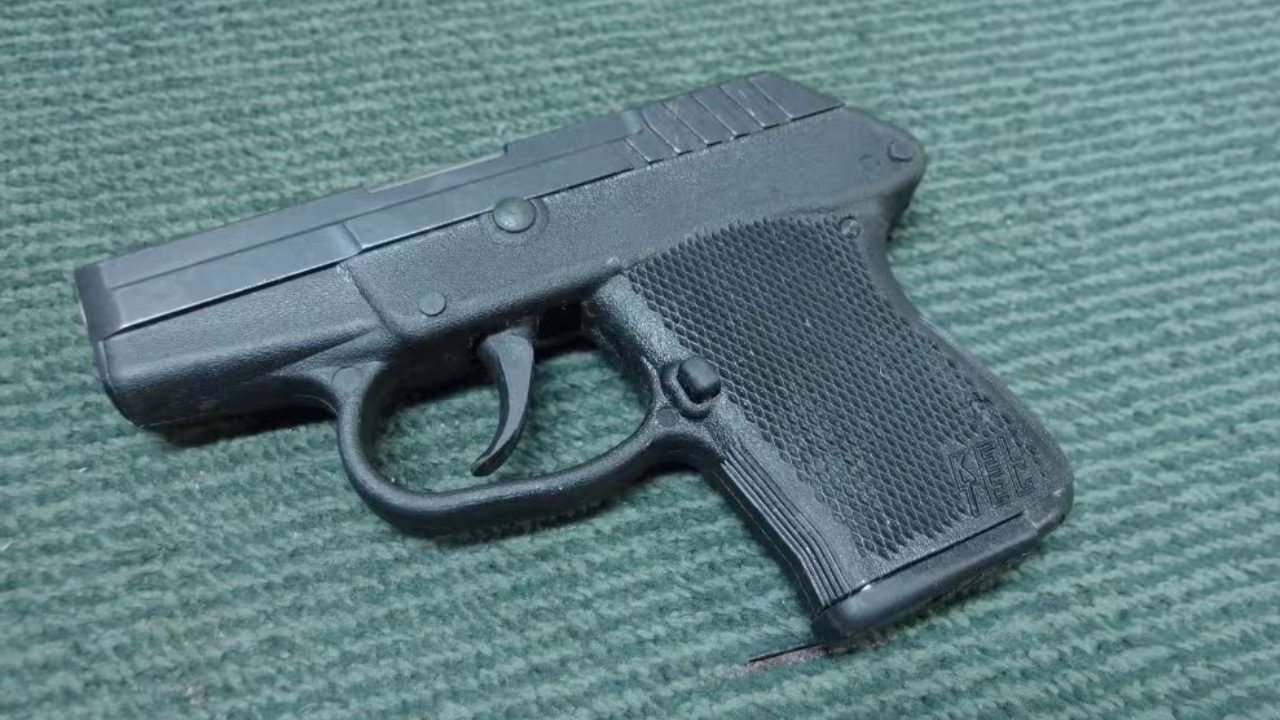
Kel-Tec pocket pistols are built for light weight and concealment, not for making cleaning feel pleasant. Fieldstripping often involves pulling a pin and dealing with small parts in a compact package. It’s easy to lose your rhythm if you’re not careful, especially when the gun is dirty or you’re trying to do a quick cleanup.
Owners also tend to clean these more thoroughly because small carry pistols can be sensitive to grime. Pocket lint and sweat get into everything, and the gun’s light build means you don’t have a lot of extra tolerance for filth. That pushes you into deeper cleaning habits. You start with a basic wipe-down, then realize the feed ramp and extractor area need attention, then the whole thing turns into a more involved session. That’s pocket-pistol life.
SIG Sauer P938

The P938 is a small 1911-style pistol, and that means you get 1911-type maintenance habits in a tiny package. The parts are smaller, the tolerances feel tighter, and you have less room to work. Fieldstripping isn’t complicated, but it can feel fiddly compared to larger pistols, especially when you’re cleaning thoroughly.
Because it’s a carry gun, it also collects the kind of grime that doesn’t show up on a range-only pistol. Sweat, lint, and dust push you toward more careful cleaning than you planned. Your “quick clean” turns into detail work around the breech face, extractor, and feed area. That’s not a flaw; it’s the reality of a small, premium carry pistol. If you’re the type who likes simple maintenance, the P938 will make you slow down.
Beretta 92FS / M9

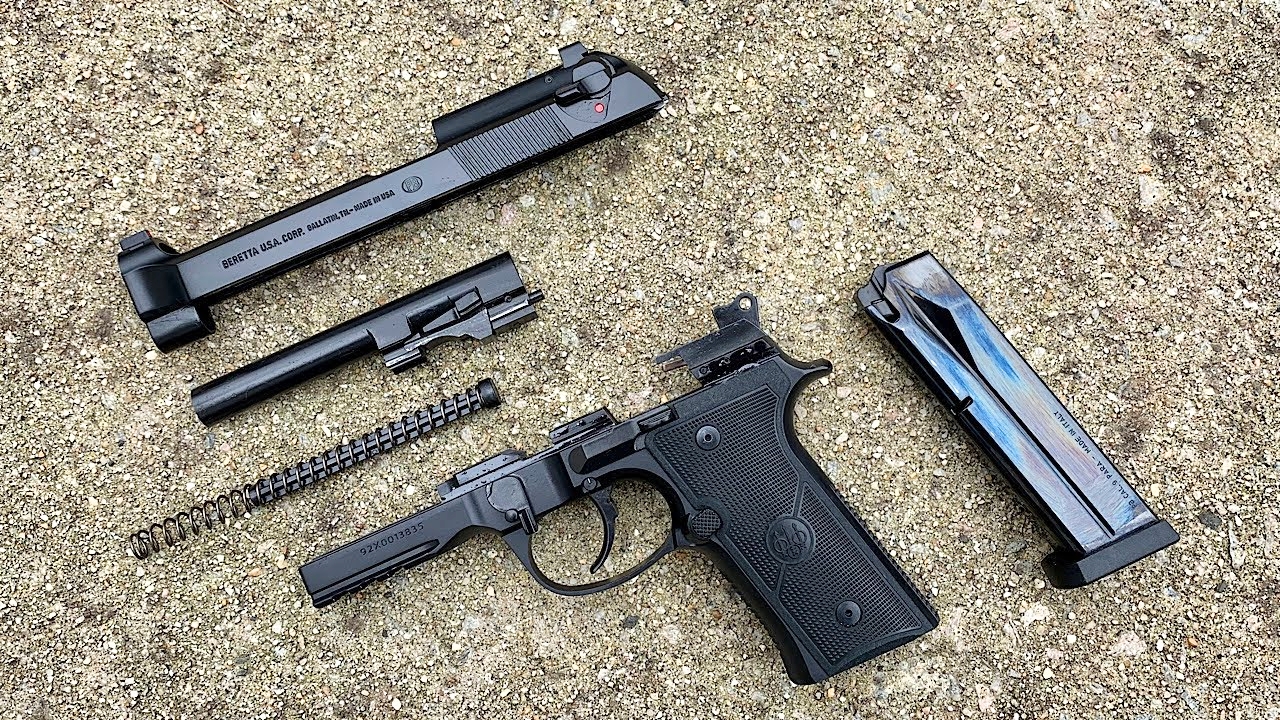
The Beretta 92 is famous for being easy to fieldstrip, and it is. The catch is that when you actually clean it like a serious owner, it can become a longer job than expected because the open-top slide and locking block system invite you to inspect and clean more than you would on a simpler striker pistol.
You start with a quick wipe, then you’re checking the locking block area, cleaning out the rails, and paying attention to places where carbon builds. None of it is difficult—it’s just more involved if you do it right. Older guns and heavily used guns especially encourage that extra attention. The 92 rewards care and lubrication, and that can turn basic cleaning into a more complete maintenance routine. It’s not hard. It’s just not always quick if you’re being honest.
S&W Model 500 (and big revolvers in general)

Revolvers aren’t complicated to fieldstrip because you generally don’t fieldstrip them. That’s the trap. When a big revolver gets dirty, basic cleaning can turn into a deep cleaning because so much fouling builds in places you can’t reach without time and patience. You end up brushing under the extractor star, cleaning the cylinder face, scrubbing the forcing cone, and dealing with lead and carbon that don’t wipe away easily.
With high-powered revolvers, fouling can be stubborn, and timing-related issues can show up if you let grime build in the wrong spots. That makes you more thorough. You didn’t “take it apart,” but you still spent the same amount of time as a teardown because the cleaning is intense. Revolvers can be incredibly dependable. They also make you earn cleanliness through elbow grease instead of quick disassembly.
Walther P22
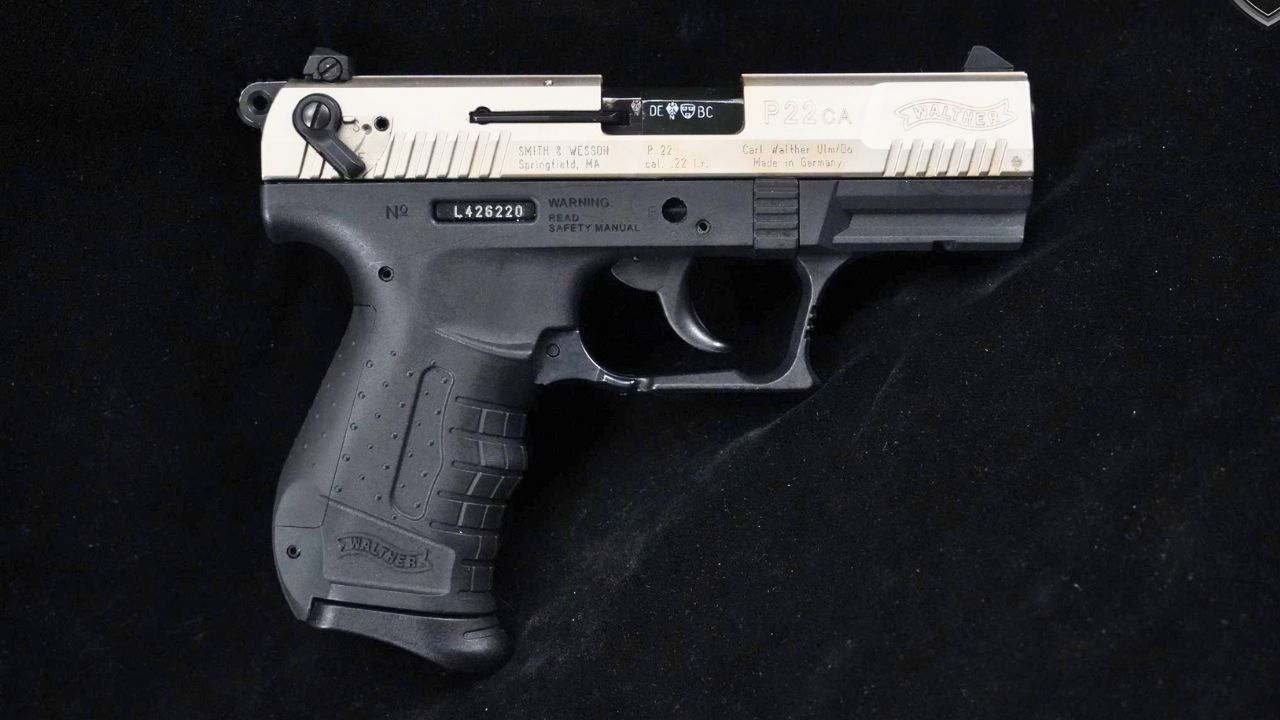
A rimfire pistol like the P22 can run fine, but it often turns cleaning into a bigger deal because .22 ammo is dirty. Fouling builds fast around the breech face, extractor, and feed path, and if you ignore it, reliability can slip quickly. That reality pushes you into more frequent and more detailed cleaning than you planned.
Fieldstripping is doable, but the small parts and the way grime accumulates make you spend time in tight areas. Your “basic cleaning” turns into scraping and brushing, especially if you shoot bulk ammo. Many owners end up cleaning more often than they would with a centerfire pistol, and that’s what makes it feel like a full teardown even when it isn’t. Rimfires can be a blast. They also make you work harder for consistent function if you’re shooting them the way most people do.
Like The Avid Outdoorsman’s content? Be sure to follow us.
Here’s more from us: