Photo credit: Product Pro reviews/YouTube
A lot of people learn the resale lesson the hard way: what looks cool on the counter doesn’t always look appealing in a used-gun ad. The used market is brutal because buyers have choices. If a model has a spotty reputation, weird magazine availability, a history of recalls, or it’s simply everywhere, your price gets hammered the second it leaves the store.
What really kills resale is uncertainty. Buyers don’t want a project, and they don’t want to hunt for parts. They want something they recognize, something they can service, and something they can move later if they change their mind. The guns below aren’t “all bad.” They’re the ones that tend to lose buyers fast when you try to sell, because the demand is thin, the supply is heavy, or the baggage is real.
Remington R51

The R51 is a perfect example of how a rough reputation follows a gun forever. Early production runs got a lot of negative attention, and even when later versions tried to correct course, many buyers never came back. On the used market, that means you’re often dealing with skepticism before anyone even asks what condition yours is in.
When you list one, you’ll run into the same problem over and over: buyers don’t want to gamble. They’d rather put their money into a common Glock, M&P, or SIG they already trust. That leaves you competing on price, and price is where the pain starts. If a gun is remembered more for controversy than confidence, you can feel that in resale the moment the messages come in—if they come in at all.
Kimber Solo

The Solo has a name that sounds premium, but the market remembers the “picky ammo” stories. Whether a particular sample runs great or not, used buyers often assume they’re buying sensitivity. That’s a tough hill to climb when you’re selling a compact carry pistol, because buyers want boring reliability and easy support.
A used Solo also competes with a crowded world of modern micro 9mms that are more common, easier to service, and easier to feed. Even people who like the gun may hesitate because magazines and parts aren’t as universal as the big-name polymer crowd. When demand is narrow, resale gets narrow too. You end up discounting to move it, not because it can’t shoot, but because buyers have safer, more familiar options at the same money.
Diamondback DB9

The DB9 has always attracted buyers who want a tiny 9mm without spending a lot. The problem is that the used market tends to treat it like a risk item. Small 9mms already have a reputation for being less forgiving, and the DB9 has had enough mixed owner experiences that many buyers assume the worst.
When you try to resell one, you’ll notice the offers come in low and fast. That’s because the buyer is pricing in uncertainty and the reality that they might move it again later. It’s also competing against more established micro pistols with stronger track records and better parts support. If the gun is known as “might be fine, might be finicky,” you can expect resale to reflect that. The discount becomes the buyer’s insurance policy.
SCCY CPX-2
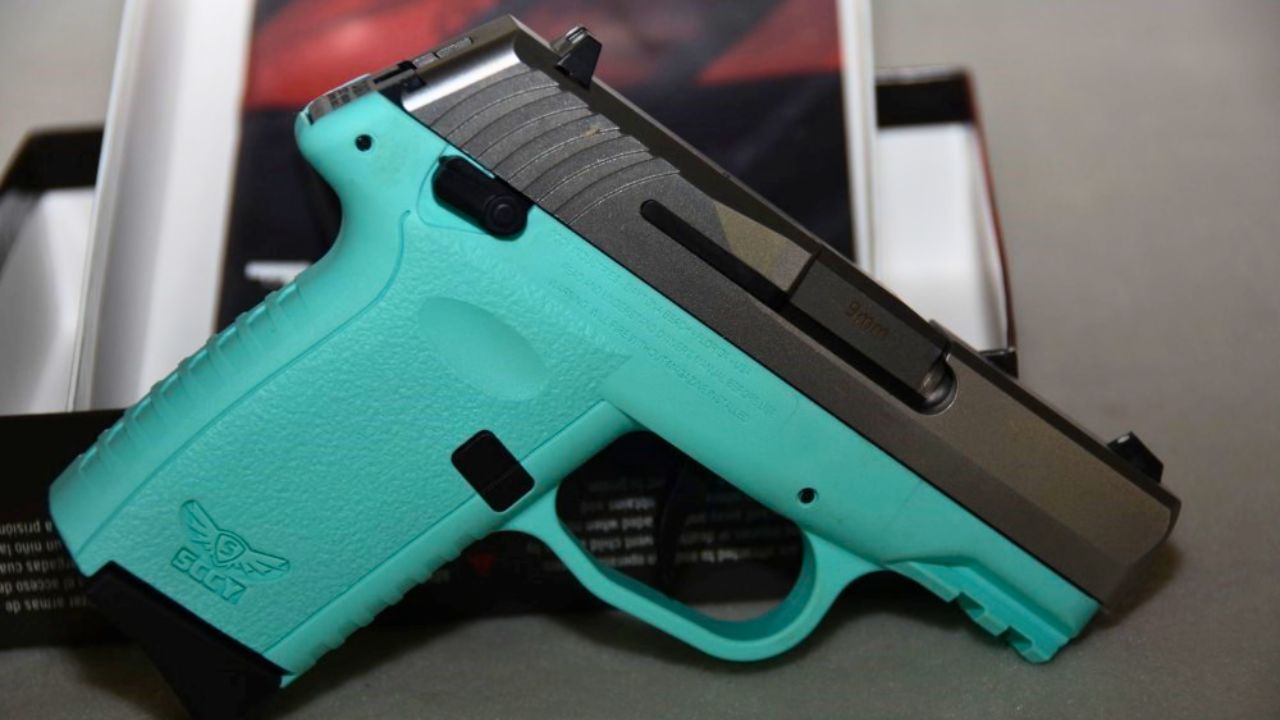
SCCY pistols sell because they’re affordable, and that’s exactly what hurts them on resale. The used market is full of them, and when supply is high, your leverage is low. Buyers also tend to view them as entry-level carry guns, which means many used examples show hard use and minimal maintenance.
Even when yours is clean, you’re still competing against brand-new pricing that isn’t far away during sales. That’s the resale trap: a buyer looks at your listing and thinks, “For a little more, I’ll buy new with a warranty and peace of mind.” So you drop the price, and then you drop it again. It’s not about the gun being unusable. It’s about the market treating it like a commodity with very little upside, and that makes buyers quick to negotiate.
Hi-Point C9
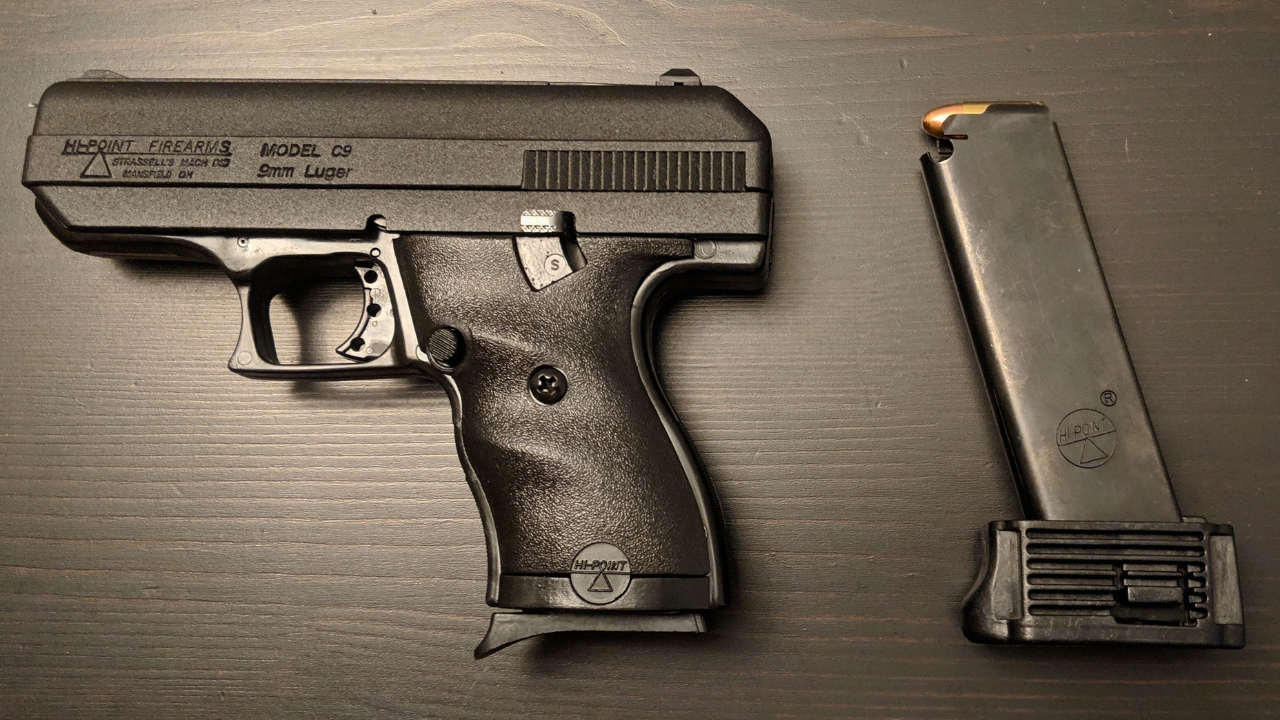
Hi-Points have a loyal following, but the resale reality is harsh. They’re inexpensive new, and the used market expects them to be even cheaper. Buyers also treat them as “tool guns,” so they assume rough handling, questionable cleaning, and unknown round counts.
When you list a C9, you’ll notice many buyers aren’t shopping for a nice used example. They’re shopping for the lowest number they can get you to accept. That’s because the gun’s main selling point is price, and once price is the whole story, resale becomes a race to the bottom. The brand stigma also matters, fair or not. A lot of buyers won’t even click the listing, which means fewer serious offers. If you buy one, buy it because you plan to keep it, not because you expect to recover money later.
Taurus G2C

The G2C is everywhere, and that popularity creates a resale problem: saturation. When a pistol is constantly on sale new, used prices get squeezed. Buyers know they can find another one tomorrow, and that kills urgency. You’ll also deal with buyers who lump all budget Taurus models into one mental category and bid accordingly.
A used G2C competes against police trade-ins, closeouts, and used mainstream compacts that carry more status. Even if yours runs perfectly, buyers tend to price it like a “backup gun,” not a prize. That means low offers and a lot of haggling. The gun can be a solid value for someone who wants a cheap shooter, but that same “cheap shooter” identity is what follows it into the used market. You don’t lose buyers because it can’t work—you lose buyers because it’s easy to replace.
Remington 770
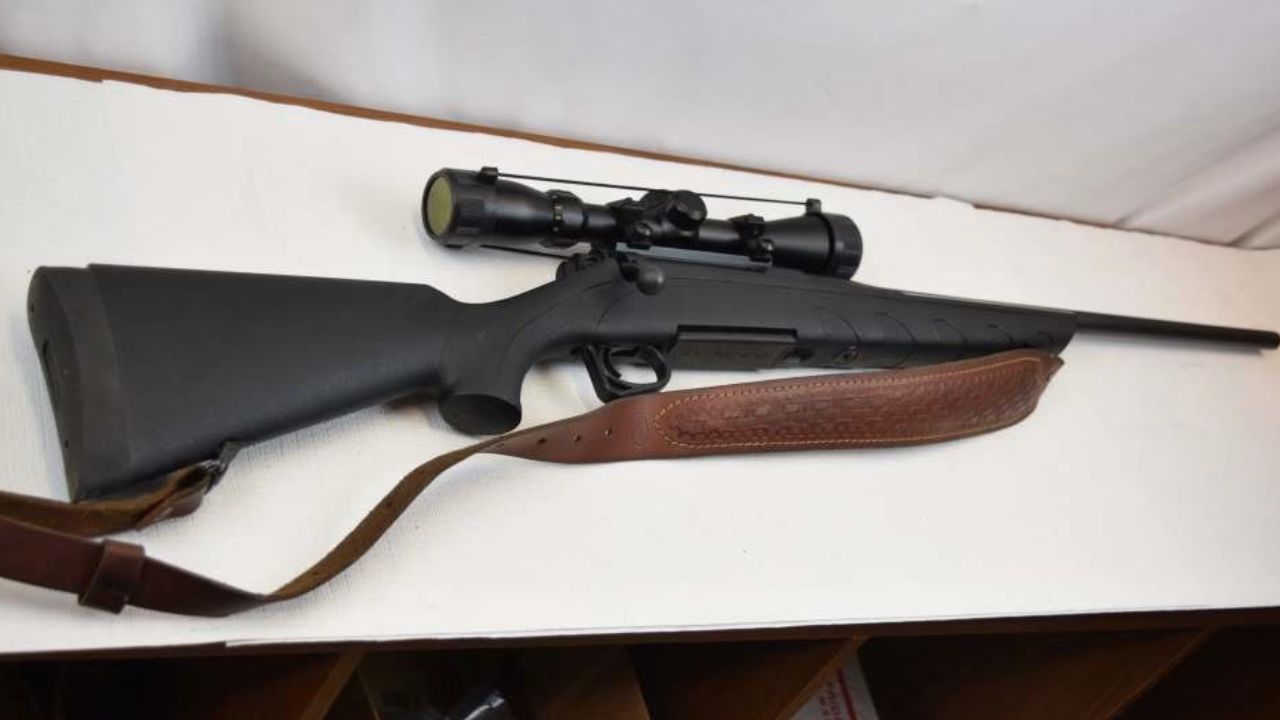
The 770 has been known for years as a rifle people buy on a tight budget and then grow out of fast. A lot of owners run into accuracy frustrations, scope mounting complaints, or a general feeling that the rifle wasn’t built for long-term pride of ownership. That reputation crushes resale, because buyers have heard the stories.
When you try to sell one, you’re usually selling to someone who only cares about a bargain. The serious used-rifle crowd tends to skip past it, and that leaves you with lowball offers or no interest at all. Even if your rifle shoots fine, you’re still fighting the model’s name. It’s the kind of rifle that gets traded, not sold, because the trade value is often less painful than watching buyers pick it apart in messages. The market treats it as disposable, and resale follows that logic.
Remington 710

The 710 is another one that gets punished by long memory. It’s tied to the same era of cost-cutting decisions, and many shooters remember them as rifles that didn’t inspire confidence in consistency or longevity. Whether that’s fair to every example doesn’t matter much when you’re selling, because perception drives the used market.
You’ll see the effect immediately: buyers either avoid it or treat it as a “cheap deer rifle” that they want for pennies. It also gets compared to other budget rifles that have stronger reputations, like older Savage and Ruger models, and that comparison usually doesn’t help the 710. If you’re trying to move one, condition matters less than you’d like, because the model itself sets the ceiling. It’s hard to get paid for a rifle the market already decided to distrust.
Mossberg Patriot

The Patriot can be a good field rifle, but resale often suffers because it lives in the crowded “budget bolt gun” lane. That lane is full of rifles that can shoot well enough, and buyers have learned they can negotiate hard because there’s always another option. Add in the fact that many Patriots are sold as package guns, and used buyers often assume the optic and mounts are the weak link.
When you try to sell one, you’ll often hear the same pitch: “I can buy a new one on sale for not much more.” That’s the resale killer for budget rifles. The rifle might do its job, but it’s not a model people chase, and it doesn’t have the collector pull that props up value. To move it quickly, you usually have to price it like a starter rifle again, even if you paid more when you bought it.
Thompson/Center Compass

The Compass has sold a pile of rifles because it’s affordable and usually shoots well enough for hunting. The problem is that it’s another budget bolt gun in a market that’s flooded with budget bolt guns. That means the used buyer can be picky and still demand a discount.
Resale also gets complicated by brand confidence. Thompson/Center’s corporate story has shifted over the years, and some buyers hesitate when they’re unsure what long-term support looks like. That hesitation shows up as low offers and a lot of “I’ll think about it” messages. Even if the rifle is fine, buyers want something they feel will be easy to service, easy to re-scope, and easy to resell later. The Compass can absolutely kill deer. It’s simply not a rifle people tend to seek out on the used rack at strong money.
ATI Omni Hybrid

Polymer-lower ARs like the Omni Hybrid can be tempting because they’re light and cheap. On resale, that “cheap” reputation becomes the whole story. A lot of buyers don’t want to gamble on a polymer lower when there are mountains of aluminum-lower ARs available used for reasonable money.
When you list one, you’ll feel the trust gap. Buyers ask more questions, negotiate harder, and often treat it like a range toy rather than a serious rifle. That pushes the price down because the buyer assumes they’re taking on risk without getting much upside. The AR market is also oversupplied, which makes it even harder for anything seen as “entry-level” to hold value. If you want a rifle you can sell quickly, the Omni fights an uphill battle because it’s competing against used rifles with more conventional builds and stronger confidence.
DPMS Oracle
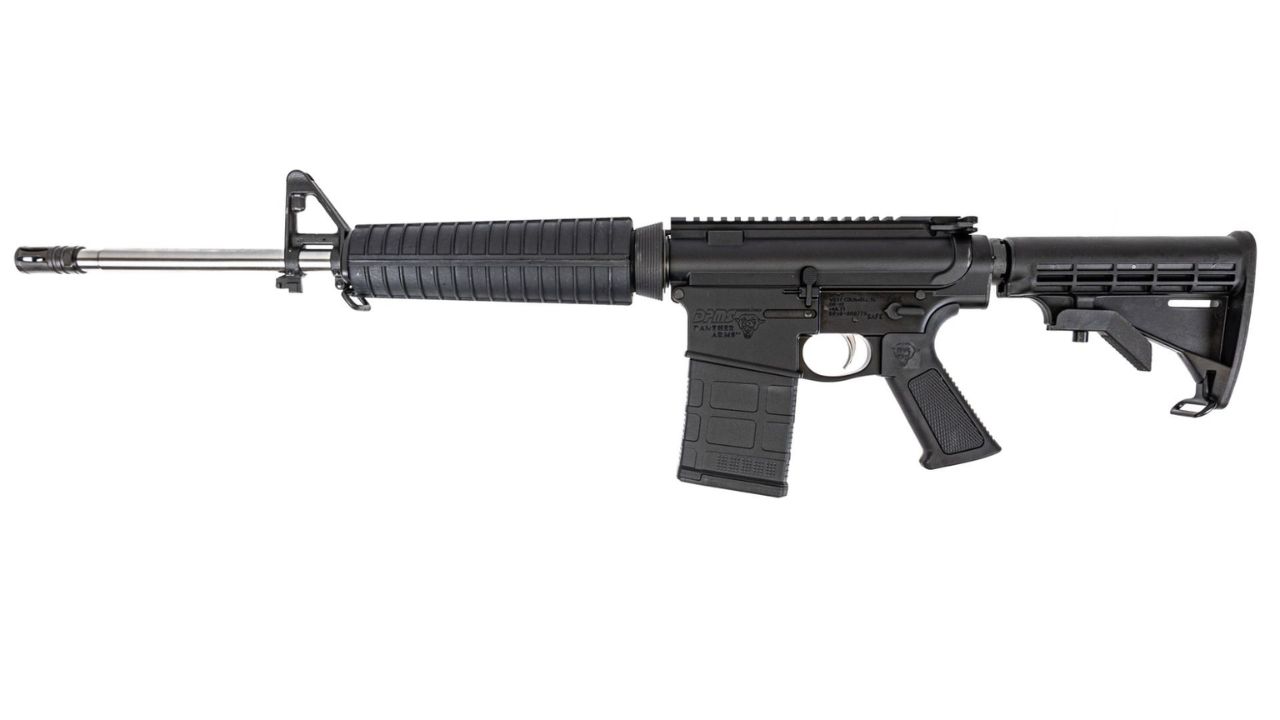
The Oracle is one of those ARs that sold in huge numbers, and high volume often equals weak resale. Used buyers know there are plenty available, so they don’t feel pressure to pay your price. They also tend to treat it as a baseline rifle—fine, functional, but not special—so upgrades rarely add much value.
The other resale issue is the “mystery build” effect. Many Oracles have been modified by owners, and buyers get cautious when they see swapped parts, mismatched furniture, or unknown round counts. That means you might have spent money improving it, but the used buyer still prices it like a stock budget rifle. To move it, you usually have to separate the accessories and sell the rifle plain. In the used AR world, common models don’t get rewarded for being common.
Century Arms RAS47

The RAS47 is a model that gets hammered by reputation. A lot of buyers have read enough warnings and owner stories to treat it like a pass, even if a particular rifle has been fine. When a gun becomes a “forum argument,” resale becomes painful because buyers assume the risk is built in.
If you do get interest, it’s often from buyers who want it cheap enough that they feel protected. That’s not a good negotiating position for you. AK buyers also tend to be brand-aware, and the used market puts a premium on known, trusted builds. If your rifle is in the category people question, you’ll have to discount hard to get traction. It’s not about emotion—it’s about buyers protecting their money. A shaky reputation turns your listing into a “maybe” gun, and “maybe” guns don’t sell fast at strong prices.
Taurus Judge

The Judge is famous, and that fame helps it sell new. On the used market, it gets weird. Some buyers want one badly, but a lot of shooters see it as a novelty gun that they’ll shoot a little and then move on from. That split demand makes pricing unstable, and unstable pricing makes resale unpredictable.
The other issue is expectation. Many buyers go in thinking it’s a do-everything solution, then they learn the reality of patterning, recoil, and practical use. That leads to a steady flow of used Judges hitting the market, which pressures prices down in many areas. You can still sell one, but you’ll often need to undercut the new price by a meaningful margin to get serious bites. A used buyer wants to feel like they’re not paying full price for an idea. They want a discount for the experiment.
Rock Island Armory GI 1911

Rock Island 1911s are a solid entry point, but resale usually reflects the entry-level status. Buyers like them because they’re affordable, which means they’re not eager to pay close to new pricing for a used one. The GI-style models also tend to be bought as a base for modifications, and that hurts resale in a different way.
If you kept it stock, buyers compare it to new pricing and negotiate hard. If you modified it, many buyers assume the work was done by an amateur and discount it even more. That leaves you in a narrow lane where the only easy sale is “cheap and clean.” The pistol can be a great range companion, but it rarely behaves like a value holder. When you try to flip it, you’re competing against brand-new guns that are still reasonably priced and come with none of the unknowns.
Panzer AR12

AR-style shotguns look aggressive and get attention, but resale can be brutal because buyer confidence is all over the place. The category is flooded with similar imports under dozens of names, and parts support can be uncertain. Used buyers know that, so they approach with caution and a low number in mind.
These shotguns also tend to attract impulse purchases. A lot of people buy one, shoot it a few times, then decide it isn’t as practical as they hoped. That creates a steady supply of used listings, which drives prices down fast. When you try to sell, you’ll run into buyers asking about magazine availability, tuning, and reliability with different loads. If they sense any hassle, they move on to a mainstream semi-auto shotgun with a stronger track record. The look sells the first time. The uncertainty hurts the second time.
Like The Avid Outdoorsman’s content? Subscribe to our newsletter so you never miss an article.
Here’s more from us: