Image Credit: BERETTA9mmUSA/YouTube.
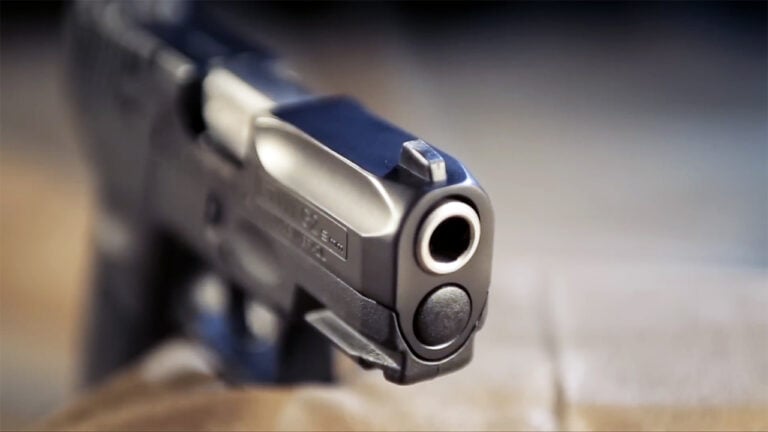
When I bought the handgun, I told myself I’d leave it alone for a while and learn it as-is. That sounded responsible at the time. There’s a lot of bad gun money spent by people who start changing parts before they’ve even figured out what the gun can do in stock form. I didn’t want to be that guy. I wanted to shoot the pistol, get used to it, and make changes only if I had a real reason. The problem was that I stayed loyal to the factory sights long after they had already shown me they were one of the weak points of the whole setup. I kept telling myself they were fine, or at least fine enough, because I didn’t want to admit that the stock configuration was holding me back more than I thought.
That lesson took a while to sink in because factory sights usually aren’t bad in an obvious, dramatic way. They don’t always fall off, break, or make the pistol impossible to use. In a lot of cases, they’re just mediocre enough to slow you down, blur together under pressure, or disappear in lighting conditions that aren’t ideal. That was my experience. The sights that came on the gun technically worked. I could line them up, press the trigger, and make hits. But the more I shot, the more I realized I was spending too much energy trying to read a sight picture that never looked as clear or fast as it should have. Once I finally upgraded, I understood that I hadn’t been proving how capable I was by keeping those sights. I had just been tolerating a limitation for too long.
Factory sights often exist to keep the price attractive, not to help you shoot your best
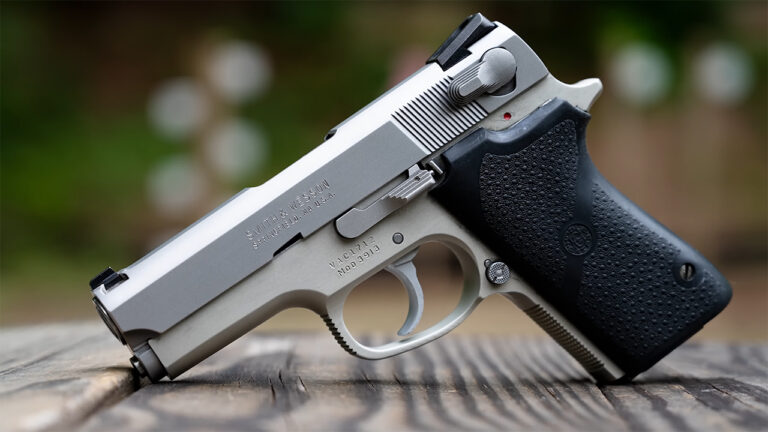
A lot of shooters know this, but it still gets overlooked when somebody buys a new handgun. Manufacturers make choices based on production cost, mass appeal, and what they need to include to keep the gun competitive on the shelf. Factory sights are part of that equation. On plenty of pistols, especially in the striker-fired world, the included sights are there because they meet the minimum expectation well enough to move units. They might be polymer instead of steel, plain blacked-out shapes, or low-visibility white-dot setups that look fine under indoor lighting and then start showing their weaknesses once you use them hard. They’re not always completely useless. They’re just often not the best expression of what the pistol could really be with a more serious sighting system on top of it.
That reality took me longer than it should have to accept because I had the usual mental argument going on. I had already spent the money on the pistol, and I didn’t want to immediately spend more on “extras.” I told myself that better shooters than me had made factory sights work for years, which is true, but that wasn’t really the point. A skilled shooter can work around a lot of things. That doesn’t mean those things aren’t still slowing him down. I kept acting like upgrading sights was a luxury instead of a practical improvement. Looking back, that was backward thinking. The sights are one of the few parts of a handgun you’re actively trying to read every single time you fire it. If that interface is weak, your whole shooting experience suffers even if the gun itself is reliable and accurate.
The problems showed up most when the light stopped being perfect
At an indoor range or on a bright afternoon with a clean target and no pressure, I could usually talk myself into believing the factory sights were good enough. They were visible. I could center them. I could make decent hits at reasonable distances. That’s exactly why mediocre sights can hang around so long on a carry gun or a general-use pistol. They don’t fail hard enough to force the issue right away. The cracks start showing when the lighting gets mixed, the target gets darker, the pace gets faster, or your eyes are already tired. That’s when I started noticing how often I was hunting for the front sight instead of naturally picking it up. Instead of the sight picture snapping into place, I was taking an extra beat to confirm what I was seeing.
That may not sound like a huge problem until you realize how much of handgun shooting comes down to speed of visual confirmation. The faster you can cleanly identify the front sight and understand what the rear is telling you, the faster you can break a confident shot. My factory sights had just enough contrast to feel acceptable under clean conditions, but not enough to stay crisp when conditions got less friendly. The front sight didn’t stand out the way it should have. The rear wasn’t helping enough. On some backgrounds, the whole picture started blending together. Once that happens, you’re not just slower. You’re more likely to start pressing shots with less confidence because your visual information isn’t as clear as it needs to be.
The issue was not only speed but consistency from session to session
One thing that finally pushed me toward changing the sights was how inconsistent my visual comfort felt depending on the day and range conditions. Some sessions went fine. Other sessions felt like I was working much harder than I should have to get the same results. At first I blamed myself, and to be fair, sometimes the shooter is the issue. Fatigue, dry eyes, poor focus, and rushed mechanics can all make handgun shooting feel worse. But over time I noticed a pattern. When I picked up other pistols with better sights, the sight picture came together faster and stayed more usable across different lighting and target conditions. When I went back to the stock setup on my gun, I had to work harder again. That kind of comparison strips away a lot of excuses.
The frustrating part is that I kept trying to solve the wrong problem. I spent time thinking about grip pressure, trigger control, and recoil management, and all of that matters. But I had ignored the fact that my visual input was weaker than it should have been from the start. A handgun can only be shot as cleanly as the shooter can process the sights in front of him. If those sights are vague, dim, poorly shaped for your eye, or just built with too little thought for real-world use, you start compensating in ways that are hard to fully measure. You hesitate longer than needed. You verify more than needed. You break shots later than needed. None of that looks dramatic, but it adds up over time and steals confidence in a way that’s easy to misread as a skill problem.
Durability matters too, especially when stock sights are the first thing to give up
Another piece of this that doesn’t get enough attention is simple durability. Plenty of factory sights, especially low-end polymer sets, are not built with the same long-term toughness as a quality aftermarket steel setup. If a pistol gets used hard, holstered often, knocked around in a truck console, or practiced with in earnest, those small differences start to matter. Edges wear down. Rear sights can get chewed up. The front sight can lose definition. In some cases, sights can even shift or get damaged more easily than people expect. I didn’t have a catastrophic failure, but I did start noticing enough wear and softness in the stock sights that it made me trust them even less. The pistol itself was proving tougher than the sighting system riding on top of it.
That mismatch started bothering me more the more I thought about intended use. If the handgun is meant for carry, home defense, or serious training, then the sights are not decorative. They are part of the gun’s working system. I finally had to admit that I was treating them like an accessory when they were really one of the most important contact points between my eyes and the pistol. Once I reframed it that way, the decision became obvious. I wasn’t upgrading for looks. I was upgrading a critical interface on a tool I actually relied on. That kind of spending feels a lot different when you stop viewing it as cosmetic and start viewing it as practical.
Better sights didn’t turn me into a great shooter, but they removed a needless handicap
When I finally replaced the factory sights, the difference was immediate and honest. Not magical, not exaggerated, just clear. The front sight stood out faster. The rear gave me a cleaner picture. Under different lighting, I wasn’t searching as much or second-guessing what I was seeing. My pace improved because I was getting better information sooner. My confidence improved because the visual picture made sense faster. That matters a lot in handgun shooting, where tiny delays in sight confirmation can turn into bigger delays in shot execution. I didn’t suddenly become some elite pistol shooter because I installed better sights, but I absolutely stopped making the process harder than it needed to be.
That’s the part I wish I had understood sooner. Upgrading from weak factory sights wasn’t about chasing perfection or trying to buy skill. It was about removing a weak link that had already proven itself mediocre. I trusted the factory sights longer than I should have because I confused “usable” with “good enough to keep.” Those are not the same thing. A lot of stock sights will get a shooter through a range trip. That doesn’t mean they deserve years of loyalty. Once I made the change, I realized I had spent too much time adapting to a sight picture that was never really helping me. If I buy another handgun with stock sights that feel like a compromise, I won’t wait nearly as long next time.
Like The Avid Outdoorsman’s content? Subscribe to our newsletter so you never miss an article.
Here’s more from us: