Photo credit: Northern Hills Defense/YouTube
Some guns do not feel special when they are common. They sit on used racks, ride in old cases, get passed over for newer releases, and seem like the kind of firearm you could always replace later. Then production changes, clean examples dry up, prices climb, or the newer substitutes never feel quite the same.
That is when owners realize the ordinary gun was not so ordinary. Maybe it had better fit than people noticed. Maybe it balanced right. Maybe it shot better than its price ever suggested. Maybe it was simply a working firearm from a time when “plain” still meant solid.
Remington Model 788
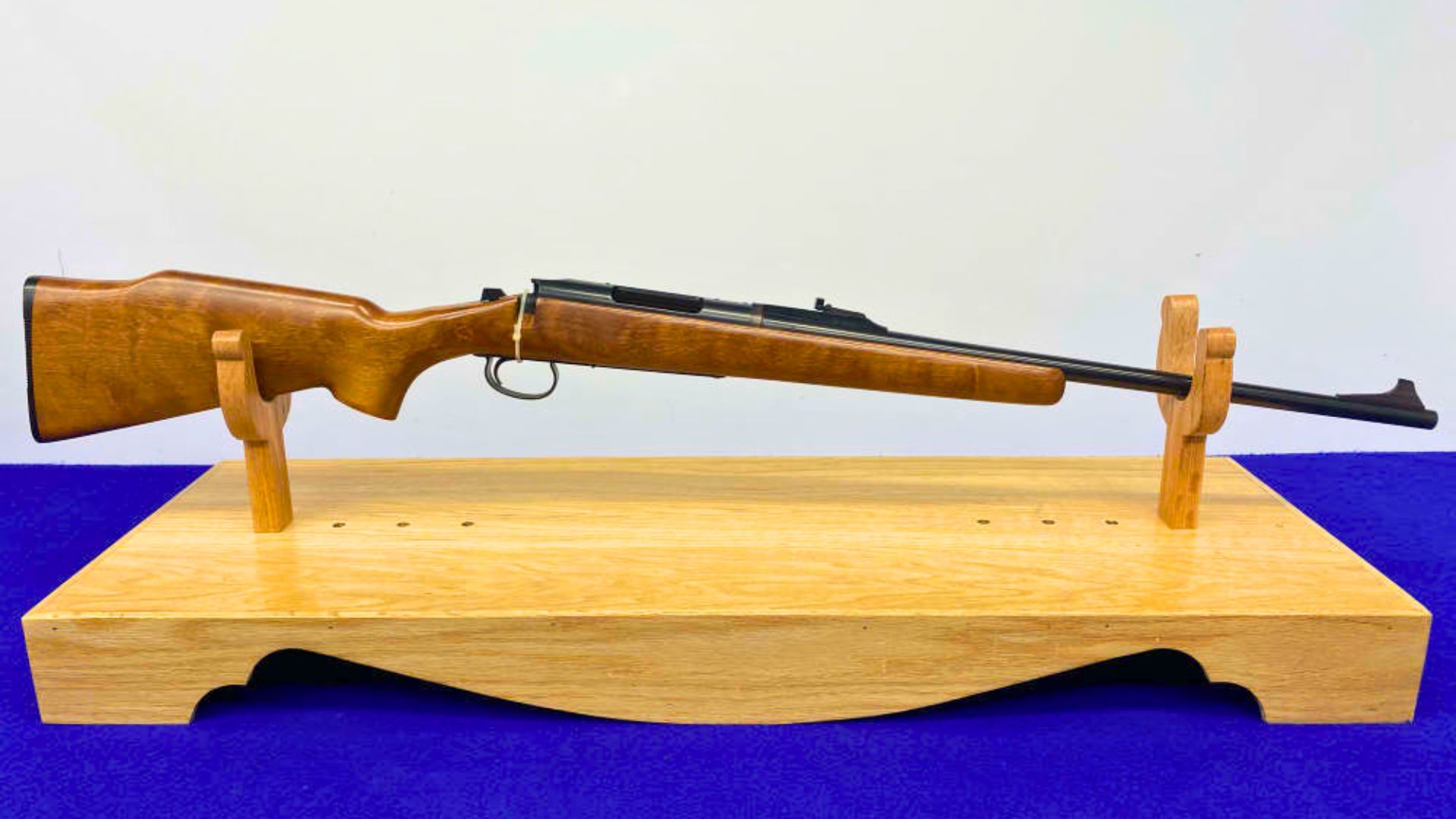
The Remington Model 788 spent years being treated like a budget bolt gun. It was not as handsome as a Model 700, and it never had the same prestige at deer camp. Plenty of owners saw it as a useful rifle, not something worth getting sentimental over.
Then people noticed how well many of them shot. Clean examples became harder to find, especially in desirable chamberings, and replacement suddenly was not easy. The 788 proved that a rifle can look plain and still have the kind of accuracy that makes newer rifles feel less convincing.
Ruger Security-Six

The Ruger Security-Six used to feel like a normal working .357. It was not as polished as a Smith & Wesson and did not carry Colt glamour, so plenty of shooters treated it like a practical revolver they could always find again.
That changed once people started comparing it to what replaced it. The Security-Six is handier than the GP100, strong for its size, and still easy to carry and shoot well. A clean one now feels like a revolver you should have kept, because replacing that exact mix of size and toughness is not simple.
Marlin 336
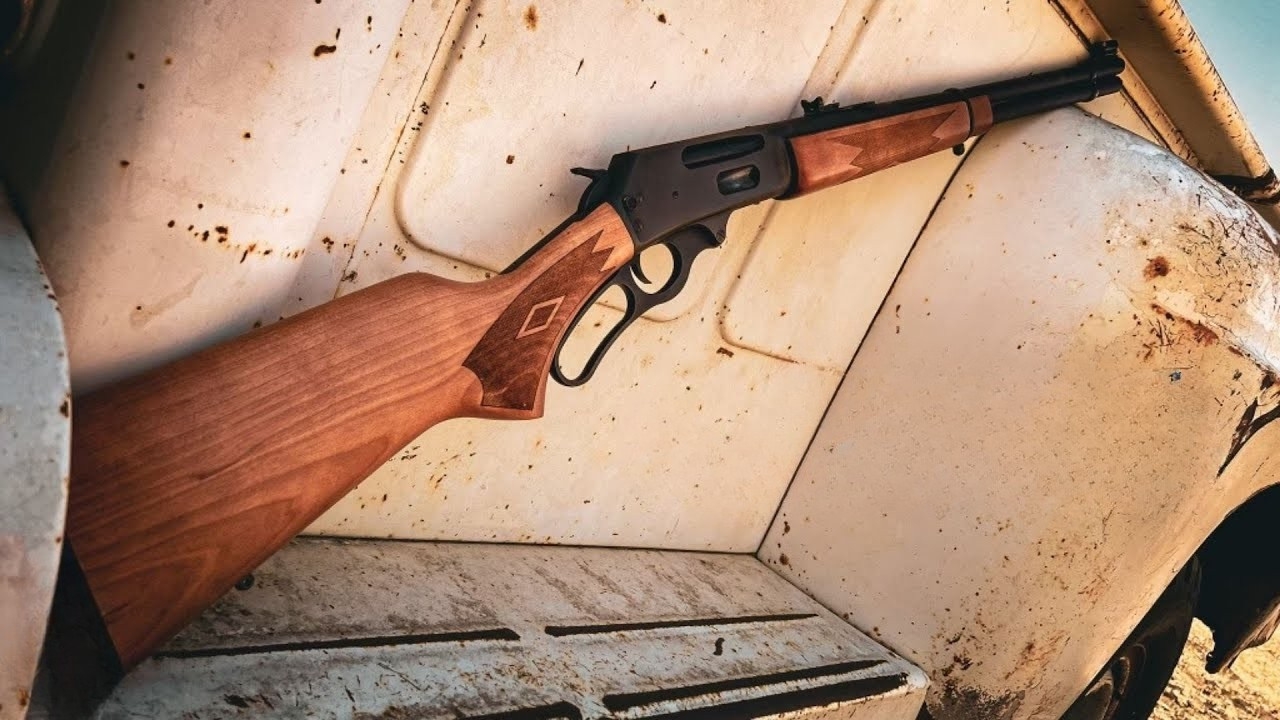
The Marlin 336 was once the definition of an ordinary deer rifle in a lot of places. It rode in trucks, leaned in corners, and filled freezers without making anyone think they owned something special. A .30-30 lever gun was just a .30-30 lever gun.
Now good older Marlins are not as easy to replace as people assumed. Smooth actions, walnut stocks, and real field wear carry more appeal than they used to. The 336 reminds owners that common working rifles only stay common until everyone wants another one.
Smith & Wesson Model 10
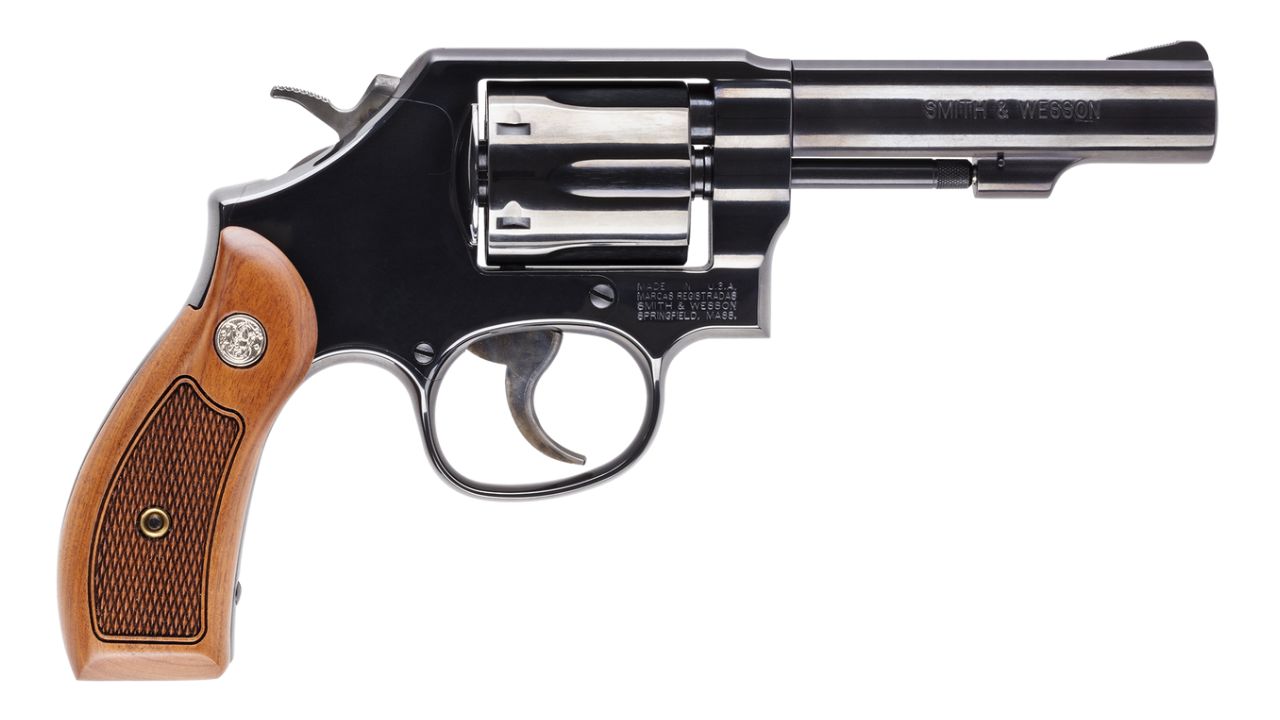
The Smith & Wesson Model 10 was everywhere for so long that many shooters stopped seeing it. Police trade-ins, nightstand guns, range revolvers, and old .38s all blended together. It was reliable, plain, and easy to overlook.
Then the supply of clean old service revolvers started thinning out. A good Model 10 has a smooth trigger, natural balance, and more accuracy than its fixed sights suggest. Modern handguns may beat it on capacity, but replacing that old-school service-gun feel is harder than people expect.
Winchester Model 70 Classic

The Winchester Model 70 Classic did not always feel rare when it was on the rack. It looked like a proper hunting rifle, sure, but plenty of buyers passed it over for lighter, cheaper, or more modern-looking options.
Now the controlled-round-feed Classic models carry more weight with hunters who appreciate real field rifles. They have the handling, strength, and traditional feel that many newer guns try to mimic. Once you sell a good one, finding another in the right chambering and condition can turn into a long search.
Remington 870 Wingmaster

The Remington 870 Wingmaster was so common that people forgot how good it was. It was the pump shotgun everyone knew, and that familiarity made it easy to treat like just another bird gun or deer gun.
Older Wingmasters have a smoothness that many newer shotguns do not quite match. The action feel, blued finish, walnut, and support make them hard to replace with the same confidence. Plenty of pumps still work, but a good Wingmaster has a way of making you regret assuming all 870s felt the same.
Ruger M77 Mark II

The Ruger M77 Mark II often seemed like a sturdy but unexciting bolt rifle. It did not chase trends, and it was never the lightest or slickest option in the store. It just looked like a rifle built to hunt.
That is exactly why owners miss them. The controlled-round-feed action, integral scope mounts, and rugged feel give it a kind of confidence that newer rifles do not always deliver. A good M77 Mark II feels ready for rough country. Replacing that no-worry field attitude can be tougher than replacing the rifle itself.
Smith & Wesson Model 66

The Smith & Wesson Model 66 was once a practical stainless .357, not a prized treasure. It had K-frame handling, magnum capability, and enough weather resistance to make sense for police, home, trail, and range use.
Now clean examples are much more appreciated. The Model 66 is handier than larger .357s and more enjoyable than tiny snubs. It sits in a sweet spot that modern revolvers do not always hit. Owners who let one go often discover that buying the same feel back costs more than they expected.
Browning A-Bolt

The Browning A-Bolt never disappeared quietly from the minds of hunters who used one. It was not as loud in reputation as some classic rifles, but it handled well, shot well, and carried a level of refinement that made it easy to live with.
When newer rifles took over Browning’s catalog, some owners realized what they had sold. The A-Bolt’s short bolt lift, clean stock lines, and hunting-first feel still stand out. It was ordinary only because it was available. Once it was not, that easy confidence became harder to replace.
Marlin 39A
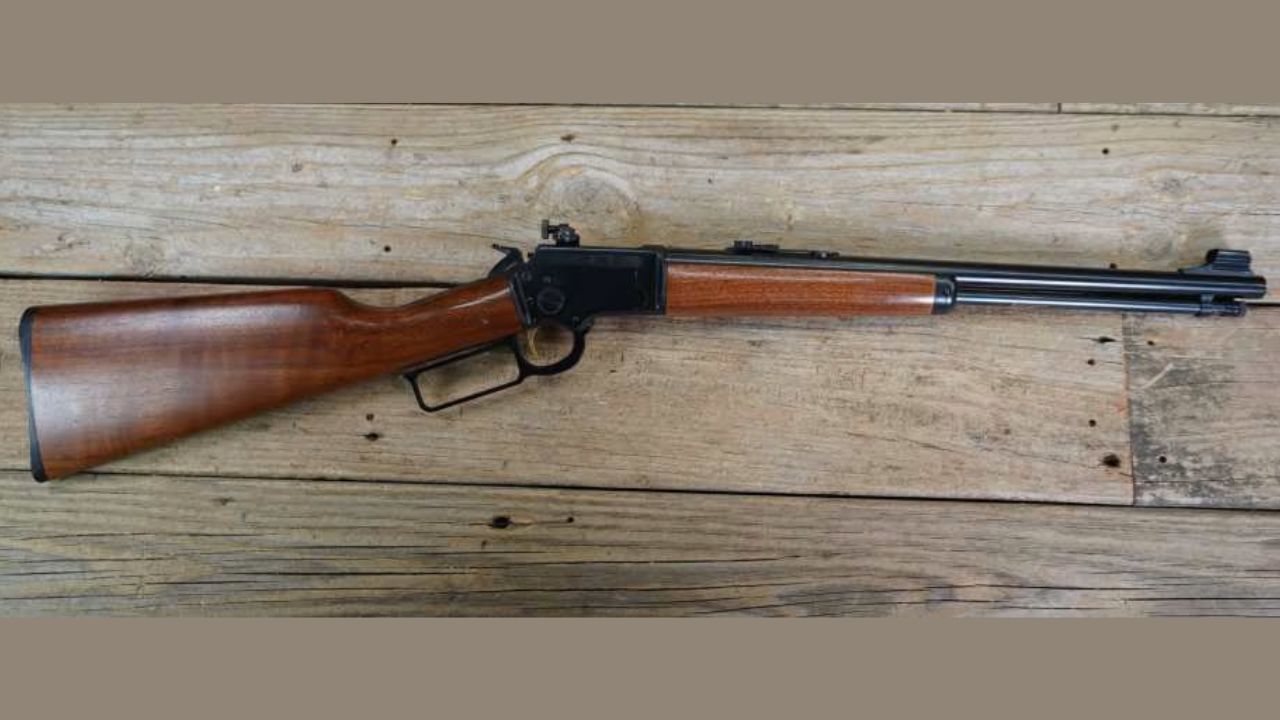
The Marlin 39A was once just a fine .22 lever gun that many families kept around. It was used for squirrels, cans, plinking, and teaching new shooters. Because it was so useful, people sometimes treated it casually.
Now it feels like one of those rimfires nobody should have sold. Steel, walnut, smooth cycling, and takedown design give it a lasting appeal newer rimfires rarely match. The 39A proves that a simple .22 can become irreplaceable when it carries decades of use and still feels better than most replacements.
Colt Detective Special

The Colt Detective Special used to be a common little carry revolver. It lived in desk drawers, coat pockets, glove boxes, and holsters before micro-compacts took over the world. For a long time, it felt replaceable.
Then people started appreciating what six shots in a compact Colt actually meant. The Detective Special has charm, history, and a useful size that still makes sense. Modern carry guns are easier to support, but they do not feel like this. A clean Detective Special is the kind of gun owners miss after the market reminds them what they gave up.
Savage Model 99

The Savage Model 99 looked ordinary to generations of hunters because it was a familiar lever rifle in deer camps. It did not need to explain itself. It simply carried well, cycled fast, and let hunters use pointed bullets in a lever-action design.
Today, that engineering looks smarter than ever. Good Model 99s are not cheap, and finding the right chambering can take patience. It is hard to replace because very few rifles offer the same mix of speed, balance, cartridge flexibility, and old hunting character. Ordinary only lasted while they were common.
Smith & Wesson 5906
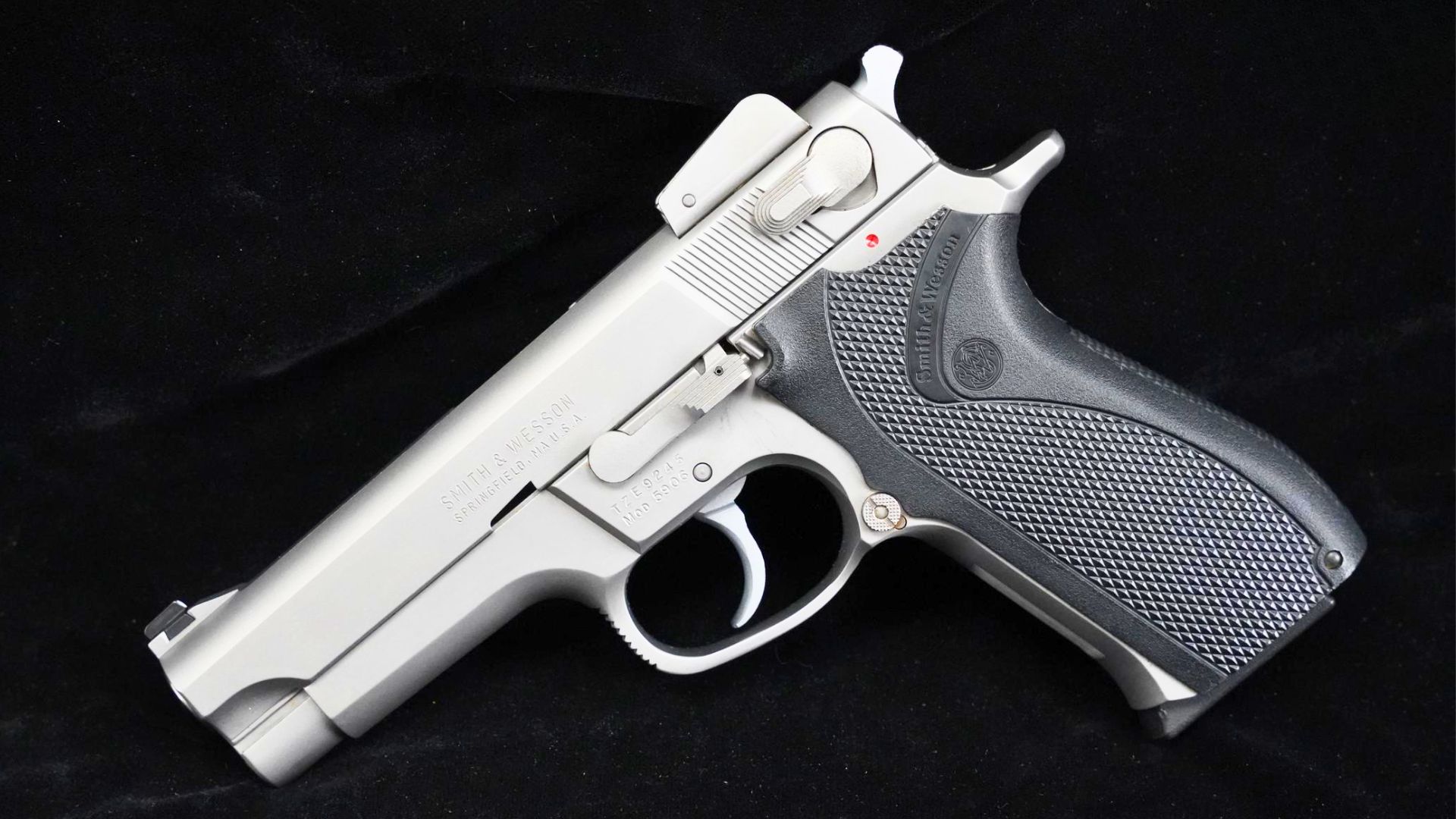
The Smith & Wesson 5906 once seemed like a heavy old duty pistol from the pre-polymer era. It was stainless, chunky, and easy to dismiss once lighter striker-fired guns became the standard.
Now shooters look at it differently. The 5906 is tough, soft-shooting, and built with a kind of metal-frame confidence that has become less common. It is not the easiest pistol to carry, but it is hard to wear out and satisfying to shoot. Owners who sold them cheap years ago usually understand the mistake now.
Ruger No. 1

The Ruger No. 1 always had fans, but it still spent years being treated like a niche rifle. A single-shot hunting rifle felt old-fashioned beside bolt guns with better practical speed. Some owners assumed they could replace one whenever they wanted.
That assumption does not hold up as well now. Certain chamberings and configurations are hard to find, and the No. 1 has a level of class that modern rifles rarely duplicate. It is not the most practical rifle, but it is one of the easiest to regret selling once you realize how different it really was.
Browning Auto-5

The Browning Auto-5 was common enough for long enough that many hunters treated it like another old shotgun. It had the humpback receiver, long-recoil action, and a reputation that everyone knew, but familiarity made it easy to undervalue.
Now good examples have a pull that newer semi-autos do not fully replace. The Auto-5 has history, personality, and a field feel that stands apart. It may not be as soft-shooting or modern as newer designs, but it has a soul that owners remember. Once one leaves the cabinet, replacing that exact feel is not easy.
Like The Avid Outdoorsman’s content? Be sure to follow us.
Here’s more from us: