Photo credit: Tactical Considerations/YouTube
Some handguns get defended because people are loyal to a brand. Others get defended because they have actually been carried, shot, dropped in range bags, run dirty, fed cheap ammo, and trusted for years without turning into a problem. That second group is a lot harder to argue with.
A handgun does not have to be perfect to earn that kind of loyalty. It needs to keep working after the finish wears, the magazines get scuffed, the holster marks show, and the owner stops treating it like something new. These are the handguns people defend for good reason because real use has a way of separating good guns from good marketing.
Glock 19

The Glock 19 gets defended so often that it almost annoys people, but years of real use explain why. It is not the prettiest pistol, and it does not feel special in your hand the way some newer guns do. Then you shoot it, carry it, clean it once in a while, and realize it keeps doing the job without asking for attention.
That is why owners stick with it. The size works for carry, range use, home defense, and duty-style roles better than most pistols. Parts, mags, holsters, and sights are everywhere. A Glock 19 may not win anyone over with personality, but after years of boring reliability, people defend it because boring starts feeling smart.
Smith & Wesson M&P9 M2.0

The M&P9 M2.0 has earned a loyal following because it feels like a working pistol instead of a fashion statement. The grip texture is aggressive, the frame shape fits a lot of hands, and the pistol handles recoil in a steady, predictable way.
People defend it because the more you shoot it, the more it makes sense. The newer flat-face trigger helped fix one of the biggest complaints from earlier M&P pistols, and the optics-ready models brought it fully into the modern carry world. It is a gun you can train with hard, carry confidently, and keep around without feeling like you need to explain every choice. It just works well.
SIG Sauer P226

The SIG P226 has the kind of reputation that came from decades of real use, not internet excitement. It is heavier than modern polymer pistols, and the double-action/single-action system takes more work than a striker-fired trigger. That is exactly why some shooters respect it so much.
Once you learn the trigger, the P226 is easy to shoot well. It feels planted, cycles smoothly, and has a track record that goes far beyond casual range talk. Owners defend it because it still feels like a serious handgun after all these years. It may not be the lightest choice for carry, but as a duty, range, or home-defense pistol, it remains hard to beat.
Beretta 92FS

The Beretta 92FS gets criticized for size, slide-mounted controls, and being heavier than newer pistols. Those complaints are not imaginary, but they also do not erase what the gun has proven over time. Plenty of shooters have run these pistols for years and still trust them.
The 92FS is soft-shooting, accurate, and smooth when maintained properly. The open-slide design, long sight radius, and full-size frame make it easy to shoot with confidence. People who learned on one often defend it because they know how well it performs when you stop comparing it to tiny carry guns. It is big, but it is also steady, proven, and easy to like after real use.
CZ 75
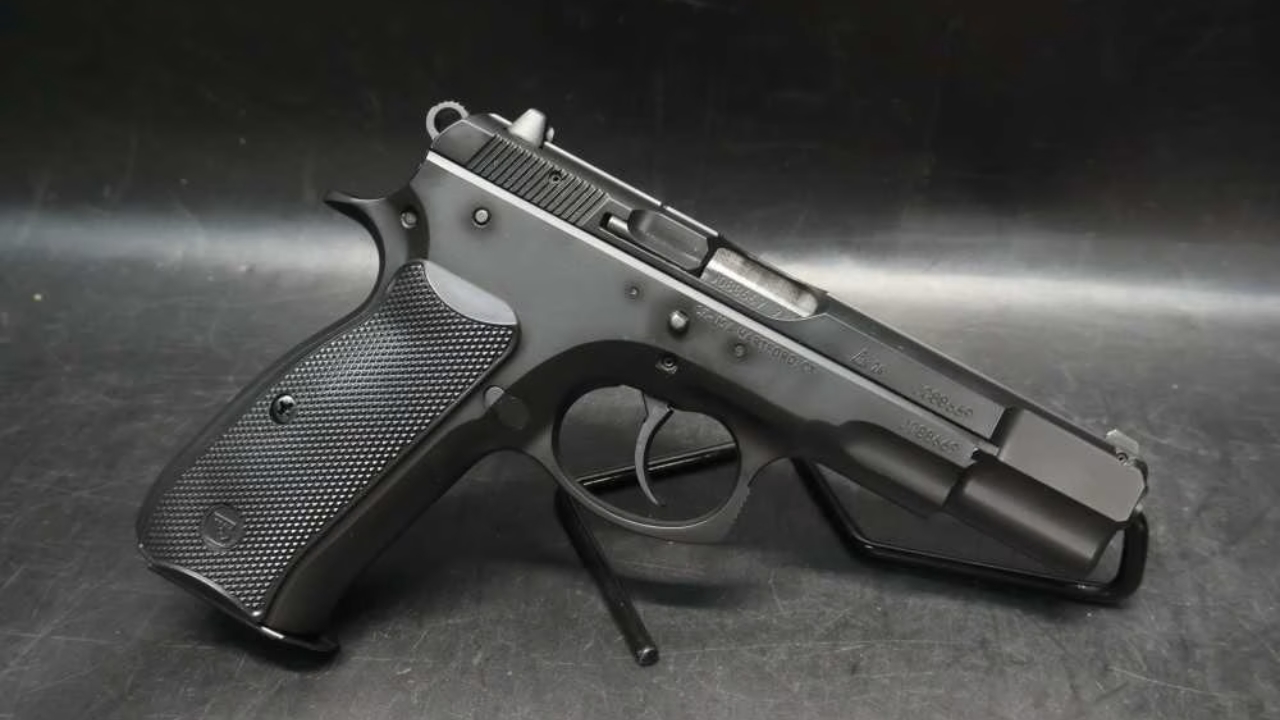
The CZ 75 has a loyal crowd because it earns trust in the hand and on the range. The low slide-in-frame design, comfortable grip, and natural pointing feel make it one of those pistols that seems to help the shooter instead of fighting him.
Owners defend it because it has aged well. It is all steel in many versions, handles recoil beautifully, and still feels relevant even after decades of polymer pistols taking over the market. The double-action/single-action system is old-school, but in a good way. Once you get used to the controls and trigger, the CZ 75 becomes hard to let go. It feels like a pistol built around shooting, not trend chasing.
Ruger GP100

The Ruger GP100 is one of the easiest revolvers to defend because it has spent years proving it can take hard use. It is not as elegant as some Smith & Wesson revolvers, and the trigger may not be as polished out of the box, but the strength is obvious.
People keep defending the GP100 because it handles .357 Magnum use without feeling delicate. It is heavy enough to shoot well, strong enough for regular range work, and simple enough to trust in rough conditions. The more you use one, the more you understand its appeal. It is a revolver for people who want durability first and pretty details second.
Smith & Wesson Model 686

The Smith & Wesson Model 686 has been defended for years because it gives shooters the sweet spot of .357 Magnum revolvers. It is stronger and heavier than the old K-frames, but not as bulky as the biggest hunting revolvers. That balance matters.
A good 686 can serve as a range gun, field gun, home-defense gun, and teaching gun without feeling out of place. The trigger is usually excellent, the sights are practical, and the stainless finish holds up well to regular use. People defend it because it keeps proving useful long after the first purchase excitement fades. It is not trendy. It is simply one of the best all-around revolvers ever made.
Colt Government Model 1911
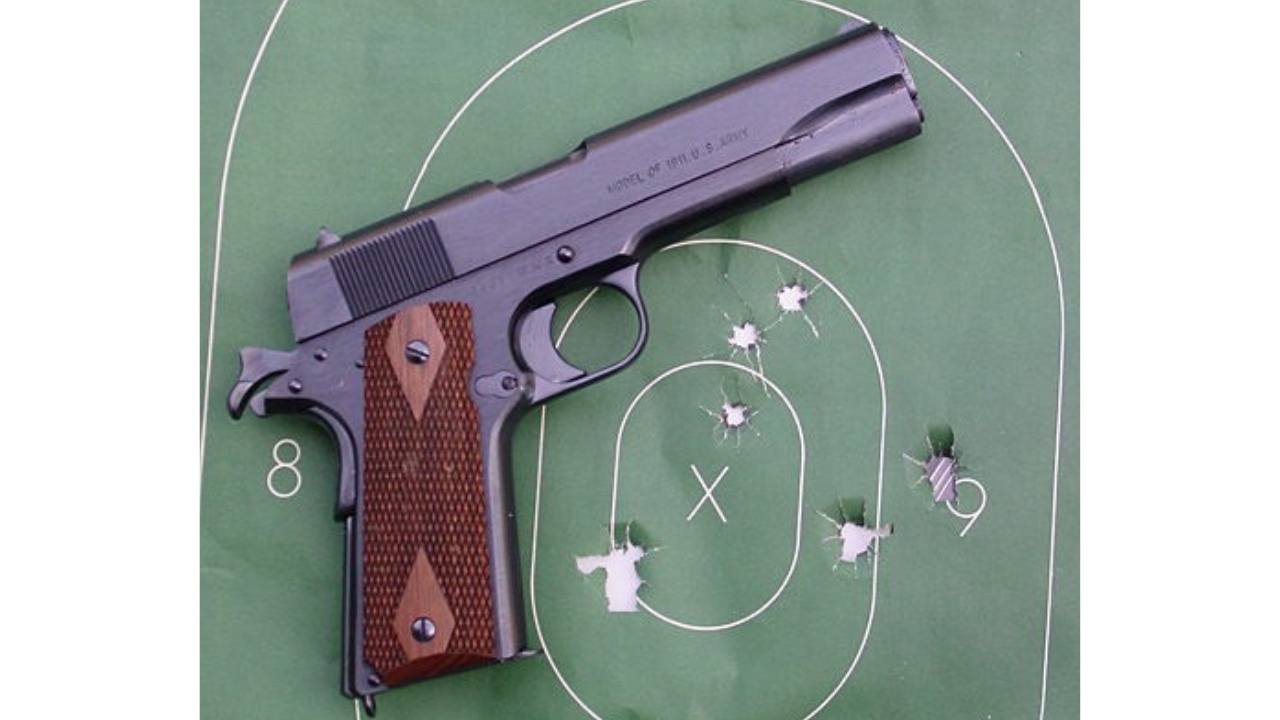
The Colt Government Model 1911 gets defended because it has served shooters for longer than most handguns have existed. It is easy to criticize by modern standards: lower capacity, more weight, more maintenance, and a manual safety system that requires training. None of that is wrong.
But when a good 1911 is running right, it reminds you why people still care. The trigger is crisp, the grip angle feels natural, and the pistol points beautifully. Owners who actually shoot and maintain them defend them because the platform rewards effort. It is not the easiest pistol for everyone, but in trained hands, a solid Colt 1911 still feels serious, accurate, and worth keeping.
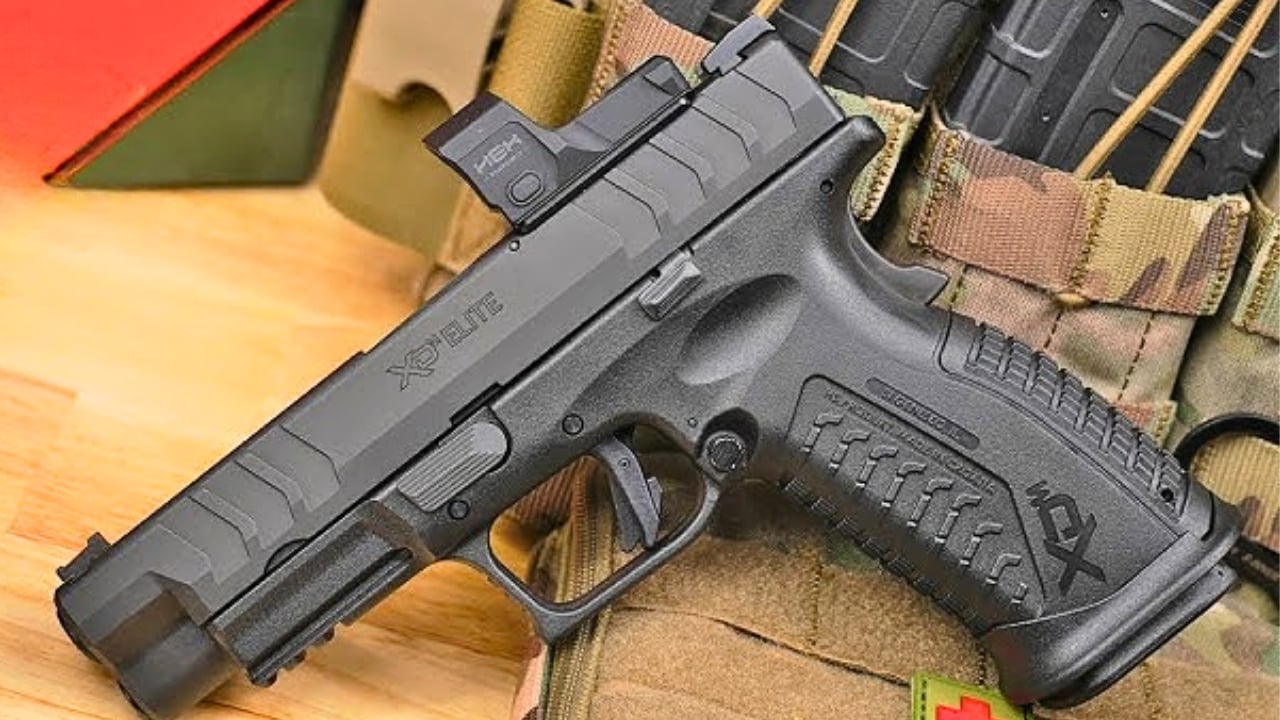
Springfield Armory XD-M Elite

The XD-M Elite does not always get the same respect as Glock, SIG, or Smith & Wesson, but long-term owners often defend it hard. That usually comes from experience, not blind loyalty. The pistol tends to be accurate, comfortable, and feature-rich for the money.
The grip safety bothers some people, but plenty of shooters never have an issue with it. The Elite versions improved the trigger, added better capacity options, and made the pistol feel more current. Owners defend it because it has quietly served them through range sessions, carry use, and defensive training without drama. It may not be the internet’s favorite, but real use has kept it relevant.
Walther PPQ

The Walther PPQ built its reputation on one of the best factory striker-fired triggers around. That got people’s attention, but the pistol stayed respected because it also shot well, felt good in the hand, and ran reliably for owners who used it hard.
People defend the PPQ because it made a lot of striker-fired pistols feel rough by comparison. The grip was comfortable, the trigger reset was clean, and the gun made accurate shooting feel easier than it should. Even after the PDP replaced it in Walther’s lineup, PPQ owners still speak up for it. That tells you something. A discontinued pistol does not keep loyalty unless it earned it.
HK VP9

The HK VP9 gets defended because it feels refined without being fragile. The grip system lets shooters fit the pistol to their hand better than most factory guns, and that matters more after long range sessions than it does during a quick store counter check.
It also has a clean trigger, easy-to-use slide charging supports, and the kind of build quality people expect from HK. Some complain about price or magazine cost, but owners who have run them for years usually defend the pistol because it performs. The VP9 feels like a gun designed by people who cared about how it shoots, not just how it looks in a catalog.
Ruger LCP MAX

The Ruger LCP MAX gets defended because it solves a real carry problem. It is not a pistol most people love shooting for fun, and nobody should pretend it feels like a full-size range gun. Its value is that it is small enough to be with you when larger handguns are not.
Owners defend it because practical carry matters. The LCP MAX gives you more capacity than older pocket .380s while staying extremely easy to conceal. It is useful for hot weather, quick errands, backup carry, and situations where a bigger pistol is unrealistic. After years of actually carrying one, people understand its role. It is not meant to impress anyone. It is meant to be there.
SIG Sauer P365

The SIG P365 changed carry expectations because it gave people real capacity in a truly compact pistol. A lot of guns get hyped when they launch, but the P365 kept its place because shooters actually carried it and trained with it.
People defend it because the size-to-capacity ratio still makes sense years later. The platform also grew into different versions, giving owners choices without leaving the basic system. It is not perfect, and early concerns made some shooters cautious, but the P365 family has become one of the defining carry lines of this era. When a pistol carries small, shoots better than expected, and keeps improving through options, loyalty follows.
Glock 26
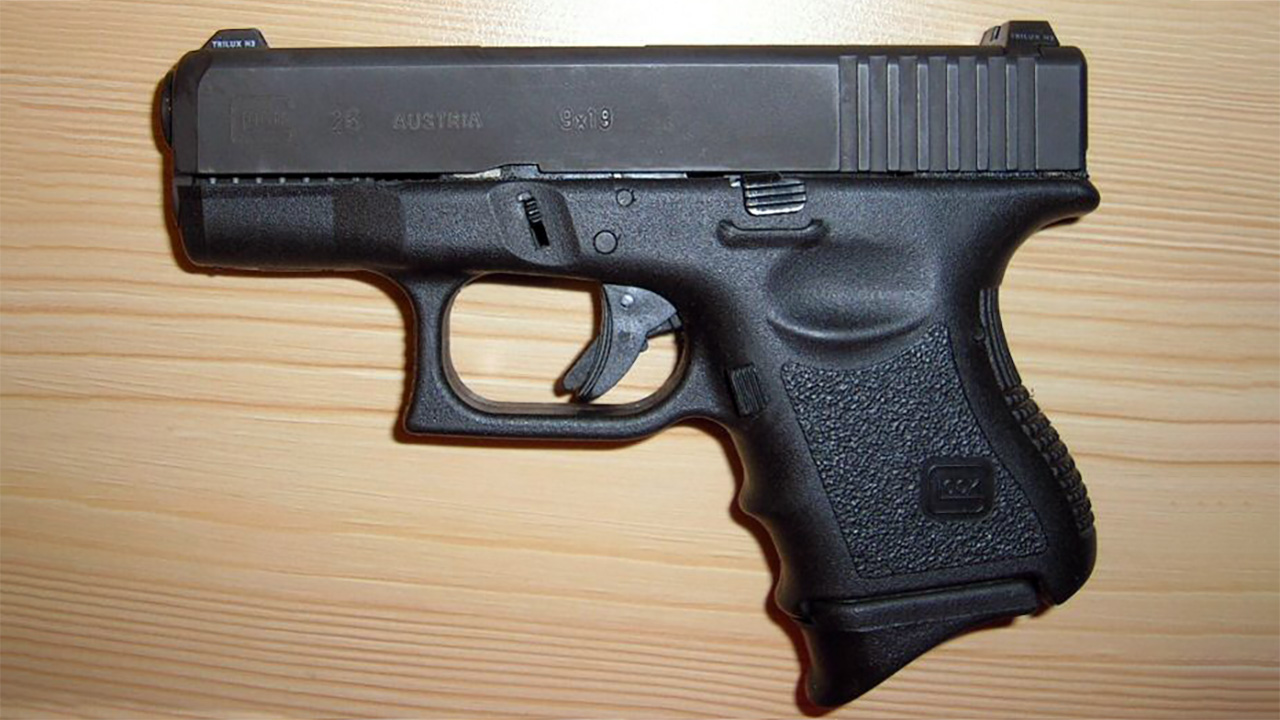
The Glock 26 is easy to overlook now that thinner micro-compacts dominate the carry market. It is short, chunky, and not nearly as sleek as newer pistols. That does not stop longtime owners from defending it, because the little gun has proven itself for years.
The appeal is in how it shoots for its size. The extra width helps control recoil, and it accepts larger Glock magazines when needed. It can serve as a small carry pistol, backup gun, or range companion without feeling fragile or experimental. People defend the Glock 26 because it may look outdated, but it still runs like a real fighting pistol.
Browning Hi-Power

The Browning Hi-Power gets defended because it has a feel that newer pistols keep trying to match and rarely duplicate. It is slim, elegant, easy to point, and historically important without being only a collector piece. Good examples still feel excellent on the range.
The criticism is fair in places. The trigger can be affected by the magazine disconnect, the sights on older guns may be small, and it lacks modern capacity by current standards. But owners defend it because the gun carries and shoots with a kind of balance that is hard to fake. After years of use, the Hi-Power does not feel obsolete as much as honest. That is why people still miss them when they are gone.
Like The Avid Outdoorsman’s content? Be sure to follow us.
Here’s more from us: