Photo credit: WHO_TEE_WHO/YouTube
There are some rifle calibers hunters love to argue about at the counter, in camp, and anywhere else opinions get louder than experience. The usual favorites get all the attention because they look better on paper, carry bigger numbers, or have reputations built around long-range charts. But freezers do not care about internet arguments. They care whether the bullet reached the right spot and did its job.
A lot of underrated hunting calibers work because they are easy to shoot well. They do not beat you up, they do not make you flinch, and they do not require perfect conditions to be useful. They may not impress the guy who only talks energy figures, but when deer, hogs, antelope, black bear, or elk are handled cleanly with a calm shot, those quieter cartridges start looking a whole lot smarter.
.243 Winchester

The .243 Winchester gets dismissed by hunters who think every deer rifle needs to start with a bigger bore. That is usually coming from people who forget how many whitetails have been cleanly taken with a .243 in steady hands. It is flat enough for open country, light enough for younger or recoil-sensitive shooters, and accurate enough that people tend to place shots better.
Where the .243 shines is with proper bullets and realistic expectations. You are not buying a brush-busting hammer, and you are not trying to turn it into an elk rifle. But on deer, antelope, coyotes, and similar game, it works far better than its mild recoil suggests. A hunter who shoots it calmly often does more real damage in the right place than someone flinching behind a bigger rifle.
6.5 Grendel

The 6.5 Grendel is easy to underestimate because it often gets talked about as an AR cartridge first and a hunting round second. That makes some hunters treat it like a range toy instead of a legitimate short-to-moderate-range deer and hog cartridge. That is a mistake.
Inside sensible distances, the Grendel carries itself well. It gives you mild recoil, efficient bullets, and enough penetration for medium game when you choose the right load. It is especially useful for hunters who want a lightweight semi-auto or compact bolt gun that does not kick hard. No, it is not a .30-06. It was never trying to be. But when you put a good 6.5 bullet through the lungs of a whitetail or hog, the animal is not checking the headstamp.
.257 Roberts

The .257 Roberts is one of those older cartridges that keeps getting ignored because it does not sound modern. It lacks the marketing punch of the newer 6.5s and does not have the raw fame of the .243 or .270. But hunters who have used it know it has always been a sweet deer cartridge.
It shoots comfortably, hits above what many people expect, and carries enough bullet weight for clean work on deer-sized game. The Roberts has a smooth, balanced feel in the field. It does not bark too hard, recoil too much, or make simple shots feel dramatic. With good bullets, it handles whitetails, mule deer, antelope, and similar game beautifully. The only real problem is that not enough hunters give it the chance it deserves.
7mm-08 Remington
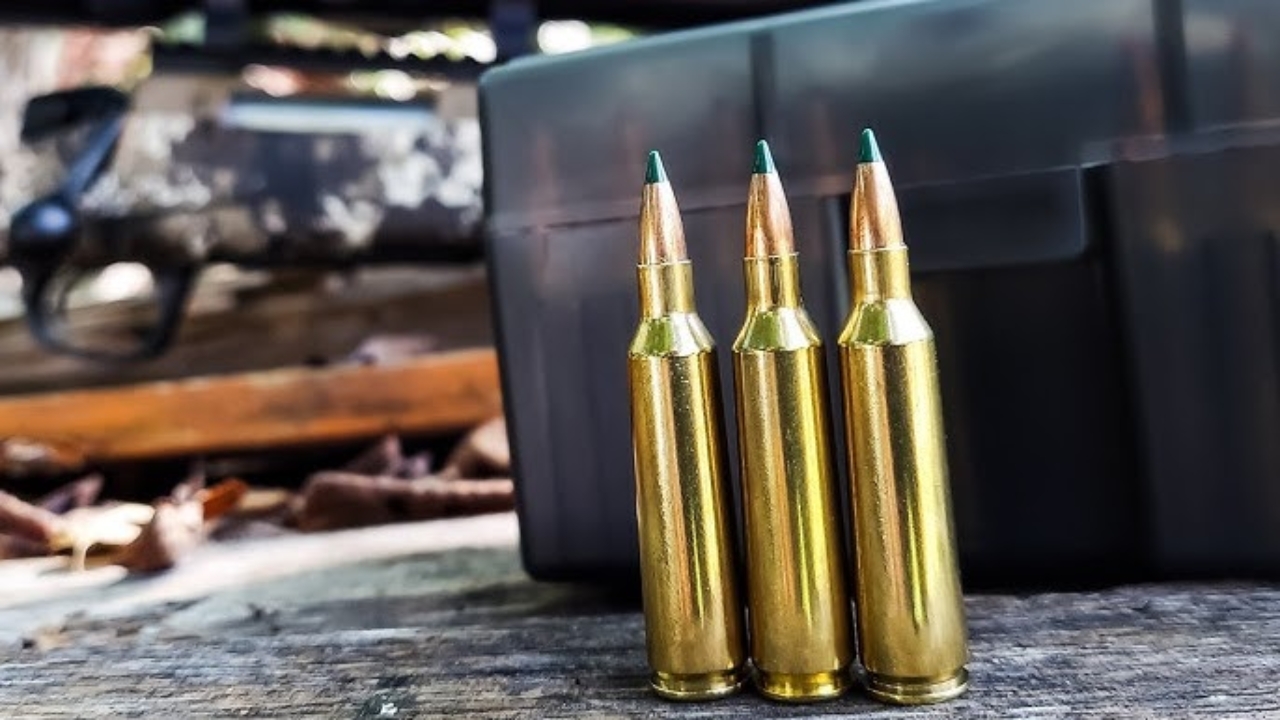
The 7mm-08 Remington might be one of the most sensible hunting cartridges ever made, which is probably why some people overlook it. It does not shout. It does not need a long action. It does not hammer your shoulder. It simply puts a useful 7mm bullet where it needs to go.
That combination matters in real hunting. The 7mm-08 gives you enough bullet weight for deer, black bear, and elk at sane distances, while staying manageable enough for most shooters to practice with. It is especially good in lightweight rifles that would be unpleasant in harder-kicking chamberings. Hunters who dismiss it as “not enough gun” usually change their tone after watching it put meat on the ground. It is one of those cartridges that proves balance beats bragging rights.
.260 Remington

The .260 Remington got overshadowed badly once the 6.5 Creedmoor took over the conversation. That does not mean the .260 stopped working. It was doing the efficient 6.5mm hunting thing before the Creedmoor became the cartridge everyone either loved or argued about.
In the field, the .260 is mild, accurate, and plenty capable for deer, antelope, hogs, and even larger game with the right bullet and good judgment. It gives hunters the same basic benefits people praise in newer 6.5s: good sectional density, manageable recoil, and strong downrange performance. The only reason it gets underestimated is because the market moved on. Animals did not. A well-placed .260 still hits with calm, quiet authority.
.25-06 Remington

The .25-06 Remington is a lot more serious than some hunters give it credit for. Because it uses smaller-diameter bullets, people sometimes lump it in with light deer rounds and forget how fast and flat it can shoot. That is selling it short.
On antelope, whitetails, mule deer, coyotes, and open-country game, the .25-06 can be excellent. It gives you reach without brutal recoil, and it tends to shoot flat enough that normal hunting distances feel simple. With the right bullets, it is not fragile or underpowered. It is a fast quarter-bore that rewards careful shot placement. Hunters who think it is only a varmint round usually have not watched it work on a broadside deer at 250 yards.
.308 Winchester

The .308 Winchester is not exactly unknown, but it still gets underestimated by hunters chasing newer, faster, sleeker cartridges. Some talk about it like it is old news, as if a cartridge becomes less useful because it has been around forever.
That is silly once you look at what it does in the field. The .308 is accurate, efficient, widely available, and powerful enough for most North American hunting that most people actually do. Deer, hogs, black bear, and elk are all well within its lane when you use the right bullet and stay honest about distance. It may not win every chart battle, but it keeps winning freezer space. There is a reason boring cartridges stick around.
.30-30 Winchester
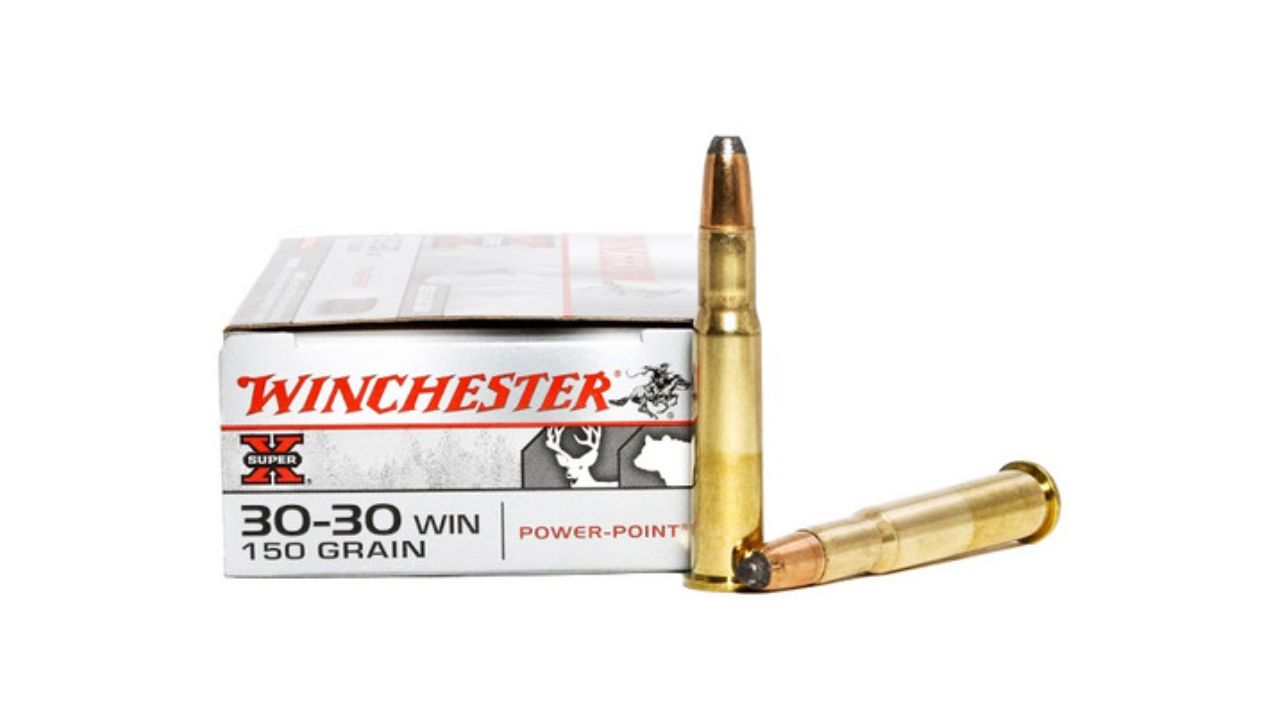
The .30-30 Winchester gets talked down by hunters who spend too much time thinking every shot happens across a canyon. In thick woods, creek bottoms, brushy pastures, and normal deer country, it still makes a whole lot of sense. It carries easily, points fast, and does not punish the shooter.
The .30-30 is not built for long-range bragging, but that was never its job. Inside its practical range, with decent bullets and good shot placement, it has been filling freezers for generations. The slow, heavy-for-its-size bullet works well on deer and hogs when you put it through the chest. People underestimate it because it is old and tied to lever guns. Game animals keep proving that old does not mean weak.
.350 Legend

The .350 Legend gets plenty of eye-rolls from hunters who see it as a straight-wall regulation cartridge and nothing more. That is partly fair, because it exists in large part to serve states that require straight-wall rounds. But that does not mean it is useless outside that lane.
For woods hunting, short-range deer, and hogs, the .350 Legend is more effective than its critics like to admit. It offers manageable recoil, decent bullet diameter, and good performance inside the ranges where many hunters actually shoot. It is not a long-range round, and pretending otherwise is where people get into trouble. But put it in a handy rifle and use it within its limits, and it can make quick, clean freezer work.
6.5 Creedmoor

The 6.5 Creedmoor is usually over-discussed, but it is also weirdly underestimated by hunters who got tired of hearing about it. Some people push back so hard against the hype that they act like the cartridge cannot kill anything bigger than paper. That is just as wrong as pretending it is magic.
The Creedmoor works because it is easy to shoot well. Recoil is mild, accuracy is usually good, and bullet selection is strong. On deer, antelope, hogs, and even elk with proper bullets and disciplined shot placement, it has proven itself many times over. It is not a replacement for every big-game cartridge ever made. It is simply a practical round that helps ordinary hunters place good bullets accurately, and that matters more than ego.
.270 Winchester

The .270 Winchester is famous, but younger hunters still underestimate it because it does not feel trendy. It gets passed over for short-action 6.5s, magnums, and newer cartridges with better marketing. That is wild when you consider how good the .270 still is as a hunting round.
It shoots flat, hits hard enough for a wide range of game, and does not recoil like the bigger magnums people buy and barely practice with. On deer, antelope, sheep, black bear, and elk with the right bullet, the .270 has a long record of doing exactly what hunters need. It is not old-fashioned in the bad sense. It is old enough to have already proved the argument.
.280 Remington

The .280 Remington has always lived in the shadow of the .270 Winchester and .30-06 Springfield. That is a tough place to be, because both of those cartridges have huge followings. But the .280 quietly gives hunters a very useful middle ground with excellent 7mm bullet options.
It hits hard enough for serious big-game work without turning into a shoulder-busting magnum. Deer, elk, antelope, and black bear are all reasonable with the right loads and shot angles. The .280 never got the popularity it deserved, but hunters who own one tend to understand what they have. It is one of those cartridges that does not win the campfire popularity contest, then goes out and fills tags anyway.
7×57 Mauser

The 7×57 Mauser gets underestimated because it sounds ancient to a lot of modern hunters. Some see the old military roots and assume it belongs in a collector rack, not in the deer woods. That is missing the point completely.
With suitable modern loads and a sound rifle, the 7×57 is still a smooth, effective hunting cartridge. It uses long-for-caliber 7mm bullets well, penetrates nicely, and kills out of proportion to its paper numbers when the shooter does his part. It is not flashy, and factory ammo selection is not what it is for mainstream cartridges. But as a field round, it has a calm, efficient way of working that makes bigger, louder cartridges look less necessary.
.35 Remington

The .35 Remington is one of those woods cartridges that gets ignored until somebody sees what it does up close. It is not fast, it is not sleek, and it is not built for long shots. That makes it easy for chart-readers to dismiss.
In the timber, though, it can be excellent. Out of a handy lever-action rifle, the .35 Remington throws a heavier bullet than many hunters expect, and it hits deer and black bear with real authority at close range. It is the kind of cartridge that makes sense when shots are quick, ranges are short, and brushy cover is part of the hunt. Hunters who judge everything by velocity often miss why this round has stayed loved by the people who actually use it.
.22-250 Remington

The .22-250 Remington is usually thought of as a varmint cartridge, and that is fair. It is excellent on coyotes, prairie dogs, and smaller predators. But in places where legal and with the right bullets, some careful hunters have also used it effectively on deer-sized game.
That does not mean it is a cartridge for sloppy shots or tough angles. It is not. The .22-250 demands bullet selection, restraint, and precise placement. But that is exactly why experienced hunters sometimes respect it more than loud critics do. On thin-skinned game, with a controlled-expansion bullet and a broadside lung shot, it can work far better than people expect. The freezer does not reward caliber pride. It rewards accuracy and judgment.
Like The Avid Outdoorsman’s content? Be sure to follow us.
Here’s more from us: