Photo credit: Samong Outdoors/YouTube
Some rifles make you feel like you’re the problem—until you realize it’s the gun. You can check your form, re-zero your scope, switch ammo brands, and still watch your shots scatter like a bad poker hand. The truth is, not every rifle that looks good on paper can hold its own once you’re behind the trigger. Poor barrels, sloppy actions, and cheap bedding turn what should be a confident squeeze into a guessing game. If you’ve ever left the range more frustrated than when you arrived, odds are your rifle belongs on this list. These are the guns that take more prayers than practice to shoot straight—rifles that make you work harder than you should for a group worth saving.
Remington 770

The Remington 770 was supposed to be a budget-friendly workhorse. Instead, it became a lesson in how not to build a rifle. The bolt feels gritty, the stock flexes under the slightest pressure, and accuracy varies wildly from gun to gun. Even the pre-mounted scope that came with it was more decoration than tool.
When you’re trying to dial in a group, you’ll notice inconsistency from one three-shot string to the next. It’s not you—it’s the rifle. The 770’s poor bedding and uneven barrel quality make precision nearly impossible. It’s a rifle that might get lucky once in a while, but you’ll burn a box of ammo chasing that one good shot.
Mossberg Patriot

The Mossberg Patriot promises big performance for little money, but that marketing pitch fades fast on the range. The action can feel rough, and the synthetic stock flexes enough to throw off your point of impact when using a rest. Some rifles group well; others act allergic to consistency.
Its lightweight design seems nice until you realize every pull feels jumpy, and barrel harmonics are unpredictable. You can spend hours finding an ammo brand it likes, but even then, you’ll struggle to repeat groups. The Patriot looks better in photos than it performs at 100 yards. It’s not hopeless—but it demands more patience than most shooters are willing to give.
Ruger American
The Ruger American is often praised for its affordability and accuracy potential, but “potential” is doing a lot of heavy lifting there. Some shoot lights-out, others can’t hold a group tight enough to inspire confidence. The stock is the weak link—it flexes so much that even resting it differently can shift zero.
The rifle’s light build also makes it finicky with recoil-sensitive calibers. After a few shots, the groups start wandering, especially as the barrel warms. It’s not a total failure, but it’s unpredictable. You can’t tell if you’re going to get a tack driver or a headache until you pull the trigger yourself.
Remington 710

The Remington 710 looks like a cousin to the 770—and that’s not a compliment. Built during Remington’s worst years, it suffers from the same reliability and accuracy issues. The bolt head design is fragile, the magazine wobbles, and the synthetic stock feels hollow and unstable.
At the range, you’ll fight to find a consistent point of impact. The factory trigger has a heavy, gritty pull that ruins any shot that might have had promise. When a rifle requires that much luck to stay on paper, it’s hard to call it a hunting gun. Many shooters who owned one say the same thing—it taught them patience and regret in equal measure.
Savage Axis
Savage built its reputation on accuracy, but the Axis feels like the outlier in that legacy. The rifle’s budget-friendly build cuts corners in all the wrong places. The factory stock is overly flexible, which means your accuracy changes based on how hard you grip or rest it.
It can shoot well in perfect conditions, but those are rare in the field. The trigger is passable, but not great, and the bolt tends to bind under speed. The rifle’s light profile exaggerates every twitch and inconsistency. You can hit the bull once, but repeating it feels like a lottery. Most shooters who’ve used one agree—it’s a rifle that demands too much faith for too little payoff.
Winchester XPR

Winchester’s XPR came with promises of modern accuracy and durability, but in practice, it struggles to deliver either. The stock feels cheap, the bedding inconsistent, and the trigger lacks refinement. For a rifle wearing such a historic name, it feels oddly soulless.
Accuracy varies with every box of ammo. Some rifles shoot fair groups, while others can’t keep shots within three inches at 100 yards. It shoulders well and looks decent, but in the field, you’ll start second-guessing it quickly. When a rifle wears the Winchester logo, you expect heritage-level precision—not something that needs divine intervention to print a good group.
CVA Cascade
The CVA Cascade entered the bolt-action market with big claims—sub-MOA accuracy and smooth performance at a working man’s price. The problem is, too many shooters report the opposite. Feeding issues, shifting zero, and inconsistent groups plague the experience.
Even when you think you’ve found its sweet spot, one hot barrel later, the pattern opens wide again. It’s not a bad concept—just poorly executed in places that matter most. You might get lucky and find a good one, but most hunters don’t gamble their tags on luck. It’s a rifle that tries to play with the big names but often ends up shooting like it’s in another league entirely.
Thompson/Center Venture

The Venture looked great on paper—a budget rifle from a respected name. But many shooters discovered that accuracy wasn’t its strong suit. The barrel can be hit or miss, and quality control issues show up fast once you start grouping.
While some rifles perform well with specific handloads, factory ammo often turns in disappointing results. The trigger is decent, but the overall feel of the rifle is inconsistent. When your point of impact shifts after every cleaning or temperature change, trust evaporates quickly. It’s a rifle that needed a little more care in the design room—and a lot more consistency at the range.
Remington 783
The Remington 783 was meant to redeem the brand’s reputation after the 710 and 770 disasters. It’s an improvement—but not by much. The rifle’s stock still flexes, the bolt feels sticky, and the barrel can be frustratingly inconsistent. You’ll get three good shots, then watch the next two land wide for no reason.
It’s one of those rifles that teases you—good enough to keep you trying, but bad enough to drive you crazy. The potential is there, but without major upgrades to the trigger, stock, and glass, you’re stuck hoping more than aiming. It’s better than its predecessors, but that’s not saying much.
Weatherby Vanguard Synthetic
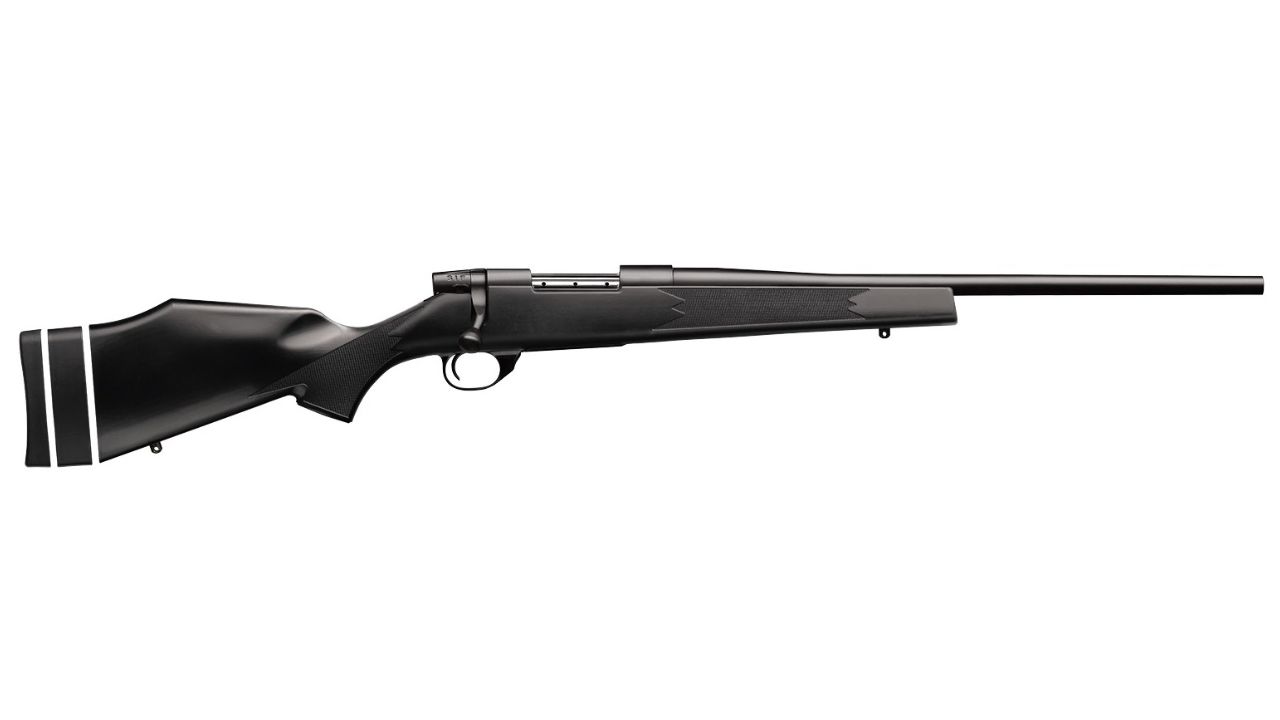
Weatherby built its name on precision and power, but the synthetic-stock Vanguard often falls short of that heritage. The heavy barrel and stiff bolt make it clumsy in the field, and accuracy swings depending on ammo and barrel temperature.
The trigger feels fine, but it can’t overcome the inconsistency baked into the setup. Some shoot wonderfully; others can’t find a groove. It’s frustrating because the design has potential—strong action, decent ergonomics—but real-world performance too often disappoints. When you buy a Weatherby, you expect confidence. With the Vanguard Synthetic, you’ll spend more time guessing where the next round will land than enjoying the shot itself.
Like The Avid Outdoorsman’s content? Be sure to follow us.
Here’s more from us:
The worst deer rifles money can buy
Sidearms That Belong in the Safe — Not Your Belt
*This article was developed with AI-powered tools and has been carefully reviewed by our editors.