Photo credit: GunBroker
Optics on pistols are awesome—when they stay put. The problem is plate systems add screws, interfaces, and tolerances. Under recoil, heat, and time, plates can loosen, screws can back out, and small fit issues can turn into repeat “check the screws” behavior.
Here are 15 handguns where the optic plate setup (or the way owners typically mount optics on them) is famous for turning into a recurring maintenance chore—especially for guys who actually shoot.
Glock 17 Gen5 MOS
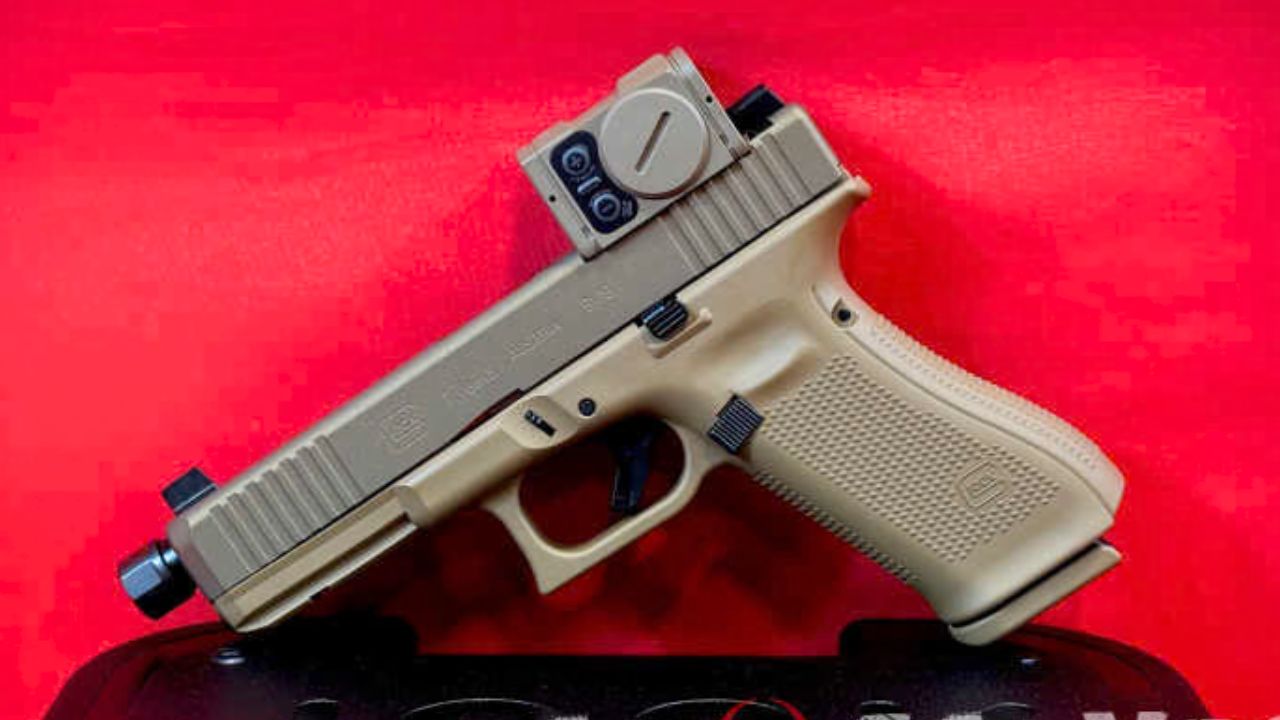
The MOS system works, but the plates and screws become a routine check for anyone who trains a lot. You’ve got a plate interface plus optic screws, and recoil gives you a constant reminder that “set it and forget it” doesn’t always apply.
Most MOS issues aren’t catastrophic. They’re annoying. And annoyance is what makes people call it a chore.
Glock 19 Gen5 MOS

Same story, more common because the G19 is everywhere. People mount an optic, shoot hard, and eventually learn that the plate system demands periodic attention if you want to keep zero and keep confidence.
Many shooters solve it with proven mounting methods and quality parts, but out of the box, it’s one of the most common “why is my optic loose?” ecosystems.
Glock 43X MOS
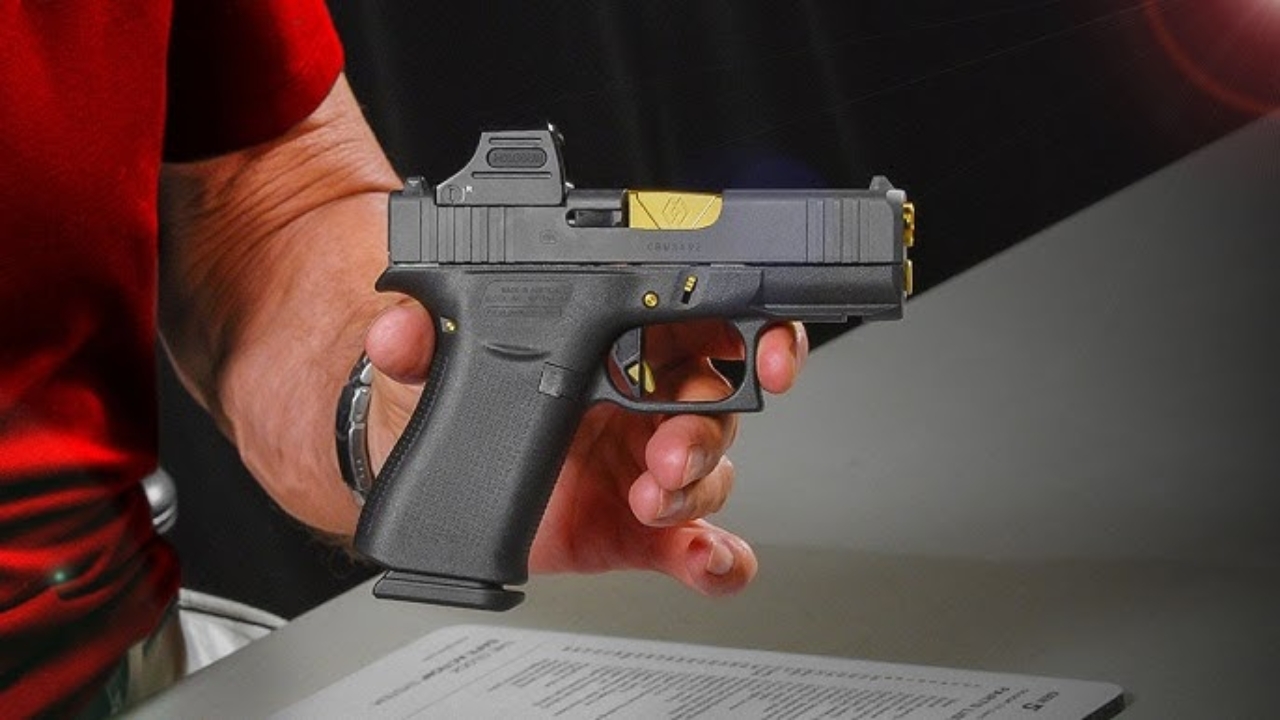
Smaller slide, snappier feel, and often smaller screws—everything gets stressed harder. That’s why micro-ish guns with plates can be more maintenance-heavy than duty-size guns.
If you carry one and train hard, you’ll likely become familiar with “check screws” as a regular ritual.
Glock 48 MOS

The 48 MOS lives in the same world as the 43X MOS: thinner slide and a system that can be less forgiving if anything is marginal. People love the concept, but hard use tends to highlight the limits of small hardware.
A carry optic setup should be boring. On this platform, it can be boring—after you’ve learned what it needs.
SIG Sauer P320 (optic-ready variants)

The P320 has multiple slide/optic configurations across variants, and that variety is part of the headache. People swap optics, use different plates, and end up with a stack of parts that all “almost” fit perfectly.
The P320 can be a great optic pistol. But it’s also one of the most common platforms where I hear guys say, “I’m always messing with the optic setup.”
SIG Sauer P365 X-Macro (optic-ready)
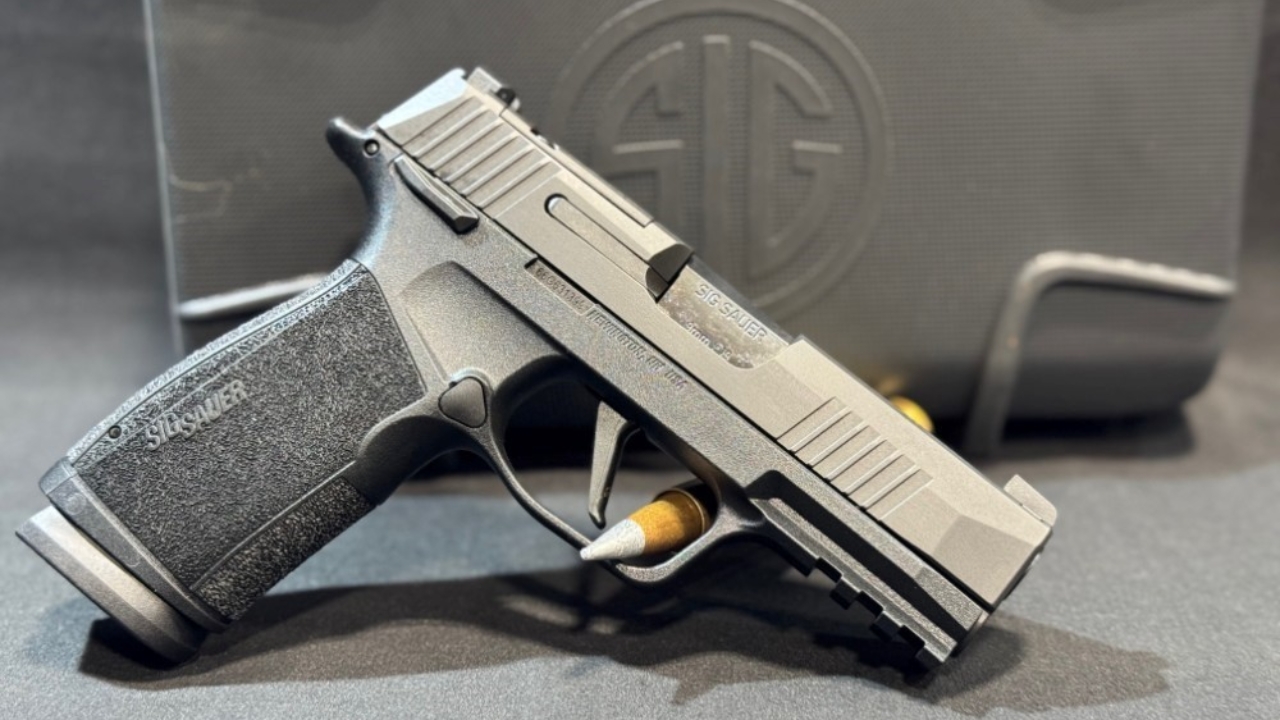
The X-Macro is popular for carry optics, and it’s a small, fast-cycling gun. That’s not always friendly to small screws and plate systems over long round counts.
It’s not a knock on the pistol. It’s the reality of micro-compact recoil dynamics and the fact that many owners run these guns hard because they’re carry guns.
Springfield Hellcat OSP

Hellcats get mounted with optics constantly, and they get shot a lot. That combo means people discover pretty quickly whether their plate and screws are truly set up to stay put. Small pistols amplify everything.
If you want to run an optic on a Hellcat and not think about it, you need a proven setup. Many owners learn that after a few “why is this loose?” moments.
Springfield Echelon

The Echelon’s optic system is a big selling point, but any modern optics interface can become a maintenance routine if you’re swapping optics, re-zeroing, and shooting high volume. New systems also go through “real world learning” as users figure out what actually stays tight.
It’s a strong pistol. But if you’re the guy who changes optics or plates often, you can end up living in screw-check land.
Smith & Wesson M&P 2.0 OR
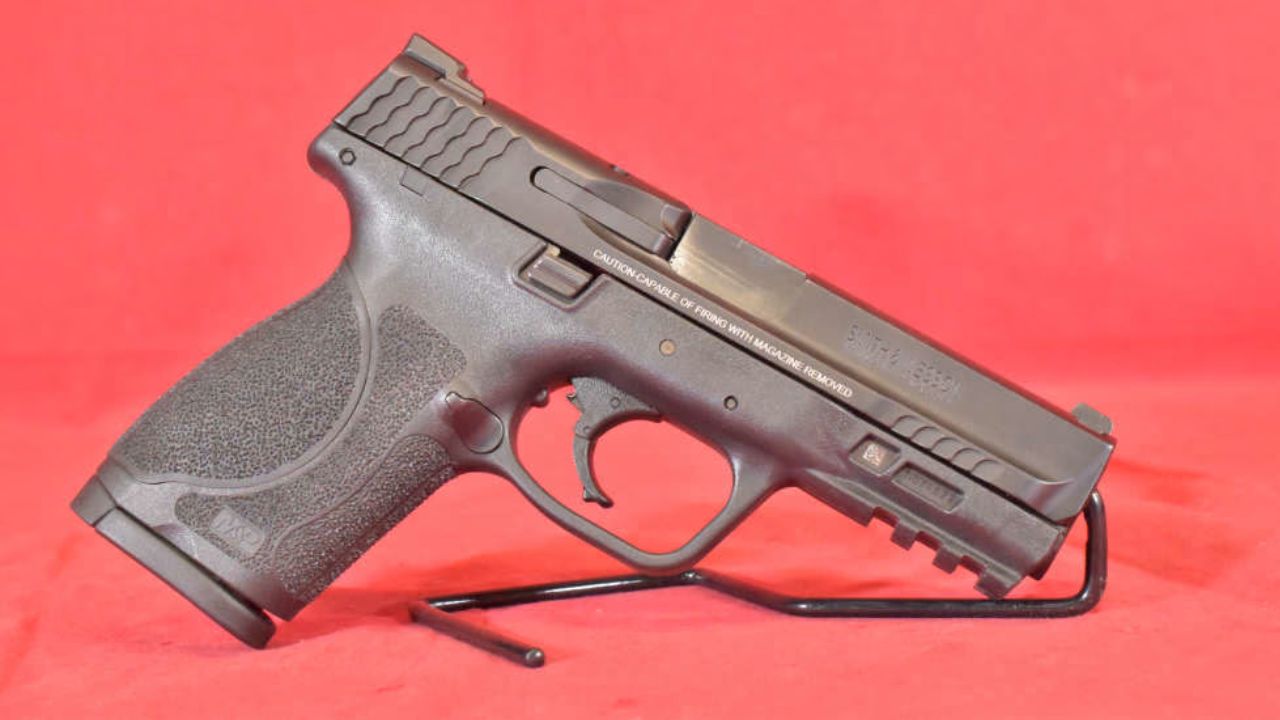
M&P optic-ready models are common, and the plate-based approach means you’ve got the same fundamental issue: more interfaces, more screws, more chances for something to move. Heavy training cycles bring that to the surface.
A lot of shooters love the M&P with an optic. They just accept that plate guns require periodic checks like changing oil in a truck.
FN 509 Tactical

The 509 Tactical is built for optics use, but it’s also a gun people tend to run hard—suppressed, unsuppressed, high round count. Plates plus heavy use means you’re going to be paying attention to mounting hardware.
If you’re set up correctly, it can be solid. If you’re not, it’s the kind of gun that will nag you until you get it right.
CZ P-10 C OR

P-10 optic-ready pistols are great shooters, but plate systems are still plate systems. The P-10 recoil impulse and slide velocity are enough that any marginal plate fit or screw quality will show itself.
A lot of P-10 owners end up becoming “that guy” who checks screws constantly—because once you’ve seen movement once, you don’t forget it.
Walther PDP (optic-ready models)

The PDP is a fantastic optic host, but its recoil character can be snappy and lively. Combine that with plate setups and you can end up in the routine of “make sure everything is still tight” if you’re shooting frequently.
Walther’s ecosystem is good, but any platform that gets shot hard with optics will eventually expose weak links.
Canik METE SFT / SFX (optic-ready)

Caniks are popular because they shoot well for the money, and owners often mount optics immediately. The downside is that many owners are also mixing and matching plates, screws, and optics without treating it like a system.
That’s how you end up with constant attention. It’s not always Canik’s fault—it’s the nature of high volume, budget-friendly optics setups.
Beretta APX A1 Tactical

The APX A1 optics ecosystem has improved, but plate systems still demand correct parts and correct mounting. When users are experimenting, they often end up re-tightening, re-zeroing, and re-checking more than they expected.
If you’re the kind of shooter who wants “set it and forget it,” this can become a platform where you’re still thinking about it.
Taurus GX4 TORO
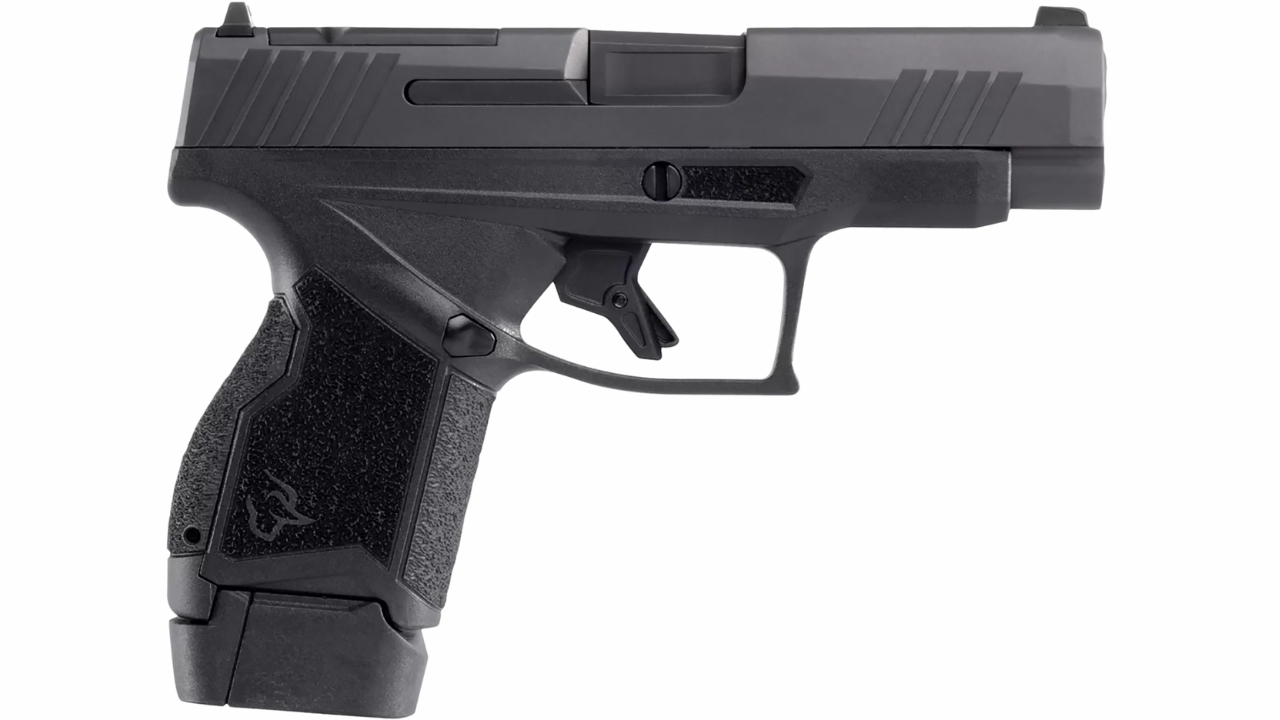
The TORO concept is good: budget carry pistol with an optic cut. The reality is that budget optic systems often mean budget hardware and more variability. That can translate into a higher likelihood of screws loosening or plates feeling less confidence-inspiring.
Some run fine. Some become a recurring chore. And for a carry gun, “some” isn’t the standard you want.
Like The Avid Outdoorsman’s content? Subscribe to our newsletter so you never miss an article.
Here’s more from us: