Photo credit: rafa jodar/Shutterstock.com
We may earn revenue from products featured on this page through affiliate links.
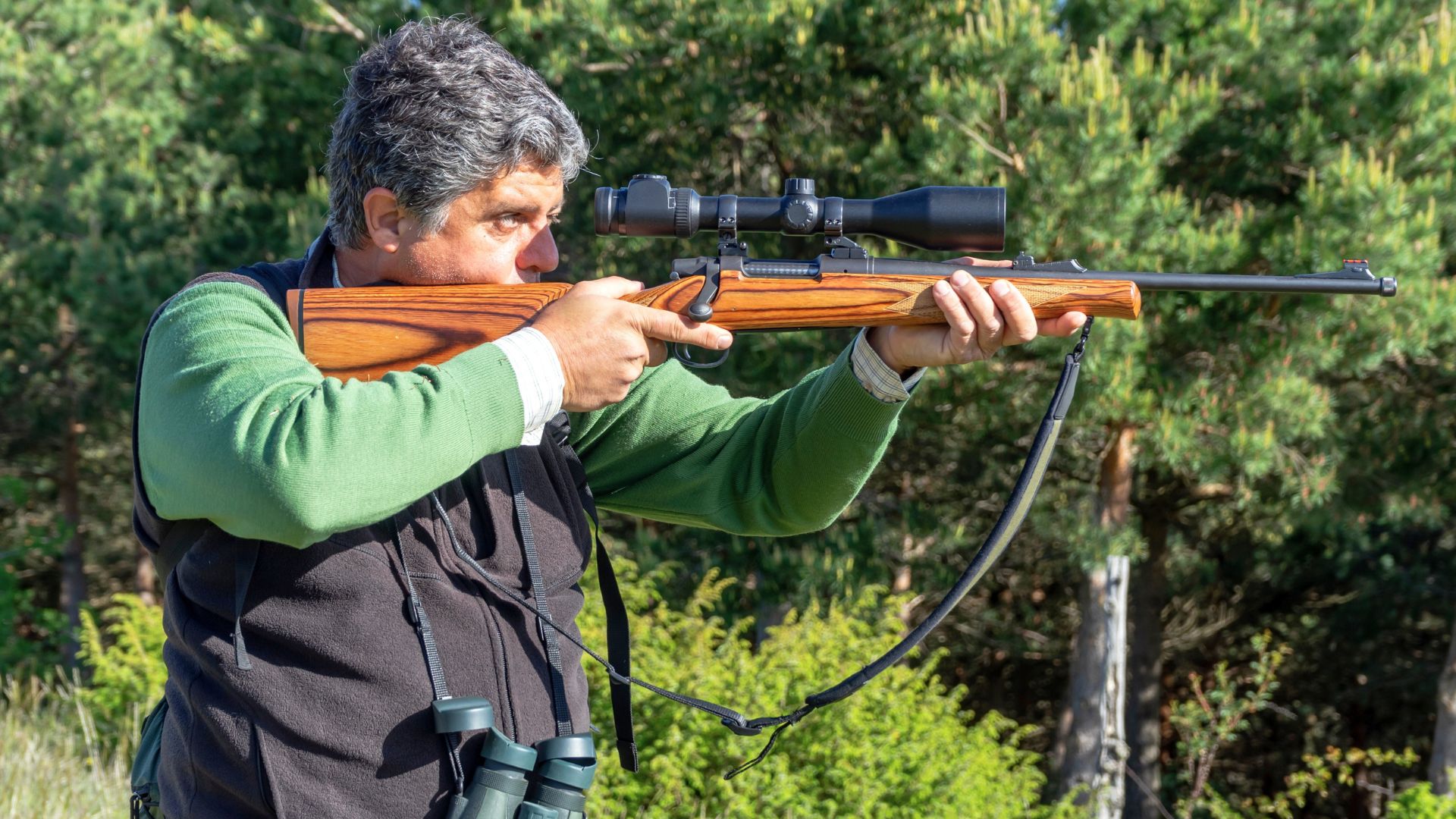
Most hunters have watched this play out in real time, even if they don’t say it out loud. The guy with the plain rifle, plain scope, and a setup that looks almost boring is the one who’s calm when it counts. He gets into position faster, he doesn’t fumble around trying to make the rifle “do more,” and he tends to make cleaner shots when the window is short. Meanwhile, the “better” setup on paper—more features, more adjustments, more stuff bolted on—often turns into more things to snag, more things to shift, and more things that need babysitting when the weather or terrain stops cooperating. It’s not that advanced gear is useless. It’s that hunting punishes complexity in a way the range rarely does.
The biggest misunderstanding is thinking “better” means “more capable in every situation.” A rifle can be more capable on a bench or in a controlled scenario and still be worse for real hunting because it slows you down, pulls you out of your natural rhythm, or introduces variables you didn’t train hard enough to manage. Simple setups keep winning because they reduce decision-making, reduce points of failure, and force you to become good at the part that actually matters: building a position and breaking a clean shot under normal hunting pressure. When the moment shows up fast, simple wins.
Simple setups reduce the number of things that can go wrong
A rifle in the field gets dragged through brush, ridden in a truck, leaned against a tree, and carried in weather that would make most range shooters go home. Every extra knob, lever, accessory mount, and adjustable piece is one more thing that can loosen, snag, or end up in the wrong position when you need it. That doesn’t mean adjustable stocks and tactical features are automatically bad, it means they require attention and discipline that many hunters don’t realistically maintain across a full season. A “better” setup often assumes a level of maintenance and consistency that doesn’t match how most people actually hunt, especially once the days stack up and you’re tired, cold, or rushed.
Simple setups also tend to stay the same. A fixed or minimally adjustable stock, a straightforward sling, a scope that isn’t constantly being dialed, and a rifle that’s balanced without extra weight hanging off the front is a system that behaves predictably. Predictable is what you want when your hands are cold and your brain is focused on the animal, not your equipment. The more a rifle asks you to manage it, the more likely you are to miss something small that turns into a big problem at the worst time.
Complexity steals time, and time is what hunting rarely gives you
On the range, you can take your time. You can adjust a bipod, tweak a cheek riser, dial a turret, check a level, reset your bag, and do the whole process over again until it feels perfect. In the woods, “perfect” is usually not on the menu. You get a lane that lasts ten seconds, a buck that stops behind brush for one breath, or a shot where you’re half-kneeling because the ground won’t let you do what you want. This is where simple setups keep beating better ones. They get on target faster because there’s less to think about and less to adjust, and the sight picture you see is the sight picture you trained with, not a version that depends on everything being perfectly dialed.
The best hunters I know aren’t fast because they rush. They’re fast because they don’t waste motion. They’ve removed the little delays that come from fiddling, second-guessing, and trying to make their rifle into a Swiss Army knife. When your setup is simple, you accept the position you can build and you execute cleanly inside that reality. When your setup is complex, you’re tempted to keep “optimizing” the moment, and optimizing is how you lose opportunities in real woods.
“Better” gear often hides weak fundamentals until it doesn’t
A complicated setup can cover for sloppy fundamentals on the range. A heavy rifle dampens wobble. A giant scope makes it feel easier to aim. A brake or suppressor changes recoil so people think they’re more controlled than they are. There’s nothing wrong with any of that, but it can create a false sense of capability if you’re not honest about what’s actually happening. The gear makes your mistakes smaller in ideal conditions, which can keep you from fixing the habits that show up the moment you’re tired, shooting off an awkward rest, or trying to break a shot while your heart is thumping.
Simple setups don’t let you hide as much. They force you to build a position correctly, manage your breathing, and press the trigger clean. That’s why they keep winning. The shooter becomes the stabilizing system instead of the accessories. And when the field strips away comfort—steep angles, brush, cold hands, weird rests—the guy with solid fundamentals and a simple rifle is the one whose performance changes the least. Hunting rewards what holds up when conditions aren’t friendly, not what looks best when everything is controlled.
Dialing and data can be great, but most hunters don’t run it cleanly under stress
Long-range style setups can absolutely work in hunting, but only if the shooter truly trains the system they’re using and can run it without mental friction. What happens in reality is that a lot of hunters adopt pieces of that world—exposed turrets, complex reticles, ballistic apps, drop charts—without fully building the habits that make those tools reliable. Then they’re standing in a cold wind trying to read a reticle, remember a dope number, or decide whether to dial or hold, and the shot window closes while they’re still thinking. That’s not the tools’ fault. That’s a mismatch between complexity and practice.
Simple setups avoid that entire trap by staying inside practical distances and emphasizing repeatable holds and repeatable shooting positions. Most real hunting shots happen inside ranges where a clean zero and basic holds get it done, especially if the hunter understands their rifle and doesn’t let ego stretch the distance. The “better” system can be better, but only if it’s run correctly every time. The simple system is harder to screw up, and that’s why it keeps winning in normal camps.
Balance and carry matter more than people admit
A rifle that carries well is a rifle you’ll actually have in your hands when the moment happens. This is where “better” setups quietly lose. Every ounce you add, every accessory you bolt on, and every change that shifts balance forward makes the rifle more tiring to hold steady and more annoying to carry all day. People think of weight as a shoulder issue, but it’s really a fatigue and steadiness issue. A front-heavy rifle can feel rock solid on a bipod, but it can feel like a boat anchor when you’re offhand, kneeling, or moving through brush trying to stay quiet.
Simple setups tend to balance better because there’s less hanging off them. That better balance shows up when you’re trying to settle the reticle from a quick rest, or when you’ve been on your feet all day and your arms are starting to shake. A rifle that’s comfortable and balanced helps you stay patient and controlled, and patience is what keeps you from slapping a shot the second the crosshairs touch hair. A lot of “clean misses” are really fatigue misses caused by rifles that are miserable to manage after the sixth hour, and simple setups avoid a lot of that by staying reasonable.
The most “advanced” setup is usually the one you can repeat without thinking
If you want one rule that explains why simple setups keep beating better ones, it’s repeatability. The best setup is the one you can run the same way every time. Same cheek weld. Same shoulder pressure. Same sling tension. Same sight picture. Same process. Complexity often breaks repeatability because it introduces choices. Choices aren’t free under stress. They cost time and mental energy, and they create opportunities to make a small mistake that turns into a bad shot.
This is also why simple, proven components keep showing up on rifles that get hunted hard. A good basic scope with a forgiving eyebox and reliable tracking will outperform a feature-packed scope that the shooter fights in low light. A solid set of rings and mounts will outperform a fancy system that’s always being adjusted. A sling that carries well and stabilizes when needed will outperform a complex harness setup the hunter never fully dialed. If you want an example of a “simple but proven” optic line many hunters lean on because it just works without drama, a Leupold VX-Freedom is the kind of scope you’ll see at Bass Pro a lot for exactly that reason, and it tends to match the mindset of hunters who want reliability more than features.
Two simple upgrades that actually earn their keep
Simple doesn’t mean cheap or bare-bones. It means every piece earns its spot. If you’re going to add anything, add the things that reduce problems instead of adding decisions. A dependable sling is one of those, because it affects carry comfort, steadiness, and how quickly you can get into a usable position without noise and fumbling. Another is a stable, practical rest option that doesn’t turn into a project. For many hunters, a set of shooting sticks is the cleanest answer because it works across uneven ground and quick setups without needing you to find the perfect natural rest. A Primos Trigger Stick from Bass Pro is a common pick because it’s quick to adjust and easy to use in real terrain, and it’s the kind of tool that helps without making your rifle feel like it’s growing parts for the sake of it.
The key is that both of those upgrades still keep the system simple. They support fundamentals rather than replace them. They help you be steadier and more consistent without turning your shot process into a checklist. That’s the line. If an accessory makes you more consistent with less thinking, it belongs. If it makes you more “capable” only when everything goes perfectly, it’s probably not doing what you think it’s doing in the woods.
The bottom line: hunting rewards the setup that stays out of your way
Simple rifle setups keep beating “better” ones because they align with how hunting actually happens. Short windows, awkward positions, bad weather, tired bodies, and real consequences for small mistakes. Simplicity reduces failure points, reduces mental load, and forces you to build skill instead of building complexity. The “better” rifle on paper can absolutely work, but it demands more discipline and more practice than most hunters realistically give it, especially across a long season.
If you want a setup that keeps winning in real camps, build a rifle you can carry all day, mount a dependable scope you can see through in bad light, keep the system balanced, and practice from the positions you actually use. Then stop tinkering once it’s proven. The woods don’t hand out trophies for specs. They reward the hunter who can do the same clean thing, on demand, when it matters. That’s why simple keeps winning.
Like The Avid Outdoorsman’s content? Subscribe to our newsletter so you never miss an article.
Here’s more from us: