Photo credit: Ainat00 – CC BY-SA 4.0/Wiki Commons
Recoil isn’t just about how hard a rifle kicks—it’s how it delivers that energy to your shoulder. And a lot of older rifles knew how to do it right. Heavier stocks, better balance, steel butt plates with natural pitch, and slower push-style recoil compared to the sharp crack you get from today’s lightweight magnums. While modern rifles are all about trimming ounces, some of those classic bolt guns, lever-actions, and battle rifles earned their reputation because they were easier to shoot, even in big calibers. You might not want to carry one up a mountain, but from a field rest or the bench, they soak up recoil in a way new rifles struggle to match.
Winchester Model 70 (Pre-64)

The pre-64 Winchester Model 70 isn’t just a legend for accuracy and craftsmanship—it’s also one of the softest-shooting bolt guns in its class. These rifles had enough weight to settle into your shoulder without being clunky. Combined with a well-shaped stock and gentle pitch, the recoil impulse felt more like a shove than a jab.
They were often chambered in serious calibers like .30-06 and .375 H&H, but still remained manageable for extended range sessions. Many of today’s ultralight bolt actions hit harder on both ends. With a Model 70, you can settle into a rhythm without getting beat up. That’s why hunters still hold onto them—they handle full-power loads like they were made for it.
Remington Model 700 BDL (vintage wood-stocked)

Before synthetic stocks took over, the wood-stocked Remington 700 BDL was a go-to rifle for hunters who appreciated both style and shootability. With its heavier barrel profiles and dense walnut stock, it had the mass to tame recoil in cartridges like .270, .30-06, and .300 Win Mag.
More than that, the classic Monte Carlo stock design directed recoil straight back without rising too hard off the shoulder. It wasn’t flashy or tactical, but it was practical—and much easier on the shoulder than newer lightweight builds. If you’ve shot both side-by-side, you already know which one leaves you less sore by the end of the day.
Ruger M77 (Tang Safety Models)

The early Ruger M77s with the tang safety had a cult following for their ruggedness and handling. But they also had a way of delivering recoil that felt more like a controlled push. Much of that came from their robust wood stocks and heavy contour barrels.
These rifles were built solid, and that extra mass helped soak up recoil in calibers like .280 Rem and .338 Win Mag. The balance point was also further back, making it easier to hold steady and stay on target through recoil. Compared to some of Ruger’s newer synthetic offerings, these old-school rifles felt more predictable when the trigger broke.
Springfield M1903

The M1903 might not win any awards for ergonomics by modern standards, but it handles recoil better than you’d expect. Chambered in .30-06 and built from solid steel and walnut, the rifle weighs enough to dampen the punch without becoming unwieldy.
The straight comb stock and long sight radius help distribute the recoil evenly, and its balance gives it a smooth, rolling feel in the shoulder. Compared to some lightweight hunting rifles in the same caliber, the M1903 feels downright forgiving. It’s a battle rifle that shoots like a gentleman.
M1 Garand

You don’t usually think of semi-autos as soft shooters in .30-06, but the M1 Garand is different. Its gas-operated system bleeds off recoil energy gradually, spreading it out over a longer impulse. The result? A rifle that shoots full-power rounds without punishing your shoulder.
Combine that with a nearly nine-pound frame and a solid stock, and you’ve got a rifle that surprises people with how shootable it is. It doesn’t slap or jump like some bolt guns in the same caliber. If you’ve ever put a clip through one, you know it cycles like butter and recoils like a slower shove.
Marlin 336 (pre-safety models)

The older Marlin 336 rifles in .30-30 or .35 Remington had a way of managing recoil that made them comfortable for long days in the field. The curved buttplate and long, smooth stock design spread recoil nicely across the shoulder, rather than jabbing it into one spot.
They also had enough weight to them—especially compared to newer models with thinner barrels and hollow stocks. The result was a lever gun you could shoot comfortably all day, with quick follow-ups and little fatigue. It’s one of the reasons the pre-safety 336s are still sought after today.
Savage Model 99

The Savage 99 isn’t a big, heavy rifle, but the way it handles recoil feels smoother than you’d expect. The rotary magazine and balanced action soak up some of the impulse, and the old-school stock geometry fits most shoulders better than many newer rifles.
Whether you’re shooting .300 Savage, .308, or .250-3000, it’s got a reputation for being a soft shooter. It’s not a benchrest gun, but in the woods or from field positions, the Model 99 feels natural and comfortable to shoot. The balance helps you stay on target, even when you’re firing offhand.
Winchester Model 88

The Model 88 was ahead of its time with a box magazine and rotating bolt, but it also handled recoil better than most bolt-action rifles in similar calibers. The sleek stock and hefty build helped tame cartridges like the .308 and .358 Winchester.
What really makes the 88 stand out is how neutral it feels during the shot. There’s no sharp jump, no awkward torque. It pushes straight back, and that makes it easy to get back on target fast. You don’t see them much anymore, but folks who own them tend to hang onto them for good reason.
Mauser K98k

The Mauser 98 action is strong, and the K98k version from WWII packed plenty of weight. Chambered in 8mm Mauser, it had serious energy, but the recoil felt manageable thanks to the rifle’s overall heft and stock layout.
It wasn’t a featherweight by any means, but that mass helped spread the force out across your body instead of snapping it into your shoulder. With a proper hold, the K98k lets you stay in control even with full-power military loads. It might be old, but it shoots steady and sure.
Enfield No. 4 Mk 1

British Enfields were known for their speed, but they also handled recoil surprisingly well. The No. 4 Mk 1 in .303 British used a full-length wood stock and enough weight to cushion the shot without punishing the shooter.
The bolt-action cycle is smooth and quick, and the rifle comes back on target easily. You can shoot one all day without flinching, even with heavy surplus loads. Compared to lightweight sporters that jab with every shot, the old Enfield feels like it was built with your shoulder in mind.
Weatherby Mark V Deluxe (early models)

Weatherby rifles are known for high velocity and recoil, but the early Mark V Deluxe models did a great job of managing it. Their longer barrels, heavier stocks, and exaggerated Monte Carlo combs helped direct recoil down and away from the shooter’s face.
Even in magnum calibers like .300 Weatherby, these rifles felt more like a hard push than a sudden kick. You could shoot them comfortably off a bench, especially with a proper pad. Newer lightweight hunting versions don’t handle it nearly as well—the old Deluxes were built for speed and control.
Remington Model 721

The Model 721 was one of Remington’s workhorse bolt-actions, and while it wasn’t flashy, it handled recoil like a pro. Chambered in serious calibers like .270, .280, and .30-06, it used a long action and full-sized wood stock to eat up the kick.
The comb and grip geometry helped keep your face in line with the sights, and the gun’s extra mass absorbed a lot of the energy. It may not have had a fancy finish, but it got the job done comfortably—even with full-house loads. A solid example of functional design that favored shootability over flash.
Browning BAR (original long action models)

The older Browning BARs in long-action calibers were heavy, but for good reason. Their gas-operated systems bled off recoil gradually, much like the M1 Garand. Combined with their heavy walnut stocks, they turned serious calibers like .30-06 and .300 Win Mag into smooth shooters.
The recoil impulse is longer and less abrupt, letting you stay in control and even make fast follow-up shots. You won’t want to hike mountains with one, but if you’re shooting from a stand or blind, the old BAR handles recoil with ease. It’s still one of the best semi-autos ever made for full-power hunting cartridges.
FN49

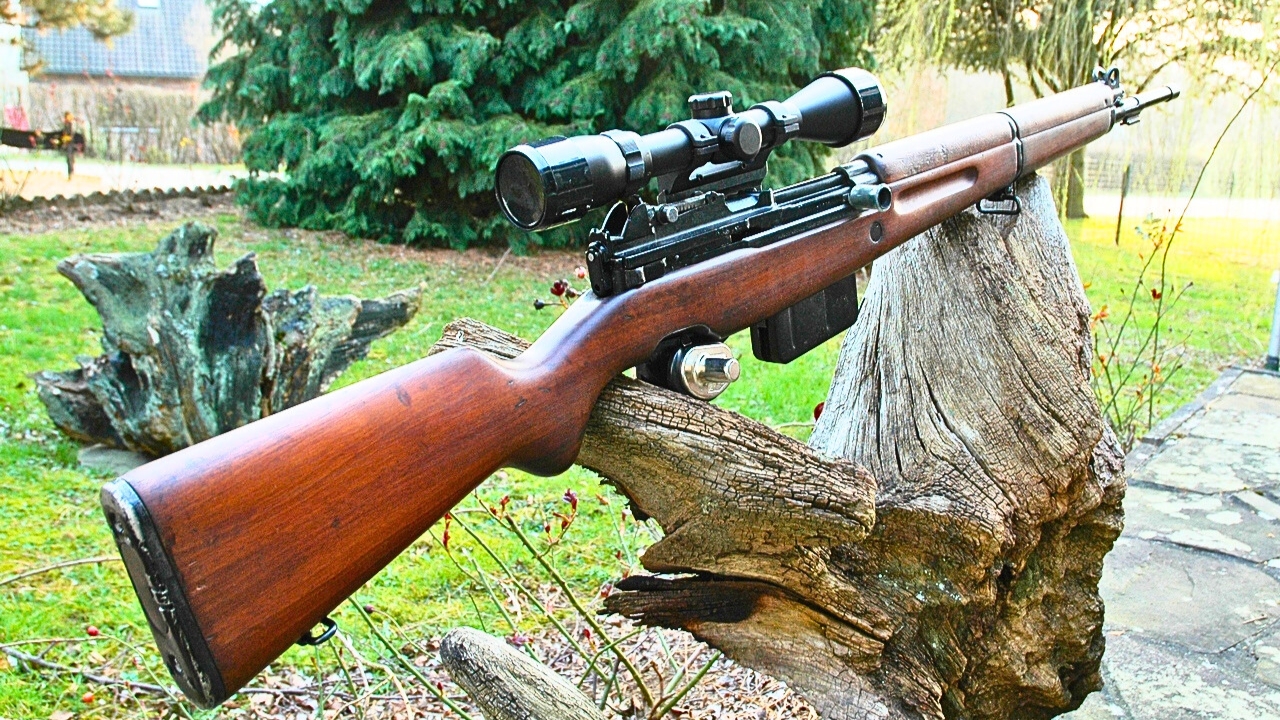
The FN49 was one of the last old-world battle rifles before assault rifles took over. Chambered in .30-06, 7mm Mauser, and other full-power rounds, it used a gas piston system and full-sized stock to deliver soft, steady recoil.
It’s heavy, sure, but that weight pays off. The gas system smooths out the impulse, and the rifle tracks back into position almost automatically. Compared to modern lightweight bolt guns in similar calibers, the FN49 is far easier on the shoulder and more pleasant to shoot over the long haul.
*This article was developed with AI-powered tools and has been carefully reviewed by our editors.