Photo credit: Rawpixel.com/ShutterStock.com
Every shooter has owned or borrowed a pistol that swore it was sighted in — right up until you actually started shooting. You line up the sights, squeeze a clean trigger press, and the rounds print nowhere near where they should. It’s infuriating.
Sometimes it’s bad machining, sometimes it’s poor barrel fitting or inconsistent lockup, but the end result is the same: a pistol that never hits where it’s aimed no matter how much you adjust or bench-rest it.
The worst offenders look fine and feel fine, but they throw rounds like a drunk with darts. Here are the pistols that have earned reputations for wandering points of impact, off-center barrels, and accuracy issues that no amount of practice can fix.
KelTec PF-9

The KelTec PF-9 is one of the lightest 9mm pistols ever made — and one of the hardest to shoot accurately. The trigger has a long, gritty pull, the sights are minimal, and the recoil impulse is snappy enough to make consistent groups a real challenge. Even when you do your part perfectly, the PF-9 tends to print left or low thanks to its heavy trigger and awkward grip geometry.
Part of the problem is the ultra-thin frame flexing under recoil, changing how the slide locks up from shot to shot. Add in inconsistent sight alignment from the factory, and it’s a pistol that demands far more correction than most shooters have patience for. It’s concealable and affordable, but if you want something that actually hits where you aim, you’ll fight it every step of the way.
Taurus Spectrum
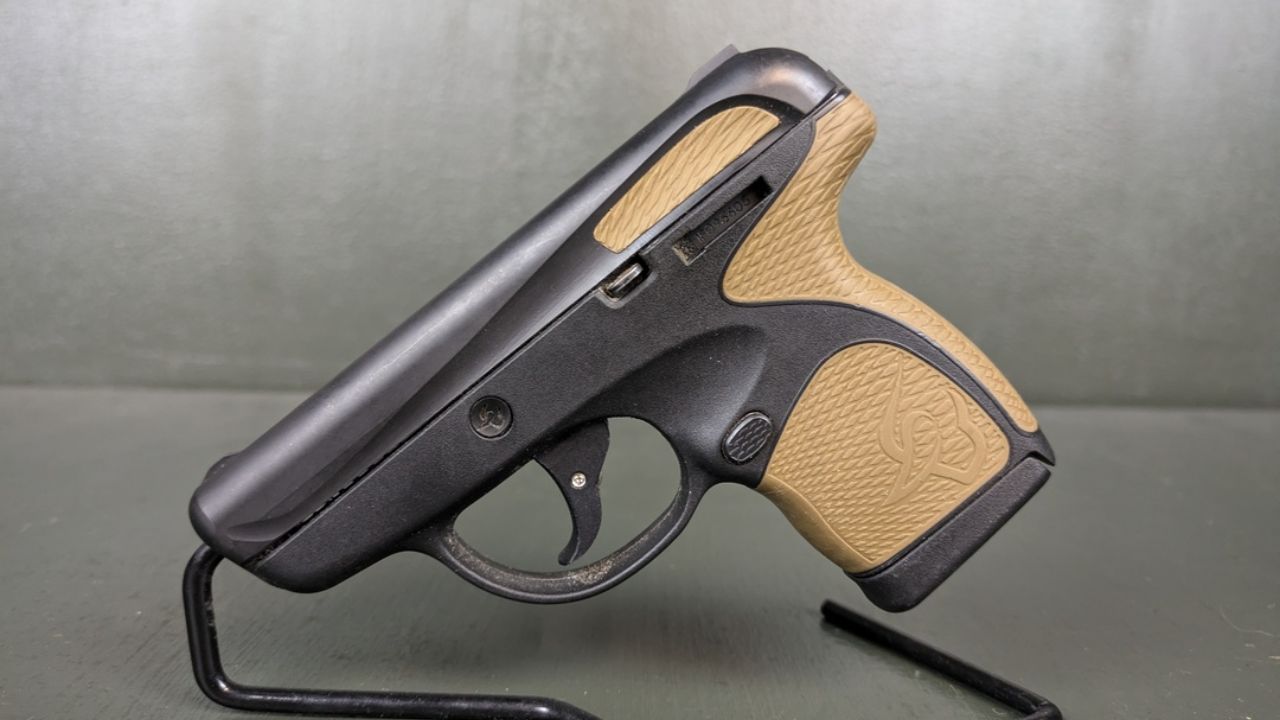
The Taurus Spectrum was meant to be a sleek, carry-friendly .380, but it’s earned a reputation for poor accuracy that no one can quite tune out. Even from a rest, groups often spread unpredictably, with many pistols hitting several inches off point of aim at 10 yards. The tiny sights and heavy trigger make corrections nearly impossible.
The cause lies in inconsistent barrel lockup and sloppy tolerances between slide and frame. Some shooters blame the short sight radius, but it’s more than that — it’s mechanical alignment that’s never consistent. The Spectrum is lightweight and easy to carry, but on the range, it’ll make you question every shot. It’s one of those guns that remind you why sight regulation and quality control matter more than flashy design.
Hi-Point C9

The Hi-Point C9 will fire nearly anything you feed it, but accuracy isn’t one of its strong points. The heavy blowback design and mushy trigger make precise shooting difficult, even from a bench. You’ll get groups that wander all over the paper, often several inches off target even at short distances.
The real issue is barrel-to-slide alignment and crude sight adjustment. Every gun leaves the factory slightly different, and many require the sights to be drifted far off center to get close to true. Some owners report theirs shoot fine, while others say they can’t hit a dinner plate at 10 yards. The C9’s reliability earns it credit, but if precision matters to you, this pistol will test your patience.
Remington R51
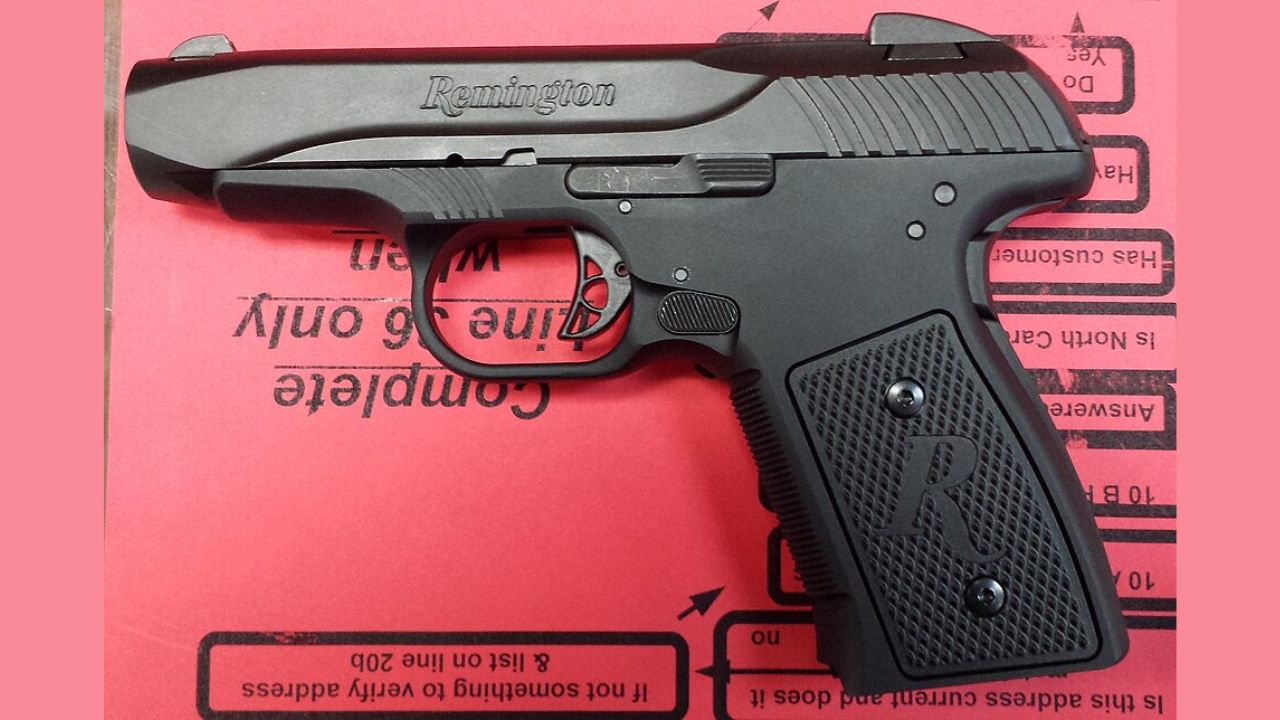
The Remington R51 is notorious for being unpredictable. The design — a reimagined version of Pedersen’s hesitation lock — sounds good in theory but was plagued by inconsistent machining. Many early pistols had misaligned barrels or slides that didn’t lock up cleanly, sending rounds in random directions.
Even after the recall and redesign, accuracy remained hit or miss. Some guns group fine, while others scatter shots regardless of ammo or shooter skill. The R51 feels great in the hand, but it’s one of those guns that gives you no confidence past arm’s length. For a pistol that was marketed as a blend of power and precision, it’s become a case study in how tolerance stacking ruins potential.
SCCY CPX-2
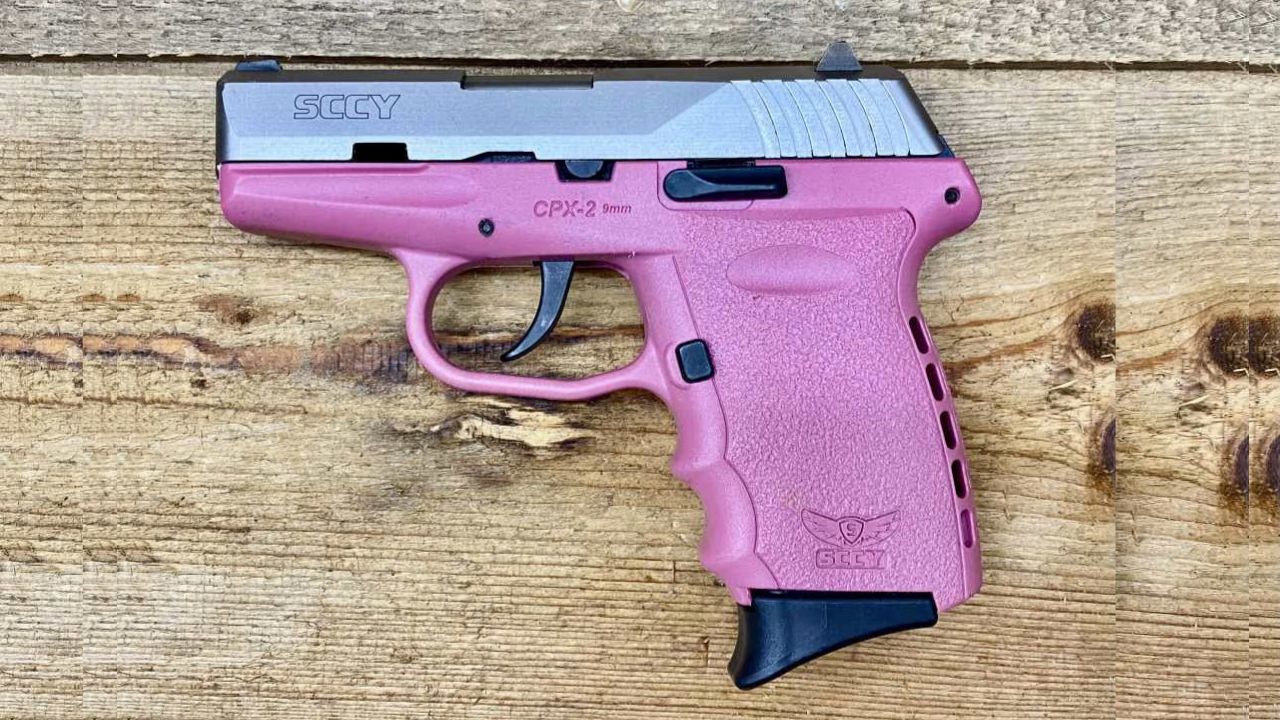
The SCCY CPX-2 offers affordability and simplicity, but it’s also earned a reputation for erratic accuracy. The DAO trigger pull is extremely long and heavy, making a consistent sight picture tough to maintain. Combine that with a short barrel and minimal sight radius, and you’ve got a pistol that tends to send rounds high, low, or anywhere in between.
Part of the issue is barrel fit — some CPX-2s leave the factory with loose lockup that shifts point of impact from magazine to magazine. Even when everything feels tight, the trigger itself introduces so much movement that precision becomes guesswork. It’s a reliable little carry gun, but if you’re trying to hit small targets with any consistency, it’ll keep you humble.
Kimber Micro 9 (early production runs)

The Kimber Micro 9 is a sharp-looking compact pistol, but early production runs suffered from alignment and barrel fit issues that made accuracy unpredictable. Some shot several inches left, others high, and a few grouped inconsistently from the same bench. The short sight radius and snappy recoil only make things worse.
Later models improved, but those first runs left a mark on the gun’s reputation. Shooters found that even with careful aiming and good fundamentals, the pistol’s fixed sights and inconsistent machining kept hits wandering. When it’s tuned properly, the Micro 9 can shoot beautifully — but if you’ve got an early one, you probably know the frustration of seeing every shot land where it shouldn’t.
Ruger LCP (first generation)

The first-generation Ruger LCP was never built for precision, and it shows. Between the heavy trigger pull, minuscule sights, and snappy recoil, keeping rounds on target past 10 yards is pure luck. Many early LCPs also had barrels slightly misaligned in the slide, causing consistent left or low impacts.
It’s a great pocket pistol for close defense, but it’s not a range gun. Even experienced shooters find the LCP hard to control, with the short grip and light frame amplifying every flinch. Later versions, like the LCP Max, are far better, but the original remains a classic example of how micro pistols sacrifice accuracy for concealability.
Walther CCP (early models)

The first-generation Walther CCP was comfortable to hold but unpredictable on paper. Early examples left the factory with sights that weren’t properly regulated, leading to consistent point-of-impact errors. Some pistols grouped tightly — just nowhere near where you aimed.
The CCP’s gas-delayed blowback system also caused unique harmonics that affected accuracy depending on ammo type. Light loads often printed low or wide, while hotter loads shot high. It’s a soft-shooting gun, but those quirks make consistent hits frustrating. Walther corrected much of this in the CCP M2, but those early models remain a warning about introducing new systems without consistent QC.
Taurus G2C (early production)

The Taurus G2C became wildly popular for its price, but accuracy varied dramatically between guns. Early models often shot low and left, even from a rest. The factory sights offered limited adjustment, and the inconsistent barrel crown didn’t help. You could correct your hold, but the next group would shift again.
Some shooters managed to tune theirs with aftermarket sights or custom loads, but many sold them after too many disappointing range trips. Later production improved, but those early G2Cs taught a lesson about cheap manufacturing and hasty QC. A pistol can feel great and run reliably, yet still never hit where it’s supposed to.
Glock 43X MOS (misaligned optic cuts)

Most Glocks are known for reliability and practical accuracy, but a number of early 43X MOS models shipped with slightly off-center optic cuts. That tiny misalignment caused point-of-impact shifts that couldn’t be corrected with normal adjustment. You’d sight in your red dot perfectly, then realize the barrel’s natural alignment still sent rounds a few inches off at 15 yards.
The base pistol shoots fine with iron sights, but once optics entered the equation, the issue became obvious. Glock addressed it quickly, but those first few batches frustrated a lot of buyers who expected perfection. It’s a rare slip-up from a company known for precision, and a reminder that even proven manufacturers can have off days.
Beretta Nano

The Beretta Nano is small, sleek, and shockingly inconsistent. Its fixed sights and low bore axis should help, but the gun’s stiff trigger and unpredictable barrel lockup often throw rounds left or high. Some shooters blame the heavy break; others point to barrel tilt that changes slightly with each shot.
Even when benched, many Nanos show wandering point of impact, especially with mixed ammo. Beretta later replaced it with the APX Carry, which solved most of those issues, but the Nano’s reputation was already sealed. It’s one of those pistols that looks accurate on paper yet behaves like it’s fighting you in the real world.
Like The Avid Outdoorsman’s content? Be sure to follow us.
Here’s more from us:
The worst deer rifles money can buy
Sidearms That Belong in the Safe — Not Your Belt
*This article was developed with AI-powered tools and has been carefully reviewed by our editors.