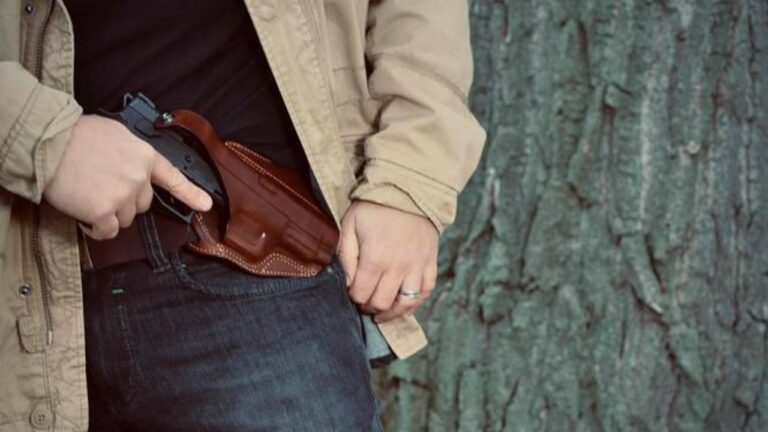
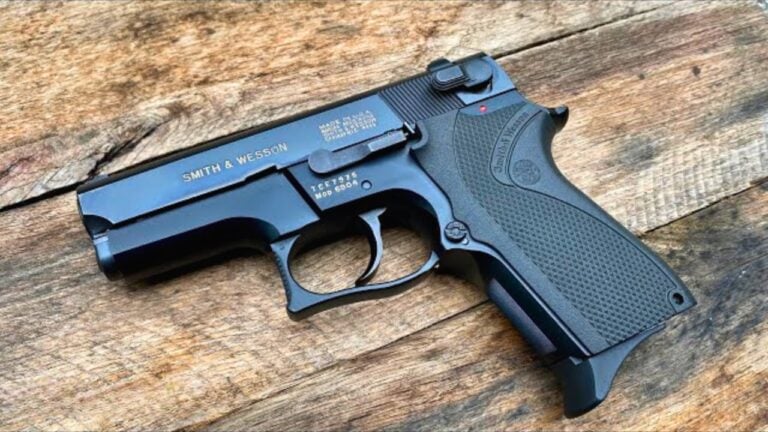
Photo credit: GritrSports/GunBroker
Lots of guns look good when you shoot slow. You take your time, you stage the trigger, you reset carefully, and the target looks respectable. Then you add time pressure—draws, splits, transitions, reloads—and the same gun suddenly feels like it’s fighting you. That’s usually because the trigger reset is long, the sights are hard to track, the grip is too small, the recoil is snappy, or the controls don’t work cleanly when your hands are moving fast.
S&W J-Frame (642/442 and similar)

A J-frame can be accurate enough at slow pace, but on the timer it exposes you. That long, heavy double-action pull demands real trigger control, and when shooters try to speed it up, the muzzle starts wandering and hits drop low or wide. The small grip also means the gun moves more in recoil, so your return-to-sight picture is slower than you think it’ll be.
It’s not that a J-frame can’t be run fast—it can, in skilled hands. The problem is most shooters don’t put in that level of practice, and the gun doesn’t forgive shortcuts. On the clock, it punishes rushed trigger work and inconsistent grip pressure. That’s why it “falls apart” for people who only shoot it slow and rarely train it hard.
Ruger LCR

The LCR is a great carry revolver, but under time pressure it can feel like it’s bouncing around in your hand. The trigger is often smooth, but it’s still a long double-action pull. When shooters try to go faster than their fundamentals, they start slapping through the pull and the shots spread out fast.
The other timer problem is recoil control and sight tracking. Light revolvers move a lot, and if your grip isn’t locked in, you spend extra time re-acquiring your sights. Slow fire hides that because you reset everything between shots. The timer doesn’t let you reset. It forces you to manage the gun continuously, and that’s where lightweight revolvers make people look worse than they are.
Walther PPK
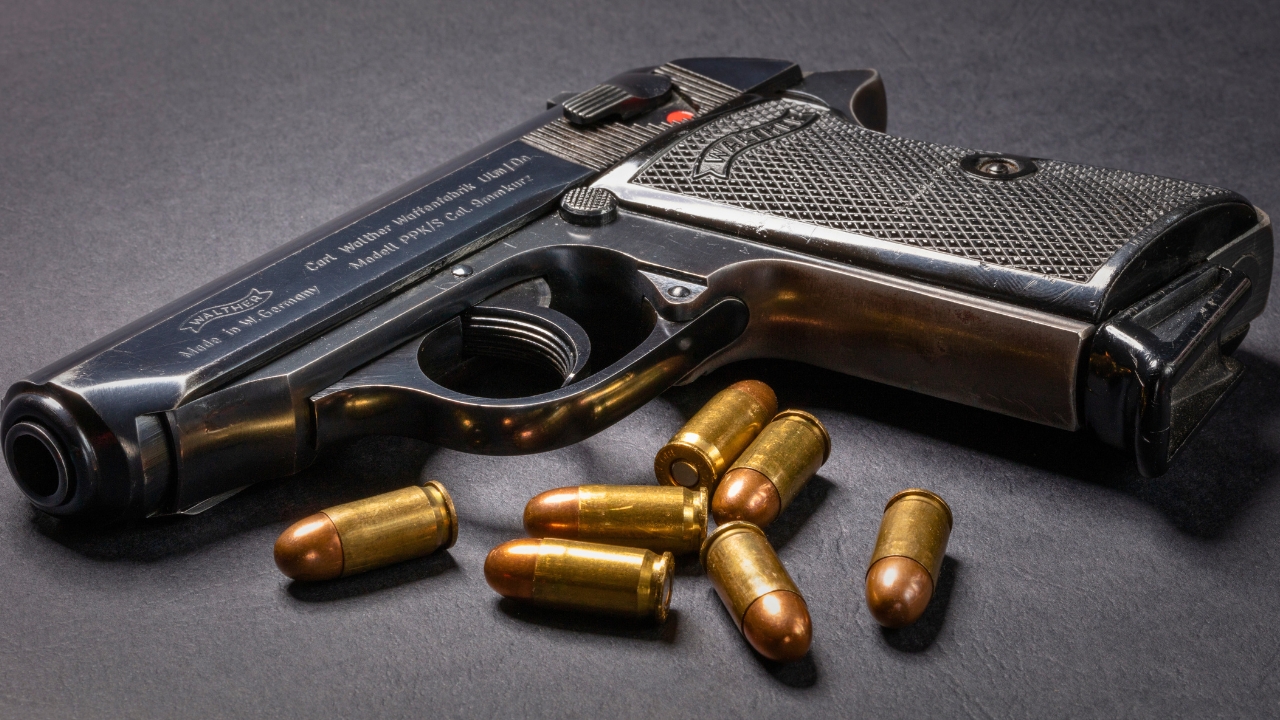
Slow fire with a PPK can feel classy and controlled. On the clock, the trigger, grip size, and bite potential start adding up. The DA pull is heavier than many people expect, and the transition to SA can throw shots if you’re not disciplined. The sights are also not the easiest to track fast, especially for shooters used to modern high-visibility setups.
Then there’s the recoil behavior. Even though it’s .380, the blowback design can feel sharp and snappy. Under time pressure, that sharp recoil makes people blink and tighten up. The timer reveals that the gun isn’t “easy,” it’s just “small and classic.” If you want speed and consistency, you’re working harder than you think.
SIG Sauer P938
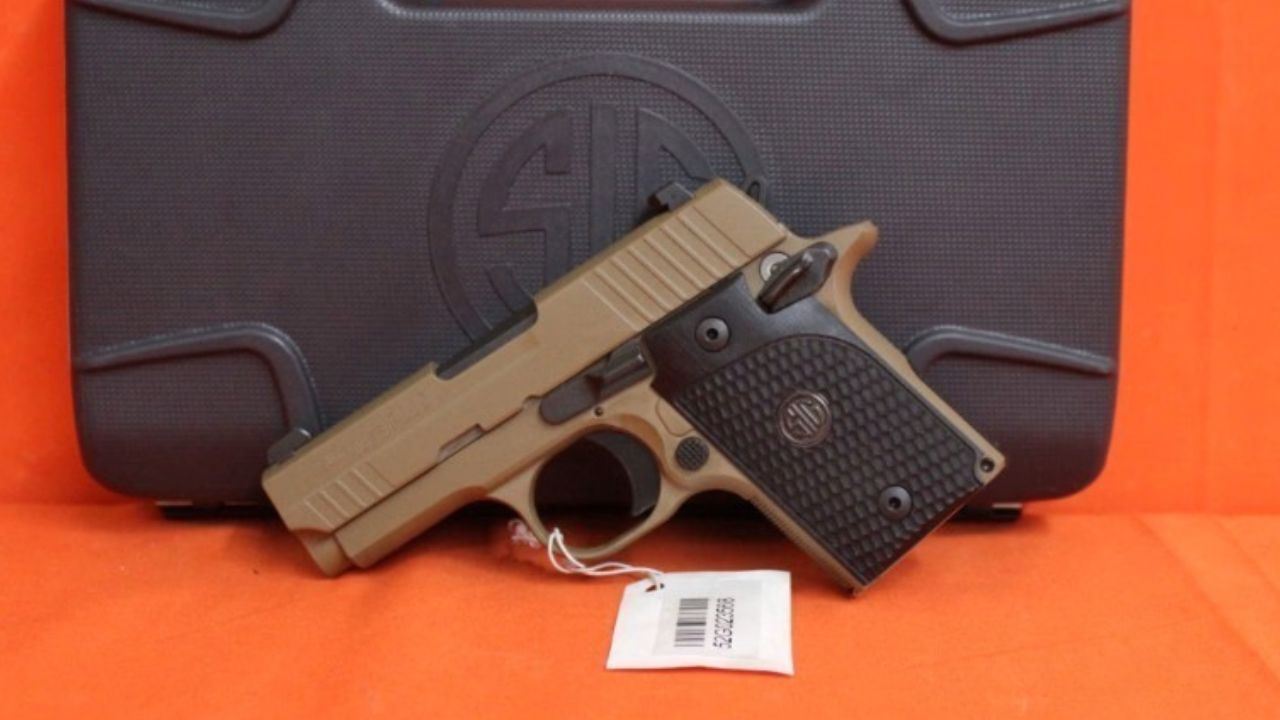
The P938 can print nice groups when you slow down and press carefully. On the timer, its small frame starts demanding more from your grip and recoil control. The gun moves more, and your sights/dot take longer to settle than they would on a compact. When you’re trying to shoot fast, that movement turns into misses unless you’ve built real consistency with it.
Another issue is that small single-action pistols can encourage people to outrun their ability. The trigger is short and clean, so shooters send shots faster than their sight confirmation. Slow fire makes it look great. The timer shows what’s really happening. If you’re going to run a P938 hard, you need to be honest about practice volume and recoil management.
Ruger LCP / LCP Max

The LCP line feels “fine” when you’re shooting slow at close targets and accepting basic hits. Put a timer on it and the tiny grip, short sight radius, and snappy movement start working against you. Most shooters can’t keep the gun stable enough for fast follow-ups without their grip shifting, and once the grip shifts, everything gets worse.
The timer also exposes trigger control. Small pistols often get a lot of “press and hope” shooting, because people don’t want to fight the sights. Under time pressure, that habit gets louder. These guns are meant to be carried and used at close range, not run like duty pistols. They’re useful tools, but they fall apart fast when you try to force speed that the platform doesn’t support.
Kahr PM9 / CM9

Kahr pistols are designed around a smooth, long trigger pull. Slow fire, that can be great—steady press, clean hit. On the timer, that long stroke becomes the limiter. Shooters try to go faster and start yanking shots because they’re rushing the press. Combine that with a small grip and a snappy feel, and people lose their rhythm quickly.
The other timer issue is reset and cadence. Some guns let you run a consistent tempo. With Kahrs, a lot of shooters struggle to keep timing clean because the trigger work is different than most striker guns. Slow fire hides it. The clock punishes it. If you love the size and carryability, that’s fine—just don’t pretend it’s going to run like a compact duty pistol when you’re pushing pace.
Glock 43

A Glock 43 can look great in slow fire because the gun is mechanically accurate and predictable. Under time pressure, the slim grip gives you less leverage, recoil feels sharper, and many shooters start milking the grip or dipping the muzzle trying to “control” it. The timer makes those small mistakes show up immediately.
A second issue is how small changes in grip affect consistency. With a full-size grip, you can be slightly off and still run okay. With a slim single-stack, small grip errors become big shot placement errors. Slow fire lets you fix it between shots. The timer forces continuous control. That’s where many shooters realize a slim carry gun isn’t the same as a compact training gun.
Glock 26
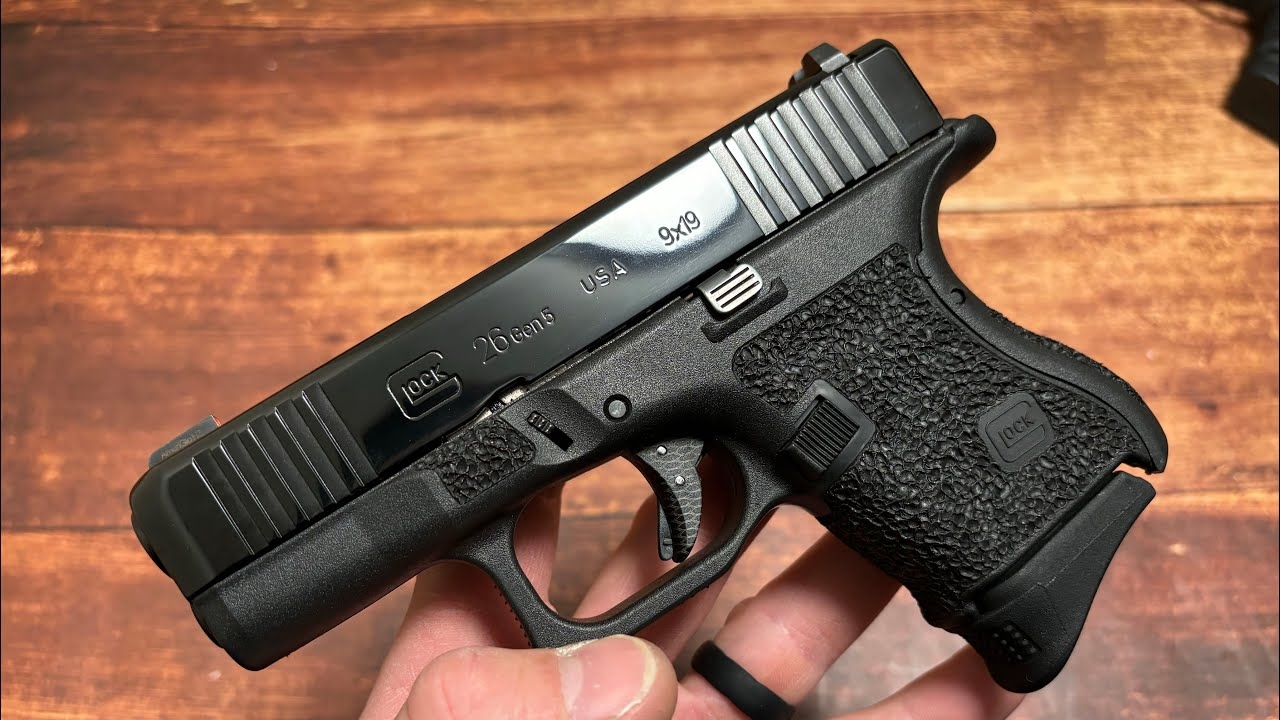
The Glock 26 is famous for shooting “bigger than it is,” but the timer still exposes the short grip. Many shooters can’t keep their hands locked in during fast strings without their pinky floating or the gun shifting slightly. When the gun shifts, sight return gets inconsistent, and split times either slow down or hits spread.
Slow fire hides that because you can re-seat your grip without noticing. On the clock, grip stability is everything. Another issue is that some baseplates/extensions can change how the gun behaves in recoil, and people don’t realize it until they’re trying to run it fast. The 26 can be great, but it demands a consistent grip and a setup you’ve actually proven under pace.
Springfield Hellcat

The Hellcat is capable, but it’s still a small, high-capacity pistol with a snappy recoil profile for many shooters. Slow fire, it feels accurate and controllable. On the timer, people often outrun their sight tracking because the gun returns a little differently than a compact. If you’re not disciplined, you start sending rounds before the gun is truly back.
The other timer issue is comfort. If a gun feels sharp in recoil, shooters start bracing for it. That anticipation shows up as low hits and inconsistent strings. It’s not a “Hellcat problem” as much as a “small gun, fast shooting” reality. Some shooters run them very well. Many find they perform better on the clock with a slightly larger pistol.
SIG Sauer P365

The P365 is one of the easier micro-9s to shoot, but it still falls into the same category: slow fire makes it look better than it is under speed. The short grip and compact slide mean it moves more, and many shooters lose consistency when they try to run it like a compact duty gun. The timer exposes when your grip isn’t truly locked in.
Another common clock issue is cadence. People tend to shoot micro pistols in bursts—fast, then a pause—because sight return isn’t as predictable. Slow fire doesn’t show that. On the timer, that uneven rhythm hurts performance. The P365 can absolutely work, but if you want repeatable speed, many shooters end up preferring the XL/XMacro size because it’s simply easier to run.
Beretta 92

A Beretta 92 can be a dream in slow fire. On the timer, the DA first shot becomes the separator. If you don’t practice that long pull, your first shot often goes wide or low because you’re rushing it. Then you switch to SA and suddenly your cadence changes. That transition is where a lot of shooters lose time and lose hits.
It’s not a knock on the gun—it’s a training reality. DA/SA pistols reward real reps and punish “I mostly shoot it SA at the range.” Slow fire hides the issue because you take your time. The timer forces you to deliver a clean first shot without warm-up. If you don’t train it, the gun will make you look inconsistent.
SIG Sauer P226 / P229
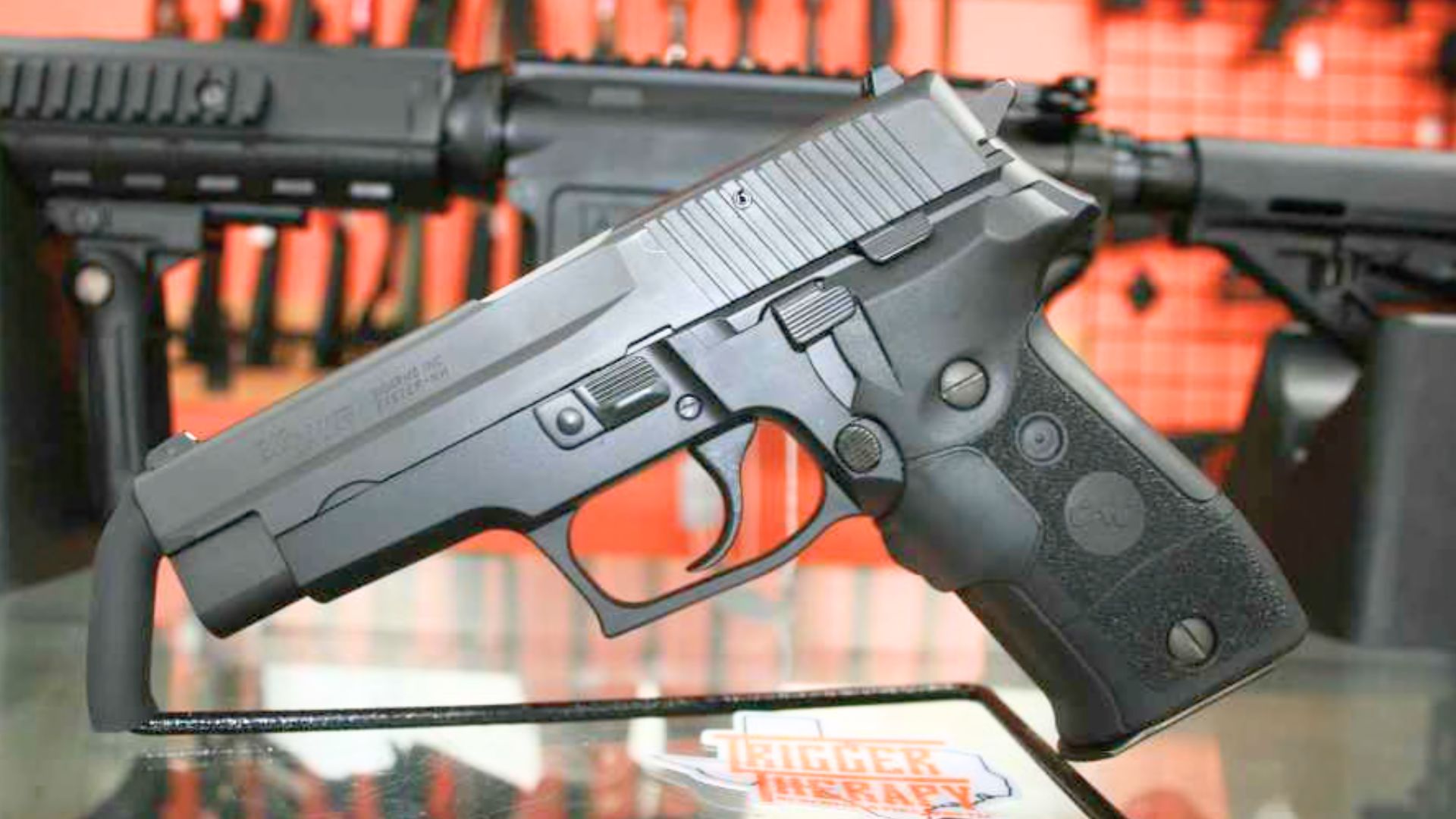
The P226/P229 family is accurate and reliable, and slow fire can make you feel like a hero. On the clock, the same DA/SA issues show up: heavy first press, then lighter presses. If you don’t have a disciplined first-shot routine, your first hit suffers and your confidence shakes. That costs time immediately.
Grip and recoil control are usually fine—the guns are stable. The problem is trigger management under speed. Shooters who stage the DA slowly can’t do that on the timer, so they start snatching through it. Then they get into SA and rush even more trying to “make up time.” The timer doesn’t care how good the gun is; it only cares how trained you are on that trigger system.
CZ P-07 / P-09
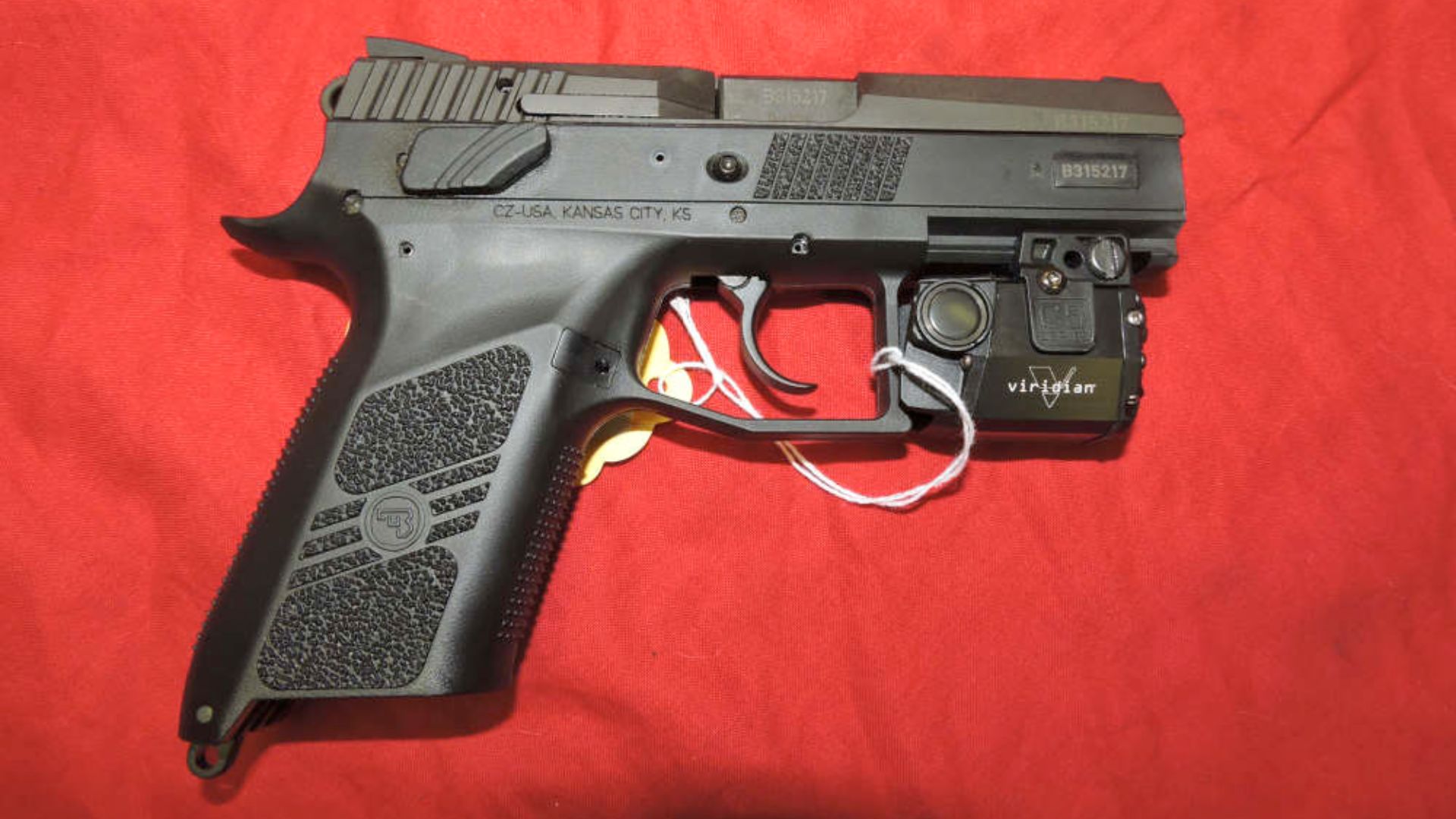
CZ DA/SA guns can feel fantastic when you’re shooting deliberately. Under time pressure, a lot of shooters struggle with the same cadence shift: DA first shot feels heavy and long, SA shots feel lighter and faster, and the shooter’s rhythm gets choppy. Slow fire makes that invisible. The clock makes it obvious.
Another thing is reset feel. Some shooters don’t “feel” the reset as cleanly under stress, so they either short-stroke the trigger or they overtravel and waste time. None of that matters when you’re going slow. It matters when you’re trying to run clean strings. These guns can be excellent, but they demand honest DA practice if you want them to perform when it counts.
Subcompact .40s (Glock 27, Shield .40, etc.)
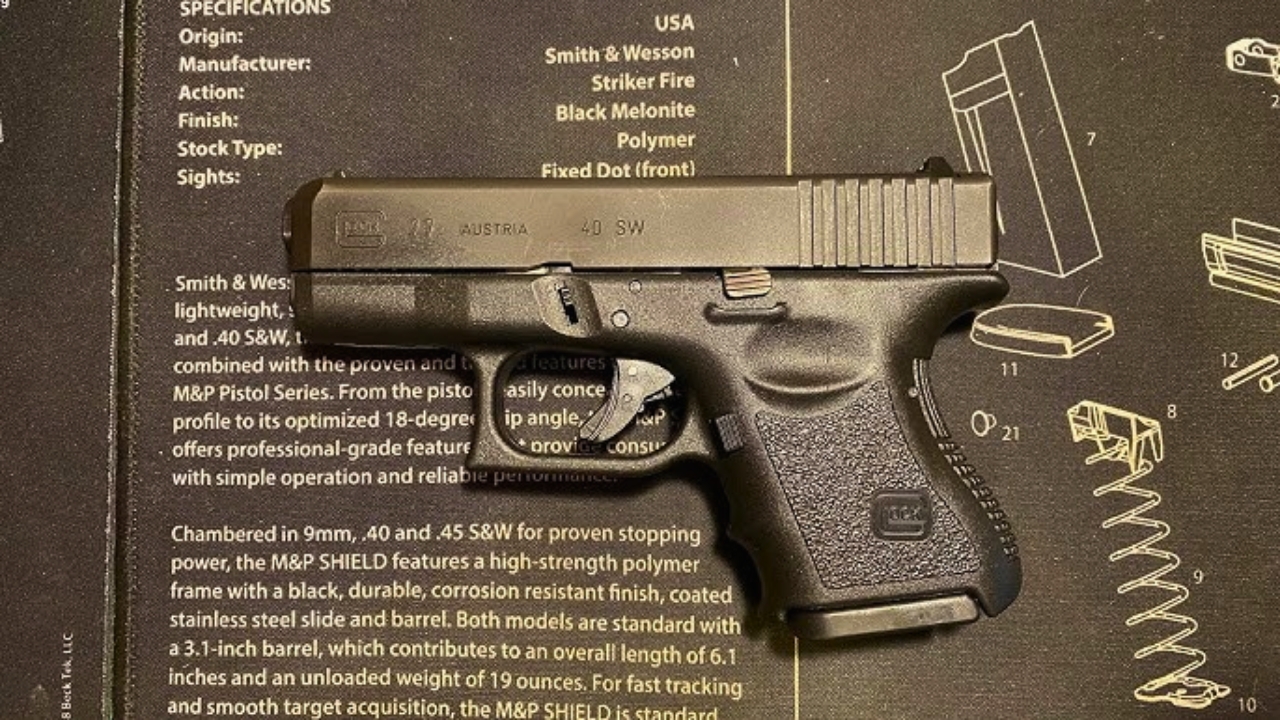
Subcompact .40s are the classic “fine slow, ugly fast” guns. Slow fire, you can manage recoil and place shots. Add speed and the recoil impulse starts steering the gun. The sights lift higher, the return is less predictable, and shooters start tightening up and yanking shots low. It’s not a mystery—small guns in snappy calibers demand more control than most people put in.
The timer is where it gets real. You can’t take a second between shots to rebuild grip pressure. You have to manage the gun continuously. Most shooters find they either slow way down or accept sloppy hits. If you want speed with accuracy, these setups are often more frustration than they’re worth unless you truly love the caliber and train hard.
Pocket-size .380s in general (Tomcat, Bodyguard, etc.)
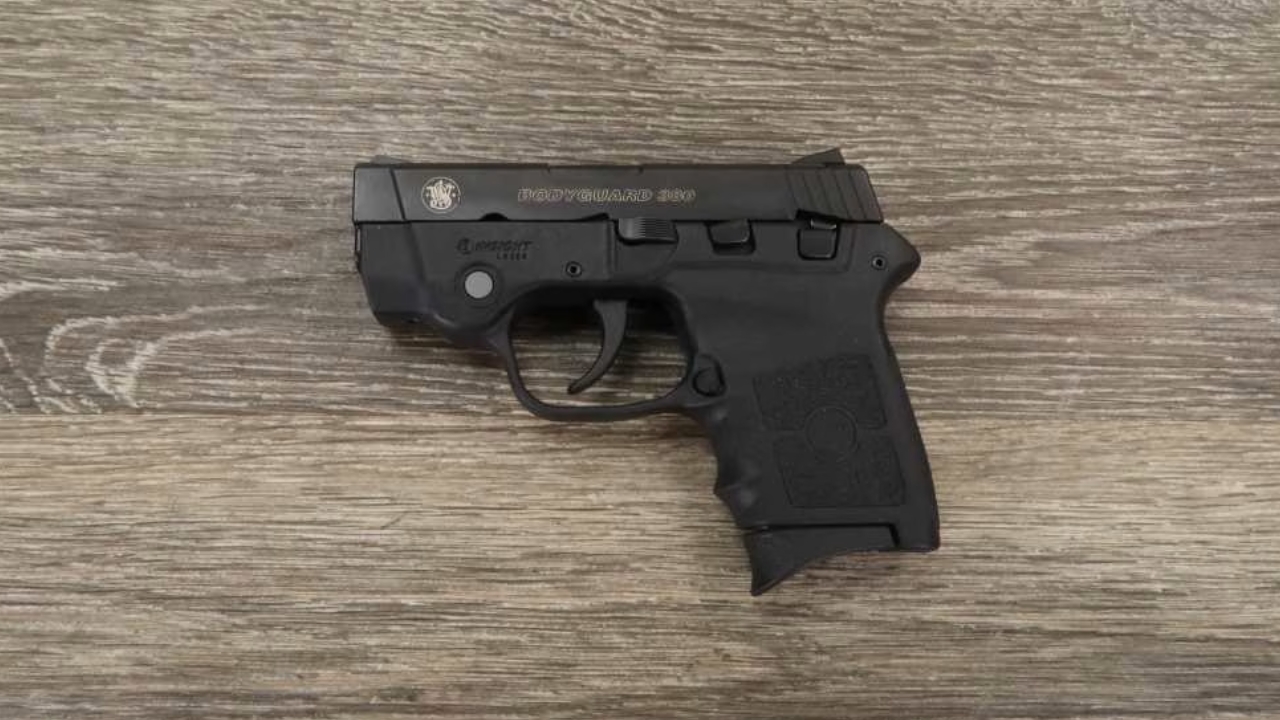
Pocket .380s can look decent in slow fire because you’re taking your time and accepting smaller performance expectations. On the timer, they usually fall apart because the sights are small, the grip is minimal, and the recoil movement is fast and sharp. Your hands don’t have much to work with, and the gun doesn’t track smoothly.
The biggest timer problem is that these guns encourage bad habits: snatching the trigger, losing the grip between shots, and “confirming” sights too late. Slow fire hides that because you can reset your whole grip and mind between rounds. The timer forces a continuous process. Pocket guns can be useful tools, but they aren’t built to shine when you start pushing real pace.
Like The Avid Outdoorsman’s content? Be sure to follow us.
Here’s more from us: