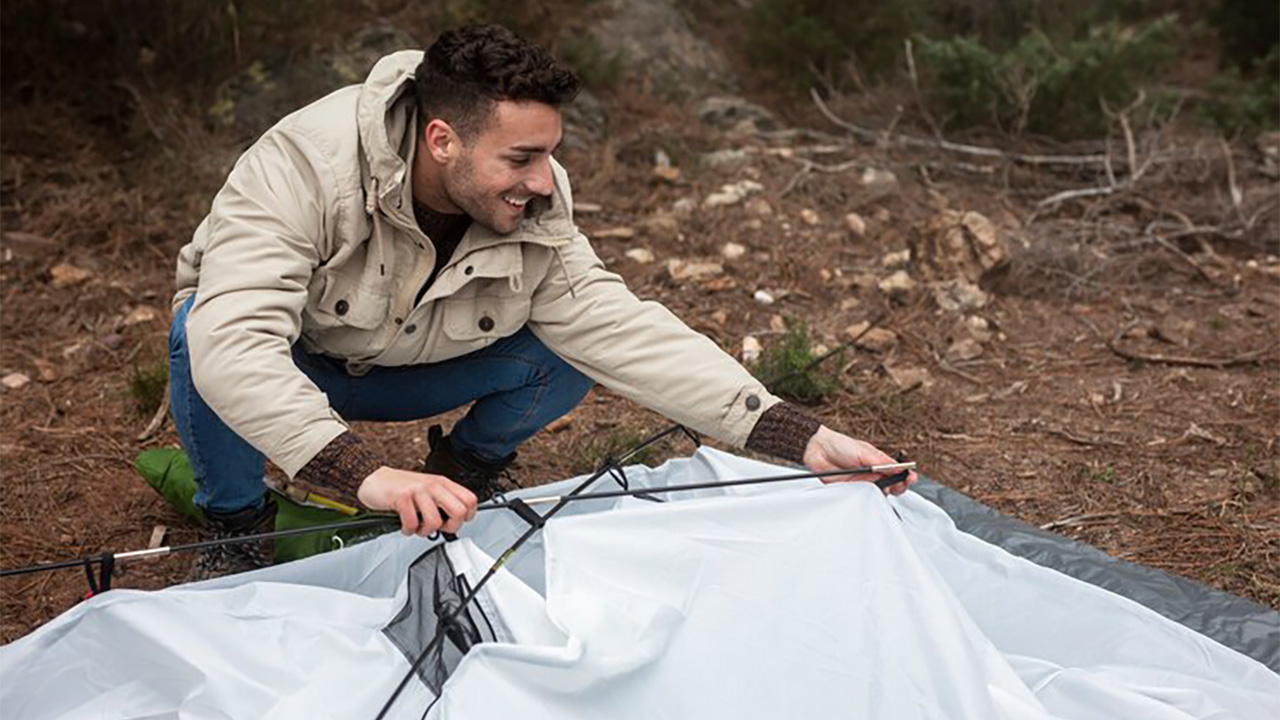
Photo credit: freepik/Freepik.com
Every bad camp situation has a starting point, and more often than not, it sounds harmless. Somebody shrugs something off, cuts a corner, or decides a detail isn’t worth worrying about. “It’ll be fine.” Sometimes it is. A lot of times, it isn’t. That phrase has a way of showing up right before things start drifting in the wrong direction.
The problem isn’t confidence. It’s misplaced confidence. When a man says that without thinking through what could actually go wrong, he’s usually setting the whole group up to deal with something later that didn’t need to happen in the first place. These are the mistakes that almost always start with those exact words.
Throwing the Tent Up Wherever There’s Space

“It’ll be fine right here.” That’s usually said about five seconds before someone drops a tent in a spot that looks open but hasn’t been thought through. Maybe it’s slightly lower than the surrounding ground, maybe it’s directly in the wind, or maybe it’s right where water naturally wants to move if it rains.
It works for a little while, which makes the decision feel justified. Then conditions shift, and suddenly that easy spot turns into a problem. Guys who’ve learned this lesson take a minute to read the ground and think ahead. The ones who don’t usually end up dealing with it later.
Not Securing Gear Because “We’re Not Going Far”
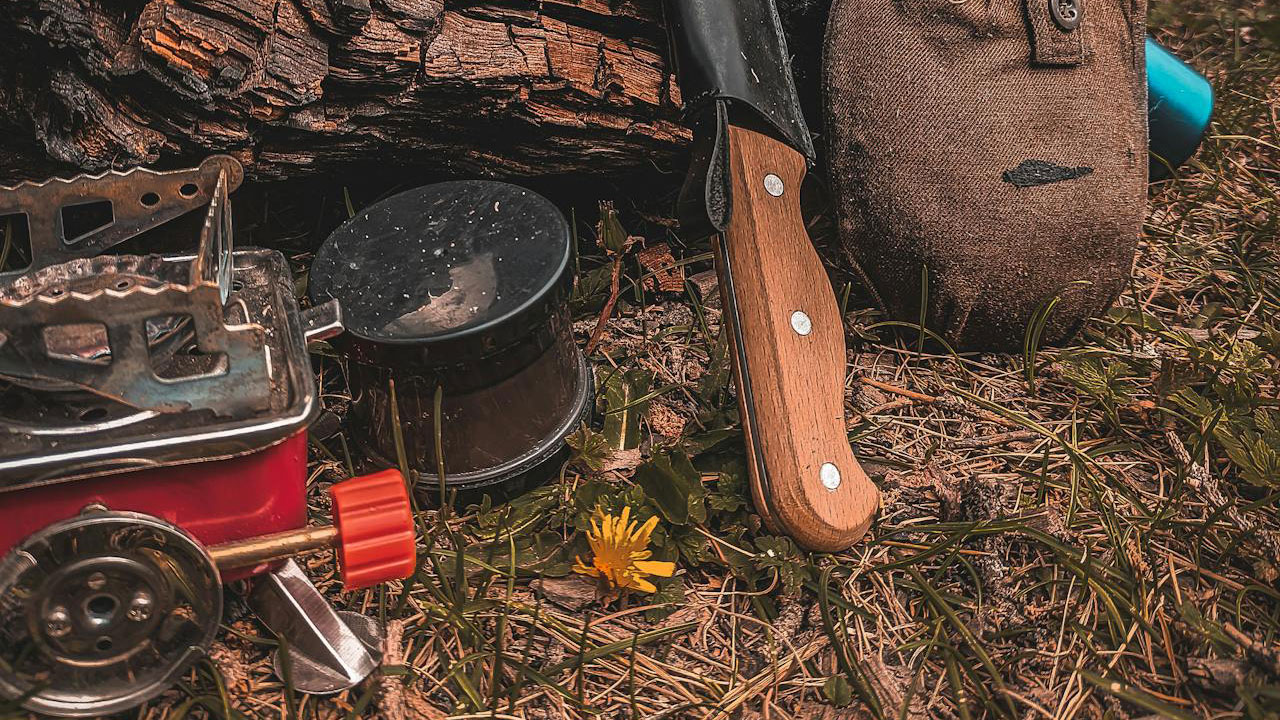
This shows up when people assume they’ll be right back. Coolers left open, gear sitting loose, nothing tied down, and everything just kind of placed instead of set. “We’re only stepping away for a bit. It’ll be fine.”
That’s usually when something gets knocked over, blown around, or messed with. It doesn’t take long for things to go sideways when no one’s paying attention. Securing gear isn’t about distance, it’s about leaving things in a state that won’t create problems when you’re not there.
Bringing Just Enough Food With No Margin

Someone always says they packed plenty, and maybe they did—for perfect conditions. But trips rarely stay perfect. People get hungrier, plans change, or something goes wrong with cooking.
“It’ll be fine” turns into everyone rationing or trying to stretch meals in a way that wasn’t planned. The guys who’ve been out enough times build in a little cushion. The ones who don’t are always a step behind once things don’t go exactly as expected.
Ignoring the Weather Because It Looks Good Right Now
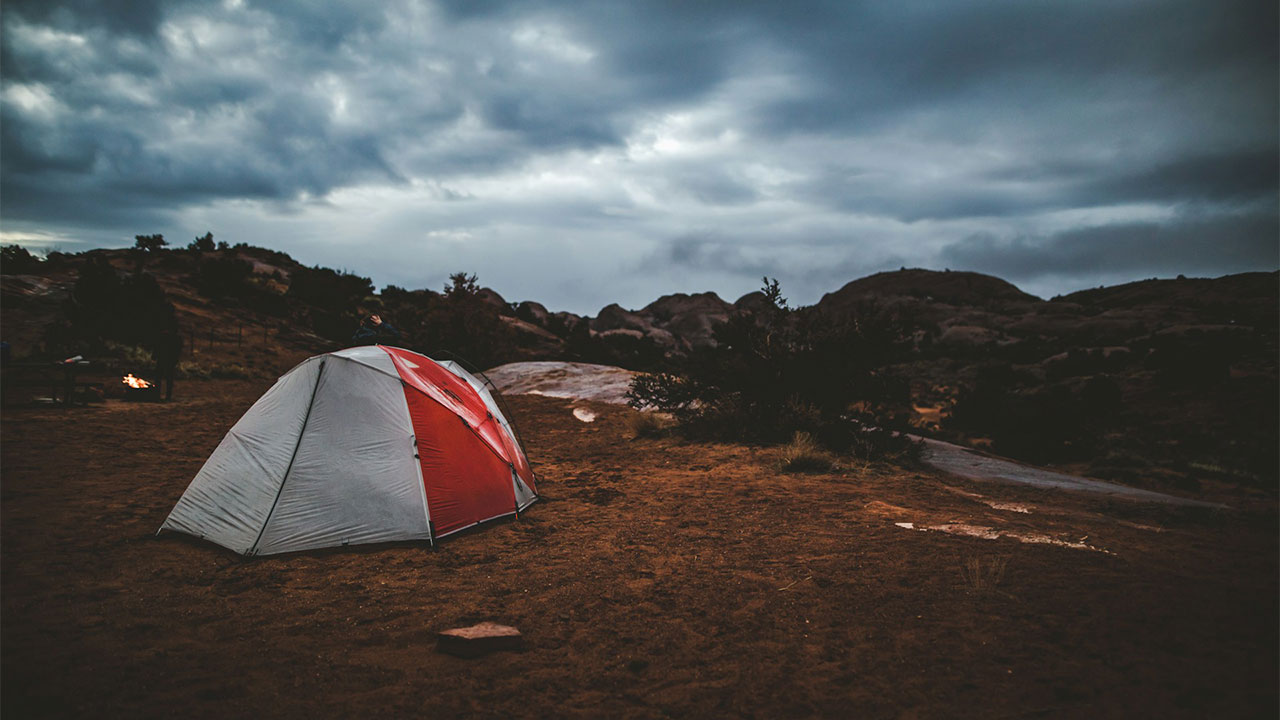
Clear skies at camp don’t mean much if conditions are changing later. “It looks fine to me” is usually said while completely ignoring what the forecast actually says.
That mindset leads to being caught off guard. Rain gear isn’t ready, shelter isn’t set up right, and nobody’s prepared for what’s coming. Weather doesn’t care how it looks at the moment. It changes fast, and the guys who plan for that stay ahead of it.
Assuming One Light Source Is Enough

Someone brings one flashlight or headlamp and calls it good. “We’ve got light. It’ll be fine.” Until batteries die, something gets dropped, or more than one person needs it at the same time.
Dark changes everything. Simple tasks get harder, movement slows down, and mistakes happen faster. A little redundancy here solves a lot of problems. Skipping it usually creates more than people expect.
Letting the Fire Get Too Big Too Fast
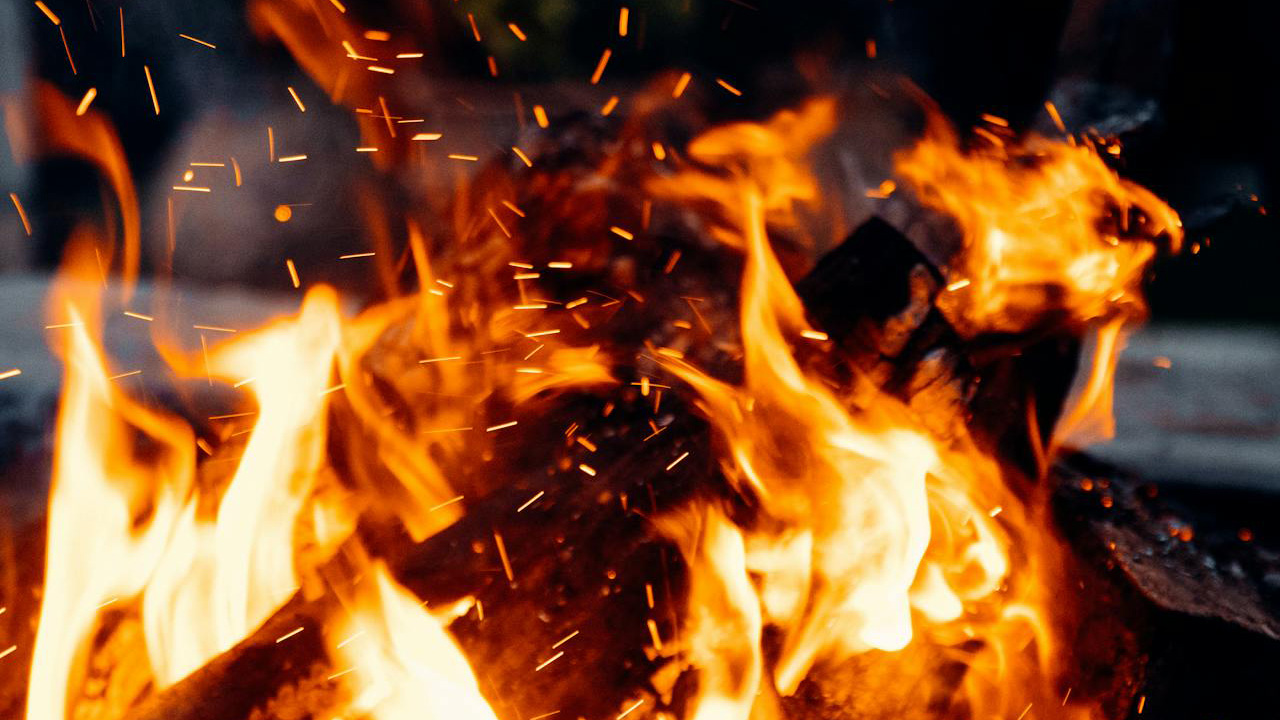
“It’ll burn down.” That’s usually said right before a fire gets bigger than it needs to be. Too much wood too quickly, no control over how it’s built, and suddenly it’s more work managing it than it should be.
A good fire is steady and controlled. A bad one wastes wood, throws too much heat, and becomes something everyone has to watch instead of use. Starting small and building up works better than trying to fix something that got out of hand.
Not Keeping Track of Where Things Go

Gear gets set down wherever there’s space, and nobody thinks twice about it. “We’ll remember where it is.” That works until it doesn’t.
Once things get scattered, time gets wasted looking for items that should’ve been easy to grab. It also creates frustration when multiple people are digging through the same areas. Keeping things organized saves time later, but it’s usually skipped in the moment.
Assuming the Cooler Will Stay Cold on Its Own

“It’s packed with ice. It’ll be fine.” That’s the logic, but it ignores how often it gets opened, where it’s sitting, and how it’s actually packed.
By the time people notice drinks warming up or food getting questionable, it’s already too late to fix easily. Coolers need a little management to stay effective. Ignoring that turns them into a problem instead of a solution.
Leaving Food Out Because “Nothing Will Mess With It”

This one always sounds confident. “There’s nothing out here.” Until something shows up.
Whether it’s animals, insects, or something else, leaving food exposed is asking for trouble. It doesn’t take long for something to find it. Securing food properly is basic, but it’s one of the most common things people get lazy about.
Overloading One Person With Responsibility
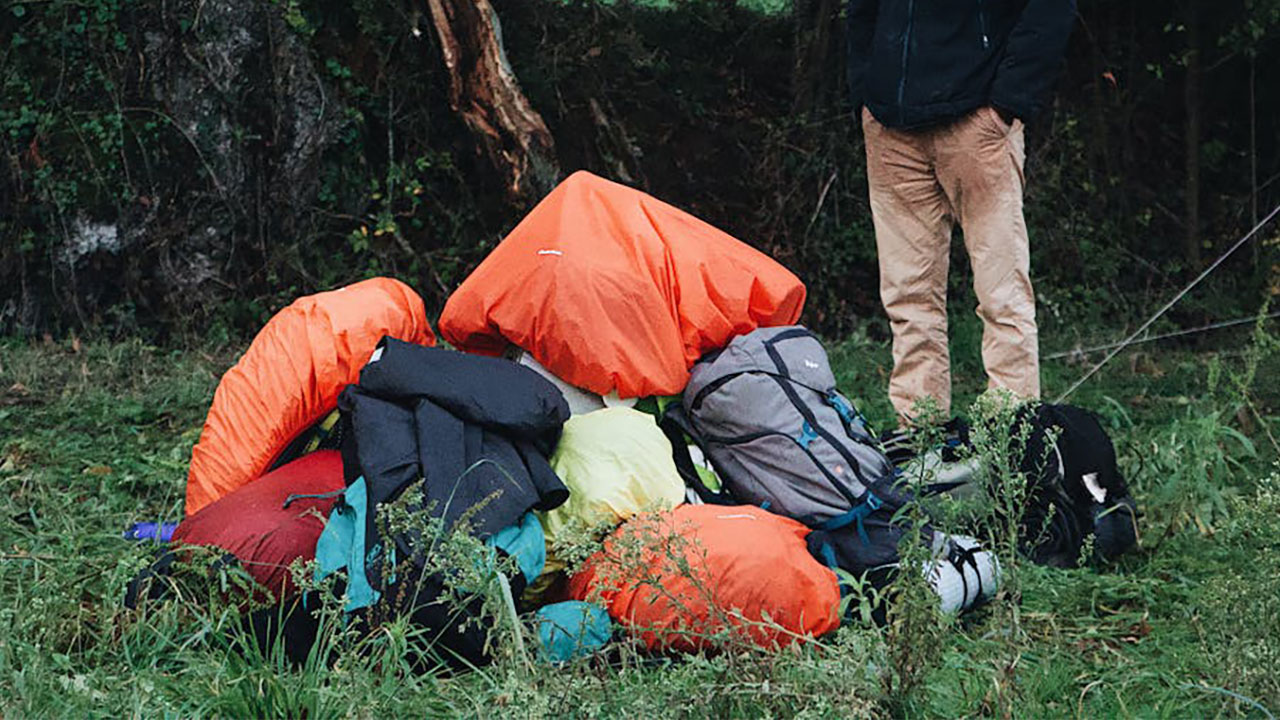
“It’ll be fine, he’s got it.” That’s usually said about the one guy who ends up handling too much—cooking, fire, gear, planning, and whatever else gets handed off.
That works until it doesn’t. People get tired, things get missed, and mistakes happen. Spreading responsibilities keeps things running smoother. Dumping everything on one person usually leads to something slipping through.
Not Checking Equipment Before Using It
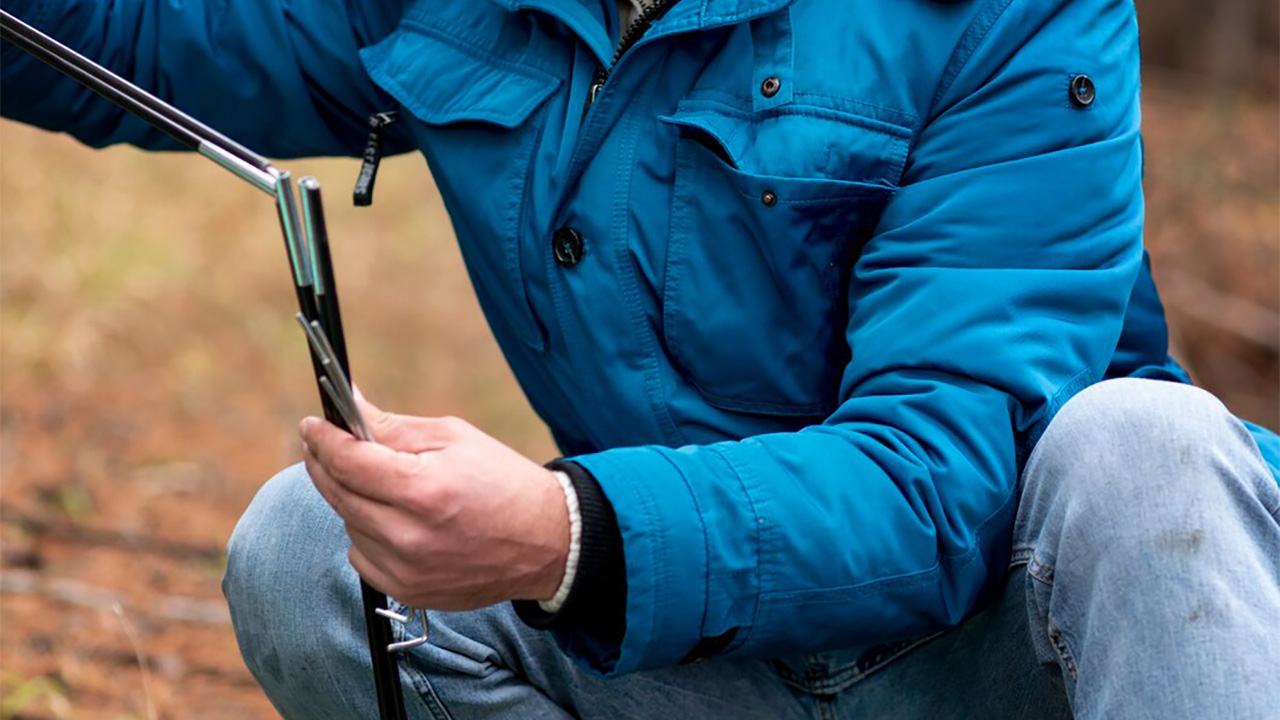
Someone grabs gear they haven’t used in a while and assumes it still works. “It was fine last time.” That might’ve been months ago.
When something fails in the field, it’s rarely convenient. Checking things ahead of time prevents surprises. Skipping that step is how small issues turn into bigger ones when you’re already relying on the gear.
Letting Trash Build Up

“It’s just for now.” That’s how it starts. A little trash here, a little there, and nobody deals with it right away.
By the end of the day, it’s a mess that attracts attention and becomes harder to clean up than it needed to be. Staying ahead of it keeps camp manageable. Letting it pile up turns into a job nobody wants.
Assuming Everyone’s on the Same Page

Plans get mentioned once, and someone says, “Yeah, we’re good.” But not everyone heard it the same way.
That’s how timing gets off, people go different directions, and confusion sets in. Clear communication takes a minute but saves a lot of frustration. Assuming understanding without checking usually leads to problems.
Skipping Small Fixes Because They Don’t Seem Urgent
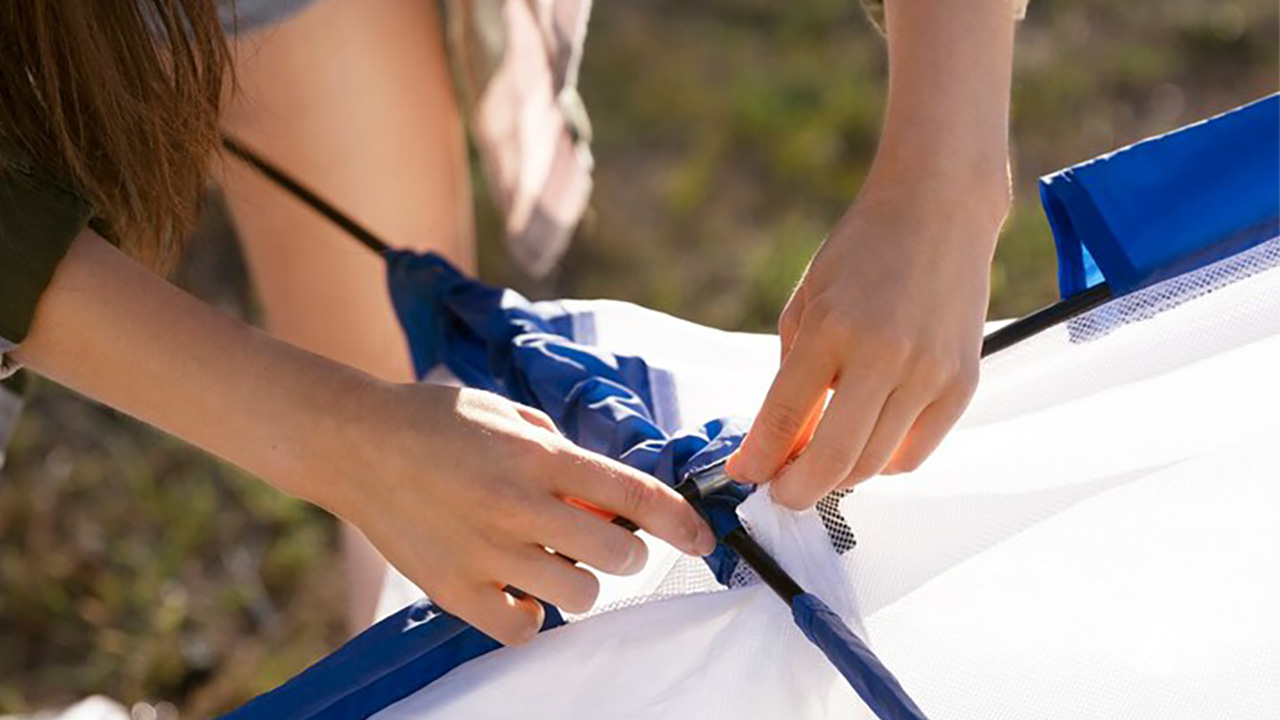
Loose lines, small leaks, minor issues—“we’ll deal with it later.” That later usually comes at the worst time.
Small problems are easy to fix early. Left alone, they grow into something more disruptive. The guys who stay on top of little things avoid bigger ones. The ones who don’t end up dealing with both.
Acting Like Nothing Will Go Wrong

This is the root of most of it. “It’ll be fine” usually means no one has actually thought through what could go wrong.
Outdoors, something always goes a little sideways. The difference is whether you’re ready for it or surprised by it. Planning for the small stuff keeps it manageable. Ignoring it is how simple trips turn into avoidable problems.
Like The Avid Outdoorsman’s content? Subscribe to our newsletter so you never miss an article.
Here’s more from us: