Image Credit: Michael Ridall/Shutterstock.com.
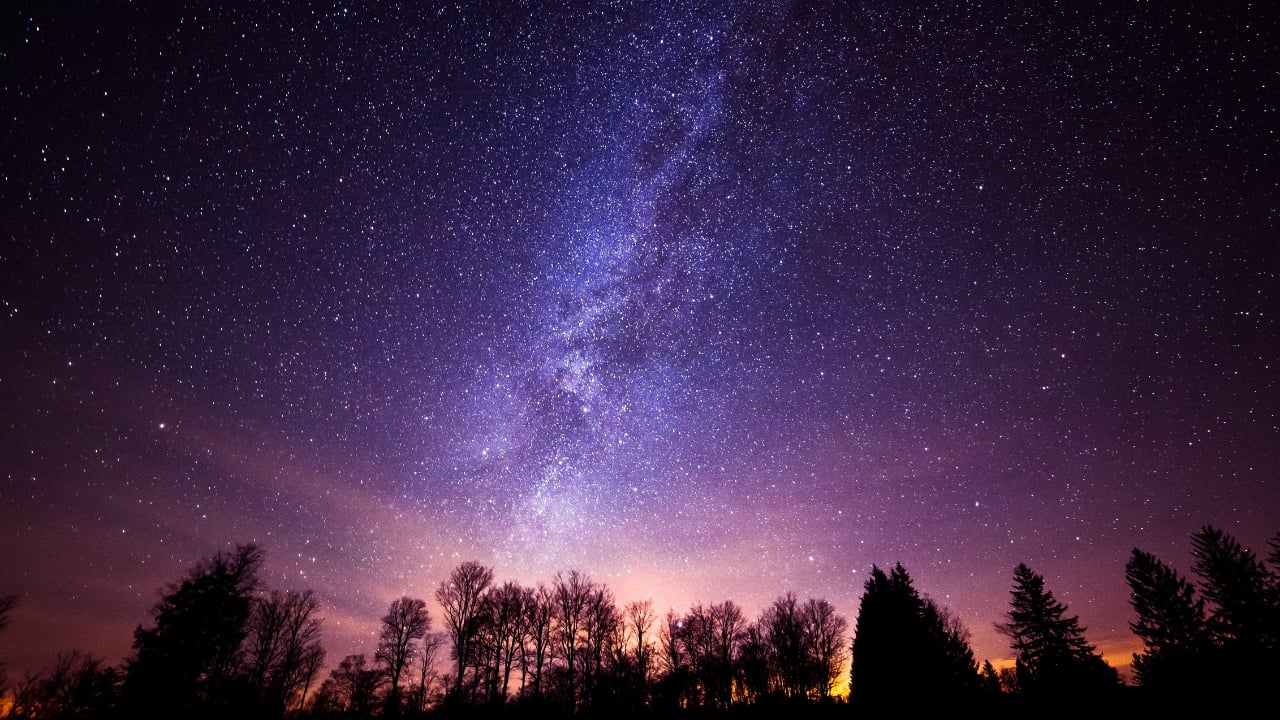
If you’ve never seen a real dark sky—no city glow, no headlights, just stars stretching from horizon to horizon—you’re missing out. Getting out into the wild and looking up at a night sky the way it was meant to be seen is something every outdoorsman should experience.
Some national parks are better than others when it comes to stargazing, and if you’re going to set up camp, you might as well do it somewhere with a view that makes staying up all night worth it. These parks have some of the darkest, clearest skies in the country, and if you bring the right gear, you’ll see more stars than you ever thought possible.
Big Bend National Park, Texas

Big Bend doesn’t mess around when it comes to dark skies. It’s one of the least light-polluted places in the lower 48, which means on a clear night, you’ll see the Milky Way like a glowing river overhead. If you’ve only seen a handful of stars from your backyard, this will make you rethink what the night sky actually looks like.
Camping here is solid, whether you stick to the Chisos Basin for a little elevation or go full remote in the backcountry. Either way, bring warm gear—desert temperatures drop fast once the sun disappears.
Great Basin National Park, Nevada

Great Basin is one of the best spots in the country to see the night sky the way it was meant to be seen. With high elevation and some of the darkest skies in the U.S., it’s a top pick for anyone serious about stargazing. On a good night, you’ll catch constellations, planets, and even distant galaxies without needing a telescope.
The camping here is just as good, with plenty of options to choose from. If you want an easy setup, go with Wheeler Peak Campground. If you’re up for a challenge, grab a backcountry permit and set up somewhere far from the crowds. Either way, you won’t regret staying up late.
Bryce Canyon National Park, Utah

Bryce Canyon is one of those places that looks unreal in daylight and even better at night. The park’s famous rock formations, called hoodoos, make for a dramatic backdrop against one of the darkest skies in the country. The high elevation and dry air give you crystal-clear views of everything from the Milky Way to distant galaxies. If you’re lucky, you might even catch a meteor shower lighting up the sky.
Camping is solid, with two campgrounds—North and Sunset—offering easy access to the best stargazing spots. If you’re up for something more rugged, head into the backcountry with a permit. Either way, bring a good sleeping bag. Bryce gets cold at night, no matter the season.
Death Valley National Park, California/Nevada

You won’t find many places darker than Death Valley. It’s one of the largest Dark Sky Parks in the world, which means you’ll see everything from constellations to the faintest deep-space objects without any light pollution getting in the way. The vast, open landscape makes it easy to find a spot where it’s just you, the stars, and total silence.
For camping, Furnace Creek is the most accessible, but if you want a true wilderness experience, go for one of the more remote sites like Mesquite Spring or Emigrant. Summer is brutal here, so if you want to stargaze without melting, aim for fall or winter.
Glacier National Park, Montana

Glacier National Park is a stargazer’s dream. The combination of high elevation, minimal artificial light, and crisp mountain air makes for some of the best night sky views in the country. On a clear night, you’ll see thousands of stars, and if you’re lucky, the northern lights might even make an appearance.
There are plenty of camping options, from the well-known Apgar Campground near Lake McDonald to remote backcountry spots where you won’t see another soul. If you’re heading deep into the park, be prepared for bear country—keep your food stored properly and stay aware.
Cherry Springs State Park, Pennsylvania
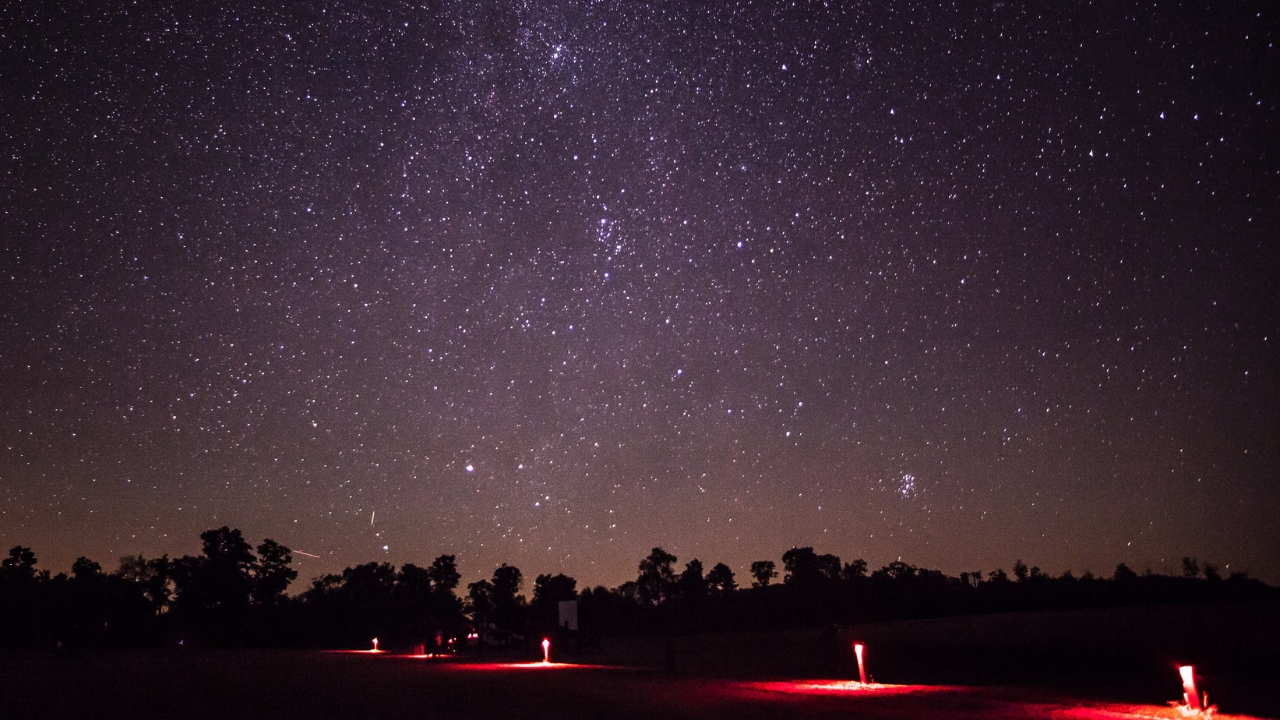
This isn’t a national park, but it deserves a mention. Cherry Springs is one of the best places on the East Coast for stargazing. It’s a certified Dark Sky Park, and because it’s surrounded by forest, artificial light is almost nonexistent. Even with the naked eye, you’ll catch details in the Milky Way you’ve never seen before.
Camping is simple but effective. The park has a few designated spots for tents, but if you’re serious about stargazing, bring a reclining chair or even a sleeping bag and set up right in the Astronomy Observation Field. You won’t regret it.
Yellowstone National Park, Wyoming/Montana/Idaho
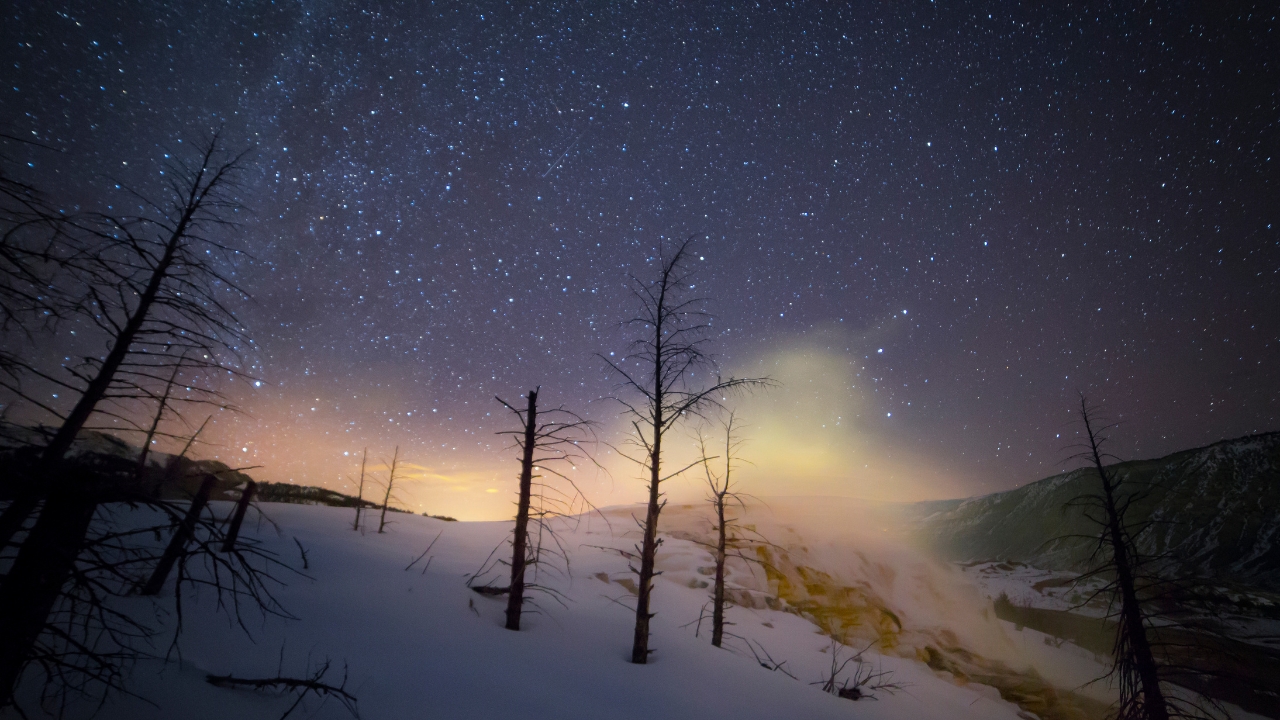
Yellowstone is known for geysers and wildlife, but its night skies are just as impressive. With vast open areas and little light pollution, you’ll get incredible views of the stars. The park’s high elevation helps with clarity, and if you time it right, you might catch the aurora borealis.
For camping, you’ve got a ton of options. Madison and Bridge Bay campgrounds offer easy access to open-sky views, while the backcountry sites give you total isolation. Just remember, you’re in grizzly country—keep food stored properly and stay aware of your surroundings.
Rocky Mountain National Park, Colorado

At over 12,000 feet in elevation, Rocky Mountain National Park gives you some of the clearest, most breathtaking night skies in the country. The thin mountain air makes stars pop, and if you hike up to Trail Ridge Road or Bear Lake, you’ll get wide-open views without much interference.
Camping is solid, with Moraine Park and Glacier Basin being good choices for easy access. If you want to get away from crowds, try Longs Peak Campground or head into the backcountry. Be ready for cold nights, no matter the season, and don’t forget to check the weather—it changes fast up here.
Grand Canyon National Park, Arizona

The Grand Canyon is a must-visit for stargazers. With high elevation, dry air, and little artificial light, it’s one of the best places in the Southwest for night sky viewing. The contrast between the dark sky and the massive canyon walls makes for an unforgettable experience.
Camping options are solid, with Mather Campground on the South Rim being the most popular. If you want something more remote, try Desert View or head into the backcountry with a permit. If you’re up for a hike, the canyon itself makes for an unbeatable spot to lay back and take in the stars.
*This article was developed with AI-powered tools and has been carefully reviewed by our editors.