Photo credit: Swagger Bipods
A hunt falls apart quicker than most folks want to admit when your rifle stops cooperating. You can take the right shot, know your ranges, and hold steady, but if the gun shifts zero or refuses to cycle when the pressure’s on, the season can turn into a story you’d rather forget. Plenty of rifles work fine at the bench, yet show their flaws as soon as you step into cold wind or uneven ground.
When you’re dealing with weather, terrain, and nerves, the last thing you need is equipment adding more problems. These rifles have earned a reputation for ruining hunts long before a storm ever does.
Remington 597 Magnum (.22 WMR)

The .22 WMR version of the 597 might look handy for small-game hunts, but the real-world performance leaves a lot of hunters shaking their heads. The magazines have long been known for feeding issues, and even light dust or cold weather makes the problem worse. You end up clearing malfunctions more often than you shoot.
Accuracy varies wildly depending on the ammunition, and point of impact can shift as the rifle warms. When you’re trying to take a careful shot on a rabbit or fox, the last thing you want is a rifle that behaves differently every time you load a fresh mag.
Rossi Model 92 (Budget .357 and .44 Variants)

The affordable Rossi 92s draw plenty of buyers, but not everyone sticks with them after a full season of hard use. The actions can feel rough out of the box, and feeding can hang up with certain bullet profiles. Hunters expecting smooth lever-cycling often end up fighting the gun instead of focusing on the shot.
Cold mornings reveal another weakness: the rifles can get sticky and sluggish. When you’re trying to chamber a round quietly while still-hunting or sitting in a stand, any hesitation is enough to spook game. Too many hunters learned the hard way that a lever gun you can’t trust might as well stay home.
Howa Mini Action 7.62×39 (Early Models)
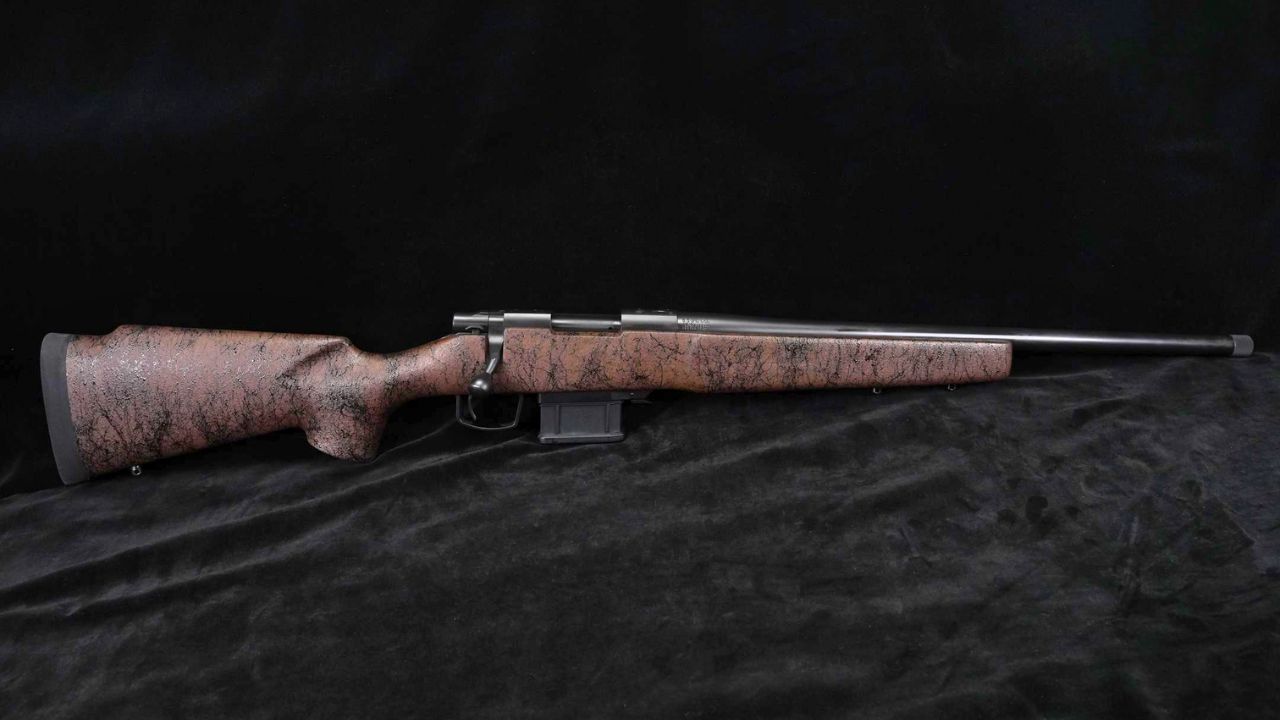
The idea of a lightweight, compact bolt gun in 7.62×39 is appealing, but the early Howa Mini Actions had magazine problems that showed up at the worst times. Feeding wasn’t always smooth, and the plastic magazines occasionally warped in temperature swings. When you’re taking a quick shot on a moving deer or hog, that delay is costly.
Accuracy also depended heavily on ammo selection. With limited choices in hunting-grade 7.62×39, you could easily find yourself with erratic groups and no obvious fix. When the cartridge is already pushing its limits at distance, inconsistent accuracy only makes things worse.
Thompson/Center Compass (First Generation)
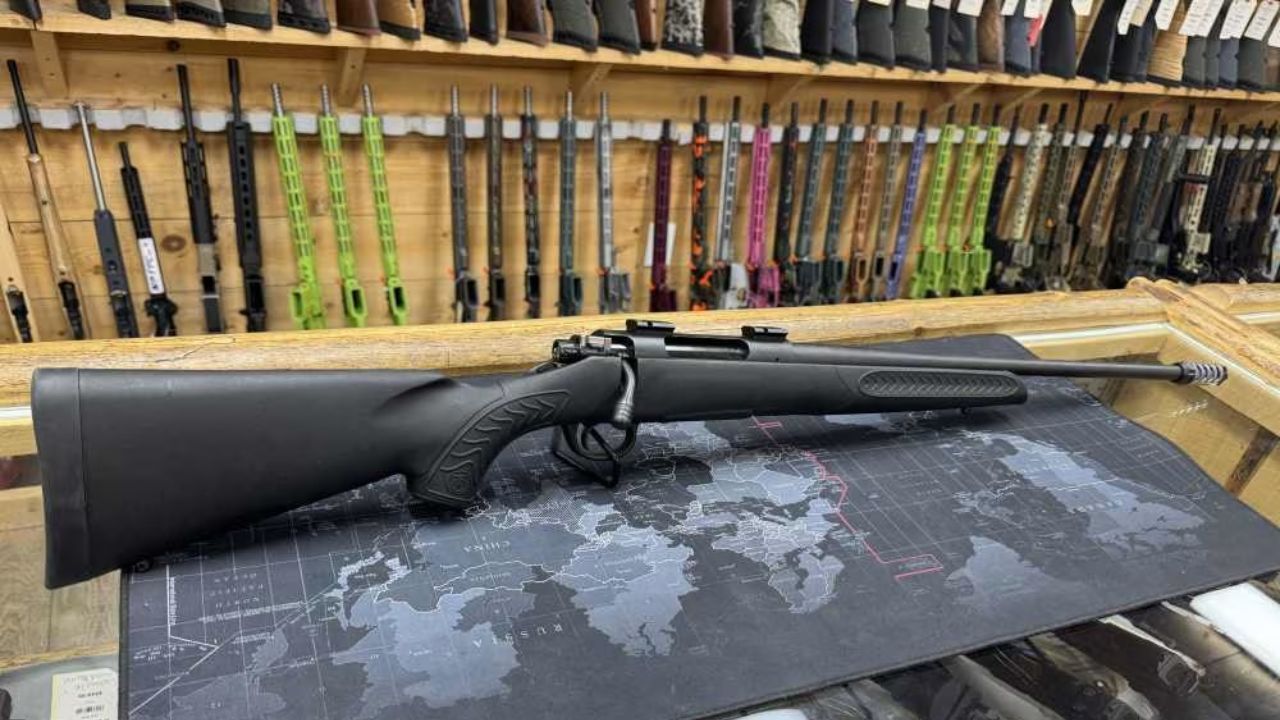
The Compass promised value, but the first-gen rifles had inconsistent barrels that left many hunters frustrated. Some shot well, others wandered badly as they warmed. If your zero shifts mid-hunt, you’re missing deer for reasons that have nothing to do with your shooting fundamentals.
The stock wasn’t stiff enough in the forend, especially for hunters using bipods or leaning off trees. Pressure points changed shot by shot. That kind of unpredictability ruins confidence quickly in the field, where you rarely get a perfectly flat rest.
Zastava M70 Sporting Rifle (Older Imports)

Older Zastava M70 sporting rifles looked good on paper, but many hunters found them difficult to cycle under stress. The bolt lift is heavier than most modern shooters expect, and when you’re wearing gloves in cold weather, that can slow your shot sequence dramatically.
Triggers varied from rifle to rifle, with some feeling heavy and others inconsistent. Between that and the occasional rough chamber, extraction could be stubborn with certain loads. A rifle that refuses to run smoothly when a second shot matters is one that ends up collecting dust in the safe.
Ruger Mini-30 (Early Production)

Before Ruger upgraded the platform, early Mini-30 rifles had accuracy complaints that showed up on nearly every hunt. At the bench, they might group acceptably, but once you introduced wind or varied shooting positions, shots wandered far more than most hunters could tolerate.
Magazine fit was another issue in older rifles—some sat loose enough to cause feeding interruptions when you rested the gun on a pack or blind rail. When you lose trust in a semi-auto, it’s hard to bring it back into the field, especially on game that rarely stands still for long.
Marlin XS7 (.243 and .308 Variants)

The Marlin XS7 had fans, but plenty of hunters noticed that the lightweight barrels walked shots as they warmed. On a calm day with a cold barrel, it looked fine. Once you started practicing real-world follow-ups, the groups stretched and drifted.
The stocks were another weak point. They flexed easily, especially if you loaded a bipod or used a tight sling. In the field, where you rarely shoot from a perfect stance, that flex changes point of impact enough to turn a good shot into a clean miss.
Browning A-Bolt II Stainless Stalker (.300 WSM Era)
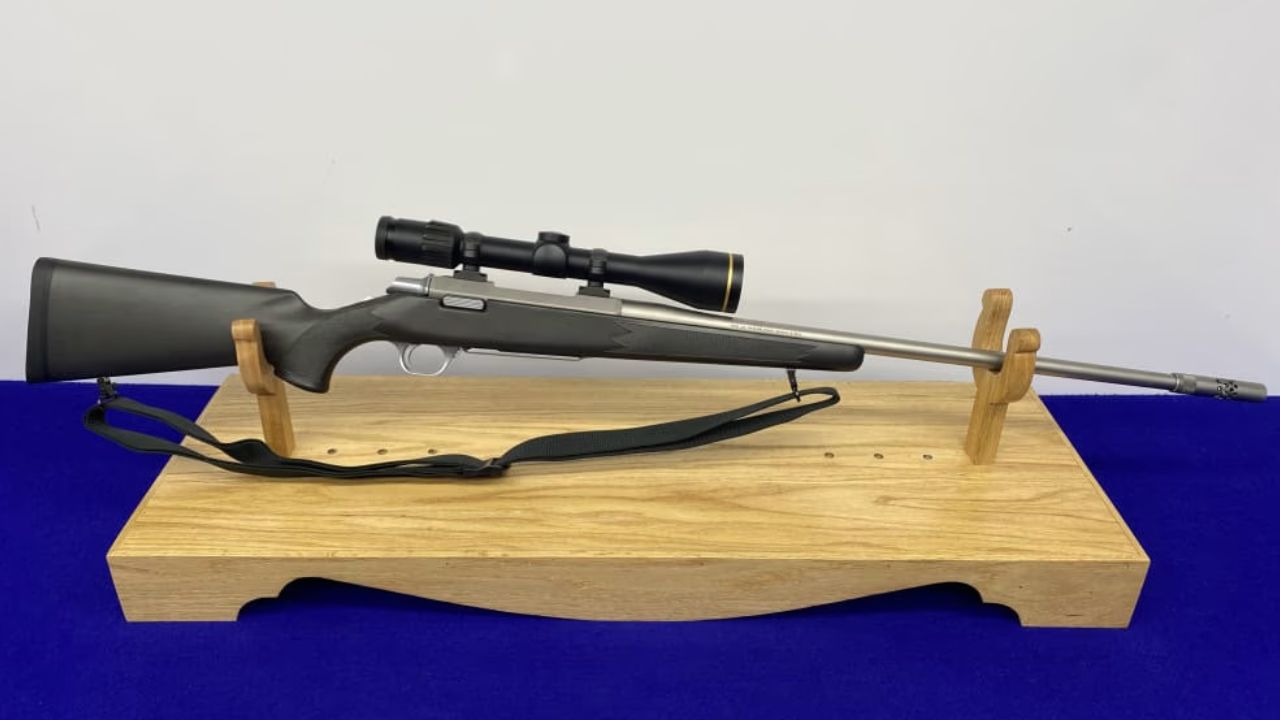
The A-Bolt II earned a mixed reputation when chambered in certain short magnums like .300 WSM. The lightweight configuration paired with high-pressure loads produced inconsistent groups once the barrel heated, and recoil management wasn’t forgiving. Hunters who needed a fast follow-up often struggled to keep the rifle settled.
The magazine system, while clever, didn’t inspire confidence for everyone. In freezing weather, the latch could stiffen up, slowing reloads when you needed them most. A rifle that works only in fair conditions is more liability than asset during big-game seasons.
Remington 710
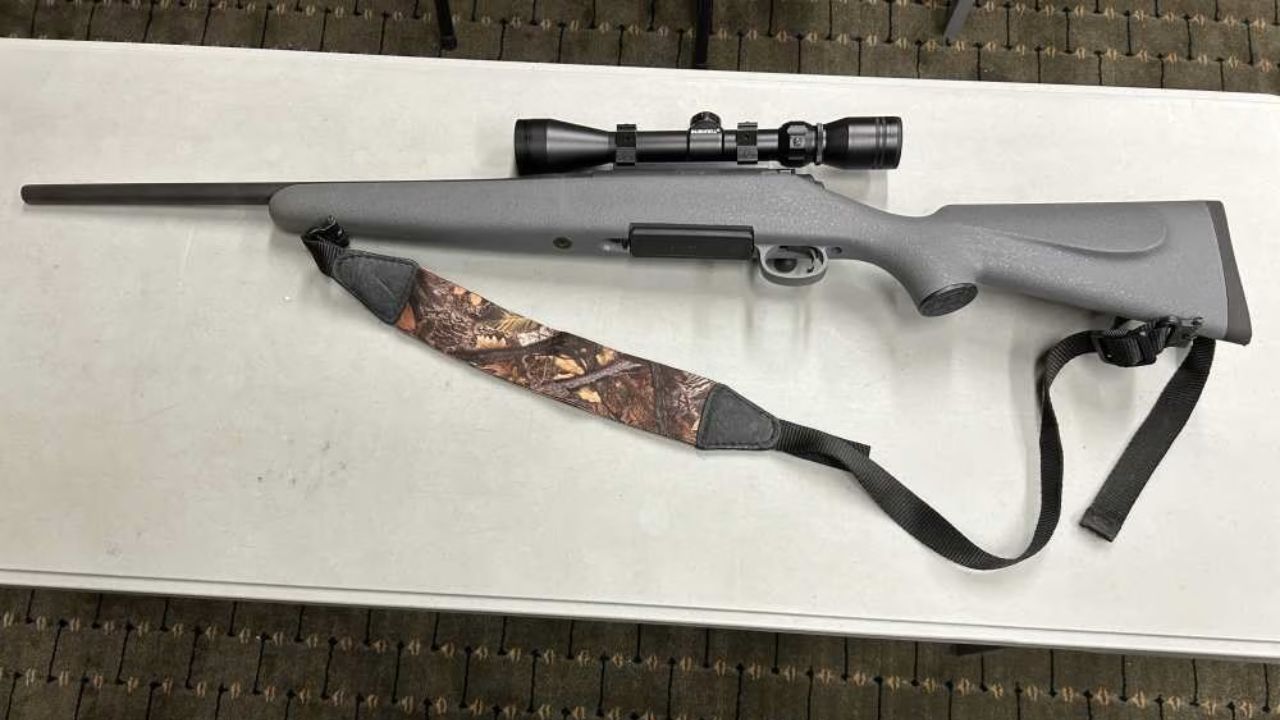
The Remington 710 arrived with big promises and never truly delivered in the field. Its pressed-in barrel assembly and plastic components made it susceptible to accuracy shifts, even when handled gently. Many hunters experienced wandering zeros after riding around in trucks or side-by-sides.
The bolt operation felt gritty, especially in cold weather, and some rifles struggled with extraction after only moderate use. When you’re lining up on a buck or bull after hiking hard, a rifle that hesitates is the last thing you need. Plenty of hunters retired the 710 after a single frustrating season.
CVA Hunter (Centerfire Variants)

CVA’s break-action centerfire rifles appeal to minimalists, but the real-world limitations become clear quickly. The lightweight design amplifies felt recoil in cartridges like .243 and .35 Remington, making follow-up shots slow and imprecise. That alone turns clean opportunities into rushed misses.
Accuracy depends heavily on perfect lockup, and even small amounts of debris or moisture affect performance. In wet brush or cold mornings, that’s a real concern. Many hunters found themselves fighting to maintain consistency on hunts where the rifle’s simplicity became more obstacle than advantage.
Weatherby Vanguard S2 Synthetic (Ultralight Use Cases)

While the Vanguard S2 is generally a solid rifle, the ultralight synthetic versions showed limitations for hunters who pushed them hard. The stocks flex enough to influence barrel harmonics, especially with heavier recoiling calibers. In real-world conditions, that often translated to vertical stringing.
Cold-weather cycling could also get sluggish, making quick second shots challenging. Hunters expecting a “do-everything” rifle often learned it wasn’t ideal for steep mountain terrain or rushed shot opportunities. The rifle worked fine under controlled conditions, but hunts rarely offer those.
Stevens Model 200
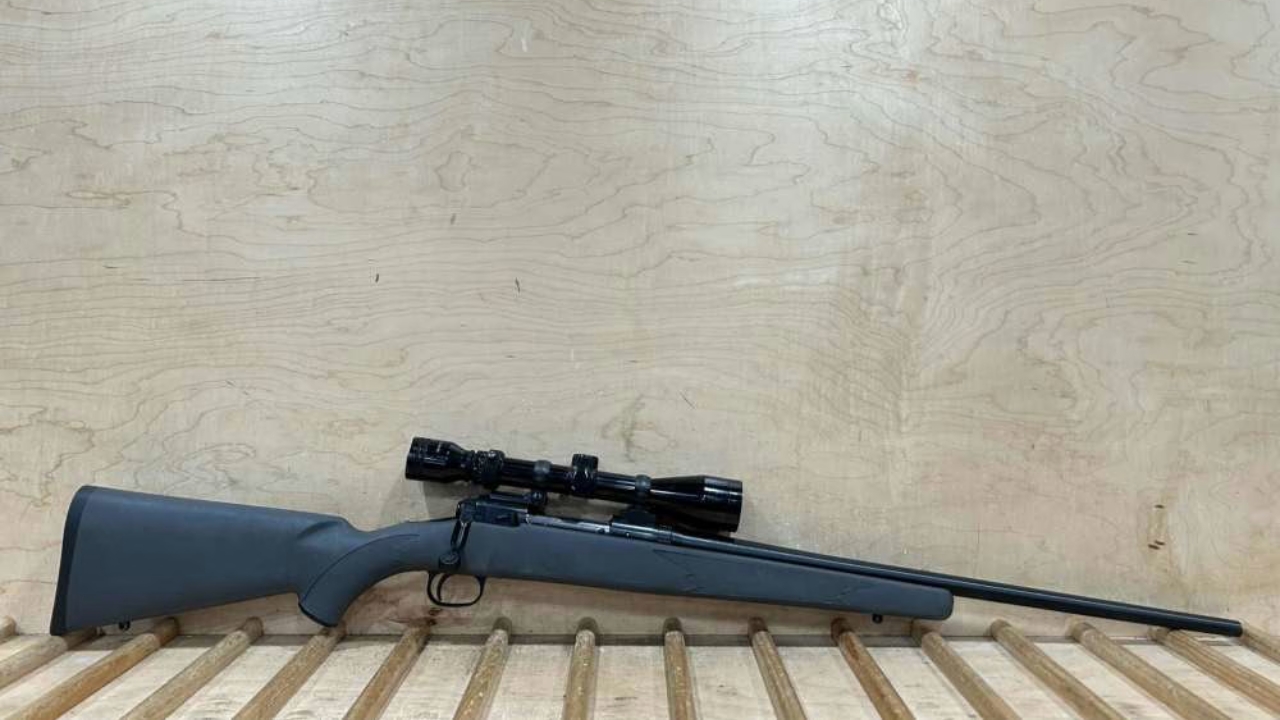
The Stevens 200 gained popularity for its price, but field reliability wasn’t always its strength. The triggers varied significantly between rifles, and many were heavier than hunters preferred. That inconsistency led to pulled shots during fast opportunities.
The stocks were also extremely flexible, especially in the forend, causing accuracy shifts whenever pressure changed. If you rested the rifle against a blind rail or pack, point of impact could move an inch or more at hunting ranges. Enough hunters experienced the same issues to retire it early.
Henry Long Ranger (.223 and .243)

While the Long Ranger has fans, the lighter calibers often showed accuracy inconsistency in real-world hunting situations. The rifles shot best with very specific loads, and without them, groups tended to open quickly. Hunters wanting a dependable crossover rifle sometimes found the platform too picky.
Cycling also requires a firmer stroke than many hunters expect from a modern lever action. In cold weather or while wearing gloves, short-stroking becomes more common than it should. A rifle that works flawlessly only in perfect conditions isn’t the one you want when game finally steps out.
Remington 7400 (Older Models)

The older 7400s still show up in deer camps, but their reputation for jamming under pressure remains. Carbon buildup, soft brass, or even slightly underpowered ammo can stop the rifle mid-hunt. Many hunters swear the gun works beautifully—until the morning they need it most.
Accuracy is another mixed bag. Some rifles group fine, others drift, especially as the barrel warms. When the shot window lasts only seconds, reliability matters more than nostalgia. Plenty of hunters retired their 7400s after one too many missed or lost opportunities.
Ruger American Ranch 450 Bushmaster (Early Runs)

The idea of a compact thumper appeals to many hunters, but the early 450 Bushmaster Ranch rifles struggled with magazine fit and feeding. Rounds nose-dived if the mag wasn’t perfectly seated, and recoil only amplified the issue.
Accuracy was acceptable at moderate distances, but wind drift and barrel heat affected point of impact more than many hunters expected. When you need predictable performance on deer or hogs inside tight shooting windows, any extra variable becomes a hunt-ruiner fast.
Like The Avid Outdoorsman’s content? Subscribe to our newsletter so you never miss an article.
Here’s more from us: