Photo credit: The Armory Life/YouTube
Some rifles handle heat better than others. Then there are the ones that warm up fast and stay hot long after you stop shooting. Whether it’s a pencil-thin barrel, poor ventilation, or a design that traps heat instead of dispersing it, these rifles start shifting point of impact faster than you’d think. They’re fine for slow, careful shots—but start shooting drills, strings, or even quick follow-ups, and things get squirrely fast. You feel it in the forend, see it on target, and regret not letting it cool before sending more rounds. These are the rifles that heat up faster than they cool down.
Ruger Mini-14 (standard barrel)

The Ruger Mini-14 is a classic ranch rifle, but its pencil-thin barrel has always been known to heat up fast. After just a few shots, you’ll feel it radiate through the forend, and after a full mag, accuracy starts walking. Groups open up, and point of impact shifts can be noticeable if you don’t let it cool.
It’s a handy, reliable rifle, but it wasn’t made for sustained fire. Heat management was never a strong suit in the standard models. Later versions with heavier barrels do better, but if you’ve got an older one or a basic variant, you’ve probably watched the groups drift when you stay on the trigger too long.
M1 Carbine
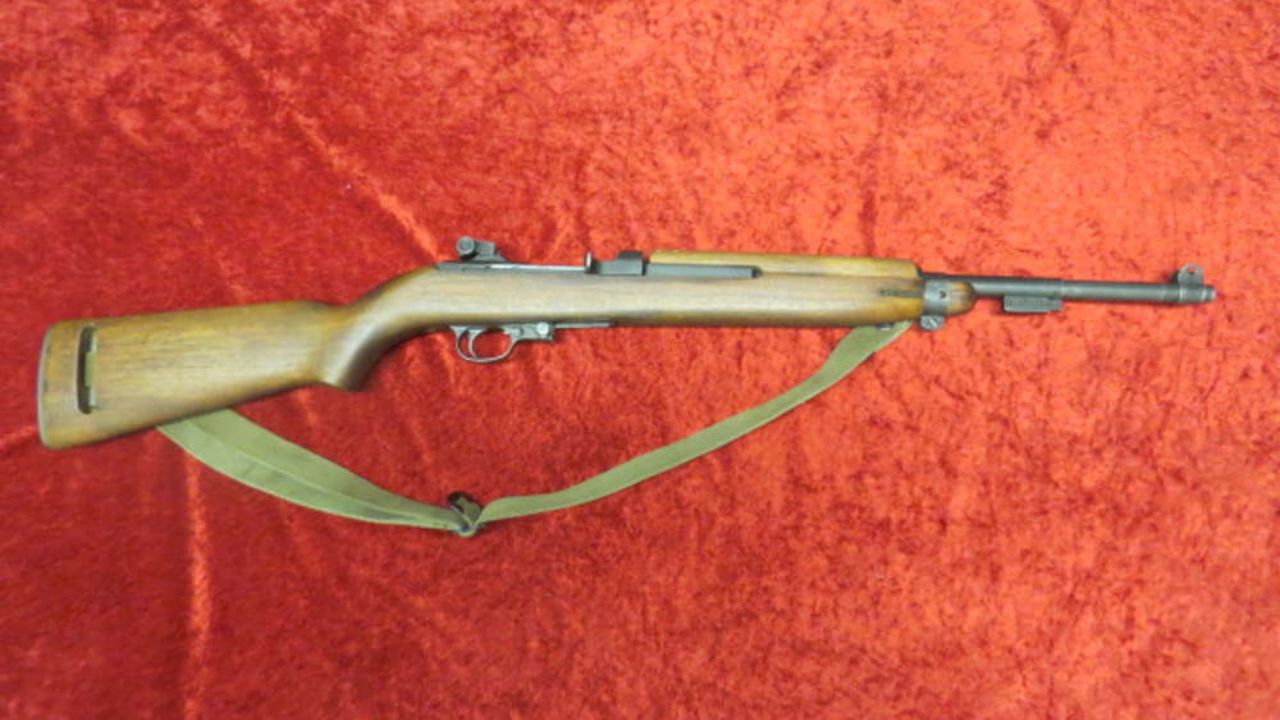
The M1 Carbine was built for lightness and portability, not for dumping magazines. The small barrel profile heats up quick, especially during extended range time or rapid drills. You can burn through a mag in seconds, but it’ll take minutes to cool down enough to shoot tight again.
It doesn’t help that the gas system and handguard trap heat around the barrel. That warmth bleeds into the stock and makes it uncomfortable to handle after even modest shooting. For casual plinking or historic reenactments, it’s fine. But if you’re trying to shoot for accuracy or speed, heat becomes a limiting factor fast.
Century Arms C308
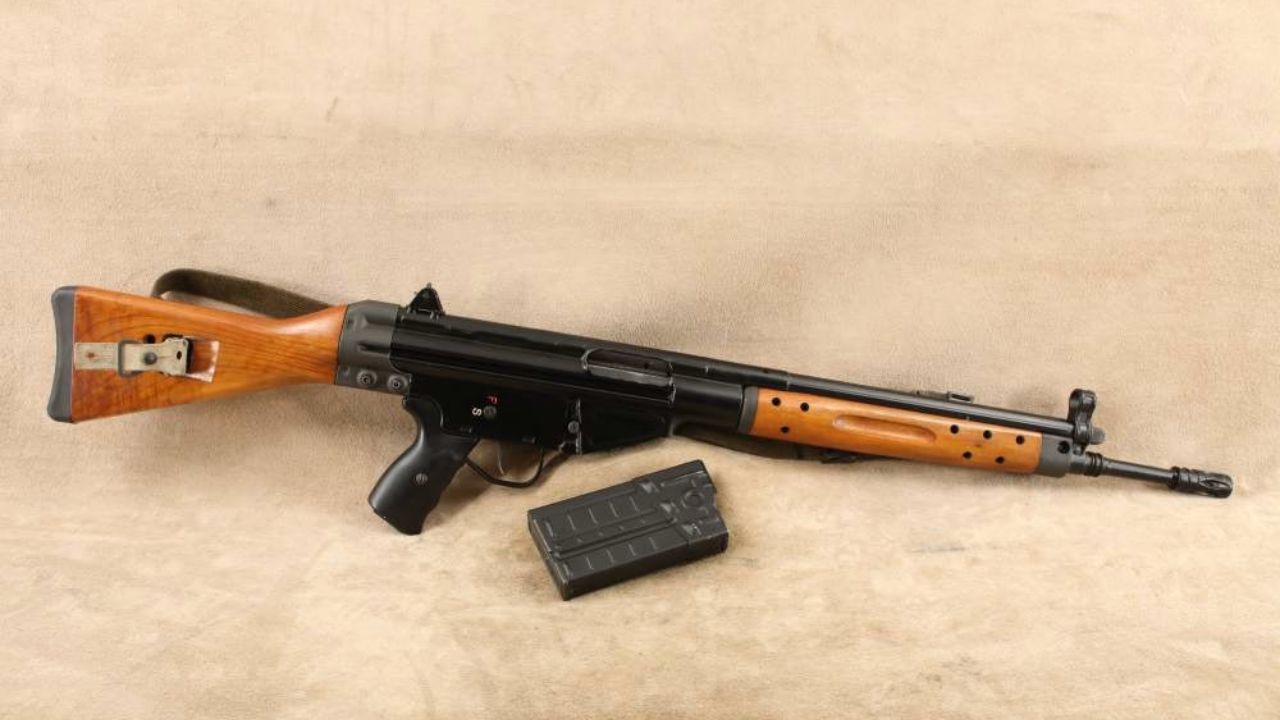
The C308 is a clone of the HK G3, and while it’s rugged and capable, heat is one of its biggest weaknesses. That fluted chamber and roller-delayed blowback generate serious thermal output, especially when you’re shooting full-power .308 rounds.
The handguard doesn’t offer much insulation, and if you’re not wearing gloves, you’ll feel it quickly. After a few strings, the barrel heats up to the point where group sizes start ballooning. The gun was built for durability, not cooling efficiency. It’ll run, but once it’s hot, it stays hot for a while—and you’ll notice.
Tikka T3 Lite (standard barrel)

The Tikka T3 Lite is a tack driver when cold, but its lightweight sporter barrel is quick to heat and slow to settle back down. Shoot a three-round group, and you’re in great shape. Push a five- or six-round string, and you’ll start seeing those rounds creep outward.
This isn’t a flaw—it’s a tradeoff. The Lite was built for carrying, not long strings of fire. Hunters love it because it’s easy to haul and quick to shoulder. But if you’re at the range trying to practice tight follow-ups or work on extended drills, the barrel heat builds fast and lingers long.
FN SCAR 17S
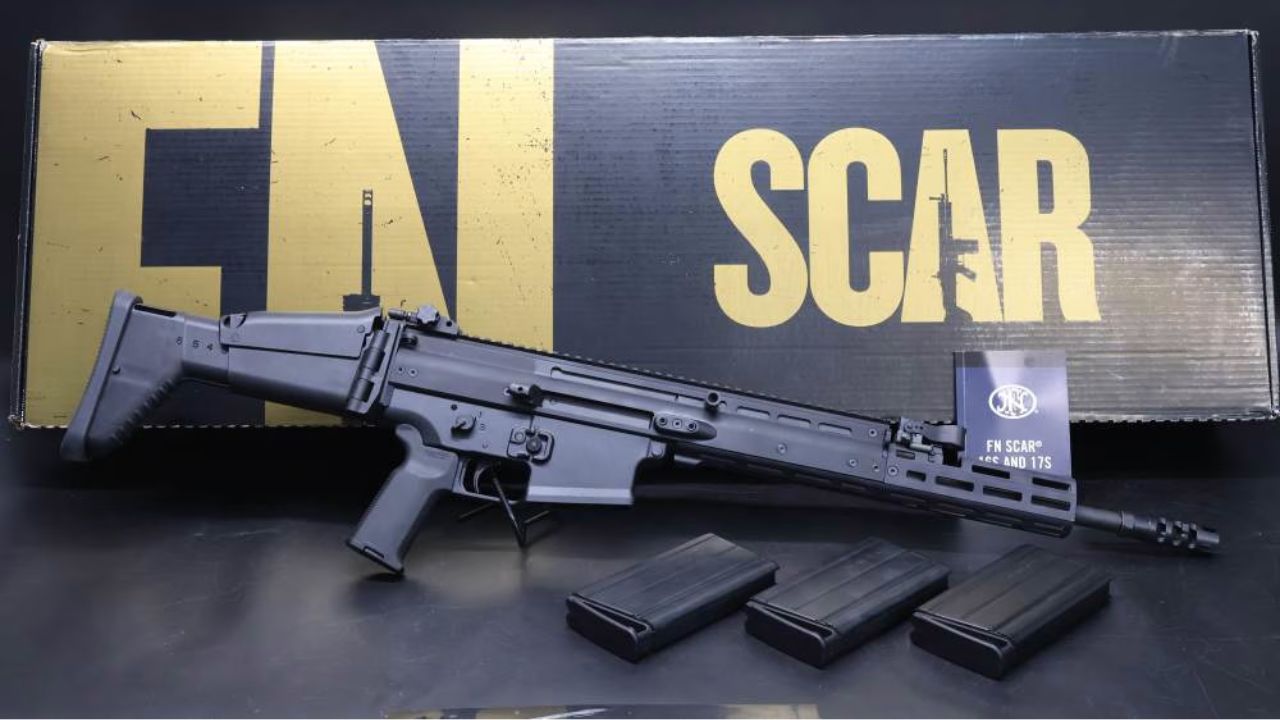
The SCAR 17S is a battle rifle with a lot going for it—reliability, modularity, and solid accuracy in slow fire. But its reciprocating charging handle and massive bolt carrier group generate heat quickly. Combine that with the .308 chambering and polymer lower that doesn’t dissipate heat well, and you’ve got a recipe for a rifle that feels hot even during moderate shooting.
Extended use warms up the upper receiver quickly, and the forend doesn’t offer a lot of heat protection. It’s not unusual to feel the difference in accuracy and grip comfort after a few magazines. It’s tough and well-built, but heat soak is real with this platform.
M1A Standard

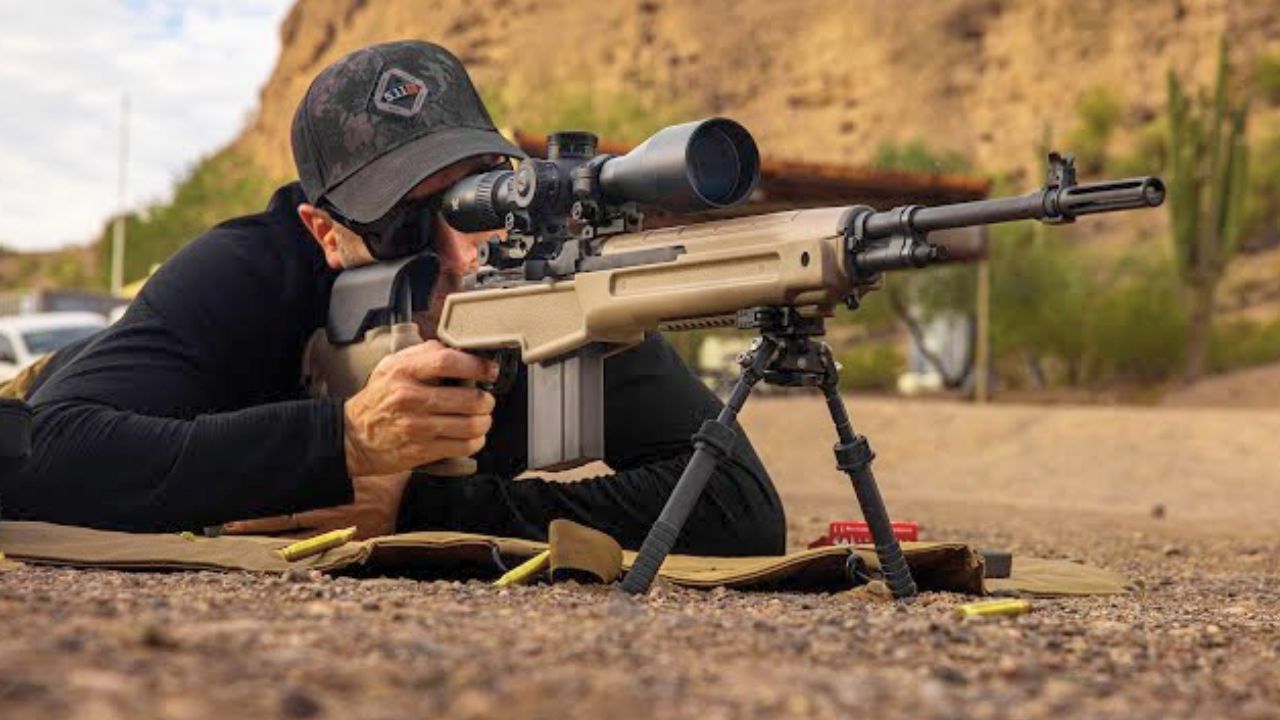
The M1A Standard feels solid and traditional, but its barrel profile and gas system weren’t designed for extended strings of fire. After three or four quick shots, the barrel begins to heat up noticeably. Accuracy suffers when you try to push it harder.
The wood or synthetic stock traps warmth, and the forend can become uncomfortable to grip after a few magazines. It’s a great rifle for slow, paced shooting, but if you’re running any kind of timed drills or shooting for speed, you’ll start chasing your groups as the heat builds. It’s a classic, but not a cool-running one.
Remington 783 Synthetic
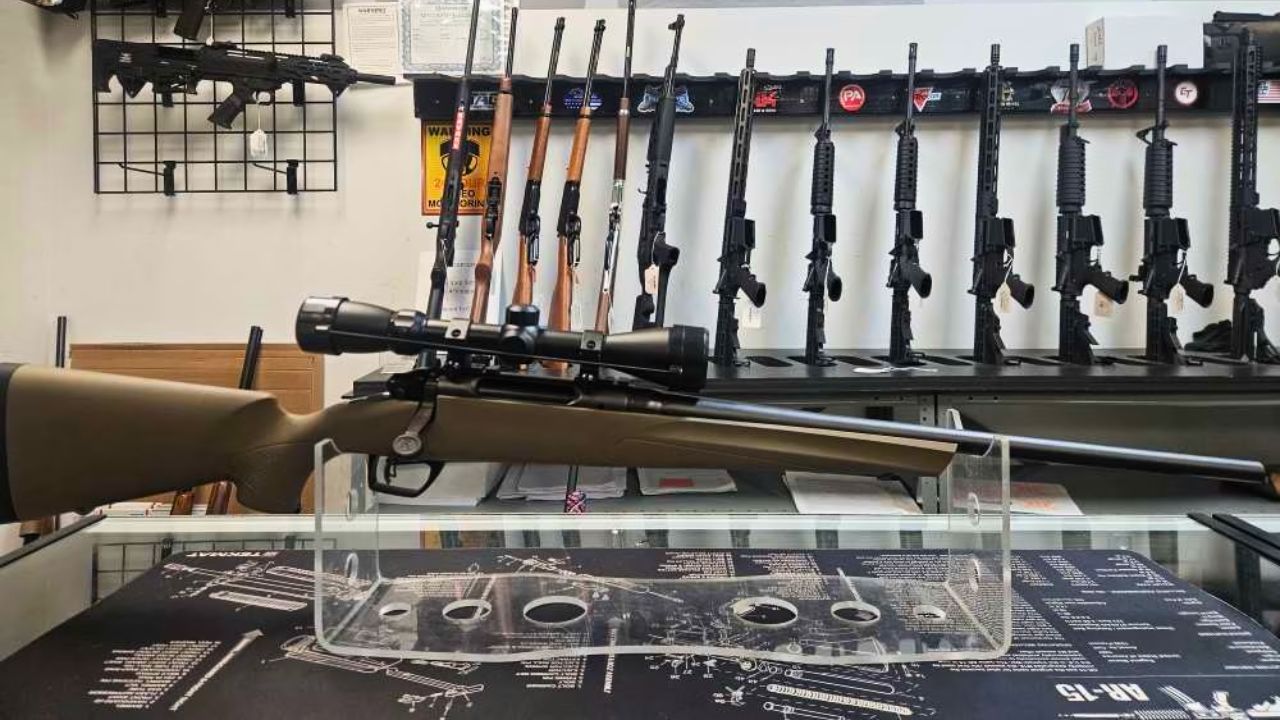
The Remington 783 was meant to be an affordable hunting rifle, and it performs well in that role. But the lightweight barrel heats up quickly during range sessions. Two or three shots are fine, but as you keep firing, you’ll notice groups opening up.
The polymer stock does little to dissipate or isolate the heat, and there’s no real bedding to prevent shift once the barrel gets hot. It’s not a range rifle, and it doesn’t pretend to be—but many first-time owners learn the hard way that consistent accuracy means waiting between groups for it to cool.
PSA KS-47
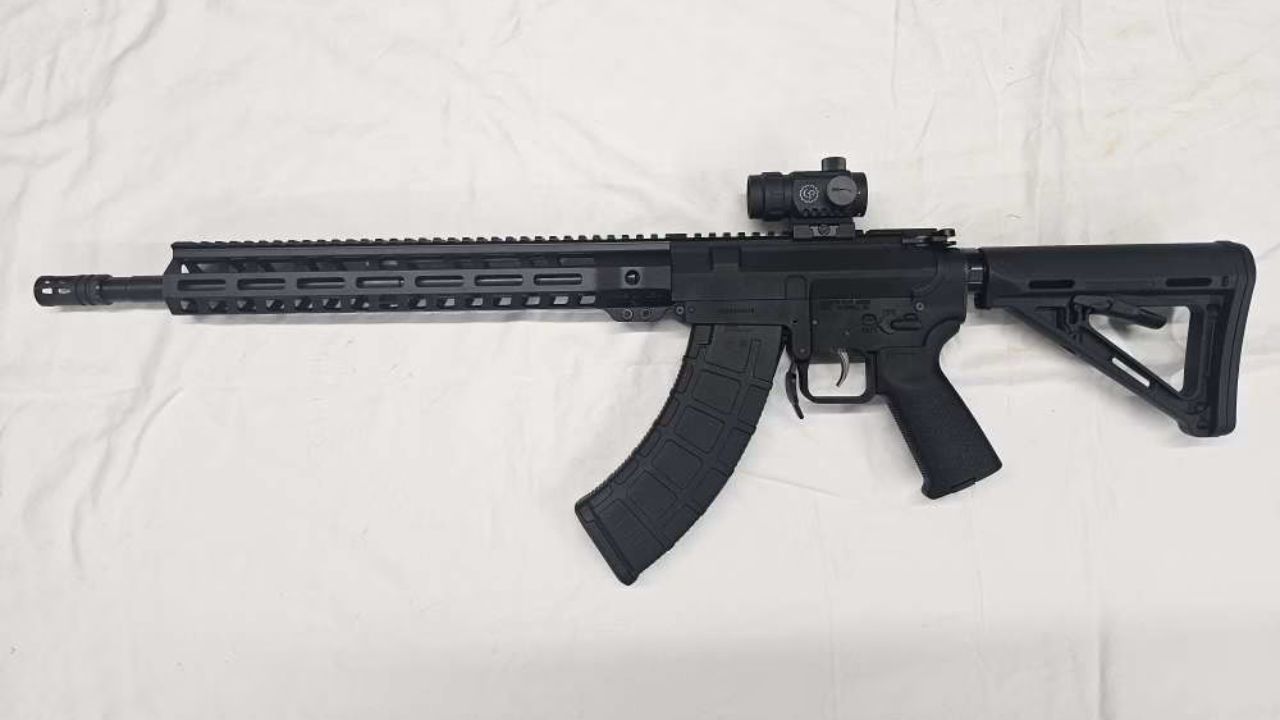
The KS-47 combines an AR-style upper with a lower that feeds from AK mags, and while it’s a cool concept, heat control isn’t a strength. The 7.62×39 cartridge isn’t soft on barrels, and if you’re dumping mags, the forend and gas block area heat up fast.
PSA’s barrels vary, but many of the standard profiles are thin enough to feel the effects after two or three mags. The direct impingement setup adds more heat into the upper, and lightweight handguards often don’t insulate well. If you’re running drills or courses, it gets uncomfortable and less accurate faster than you’d like.
Ruger American Ranch 5.56

The Ruger American Ranch in 5.56 is compact, handy, and a favorite for truck guns—but that short, pencil-thin barrel builds heat quickly. It’s great for a shot or two, but put five or six through it without a pause, and it warms up in a hurry.
You’ll start seeing those impacts drift slightly, especially at longer ranges. And while it doesn’t get dangerously hot, the lack of barrel mass means it retains heat far longer than you’d expect. It’s ideal for field use and quick work—not for sitting at a bench pushing back-to-back groups.
KelTec SU-16
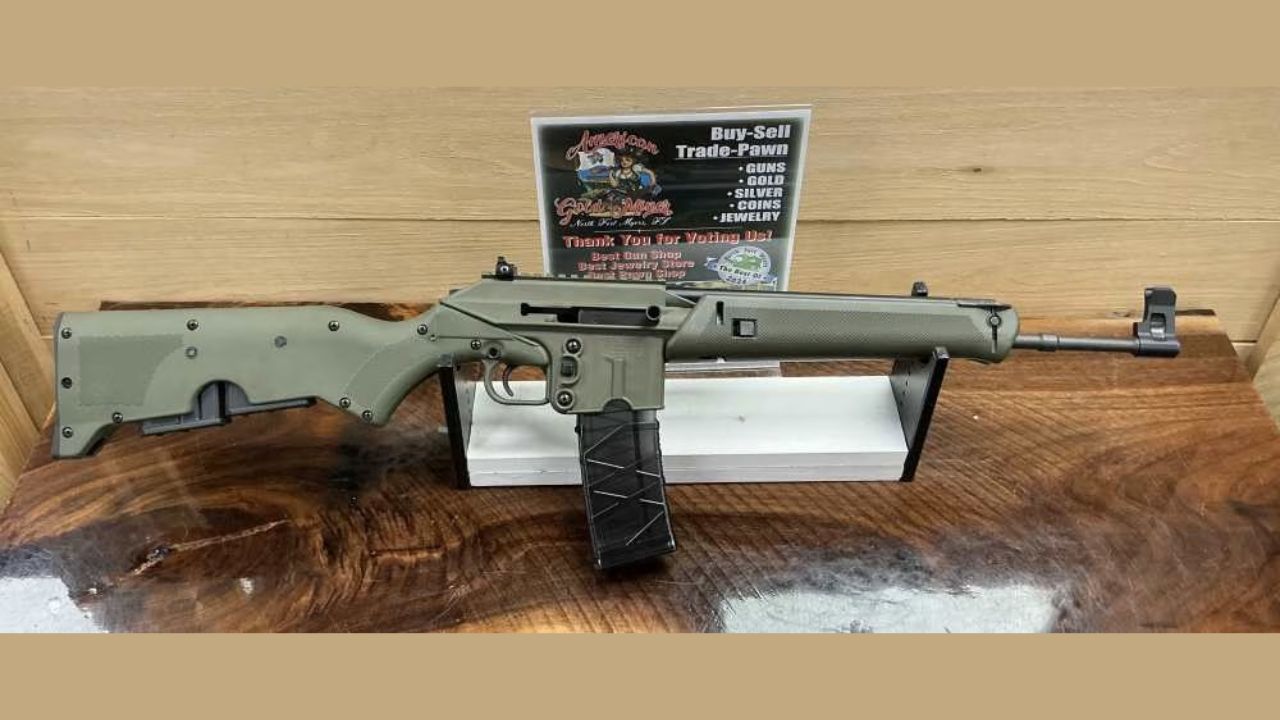
The KelTec SU-16 is lightweight and foldable, but its polymer-heavy build doesn’t play nice with heat. The thin barrel heats up after a magazine or two, and the forend can get uncomfortable fast. There’s not much thermal mass to soak heat, and the minimal handguard design doesn’t provide good insulation.
Accuracy is decent cold but can suffer once the barrel and action warm up. It’s a neat rifle for backpacking or as a truck gun, but it’s not made for extended firing sessions. If you don’t let it cool, you’ll watch your groups drift and your comfort level drop.
Norinco SKS (standard wood stock)

The Norinco SKS is a classic and runs reliably, but the barrel and gas tube heat up fast. After a couple of ten-round strings, the wood handguard starts to feel toasty. The barrel profile is thin enough to feel it, and point of impact starts shifting more than most shooters expect.
The old-school stock traps heat rather than venting it, and unless you’ve modified it with a synthetic setup or heat shield, you’ll feel the warmth creeping into your support hand. It’s rugged, sure—but if you’re trying to hold zero across a long string, heat is a real issue.
Like The Avid Outdoorsman’s content? Be sure to follow us.
Here’s more from us:
The worst deer rifles money can buy
Sidearms That Belong in the Safe — Not Your Belt
*This article was developed with AI-powered tools and has been carefully reviewed by our editors.