Photo credit: MDpolo Gun Channel/YouTube
Some guns get ignored for years because they are too common, too plain, too old-fashioned, or too tied to a crowd buyers think they are not part of. Then something shifts. Production ends, import flow dries up, older quality becomes easier to notice, or collectors start grabbing every clean example they can find. That is when the market stops being forgiving. A gun people used to shrug at suddenly costs real money, and buyers who kept saying they would “grab one later” realize later got expensive.
That pattern shows up across surplus guns, working-man pistols, older hunting rifles, and even guns that once sat under glass with barely any attention at all. The funny part is that many of them did not become more useful overnight. Buyers simply woke up to what had been sitting there the whole time. These are the firearms people kept stepping around until the price tags got flat-out stupid.
Colt Python

There was a time when the Colt Python was already respected, but still not always treated like a must-buy-right-now gun by average buyers. Plenty of shooters looked at it as a beautiful revolver with a premium price and decided they could always circle back later. Back then, later still felt possible. You might not get a steal, but you could at least imagine owning one without feeling like you were buying jewelry.
Then that window slammed shut. More collectors started chasing older Colt revolvers, condition mattered more, and the Python became the gun people used as shorthand for everything the old double-action market had become. Once that happened, even well-used examples began bringing money that would have sounded absurd earlier. Buyers who kept hesitating because they thought prices were already high learned a hard lesson. Expensive turned into painful, and painful turned into out of reach for a lot of regular shooters.
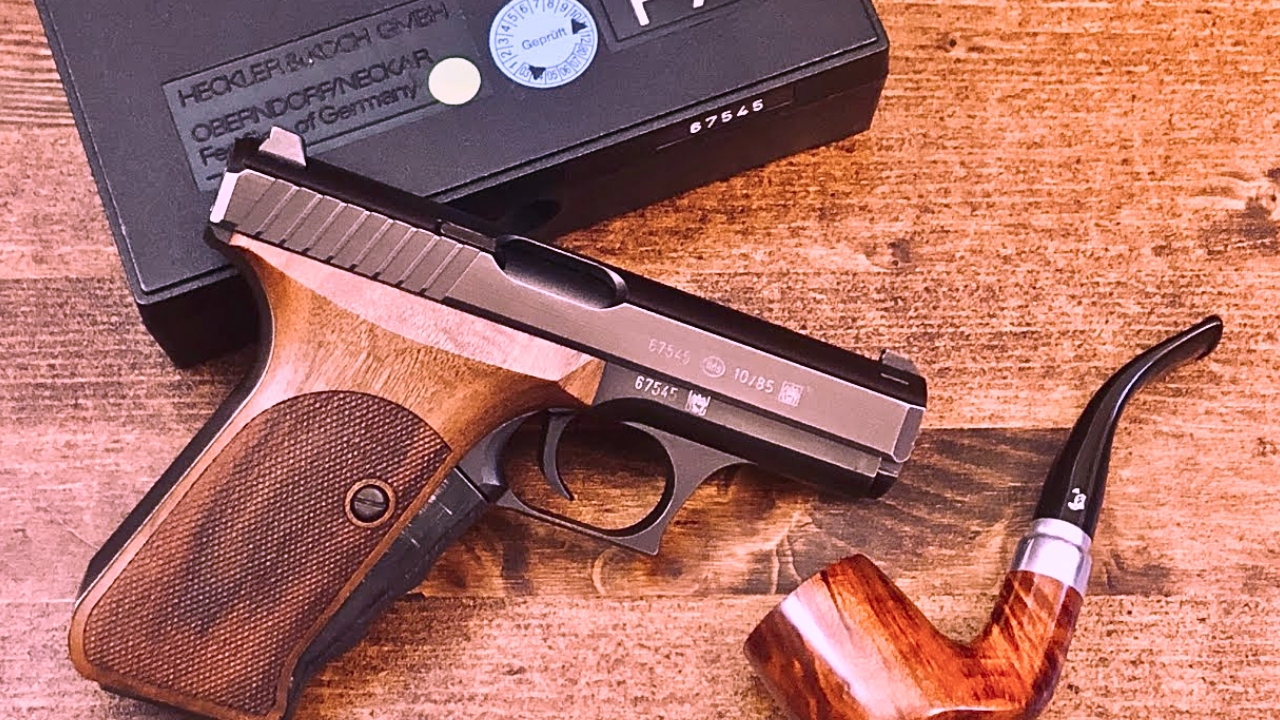
Heckler & Koch P7

The H&K P7 spent years living in that strange space between cult favorite and overlooked oddball. People who knew them loved the squeeze-cocker design, slim shape, and soft-shooting feel, but a lot of buyers saw a weird manual of arms, expensive magazines, and a pistol that did not fit the normal carry-gun conversation. That kept many people admiring them from a distance instead of actually buying one when the prices were still manageable.
Once imports were gone and enthusiasm started spreading beyond the small circle of true believers, the tone changed fast. Buyers who had ignored the P7 as too quirky suddenly started describing it as one of the smartest pistols they never bought. The problem was everyone else had the same realization. Clean police trade-ins dried up, nicer commercial examples got expensive, and the gun that once seemed like a niche curiosity turned into the kind of pistol buyers talk about with the tone of somebody remembering a house they should have purchased.
Browning Hi-Power Belgian-made models

For a long stretch, the Belgian-made Browning Hi-Power felt like one of those great old pistols that people respected without urgently chasing. It had history, great lines, and real appeal, but it also lived in the shadow of newer high-capacity pistols and simpler polymer guns. A lot of buyers convinced themselves they appreciated the Hi-Power enough without needing to own one right then, especially when surplus or used examples still felt fairly attainable.
That easygoing attitude did not last. Once production ended and more buyers started realizing how much of the market had moved away from steel-framed classics, older Hi-Powers stopped feeling optional. Then collectors got more selective, shooters started wanting original Belgian guns specifically, and values moved harder than many people expected. What used to be a handsome older pistol you could still justify became something buyers stared at in listings and muttered about. The regret usually sounds the same too: they almost bought one back when they still made sense.
Smith & Wesson Model 19 pinned-and-recessed guns

The pinned-and-recessed Model 19 was one of those revolvers that older shooters appreciated deeply while a lot of other buyers treated it as yesterday’s answer. It was not uncommon to see nice examples sitting without much drama because the market was so busy chasing high-capacity autos and newer carry trends. Plenty of buyers knew the Model 19 was a good revolver. Fewer acted like they needed one before the market figured that out.
Eventually, the market did. People started caring more about older Smith & Wesson production details, handling quality, and the overall feel of a revolver built in a different era. That is when the pinned-and-recessed guns stopped being “nice old wheelguns” and started becoming the specific versions people wanted. Once condition, box papers, barrel lengths, and finish started driving prices, the climb got ugly fast. A revolver buyers once passed on because it felt a little old-school now brings numbers that make that hesitation look painfully dumb.
Winchester 94 pre-64

The pre-64 Winchester 94 used to be so familiar that plenty of buyers could not see it clearly. It was a classic deer rifle, sure, but it was also the gun that had been around forever, often with worn bluing, saddle scuffs, and stories attached to it. Because of that familiarity, many people overlooked just how finite the supply really was. They assumed there would always be another one down the road that was just as good.
Then older Winchesters started getting picked over harder, and buyers became much more aware of the differences that separated pre-64 guns from later production. Once that happened, the 94 stopped being merely common and started being condition-sensitive in a serious way. Carbines that once leaned in corners at shops without much attention began carrying tags that forced people to stop and think. The rifle did not suddenly become legendary. It already was. Buyers simply waited too long to treat it like something worth grabbing when it was still reasonable.
Remington Nylon 66

For years, the Remington Nylon 66 lived in the category of cool old .22 rather than serious money. People liked them, remembered them fondly, and recognized them as reliable little rifles, but a lot of buyers still treated them as novelty guns from another era. That kept plenty of them from being bought with much urgency. When something is seen as fun and quirky instead of important, it often sits longer than it should.
That kind of relaxed market never lasts forever when the gun is actually good, widely recognized, and no longer being made. Over time, original-condition Nylon 66 rifles got harder to find, and buyers began paying more attention to colors, variants, and overall condition. Suddenly, the same rifle that once felt like a neat old plinker became a real target for collectors and nostalgic shooters alike. Then prices jumped hard enough that people who had laughed off earlier asking prices started talking like they had missed out on something much bigger than a rimfire.
Ruger Mini-14 GB and older ranch rifles
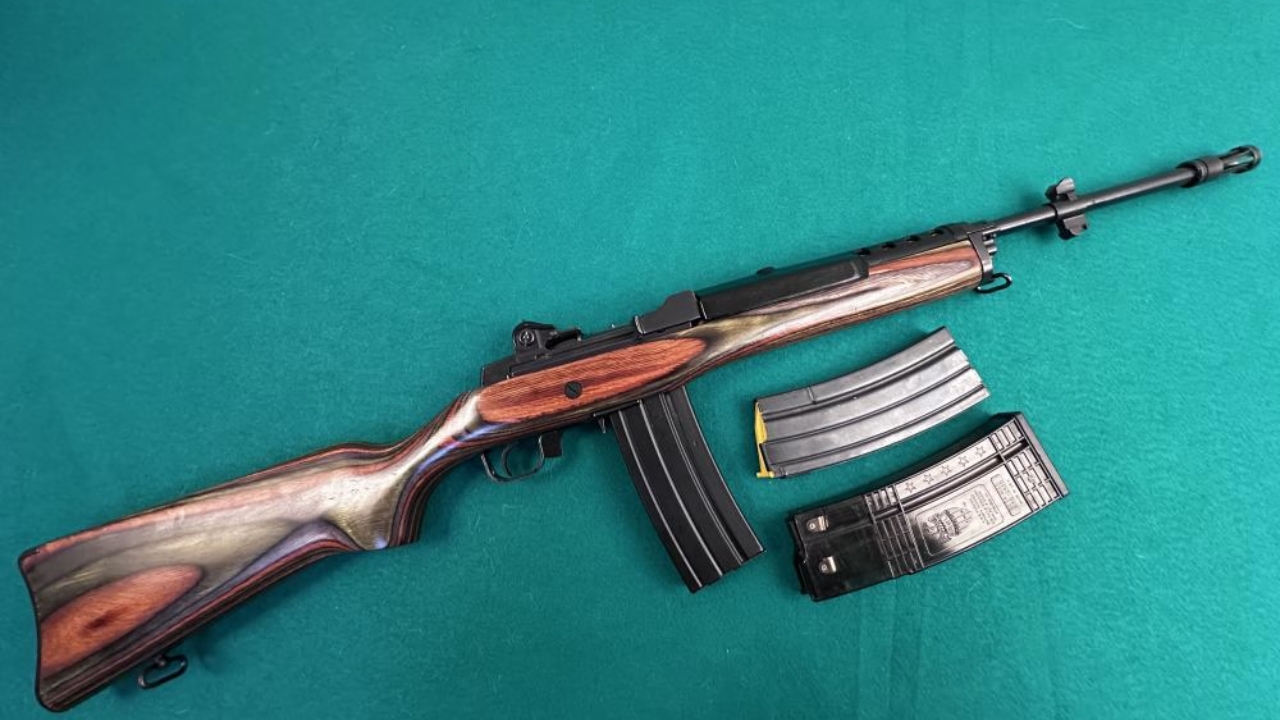
For a long time, the Mini-14 was one of those rifles people talked around instead of fully committing to. Buyers who wanted pure accuracy often looked elsewhere, and buyers chasing the AR market usually spent their money there instead. That left a lot of older Mini-14 variants in a weird middle ground where they were respected enough to stay relevant but not always desired enough to move fast. Plenty were overlooked because they felt neither modern enough nor collectible enough.
That changed once older configurations started drying up and buyers got more nostalgic about the practical, handy role the Mini had always filled. GB models, cleaner early ranch rifles, and guns with the right features started separating themselves from the more ordinary examples. Then scarcity did the rest. Once enough buyers decided they wanted the older Mini specifically, prices moved into territory that made years of hesitation look silly. It is one of those cases where people spent too long criticizing a gun they still quietly wanted.
Ruger Red Label
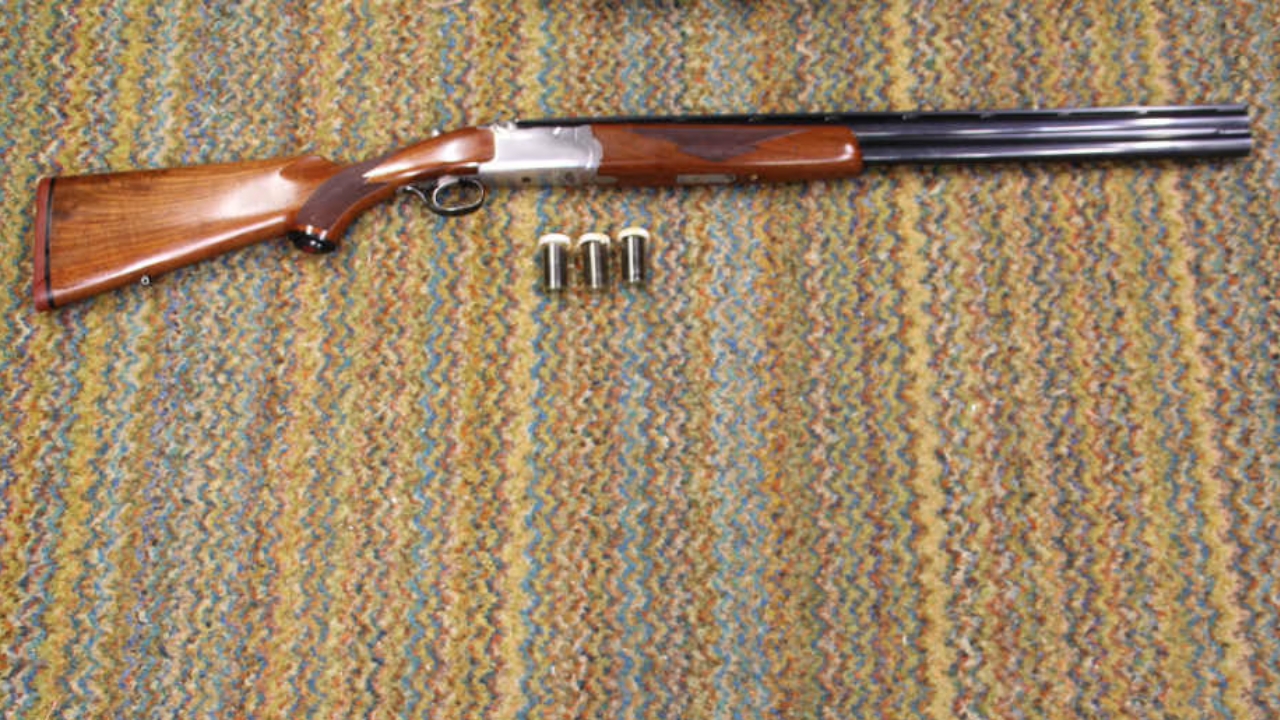
The Ruger Red Label used to sit in a dangerous spot for future buyers: admired but easy to postpone. It had plenty going for it, especially for shooters who wanted an American over-under with a real field feel, but it often got passed over because buyers thought of it as a nice option rather than a disappearing one. There were always other shotguns to look at, and that gave people the false sense that a Red Label would still be there whenever they finally decided to get serious.
Then the market tightened and the Red Label stopped being merely an interesting older shotgun. It became one of the few discontinued American over-unders people actively wanted without apology. As nicer examples got pulled into collections and family safes, the easy buys dried up. That is when buyers who once shrugged at them started paying attention to gauge, barrel length, wood, and overall condition. By then, the damage was done. What had looked comfortably expensive suddenly looked like a missed bargain.
Norinco MAK-90

The MAK-90 used to get dismissed by a lot of buyers as the compromise AK. It was not the sexy import people bragged about, it had ban-era baggage hanging over it, and many shooters treated it like the rifle you bought because the cooler choices were unavailable. That kept it from getting the respect it deserved for a while, especially when buyers were more focused on looks than on durability, parts quality, and actual long-term value.
As the supply picture changed and import-era AKs of all kinds started climbing, people looked back at the MAK-90 with a lot more honesty. Suddenly, the same rifle that got brushed aside as awkward or politically neutered became a solid Chinese import with real collector interest. Buyers began caring more about straight-cut receivers, original furniture possibilities, and overall condition. At that point, the price shift was already underway. What had once felt like the “good enough” AK became the rifle buyers wished they had stacked deep before the market lost its mind.
Colt Woodsman

The Colt Woodsman sat under the radar for a long time because it was “only” a rimfire in the eyes of many buyers. That is often how great .22 pistols get overlooked. People admire the machining, appreciate the lines, maybe even shoot one and come away impressed, but they still talk themselves out of buying because the urgency never feels real. It is easy to postpone a rimfire purchase when the market keeps distracting you with centerfire guns and louder collector trends.
Then buyers eventually notice that older Colts are not getting easier to find, especially not in attractive original condition. The Woodsman started benefiting from that broader realization, and the pistols that once felt like elegant leftovers turned into something much more expensive. Different series, barrel profiles, and target versions all began pulling more serious attention. Once enough collectors, shooters, and old Colt fans converged on the same market, prices got stupid in a hurry. The irony is that the gun had not changed at all. Buyers finally did.
Marlin 39A
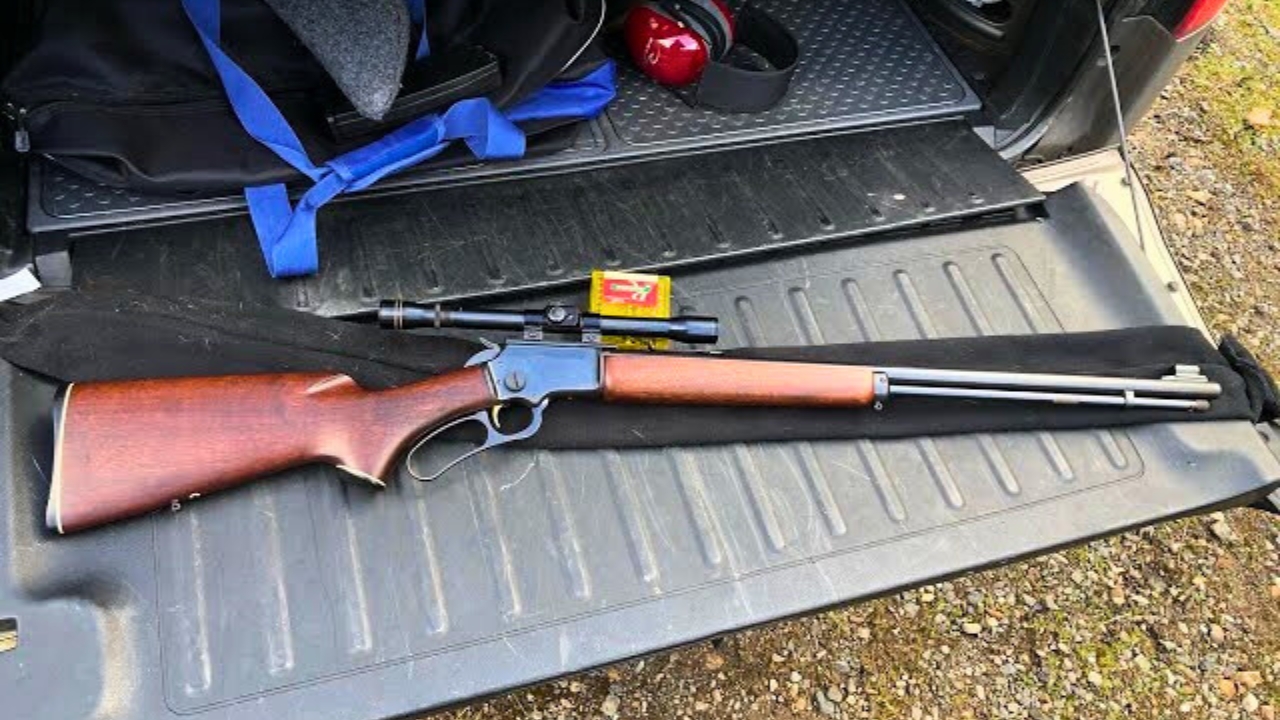
The Marlin 39A always had a reputation as a fine lever-action rimfire, but there were plenty of years when that reputation did not fully show up in the price tag. Buyers saw a quality .22, but they also saw a gun category that often gets taken less seriously than centerfire rifles. That helped keep the 39A within reach longer than it probably should have stayed. Many people assumed they would grab one later when they got around to it.
Then later got crowded. The supply of nice older 39As did not magically replenish, and shooters started realizing how few rimfire rifles still offered that kind of feel, workmanship, and staying power. Once the market began treating them as heirloom-grade lever guns instead of nice old plinkers, the price climb got real. Clean, original rifles started getting snapped up quickly, and even field-worn examples stopped being cheap. A lot of buyers learned too late that the humble .22 lever gun they kept putting off had quietly become serious money.
SIG Sauer P210 imported commercial models
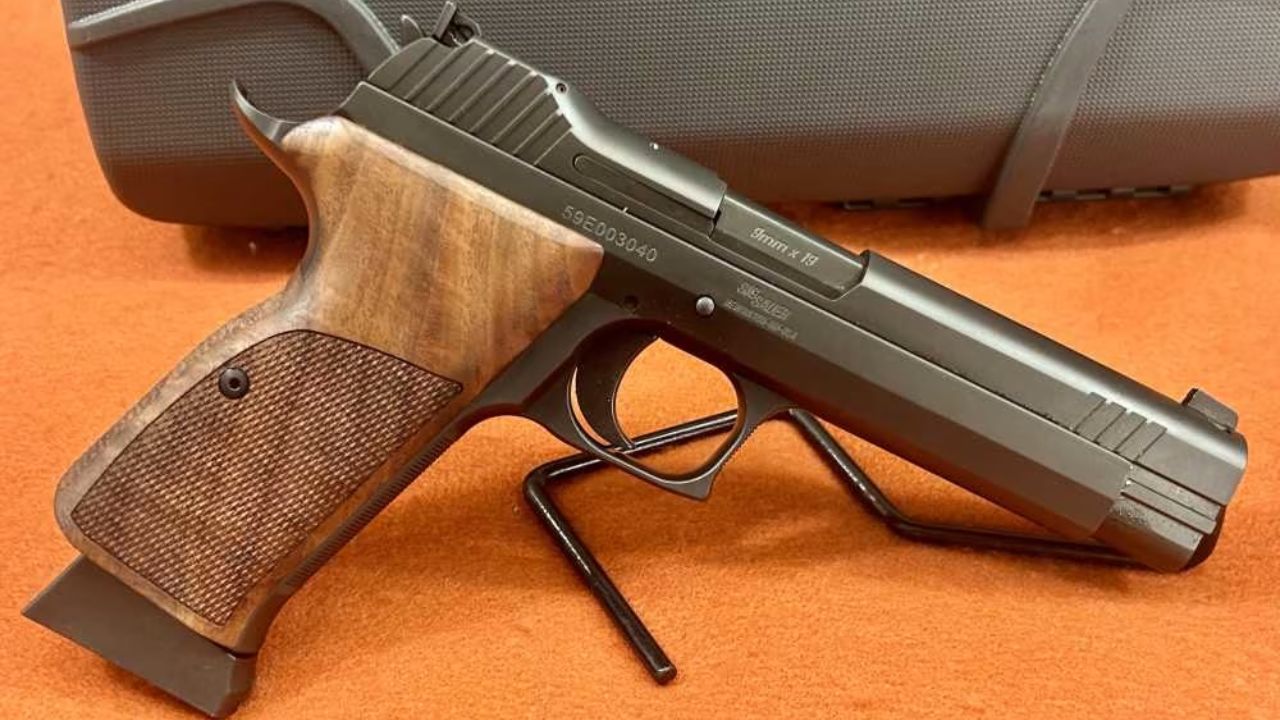
For a long time, the SIG P210 had a reputation for excellence that almost worked against it with regular buyers. People heard “great trigger,” “incredible accuracy,” and “old-world quality,” then assumed it belonged in some expensive collector category that was not really for them. Ironically, that meant some commercial imports and older examples sat longer than they should have because buyers treated them more like museum pieces than pistols worth stepping up for.
Once the market became more crowded with expensive handguns that still did not offer the same level of mechanical polish, the older P210 started making a lot more sense. That is when appreciation turned into urgency. Buyers who once viewed them as overly refined range guns began realizing they were looking at one of the standout service-pistol designs of the twentieth century. Then prices rose accordingly. The real sting is that there was a time when buyers could still rationalize one without feeling reckless. That time is long gone.
Walther PPK and PPK/S older German and Interarms guns
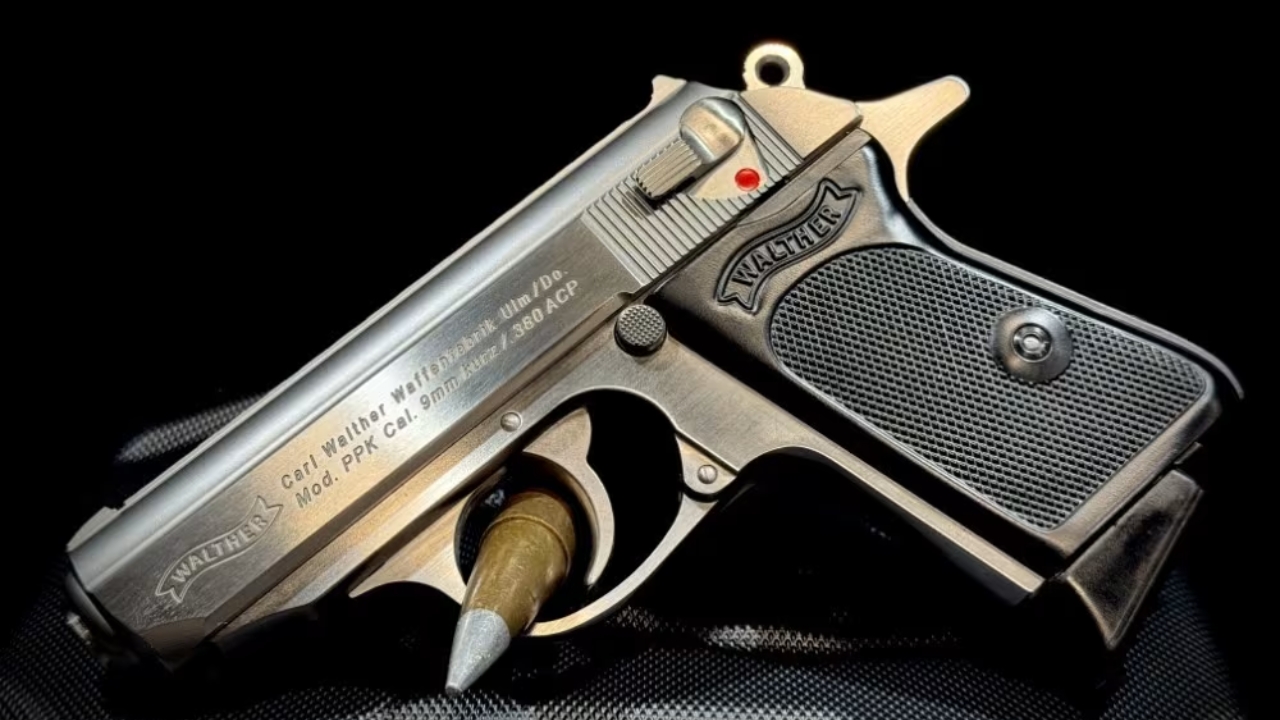
The PPK and PPK/S are famous enough that buyers sometimes assume they will always be around in some affordable form. That assumption kept older German and Interarms guns from being chased as hard as they probably should have been for a while. People appreciated the Bond connection, the concealment history, and the clean styling, but many still looked at them as older blowback pistols rather than something that might become genuinely expensive to own in the versions that matter most.
Then the market got more selective. Country of origin mattered more, finish and condition mattered more, and buyers started drawing much clearer lines between the everyday examples and the ones they actually wanted to keep. Once the right guns became harder to find, prices followed fast. What used to be seen as a cool classic you could always pick up later turned into a pistol people began hunting with much more seriousness. Plenty of buyers who laughed at rising tags early on ended up wishing those prices had stayed merely annoying.
Springfield M1 Garand

There was a stretch when the M1 Garand still felt like one of the great American rifles you could get without too much pain if you were willing to do a little paperwork and be patient. That era spoiled a lot of buyers. People assumed the supply would stay friendly, and they talked themselves into waiting because the rifle felt permanent. When something seems tied to national history so strongly, buyers often convince themselves it will somehow remain available on comfortable terms forever.
Of course, that is not how finite supplies work. As easier CMP-era buys dried up and the market tightened, the Garand stopped being the rifle you meant to get someday and became the rifle you should have already bought. Condition, manufacturer, originality, barrel life, and stock configuration all started mattering more to buyers willing to pay up. The end result is that people who once delayed because they thought prices had crept a little too high now look back at those numbers like they were almost charitable.
Smith & Wesson 3rd Generation autos
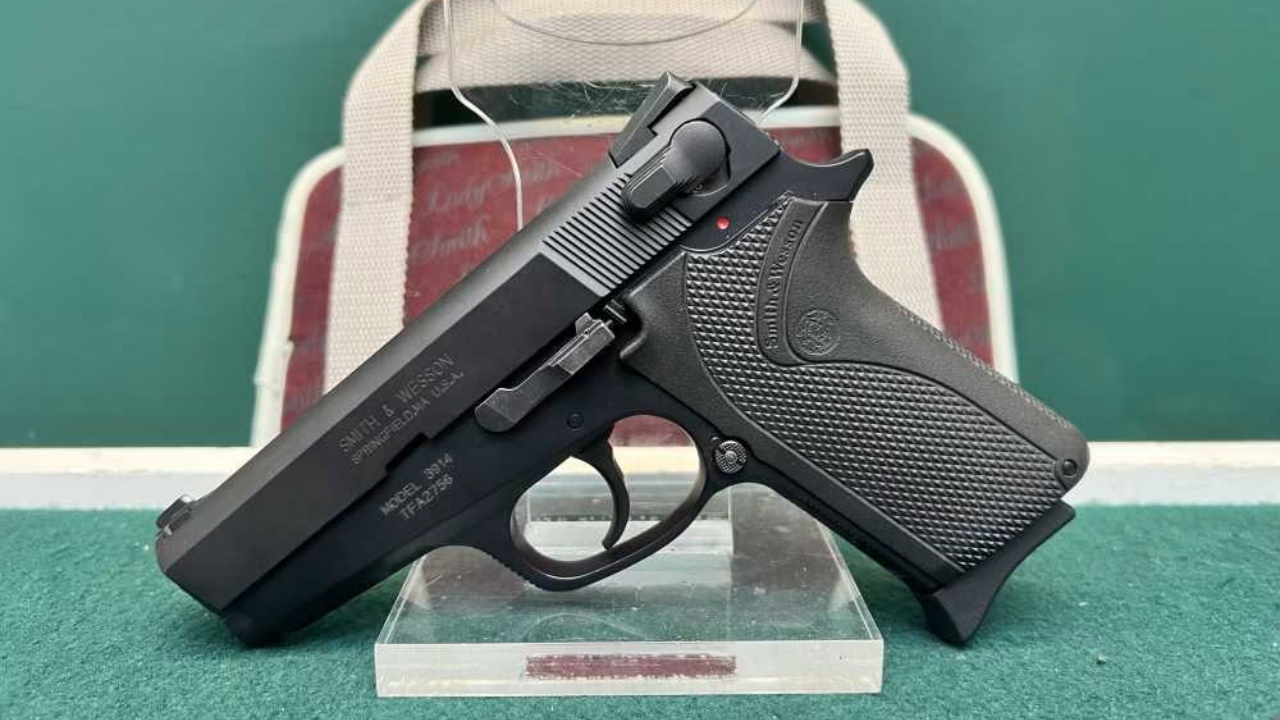
For years, Smith & Wesson’s 3rd Generation pistols lived in the shadow of the polymer wave. Shooters who had used them knew they were dependable, durable, and often better guns than the market gave them credit for, but a lot of buyers still treated them like outdated holdovers from the pre-striker era. That kept many models reasonably priced far longer than logic suggested, especially considering how many agencies and serious users had trusted them.
Then people started getting tired of pretending every older duty pistol was obsolete simply because it was metal-framed and heavier. Interest in 5906s, 4506s, 3913s, and other strong 3rd Gen models began rising, and buyers quickly realized the good ones were not sitting everywhere anymore. Once police trade-ins dried up and clean commercial guns became scarcer, the market adjusted fast. Now those same pistols often carry price tags that leave longtime fans shaking their heads. Buyers had years to pay attention. Most did not.
FN FAL imports

The FN FAL and quality import variants spent years being admired in theory while many buyers still found reasons to stall. They were battle rifles, they were heavy, magazines and parts were part of the equation, and there was always some other project gun or cheaper semi-auto option pulling attention away. That meant a lot of buyers respected the FAL without actually getting into the market when the numbers still felt possible for normal people.
Then import realities, parts-kit changes, and broader collector interest started squeezing the space where affordable FAL ownership used to live. Suddenly, buyers were not comparing them to whatever cheap semi-auto happened to be on the shelf. They were comparing them to what the FAL actually was: a major Cold War rifle platform with real history and a feel that newer rifles do not replicate. Once that shift happened, prices went hard. A rifle many buyers admired casually became one they talked about with open frustration because casual admiration had turned out to be a costly strategy.
Like The Avid Outdoorsman’s content? Subscribe to our newsletter so you never miss an article.
Here’s more from us: