Photo credit: Pak Arms Store
Some handguns look great in specs and even shoot great from a rest… but the real-world experience feels off. Not unsafe. Not “junk.” Just weird. Could be a grip angle that fights your natural point of aim, controls that sit in the wrong place for your hands, a trigger that behaves differently under speed, sights that don’t match how you aim, or recoil that tracks in an odd way. The result is the same: you can shoot it well sometimes, but it doesn’t feel natural when you’re moving fast or shooting from real positions.
Here are 15 handguns that often get described as “accurate but weird” once you get off the bench and start shooting like you actually mean it.
Glock 37 (.45 GAP)
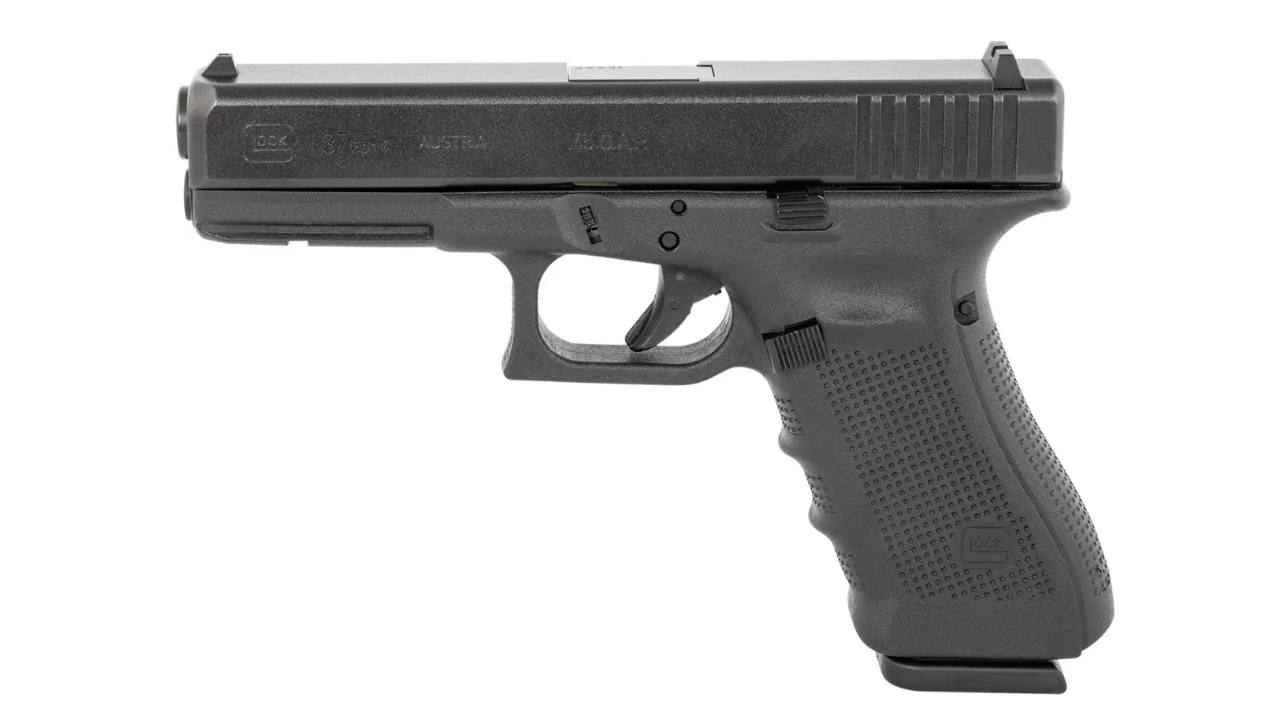
The Glock 37 can be accurate, but it’s one of those pistols that feels like it exists in its own little universe. .45 GAP never took off the way people hoped, so ammo availability and load variety are limited compared to 9mm or .45 ACP. That alone changes your practice habits. And because it’s a Glock in a less common caliber, it can feel “normal” until you start trying to source consistent ammo and build real reps.
The weird part is that it can shoot fine, but it’s hard to build familiarity when ammo isn’t something you casually grab everywhere. For a lot of shooters, that turns it into a safe queen or a “once in a while” gun. And any gun you don’t shoot regularly will feel weird in real life—because your hands don’t know it. Accuracy on paper doesn’t matter if familiarity is missing.
Heckler & Koch P7

The P7 is insanely accurate and brilliantly engineered, and it also feels weird to most modern shooters the first time they run it. The squeeze-cocker changes how you grip, how you draw, and how you manage the gun under stress. It’s not bad. It’s just different. If you’re used to striker guns or DA/SA, the P7 feels like you’re learning a new manual of arms.
Also, heat. Run a P7 hard and it gets hot. That’s a real-world issue, not a forum argument. So you’ve got a pistol that shoots amazing, but it demands a different technique and it changes character as it heats up. That’s “accurate on paper, weird in real life” in a nutshell.
Beretta 92D (DAO)

The 92D can shoot very well, but DAO Berettas feel weird to shooters who are used to either DA/SA or striker triggers. The long consistent pull can be great once you learn it. But in real life, especially under speed, a lot of shooters struggle to keep sights perfectly stable through that long press. They end up throwing shots they don’t throw with other 92 variants.
From a rest, you can make it look great. In drills, the trigger becomes the whole game. It’s not that the pistol isn’t accurate. It’s that the trigger changes how you shoot, and most people haven’t trained that style enough. If you grew up on striker guns, the 92D can feel like trying to write with your off hand.
Ruger Mark IV

Mark IVs are extremely accurate, but they can feel weird for defensive shooters because the manual of arms and recoil feel are totally different from centerfire pistols. It’s a target gun feel. Light recoil, different balance, different controls, and you can get spoiled. Then you pick up your carry gun and wonder why your groups open up.
That’s the “weird” part: the Mark IV makes you feel like a hero on paper, but it doesn’t translate directly to defensive pistol work. It’s still valuable training, but it’s not a one-to-one. If you spend all your time on a rimfire target pistol, you can build habits that don’t match the recoil control you need in real life. Great gun. Different world.
FN Five-seveN

The Five-seveN is accurate and shoots flat, but it often feels weird in real life because the recoil impulse is “different” and the gun is large and light in a way that doesn’t match what people expect. It doesn’t recoil hard, but it can feel almost toy-like until you start running it fast. Then you realize your timing and grip pressure need to be consistent or your hits get inconsistent.
Also, ammo and cost. Most people don’t train with it like they train with a 9mm. So it stays unfamiliar. A gun can be accurate all day on paper, but if you don’t put the reps in, it will always feel weird when you shoot it under time. The Five-seveN is a classic example of that: it performs, but many owners don’t build real familiarity.
Walther PPQ .45

The PPQ .45 is accurate and has a good trigger, but it can feel weird in real life because the .45 recoil impulse in that frame doesn’t track the same way as a 9mm PPQ. People buy it expecting “PPQ feel but bigger.” Then they notice the gun lifts and returns differently, and their split times and accuracy under speed aren’t what they expected.
It’s not a bad pistol. It’s just a different recoil rhythm. Some shooters click with it. Others never do. That’s what “weird in real life” means: the gun is capable, but your hands don’t automatically agree with it.
CZ RAMI

The RAMI can shoot surprisingly well for its size, but it often feels weird because it’s a small DA/SA that sits in that middle zone—heavy for a subcompact, short grip, and a trigger system that asks a lot from the shooter. On paper, it looks like a compact CZ that disappears. In real life, it can be awkward for some hands, and the recoil tracking can feel choppy.
A lot of shooters love it. A lot of shooters also realize they shoot a P-01 or PCR better and just stick with that. The RAMI is accurate. It’s just not always natural under speed. That’s why it ends up being one of those “cool gun, but…” pistols.
Smith & Wesson 3913

The 3913 is a classic single-stack 9mm that can be very accurate, but it feels weird to modern shooters because the ergonomics and trigger system don’t match what most people train on now. The gun has its own feel—slimmer grip, different balance, and a DA/SA press that can be great if you’re trained, or awkward if you’re not.
From a rest, it’ll group. Under speed, if you don’t have DA/SA reps, it can feel like your first shot is always a little off. Again: accurate on paper, weird in real life. The gun isn’t lying. Your training background is.
Beretta 84 (Cheetah)
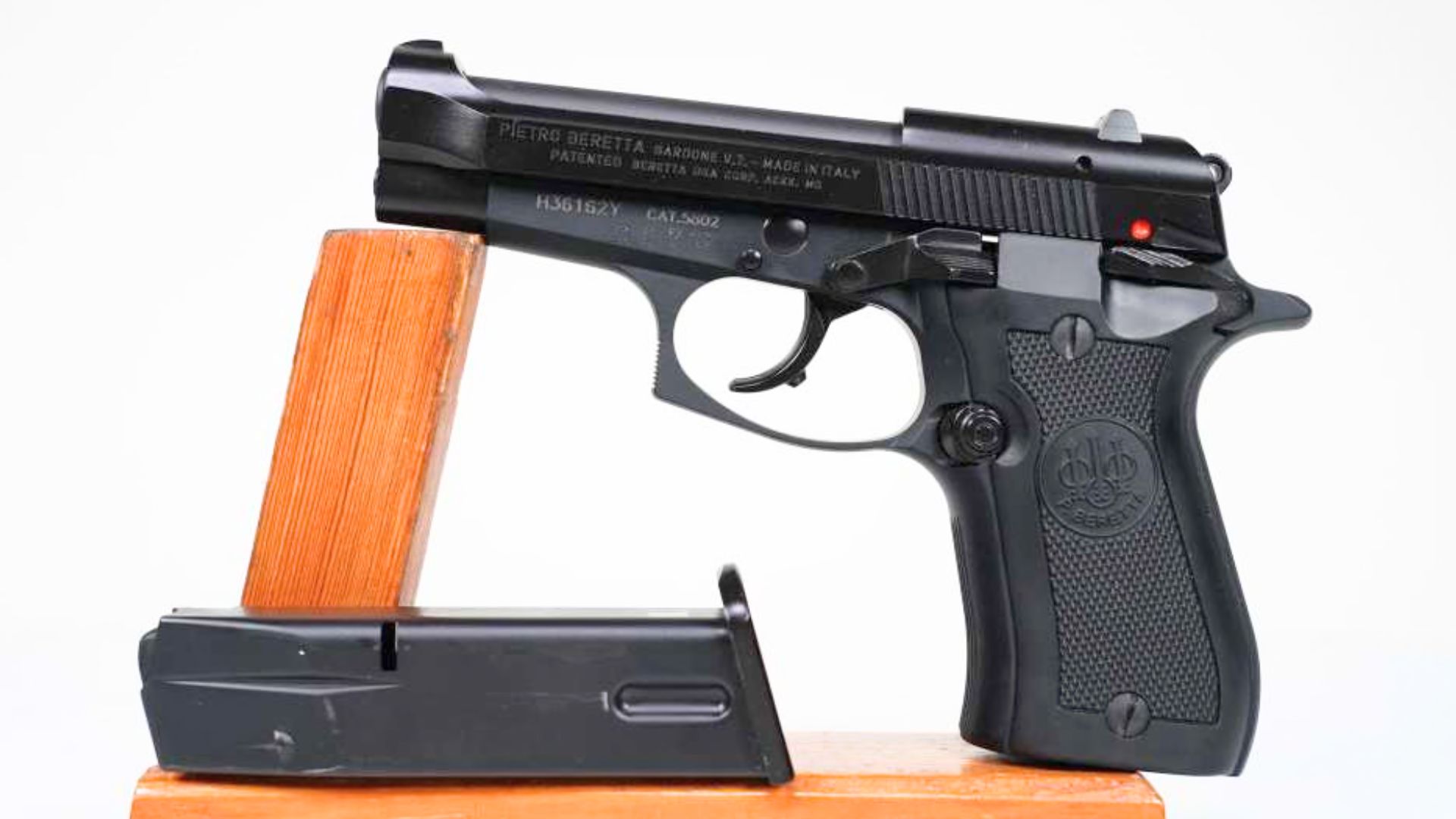
The Beretta 84 is accurate and shoots nicely, but it can feel weird because blowback .380 has that sharp impulse and the gun’s balance is different than what modern carry shooters expect. The trigger reach and grip shape can also feel odd depending on your hand size. People often expect “soft .380,” then get a recoil feel that’s snappier than a locked-breech micro 9.
It’s a great pistol. It’s just old-school. Some guys love the feel and shoot it like a laser. Others never get fully comfortable and wonder why their speed work is inconsistent. That’s the “weird” factor—great performance potential, but it demands you adapt.
Ruger SR22

The SR22 is accurate enough and fun, but it can feel weird for shooters who are trying to train defensive habits. The controls, the trigger, and the recoil impulse are rimfire-world. It makes you feel confident on paper because it’s easy to shoot tight groups. Then you pick up a compact 9 and wonder where your skills went.
It’s not the SR22’s fault. It’s just a different skill set. Rimfires are great for fundamentals, but they don’t replicate centerfire recoil management. So the SR22 becomes “accurate and weird” for guys who want one pistol to train everything. Use it for what it’s good at: trigger control and sight discipline, not as a stand-in for your carry gun.
HK USP Compact

USP Compacts are accurate and extremely durable, but they can feel weird because the trigger system and recoil behavior are very “USP.” The gun has a distinct feel in how it recoils and returns. Some shooters click with it immediately. Others feel like they’re always a half-step off in timing compared to their usual pistol.
Also, the controls and ergonomics aren’t modern “everyone gets it instantly.” If you didn’t grow up on USPs, you might find the handling awkward at first. Again: the gun is capable, but it demands familiarity. Accurate on paper, weird when you’re trying to run it fast without a bunch of reps.
SIG Sauer P239
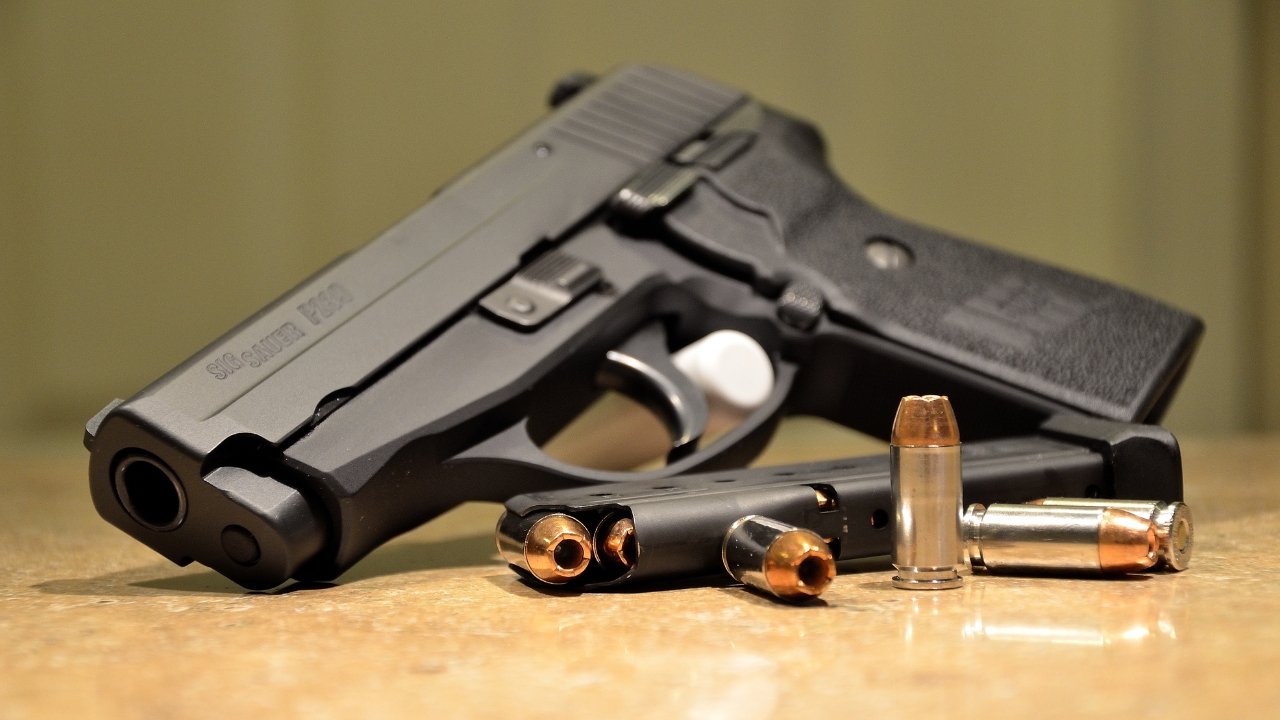
The P239 is accurate and carries well, but it can feel weird because it’s slim and the recoil impulse concentrates differently than thicker pistols. Some shooters feel like the gun “snaps” more than expected for its size and weight, and the trigger feel varies depending on variant. It’s a gun that can shoot great, but it doesn’t feel like a modern compact striker pistol.
It also tends to be owned by people who don’t shoot it a lot anymore, because it’s an older style. That makes it stay unfamiliar. And unfamiliar guns feel weird even if they’re accurate. If you love the P239, shoot it. If you don’t, it’ll always feel like a gun you’re “visiting,” not a gun you live with.
Browning Buck Mark
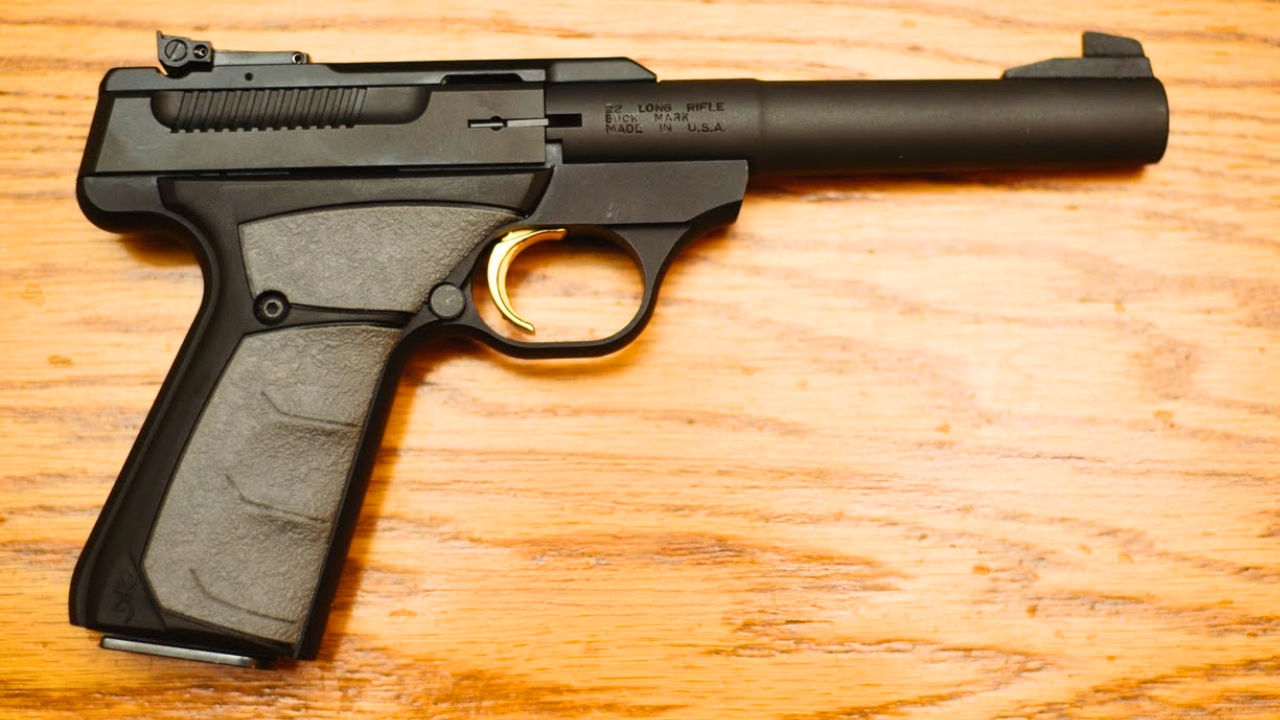
The Buck Mark is a tack driver, but it’s another “rimfire makes you feel like a hero” gun. You can shoot tiny groups, then you step back into centerfire work and feel like your skills fell off a cliff. That’s not because you got worse. It’s because the Buck Mark is forgiving. The recoil is tiny, the trigger can be excellent, and it’s built to be easy to shoot well.
That’s the weirdness. It’s accurate on paper and it makes you confident, but it doesn’t translate automatically to defensive pistol work. Still a great training tool—just don’t confuse “I shoot my Buck Mark well” with “I’m fast and consistent with my carry gun.”
CZ Kadet

Kadet conversions can be accurate, and that’s the whole appeal. The weirdness is that conversions sometimes change the feel enough that your muscle memory gets slightly off. The recoil is different, the cycle feel is different, and your timing changes. On paper, you stack shots. In real life with centerfire, your cadence and grip pressure need to change.
That can be a good training thing if you’re intentional. But if you bounce between conversion and centerfire without thinking about it, you can feel “off” when you go back to real ammo. Accurate on paper, weird in real life. Not a knock—just something to understand.
Magnum Research Desert Eagle

You can shoot a Desert Eagle accurately, but it’s weird in real life for obvious reasons: massive gun, unique recoil cycle, and it demands specific technique to run properly. It’s accurate enough, but it doesn’t behave like normal pistols. It’s a novelty and a beast at the same time.
Most owners don’t train with it seriously, so it stays unfamiliar. Then every time they pick it up, it feels weird again. That’s the point: it’s a pistol that can be accurate, but it’s not a practical “run it hard” gun for most people. It lives in the “cool and capable, but weird” category by nature.
Like The Avid Outdoorsman’s content? Be sure to follow us.
Here’s more from us: