Photo credit: Savage Arms
Some guns disappoint fast because the first impression was doing too much work. They look handy, sound clever, come from a familiar company, or promise a shortcut that feels smart at the counter. Then the range trip happens, the first hunt gets rough, or the ownership details start showing up.
A disappointing gun does not always mean a broken gun. Sometimes it works, but it feels cheap, awkward, unpleasant, unsupported, overhyped, or badly timed. Either way, owners figure out pretty quickly that they would rather have bought something else.
Rock Island VR80

The Rock Island VR80 looks like a lot of shotgun for the money. AR-style controls, detachable magazines, 12-gauge power, and aggressive looks make it seem like a fun range gun or defensive setup before you actually spend time with it.
Then the mag-fed shotgun reality starts creeping in. It can be heavy, stiff, picky during break-in, and more awkward than a regular pump or proven semi-auto. Those big magazines are bulky, and the whole setup feels less handy than the pictures suggest. It may be fun when it runs, but a lot of owners quickly realize “cool” does not always mean practical.
Remington 597
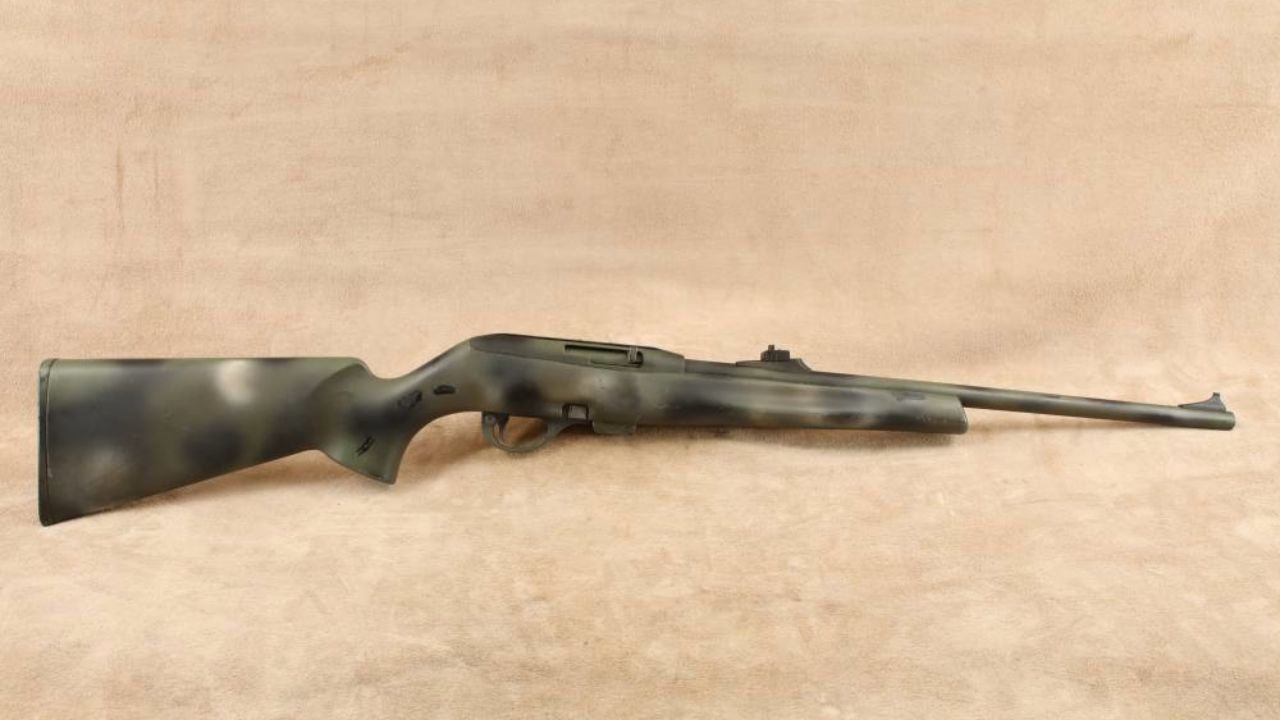
The Remington 597 should have been an easy win. A semi-auto .22 rifle from Remington sounded like something that could stand beside other popular rimfires without much trouble. Affordable plinking rifles are supposed to be simple, fun, and low-stress.
Too many owners found the opposite. Magazine problems and feeding complaints followed the 597 for years, and that is a brutal flaw in a rimfire. A .22 should not make you dread cheap range time. Even if some later setups worked better, the rifle disappointed fast for buyers expecting casual, reliable fun.
SIG Sauer P250

The SIG P250 had a smart idea behind it. A modular, hammer-fired pistol system that could change sizes and calibers sounded forward-thinking before modularity became a bigger selling point. It also carried the SIG name, which made buyers expect refinement.
The disappointment usually started with the trigger. The long double-action-only pull was smooth enough for some shooters, but it was not what many expected in a modern defensive pistol. Compared with striker-fired options that were easier to shoot quickly, the P250 felt like an idea that asked too much patience from average owners.
Mossberg MVP Scout
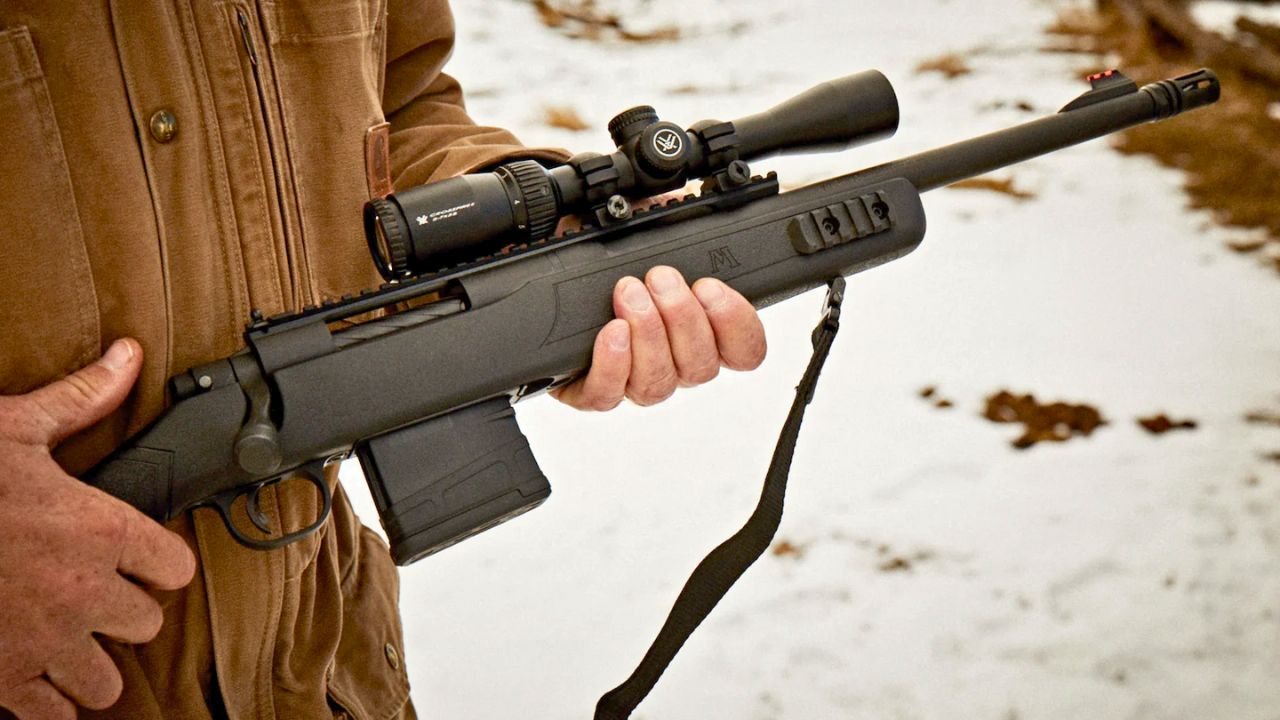
The Mossberg MVP Scout sounds useful on paper. A compact bolt rifle that accepts common box magazines and wears scout-rifle styling has obvious appeal for people who like utility guns. It looks ready for rough, practical use.
In the hands, it can disappoint because the concept is better than the feel. The action is not especially slick, the magazine setup can feel awkward, and the rifle may not balance as cleanly as people hoped. A scout-style rifle needs to be fast, handy, and natural. If it feels clunky, the whole point starts falling apart.
Beretta ARX100

The Beretta ARX100 looked like a futuristic rifle that should have made a bigger splash. Ambidextrous controls, quick-change barrel capability, folding stock, and modern styling made it seem like a serious alternative to another plain AR.
Then owners had to decide whether the rifle actually felt better than what it was trying to replace. The trigger, bulky profile, unusual looks, and limited aftermarket made it harder to love long term. It is interesting, but not always satisfying. For many shooters, a good AR remained easier to support, easier to customize, and easier to like.
Remington R51

The Remington R51 had the kind of story that made people want to believe in it. A slim 9mm carry pistol with unusual design roots and a low bore axis sounded like something different in a good way. Remington needed a win, and this looked like it could be one.
Instead, the early reliability problems and rough execution crushed trust fast. Even after attempts to fix it, the R51 never fully escaped the damage. Carry guns do not get much forgiveness. Once a pistol makes owners question every magazine, disappointment shows up before the box gets dusty.
Winchester Wildcat
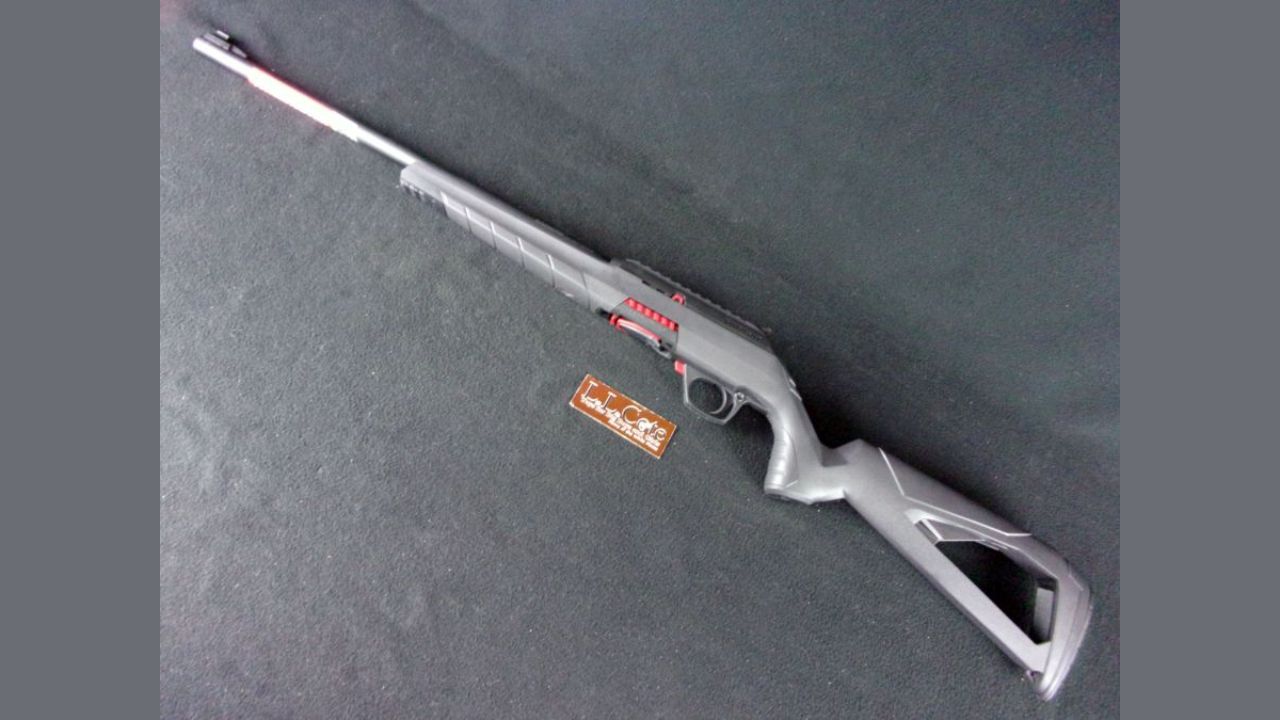
The Winchester Wildcat has clever features that make it seem like a fresh .22 rifle. It is light, easy to take down for cleaning, and compatible with Ruger 10/22-style magazines. At first, that sounds like a smart modern rimfire.
The problem is that it can feel a little too light, plasticky, and forgettable once the novelty fades. It may function well enough, but it does not have the solid feel or attachment people get from older rimfires. A .22 rifle should make you want to keep grabbing it. The Wildcat can feel more useful than lovable.
Taurus TH9
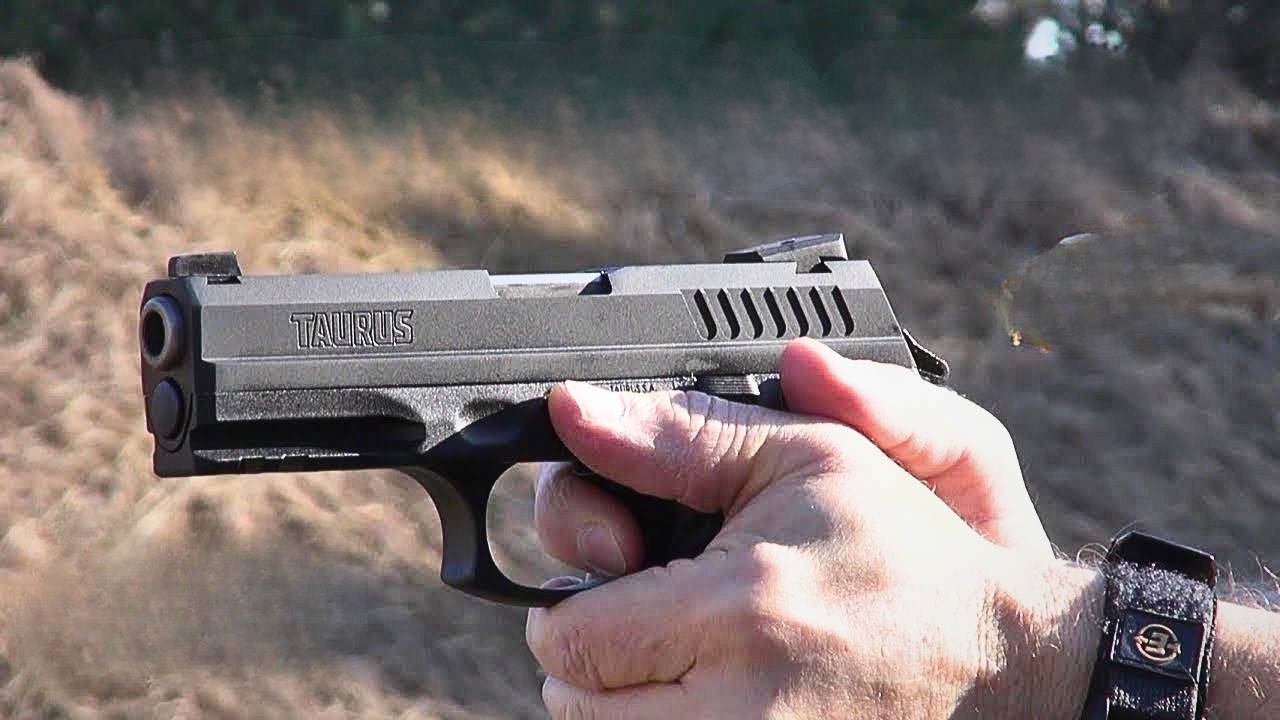
The Taurus TH9 gives buyers a hammer-fired 9mm at a friendly price, and that alone makes it stand out in a market dominated by striker-fired pistols. For someone who wants traditional controls without spending much, the pitch is tempting.
The letdown comes from the overall feel. The trigger, finish, controls, and long-term confidence do not always match what buyers hope for. It can work, but it rarely feels refined. Once owners compare it to better hammer-fired pistols or even stronger budget striker guns, the TH9 often starts feeling like the cheaper answer rather than the smarter one.
Stoeger STR-9

The Stoeger STR-9 looks like a straightforward affordable 9mm that should compete well in the crowded striker-fired market. It has the right basic shape, useful capacity, and a price that makes it easy to consider.
The problem is that “decent” is not enough anymore. Buyers have strong choices from Canik, Smith & Wesson, CZ, Glock, SIG, and others. The STR-9 can feel forgettable fast because it does not give owners a strong reason to choose it first. Holsters, magazines, parts, and aftermarket support matter, and this pistol never feels like the safest long-term bet.
Savage 64F
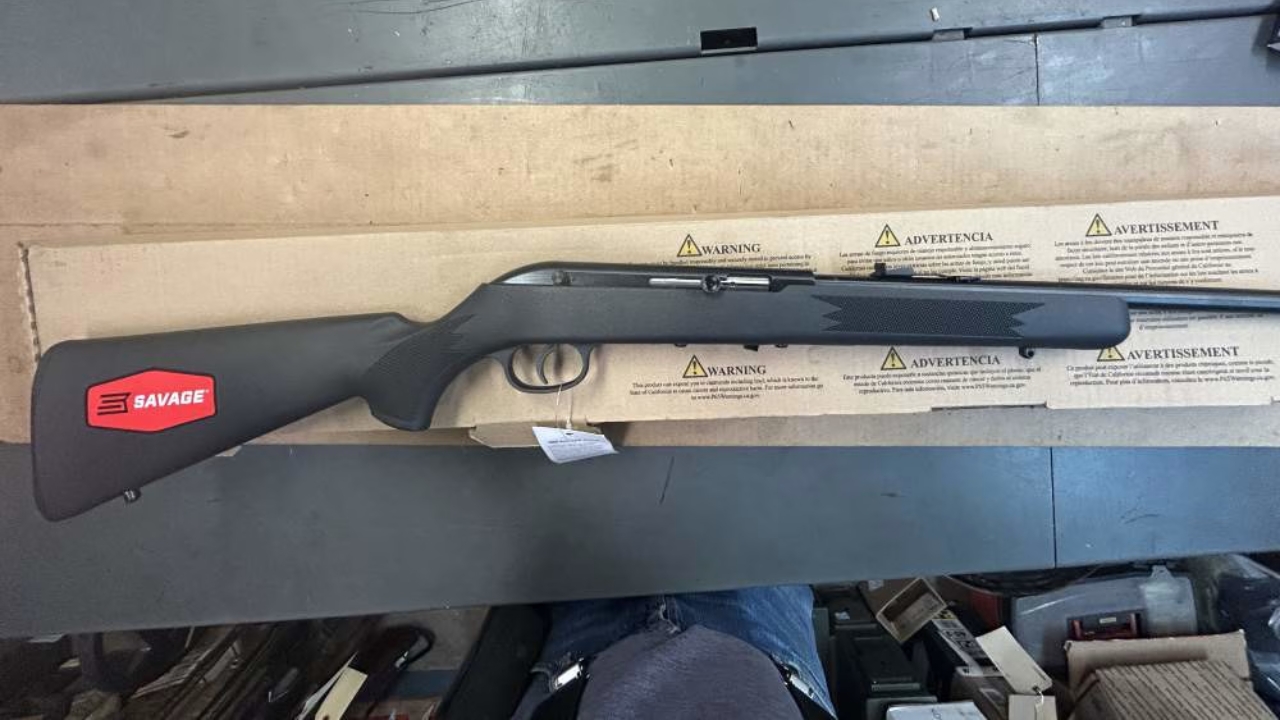
The Savage 64F is cheap, light, and easy to find, which makes it tempting as a first .22 rifle or casual plinker. At the counter, it seems like a simple way to start shooting rimfire without spending much.
Then the cheapness starts to show. The stock, trigger, magazine system, and overall feel can leave owners wanting more quickly. Some run fine and do their job, but they rarely inspire much pride. A budget .22 should still feel fun. If it feels flimsy or annoying, buyers start wishing they had saved for a better rimfire.
Kimber R7 Mako

The Kimber R7 Mako tried to stand out in the micro-compact carry market with a different look and an optics-focused setup. The enclosed-emitter version especially gave it a feature that sounded smart on paper.
But the pistol entered a brutal category full of excellent choices. The grip feel, styling, and overall appeal did not land with everyone, and the Kimber name raised expectations higher than the gun always met. It was not enough to be different. Owners wanted it to feel clearly better, and for many, it just did not.
Charles Daly Honcho

The Charles Daly Honcho gets attention because short, compact 12-gauge firearms always do. A small shotgun-style firearm looks intimidating and easy to store, which makes it tempting for buyers who want something simple and serious-looking.
Shooting it is where the disappointment comes fast. Recoil, control, aiming, and follow-up shots are all harder without a proper stock. It may look like a close-range answer, but most owners quickly realize a normal stocked shotgun is easier to run well. Intimidating looks do not make up for awkward handling.
CZ 600 Alpha

The CZ 600 Alpha sounded like a practical modern hunting rifle from a respected company. The CZ name brings expectations, and the rifle’s synthetic-stocked, field-ready layout made it look like a smart working gun.
Some owners like it, but others miss the older CZ feel quickly. Compared with rifles like the 527, 550, and 557, the Alpha can feel more modern in a less charming way. The stock and overall personality may leave traditional CZ fans cold. It can shoot and hunt, but it does not always feel like the rifle buyers hoped CZ would build.
Ruger Security-380
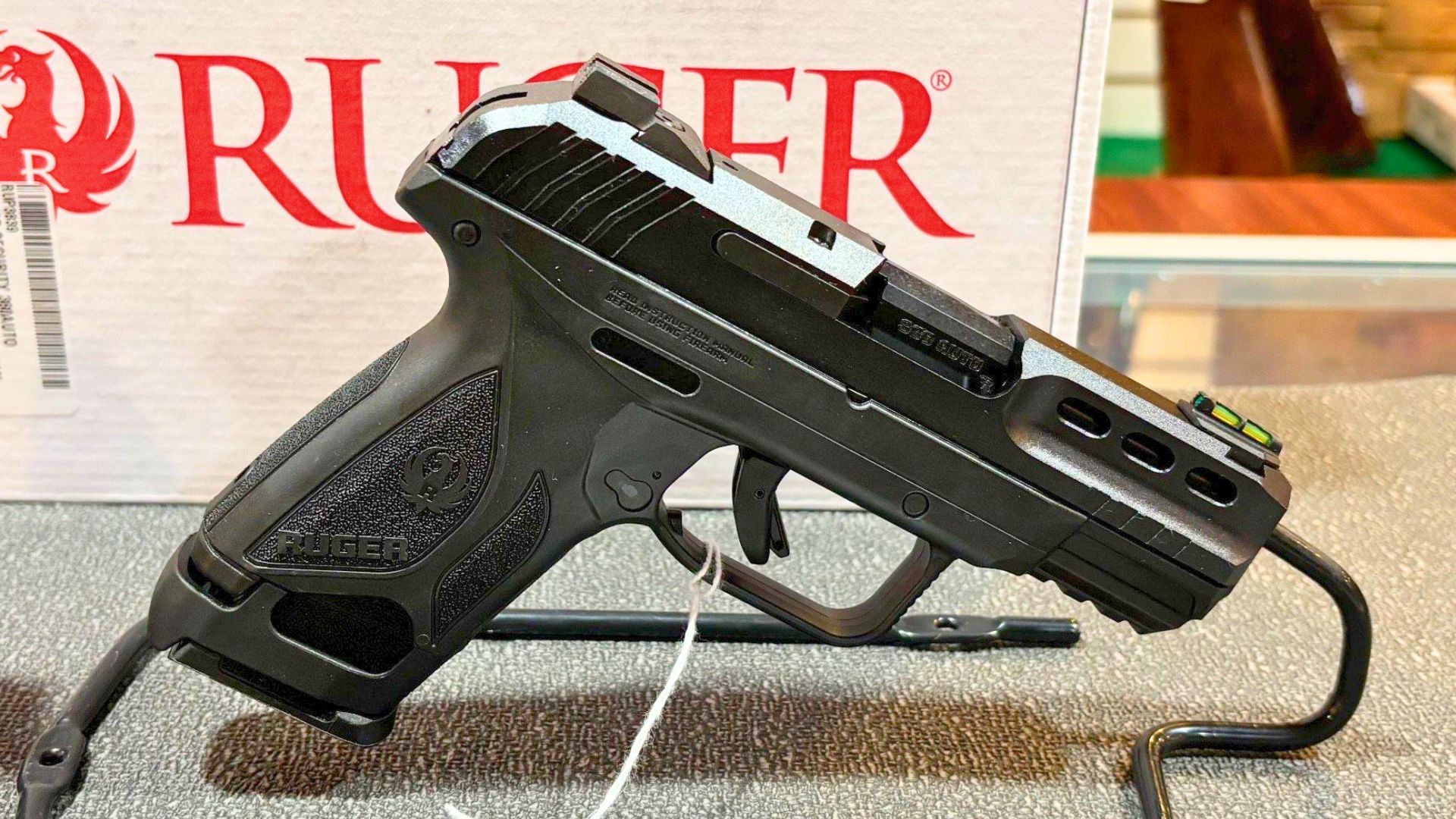
The Ruger Security-380 looks appealing for shooters who want easy slide operation, mild recoil, and a carry-size pistol from a trusted company. For newer shooters or anyone sensitive to recoil, the concept makes sense.
The disappointment comes if buyers expect it to replace a more capable carry pistol without tradeoffs. It is larger than many pocket .380s, chambered in a lighter defensive round than 9mm, and not exactly exciting on the range. It fills a real niche, but outside that niche, owners may quickly wonder why they did not buy a softer-shooting compact 9mm instead.
Savage Impulse
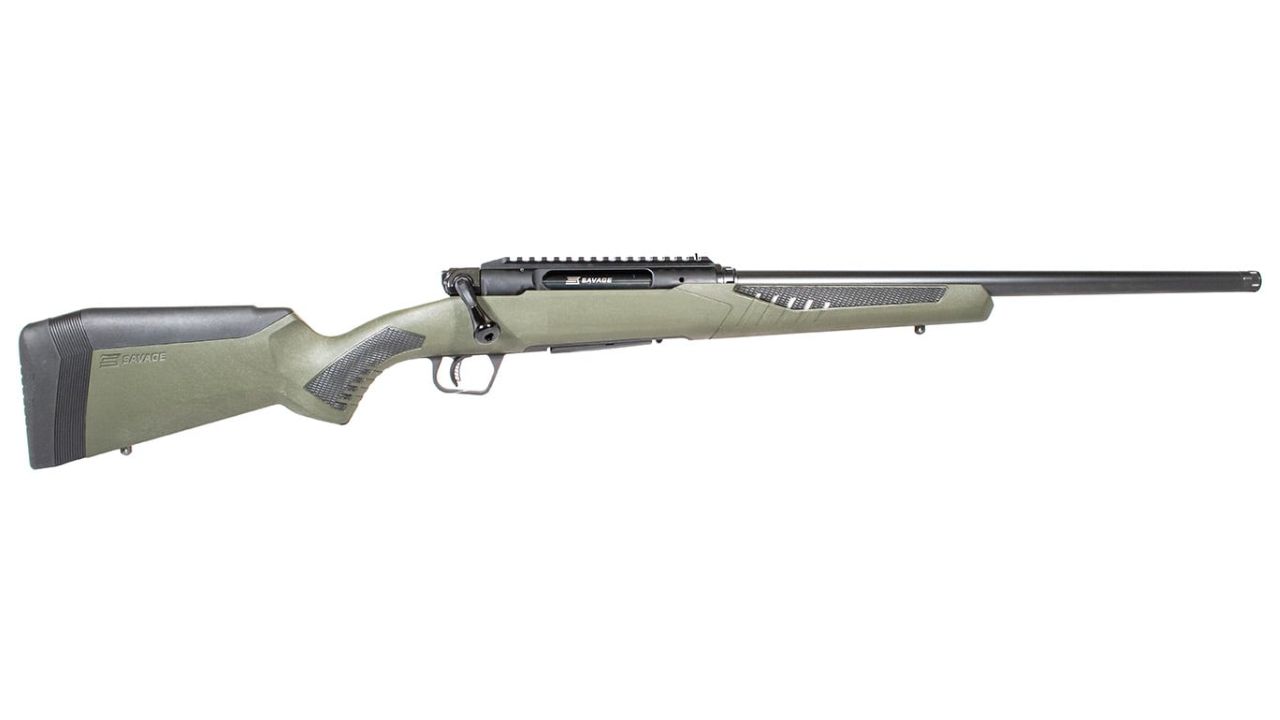
The Savage Impulse was supposed to bring straight-pull speed to American hunters in a serious way. That idea alone made people curious. A fast bolt system from a major company sounded like something that could change how some hunters looked at follow-up shots.
In practice, the rifle did not feel like an automatic win. The action feel, weight, price, and unusual design made some owners question whether they gained enough to justify leaving a normal bolt gun. A straight-pull rifle has to feel slick and natural right away. If it feels bulky or unfamiliar without a big payoff, disappointment sets in quickly.
Like The Avid Outdoorsman’s content? Subscribe to our newsletter so you never miss an article.
Here’s more from us: