Photo credit: The Armed Scotsman/YouTube
A lot of guns feel slick when you rack them at the counter. Light oil, clean rails, no heat, no fouling, no real load on moving parts. Then you shoot them. Now everything’s hot, dirty, cycling fast, and you start feeling drag, grit, rough resets, or an action that suddenly doesn’t feel “premium” anymore. Sometimes it’s just break-in. Sometimes it’s rough machining showing itself. Sometimes it’s coatings, springs, or cheap mags turning a smooth first impression into a gritty reality.
Here are 15 firearms that can pull that trick—especially when they’re new, dry, or run hard.
Remington 870 Express

A lot of 870 Express guns feel fine in the store. Then you start shooting cheap birdshot and suddenly extraction feels sticky, the action feels rough, and it starts feeling like the gun has sand in it. A big part of that is the well-known reality that some Express guns shipped with rougher chambers and finishes than older Wingmasters. You don’t always feel it until the gun heats up and you’ve got fouling and hull residue in the chamber.
Then guys start short-stroking because the pump feels rough, and now you’ve got self-inflicted problems on top of a rough action. A little polishing and proper lube can help, but the main point is: “smooth in the store” doesn’t mean “smooth after 50 rounds.” Shotguns show you the truth fast.
Mossberg Maverick 88

Maverick 88s are a killer value, and plenty run forever. But new ones can feel slick enough on the rack, then feel rough once you start cycling them fast under recoil. The action bars, finish, and general “budget pump” tolerances can feel gritty until they’ve worn in. Add heat and powder residue and you’ll feel every bit of friction that didn’t show up on a clean showroom gun.
The biggest issue is guys don’t lube them properly or they try to run them like a $1,000 pump on day one. A Maverick will usually smooth out, but you’ve got to give it honest reps and keep it lubed. If you buy one expecting glassy smoothness immediately, the range will humble that expectation.
Ruger Wrangler

Wranglers often feel smooth enough at the counter—nice little rimfire revolver, good price, fun. Then you shoot a brick of .22 and the cylinder starts feeling gritty, the loading gate area feels rough, and everything starts to drag. That’s rimfire life: dirty ammo, fouling, and a revolver that’s not built like a hand-fitted target gun.
It’s not a knock. It’s a reality check. Rimfire revolvers get filthy, and budget revolvers show it faster. People love them until they realize a smooth dry-handling revolver can turn into a gritty, draggy revolver once carbon and lead build up. Keep it clean, don’t run it bone dry, and understand what you bought.
Taurus 856
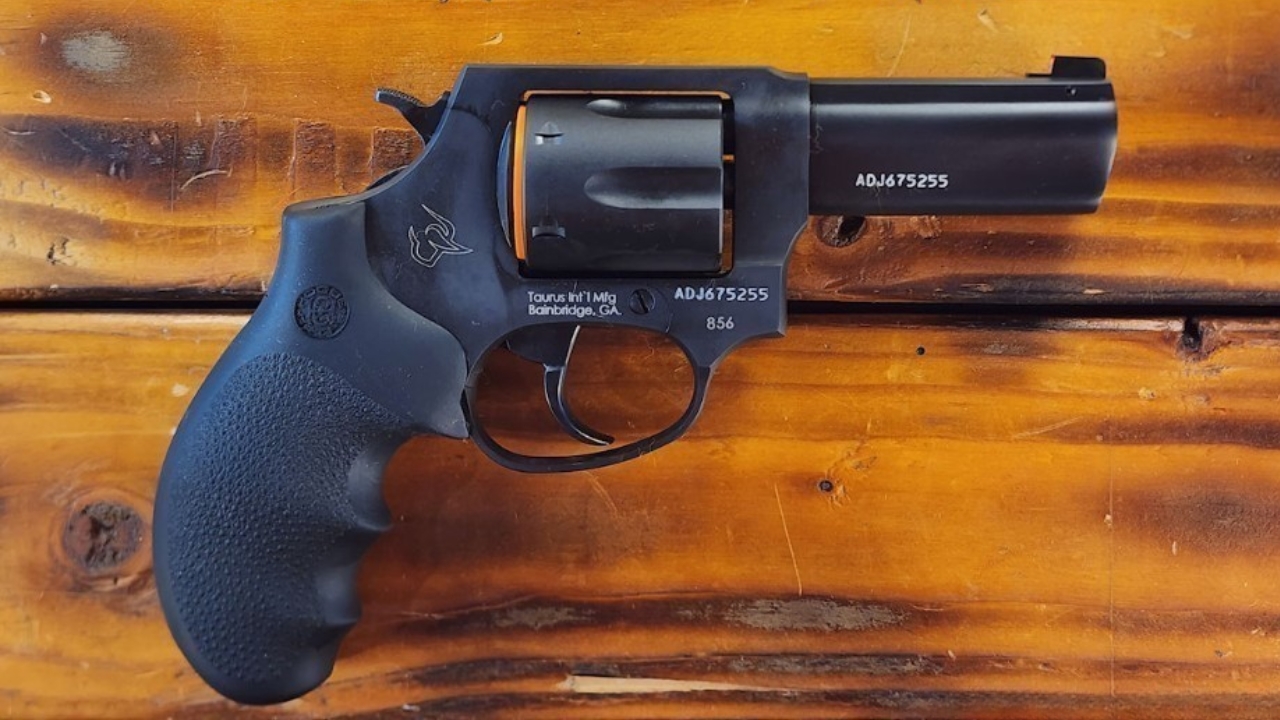
The 856 can be a solid carry revolver, but some examples feel smooth in hand and then show a gritty, stacky feel once you put real rounds through them—especially if you don’t keep them clean. Powder residue and heat can make the action feel rougher, and the trigger feel can change as the gun fouls. That surprises people because revolvers “should be simple.”
A revolver’s smoothness is all internal contact points working together. When fouling shows up, you feel it. Some 856s are slick. Some need a little break-in or a proper action job to feel consistent. If the range makes it feel gritty, it doesn’t automatically mean it’s broken—it might mean it needs cleaning, lube, or smoothing done by someone who knows revolvers.
Rock Island Armory GI 1911

A basic GI-style 1911 can feel pretty smooth when you rack it slowly in the store. Then you shoot it and start running the slide hard, and you feel friction, you feel gritty cycling, and the gun can start feeling “tight in a bad way” if it’s dry. Budget 1911s also show their machining and fitting differences once they’re hot and dirty.
This is where guys confuse “needs lube and break-in” with “junk.” A lot of these pistols will run fine if you keep them properly lubricated and don’t expect them to feel like a hand-fit custom gun. If you want slick, you pay for slick. If you want value, you accept that the range will show roughness that the store didn’t.
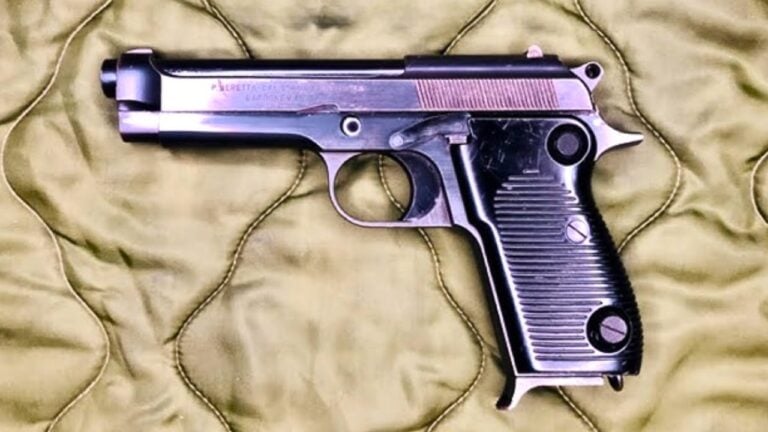
Springfield SA-35

The SA-35 is a cool Hi-Power style gun, and many feel great in the hand. But Hi-Power pattern pistols can start feeling gritty when they get dirty because you’ve got older-school geometry and friction points that show up with fouling. The trigger and cycling can feel different after a couple boxes—especially if the gun is new and still wearing in.
Also, magazine quality matters more than people want to admit on these platforms. A gun can “feel gritty” at the range because feeding isn’t smooth, and that’s sometimes a magazine issue, not a pistol issue. If you want these to feel consistent, run good mags, keep it lubed, and give it time. They’re great guns, but they’re not immune to break-in reality.
CZ 82

Blowback pistols can feel deceptively smooth in the store. Then you shoot them and feel the slide mass slamming back and forth with a sharper impulse. The CZ 82 often feels “more mechanical” at the range than people expect. As fouling builds, you feel more drag in cycling, and the gun can start feeling gritty compared to a locked-breech pistol.
It’s not that it’s failing. It’s that blowback designs are less forgiving and feel more abrupt. Add surplus ammo and a gun that’s been around the block, and you’ll feel it. If you want it to stay smooth, keep it clean and lubed, and don’t judge it by the first dry rack at the counter.
Kel-Tec Sub-2000

The Sub-2000 feels clever and handy in the store, and it is. At the range, once it’s hot and fouled, you can start feeling that it’s a simple gun with simple surfaces. The action can feel gritty, the recoil impulse can feel harsh, and any little roughness in the system becomes more noticeable because the gun is light and the design is compact.
A lot of owners also run them with minimal lube because they treat it like a “truck gun.” Then they’re surprised when it feels rough after a couple hundred rounds. Folding guns have tradeoffs. The Sub-2000 can do the job, but if you want it to feel smooth under sustained shooting, you’ve got to maintain it like any other firearm.
Ruger LCP Max

Micro pistols are the kings of “felt great at the counter.” Then you shoot them fast and realize you’re dealing with short slides, stiff springs, tiny contact surfaces, and a gun that gets dirty quickly. The LCP Max can be a great carry option, but after a couple boxes, many shooters notice it starts feeling grittier and more draggy than it did when it was clean.
That’s not always a defect—it’s the micro-gun reality. Little guns don’t have the same margin as larger pistols. They need lube, they need cleaning, and they often feel “busier” when they cycle. If you want a pistol that stays smooth for long sessions, carry size matters. The smaller you go, the faster the range shows friction.
SIG Sauer P365

The P365 series is widely carried for a reason, but new ones can feel different after real shooting compared to dry handling. As they break in, some feel smoother; others show more “grit” as fouling builds because of how tight the system is for its size. The slide is short, the springs are doing a lot of work, and small changes in lubrication make a noticeable difference.
Some guys interpret that as “something’s wrong.” Most of the time, it’s just the gun telling you it needs to be kept reasonably wet and clean, especially during early break-in. A P365 can be very reliable, but it’s not a big duty pistol. The range exposes the micro-platform realities quickly.
SIG Sauer P320

P320s often feel slick in the store. Then you shoot them and start noticing trigger feel and reset feel more than you did dry. Under recoil and speed, any grit or mush in the trigger becomes obvious. It’s not always that the gun is gritty—it’s that live fire is where you actually feel how the system behaves when you’re trying to shoot tight and fast.
Also, a lot of P320s live as “parts ecosystems.” Different grip modules, different slides, different trigger parts. Mix-and-match can create a gun that feels fine in hand and then feels rough when it cycles at speed. If your P320 feels gritty at the range, look at lubrication, the specific parts combo, and whether something is dragging. Live fire tells the truth.
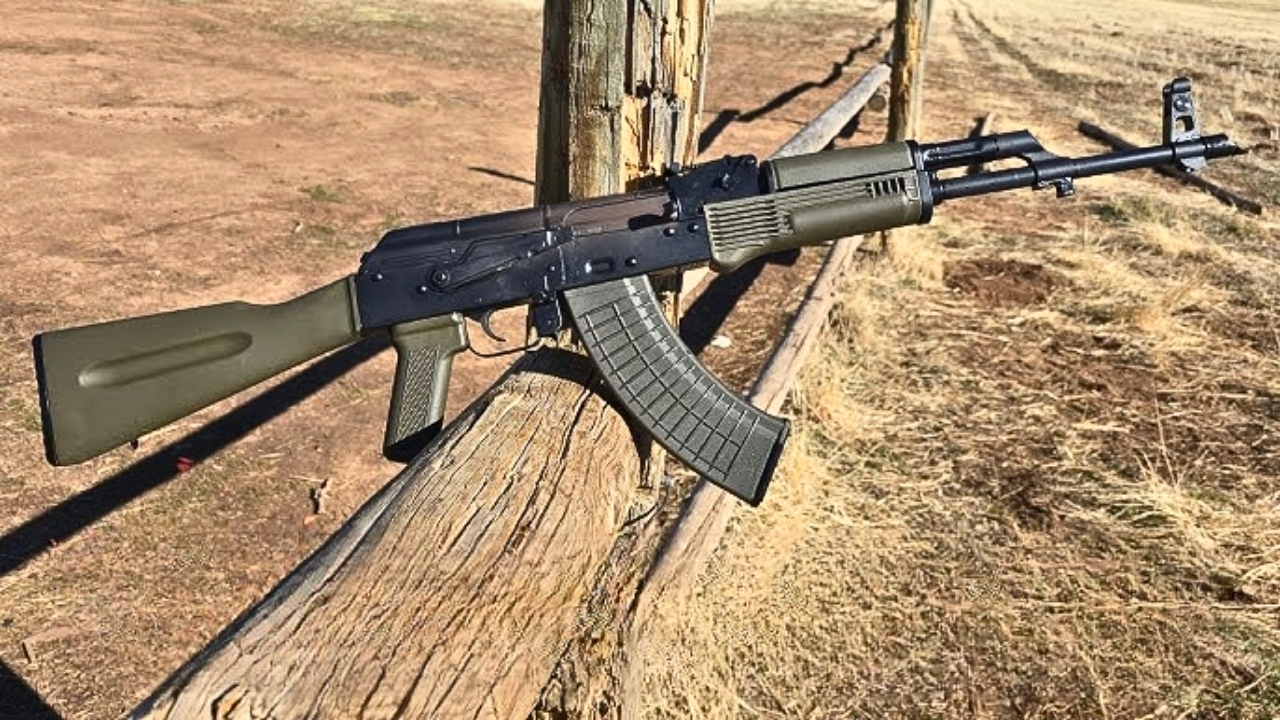
PSAK-47 GF3

Some AKs feel pretty smooth when you’re just running the action by hand. Then you shoot them and you get heat, carbon, and the full-speed cycling feel. Many AK pattern rifles start feeling “gritty” simply because that’s what a hard-running piston gun feels like when it’s dirty. The recoil impulse and carrier movement are more noticeable than on softer-shooting platforms.
That doesn’t mean it’s failing. It means it’s a different operating feel. If the gun is under-lubed, you’ll feel it even more. AKs can be incredibly durable, but they’re not always “smooth” in the way a clean showroom rack makes you think. The range is where you learn what “smooth” actually means for that platform.
Marlin 60

Tube-fed rimfire semi-autos can feel slick in the store. Then you shoot bulk .22 and the gun turns gritty fast. The Marlin 60 is a classic, but rimfire blowback and dirty ammo build residue quickly. You start getting sluggish cycling, rough-feeling operation, and sometimes feeding that feels scratchy. People call it “gritty,” but it’s often just fouling.
The main issue is owners treat .22s like they don’t need cleaning because “it’s just a .22.” Then the range proves otherwise. If you want a Marlin 60 to stay smooth, clean it more than you think you need to, and don’t run it dry. Rimfire guns can be great, but they punish neglect faster than centerfire.
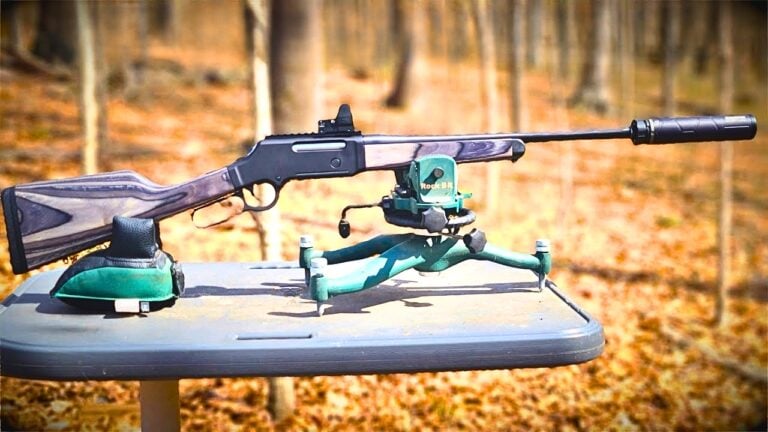
Rossi R92

Lever guns can feel buttery in the store when you cycle them slowly. Then you get to the range, start running the lever with real speed, and you feel every rough edge and friction point. The R92 can be a solid lever gun, but many benefit from real break-in and sometimes internal smoothing. Under live fire, the gun heats up and fouling adds drag, and suddenly the action doesn’t feel as slick.
A lot of guys judge lever guns wrong because they only cycle them gently. The range reveals whether it stays consistent when you run it like you mean it. If your R92 feels gritty, it often improves with use, cleaning, and proper lube. But yes—some need a little help to feel “finished.”
Smith & Wesson M&P15 Sport II
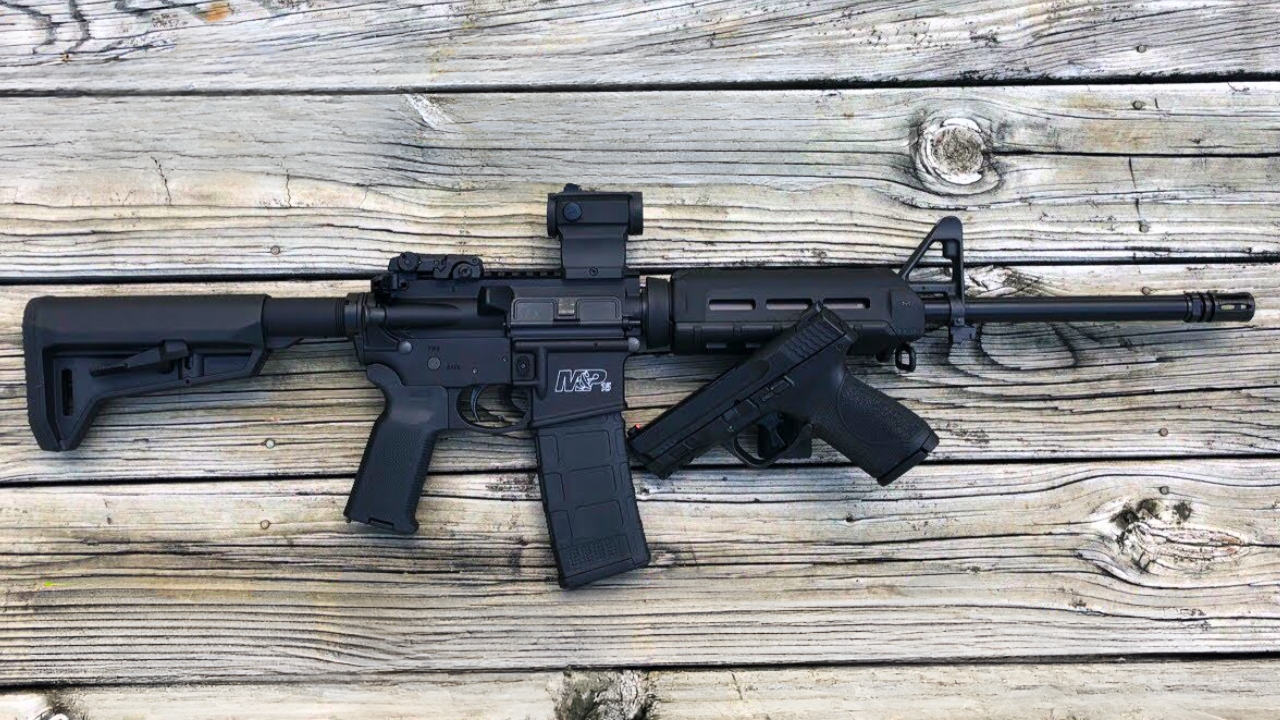
ARs can feel smooth when you rack them by hand. At the range, you start noticing spring noise, buffer feel, and how the gun cycles under real speed. Some budget ARs feel “gritty” because the system is dry or because the finish and contact points haven’t worn in yet. It’s not always a malfunction—it’s a feel issue that shows up once everything is moving fast.
Also, a lot of these rifles get bought as first ARs. New owners don’t lube them enough, then they wonder why the action feels rough and the gun feels sluggish after a couple mags. Lube matters. Break-in matters. And “smooth at the counter” isn’t the same thing as “smooth under heat and carbon.”
Turkish 1911 imports

Many Turkish 1911s feel slick when you rack them gently in the store—good finish, decent fit, nice first impression. Then you shoot them and realize the trigger has grit, the reset feels rough, or the rails feel draggy once heat and fouling show up. Some of these pistols run great. Some need real break-in. Some need a proper trigger tune.
The point isn’t “don’t buy Turkish 1911s.” The point is don’t confuse a smooth showroom rack with a refined shooting feel. If you want a 1911 that stays slick under volume, you usually pay more for better fitting and finishing. If you buy value, expect the range to show the rough spots.
Like The Avid Outdoorsman’s content? Subscribe to our newsletter so you never miss an article.
Here’s more from us: