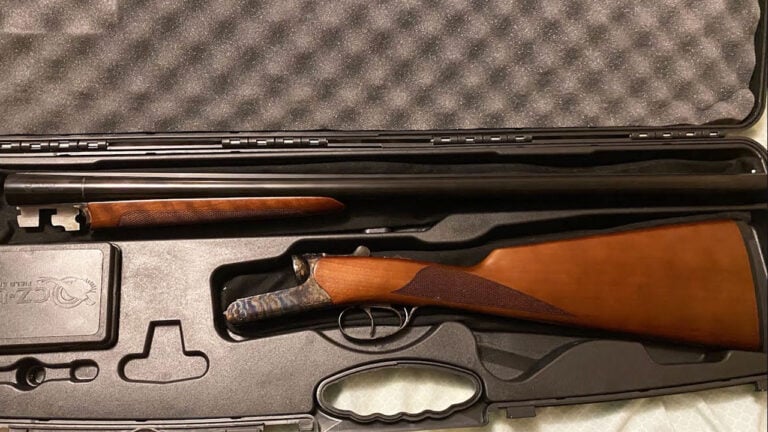
Photo credit: Cynthia A Jackson/Shutterstock.com
There’s a lot of talk about “match-grade” barrels, and most of it’s aimed at your wallet. It sounds precise, sounds official, sounds like something top-tier shooters rely on—which they do, sometimes—but the truth is, that phrase means almost nothing on its own. You can drop big money on a barrel labeled “match-grade” and wind up with something that shoots worse than the factory tube you started with.
Nobody wants to admit it, but “match-grade” is mostly a marketing term now. Unless you’re dealing with a known builder who backs it with real specs—twist rate consistency, hand-lapping, stress-relief, and chamber tolerances—it’s a roll of the dice. If you’ve ever swapped one in and wondered why your groups didn’t shrink, this article’s for you. Let’s dig into what really matters in a barrel—and what doesn’t.
“Match-grade” doesn’t mean the same thing across brands
One of the biggest problems with the term is that there’s no standard. One company might call a rough, button-rifled barrel “match-grade” because it meets their looser tolerances. Another might reserve that label for hand-lapped, cut-rifled steel with microscopic consistency. The sticker might say the same thing, but the actual product couldn’t be more different.
Unless you know exactly what specs a manufacturer means when they say “match-grade,” the term alone doesn’t tell you much. That’s how folks end up disappointed—expecting bughole groups from a barrel that was barely better than rack-grade. Always read the fine print, not just the label.
Factory barrels today are better than most think

A lot of guys ditch a factory barrel without ever giving it a fair shake. Truth is, modern manufacturing has closed the gap more than most folks realize. CNC machines, better stress-relief processes, and improved materials mean a lot of off-the-shelf rifles shoot near “match” standards right out of the box.
I’ve seen factory Ruger, Savage, and Tikka barrels that’ll shoot under ¾ MOA with quality ammo and a decent trigger. That used to be unheard of without a custom build. So before you chase the “match-grade” dream, take a hard look at what your stock rifle is already doing. You might be surprised.
Barrel fit and chambering matter more than the label
You could have the most accurate blank in the world, but if it’s installed poorly, it won’t shoot worth a damn. The way a barrel is fitted to the action, the chamber cut, and how concentric everything is—that’s where the magic (or the headache) lives. And that’s not something you can see on a website or measure by group size alone.
Plenty of “match-grade” barrels get tossed on rifles by folks who skip proper torque, bedding, or headspace checks. Then they blame the barrel. The truth is, most accuracy issues stem from poor assembly, not the steel itself. A good barrel in the hands of a bad smith is still a bad setup.
Twist rate and contour should match your load and use

A lot of “match” barrels are optimized for specific bullet weights, twist rates, and intended use. They’re not always a plug-and-play upgrade for hunting or general-purpose rifles. Stick a 1:7 twist .223 barrel on your coyote gun and shoot 55-grain loads, and you’ll start to see why.
Same goes for contour. A heavy match barrel might print tight groups but turn your lightweight rig into a tree trunk. If you’re hiking ridge to ridge, that matters. The specs that make sense for a benchrest rifle don’t always carry over to the real-world shooting most of us do. Pick a barrel for your purpose, not your pride.
Ammunition makes or breaks perceived accuracy
I’ve seen shooters bolt on a match barrel and keep feeding it cheap bulk ammo—then scratch their heads when the groups stay the same. No barrel can turn junk into gold. A “match-grade” tube is only as good as what you run through it. If your ammo’s got a wide velocity spread or inconsistent seating depth, your results will reflect it.
Before you question your barrel, test some premium loads or handloads with known consistency. Sometimes the issue isn’t at the muzzle—it’s in the box. And chasing down barrel issues without ever ruling out ammo is one of the fastest ways to waste time and money in this game.
Cleaning habits have more impact than you think
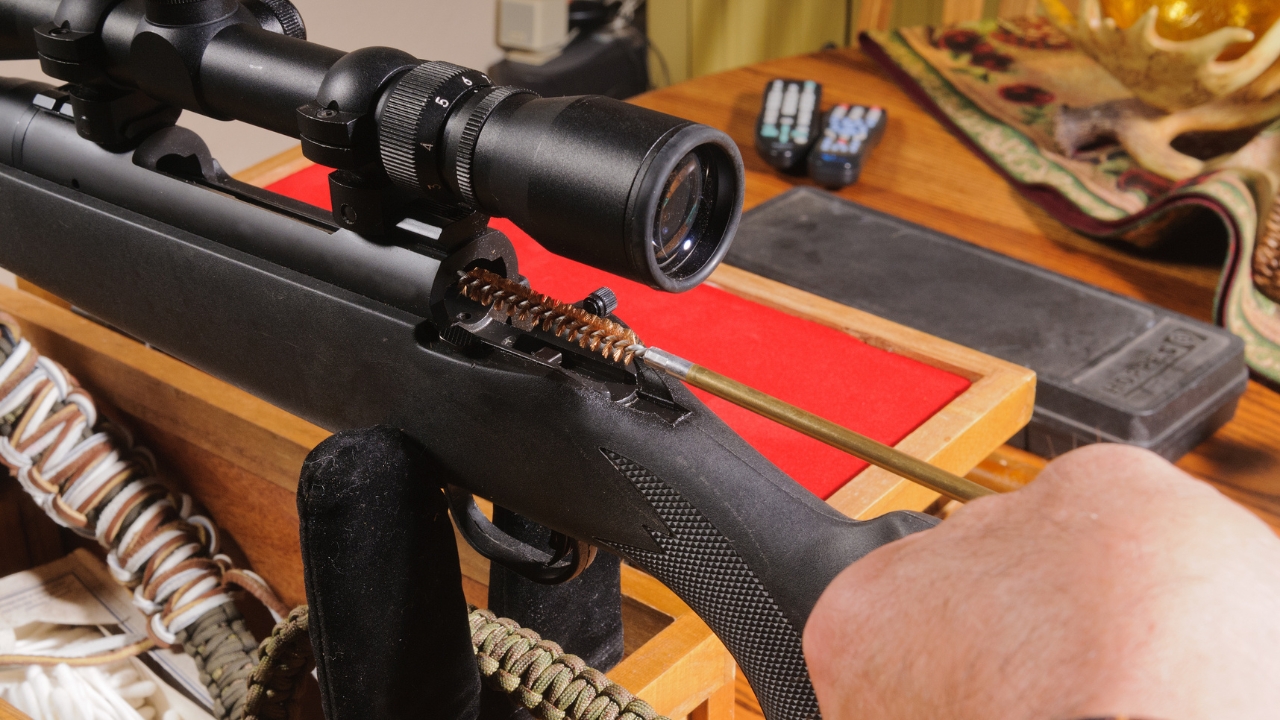
Ask ten shooters how often they clean their barrel, and you’ll get ten different answers. But if you think your match barrel is going to make up for copper fouling or carbon build-up, think again. Dirty barrels skew results fast—especially with tight-tolerance bores or finely cut rifling.
Some of the guys who brag about their “match-grade” builds shoot hundreds of rounds between cleanings and wonder why their group shift half an inch at 100 yards. It’s not magic. It’s fouling. Take care of the barrel, and it’ll shoot like it should. Neglect it, and even the fanciest specs won’t matter.
Cold-bore shots will still drift—barrel quality or not
One of the first things that throws off new “match barrel” owners is the cold-bore flyer. They thought a $500 upgrade meant every shot would land in the same hole. But barrel harmonics change with heat, and no amount of machining can fully erase that. First-round impacts tend to land outside the main group—even with the best gear.
That’s why experienced shooters always check cold-bore behavior during zeroing. It’s also why your first shot at a whitetail might not hit where your five-shot group did. Match barrels help reduce variation, sure. But they’re not miracle workers, and pretending they are sets folks up for disappointment.
A good shooter matters more than a “match” barrel

It’s easy to blame gear when things don’t go right. But here’s the truth most won’t admit: plenty of “match” rifles are outshot by factory rigs in steadier hands. Fundamentals still matter. Trigger press, breathing, natural point of aim—those don’t change just because the barrel has a fancy label.
Before you spend $400 on a new barrel, spend a few afternoons dry-firing, refining your rest setup, and checking your scope tracking. You’ll probably shoot tighter groups without turning a single wrench. A match-grade barrel can help—but it won’t fix bad habits. And most guys would see more improvement from practice than parts.
Like The Avid Outdoorsman’s content? Be sure to follow us.
Here’s more from us:
The worst deer rifles money can buy
Sidearms That Belong in the Safe — Not Your Belt
*This article was developed with AI-powered tools and has been carefully reviewed by our editors.