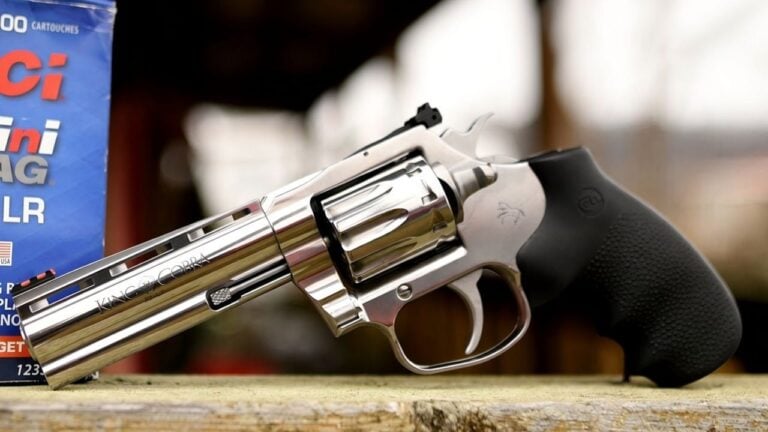
Photo credit: Jordi Mora/ShutterStock.com
You don’t really think about blood trails until you’re staring at the ground trying to find one. A good shot should leave sign. If it doesn’t, the round either zipped through without expanding, or it didn’t hit with enough punch to break things down. And that’s where some calibers fall short. They’re fast, they’re accurate, maybe even quiet—but when it comes to leaving blood you can actually follow, they miss the mark. Some blow right through with no exit trauma. Others don’t open up at all. And when you’re in thick woods, fading daylight, or sketchy terrain, that makes recovery tougher than it ever should be. Here are 12 calibers that have a reputation for making tracking jobs way harder than they ought to be—even when your shot placement is decent. These are the rounds that make you wish you’d brought something that hits harder, bleeds more, or stays inside long enough to do its job.
.243 Winchester
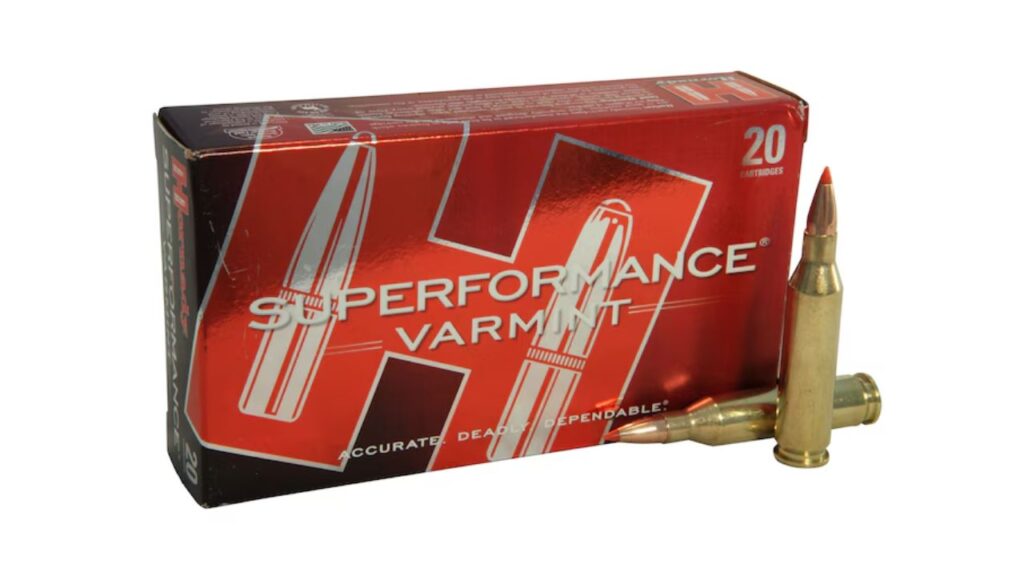
The .243 has probably killed more deer than most people realize, but that doesn’t mean it always makes the recovery easy. It’s fast and flat-shooting, which is great for young or recoil-sensitive hunters—but that high speed with lightweight bullets often means poor blood trails. If your shot is a little high or a little back, the bullet can pass through without much expansion.
Plenty of deer run 100 yards before dropping, and in that time they don’t leave a drop of blood. Add in tall grass or brush, and you’ve got a nightmare. Inside 100 yards with the right load, the .243 can anchor animals clean. But once you stretch it out or clip ribs instead of lungs, you start seeing real problems. It’s not that the round can’t kill—it can—it’s that it doesn’t always bleed enough to make tracking possible. You need perfect placement and the right bullet, or you’ll be guessing in the dark.
.223 Remington
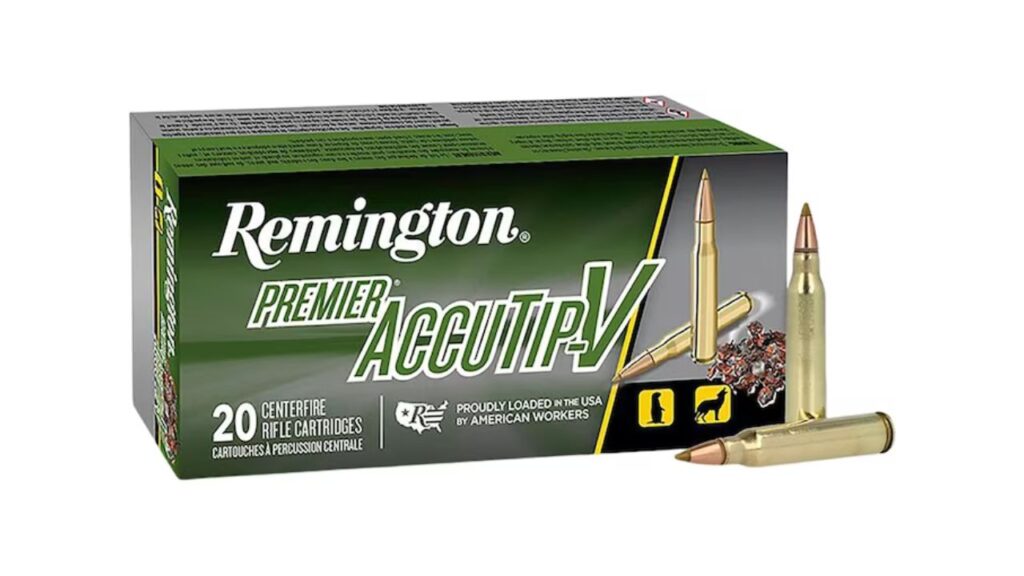
A lot of folks try to use .223 on deer or hogs because they already own an AR. And yes, with good shot placement and the right bullet, it can do the job. But when it doesn’t, tracking becomes a mess. Lightweight bullets at high speeds tend to either fragment too early or fail to expand.
Even with bonded or soft-point rounds, if you hit bone or brush first, the terminal effect can be unpredictable. You might get a pass-through with no blood, or a shallow wound that clots before the animal goes 50 yards. Either way, you’re often left looking for pinpricks or no sign at all. Coyotes drop fine, but when you’re hunting bigger-bodied game, this round can turn a clean hit into a hard loss. It’s legal in some states, but that doesn’t mean it’s always ethical or effective. If you hate long tracking jobs, leave the .223 for the varmints.
6.5 Creedmoor

The 6.5 Creedmoor has been hyped into legend status, but blood trails are one area where it underwhelms. It’s accurate, soft-recoiling, and efficient at long range—but that controlled expansion and sleek design often mean it doesn’t leave much of a trail. Especially when you use high-BC match-style bullets, they don’t always open up the way you want on medium game.
It’s common to hit a deer clean through the lungs, only to watch it run 80 yards with almost no blood on the ground. Even with hunting bullets, the narrow wound channel and clean exit make it easy to lose the trail if the deer doesn’t drop fast. It’ll kill, no doubt. But it doesn’t always break them down quick or leave much to follow. And when you’re in tall CRP or dark timber, that becomes a serious problem. The Creedmoor’s a shooter’s round—not always a tracker’s favorite.
.204 Ruger
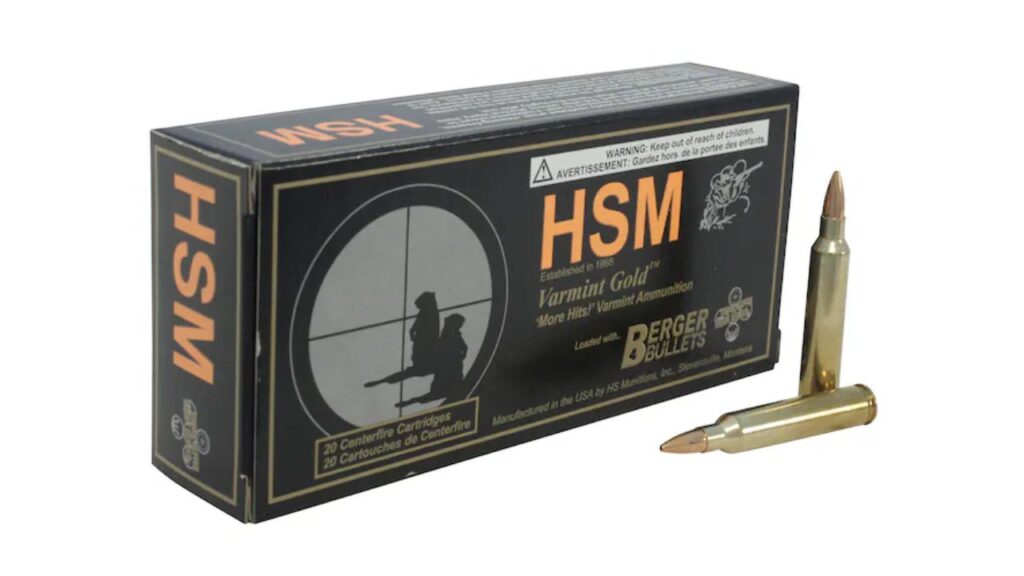
The .204 Ruger is blistering fast and deadly on varmints—but when you step up to predators or small-bodied deer, it starts to struggle. The bullets are light, typically 32 to 40 grains, and they expand rapidly. That sounds good in theory, but in practice, they sometimes explode on impact without enough penetration to reach vitals—especially on quartering shots.
Even when you get a pass-through, the exit wound is often so small you won’t see blood until the animal is well out of sight. On coyotes, a solid hit can still result in a long runner with minimal sign. And if you clip shoulder or rib, expect fragmentation that doesn’t always get the job done. It’s accurate and fun to shoot, but unless you’re dropping everything inside 100 yards with perfect broadside hits, it makes recovery a lot tougher than it should be.
.30 Carbine

The .30 Carbine out of an M1 looks like it should be up to the task. But it’s a tricky round—too much for varmints, not quite enough for deer. It flies slower than a modern rifle round and doesn’t carry much weight. Expansion is unpredictable, and penetration often isn’t great unless you hit soft tissue.
Plenty of deer have been killed with it, but not many were recovered easily. You’ll often see poor blood trails, even with good hits. The round tends to zip through without creating much of a wound channel. If you catch shoulder bone or clip ribs, it slows down fast. For hogs or deer in brush, it turns into a tracking problem. The M1 Carbine is a fun piece of history, but in modern hunting terms, it’s underpowered and unreliable for clean drops—and the blood trail usually reflects that.
5.7x28mm
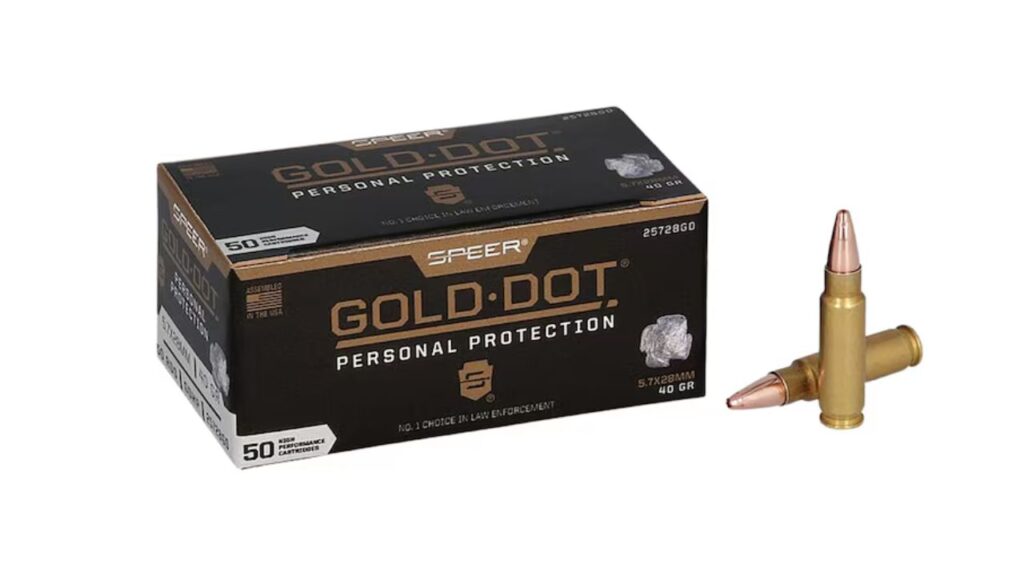
The 5.7x28mm has a cult following, especially with folks running PS90s or pistols like the FN Five-seveN. But for hunting anything bigger than a fox, it struggles hard. The bullets are light, the expansion is minimal, and it often zips right through with barely any energy dump. Even the expanding loads don’t do much unless you hit soft tissue dead center.
On coyotes, you’ll see them spin, run, and disappear without a drop of blood to follow. On hogs or deer, it’s worse. You might see movement at the hit, but no crash. And if you don’t mark that spot perfectly, odds are you’ll never find the animal. The 5.7 was designed for soft armor penetration, not for dumping energy into tissue. When used in the field, it acts like a small-caliber FMJ. It’s quiet and soft-shooting, but it’s a nightmare for tracking—especially in thick cover.
.300 Blackout (subsonic)
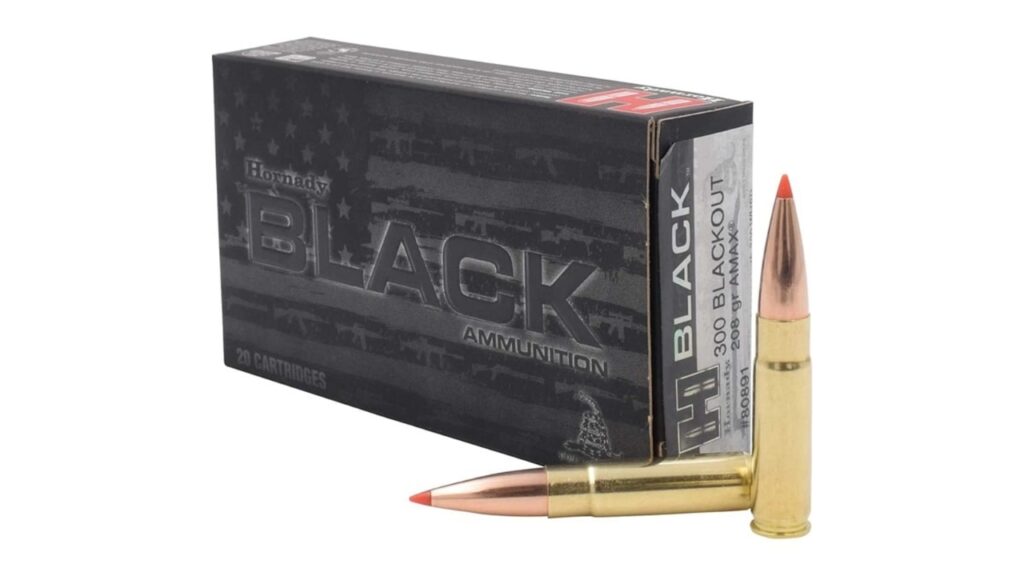
Subsonic .300 Blackout has a reputation for being quiet and soft-kicking—but it’s not a good choice when it comes to blood trails. The bullet moves slow, and expansion is inconsistent unless you’re using a very specific hunting load. Even then, you’re depending on a big chunk of lead to create damage without the help of speed—and that rarely ends in an easy recovery.
If you make a perfect double-lung hit, the animal still might run 75 yards. And in that time, you’ll often see little to no blood on the ground. Subsonic .300 BLK doesn’t create hydrostatic shock, and the wound channels tend to be narrow. It’s quiet, sure. But that silence comes at a cost. For pig hunting at bow range it can be passable, but for deer or coyotes in real conditions, expect to track—and expect that trail to dry up faster than you want.
.22 Hornet

The .22 Hornet has been around forever and does have a following for small game and close-range work. But it doesn’t leave much sign when used on anything bigger than a fox. It’s quiet, low-recoil, and easy to shoot—but when it comes to wound channels and blood trails, it’s lacking.
Expansion is hit or miss depending on the load, and many factory rounds act like FMJs. On coyotes, you might get a clean hit with no visible damage, then spend the next 30 minutes trying to figure out which direction they took off in. The Hornet also tends to punch straight through without much energy dump. You won’t always get an exit, but when you do, it’s small. And if it stays in, it doesn’t always open up enough to cause fast bleeding. It’s a neat cartridge for nostalgic shooters, but for blood trails you can count on, it leaves you in the dark.
.270 Winchester (with match bullets)

The .270 Win is a fantastic deer round—when it’s paired with the right bullet. But too many hunters use thin-jacketed or match-style bullets that don’t expand properly. A sleek .277 projectile at 3,000 fps can zip right through a deer with a pencil-sized hole and barely cause any external bleeding.
If the animal runs, it often leaves little to no trail, even if the hit was solid. Internal damage might be fine, but that doesn’t help you find it when it’s 100 yards into the brush. The round itself is capable of great performance, but bullet choice matters. If you’re running Nosler Ballistic Tips or other fast-fragmenting projectiles, expect less penetration and unpredictable blood. And if you’re using target bullets with thick jackets or small expansion cavities, you might not get any trauma at all. The .270 isn’t the problem—it’s what you’re feeding it.
6.8 SPC
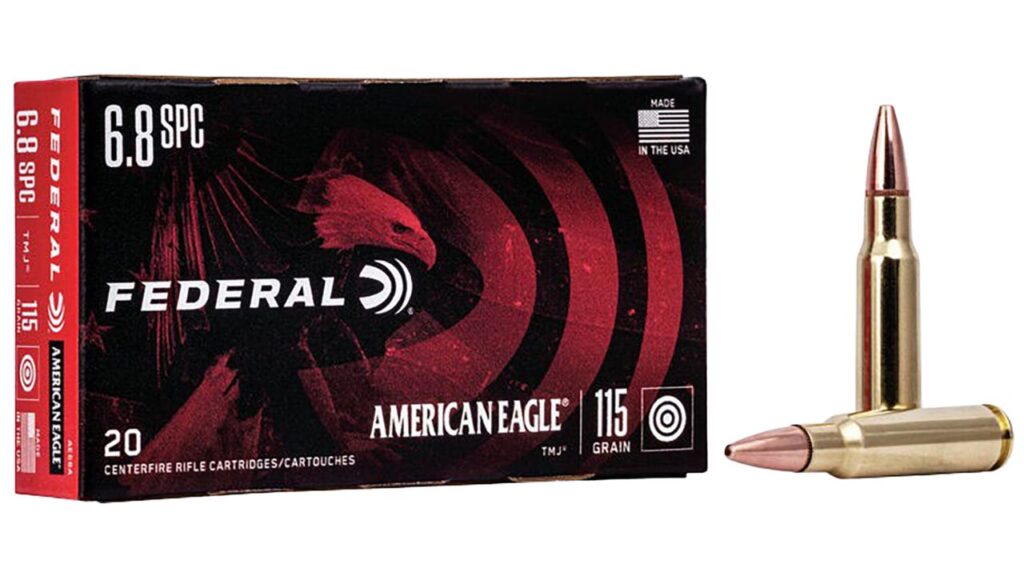
The 6.8 SPC was designed to improve on the shortcomings of 5.56, and on paper it does. But in practice, especially with certain loads, it doesn’t always leave the kind of blood trail you need. The heavier bullets are great for barrier penetration, but expansion can be sluggish, especially at lower velocities from short barrels.
I’ve seen deer and hogs hit solidly with 6.8 and leave barely any blood. Internal damage might be there, but the exit hole is often small, and without that visual cue, tracking becomes a guessing game. It can work well with the right soft-point or polymer-tipped bullet, but even then, results can be inconsistent. The cartridge tries to do a lot—somewhere between .223 and .308—but it ends up not always doing enough. If you don’t see the animal drop, be ready to work for the recovery.
.25-06 Remington

The .25-06 is flat-shooting, accurate, and hits hard—but it doesn’t always give you a usable trail to follow. Part of the issue is that it’s often paired with sleek bullets that are designed more for long-range ballistics than close-range damage. When those bullets punch through without opening up properly, you get tiny entry and exit wounds—and not much in between.
Even when the hit is in the vitals, the animal might go a good distance before dropping. And in that time, there may be little to no blood to follow, especially if it’s a high lung shot. Add in tall grass or thick cover, and you’ve got a hard recovery. The .25-06 has the potential to be devastating, but bullet choice is everything. If you’re using a tough bullet meant for elk or long-range steel, don’t be surprised if your deer runs far and bleeds little. It’s a tracking headache waiting to happen.
.257 Weatherby Magnum
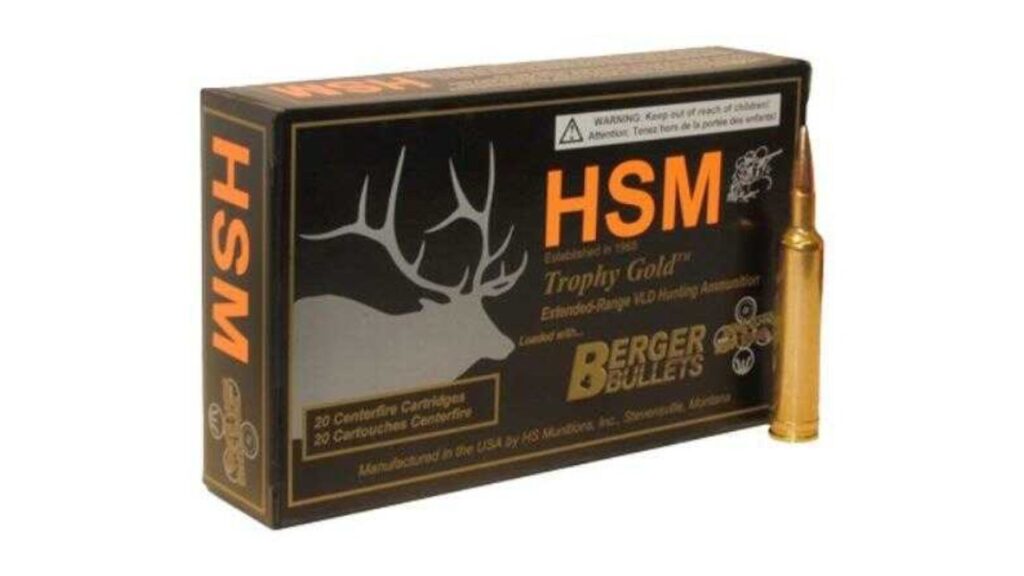
The .257 Weatherby Magnum is a laser beam—fast, flat, and capable of crazy velocity. But that speed often becomes the problem. Lightweight bullets moving at 3,600+ fps can over-penetrate or grenade too quickly. You either get no expansion or so much fragmentation that the wound channel is shallow and erratic.
On deer-sized game, it’s not uncommon to see a clean hit and no blood trail at all. The bullet zips in, exits fast, and doesn’t leave much damage behind. At longer ranges, it can do better, but inside 200 yards, it’s borderline explosive—and not in a good way. Coyotes hit with it sometimes drop, but when they don’t, they’re gone before you know what happened. It’s a fun round for long-range target shooting or pronghorn in open country, but it demands the perfect bullet. If you don’t get that pairing right, you’ll be spending more time crawling through grass than dragging out a kill.
*This article was developed with AI-powered tools and has been carefully reviewed by our editors.