Photo credit: Lucky Gunner Ammo/YouTube
Carrying a handgun all day is a comfort problem first and a shooting problem second. The pistols that carry the easiest are usually the ones that are thin, light, and short in the grip. That’s exactly why they’re harder to control when you start shooting fast. Less grip gives you less leverage. Less weight means more snap. Short sights make every little mistake look bigger than it is.
None of that makes these guns bad choices. It means you need to treat them like what they are: convenience guns that demand serious fundamentals. If you pick one because it vanishes under a T-shirt or rides in a pocket without dragging your belt down, you’re also choosing a pistol that won’t cover for lazy grip pressure or rushed trigger work. These are easy-to-carry handguns that make you earn every clean string.
Ruger LCP Max

The LCP Max is the kind of pistol you carry when you don’t want to think about carrying. It’s thin, light, and pocket-friendly, and the capacity is better than most people expect in something this small. It disappears in a pocket holster and rides comfortably even when you’re dressed light.
The trade shows up the moment you start shooting quickly. The grip is short, the frame is light, and the recoil impulse is fast, so the gun wants to pop up and rotate in your hand. If your support hand isn’t clamped down, your sights bounce and your follow-ups get sloppy. You can shoot it well, but you have to stay locked in—high grip, firm wrists, and a steady cadence that keeps you honest.
Ruger LCP II

The LCP II carries like a set of keys. It’s flat, featherweight, and made for the days you’d otherwise go unarmed. If your priority is “always on me,” this pistol makes that realistic without changing how you dress.
It’s also not a comfortable shooter. Even in .380, recoil feels sharp because the gun has so little mass and so little grip to hold onto. The gun wants to climb, and the tiny sight picture doesn’t forgive a sloppy press. When you speed up, the pistol can start shifting in your palm unless you crush the grip and keep the trigger work clean. It’s controllable, but it’s not relaxing. You carry it because it disappears, then you practice because recoil refuses to.
Smith & Wesson Bodyguard 380

The Bodyguard 380 is built for deep concealment. It’s flat, light, and easy to keep hidden in a pocket holster where thicker pistols start printing. For people who live in shorts and T-shirts, it solves the carry problem better than most.
Then you shoot it and remember why small pistols have a reputation. Recoil is snappy for the caliber, the grip is short, and the gun can feel jumpy during strings. The trigger and tiny sights demand attention, so you’re fighting multiple things at once—control, alignment, and a clean press. That’s where people start missing faster than they expected. The Bodyguard can work well, but you need short, consistent practice sessions and a firm grip that keeps the gun from sliding around when your hands get sweaty.
Beretta Pico

The Pico is one of the best examples of a pistol that truly disappears. It’s slim, snag-free, and shaped to draw clean from a pocket holster. Carrying it is almost effortless, which is why it stays appealing to people who hate bulky guns.
The shooting side is less forgiving. The grip is thin and small, the gun is light, and recoil comes back quick. The long trigger pull can also encourage you to relax your grip right before the break, which makes the pistol move and your hits drift. If you try to shoot it like a compact duty gun, it will humble you fast. The Pico rewards a hard grip, locked wrists, and a focus on control over speed. It’s a close-range tool that demands discipline, not a tiny pistol that makes shooting feel easy.
Kel-Tec P-3AT

The P-3AT is a true “always” gun. It’s light enough to forget, thin enough to hide anywhere, and simple enough that you’ll actually keep it with you. When carry comfort is the deciding factor, this pistol makes a strong case.
That same light weight is why it can be hard to control. The recoil impulse is sharp and quick, and the grip doesn’t give you much to work with. During fast strings, the gun wants to climb and shift, and your hands feel like they’re trying to hold onto something that’s actively leaving. The sights are minimal, so recoil management matters even more. You can keep it effective at realistic distances, but you’ll do it with grip pressure and practice, not with comfort. It carries like a dream and shoots like a pocket gun.
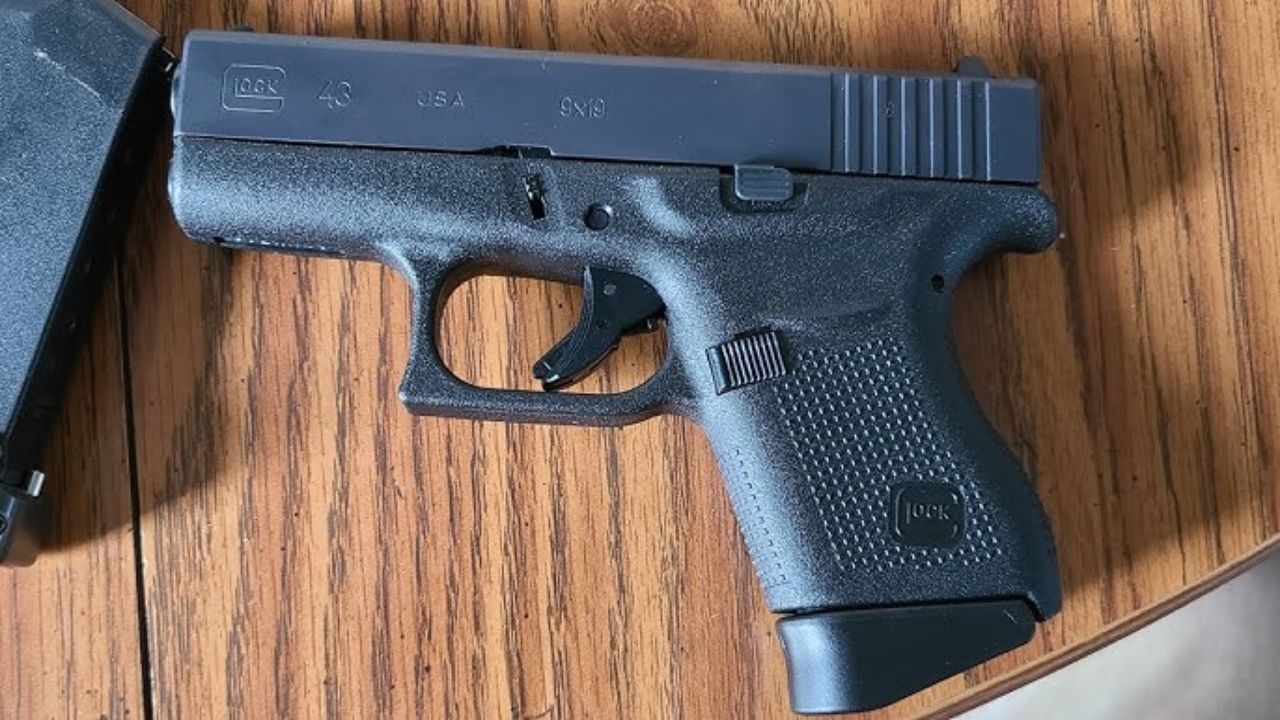
Glock 43

The Glock 43 is thin, dependable, and easy to hide, which is why it became a default choice for a lot of carriers. It sits close to the body, disappears under light clothing, and runs with the familiar Glock manual of arms. Carrying it is easy, even for long days.
Control takes effort because the gun is light and the grip is short. Recoil is sharper than many people expect, and the muzzle rises quickly when you try to shoot fast. If your support hand isn’t doing real work, the pistol starts to feel lively and your hits spread. The short sight radius also makes trigger slop show up instantly. Many people add a baseplate for control, not capacity, because that extra finger purchase helps a lot. The gun runs well. The shooter has to, too.
Glock 26

The Glock 26 hides well because the grip is short, and grip length is what prints on most people. It’s also durable and reliable, which makes it a comforting choice for concealed carry when you want a proven system that doesn’t demand special care.
That short grip is also where control gets tricky. Without a full firing grip, the gun can shift during recoil, especially if your hands are large or you’re shooting fast. The thicker frame can also be harder to clamp down on compared to slimmer pistols, which makes consistent grip pressure more important. When you’re tired or rushed, you’ll see shots climb or drift because your leverage changes. The G26 can be shot very well, but it asks you to commit to grip fundamentals. If you try to coast, it will show you the bill immediately.
SIG Sauer P365

The P365 is one of the most carry-friendly 9mms ever made, and it’s proven reliable enough that people trust it daily. It hides easily IWB, offers real capacity for the size, and feels like a serious defensive pistol instead of a compromise. Carrying it is easy, which is the point.
Shooting it fast is where the platform gets demanding. It’s a small, light gun with a fast slide cycle, so recoil comes back quickly and the muzzle wants to rise. If your support hand relaxes, the gun starts moving and your sight picture gets frantic. The P365 rewards a clamp-hard grip and a clean, straight press, and it punishes anything sloppy. When you do your part, it shoots far better than its size suggests. When you don’t, it feels like a tiny gun doing tiny-gun things.
Springfield Armory Hellcat

The Hellcat carries like a micro but holds like a bigger pistol, which is why it became popular fast. It’s easy to conceal, easy to live with, and it gives you capacity that used to require a thicker gun. For everyday carry, it’s a practical package.
The recoil impulse is sharp, and that’s where people get surprised. The Hellcat is light, the grip is short, and the gun can flip quickly in rapid fire. If your grip pressure isn’t firm and consistent, the pistol shifts and your follow-ups get messy. The texture helps, but it doesn’t replace technique. You need locked wrists and a support hand that actually drives the gun. The Hellcat is reliable and capable, but it doesn’t hand you control. It demands you build it, then maintain it under speed.
Kahr PM9

The PM9 is built to carry, and it shows. It’s thin, compact, and easy to hide without dressing like you’re wearing a belt-mounted toolbox. It’s also a pistol many people carry for years because it’s comfortable enough to keep on them consistently.
Control takes effort because it’s a light 9mm with a small grip and a long trigger pull. That long, smooth press can be great, but it can also cause you to loosen your grip right before the break if you’re not disciplined. Combine that with snappy recoil and you get a gun that will punish rushed shooting. It’s not that it can’t be accurate—it can. It’s that you have to stay steady through the press and through recoil. If you treat it like a close-range carry tool and practice with purpose, it will serve you well.
Ruger LC9s

The LC9s is slim and light, which makes it an easy carry choice when you don’t want to fight bulk. It disappears under a shirt, carries comfortably for long days, and stays out of the way in normal life. That convenience is exactly why people buy it.
That same thin, light profile makes it harder to control when you start running speed drills. Recoil feels abrupt, and the narrow grip can twist in your hand if your support hand isn’t clamped down. The pistol also has little tolerance for sloppy trigger work because the sight radius is short and the gun moves quickly. If you try to shoot it like a service pistol, you’ll feel behind the gun. If you accept the platform and practice in short, focused strings, you can keep it controlled. It’s easy to carry, but it expects you to earn your hits.
Taurus GX4

The GX4 carries easily because it’s compact, slim, and light enough to live on your belt without dragging you down. It’s one of those pistols that fits the “daily reality” role well—quick trips, long days, hot weather, and normal clothes.
Control is where it becomes work. The GX4 is lively in recoil, and the short grip can shift if your hands aren’t locked in. When you speed up, the gun can bounce enough that you start chasing the sights instead of driving the gun back to target. It’s especially noticeable when you’re tired, sweaty, or shooting one-handed. The GX4 can be reliable and effective, but it doesn’t make shooting feel easy. The fix is grip pressure and consistency—same hand placement, same clamp, and a pace that keeps hits honest instead of fast for bragging rights.
Kimber Micro 9

The Micro 9 is slim, easy to conceal, and carries with that clean, flat profile people want in a warm-weather gun. It looks refined and it hides well, especially when you’re trying to avoid printing under light clothing. It’s a pistol many people choose because it fits their lifestyle.
The downside is that a small 9mm is still a small 9mm. Recoil comes back sharp, and the narrow grip concentrates that recoil into your hand. During fast strings, the gun can feel lively and make you work hard to keep the sights from lifting out of view. You also have less margin for grip mistakes, because any shift changes your leverage immediately. The Micro 9 can shoot accurately, but it expects you to grip it firmly and press the trigger cleanly every time. Carry is easy. Control isn’t.
Smith & Wesson 340PD

The 340PD is built to disappear. It’s extremely light, easy to pocket carry, and slick enough to draw without snagging. For deep concealment, it’s hard to beat, and that’s why people buy it even when they already own “better shooters.”
Then you fire it and remember what ultra-light means. Even with .38 loads, recoil is sharp. With .357 loads, it can feel brutal, and that brutality leads to flinching, slow follow-ups, and poor hits unless you train hard. The grip is small, the sight radius is short, and the trigger pull is long, so you’re balancing multiple challenges at once. It’s reliable in the mechanical sense, but controlling it takes commitment. If you carry a 340PD, you’re accepting that practice is not optional and comfort is not part of the deal.
Ruger LCR in .357 Magnum

The .357 LCR carries easily because it’s light and compact, and the shape works well for belt carry or a jacket pocket. It’s a practical “always with you” revolver that avoids snag points and stays simple to operate under stress. For many people, that simplicity is the entire appeal.
The hard part is recoil. In .357, the LCR can be sharp enough that you start dreading practice, and dread is how skill fades. The grip helps, but physics still applies. The gun will jump, the sights will lift, and follow-up shots take real work. Many shooters end up practicing with .38 and carrying a load they can truly control, which is the adult way to do it. The revolver is dependable, but it won’t make you comfortable. It makes you honest.
Like The Avid Outdoorsman’s content? Subscribe to our newsletter so you never miss an article.
Here’s more from us: