Photo credit: Vladyslav Starozhylov/ShutterStock.com
Some rifles are notorious for tearing up optics long before they should. Heavy recoil, sharp impulse, or poorly balanced designs can wreck mounts, shear reticles, and shake internals loose in record time. If you’ve ever spent hours dialing in a perfect zero only to watch it vanish after a few shots, you know the frustration. Choosing the wrong rifle-scope combo can cost you time and money. These rifles are known for punishing glass fast, especially if you’re running lower-end optics that can’t handle the abuse.
Ruger Guide Gun (.375 Ruger)
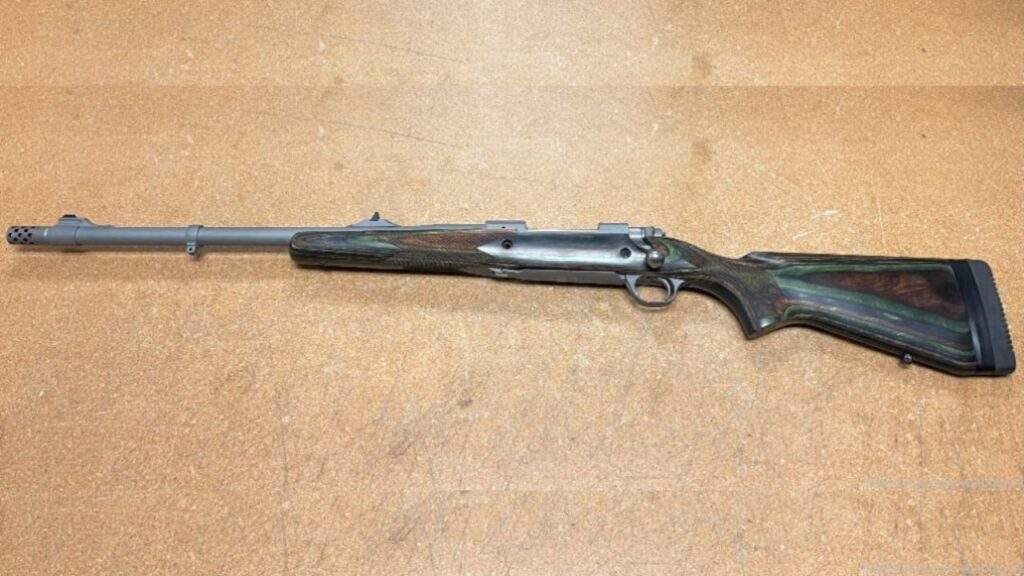
The Ruger Guide Gun packs tremendous recoil thanks to its .375 Ruger chambering, and it can rattle apart weaker optics in just a few shots. Even high-quality mounts can loosen under repeated heavy fire if you’re not using reinforced bases and rings.
It’s a powerful rifle designed for dangerous game, but that power comes at a cost. Unless you’re running optics specifically rated for heavy calibers, expect adjustment turrets and reticles to fail quickly. A rugged, shockproof scope is mandatory on this one.
Marlin 1895 SBL (.45-70 Govt)

The Marlin 1895 SBL has earned a reputation for breaking budget glass. That big .45-70 punch produces a fast, violent recoil impulse that lower-tier scopes struggle to survive. Mount screws back out quickly, and cheaper optics lose zero after just a box or two of heavy rounds.
You can tame it with a good muzzle brake, but even then, you’ll want to invest in optics built for hard-kicking lever guns. A quality set of steel rings and a proven, shock-tested scope are key if you want to keep your zero intact.
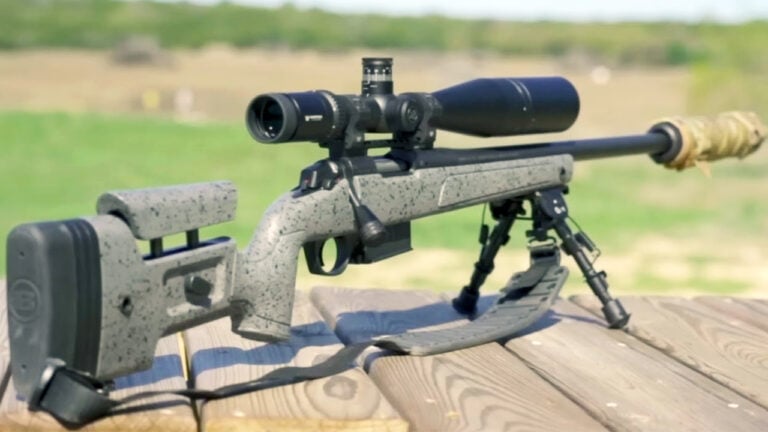
Tikka T3x Lite (.300 Win Mag)
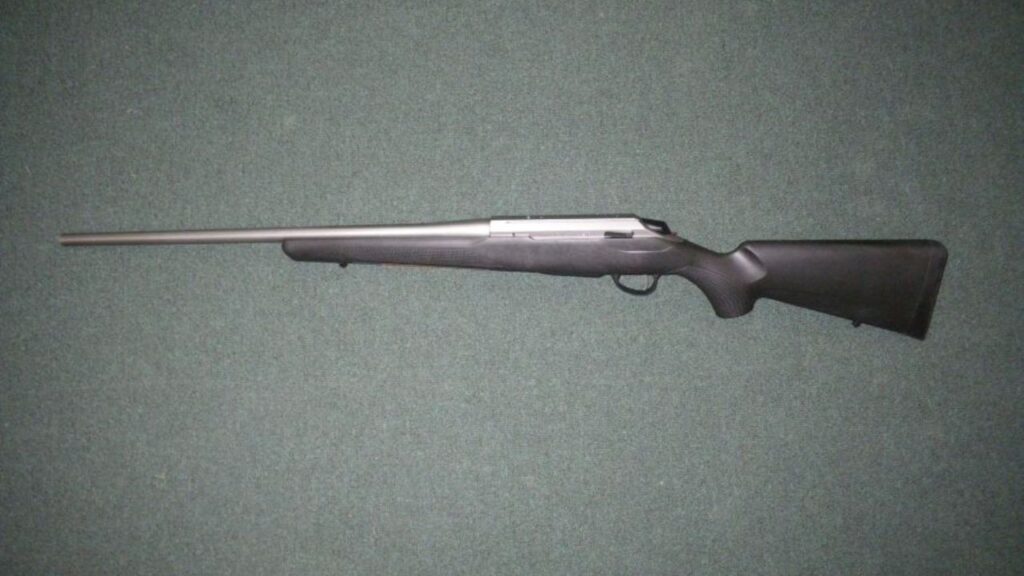
The Tikka T3x Lite is known for its accuracy, but its lightweight frame and .300 Win Mag chambering create a punishing recoil cycle. That sharp snap hammers internal scope components, and cheaper optics rarely hold up after multiple sessions.
If you run premium glass, you can avoid most issues, but skimping here will cost you. Scope bases tend to loosen, and reticle shift is common with mid-range optics. To keep it shooting straight, reinforced mounts and recoil-rated glass are almost non-negotiable.
Savage 110 Bear Hunter (.338 Win Mag)
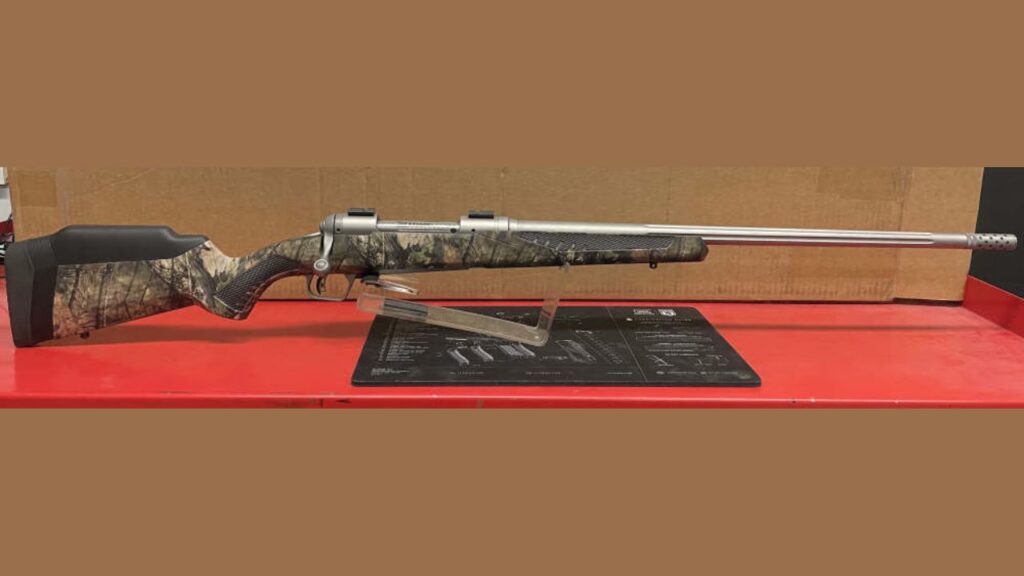
The Savage 110 Bear Hunter delivers big power for serious hunts, but with that power comes recoil levels that chew through optics quickly. The sharp rearward thrust combined with muzzle rise can shear scope internals or shift reticles within a handful of shots.
If you want reliable performance here, quality glass designed for magnum recoil is a must. Adding a brake helps, but lightweight scopes tend to fare poorly regardless. It’s a rifle where cheap optics don’t just lose zero — they stop working entirely.
Browning X-Bolt Hell’s Canyon Speed (.300 PRC)
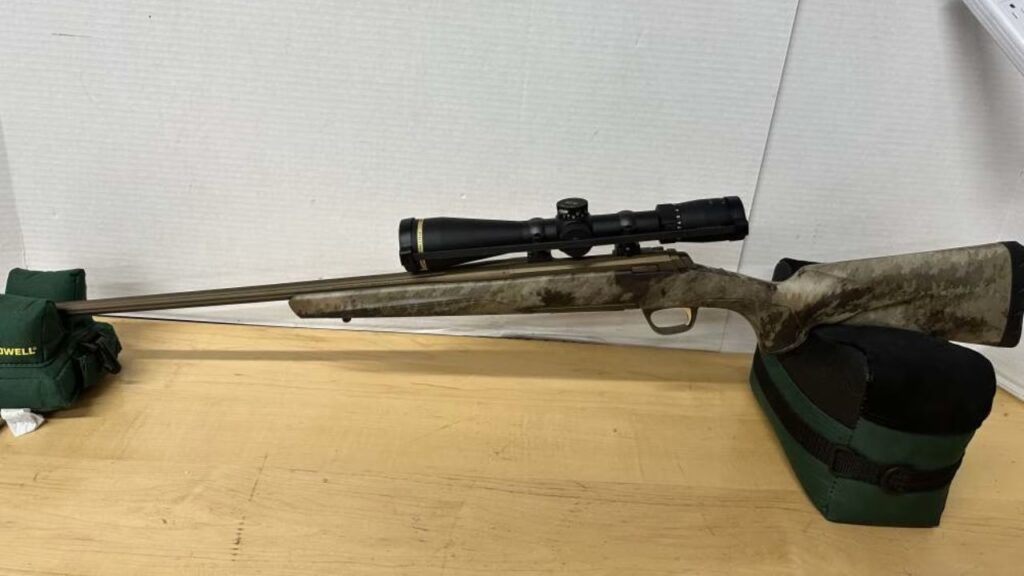
The Browning X-Bolt Hell’s Canyon Speed combines light weight with powerful chamberings like the .300 PRC, making it brutal on optics that aren’t reinforced. Between the recoil impulse and muzzle blast, scopes with fragile reticles or weaker turrets fail fast.
It’s a precision rifle capable of incredible long-range performance, but only if you pair it with optics designed to handle the punishment. High-grade mounts, lapped rings, and recoil-tested scopes are your insurance policy if you plan to push it hard.
Remington 700 SPS Tactical (.308 Win)
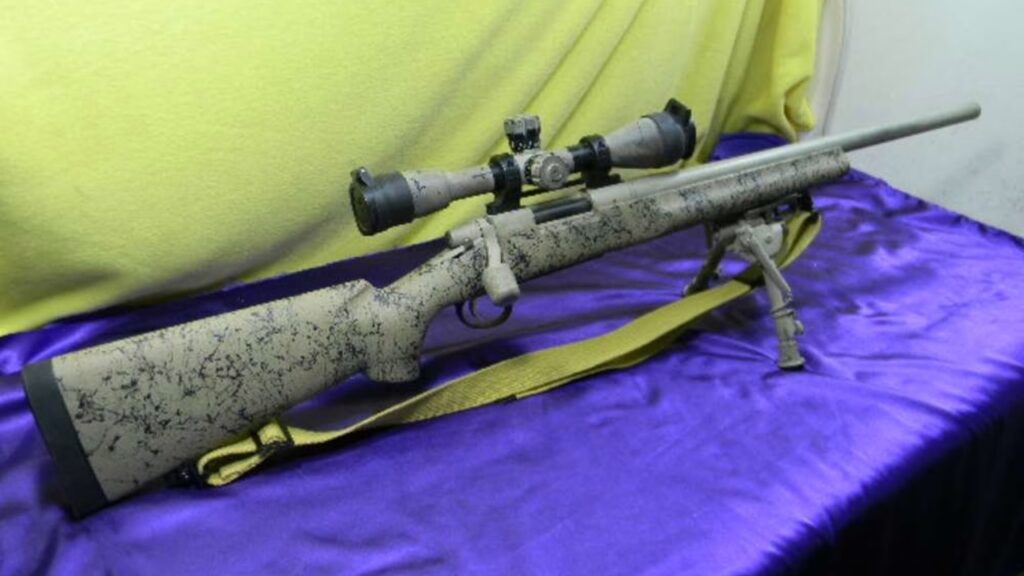
While .308 isn’t as punishing as magnums, the Remington 700 SPS Tactical earns its place here thanks to barrel harmonics and stock flex. When paired with heavy optics, the recoil impulse can jar internals loose and throw tracking off faster than you’d expect.
It’s a rifle that rewards good glass and punishes cheap setups. A rock-solid mount system paired with optics known for mechanical durability makes a big difference here. Cutting corners often means chasing zero after every session.
Weatherby Mark V Weathermark (.300 Weatherby Mag)
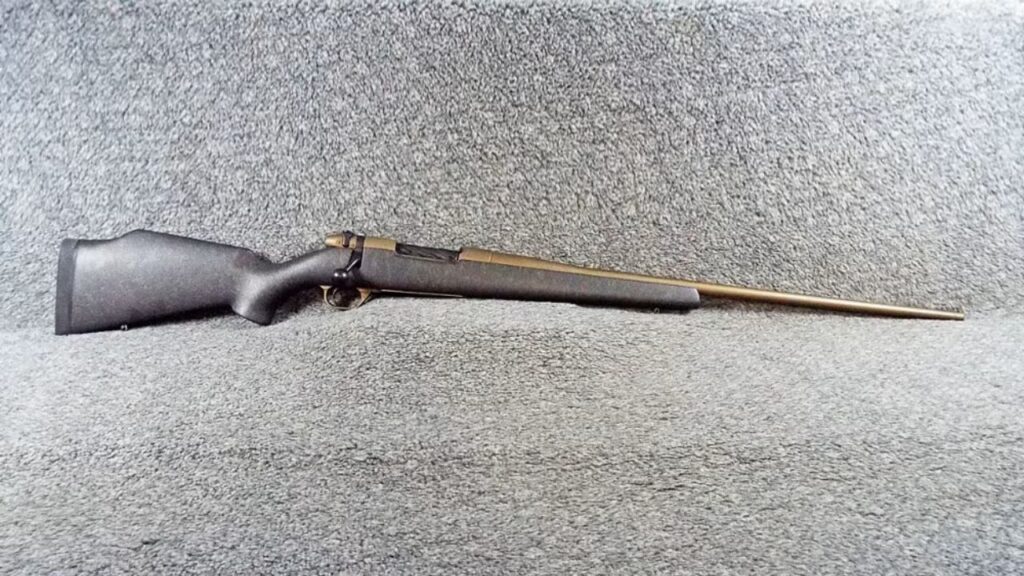
Weatherby rifles have a well-earned reputation for recoil, and the Mark V in .300 Weatherby Magnum is especially brutal on scopes. With one of the fastest .30-caliber magnum loads available, lighter optics tend to shift, crack reticles, or lose tracking quickly.
If you plan on running this rifle hard, you’ll want top-tier glass mounted on reinforced hardware. Anything less usually results in lost zero and constant adjustments. The rifle’s performance shines only when paired with gear that matches its recoil profile.
Henry All-Weather X Model (.45-70 Govt)
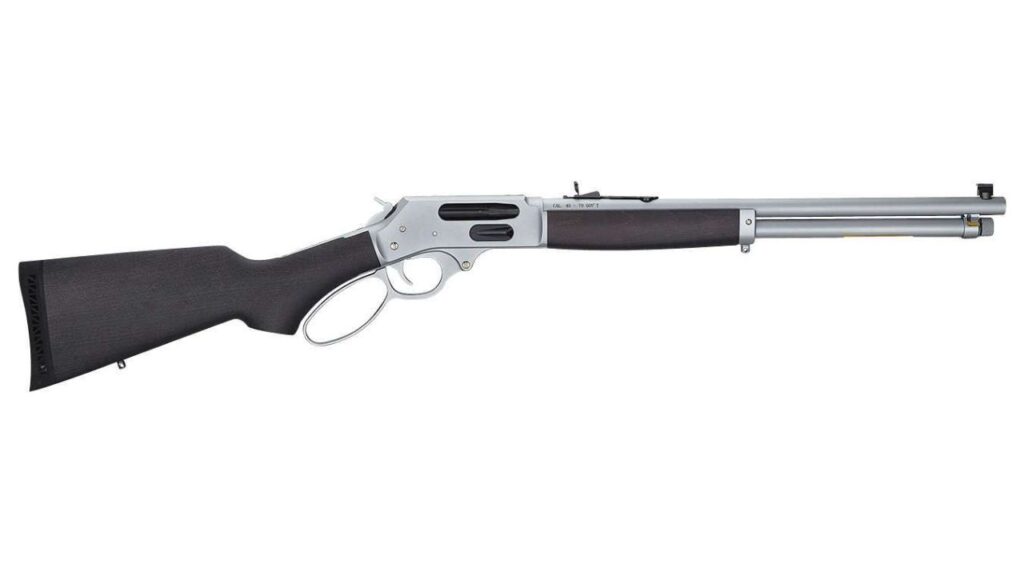
The Henry All-Weather X Model kicks hard, and like other .45-70 rifles, it punishes weaker scopes fast. Lever guns generate a sharp recoil pulse that beats up internal adjustments and stresses mounting systems that aren’t properly torqued.
If you plan to run hot loads, especially Buffalo Bore or similar, budget optics won’t last long. Choosing glass specifically tested for heavy recoil and locking down mounts with thread locker can save you from repeated sighting frustrations.
Ruger Hawkeye African (.416 Ruger)
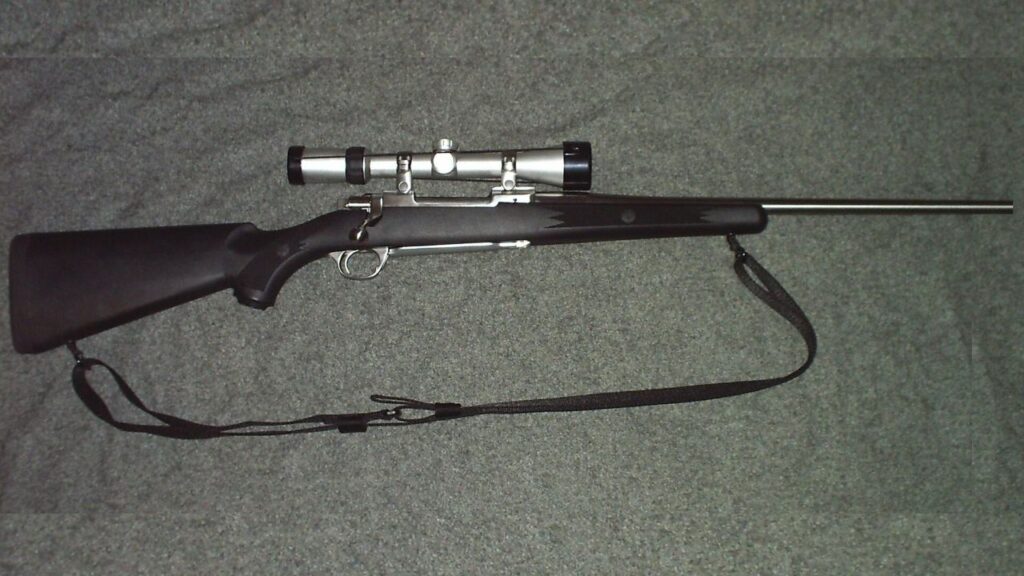
The Ruger Hawkeye African in .416 Ruger is built for stopping dangerous game — and stopping scopes that aren’t ready for the job. Its recoil impulse is short, violent, and capable of shaking apart lighter optics in a few shots.
Shooters who succeed with this rifle invest in shockproof glass, reinforced rings, and bases built for high recoil. Anything less risks broken internals, wandering zeros, and wasted time at the range. If you’re mounting optics here, durability comes before clarity every time.
Savage 212 Slug Gun (12 Gauge)
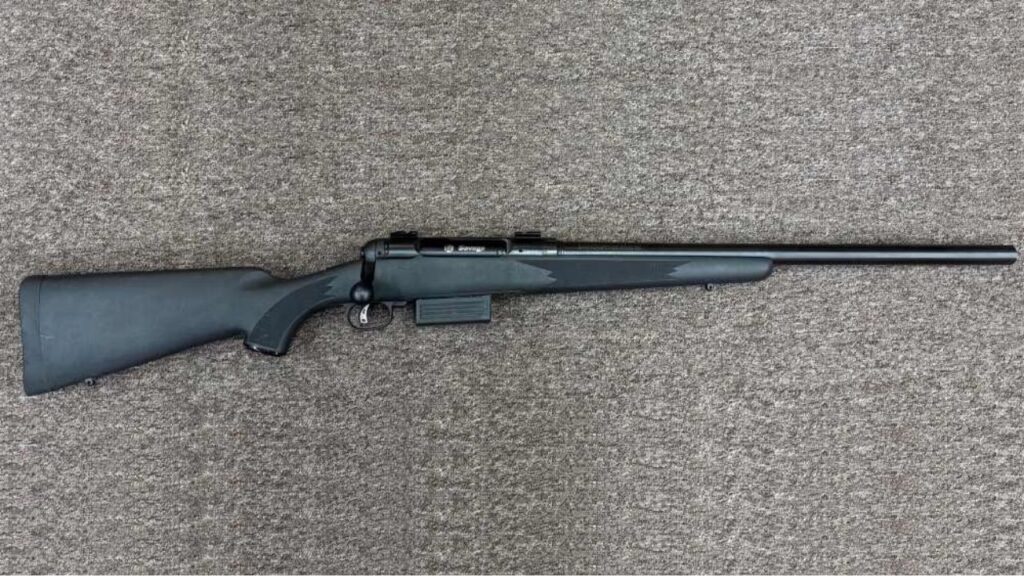
Slug guns like the Savage 212 fire heavy projectiles at lower velocities, producing recoil that’s uniquely damaging to optics. The straight-back push paired with sudden torque often causes cheaper scopes to shift, crack, or fail entirely after a few boxes.
If you plan to hunt with slugs, invest in glass rated for shotguns and heavy recoil. Adding a good rail system with steel rings also helps minimize movement. Without the right setup, expect frequent re-zeroing — or replacing scopes entirely after a handful of outings.
*This article was developed with AI-powered tools and has been carefully reviewed by our editors.