Photo credit: BERETTA9mmUSA/YouTube
Some handguns look like they should be easy to like. They have the right brand, the right size, the right caliber, or one clever feature that makes them seem promising at first. Then you start shooting, carrying, cleaning, or shopping for parts, and the little annoyances start stacking up.
That is what makes these pistols frustrating. Most of them are not total disasters. A few are even interesting. But they all make owners work harder than they should to enjoy them.
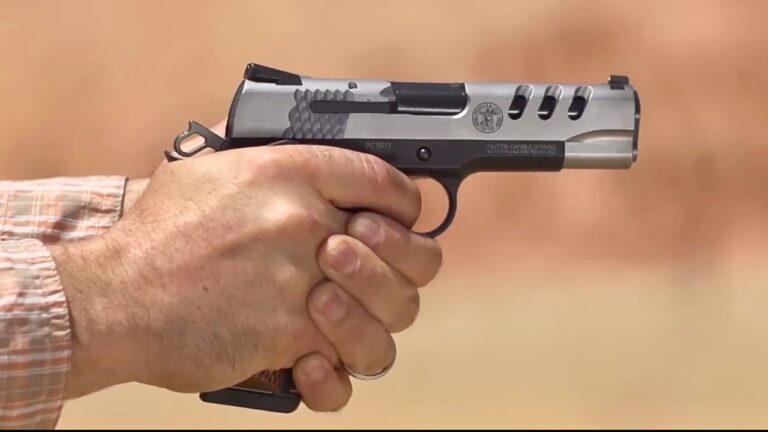
Springfield Armory 911
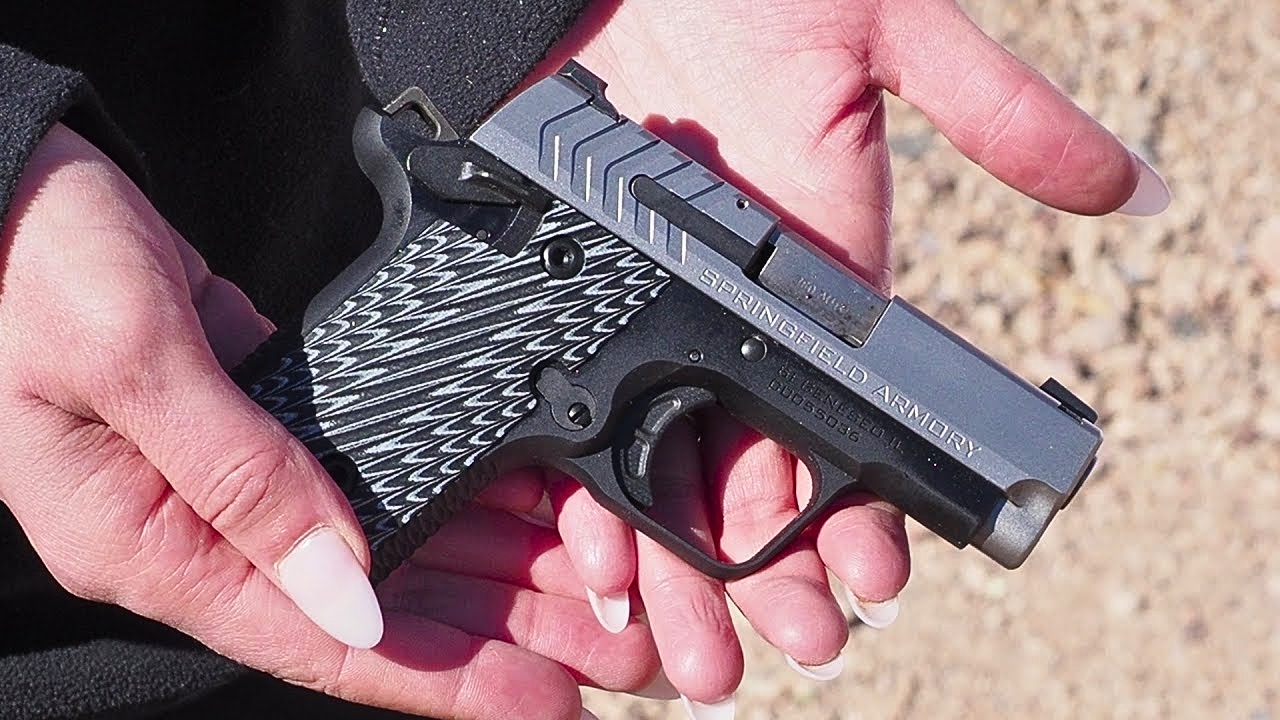
The Springfield 911 should have been an easy pocket pistol to like. It has familiar mini-1911 styling, decent sights for its size, and a carry-friendly frame that makes it feel more serious than a lot of tiny .380s.
The problem is that small single-action pocket pistols ask more from the owner than many people expect. The controls are tiny, the grip is short, and cocked-and-locked carry in that size is not for everyone. It can be a neat little pistol, but newer pocket guns and micro 9mms make it harder to justify the extra attention it demands.
SIG Sauer P290RS
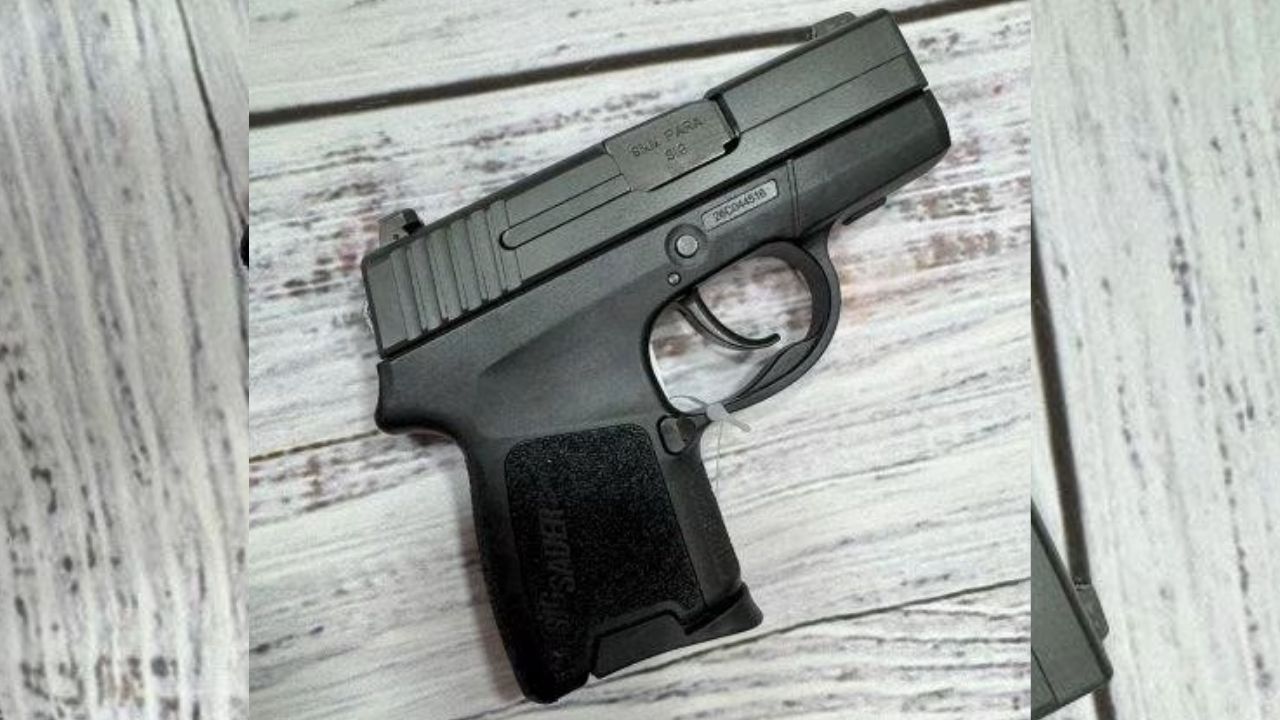
The SIG P290RS had the brand name and the size to attract concealed carriers, but it never felt as lovable as it should have. It was small, solid, and simple, which sounds like a good recipe for a carry pistol.
Then you get into the shooting experience. The double-action-only trigger is long, the pistol feels chunky for what it offers, and the capacity does not impress anymore. It is not a bad little gun, but it lives in that awkward space where it feels too heavy to be tiny and too limited to be satisfying. That makes liking it harder than it should be.
Ruger LC9

The original Ruger LC9 made sense when slim 9mm carry pistols were still finding their footing. It was thin, affordable, and backed by Ruger, which gave buyers a reason to trust it. For carry, it looked like a practical answer.
The long trigger, small grip, and snappy feel made it less enjoyable over time. The later LC9s improved the trigger situation, but the original hammer-fired LC9 could be a chore to shoot well. It served a purpose, but it rarely made people excited to practice. A carry pistol that discourages range time is always harder to like.
CZ 100
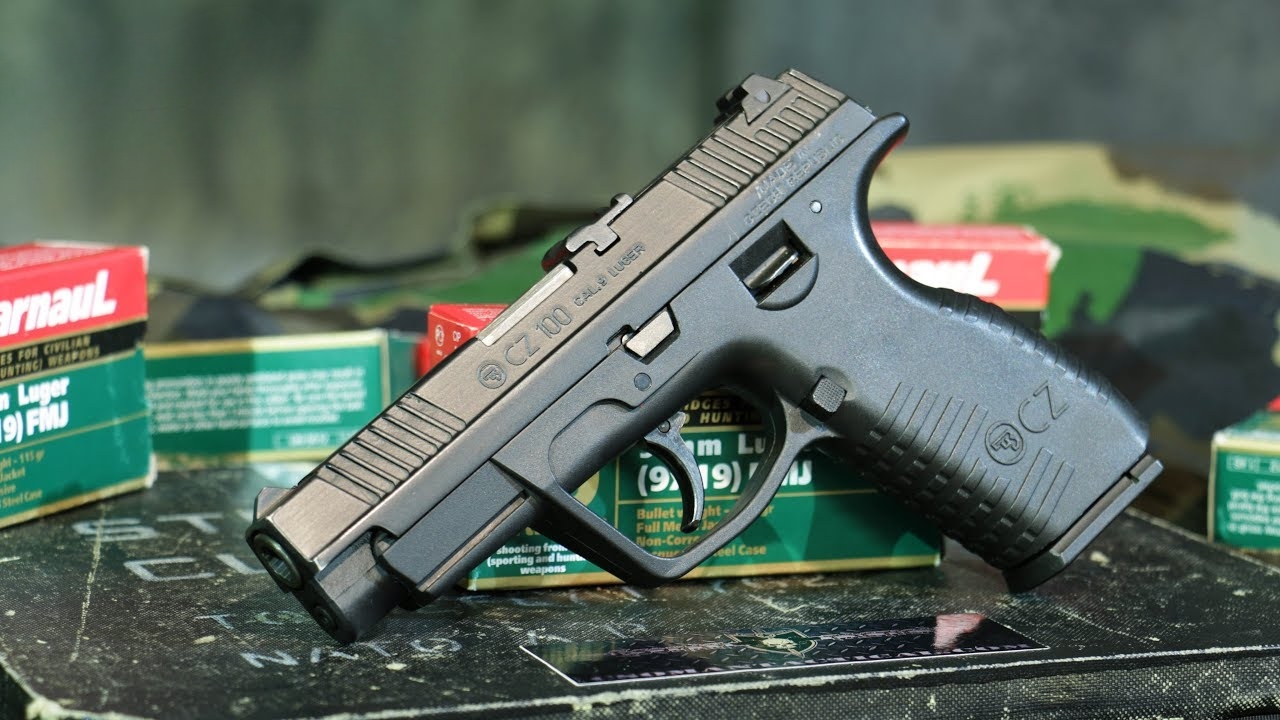
The CZ 100 had one big advantage going in: people expected good things because it wore the CZ name. A polymer striker-fired CZ should have been a stronger entry than it turned out to be. The idea made sense.
The execution is where it gets rough. The trigger is the part most shooters remember, and usually not kindly. It is long, heavy, and hard to love, which drags down the whole pistol. CZ has built plenty of handguns that feel great in the hand. The 100 is frustrating because it feels like it should have been one of them, but never got there.
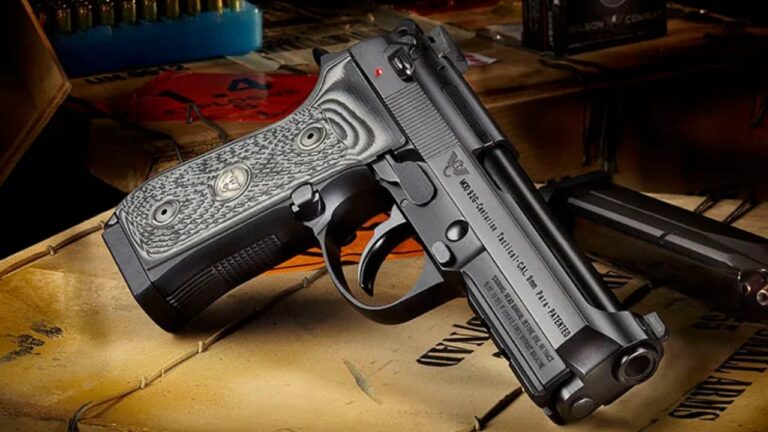
Beretta PX4 Subcompact
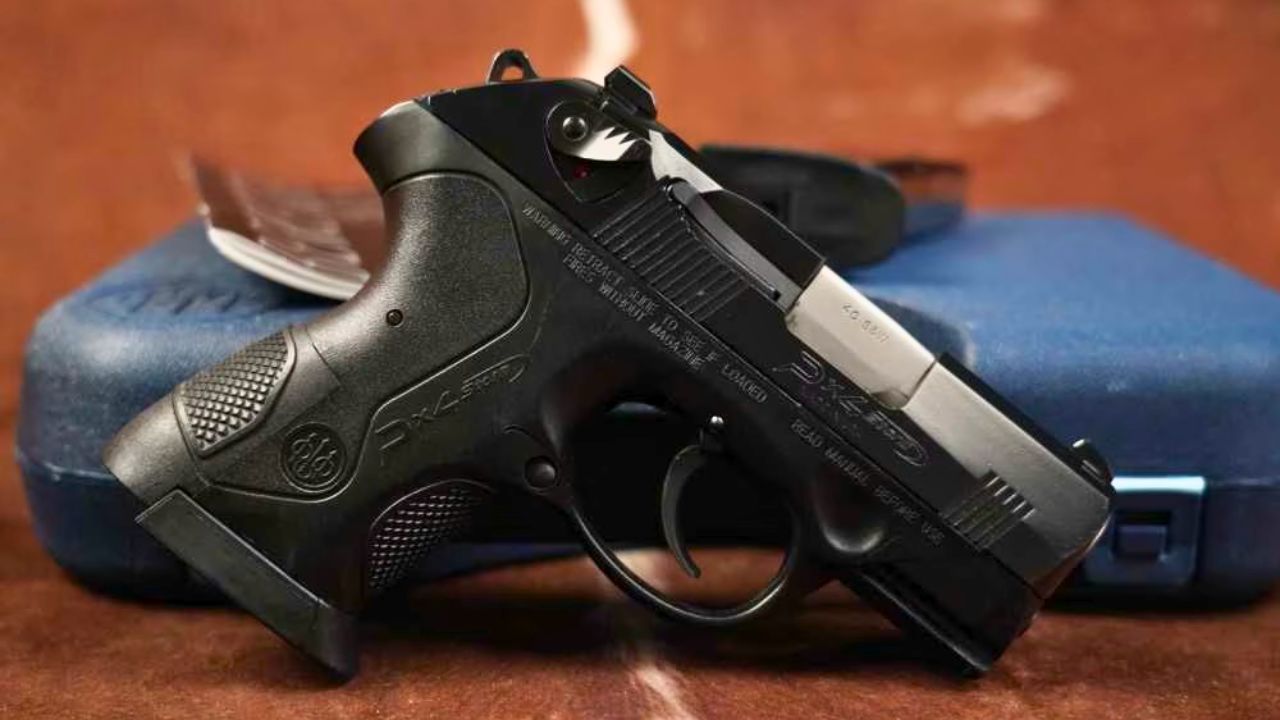
The Beretta PX4 Subcompact sounds better than it feels to some shooters. The larger PX4 models have a reputation for smooth recoil and underrated shootability, so the subcompact version seems like it should carry that same charm into a smaller package.
Instead, it loses some of what makes the bigger guns appealing. The subcompact does not use the same rotating barrel system as the full-size and compact PX4, and the chunky shape makes it feel bigger than expected. It is reliable for many owners, but it is also bulky, odd-looking, and not as smooth as people hope.
Smith & Wesson Bodyguard 380

The Bodyguard 380 is easy to carry and comes from a trusted name, so it should be simple to like. For deep concealment, the size makes sense. It disappears in ways larger pistols cannot.
The problem is what happens when you actually train with it. The trigger is long, the grip is tiny, and the sights are only so helpful on a pistol this small. It is not built for fun range sessions, but you still need to practice with it if you carry it. That is where the Bodyguard starts feeling more useful than enjoyable.
FN 503
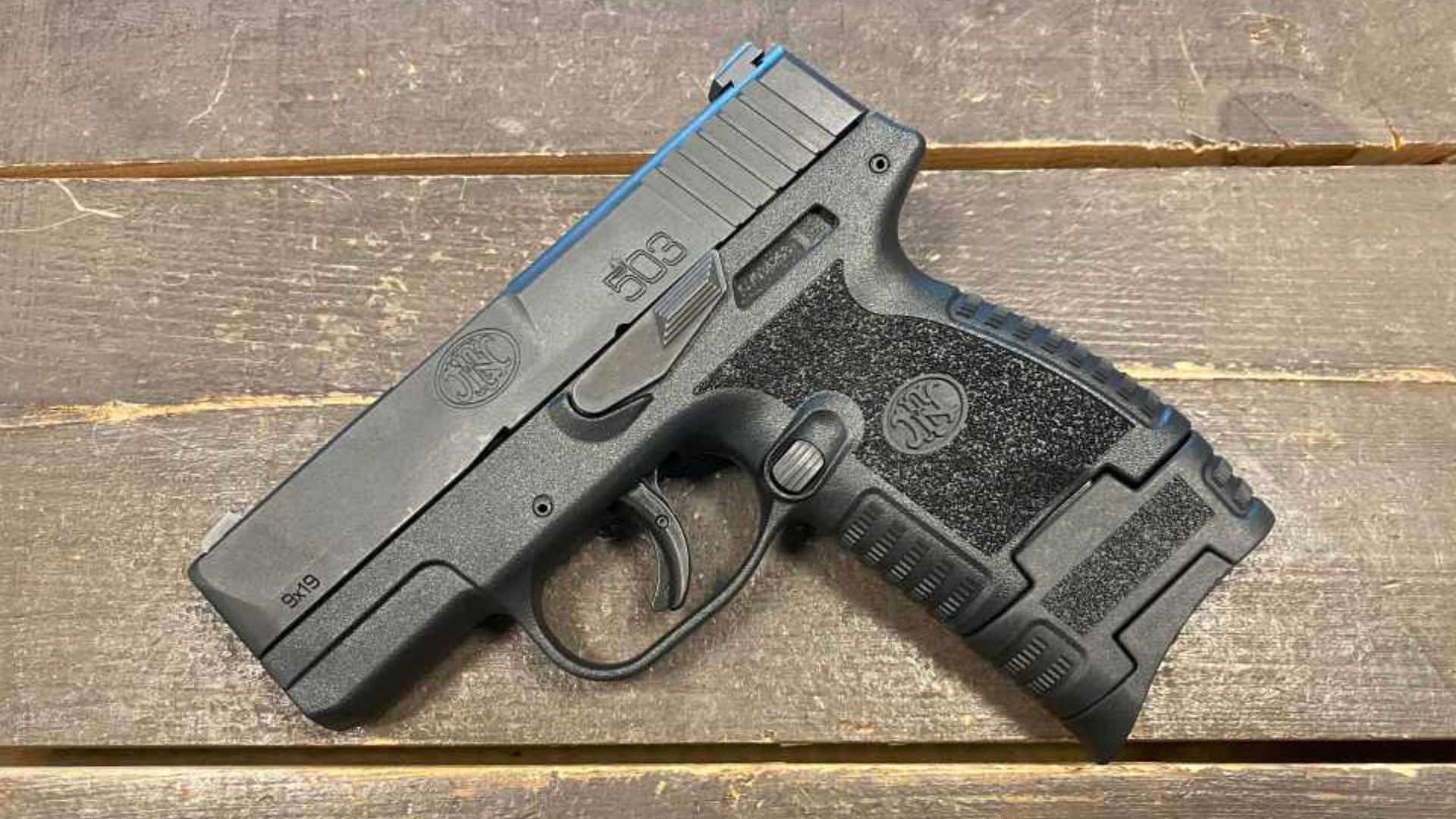
The FN 503 came from a serious company, looked clean, and entered a market that already knew how to build good slim carry pistols. That made it seem like it should have landed harder than it did.
The issue is that it arrived feeling late. Capacity was modest, the market was already shifting toward higher-capacity micro-compacts, and the pistol did not offer enough personality to stand out. It works for some people, but “works” is not enough in a crowded carry market. The 503 is harder to like because better answers were already sitting nearby.
Remington RP45
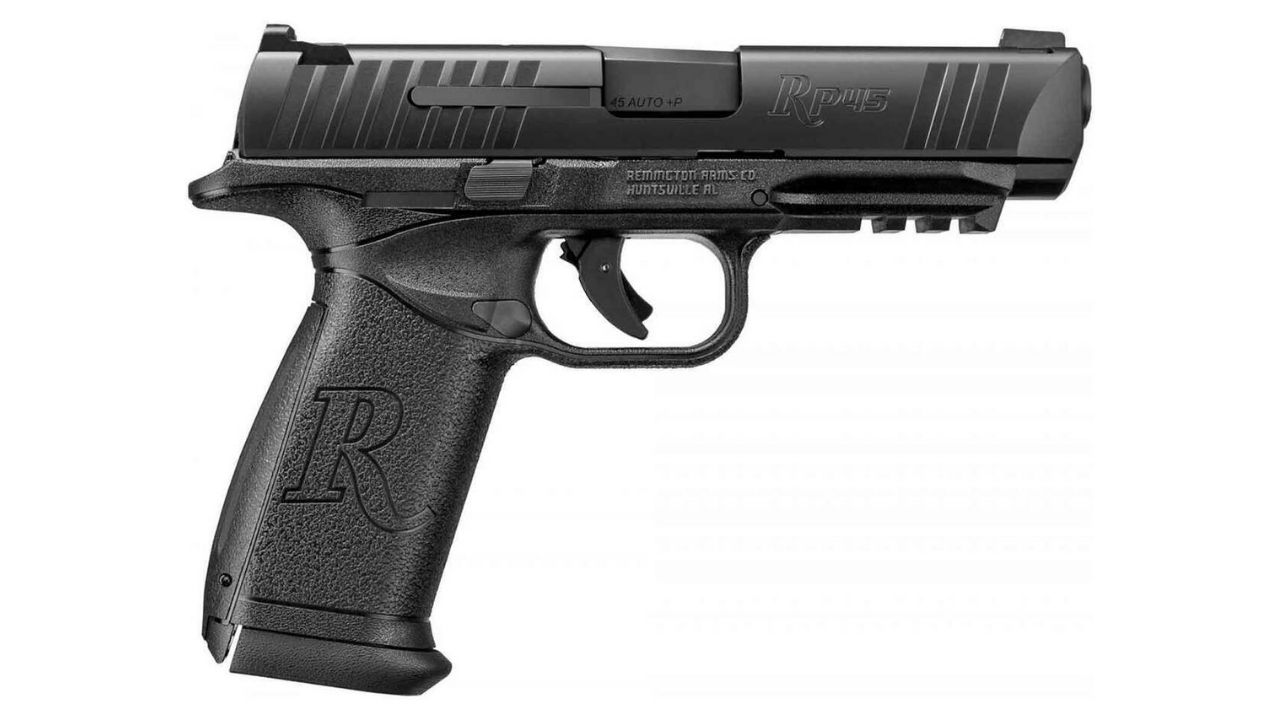
The Remington RP45 looked like it might give buyers an affordable full-size .45 with modern capacity and simple controls. A big American-branded .45 should have had an audience, especially among people who wanted something other than another polymer 9mm.
But the RP45 felt rough around the edges. The grip was large, the trigger was not impressive, and the overall pistol never built much confidence. Full-size .45s need to justify their size, weight, and recoil compared with easier 9mm options. This one did not give owners enough reasons to keep liking it.
Bersa BP9CC

The Bersa BP9CC had a real chance because it was slim, affordable, and striker-fired at a time when buyers wanted easy concealed carry options. It also had a trigger that surprised some people in a good way.
The rest of the pistol was harder to love. The feel, finish, and long-term confidence never matched the best guns in its class. It was not terrible, but it often felt like a shortcut. Once newer budget carry pistols got better, the BP9CC became harder to defend. It was useful, but not the kind of gun that makes you proud to keep it.
Colt All American 2000

The Colt All American 2000 should have been much easier to like. Colt had the name, the market was moving toward modern 9mm pistols, and buyers were ready for something new from a company with that much history.
Instead, the pistol became a lesson in missed opportunity. The trigger, accuracy complaints, and strange feel kept it from earning the trust people expected. It is interesting now because it failed under a famous name, but that does not make it enjoyable. You want to like it because it is a Colt. The gun keeps making that difficult.
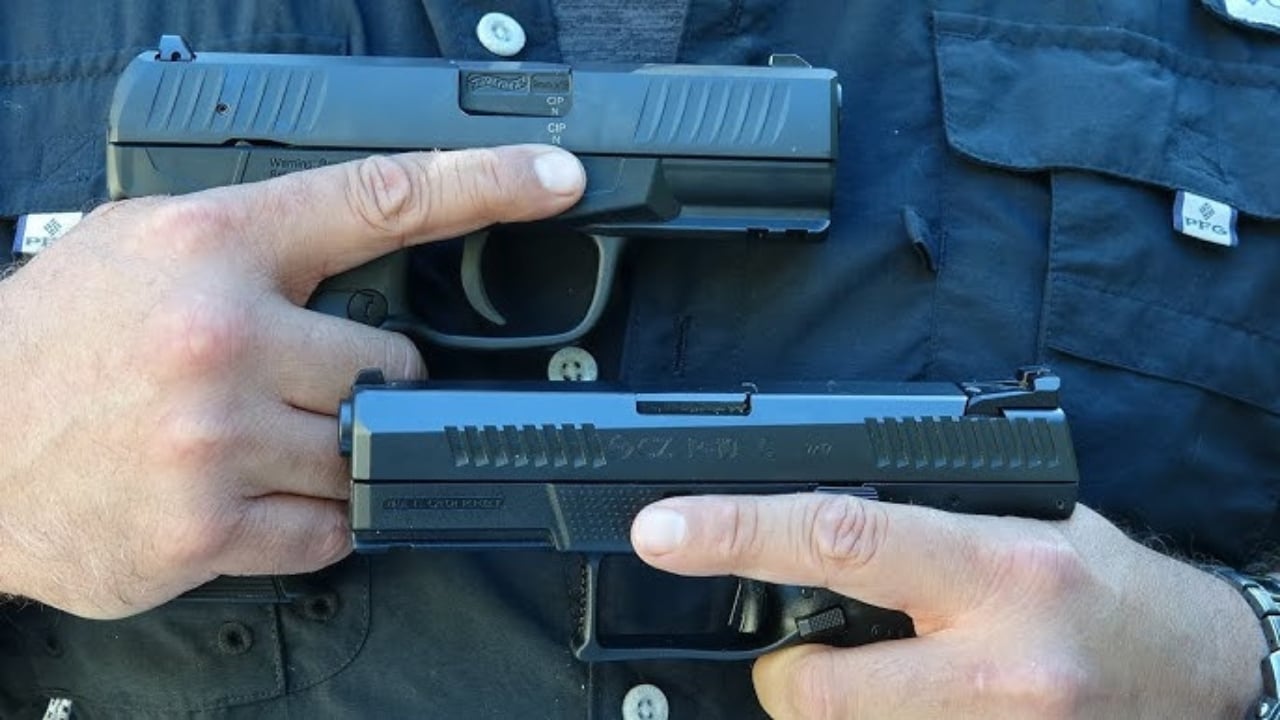
Walther Creed
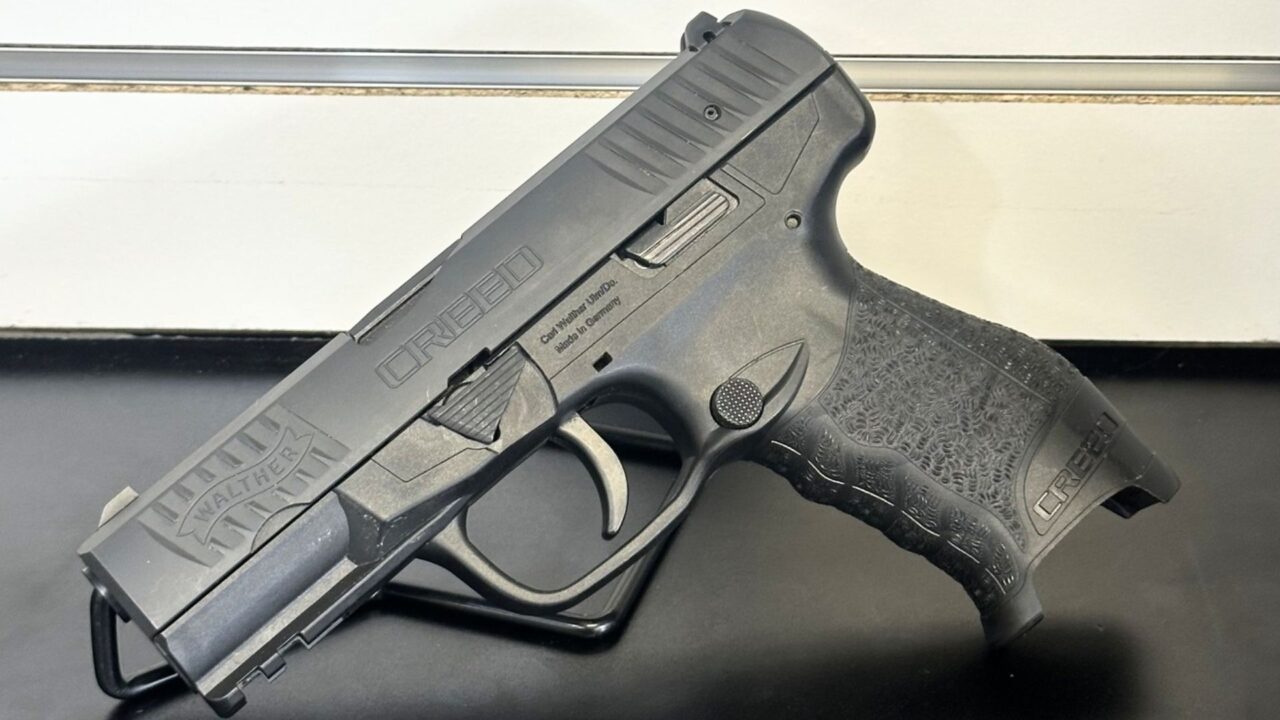
The Walther Creed had the right brand and a reasonable price, which should have made it a smart budget pistol. Walther knows ergonomics, and the Creed felt decent in the hand compared with plenty of cheap full-size handguns.
The problem is that it never felt exciting or especially refined. The trigger system was unusual, the pistol looked plain, and it entered a market full of better-known duty-size options. It can be a serviceable range or home-defense gun, but it does not give you much emotional reason to keep it. Some guns are hard to like simply because they feel forgettable.
EAA SAR B6P

The SAR B6P gives shooters a CZ-style layout at a price that used to look very attractive. That should make it easy to like, especially for people who enjoy hammer-fired pistols and want something affordable.
The problem is that affordability shows in the edges. The trigger, finish, controls, and aftermarket support do not always give the same confidence as the guns it resembles. Some examples shoot well, and owners defend them for good reason. Still, the B6P can feel like a copy that reminds you why the original costs more.
Ruger American Pistol Compact

The Ruger American Pistol Compact was built to be tough and practical, and in that sense it made sense. Ruger clearly wanted a serious duty-style pistol, and the compact version gave buyers something carryable without going tiny.
But the pistol never became especially easy to love. It feels chunky, the styling is plain, and the trigger does not make many shooters excited. It may be durable and reliable, but a handgun also has to make people want to train with it. The Ruger American often feels more respectable than likable.
Mossberg MC2c

The Mossberg MC2c is not a bad pistol, which is why it belongs here. It has decent capacity, a practical size, and enough improvements over the earlier MC1sc to deserve a fair look. On paper, it checks many boxes.
The issue is that it entered a brutal market. Glock, Smith & Wesson, SIG, CZ, Walther, and others already had strong compact options with better support and stronger reputations. The MC2c may run fine, but it has to fight for attention every step of the way. It is harder to like because it gives you few reasons to pick it first.
Browning Black Label 1911-380
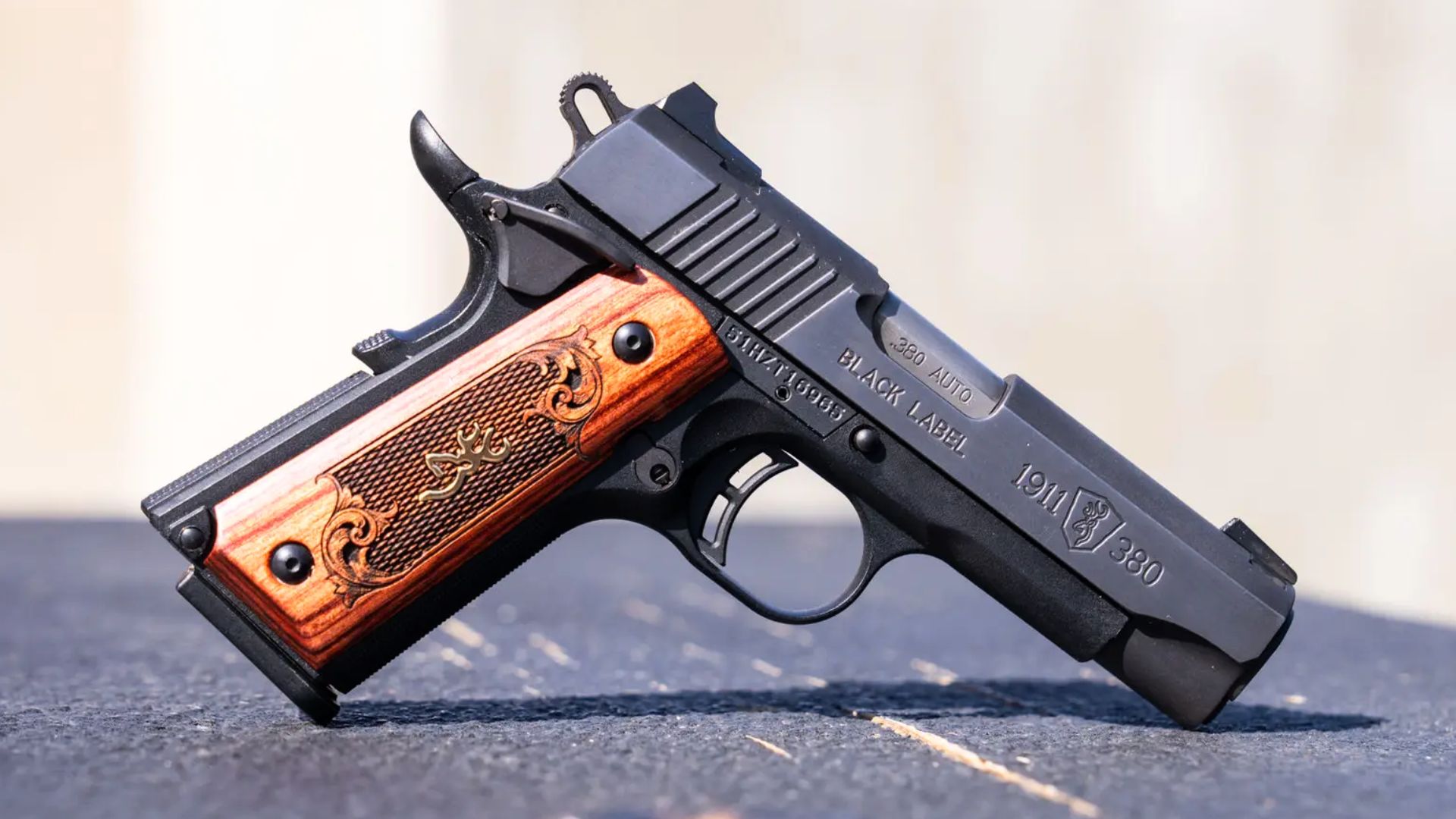
The Browning Black Label 1911-380 is charming at first glance. It has 1911-inspired controls, good looks, and a softer-shooting .380 chambering that makes it approachable. It feels like it should be a fun little pistol.
Then the price and purpose start getting in the way. It is bigger than many .380 carry guns, less powerful than a 9mm, and not cheap enough to feel casual. It can be enjoyable on the range, but it sits in a strange lane. You want to like it because it is neat. You question it because practicality keeps interrupting.
Like The Avid Outdoorsman’s content? Subscribe to our newsletter so you never miss an article.
Here’s more from us: