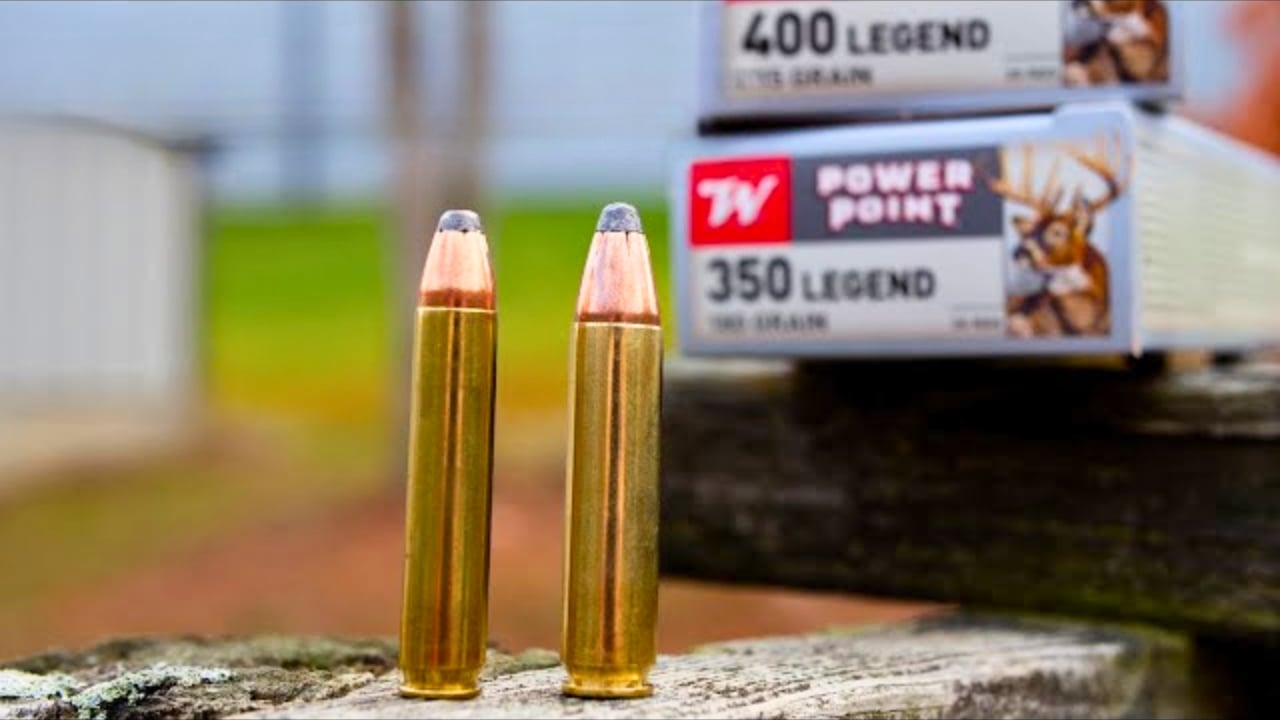
Photo credit: Olde English Outfitters/YouTube
Guides are not usually impressed by a cartridge name. They care about whether the hunter can shoot it well, whether the bullet will hold together, whether the range makes sense, and whether a bad angle turns into a long tracking job. A caliber that looks good on the internet can look a lot worse when a real animal is walking away into dark timber.
Most of these calibers can work in the right hands. That is not the point. The point is that guides see what happens when average hunters bring the wrong rifle, the wrong load, or too much confidence. Even good cartridges can make a guide shake his head when they are used outside their lane. MeatEater has noted that the .243 Winchester can be capable on smaller thin-skinned game, but comes up short as an all-purpose big-game cartridge, especially on larger animals.
.223 Remington

The .223 Remington is the kind of caliber that makes guides nervous before the hunt even starts. It is accurate, light-recoiling, and easy to shoot, which is why hunters keep trying to stretch it into bigger roles. With the right bullet and perfect shot placement, it can work on smaller deer where legal.
The problem is margin. Guides do not want to spend the evening crawling through brush because a small bullet hit a little too far back or did not hold up on a bad angle. The .223 is excellent for predators and range practice. On deer-sized game, it asks the hunter to be more precise than many people are under pressure.
.22-250 Remington
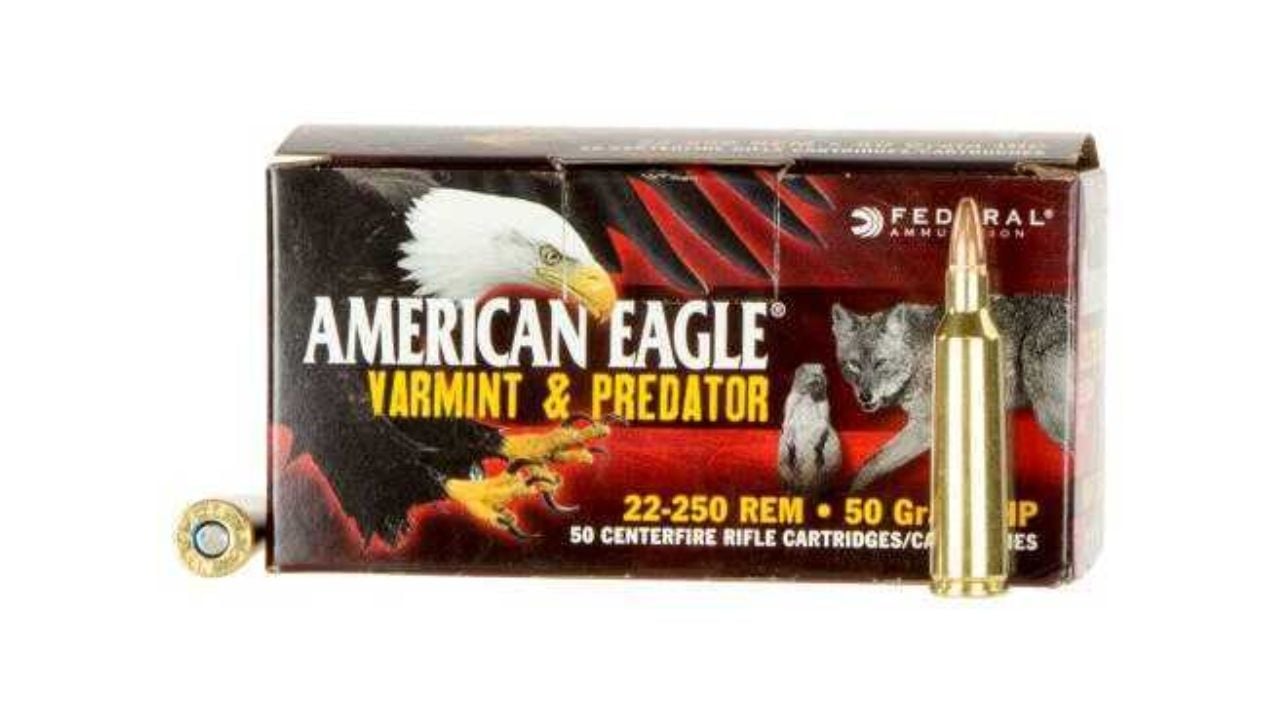
The .22-250 Remington sounds better than .223 because it is fast, flat, and carries more speed. That makes some hunters feel like it should be enough for deer or pronghorn without much discussion. A guide hears that and starts asking what bullet the hunter brought.
Speed alone does not fix light bullet weight. Varmint bullets can be explosive, and even proper hunting bullets still leave less room for error than larger deer cartridges. A guide who has seen blood trails disappear will usually prefer the hunter bring something with more bullet and more forgiveness.
.220 Swift
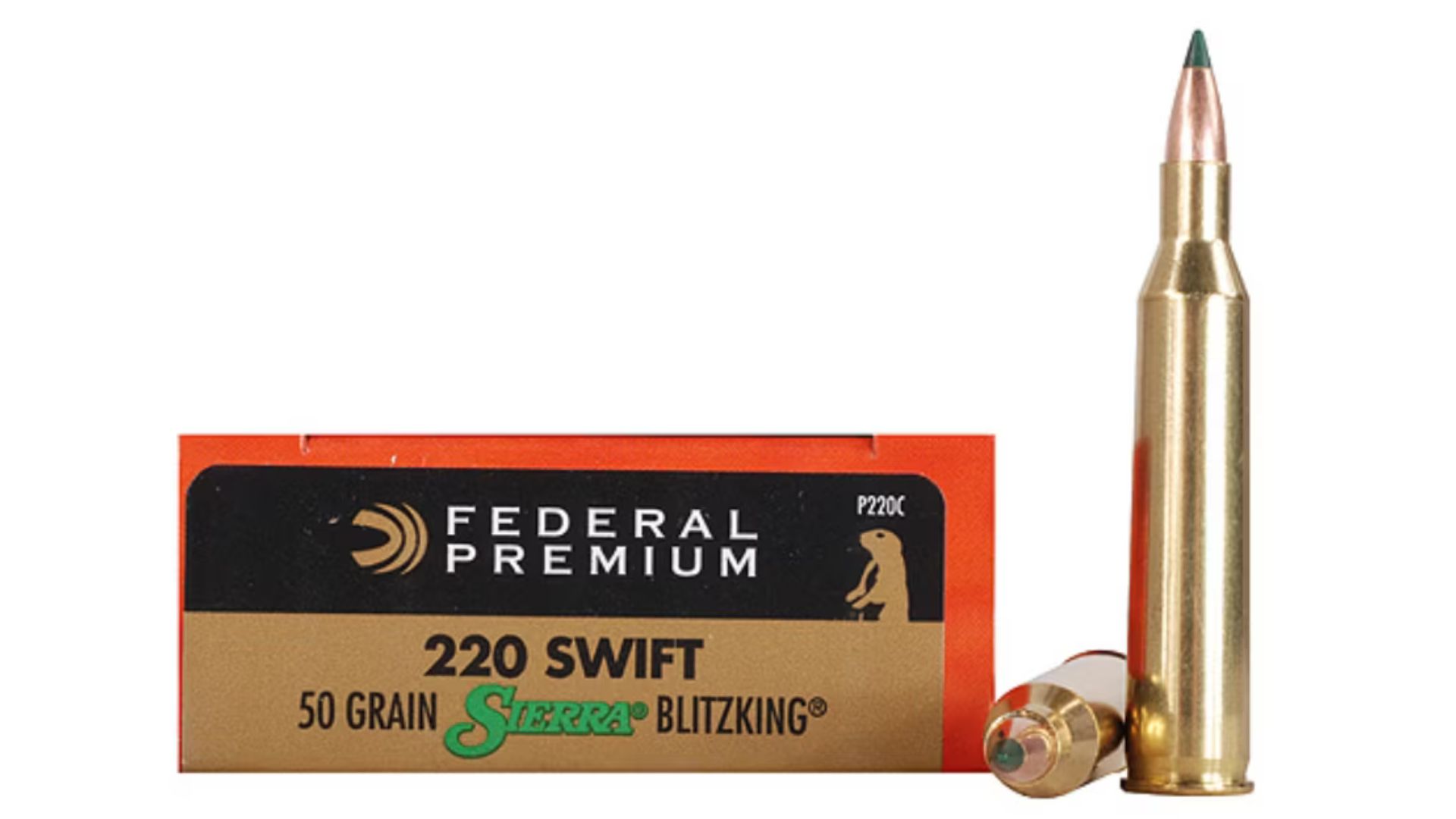
The .220 Swift has the old-school cool factor, and it is still one of the fastest classic .22 centerfires. That speed gets people excited. It also gets people into trouble when they confuse flat trajectory with big-game authority.
Guides shake their heads at it because it is so specialized. It was built around varmint work, not punching through shoulders on deer or antelope at bad angles. A careful hunter with the right bullet can make it work, but most guides would rather not start the hunt with that many conditions attached.
.224 Valkyrie
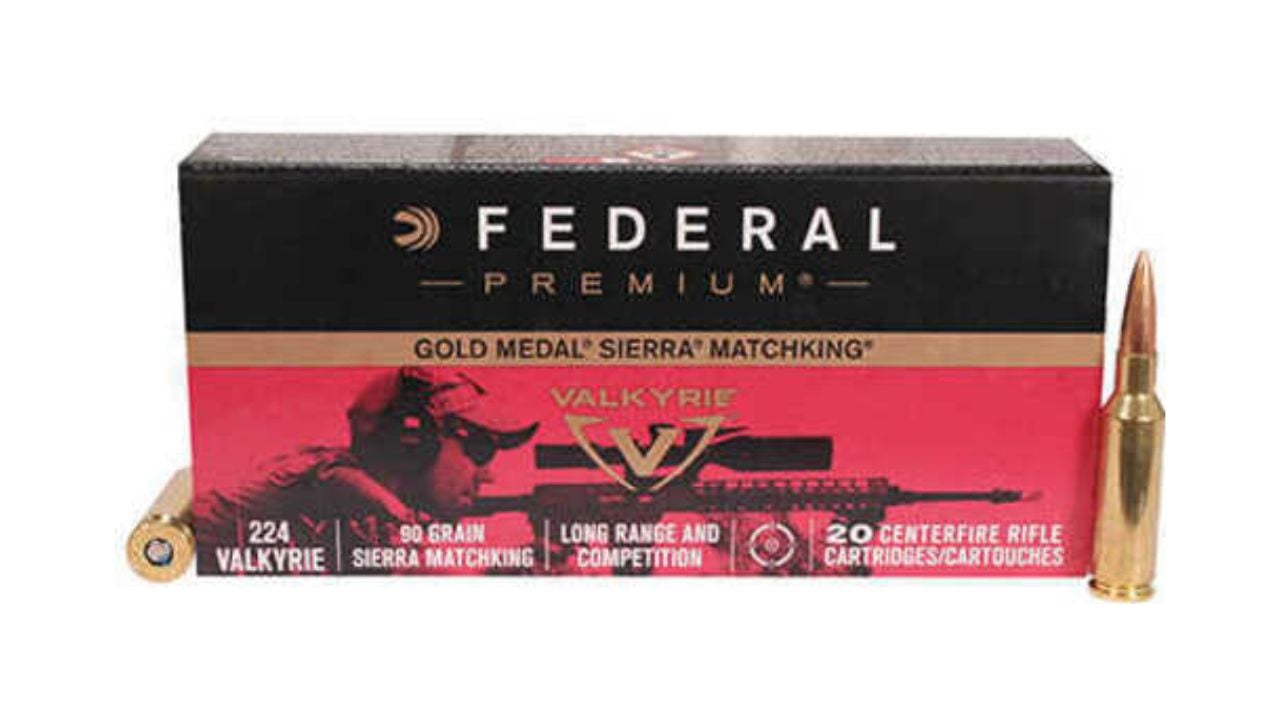
The .224 Valkyrie sounded like it was going to solve a lot of AR-15 distance problems. It promised sleek bullets, better reach, and more energy downrange than standard .223. That made it tempting for hunters who wanted one small-frame AR to do more.
The issue is that guides do not care about the marketing pitch. They care about terminal performance. The Valkyrie may have target appeal, but on big-game hunts it still throws small-diameter bullets and depends heavily on load choice. It is not the cartridge most guides want to see when the animal is larger than coyotes.
.22 ARC
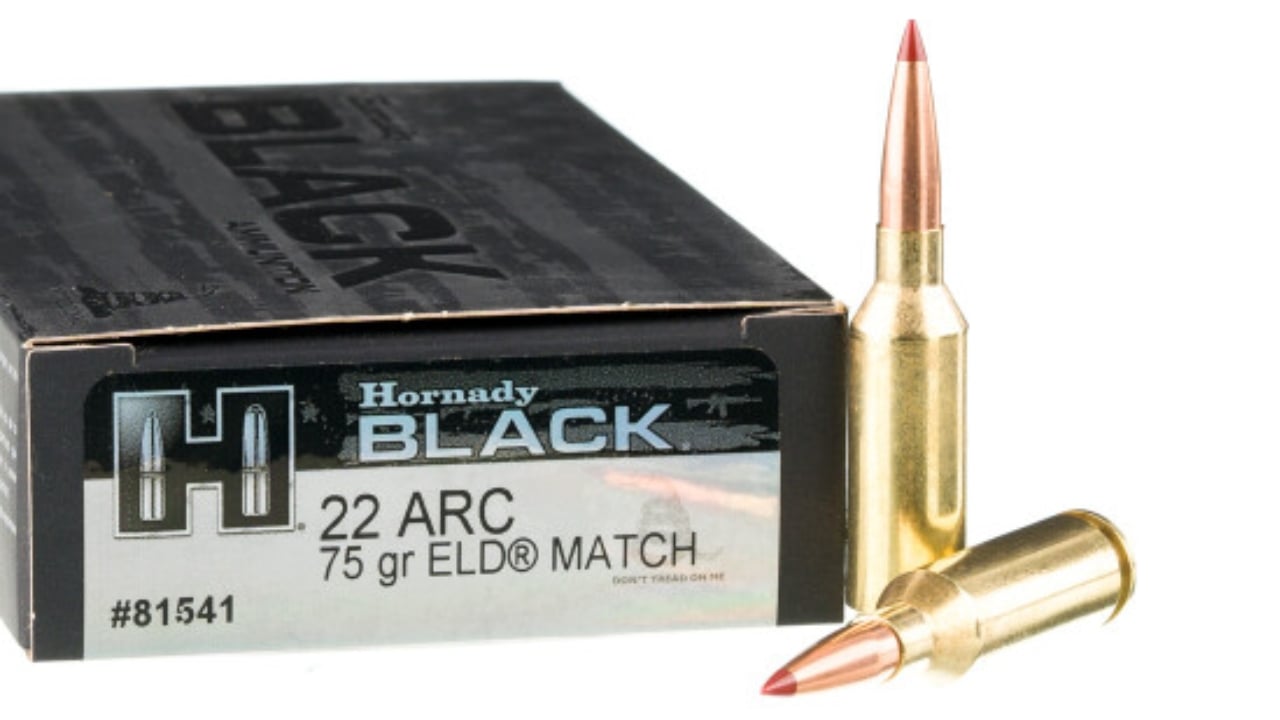
The .22 ARC brings a modern, high-BC idea to the small-frame AR world. It sounds efficient, smart, and more capable than older .22 centerfires. For target shooting and predator work, that can be true.
For guided big-game hunts, it still creates the same concern: small bullets and narrow margin. A guide who has to recover the animal is usually not interested in hearing how good the ballistics look. Unless the hunt is very specific and the bullet is chosen carefully, this is the kind of round that makes guides ask why the hunter did not just bring more rifle.
6mm ARC

The 6mm ARC is accurate, efficient, and genuinely interesting. It gives AR-15 shooters better reach than many older small-frame options, and with the right bullets it has more game potential than the .22-caliber rounds.
But guides can still be cautious. It is not because the cartridge is bad. It is because hunters sometimes treat efficient small cartridges like magic. On deer and antelope, it can make sense with proper bullets and sane ranges. On heavier animals or questionable angles, guides usually want more bullet weight and more authority.
.243 Winchester

The .243 Winchester has killed piles of deer, and no honest hunter should pretend it cannot work. It is mild, accurate, and great for recoil-sensitive shooters. The issue is that guides have also seen the other side of it.
On small deer and pronghorn, the .243 is fine with good bullets. On bigger-bodied deer, elk, or poor shot angles, it starts asking for more perfection. MeatEater’s big-game caliber discussion described it as capable for average whitetails and similar thin-skinned game, but not ideal as an all-purpose big-game cartridge. That is exactly the kind of limitation guides worry about.
6mm Creedmoor

The 6mm Creedmoor is a great target cartridge and can be a capable hunting round with the right bullet. It is accurate, mild, and easy to shoot well. That makes hunters confident.
Guides worry because the cartridge’s popularity comes heavily from the precision world. Target bullets and hunting bullets are not the same thing, and light recoil does not automatically equal clean kills. For deer and antelope, it can work well. For larger game, guides often prefer the hunter step into a 6.5, 7mm, or .30-caliber cartridge with more margin.
6.5 Grendel
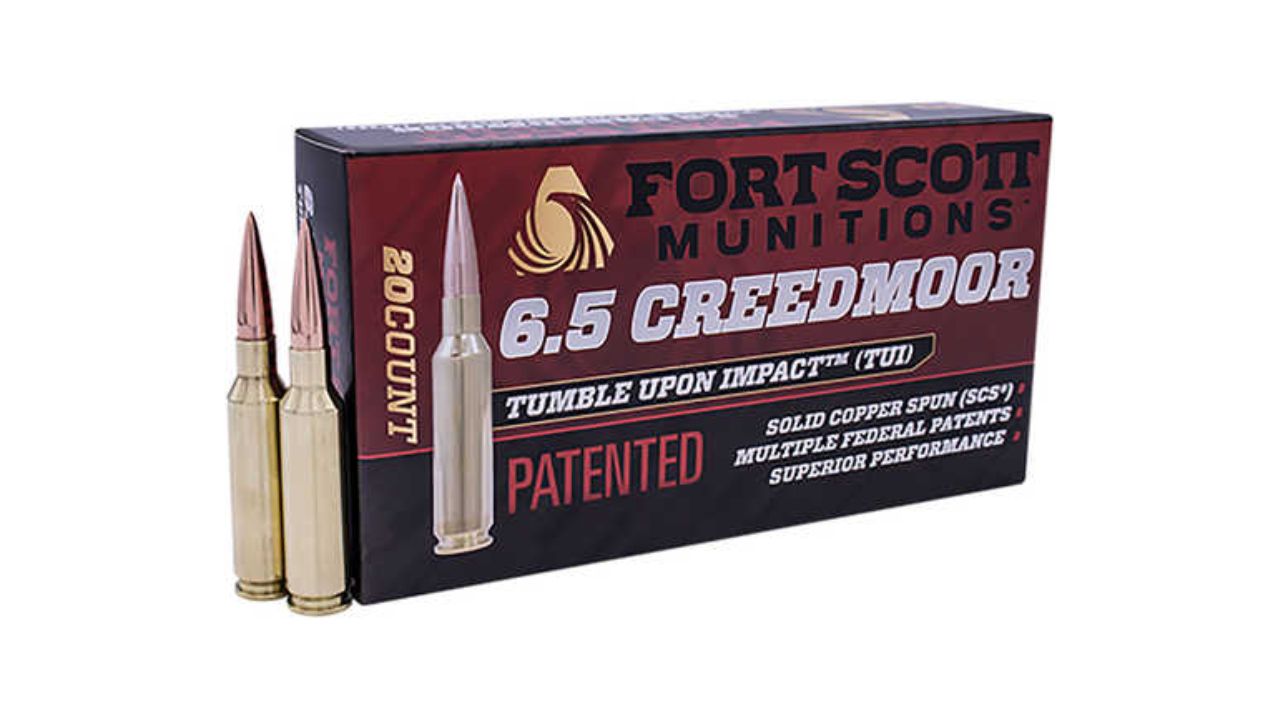
The 6.5 Grendel has a loyal following because it makes the AR-15 platform feel more useful for hunting. It is efficient, accurate, and better than .223 for deer-sized game. Inside reasonable ranges, it can do real work.
The problem is that some hunters expect it to act like a full-size 6.5 hunting cartridge. It does not. Range, bullet choice, and shot angle matter a lot. A guide may not object to it on a close-range deer or hog hunt, but they will shake their head if someone shows up acting like it is a long-range elk rifle.
6.5 Creedmoor on elk

The 6.5 Creedmoor is not a weak cartridge, but it gets used beyond its comfort zone because people trust it too much. It is accurate, mild, and easy to shoot, which are all good things. The problem is when hunters bring it on elk hunts and talk like shot placement is guaranteed.
Elk are big, tough animals, and guides have to think about what happens when the shot is not ideal. Guns & Ammo’s elk-cartridge discussion noted concerns with lighter bullet weight in 6.5s and older .270s for elk, while emphasizing precise shot placement. That is the guide’s issue. The cartridge can work, but it does not give careless hunters a free pass.
.25-06 Remington on elk

The .25-06 Remington is a fine deer and antelope cartridge. It shoots flat, recoils mildly, and works beautifully in open country. That makes some hunters want to push it into larger big-game roles.
Guides get cautious when the animal is elk-sized. The .25-06 can work with premium bullets and careful shot selection, but it does not bring the same bullet weight or frontal area as more traditional elk rounds. A guide does not want a hunter choosing it because it shoots flat while ignoring what happens after impact.
.257 Weatherby Magnum

The .257 Weatherby Magnum sounds like a guide-friendly cartridge because it is fast, flat, and deadly on deer-sized game. In open country, it can be impressive. It also gives hunters a lot of confidence before they ever fire a shot at an animal.
The concern is that speed can create bad expectations. On deer and pronghorn, it shines. On larger animals, bullet selection and shot angle become much more important. A guide may respect the cartridge, but still shake his head if a hunter brings it for animals that call for heavier bullets and deeper penetration.
.270 Winchester with light bullets
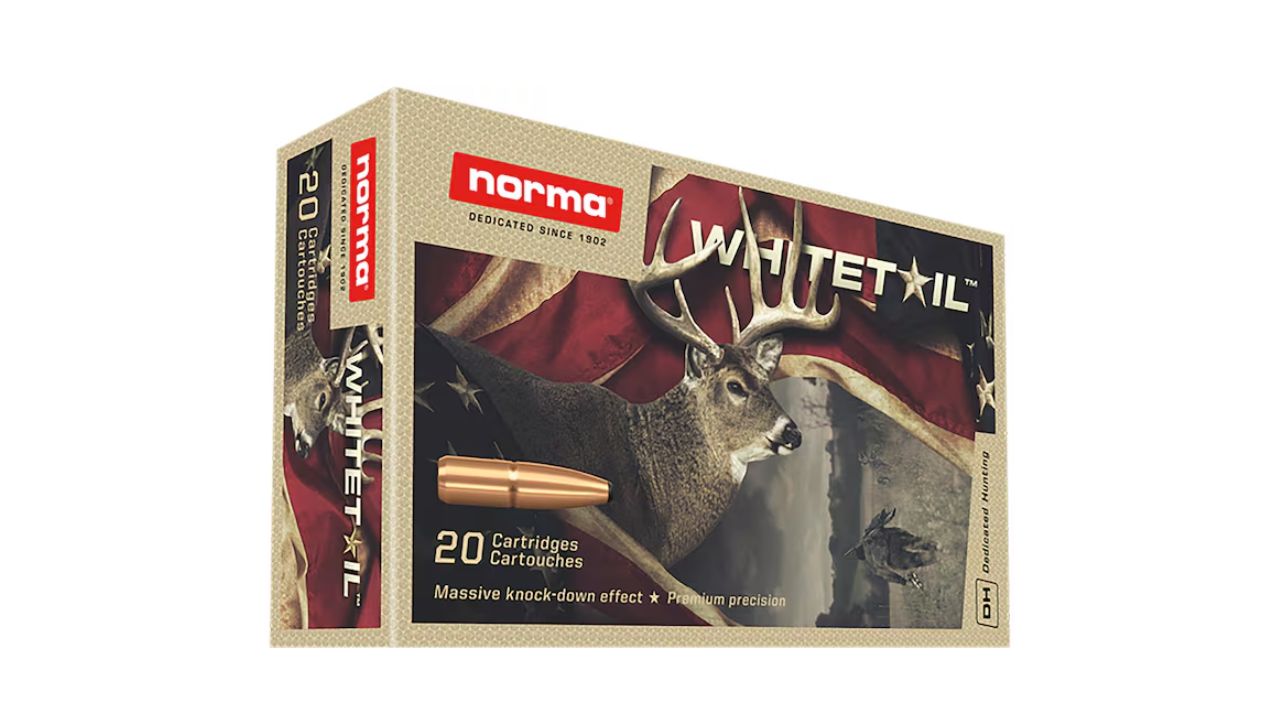
The .270 Winchester is a classic, capable hunting cartridge. Guides do not shake their heads at the .270 itself. They shake their heads when someone brings light, fragile bullets and expects the cartridge’s reputation to fix everything.
A good .270 load with a proper bullet is deadly on deer and very capable on elk in experienced hands. The problem is poor load choice. A guide would much rather see a hunter bring a controlled-expansion 140- or 150-grain load than a light bullet picked only because it shoots flat. Cartridge reputation does not replace bullet construction.
.300 Blackout

The .300 Blackout causes guide frustration because people love what it does in compact suppressed rifles and then try to turn it into a general hunting cartridge. Supersonic hunting loads can work at close range. Subsonic loads are a completely different conversation.
Guides hate narrow margins, and .300 Blackout has plenty of them. Range needs to be close, bullet choice needs to be right, and expectations need to be realistic. It is useful for hogs or close-range deer in the right setup, but it is not a cartridge most guides want to see when shots may stretch or angles get ugly.
7.62x39mm
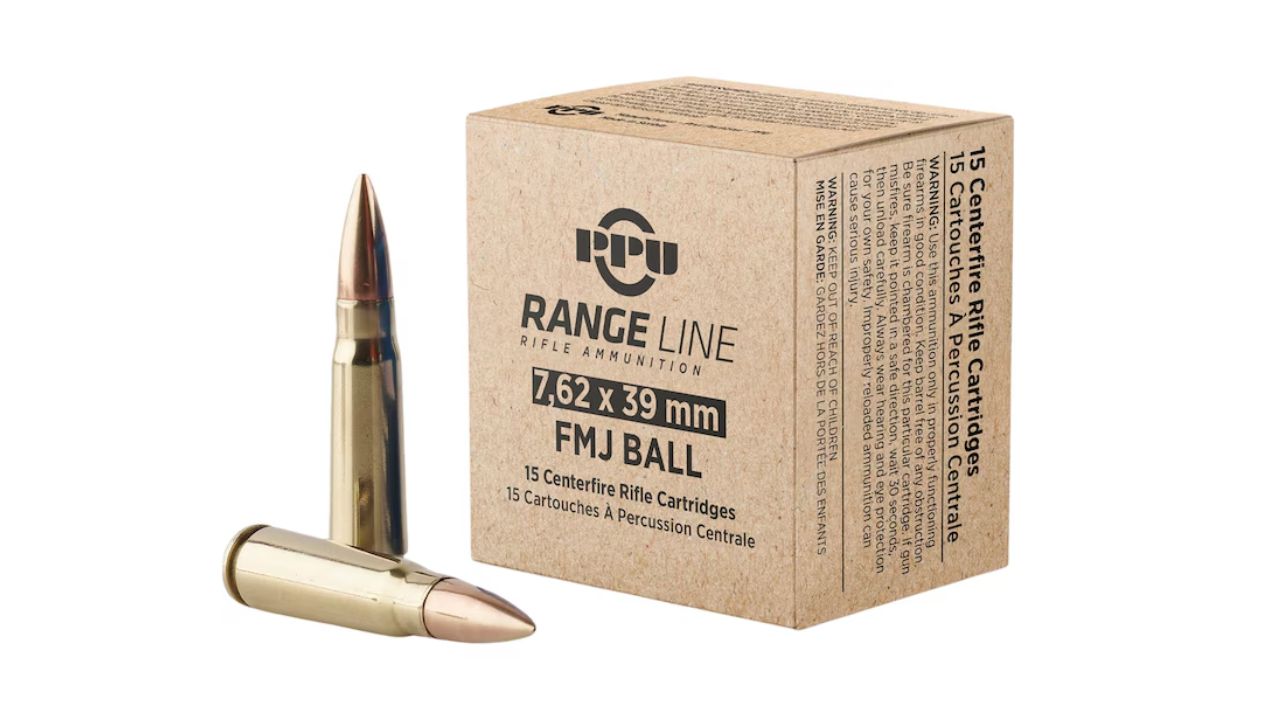
The 7.62x39mm sounds like a practical close-range hunting round because it hits harder than .223 and often comes in handy rifles. With good soft-point ammunition and realistic distance, it can take deer and hogs.
Guides shake their heads when hunters show up with cheap ammo, questionable accuracy, or military-style loads that were never meant for clean game performance. The cartridge itself is not the whole problem. The rifles, loads, and expectations around it often are. A guide wants predictable bullets, not bargain ammo and hope.
.350 Legend at stretched ranges
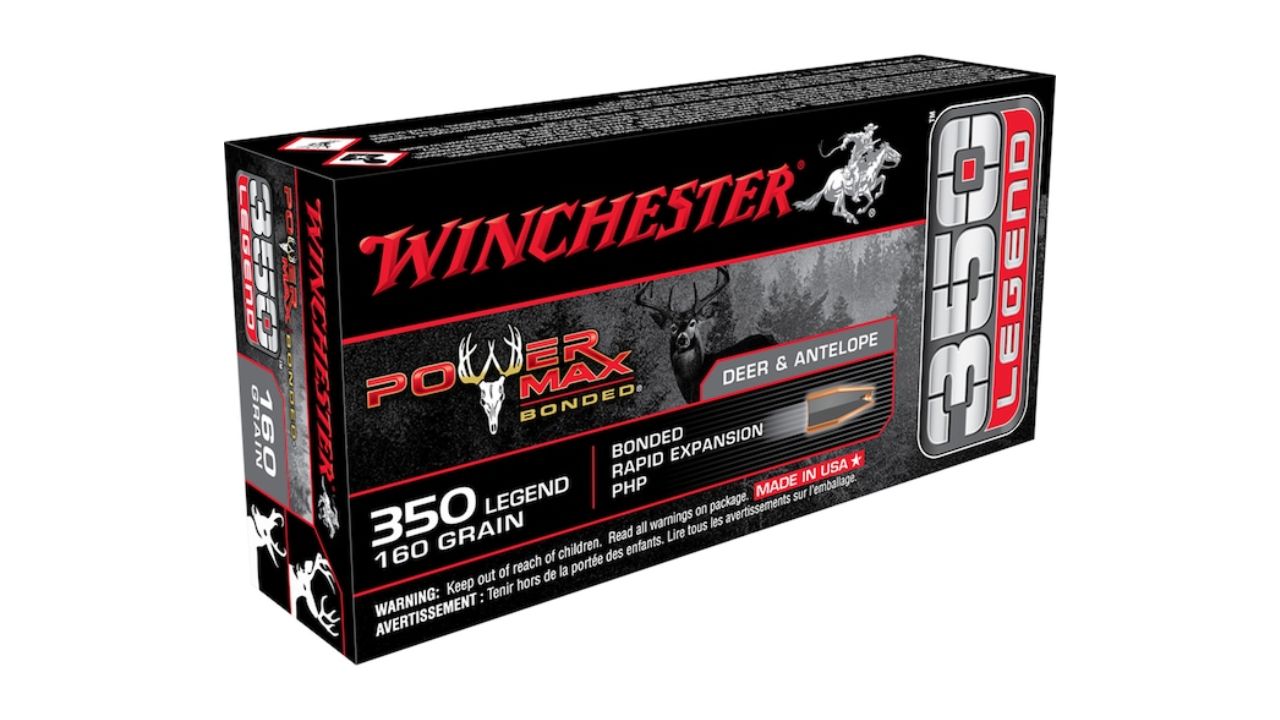
The .350 Legend has a clear place in straight-wall states. It is mild, affordable, and useful for deer inside reasonable distances. Guides do not hate it when it is used for the job it was built to do.
They shake their heads when hunters stretch it too far. The cartridge is not a long-range deer hammer, and bullet performance matters. In states where bottleneck rifle cartridges are legal, many guides would rather see a hunter bring something flatter and more proven. The .350 Legend solves a legal problem, not every hunting problem.
.360 Buckhammer
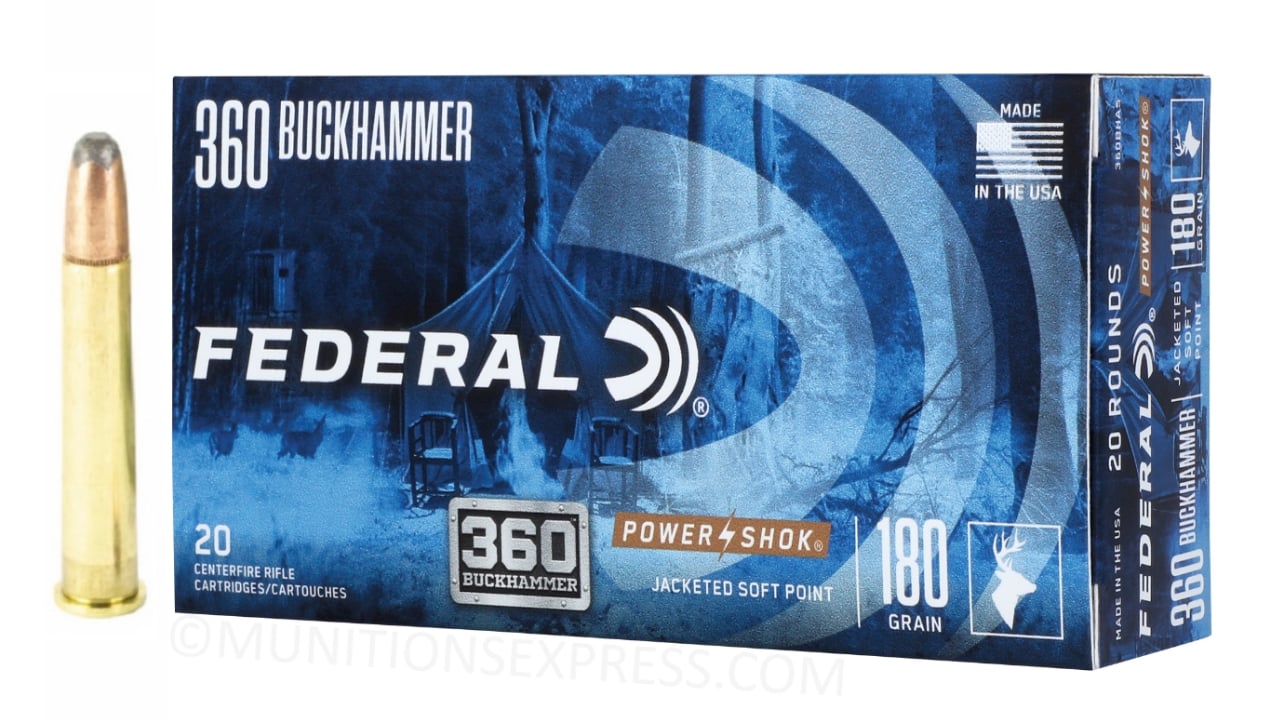
The .360 Buckhammer sounds like something a guide would love just from the name. It sounds aggressive, woods-ready, and built to hit deer hard. In the right straight-wall hunting setup, it can be useful.
The concern is support. Rifle choices and ammo availability are still limited compared with more established deer cartridges. Guides tend to trust what is common, tested, and easy to replace when something goes wrong. A cartridge can be promising and still make a guide nervous if the hunter only has one box of ammo and no backup plan.
.400 Legend
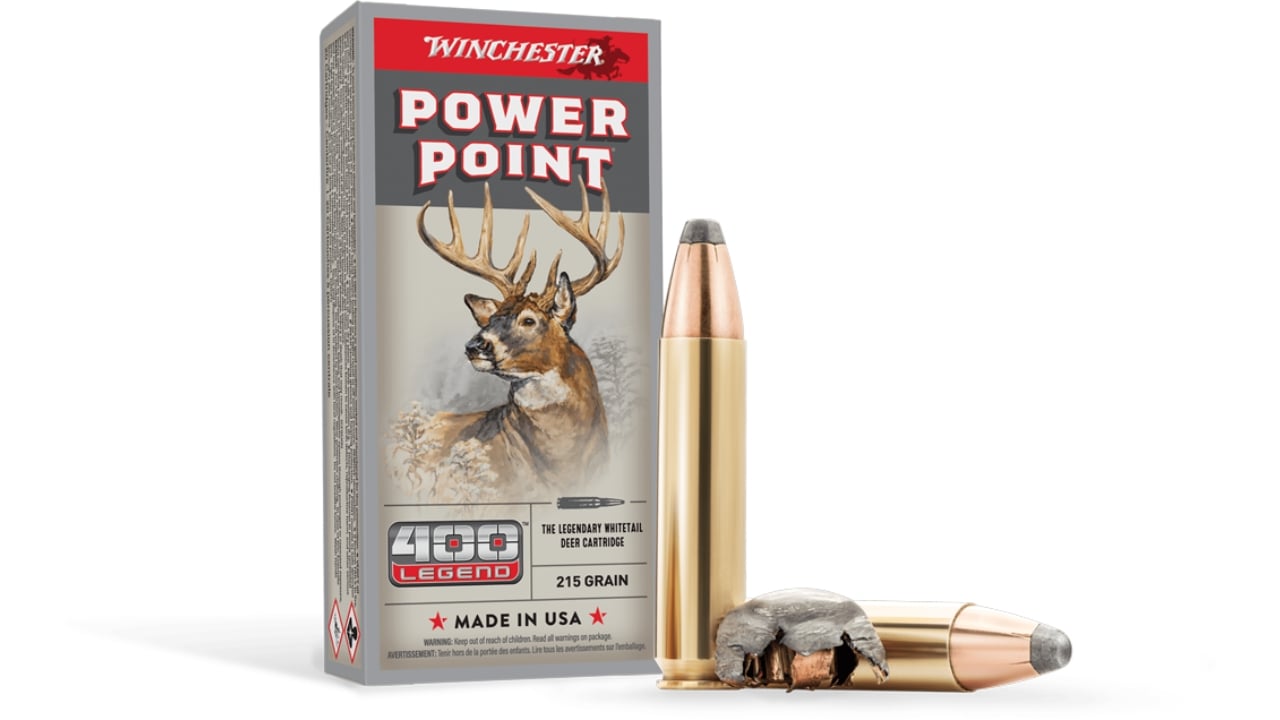
The .400 Legend gives straight-wall hunters another big-bore option, and it sounds like a nice middle ground between milder rounds and heavier thumpers. It has a real purpose in the right states.
Guides may still hesitate because newer straight-wall cartridges need time to prove themselves across rifles, loads, and real hunts. The cartridge may turn out fine, but early adopters often bring unknowns into camp. Guides are not usually excited about unknowns when wounded deer can cross property lines and vanish into cover.
.450 Bushmaster
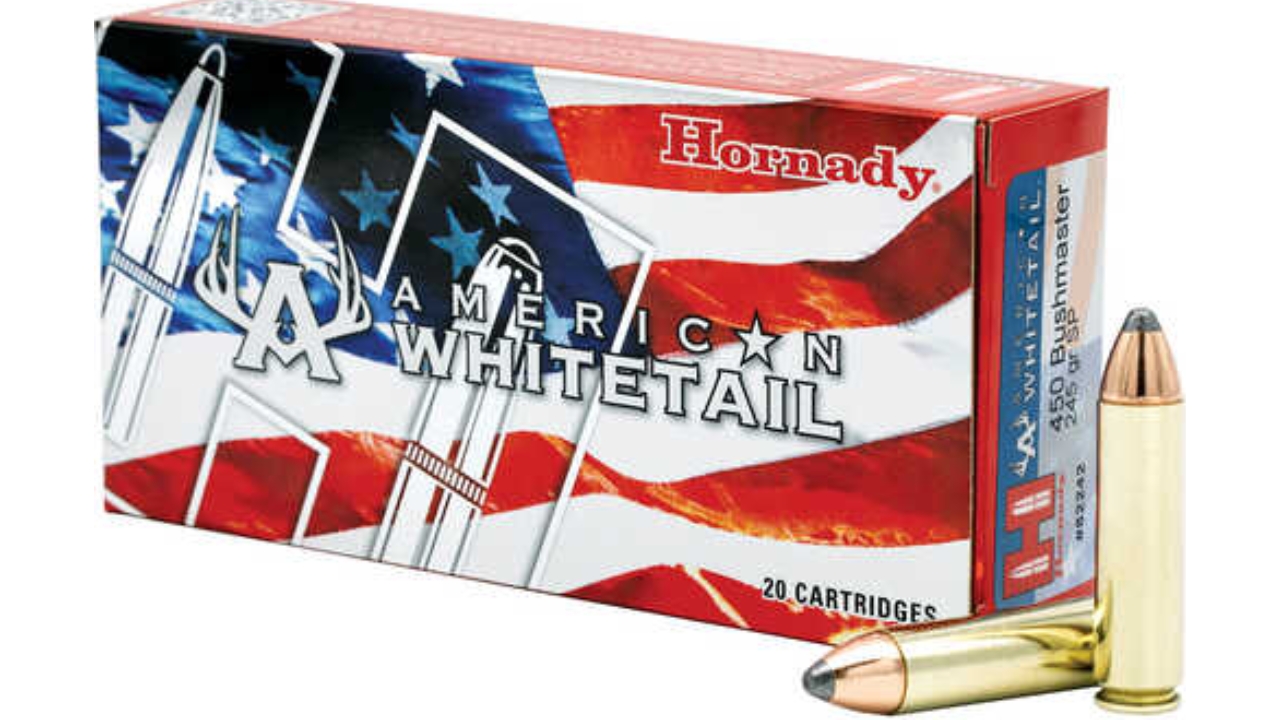
The .450 Bushmaster hits hard, and that is why hunters buy it. In straight-wall areas, it has earned a real following and can be very effective. Reports from Michigan’s limited-firearms-zone history show how quickly it became popular as a mid-range deer option after affordable bolt-action rifles appeared.
Guides still shake their heads when the hunter cannot shoot it well. Recoil, blast, and arched trajectory matter. A cartridge that hits hard does not help if the shooter flinches or misjudges distance. Many hunters would be better with a milder round they can place cleanly.
.45-70 Government with the wrong load

The .45-70 Government is powerful, historic, and completely legitimate in the right rifle. Guides do not dismiss it. What makes them shake their heads is the wrong load for the wrong hunt.
Light cowboy loads, heavy bear loads, hard-cast bullets, soft expanding bullets, and modern high-pressure loads all behave differently. A hunter who just says “I brought a .45-70” has not answered the important question. Guides want to know what bullet, what velocity, what range, and what animal. The cartridge name alone is not enough.
.300 Remington Ultra Magnum

The .300 RUM looks like a serious guide-approved cartridge because it brings speed, power, and long-range potential. In capable hands, it can be excellent. The problem is the “capable hands” part.
Guides see too many hunters bring hard-kicking magnums they do not shoot well. The .300 RUM can punish people from the bench, make practice expensive, and create flinches before the hunt starts. More power is not useful if the hunter cannot place the shot. A .30-06 or .300 Win. Mag. that the hunter shoots well is often a better camp rifle.
.338 Lapua Magnum

The .338 Lapua Magnum sounds impressive anywhere it goes. Long-range reputation, big energy, and military-style credibility make it feel like a serious hunting answer. Guides usually see something else: too much rifle for most clients.
It is heavy, expensive, loud, and unnecessary for most guided big-game hunts. Unless the hunter is highly skilled and the hunt truly calls for it, the .338 Lapua brings more complication than benefit. A guide would rather see a familiar rifle the client shoots confidently than a giant cartridge chosen to impress people.
Like The Avid Outdoorsman’s content? Subscribe to our newsletter so you never miss an article.
Here’s more from us: