Photo credit: GY6vids/Youtube
Every gun has fans, and some fans will defend their favorites through almost anything. A rough trigger gets called “character.” A picky magazine gets blamed on ammo. A failure gets written off as break-in. Sometimes that loyalty is earned. Sometimes it starts sounding like excuse-making.
A firearm doesn’t have to be perfect to be useful, but certain problems are hard to ignore once enough owners run into them. These are the guns that became harder to defend after the flaws showed up in real use.
Remington R51
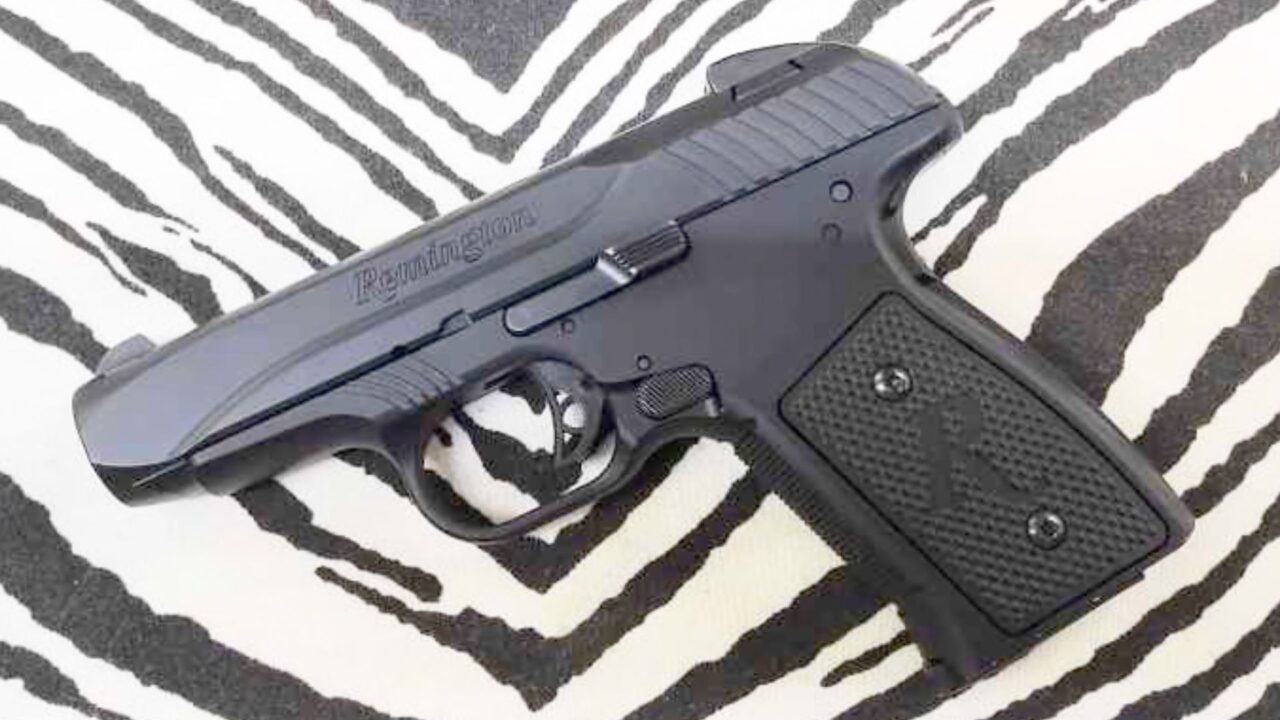
The Remington R51 had a lot of people wanting it to succeed. The original design had history, the revived version looked sleek, and the low bore axis made it seem like a smart alternative to the usual compact carry pistols. On paper, it had personality in a market full of pistols that all looked too similar.
Then the early guns hit the real world. Reports of feeding issues, extraction problems, poor fit, rough function, and eventually a major recall badly damaged confidence. Remington tried to fix things with later production, but trust is hard to win back in a carry pistol. Once a defensive handgun earns a reputation for being unreliable, even loyal fans have a hard time defending it without adding a long list of qualifications.
Kimber Solo
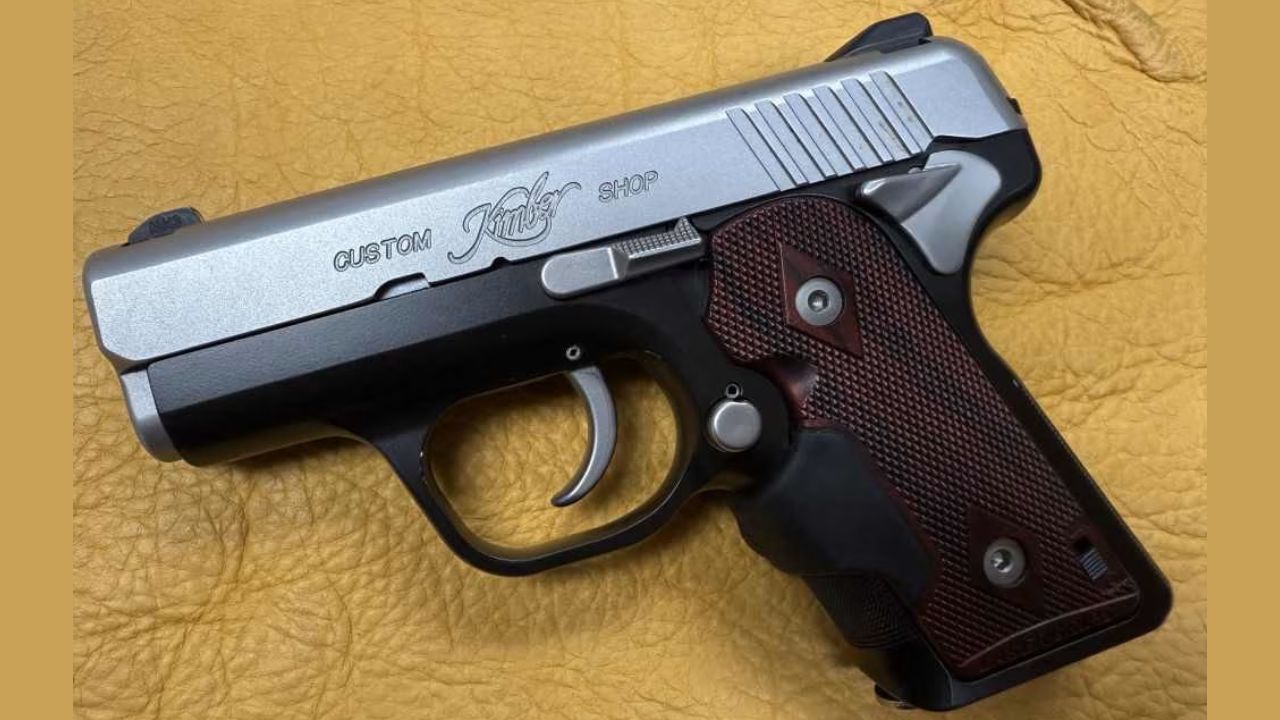
The Kimber Solo looked like a premium micro 9mm before that category fully matured. It was stylish, compact, metal-framed, and carried a level of polish that made cheaper pocket guns look rough. For buyers who wanted a small carry pistol with nicer lines, it seemed easy to defend at first.
The trouble was that too many owners found it picky. Ammunition sensitivity, grip sensitivity, and reliability complaints made the Solo hard to recommend broadly. Kimber’s guidance around using certain premium loads didn’t help its case with shooters who wanted a carry gun that would run boringly well with common defensive ammunition. Some examples worked fine, but a pistol that requires too many caveats becomes hard to defend when simpler competitors run with less drama.
Taurus Curve
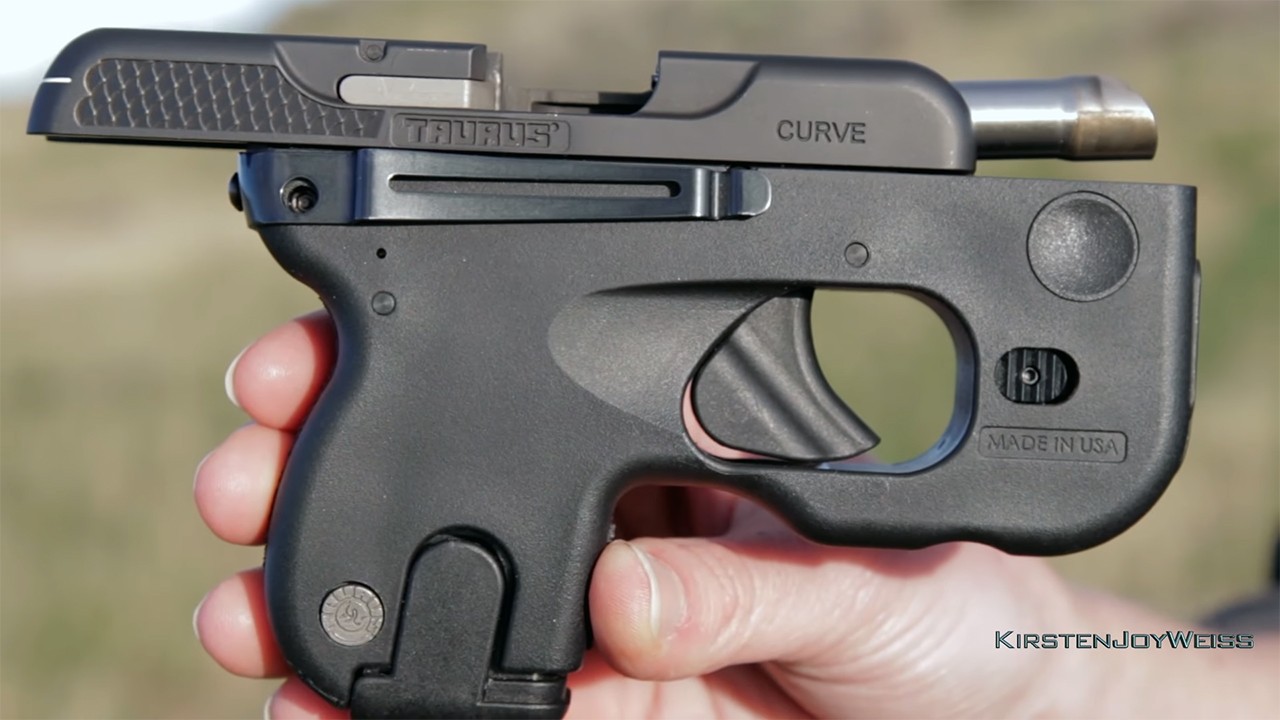
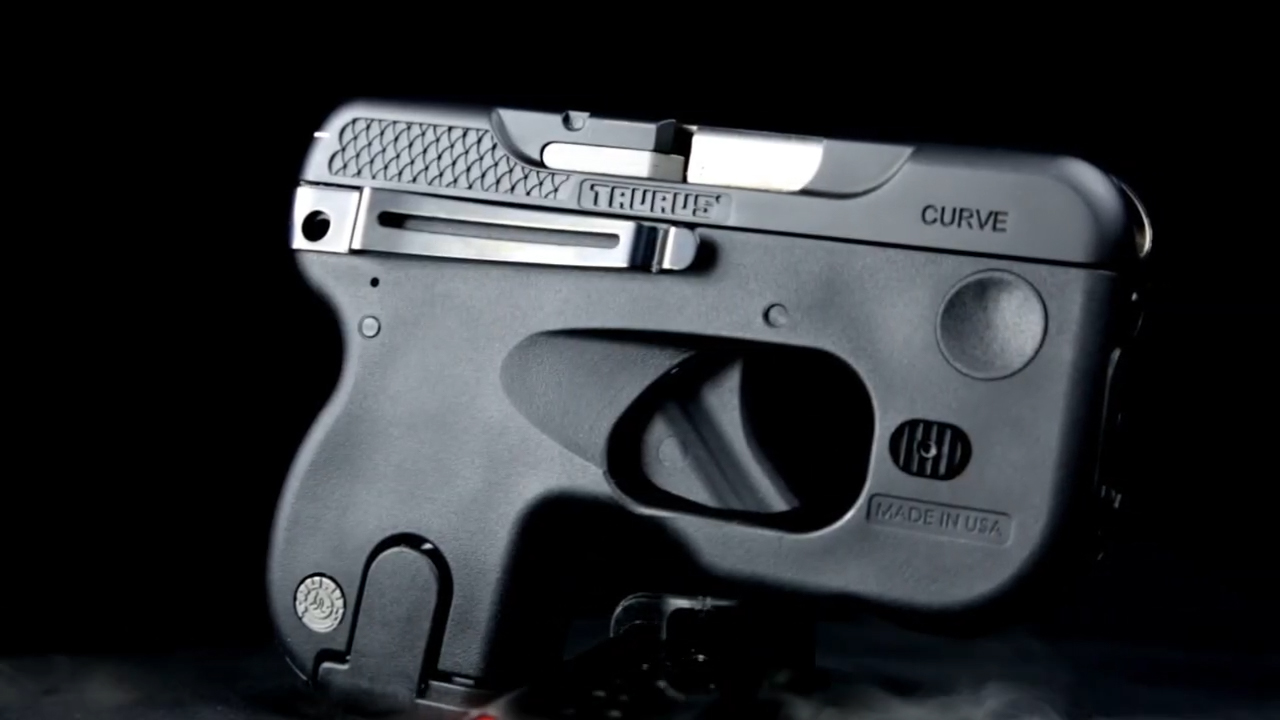
The Taurus Curve was one of those guns that grabbed attention because it looked like nothing else. The curved frame, built-in light and laser on some versions, and holster-free marketing angle made it seem like Taurus was trying to rethink pocket carry from the ground up. That kind of risk gets people talking.
Actually defending the design became harder once shooters focused on practical use. The odd shape made training and presentation feel unfamiliar, the sighting system was limited, and the pistol’s ergonomics did not work for everyone. Concealment matters, but so does being able to draw, aim, and shoot confidently. The Curve looked clever, but many owners found it solved one problem by creating several others.
Remington 770
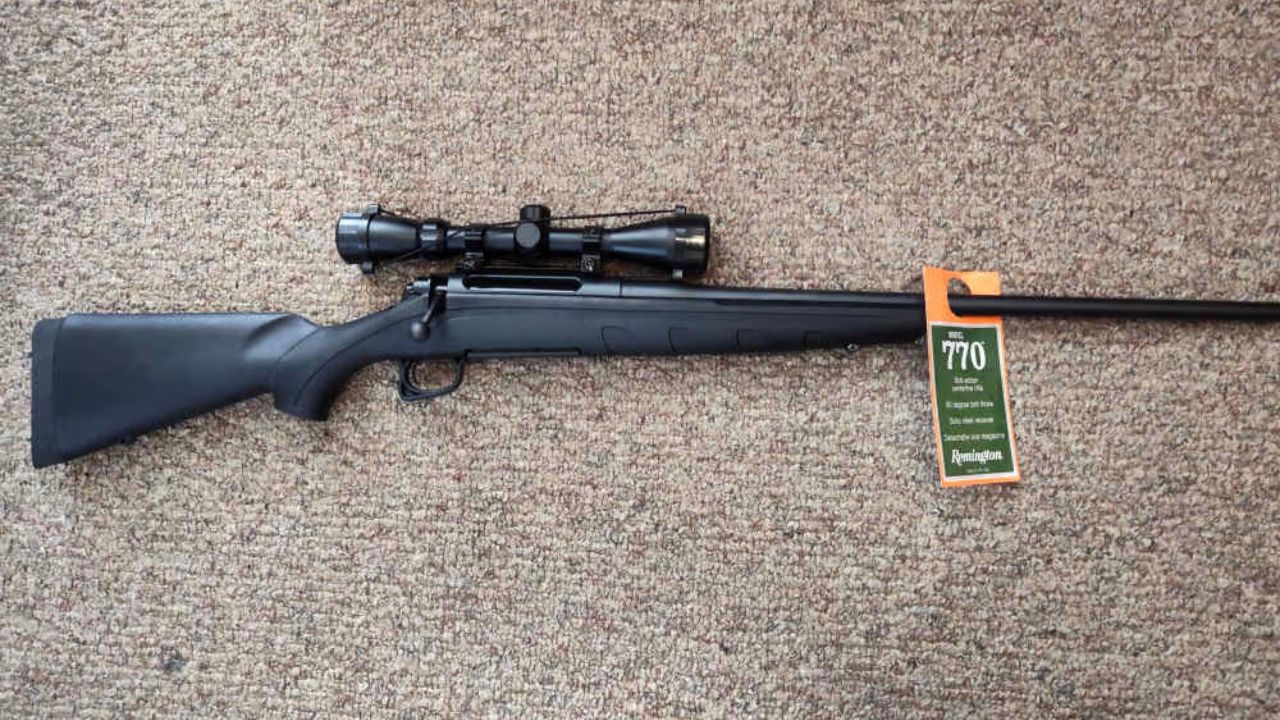
The Remington 770 was easy to defend if the only question was whether it could kill deer. Plenty of them did. It came as an affordable scoped package, carried the Remington name, and gave budget-minded hunters a way into a centerfire rifle without spending much. That matters for regular people.
The problem is that the 770 often felt cheap in ways that were hard to overlook. Rough bolts, flexible stocks, questionable long-term feel, and a general lack of refinement made it suffer badly compared with better budget rifles that came later. A low price can excuse plain finish. It cannot fully excuse a rifle that feels unpleasant to run. Once hunters handled competing rifles that shot well and felt better, defending the 770 got much harder.
SIG Sauer Mosquito
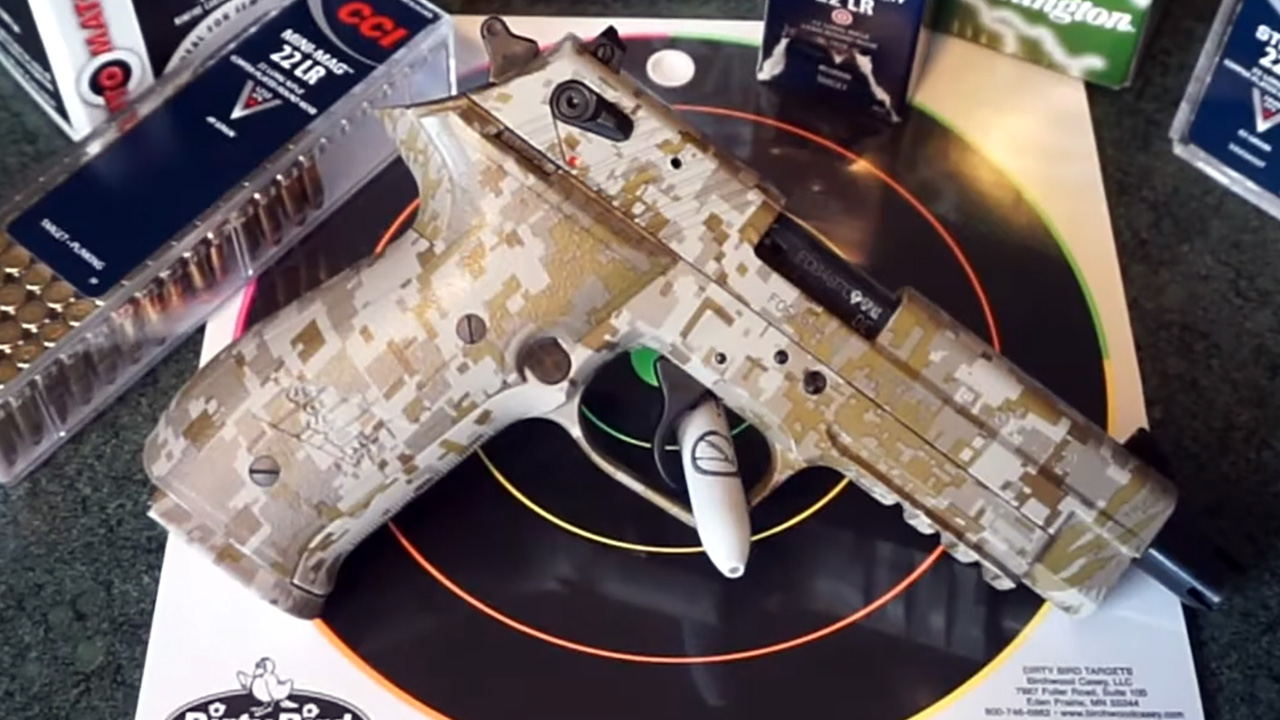
The SIG Mosquito sounded like a great idea: a rimfire trainer with SIG styling that could make practice cheaper and more approachable. Shooters wanted to like it because a .22 pistol with defensive-pistol proportions is genuinely useful when it works well. The concept was never the problem.
Reliability was. The Mosquito developed a reputation for being ammunition-sensitive and frustrating, which is about the last thing anyone wants in a training pistol. Rimfire semi-autos can be picky by nature, but this one pushed too many owners into troubleshooting instead of practicing. When a .22 meant for cheap range time becomes the gun that causes the most annoyance, the defense starts falling apart fast.
Colt All American 2000
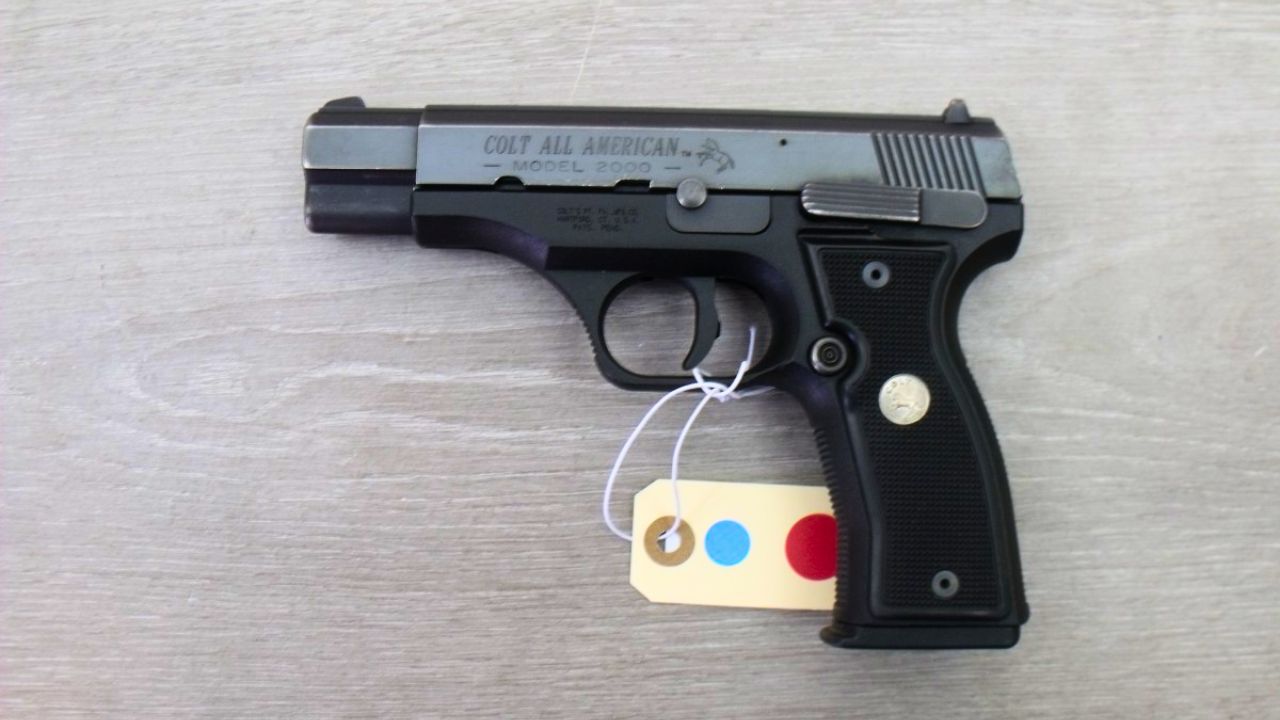
The Colt All American 2000 had a name that sounded like it should have meant something big. Colt needed a modern 9mm pistol that could compete in a changing market, and the design had serious names attached to it. A polymer-framed, high-capacity 9mm from Colt should have been easier to sell.
Instead, the pistol became known for an awkward trigger, odd feel, inconsistent execution, and disappointing reception. Colt fans could argue that the company was trying to innovate, and that part is true. But innovation has to feel good in the hand and hold up under use. The All American 2000 never gave shooters enough reason to forgive its problems. It became one of those pistols people bring up when talking about missed opportunities.
Remington 887 Nitro Mag

The Remington 887 Nitro Mag looked rugged enough to win over waterfowl hunters who wanted a modern pump that could handle bad weather. The ArmorLokt coating, bulky styling, and 3½-inch chambering made it seem like a shotgun built for mud, cold, and abuse.
The problem was that the 887 never earned the same trust as the simpler shotguns it was supposed to improve on. Complaints about bulk, awkward handling, and reliability followed it, and a major safety recall involving certain models did real damage to its reputation. A duck gun can be ugly if it works. Hunters will forgive a lot for reliability. But once confidence is gone, the tough-looking exterior doesn’t defend much.
Smith & Wesson Sigma

The Smith & Wesson Sigma had defenders because it was affordable, simple, and pointed in the same general direction the market was already moving. It was a polymer-framed striker-fired pistol at a time when that formula clearly had a future. For budget buyers, it gave them a major-brand handgun without spending Glock money.
But the Sigma’s reputation got weighed down by its heavy trigger and the constant comparison to Glock. The legal history around the design did not help either. Some owners had reliable pistols and got used to the trigger, but “you’ll get used to it” is not the strongest defense when competitors offer better triggers and better support. The Sigma eventually led toward better Smith & Wesson polymer pistols, but the original line is still hard to praise without adding context.
Mossberg 715T
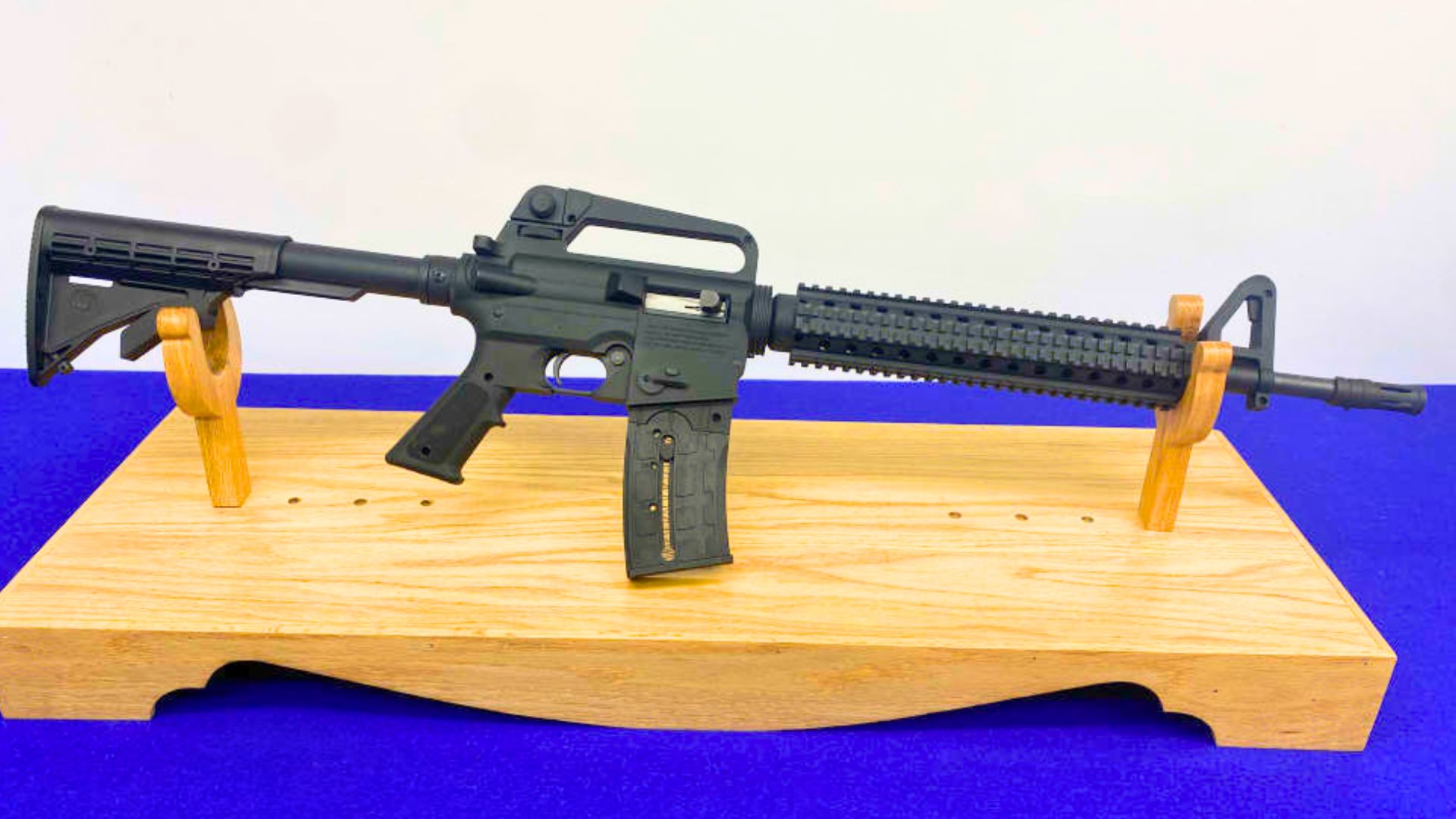
The Mossberg 715T looked fun and affordable, especially for shooters who wanted an AR-style .22 without paying for a dedicated higher-end rimfire trainer. The visual appeal was obvious. It looked modern, aggressive, and familiar enough to draw in new buyers.
Living with it exposed the issue: much of the appeal was the shell around the rifle. The gun could feel bulky, plasticky, and less satisfying than simpler rimfires. Some owners dealt with reliability frustrations, and maintenance could be more annoying than expected. A rimfire should be one of the easiest guns to enjoy. When a plain old semi-auto .22 feels simpler, sturdier, and more useful, defending the tacticool wrapper becomes a tough job.
Beretta Nano
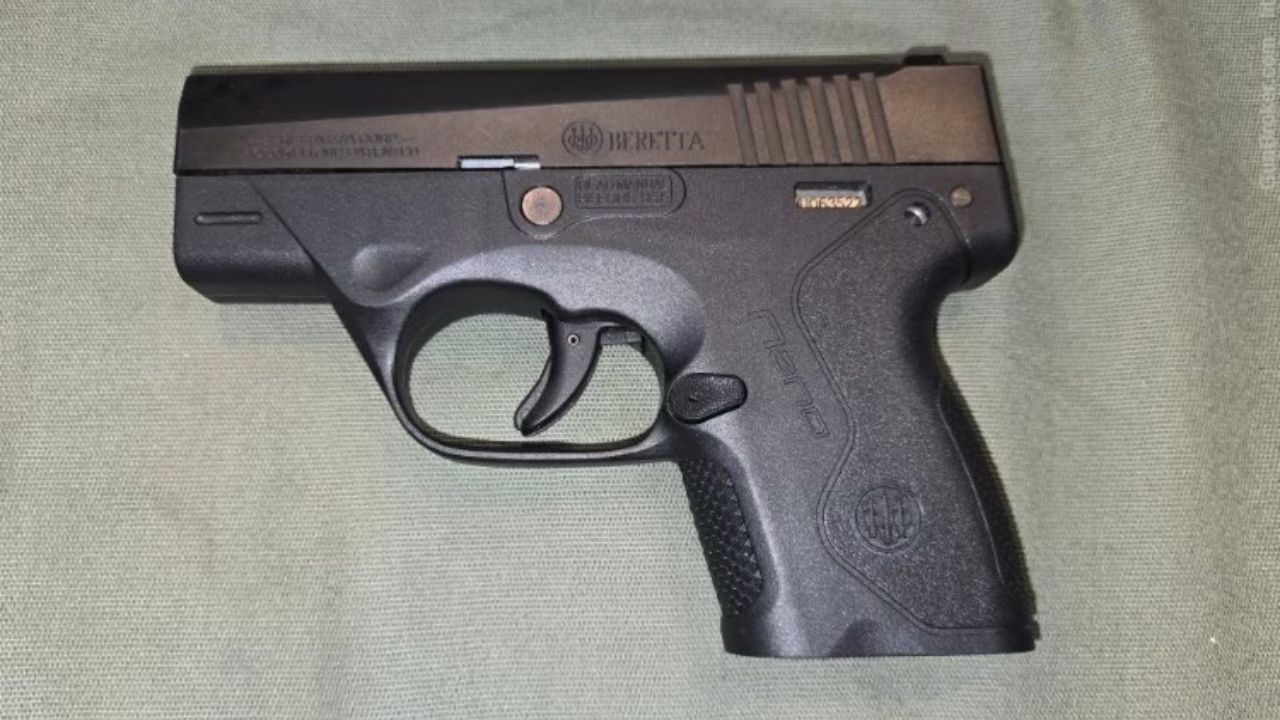
The Beretta Nano was not a disaster, but it became harder to defend once the slim carry market moved quickly past it. At launch, it had smart ideas: smooth sides, modular chassis, snag-free shape, and a compact 9mm footprint. It looked like Beretta was thinking seriously about concealed carry.
The issues showed up in shootability and controls. The trigger was heavy for many shooters, the grip was short, and the lack of an external slide stop lever bothered people who trained heavily. Some owners also struggled with certain ammunition or found it less forgiving than later competitors. The Nano’s minimalist design made sense in theory, but once better-shooting small 9mms appeared, those compromises became harder to defend.
Taurus PT 24/7
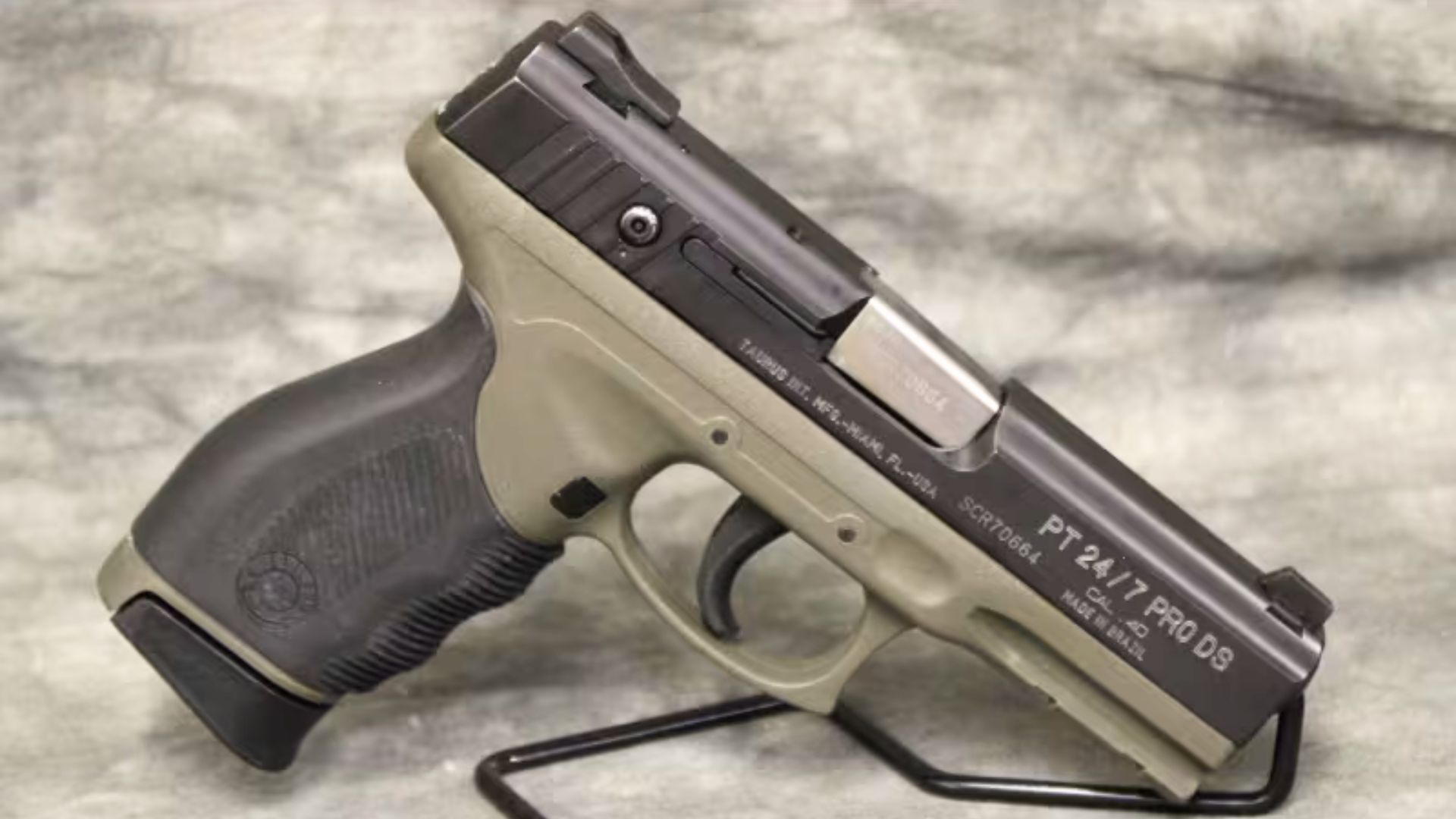
The Taurus PT 24/7 had a loyal crowd at one point. It was affordable, available in several chamberings, and offered features that appealed to budget-minded defensive pistol buyers. The grip felt good to many shooters, and Taurus marketed it as a serious everyday handgun.
Then the safety and recall history badly damaged its reputation. A defensive pistol cannot carry doubts around drop safety, unintended discharge concerns, or recall complications and still be easy to defend. Even if some owners had reliable examples, the wider cloud over the model made confidence difficult. A gun meant for protection has to remove worry, not add another layer of it.
Winchester Wildcat
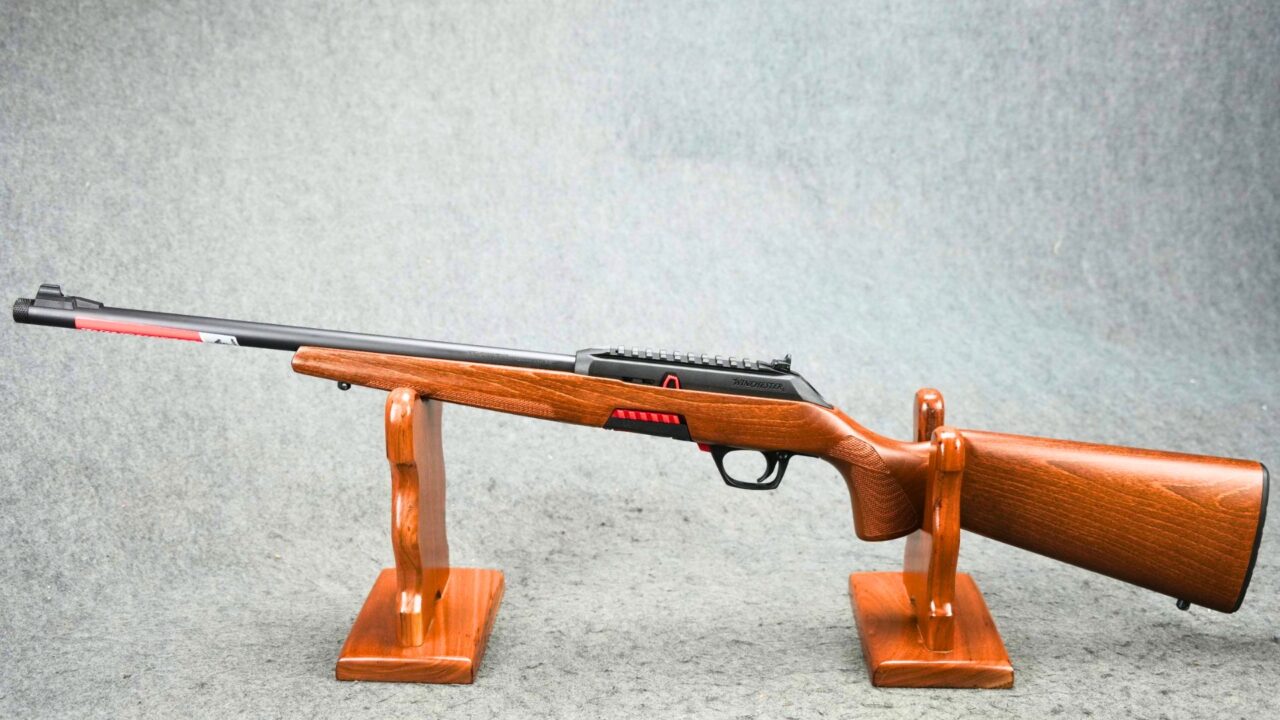
The Winchester Wildcat has plenty of smart features, so this one is more mixed than some others. It is lightweight, easy to clean, affordable, and uses Ruger 10/22 magazines. That last point alone made it look like a clever rimfire buy. For many owners, it works fine.
The harder-to-defend part is the feel. Some shooters find it too plastic-heavy and light in a way that makes it feel less like a keeper rifle and more like a clever appliance. That may not matter to everyone, especially if the rifle runs well. But when people compare it to better-built rimfires with more satisfying balance and long-term feel, the Wildcat’s smart features don’t answer every complaint. A rifle can be clever and still not feel lovable.
SCCY CPX-2

The SCCY CPX-2 has always had one major defense: it gave people an affordable compact 9mm with a strong warranty. For buyers on a tight budget, that matters. Not everyone can spend premium money on a carry pistol, and the CPX-2 filled a real price point.
But the long, heavy trigger, sharp recoil, and basic refinement made it harder to recommend once better budget pistols became available. A defensive handgun needs to be something the owner can shoot well, and the CPX-2 makes that harder for a lot of people. Some owners trust theirs, but the broader market has moved toward affordable pistols that are easier to shoot. That makes the old defense less convincing.
Remington V3 Tac-13
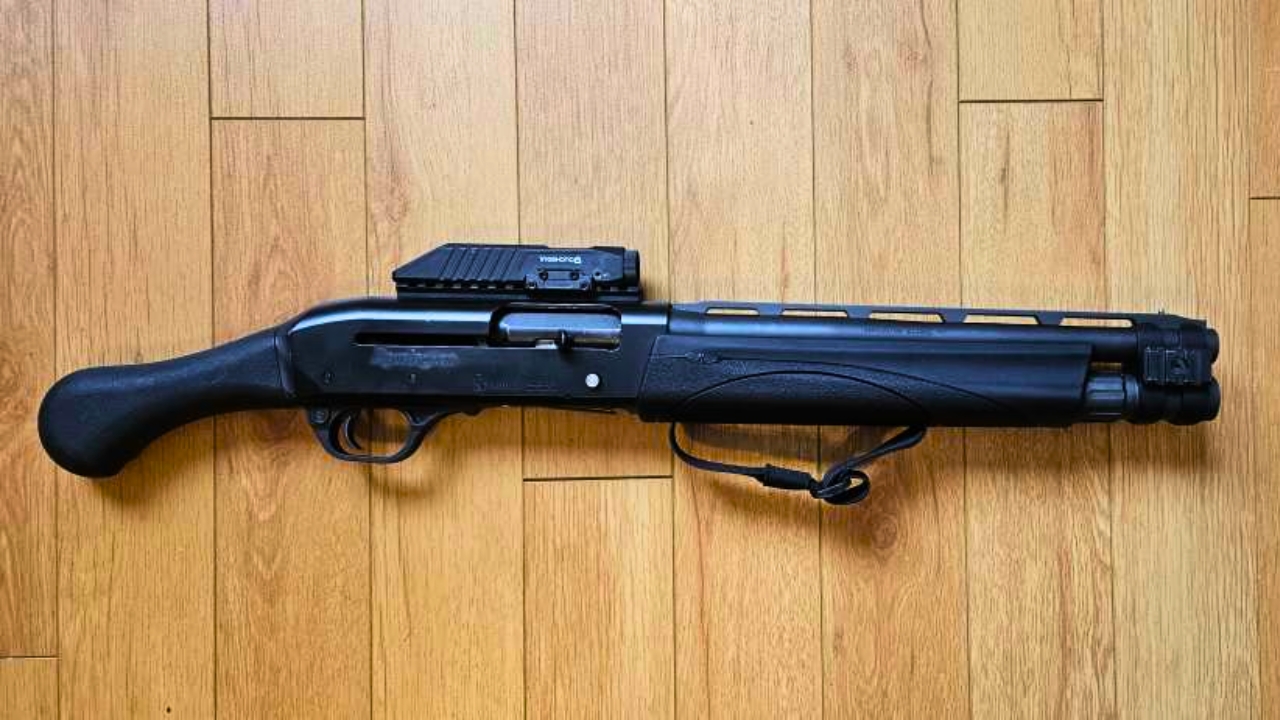
The Remington V3 Tac-13 looked like one of the coolest compact firearms in the shotgun-adjacent world. Semi-auto operation, 12-gauge chambering, compact size, and a serious visual presence made it immediately interesting. It was easy to understand why people wanted one.
The problem is that cool does not always mean practical. The Tac-13 is loud, hard-kicking, expensive compared with simpler options, and awkward for many real defensive or field roles. It can be fun, and it certainly has collector appeal now, but defending it as a practical choice takes some work. A normal shotgun is easier to aim, easier to train with, and more useful in most situations. The Tac-13 looked exciting, but excitement is not the same as utility.
Desert Eagle .50 AE

The Desert Eagle .50 AE is easy to defend as an icon. It is powerful, recognizable, loud, and fun in the way only a giant gas-operated magnum pistol can be. As a range experience or collection piece, it absolutely has a place. The problem starts when owners try to defend it as practical.
It is huge, heavy, expensive to feed, sensitive to grip and ammunition compared with simpler pistols, and difficult to carry or use for most normal handgun roles. None of that means it is a bad gun. It means it is a specialized, entertaining, oversized machine that does exactly what it does. Once the problems of living with it show up, the defense has to shift from “useful” to “fun.” That is honest, but it is a very different argument.
Like The Avid Outdoorsman’s content? Subscribe to our newsletter so you never miss an article.
Here’s more from us: