Photo credit: txking/Shutterstock.com
Self-defense calibers get sold with confidence. One promises more capacity. One promises magnum speed. One promises a bigger hole. One promises rifle-like velocity from a handgun. The pitch usually sounds simple until you start asking harder questions.
Does it penetrate consistently? Does it expand through clothing? Can normal people shoot it fast? Is the ammo easy to find? Are the guns reliable and common? Does the cartridge actually solve a problem, or does it mostly sound clever? Once those questions come up, some defensive calibers lose a lot of shine.
.30 Super Carry

The .30 Super Carry sounded like a smart answer to a real carry-gun problem. It promised more capacity than 9mm while still offering better defensive performance than smaller pocket calibers. That is a strong sales pitch because everyone wants more rounds without carrying a bigger gun.
The issue is that defensive calibers need market support, not just good ideas. The .30 Super Carry never became common enough to challenge 9mm in any serious way. Gun options are limited, ammo availability is thinner, and practice costs more than it should. The data may be interesting, but the real-world ecosystem is weak.
5.7x28mm

The 5.7x28mm sounds like a futuristic self-defense solution. It offers low recoil, high velocity, flat shooting, and high capacity in the right pistol. Compared with traditional handgun rounds, it feels like something more advanced.
The problem is that velocity alone does not settle the defensive argument. Bullet design matters, penetration matters, and so does the size of the pistol carrying it. Many 5.7 handguns are larger than typical carry pistols, while ammo costs more than common 9mm. It is interesting, but it does not automatically beat a good 9mm carry setup.
.357 SIG

The .357 SIG sounds perfect because the name makes people think of .357 Magnum performance in a semi-auto pistol. It is fast, loud, and has a serious law-enforcement history. For barrier performance, it earned some respect.
But when you compare it against modern 9mm defensive loads, the advantage starts shrinking. The .357 SIG brings sharper recoil, louder blast, more expensive ammo, and fewer pistol options. It can perform well, but most shooters do not gain enough to justify the tradeoff. The name sells more confidence than the cartridge gives most people.
.40 S&W

The .40 S&W once looked like the ideal middle ground. More bullet than 9mm, more capacity than .45 ACP, and a long law-enforcement run made it sound like the practical choice for serious defense.
The data conversation changed when modern 9mm ammunition improved and agencies started caring more about qualification scores, recoil control, and capacity. The .40 still works, but it often gives shooters more snap with fewer rounds and higher practice cost. If a person shoots 9mm faster and more accurately, the “bigger is better” argument starts falling apart.
.45 ACP

The .45 ACP has one of the strongest reputations in defensive handgun history. Big bullet, long service record, and decades of loyalty make it sound like the obvious choice. People do not just defend it. They believe in it.
The problem is that handgun stopping power is not magic. A larger bullet does not make up for lower capacity, slower follow-up shots, or less practice. Modern 9mm loads can meet accepted defensive standards while allowing more rounds and easier control. The .45 still works, but the data does not support treating it like a guaranteed fight-ender.
.45 GAP

The .45 GAP sounded clever when it appeared. It promised .45-caliber performance in a shorter cartridge that could fit smaller grip frames. That made it seem like a smart fix for people who wanted big-bullet confidence without a bulky .45 ACP pistol.
The market never backed it up. Ammo is harder to find, pistol support is thin, and the practical advantage over common calibers is not strong enough. A self-defense caliber needs availability and long-term support. The .45 GAP sounds logical until you try building a serious carry setup around it.
10mm Auto

The 10mm Auto sounds like the ultimate defensive pistol round. It has power, speed, and a reputation that makes 9mm and .45 ACP sound mild. In woods defense and hunting backup roles, it has a real purpose.
For everyday self-defense against human threats, it is often too much. Full-power loads increase recoil, blast, gun size, and practice cost. Reduced loads start overlapping with .40 S&W. The data may show strong performance, but performance you cannot control quickly is not a free advantage.
.38 Super
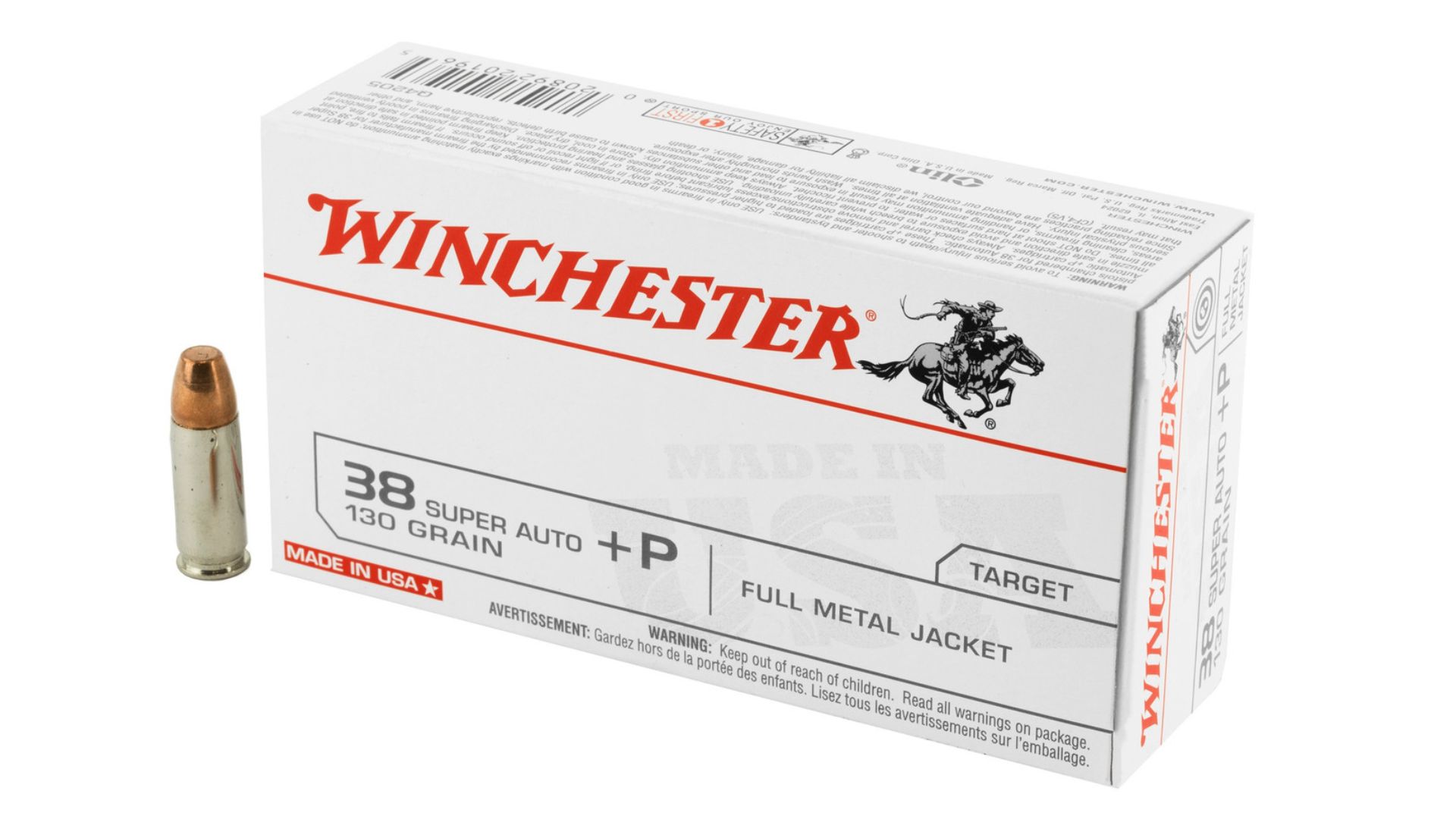
The .38 Super has speed, history, and a reputation among people who like old-school competition pistols. It sounds like a sleeper defensive round because it can push bullets fast and shoot flatter than many traditional handgun calibers.
The problem is support. Defensive ammo choices are limited compared with 9mm, pistols are less common, and magazines or tuning can matter depending on the gun. It can perform well, but it does not offer most carriers enough advantage to justify leaving easier calibers behind.
9x18mm Makarov
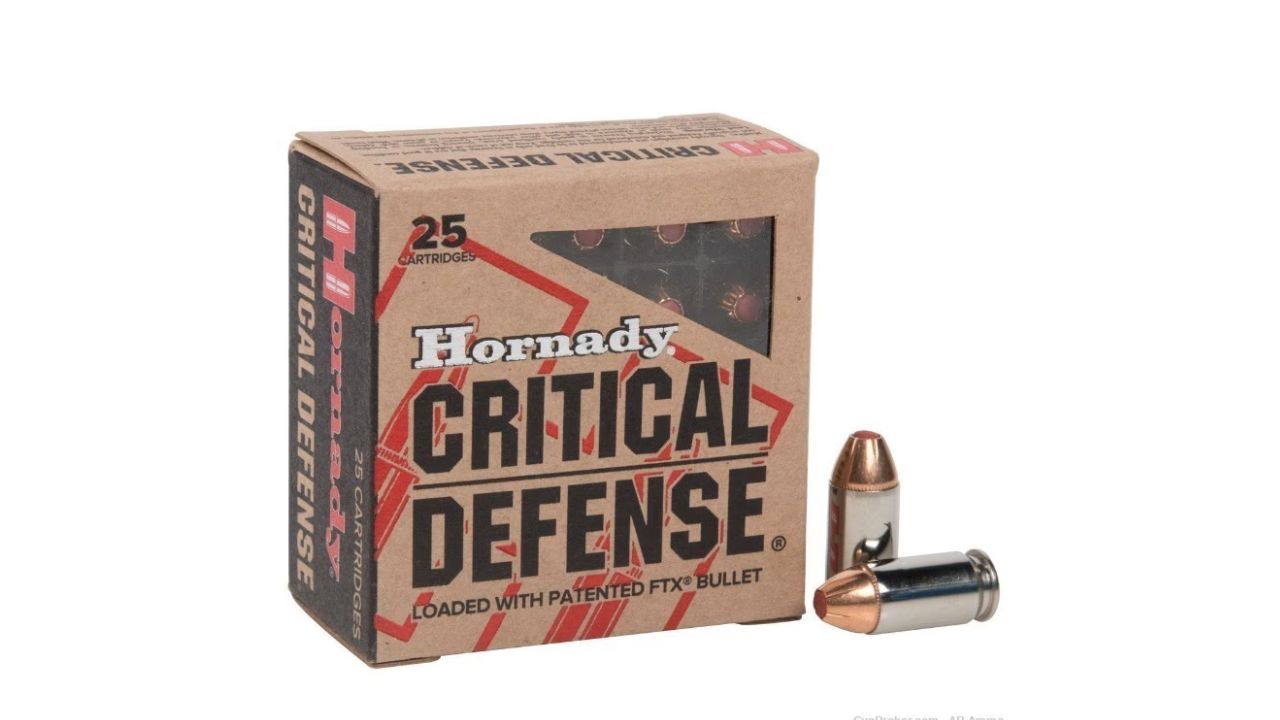
The 9x18mm Makarov sounds better than .380 ACP to some people because it is slightly larger and tied to rugged surplus pistols. A Makarov pistol can feel dependable, compact, and practical.
The caliber itself is the limiting factor. Defensive loads are not as common as 9mm, expansion and penetration balance can be load-sensitive, and surplus pistols usually have small sights and older ergonomics. It is better than its size suggests in some ways, but it is not a modern defensive-caliber standout.
.38 Special from snubnose revolvers
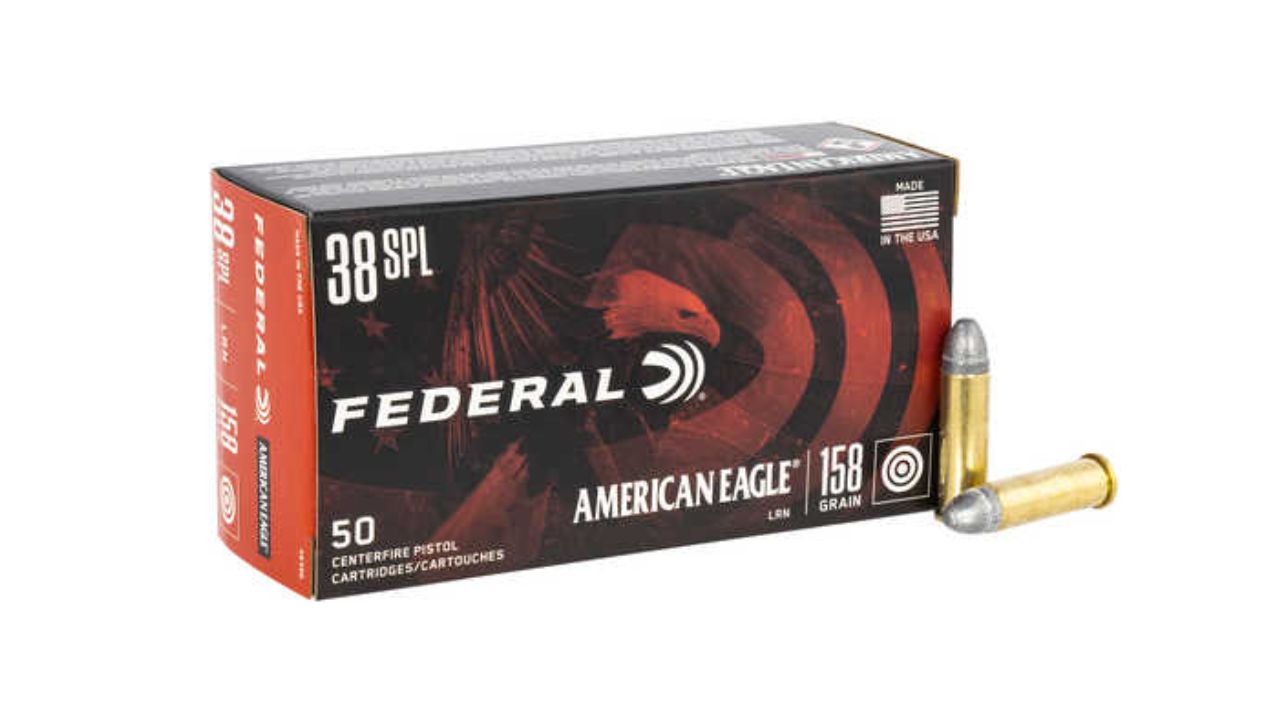
The .38 Special sounds proven because it is proven. It served police and civilians for generations, and good loads can still work. The problem is not the cartridge in general. It is the snubnose package people usually carry it in.
Short barrels reduce velocity, tiny sights make hits harder, and lightweight revolvers are difficult for many shooters to run well. Some hollow points perform acceptably. Others struggle from short barrels. The data does not say .38 Special is useless, but it does show that the snubnose version is not as simple as people think.
.327 Federal Magnum

The .327 Federal Magnum sounds like a great defensive revolver answer. It offers more velocity than older .32s, less recoil than many .357 loads, and often one extra round in small revolvers. On paper, that is very appealing.
The issue is availability and adoption. Defensive load choices are limited, revolver options are limited, and ammo is not sitting everywhere like .38 Special or 9mm. The cartridge has real strengths, but a defensive caliber that is hard to feed and practice with loses points fast.
.44 Special

The .44 Special sounds like a smart big-bore defensive revolver round. It throws a large bullet without the punishment of .44 Magnum. In the right revolver, it can be accurate and controllable.
But compared with modern defensive options, it is limited. Capacity is low, reloads are slow, ammo is expensive, and defensive loads are not as common. A skilled revolver shooter may do well with it. For most people, the big bullet does not make up for the practical disadvantages.
.45 Colt

The .45 Colt sounds serious because it is big, old, and powerful in the right loads. That reputation can make people assume any .45 Colt defensive setup is automatically strong.
The problem is that .45 Colt loads vary wildly. Mild cowboy loads are not the same as heavy hunting loads, and many revolvers are large for daily defense. Ammo choice matters more than the name on the box. It can work, but it is not the simple defensive answer people imagine.
.410 revolver loads
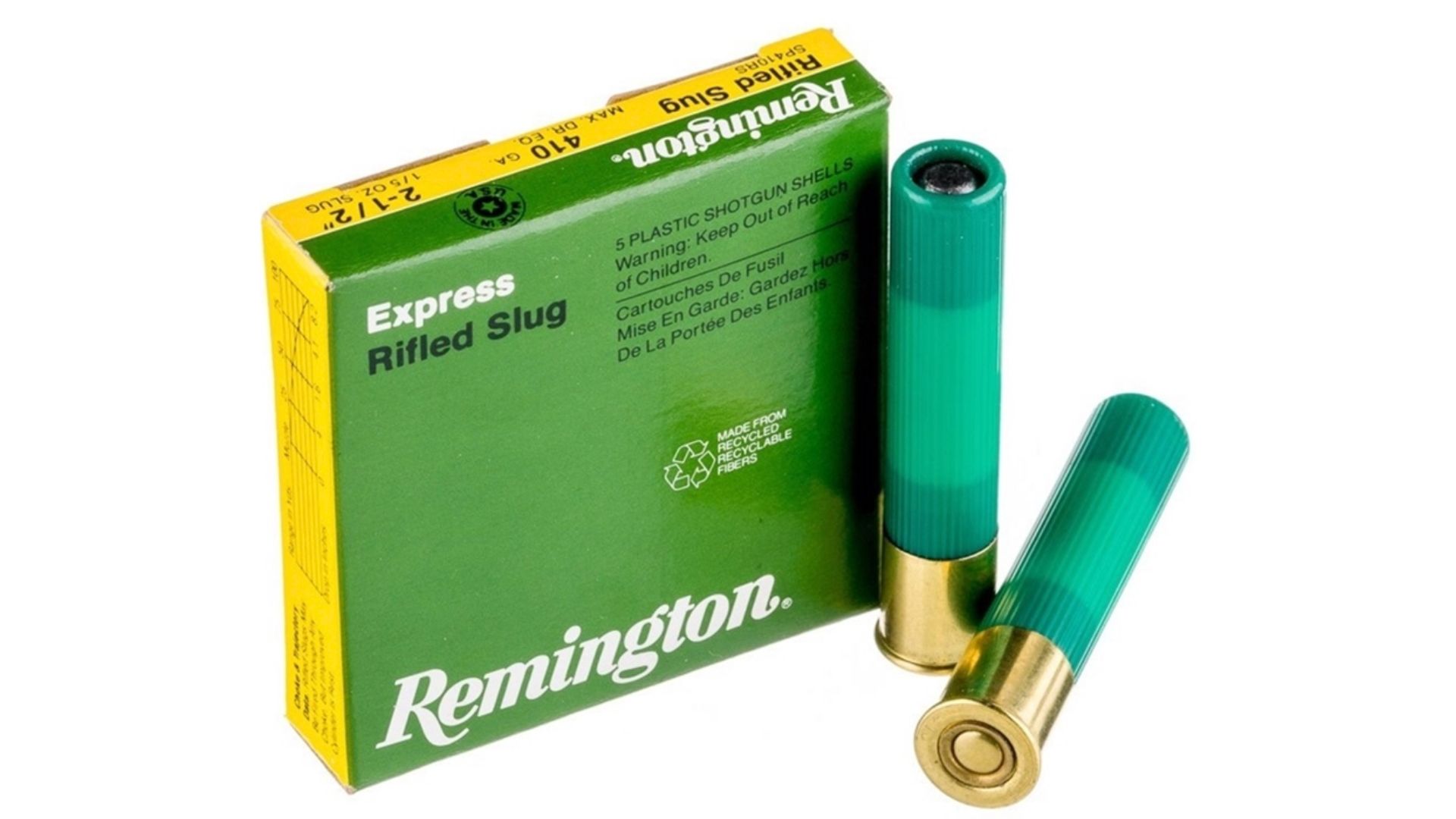
The idea of a .410 revolver sounds perfect to nervous buyers. A handgun that shoots shotgun shells seems forgiving, powerful, and easy to use at close range. That is the sales pitch that keeps these guns alive.
The data-minded problem is penetration and pattern consistency from short barrels. Some loads spread too much. Others do not penetrate enough. The guns are also bulky for what they deliver. They sound like a shortcut around marksmanship, but defensive shooting rarely rewards shortcuts.
.22 Magnum from short barrels
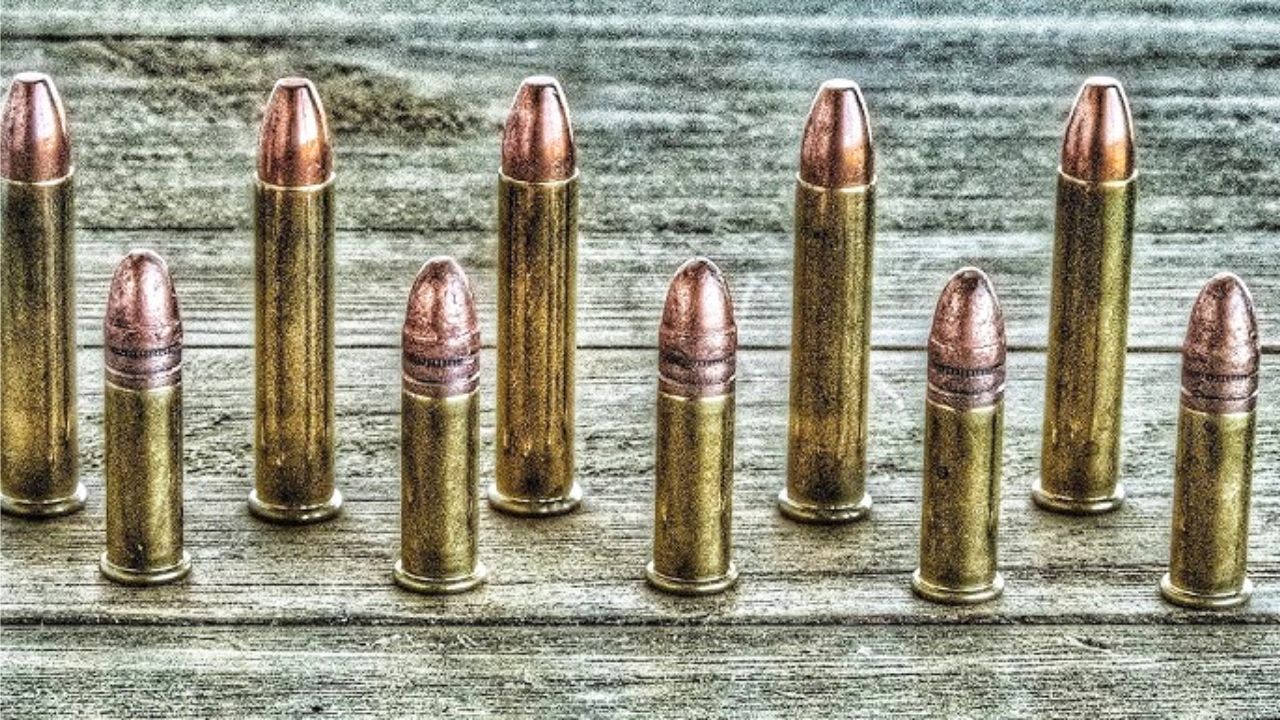
The .22 Magnum sounds much better than .22 LR. It has more speed, more blast, and more energy on paper. In a rifle, it can be an excellent small-game cartridge.
From short defensive revolver barrels, it becomes less impressive. Velocity drops, blast remains loud, and rimfire ignition is still a concern. It may work for recoil-sensitive shooters who cannot manage centerfire options, but most people should not treat it like a magic low-recoil defensive answer.
.32 H&R Magnum

The .32 H&R Magnum sounds like a nice revolver compromise. More power than older .32s, less recoil than .38 Special, and often one extra round in the cylinder. That makes sense on paper.
The trouble is that it has been overshadowed by .327 Federal Magnum and ignored by most of the defensive market. Ammo choices are limited, guns are limited, and practice ammo is not always cheap. It is pleasant and useful, but it does not deliver enough support to be a strong general recommendation.
.45 ACP in micro pistols

The .45 ACP sounds comforting in any gun because people trust the caliber. Put it in a tiny carry pistol, and the sales pitch becomes even stronger: big-bore power in a small package.
That is where the data runs into shootability. Small .45s usually mean lower capacity, more recoil, slower follow-ups, and more sensitivity to grip and ammo. A full-size .45 can be pleasant. A tiny .45 often makes average shooters worse. Defensive performance only matters if the shooter can actually deliver it.
.357 Magnum from lightweight snubs

The .357 Magnum from a lightweight snubnose sounds unbeatable at first. Small gun, huge power, simple revolver operation. That is exactly why people keep buying them.
Then recoil, flash, blast, and follow-up speed enter the conversation. Many owners load .38 Special after realizing full-power .357 is miserable in a featherweight revolver. The ballistic data may look strong, but the shooting data from real humans is not as flattering.
.380 ACP with poor hollow points

The .380 ACP is not automatically bad. Good loads from shootable pistols can make it a reasonable option for some carriers. The problem is when people assume any hollow point in .380 is good enough.
The caliber has less margin than 9mm, so bullet design matters a lot. Some hollow points expand but fail to penetrate deeply enough. Others penetrate but barely expand. With .380, the exact load matters more than the caliber name. That makes it less forgiving than people want.
9mm with bargain defensive ammo

The 9mm is the standard for a reason, but it is not magic. People sometimes buy the cheapest “defensive” load they can find and assume the caliber itself will do all the work. That is not how it works.
Good 9mm loads perform very well. Poorly designed or outdated loads may plug, underpenetrate, overpenetrate, or fail to expand consistently. The lesson is not that 9mm is bad. It is that data matters even with the best-supported caliber. The cartridge gets you most of the way there, but the specific load still matters.
Like The Avid Outdoorsman’s content? Subscribe to our newsletter so you never miss an article.
Here’s more from us: