Photo credit: NRApubs/YouTube
Daniel Defense is one of those AR brands that gets treated like it has always been in the premium rifle conversation, but the company is actually pretty young compared with names like Colt, Winchester, Smith & Wesson, Browning, or Remington. It did not build its name over a century of revolvers, lever guns, or military sidearms. It built its name in the modern AR market, where buyers judge details fast and argue even faster.
That is what makes Daniel Defense interesting. The brand grew from Marty Daniel’s personal interest in rifle accessories into a major American AR manufacturer known for rails, cold hammer-forged barrels, complete DDM4 rifles, government and commercial sales, and a strong in-house manufacturing identity. Daniel Defense describes itself as a family-owned, privately held firearms manufacturer in Black Creek, Georgia, founded from Marty Daniel’s vision to create custom rifle accessories for his personal rifles.
1. Daniel Defense Started With Accessories, Not Complete Rifles
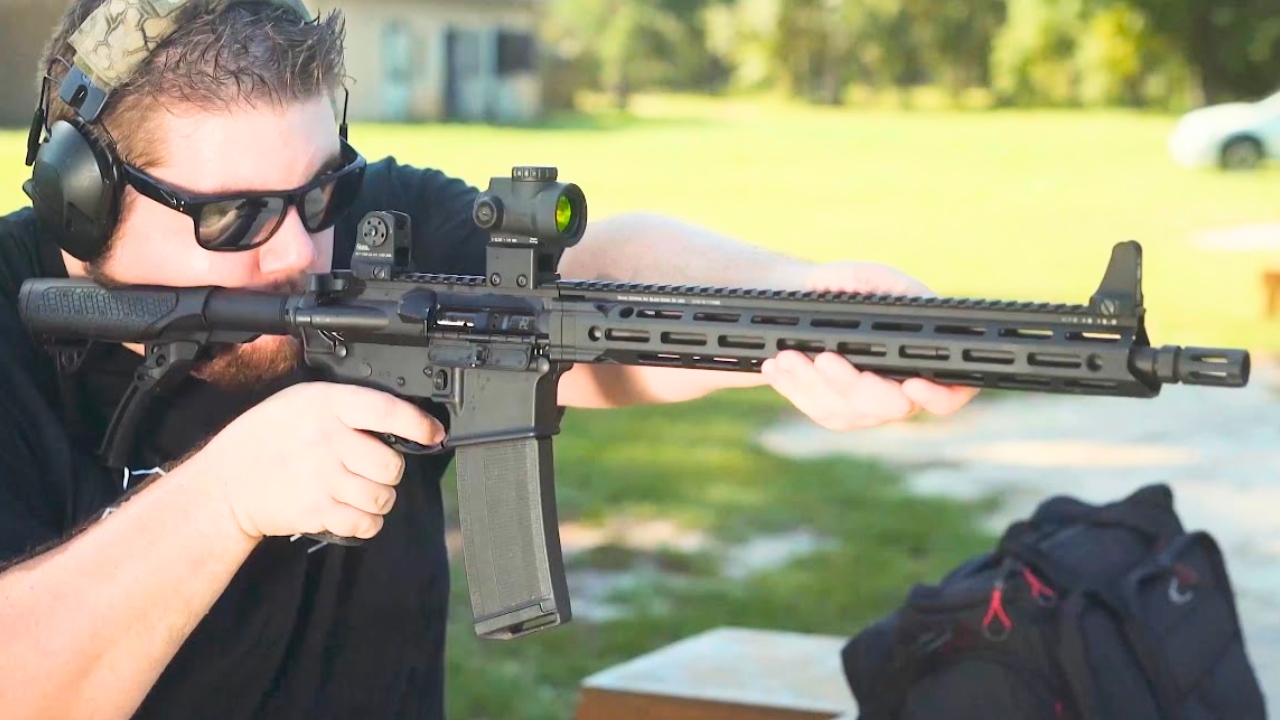
Daniel Defense did not begin as a full rifle company. It started with Marty Daniel making custom rifle accessories for his own guns. That is a very different origin than a company that launches with a complete firearm line and tries to build credibility from there.
That accessory-first background matters because it shaped the brand. Daniel Defense became known early for rails and AR components before it became known for complete rifles. That is part of why AR buyers still pay close attention to the smaller details on a DDM4. The company’s identity was built around parts quality before it was built around complete guns.
2. The Rail Business Put the Brand on the Map
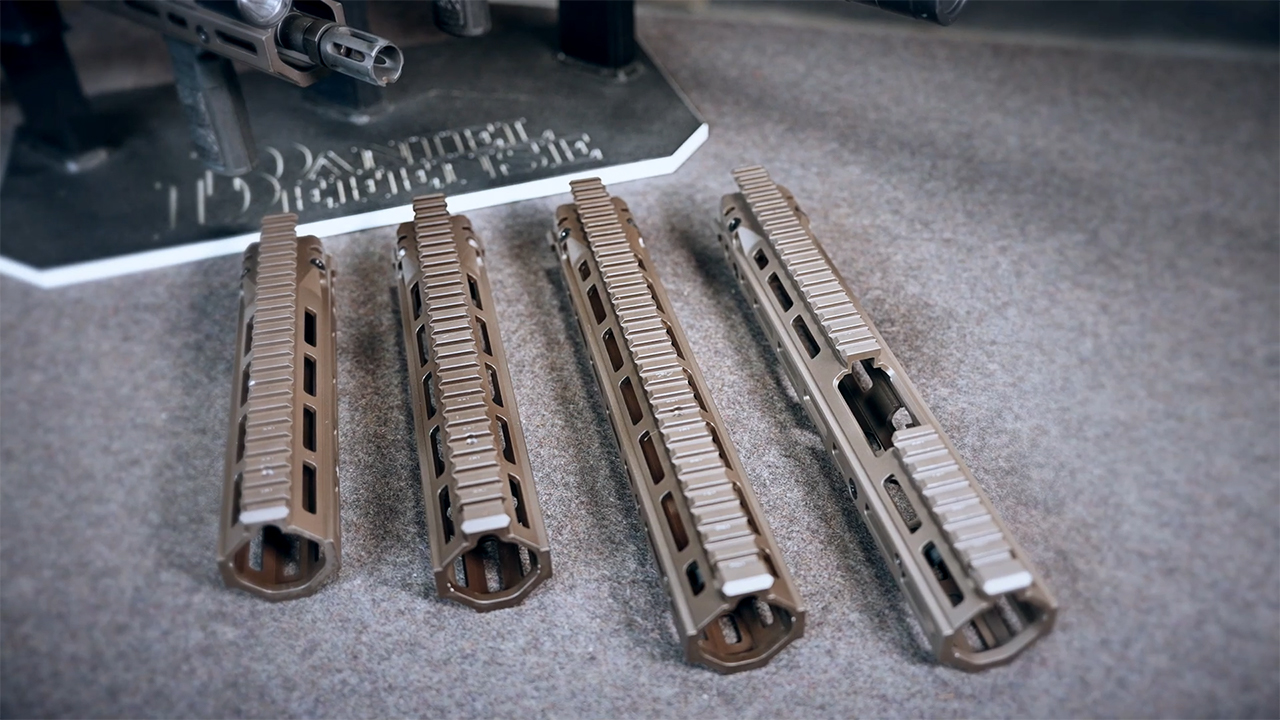
One of Daniel Defense’s first major strengths was rail systems. Early AR buyers who cared about free-float rails, accessory mounting, and serious carbine setups started seeing the Daniel Defense name long before many casual shooters knew the company as a rifle maker.
That rail reputation mattered because the AR world is built around parts. A company that earns trust through rails, mounts, and handguards can build credibility with hard-use shooters before it ever sells them a complete rifle. Daniel Defense did exactly that. Its rail systems helped make the brand feel serious in a market full of bolt-on accessories that were not all built equally.
3. The Company Grew Fast From a Small Georgia Start
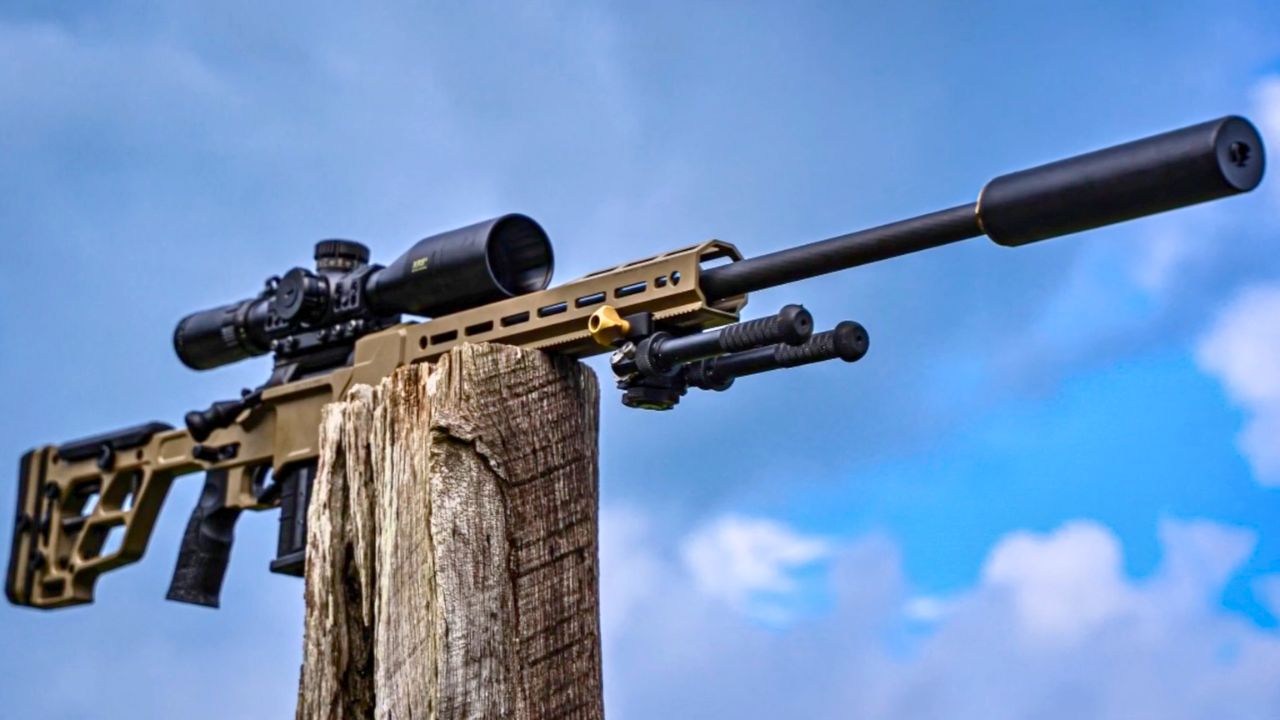
Daniel Defense is now based in Black Creek, Georgia, but its early story was much smaller. Public company summaries describe Daniel Defense as founded in the early 2000s by Marty Daniel in Georgia, with growth tied to military and commercial AR demand.
That fast growth is part of why the brand feels different from older gun companies. Daniel Defense did not have 100 years to build a name slowly. It entered during the modern AR boom and had to prove itself against Colt, BCM, LMT, Noveske, LWRC, and dozens of other serious AR names. It became recognizable because buyers believed the parts and rifles were worth the money.
4. The Government Side Helped Build Credibility

Daniel Defense has sold products to military and government customers, and that helped build credibility with civilian buyers. The company’s early growth is often tied to government and special-operations-related rail contracts, and Daniel Defense has also supplied components and firearms to agencies over the years. Public reporting has noted Daniel Defense federal contracts, including military barrel work.
That matters because AR buyers care about proof. A company can claim its rifles are hard-use guns, but government and agency use gives the brand more weight. That does not mean every Daniel Defense rifle is automatically the best choice for every civilian, but it helps explain why the name became trusted beyond casual range circles.
5. Daniel Defense Makes a Lot In-House

One of the brand’s biggest talking points is in-house manufacturing. Daniel Defense says it uses state-of-the-art technology and robotics to manufacture its own parts, with more than 90 CNC machines precision milling parts and components.
That matters because many AR “manufacturers” are really assemblers using parts from other suppliers. There is nothing automatically wrong with that if the parts are good and assembly is done properly. But Daniel Defense built part of its reputation on controlling more of the process itself. That gives buyers more confidence that the rifle is not a random mix of outsourced parts with a premium logo on the receiver.
6. The Cold Hammer-Forged Barrels Are a Major Selling Point
Daniel Defense barrels are one of the biggest reasons buyers pay attention. The company says its barrels are made from proprietary steel and stainless steel alloys on GFM radial cold hammer-forging machines.
That is a big part of the brand’s premium AR identity. Cold hammer-forged barrels are valued for durability, consistency, and long service life. Not every shooter needs one, and plenty of cut-rifled or button-rifled barrels shoot extremely well. But Daniel Defense made barrel quality one of the brand’s pillars, and serious AR buyers noticed.
7. Barrel Manufacturing Separates Daniel Defense From Many AR Brands
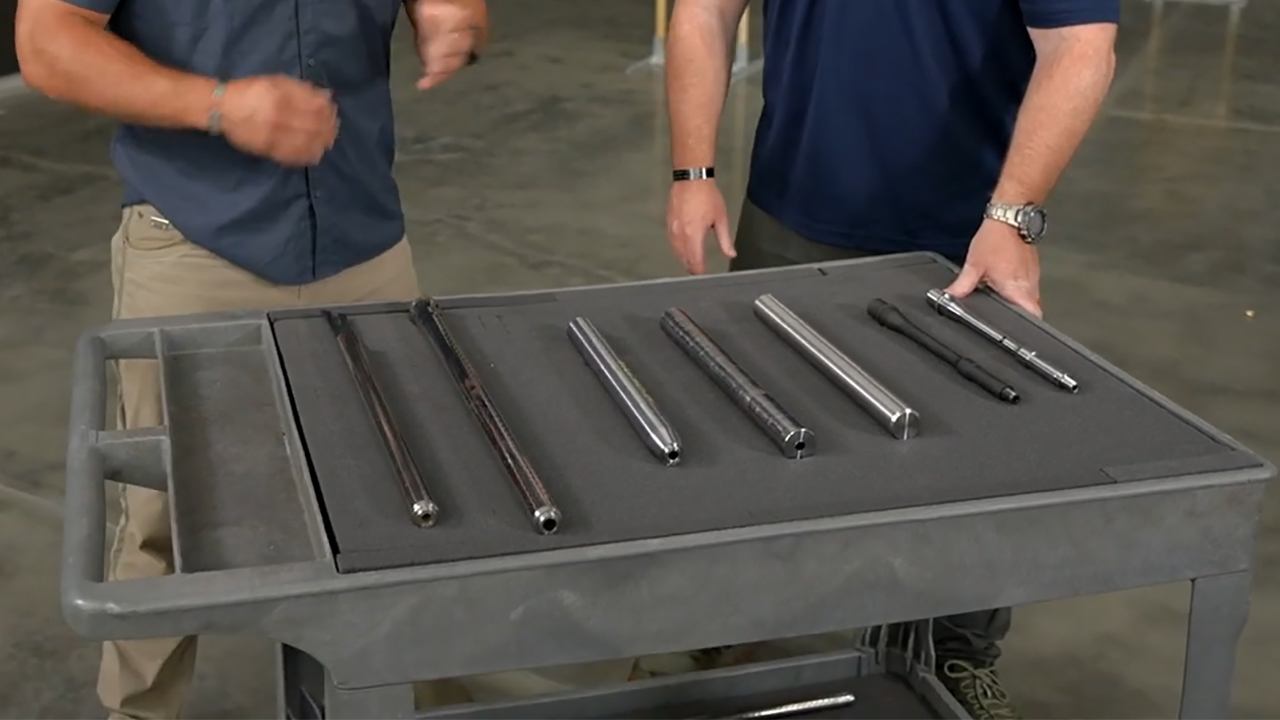
Daniel Defense has pointed out that even among companies doing a lot of in-house work, barrel manufacturing separates it from many modern sporting rifle makers. The company says its barrels are produced through the cold hammer-forging process, which requires specialized equipment and experience.
That matters because the barrel is one of the heart pieces of any rifle. A fancy rail, slick furniture, and clean receiver set mean less if the barrel is mediocre. Daniel Defense built its reputation partly by making barrels people trusted for hard use. For buyers looking at a premium AR, that is one of the details that makes the price easier to understand.
8. The DDM4 Became the Brand’s Flagship Rifle Line
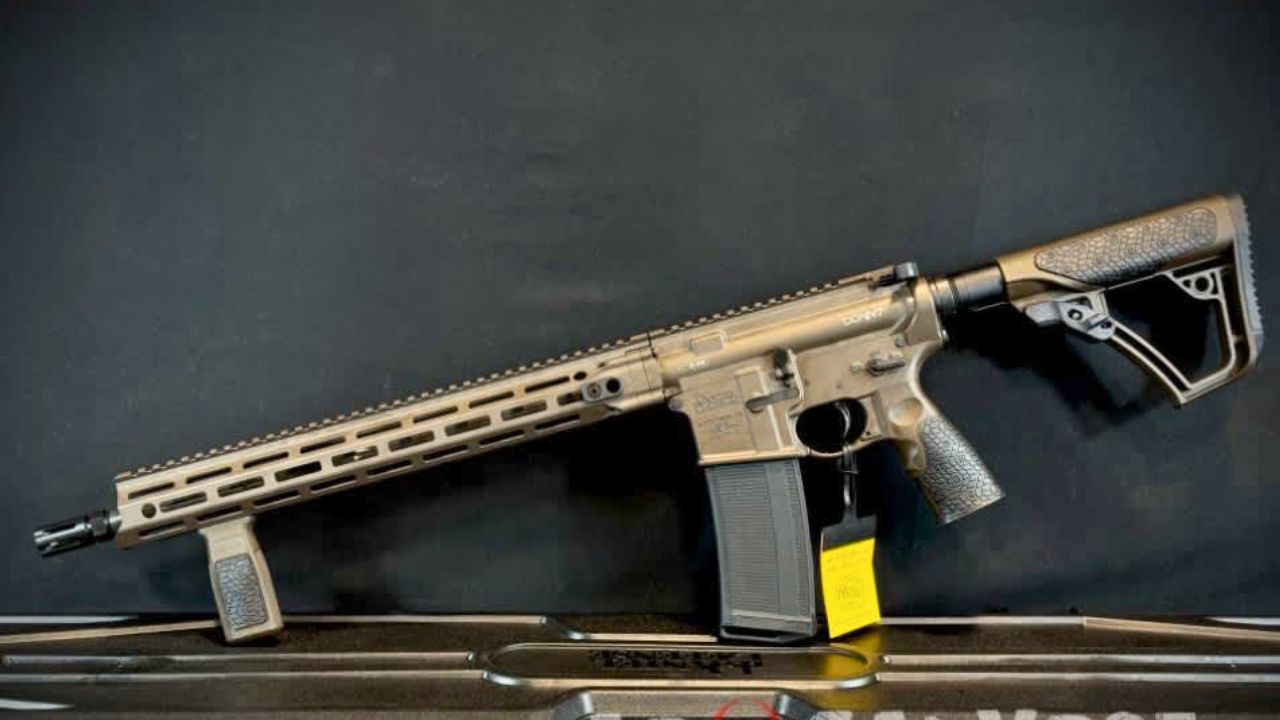
The DDM4 line is what turned Daniel Defense into a household name among AR buyers. The DDM4 V7 in particular became one of the best-known general-purpose premium ARs, combining a 16-inch barrel, mid-length gas system, M-LOK rail, and Daniel Defense furniture.
That matters because a complete rifle has to be more than good parts. It has to feel correctly assembled and properly thought out. The DDM4 line gave buyers a factory rifle they could trust without building from scratch. For shooters who wanted a serious AR without choosing every single component themselves, that was a strong pitch.
9. Daniel Defense Did Not Stay Only in 5.56 ARs

Daniel Defense started with AR parts and 5.56 rifles, but it did not stay there. The company introduced the DD5V1 in 2015 as its first AR-10-style platform, bringing the brand into the 7.62/.308 semi-auto rifle conversation. Daniel Defense’s own history describes the DD5 as a major step into a new rifle category after two years of work.
That expansion matters because it showed Daniel Defense wanted to be more than a one-lane AR-15 company. Moving into larger-frame rifles is not easy. Weight, recoil, gas systems, magazines, accuracy, and reliability get more complicated. The DD5 helped the company stretch its reputation into a more demanding category.
10. The Company Moved Into Bolt Guns Too

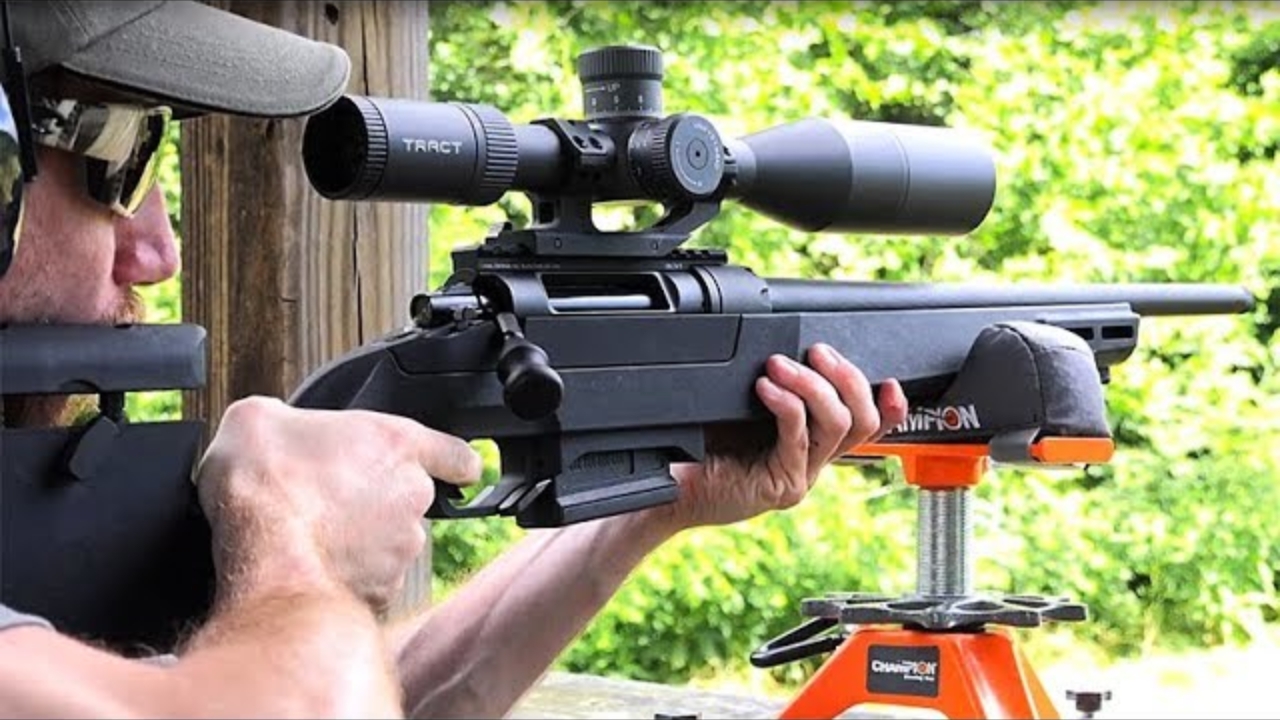
Daniel Defense surprised some shooters when it moved into bolt-action rifles with the DELTA 5 in 2019. The company’s history says the DELTA 5 brought Daniel Defense into a new group of shooters by combining AR-platform modularity with custom-style bolt-gun features.
That was an important move because Daniel Defense had been so strongly tied to ARs. A bolt gun forced the company to compete with brands like Tikka, Bergara, Savage, Ruger, Christensen, and custom-style precision rifle makers. Not every AR company can jump into bolt guns and be taken seriously. Daniel Defense tried to use its manufacturing reputation to make that jump.
11. The Black Creek Facility Is a Big Part of the Modern Story

Daniel Defense’s current manufacturing footprint is a major part of the brand’s image. Its Black Creek, Georgia facility grew into a large, modern manufacturing operation. Daniel Defense’s history says construction of a new 300,000-square-foot facility was completed in 2017, consolidating operations under one roof in Georgia.
That matters because premium rifle buyers like to know where and how guns are made. Daniel Defense does not present itself as a garage AR assembler. It presents itself as a major American manufacturer with serious machines, in-house processes, and controlled production. The facility is part of the pitch.
12. Daniel Defense Furniture Was an In-House Move Too

Daniel Defense did not stop at barrels, rails, and receivers. In 2014, the company introduced its own line of furniture, including buttstocks, pistol grips, and vertical grips. Its history page says every rifle sold today is assembled with that premium line of furniture.
That is a small detail, but it fits the broader pattern. Daniel Defense likes controlling more of the finished rifle. Some shooters love DD furniture. Others swap it out right away. Either way, it shows how the company kept trying to replace purchased parts with its own components, which reinforces the brand’s in-house manufacturing identity.
13. The Brand Lives in the Premium AR Argument
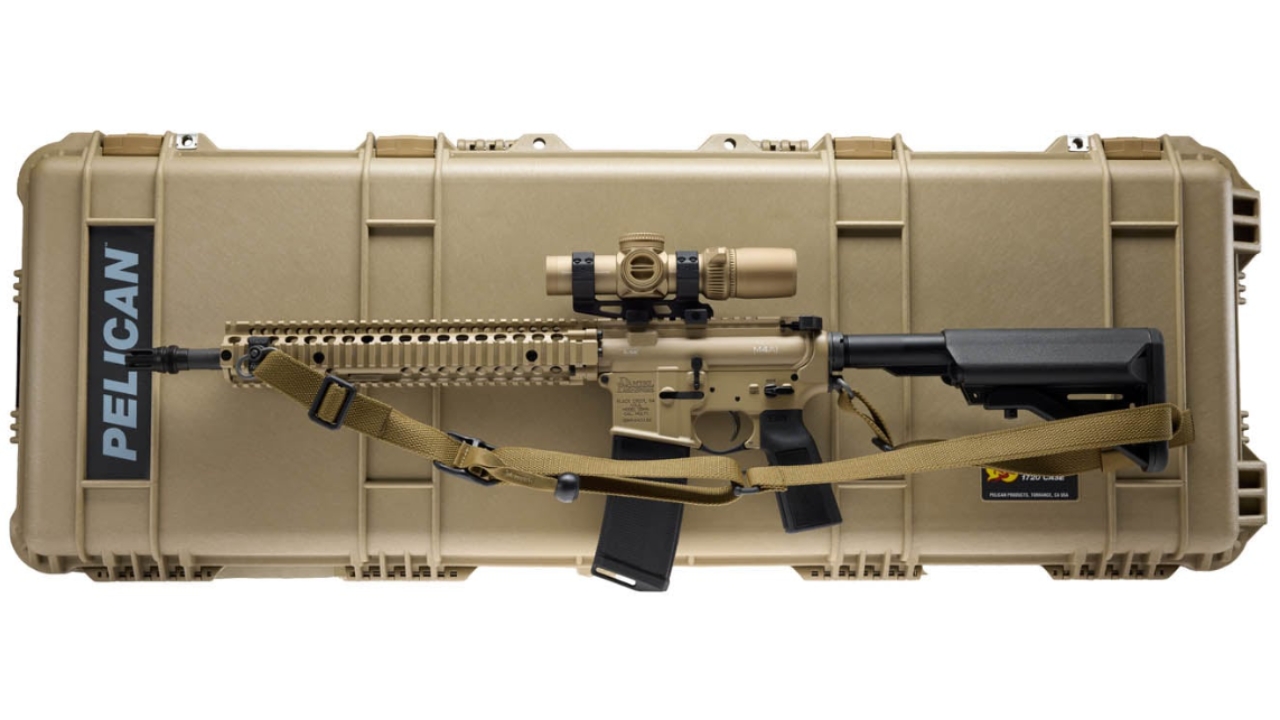
Daniel Defense rifles cost enough that buyers argue about them constantly. Some shooters say you can build an equal or better AR for less. Others say a complete Daniel Defense rifle gives you known quality, a strong barrel, a good rail, proper assembly, warranty support, and long-term resale confidence.
That argument is exactly where Daniel Defense lives. It is not a budget brand and does not try to be. It sells confidence, consistency, and premium factory assembly. For some buyers, that is worth the money. For others, building or buying from another manufacturer makes more sense. The fact that people argue so much about the price is proof the brand sits in a serious category.
14. Daniel Defense Has Had Public Scrutiny Too
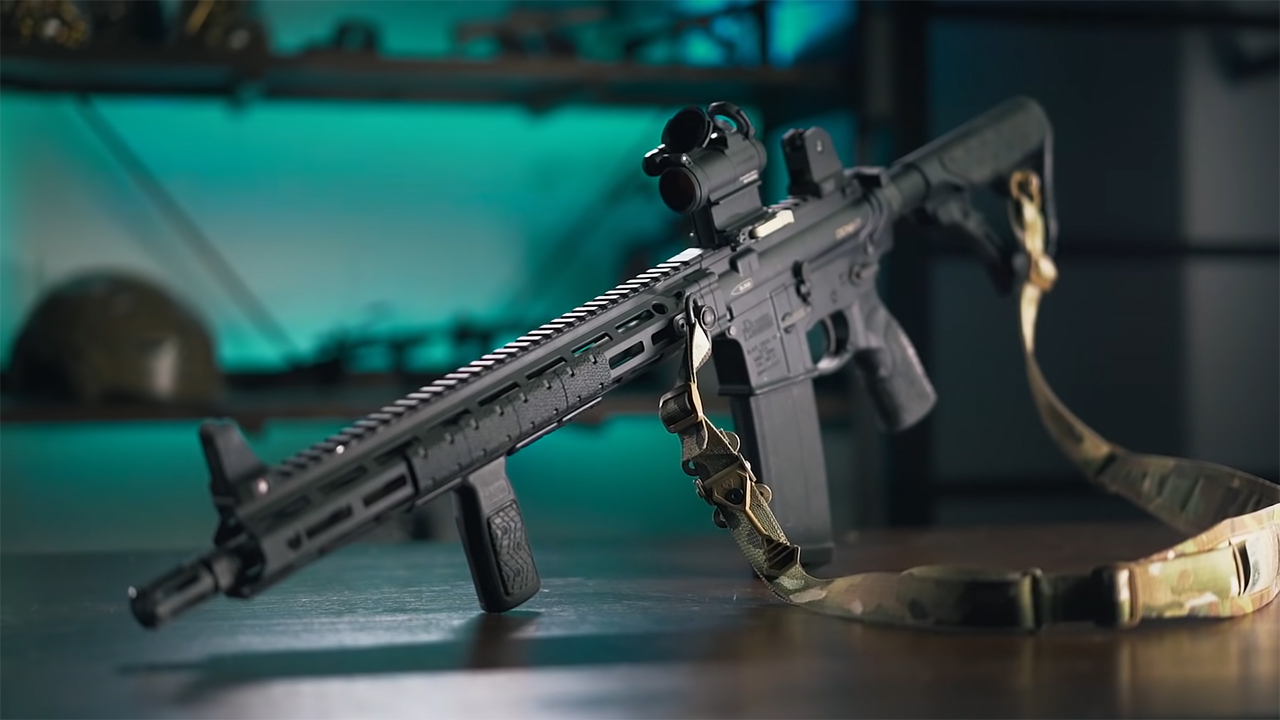
Daniel Defense has also faced public scrutiny because of its visibility in the firearms market and the types of rifles it sells. A major brand tied to AR-style rifles is going to draw attention from both gun buyers and critics outside the gun world, especially after high-profile tragedies involving AR-pattern firearms.
That does not change the mechanical quality of a rifle, but it is part of the modern Daniel Defense story. The brand is not operating in a quiet corner of the industry. It sells one of the most politically debated types of firearms in America, and its success means it is often part of broader public conversations about ARs, marketing, regulation, and civilian ownership.
15. Daniel Defense Earned Attention by Getting the Details Right

The biggest thing most shooters do not know about Daniel Defense is that its reputation was built detail by detail. Rails first. Then barrels. Then complete rifles. Then larger-frame rifles. Then bolt guns. Then more in-house parts and expanded manufacturing. The brand did not become respected because it was old. It became respected because serious AR buyers believed the small things were done right.
That is why Daniel Defense still matters. It is not the cheapest AR brand, not the oldest, and not the only good premium rifle maker. But it built a name around cold hammer-forged barrels, strong rails, serious manufacturing, and complete rifles that buyers trust out of the box. In the AR market, where everyone claims to be “duty grade,” that kind of reputation is hard to earn and even harder to keep.
Like The Avid Outdoorsman’s content? Subscribe to our newsletter so you never miss an article.
Here’s more from us: