Photo credit: Sandstone Ridge/YouTube
Some handguns build their reputation online. Others earn it the slow way, which usually means years of real carry, real range time, and enough hard use that people stop talking about trends and start talking about what keeps working. Those are the pistols that hold onto shooters long after newer releases come along with louder marketing and fresher buzzwords. They do not need a fan club to stay relevant. They already proved themselves where it matters.
That kind of loyalty is harder to win than internet attention. A handgun that keeps showing up on belts, in nightstands, in training classes, and in holsters year after year usually got there because it shoots honestly, carries well enough, and does not create drama when you need it to do its job. These are the handguns that built real followings the old-fashioned way, with performance instead of noise.
Browning Hi-Power
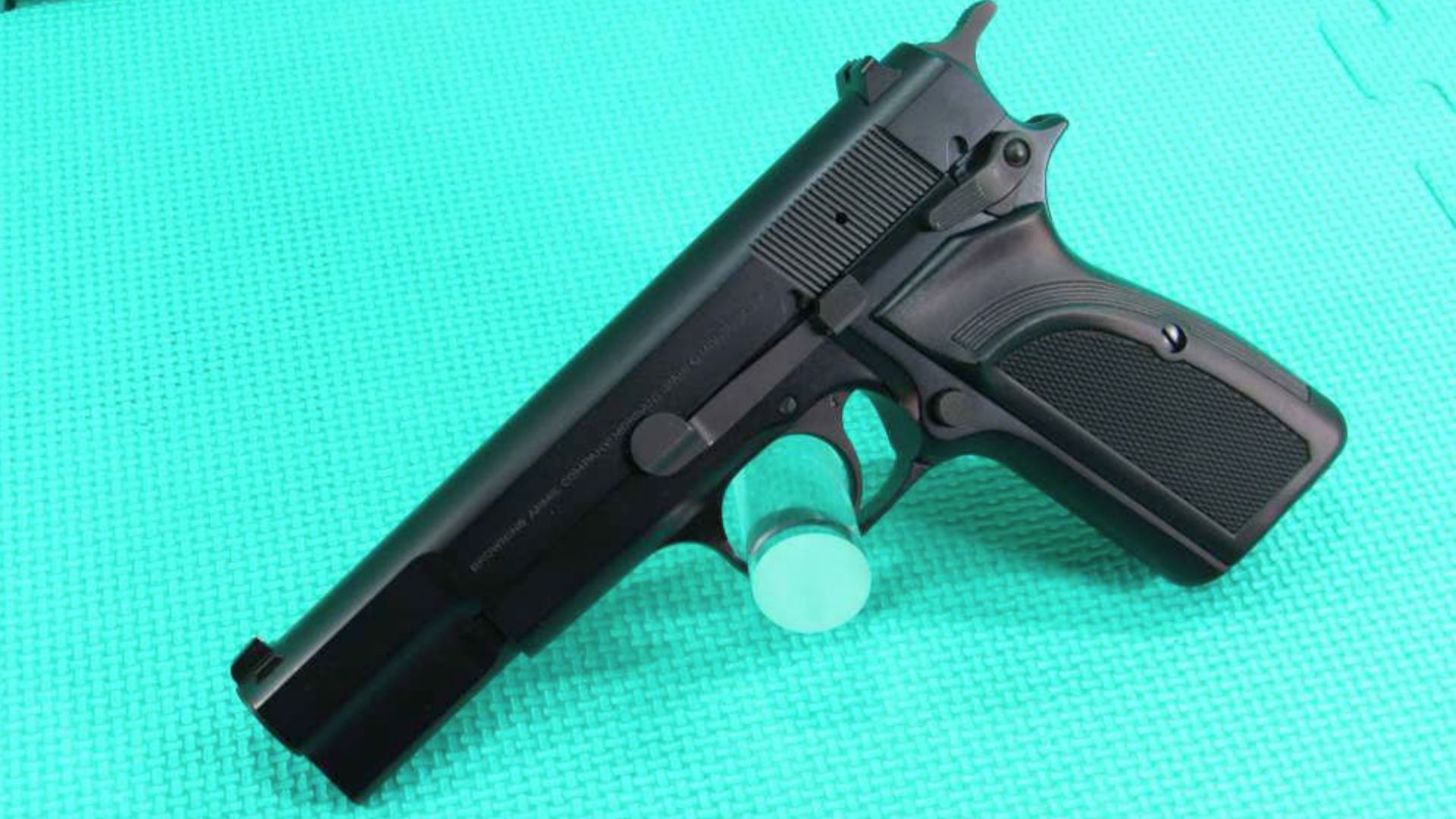
The Browning Hi-Power earned loyalty from shooters who wanted a fighting pistol that felt slim, natural, and easy to point well. Long before people obsessed over grip texture and marketing language, the Hi-Power already had the kind of balance that made it easy to appreciate once you put rounds through it. It sat well in the hand, carried flatter than many service pistols, and had the kind of profile shooters kept coming back to after trying bulkier options.
It also built trust across decades of military and police use, which matters more than internet praise ever will. Shooters stayed loyal because the pistol had history, real-world proof, and manners on the range that still hold up. Even with older sights and some trigger complaints on certain examples, the Hi-Power kept winning people over because it felt like a serious pistol, not a product designed to chase the mood of the month.
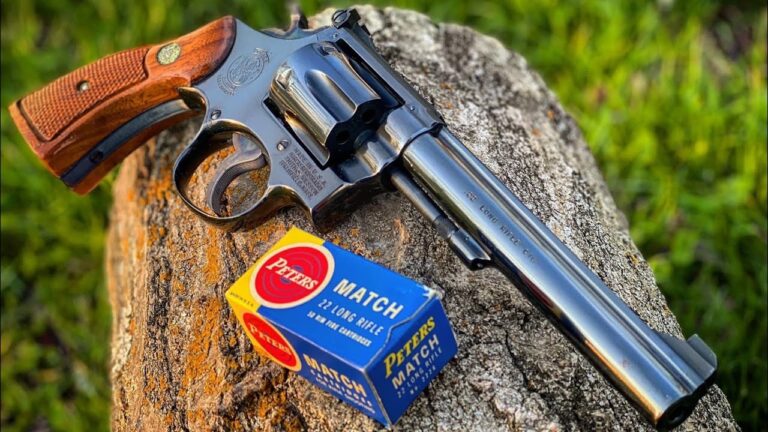
Smith & Wesson Model 19

The Model 19 earned its following by being the kind of revolver that made sense the moment you handled it. It was trim enough to carry, serious enough for duty, and comfortable enough in the hand that a lot of shooters understood it quickly. You did not need some giant online campaign telling you it was special. You only needed a little time behind the trigger to see why so many cops, outdoorsmen, and revolver fans stayed attached to it.
Part of that loyalty came from balance. A good Model 19 points naturally and feels alive in a way some chunkier revolvers do not. Shooters who spent real time with one tended to remember it. It was not perfect for every heavy .357 workload forever, but that never stopped people from respecting what it was. It earned loyalty because it carried easier than large-frame magnums and still felt serious when the work started.
Colt 1911 Government Model

The Government Model did not need the internet to build a following because its place was already secured through use, familiarity, and the kind of shootability people notice fast. When a 1911 is set up right, it gives you a trigger, sight picture, and recoil feel that keep pulling shooters back in. Plenty of pistols have come along promising more capacity or less maintenance, but that has never erased how easy a good Government Model can be to shoot well.
The loyalty comes from more than nostalgia. Shooters stuck with the platform because it points naturally, carries flatter than many people expect, and rewards good fundamentals in a very honest way. Yes, quality matters, and yes, not every 1911 deserves blind devotion. But the real reason the platform lasted is simple: when the gun is right, it feels right, and shooters tend to stay loyal to pistols that make accuracy feel repeatable instead of accidental.
SIG Sauer P226

The P226 earned real loyalty by doing what serious shooters tend to remember: it ran well, shot smoothly, and felt like it had been built for adults instead of focus groups. It never needed online hype because agencies, military units, and regular shooters gave it something better than hype, which was long-term trust. Once people got used to the weight and the double-action first shot, many found it hard to stop appreciating how steady and composed the pistol felt.
A big part of that loyalty came from how easy it was to shoot with confidence. The gun had enough size to control recoil well, enough quality in the controls to feel dependable, and enough consistency to keep shooters from second-guessing it. It was never the cheapest, smallest, or trendiest option, but it became the kind of handgun owners kept defending because it kept proving itself without needing a constant sales pitch.
Ruger GP100

The GP100 built its following by being the revolver people bought when they wanted something sturdy enough to keep around for a long time. It did not need a fashionable image because its whole appeal was wrapped up in durability, shootability, and straightforward usefulness. Shooters who actually spent time with one usually came away respecting how well it handled full-power .357 loads and how little drama it brought to ownership.
That loyalty came from confidence more than charm. The GP100 is not some delicate old-school showpiece you are afraid to run hard. It feels like a revolver built to be used, and that matters to people who shoot more than they post. Owners stayed loyal because the gun kept delivering the same message over time: it may not flatter itself, but it is hard to wear out, easy to trust, and still one of the better answers for somebody who wants a working magnum revolver.
CZ 75B

The CZ 75B earned loyalty through feel. A lot of shooters only needed one range trip to understand why the pistol had such a devoted following long before internet chatter got loud about it. The grip shape, the low slide profile, and the soft-shooting nature of the gun gave it a different personality from many service pistols. It felt planted, controllable, and easy to run well once you got familiar with it.
That kind of connection matters because shooters remember pistols that seem to help them rather than fight them. The CZ 75B never needed to dominate headlines to stay respected. It won people over by shooting better than they expected and by giving them a metal-framed alternative that still felt lively instead of dated. Owners stayed loyal because the gun kept doing the same thing over and over: making them look a little better than they usually did with less cooperative pistols.
Smith & Wesson 3913

The 3913 earned real loyalty from people who actually carried their guns instead of talking about carry in theory. It was slim, light enough to live with, and shaped in a way that made daily carry feel less like a chore. Long before every brand started racing to sell the thinnest possible 9mm, the 3913 had already built a following among people who wanted a pistol that disappeared well but still felt like a real handgun when it was time to shoot.
That loyalty stuck because the gun offered more than concealment. It was also pleasant enough to practice with, which is where a lot of compact pistols fall short. Shooters appreciated that balance. The 3913 did not ask them to choose between comfort on the belt and confidence on the range in the same punishing way many small carry guns do. That practical middle ground is exactly how handguns earn lasting respect without needing a bunch of online noise.
Glock 19

The Glock 19 became widely known online later, but it earned its deeper loyalty before internet culture turned it into a symbol. Shooters stayed with it because it kept solving real problems without becoming fussy. It was compact enough to carry, large enough to shoot seriously, and simple enough to maintain without a lot of drama. That is not exciting marketing talk. That is the kind of plain usefulness people actually build habits around.
What kept the loyalty real was consistency. Owners knew what they were getting, magazines were easy to find, support was everywhere, and the pistol usually kept running even when it was not pampered. Plenty of handguns have had louder moments in the spotlight, but few built such broad trust across concealed carry, home defense, training, and duty-style use. The Glock 19 earned staying power because it made practical sense before it ever became an internet personality.
Smith & Wesson Model 686

The Model 686 earned a following because it gave shooters a .357 revolver that felt steady, durable, and easy to shoot well. It did not need hype because anyone who spent time behind one could feel what made it work. The full underlug helped tame recoil, the grip frame gave people room to tune the fit to their hands, and the whole gun carried itself with the kind of confidence shooters tend to respect.
Loyalty to the 686 also grew because it handled different roles without feeling compromised. It could live on the range, pull home-defense duty, ride in the field, or simply stay as the revolver somebody trusted most. That flexibility matters. A gun does not build a real following by being good in one narrow lane and forgettable everywhere else. The 686 stayed popular because it kept being the revolver people recommended after they had already tried enough others to know what they actually valued.
H&K USP Compact
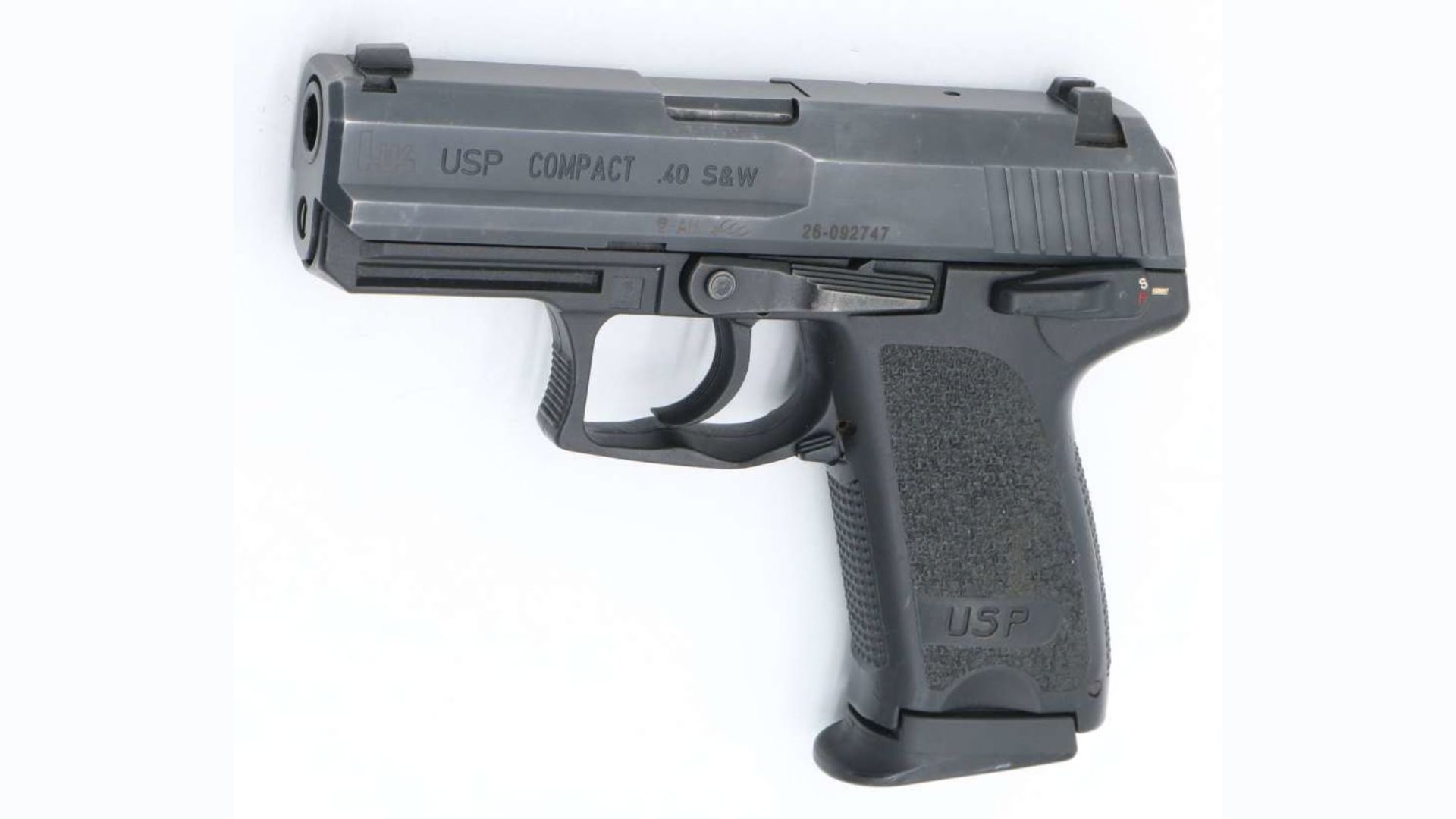
The USP Compact earned real loyalty from shooters who wanted a carry-capable pistol that still felt serious, durable, and built for hard use. It never had to rely on trendiness because the gun itself made the case. Owners appreciated the way it soaked up recoil for its size, the flexibility of its control variants, and the overall sense that it had been designed to keep working under conditions harsher than most civilian handguns ever see.
That matters because loyalty usually grows from confidence, not novelty. The USP Compact was not the thinnest gun, and it was never going to win everyone over on looks alone, but people who shot and carried them often stayed with them for years. They trusted the gun. They knew how it behaved. And once a pistol becomes that familiar and dependable, online excitement about the latest release tends to lose a lot of its pull.
Beretta 92FS
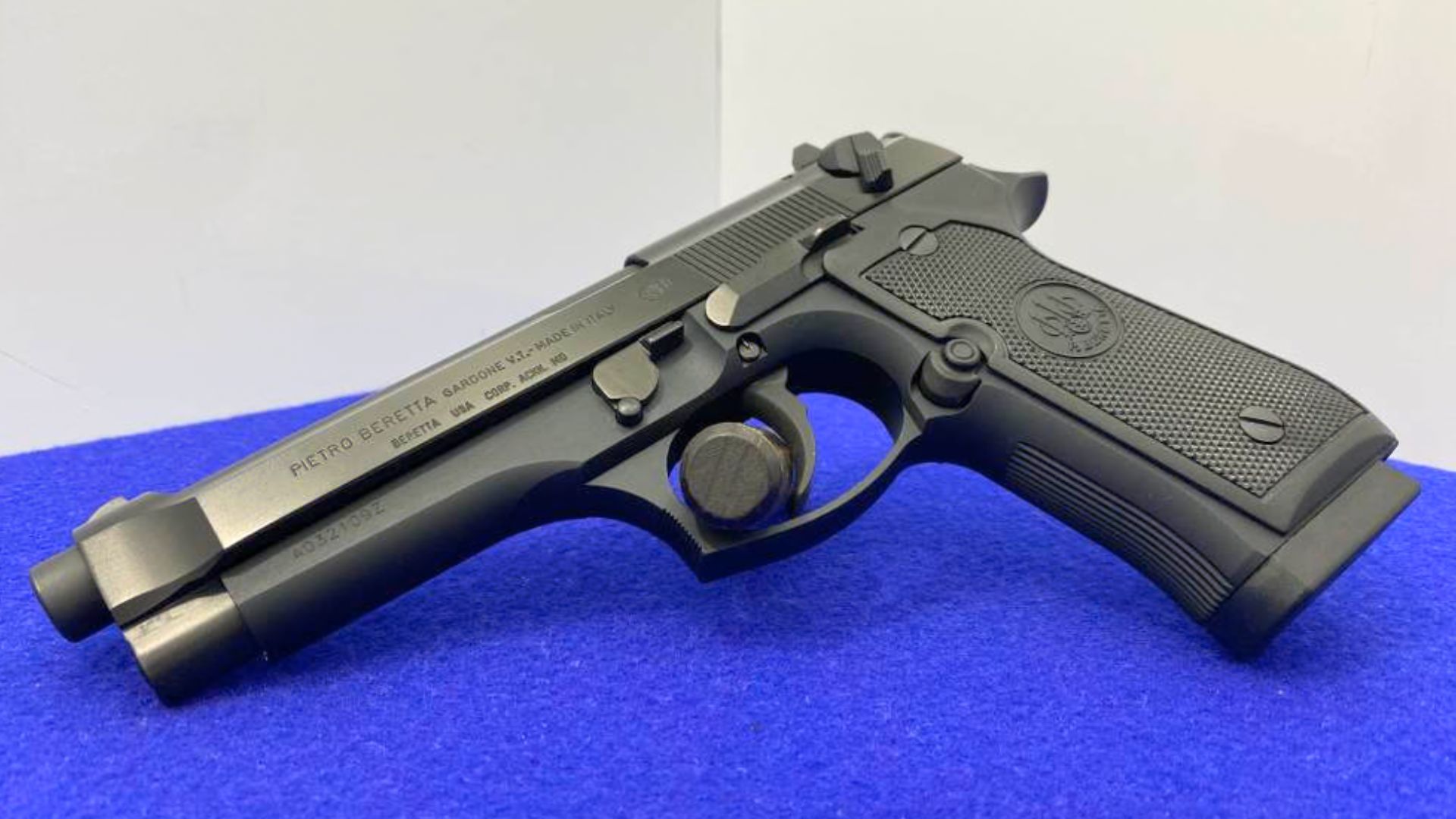
The 92FS earned loyalty the old-fashioned way by being soft-shooting, reliable, and easier to run well than many people expected. Before online gun culture turned every discussion into a contest over specs, plenty of shooters were already sticking with the Beretta because it shot flat, fed well, and gave them a full-size pistol they could trust. Once you learn the gun, it has a rhythm to it that makes sense.
A lot of that loyalty came from how approachable it felt on the range. The size and weight made recoil manageable, the open-top slide helped build a strong reliability reputation, and the grip and sight picture made it easier for many shooters to settle into a groove. It was never the coolest choice to every crowd, but that never stopped it from earning long-term respect. The 92FS stayed relevant because real use kept saying the same thing.
Ruger Mark II
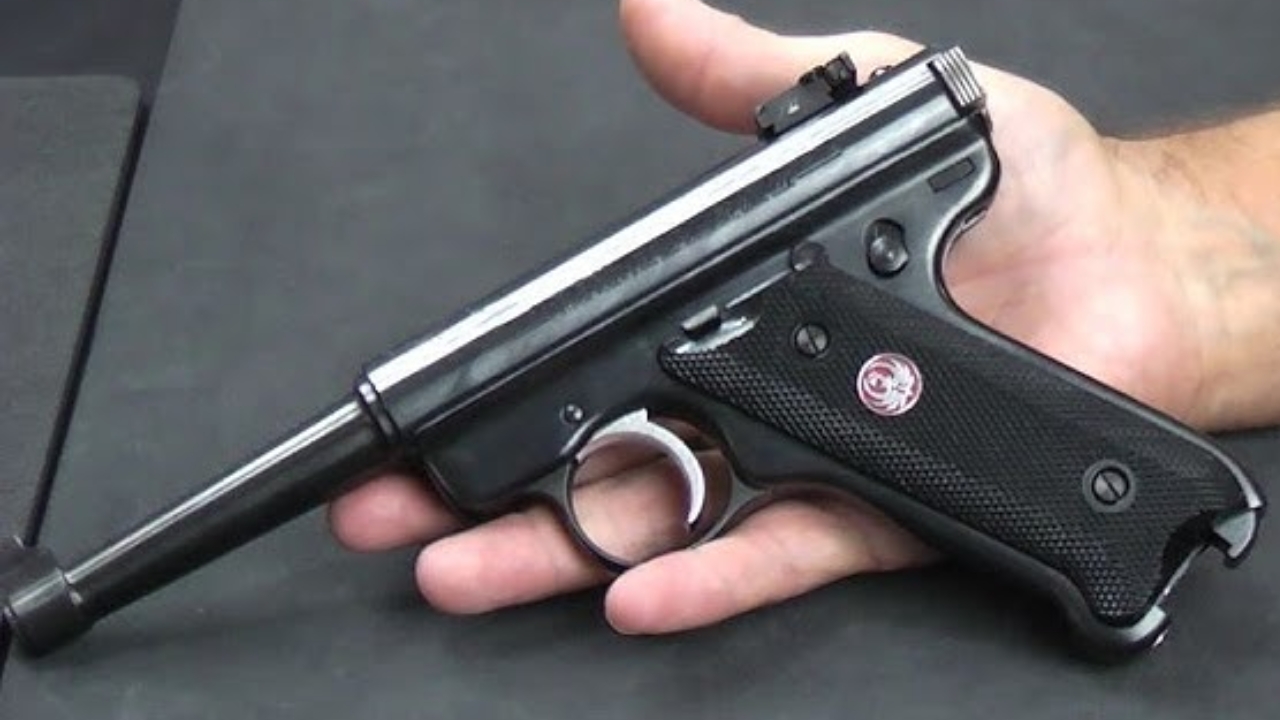
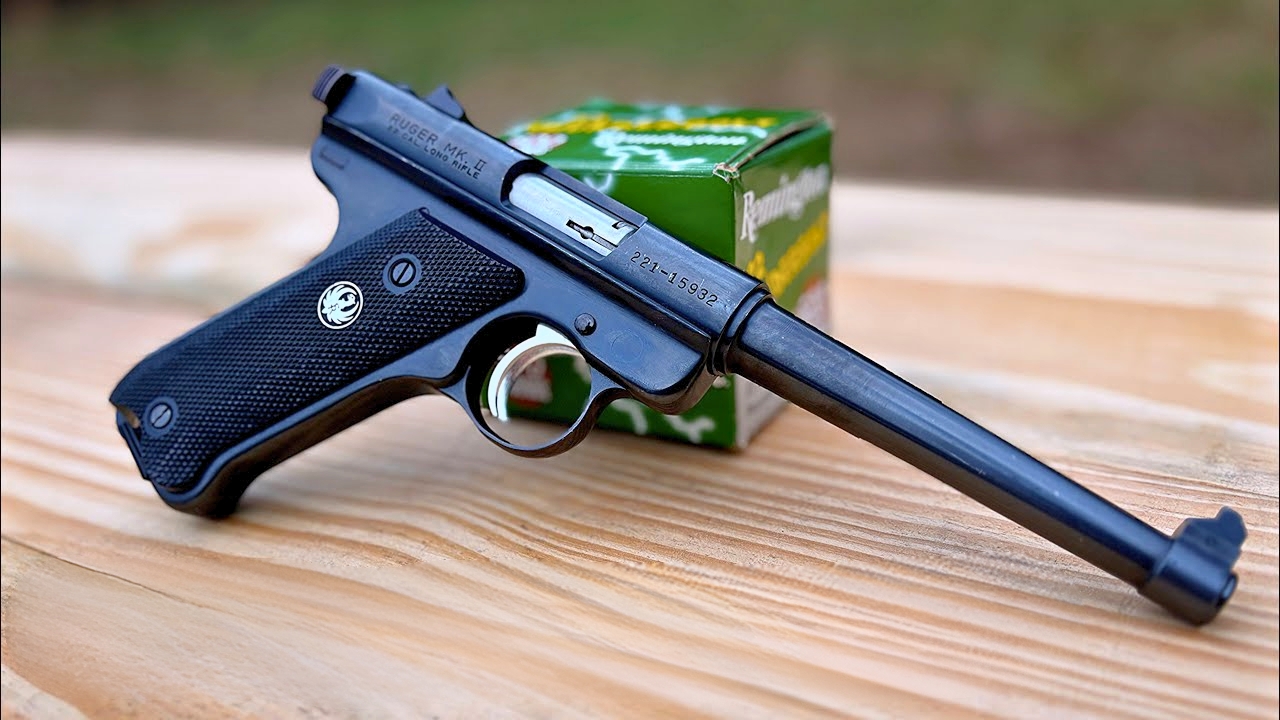
The Ruger Mark II built one of the strongest followings in handguns by doing something many flashy pistols never manage: becoming part of people’s actual shooting lives for years. It was accurate, dependable, affordable enough for real use, and easy to keep feeding. That matters more than internet buzz because loyalty often starts with the gun you shoot a lot, not the one you admire in passing. The Mark II became that pistol for a lot of owners.
It also earned loyalty by being useful across generations. It trained new shooters, sharpened fundamentals, handled small-game duty, and gave serious shooters a rimfire they did not outgrow. That kind of staying power is hard to fake. Nobody needed a content wave to explain why the Mark II mattered. People already knew because they had one, used one, or learned on one. A handgun that honest does not need hype to stay respected. It already lives in too many good memories.
Like The Avid Outdoorsman’s content? Subscribe to our newsletter so you never miss an article.
Here’s more from us: