Photo credit: Rebel 9/YouTube
When you start carrying a defensive pistol, you learn quickly that reliability with hollow points isn’t optional. You can shoot ball ammo all day and think your gun’s squared away, but defensive loads are shaped differently, feed differently, and expose every rough edge or sloppy tolerance inside the gun.
If a pistol can’t run a basic carry load like HST, Gold Dot, or Critical Duty, it’s not something you can trust when things turn sideways. And the truth is, a surprising number of handguns still stumble as soon as you load anything other than round‑nose. These are the ones that make you nervous the moment you see the feed ramp hesitate.
Smith & Wesson SD9 VE
The SD9 VE earned a following because it’s cheap and familiar, but once you start feeding it hollow points, things get less comforting. The shallow feed ramp and rough machining inside the chamber can drag on wide‑mouth loads like Gold Dot or Federal Punch. That hesitation shows up at the worst moments—first‑round nose dives, partial feeds, and rounds getting hung up at the lip of the barrel.
You can polish the ramp and try different magazines, and sometimes that helps. But out of the box, too many shooters report the same pattern: ball runs fine, hollow points stumble. That’s not what you want in a defensive gun.
Taurus PT111 G2

Plenty of folks bought the G2 because it shot well for the price. But once you switch to hollow points, the gun’s reputation gets shakier. The feed geometry is tight, the ramp angle is steep, and some loads snag hard on the transition from magazine to chamber. You’ll see the classic “three‑point jam,” where the bullet nose catches, the case stops, and the slide loses momentum.
Some people claim theirs runs everything, and that’s great. But enough examples choke on common defensive ammunition that you can’t pretend it’s a rare occurrence. A carry gun shouldn’t need a magic recipe to function.
Kimber Micro 9
The Micro 9 carries well, points naturally, and feels familiar to 1911 fans—but its tiny size works against it when feeding hollow points. Short‑barreled 1911‑pattern pistols are already finicky, and the Micro 9 magnifies every tolerance issue. Loads with wider cavities or sharp shoulders tend to hang up on the steep feed path.
You’ll get inconsistent chambering, especially when riding the slide forward during admin loads. Even when slingshotting, some magazines don’t present the round high enough to glide cleanly into battery. For something meant to be a defensive companion, that inconsistency gets old fast.
Springfield 911 9mm

The Springfield 911 has the same challenge as the Micro 9: shrinking a 1911‑style gun doesn’t magically make it reliable. Hollow points show every flaw. If the magazine angle isn’t perfect or the extractor tension is slightly off, you’ll see failures to feed. And because it’s such a small slide, there’s less force driving the round up the ramp.
Plenty of shooters found the 911 smooth with FMJ and unpredictable with hollow points. That’s not a gamble you want to take when the whole reason for owning it is personal protection.
Kahr CW9
Kahr pistols have a loyal fanbase, and when they run, they’re accurate, slim, and easy to conceal. But the CW9 is notorious for choking on hollow points until you’ve fired a couple hundred rounds through it. The gun has a long, stiff recoil spring, and that makes the initial feeding cycle unforgiving to anything with a flat nose or aggressive cavity.
Kahr even recommends a break‑in period, which should tell you something. A defensive pistol that needs polishing by gunfire before functioning with common carry loads isn’t confidence‑inspiring to most folks.
Remington R51 (Gen 1 & 2)

The R51 was marketed as a soft‑shooting, innovative choice for concealed carry. What shooters actually got was a temperamental gun that struggled to feed almost anything, especially hollow points. The hesitation‑lock system feels smooth when it works, but when it doesn’t, the slide slows down just enough to turn hollow points into stoppages.
Even the second‑generation models fixed only part of the problem. Many owners still reported feed issues on loads like Critical Duty or Ranger T. If you need a gun to run clean under stress, the R51 never really earned its place.
SCCY CPX‑2
The CPX‑2 is inexpensive and easy to carry, but hollow points reveal its rough edges. The feed ramp angle is tall, the machining marks are obvious, and the magazines sometimes struggle to maintain proper presentation height. Combine all that with a snappy recoil cycle, and you end up with failures to feed that show up in the same way over and over.
Some polish work helps, and trying multiple loads can sometimes fix the issue—but you shouldn’t have to tune a pistol just to run defensive ammo that’s mainstream everywhere else.
Walther PK380
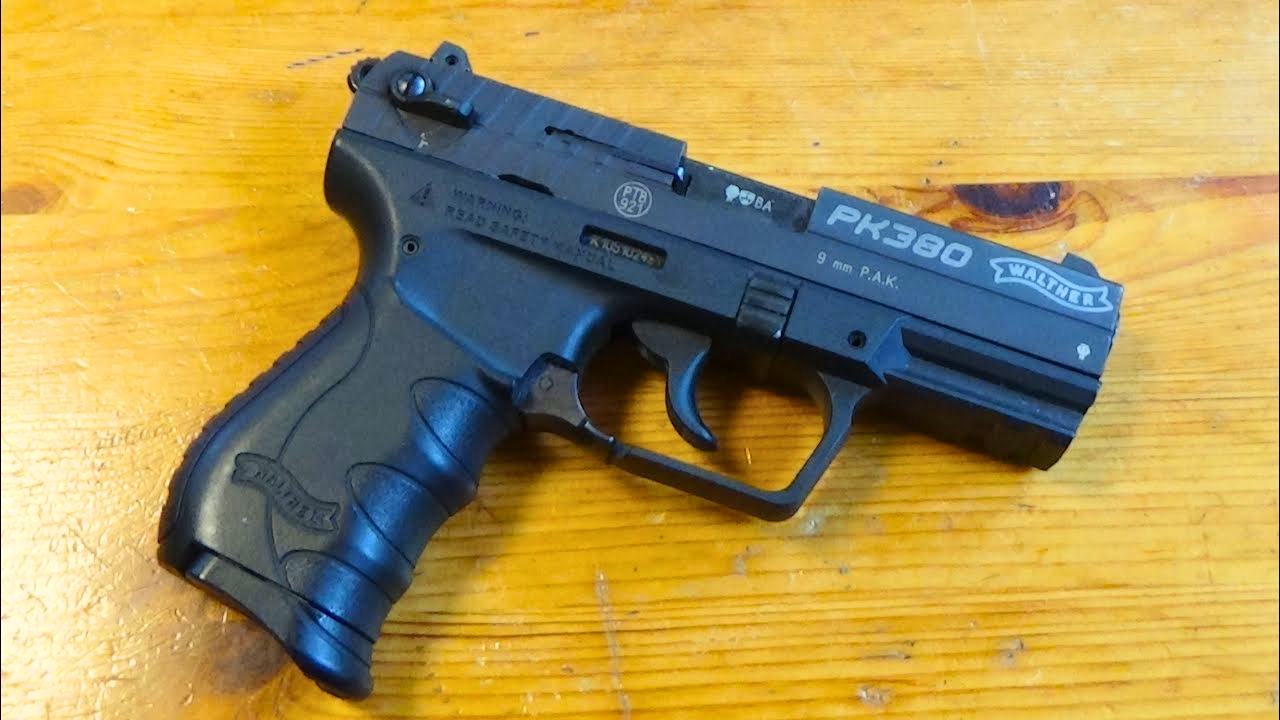
The PK380 is soft‑shooting and comfortable in the hand. But because it’s a locked‑breech .380 instead of simple blowback, the timing of the feeding cycle becomes more sensitive. Hollow points, especially with wide mouths, tend to stall at the base of the feed ramp. The magazine’s follower angle doesn’t always present the round cleanly, and the slide doesn’t have much momentum to spare.
Plenty of owners report reliability only with specific loads. That’s fine for range use, but not great when you’re depending on it in real life.
Bersa Thunder 380 Plus
The Thunder 380 Plus is reliable with ball ammo, but hollow points can be hit‑and‑miss. The feed ramp isn’t generous, the magazine springs vary in strength, and the gun has a tough time chambering rounds that aren’t smooth‑profiled. You’ll see the bullet nose dig into the ramp before the slide can finish its motion.
That inconsistency gets worse when the gun starts getting dirty or dry. For a carry pistol, reliability shouldn’t depend on constant perfect maintenance or load selection gymnastics.
Ruger LC9 (original)

The LC9’s slim frame makes it great for concealment, but that tight geometry creates rough feeding paths. Hollow points, especially those with flat profiles, struggle to rise cleanly from the magazine and hit the chamber at the correct angle. Add in the heavy recoil spring and short slide travel, and you end up with frequent nose‑dives and partial chamberings.
Ruger fixed a lot of this with later models, but the original LC9 still shows its limitations. If your gun hesitates with common defensive ammo, that hesitation sticks in your mind every time you holster it.
Like The Avid Outdoorsman’s content? Subscribe to our newsletter so you never miss an article.
Here’s more from us:
*This article was developed with AI-powered tools and has been carefully reviewed by our editors.