
Photo credit: Brooke Barnes Photography/Shutterstock.com
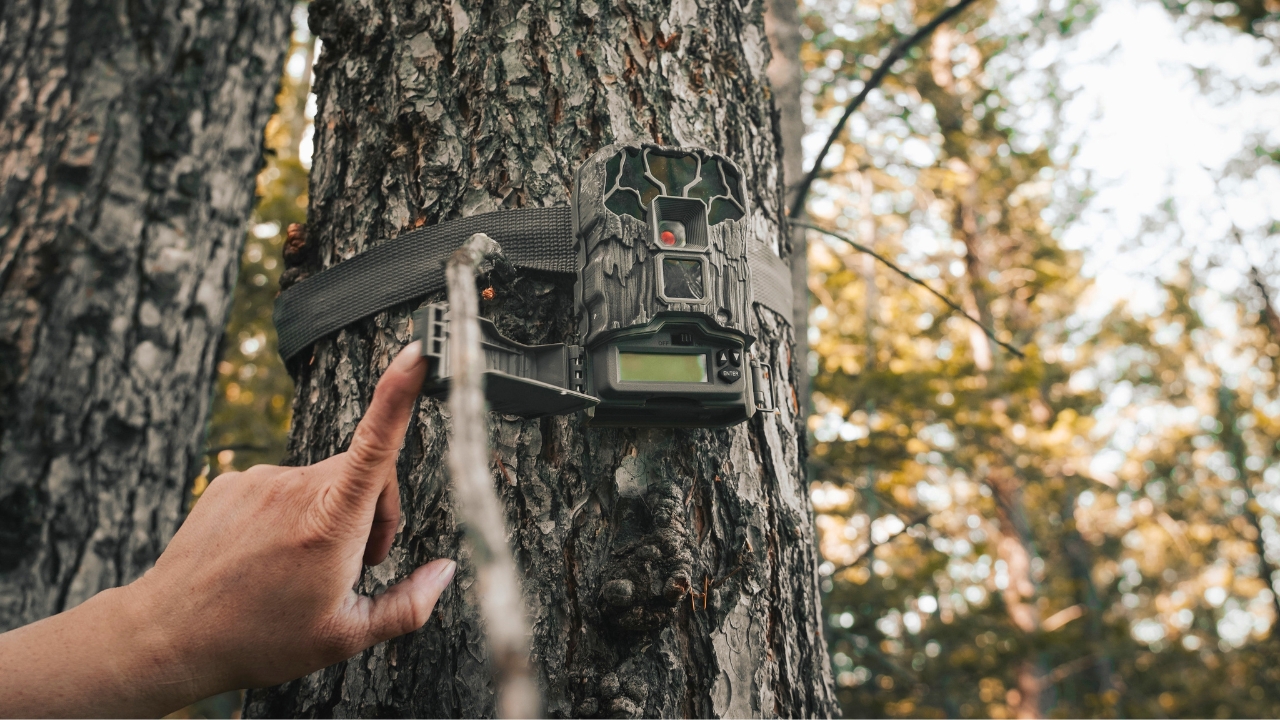
A hunter on Reddit said he had been scouting a spot for months and thought he had a solid plan heading into the rut. In the post, he explained that the property had multiple scrapes and several mature deer he had been watching, and he had a trail camera set to keep tabs on the area. Then a trespasser showed up and changed the whole thing. According to the post, the man came onto the property, took the camera off the tree, and set it back down pointing at the ground. The hunter said he caught the person on camera before it was moved, which is how he knew exactly what had happened.
The act itself was small, but it felt personal in exactly the way landowners hate. The camera was not smashed. It was not stolen. It was deliberately repositioned so it could not do the job it had been put there to do. That is what gave the story its edge. Somebody had been on his ground, found the camera, handled it, and left it disabled in the laziest, most disrespectful way possible. In the post, the hunter did not sound confused about what he was looking at. He sounded like someone staring at a trespass problem that had just gotten bold enough to touch his gear.
The replies immediately turned to what to do next. Some commenters said to contact the game warden or the local sheriff and report it, especially since he had images of the person. Others said this kind of thing is exactly why they run hidden second cameras or cell cams higher in the tree, because once a trespasser notices one obvious camera, you want another angle still recording. A few people pushed the usual idea of clearly posted lines and more visible warnings, but the tone of the thread suggested most people thought the problem had already gone past a misunderstanding. A stranger does not usually remove a trail cam and point it into the dirt by accident.
What makes the story work is that the damage is not dramatic, but the intent feels obvious. The trespasser did not need to take the whole camera to make the point. Just moving it was enough to tell the hunter someone had been there, did not care they were being watched, and wanted to shut that down without making a bigger scene. For someone who had been building a plan around that spot for months, that kind of interference probably felt worse than random foot traffic. It meant another hunter or trespasser had not only found the area but actively messed with the work he had already put into it.
So the story was less about one moved trail camera than about the feeling that comes with it. The hunter had a spot, had time invested, had deer patterned, and then suddenly had proof that another person had been walking the same ground and felt comfortable enough to put hands on his gear. A stolen camera is frustrating. A camera left behind but turned to face the ground feels more like a message.


