Photo credit: Jevgenija ZUK/Shutterstock.com
When the stakes are high, the last thing you want is a pistol that hesitates, jams, or struggles when you need it most. Some handguns look fine on paper, perform acceptably at the range, and even carry well, but under stress—whether that’s sustained fire, adverse conditions, or critical reliability—they stumble. Knowing which models are prone to issues can save you from disappointment and worse. These handguns have shown that when pressure rises, their shortcomings become clear.
Taurus PT111 Millennium
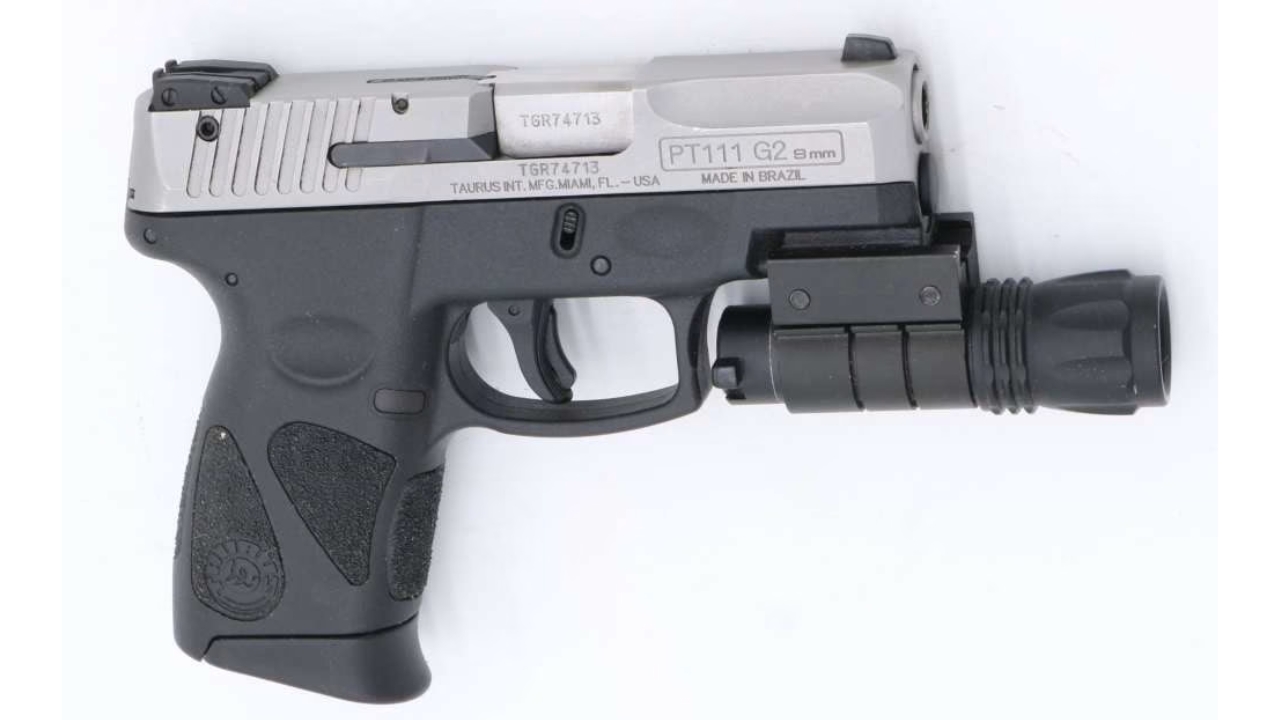
The PT111 Millennium has seen wide use thanks to its affordability, but reliability has always been a sticking point. Failures to feed and light primer strikes tend to show up more often when it’s fired rapidly or under less-than-ideal conditions.
When pressure builds, those flaws become more noticeable. While some shooters get acceptable performance at the range, others find themselves struggling with malfunctions when they can’t afford them. Its track record shows it’s not a pistol you can fully count on.
KelTec PF9

The KelTec PF9 is extremely compact, but its design sacrifices reliability for size. The short recoil system struggles to cycle consistently, especially with hollow points, and shooters often experience failures to eject under stress.
It’s already a handful to control due to its snappy recoil, and adding malfunctions into the mix makes it even more challenging. While its concealability is impressive, it’s not a pistol that inspires confidence when the situation demands absolute dependability.
SCCY CPX-1

The SCCY CPX-1 is known for affordability, but its long, heavy trigger becomes a liability under pressure. That extra pull weight makes smooth shooting more difficult, and malfunctions—like failures to feed—tend to appear when it’s fired quickly.
At close range in a calm environment, it works well enough, but stress changes everything. If you’re counting on it for defense, the inconsistencies in operation can make it hard to trust fully when it matters most.
Remington R51

The Remington R51 had a rocky rollout, and even later production models never fully shed the reliability concerns. Its hesitation-locked design caused repeated feeding and extraction problems, particularly when put through rapid-fire or high-round-count drills.
Even if it runs well for a few magazines, it often stumbles once heat and fouling build up. That’s the kind of unpredictability you don’t want in a carry pistol. While unique in concept, it’s proven to falter more often than it should under real pressure.
Hi-Point C9
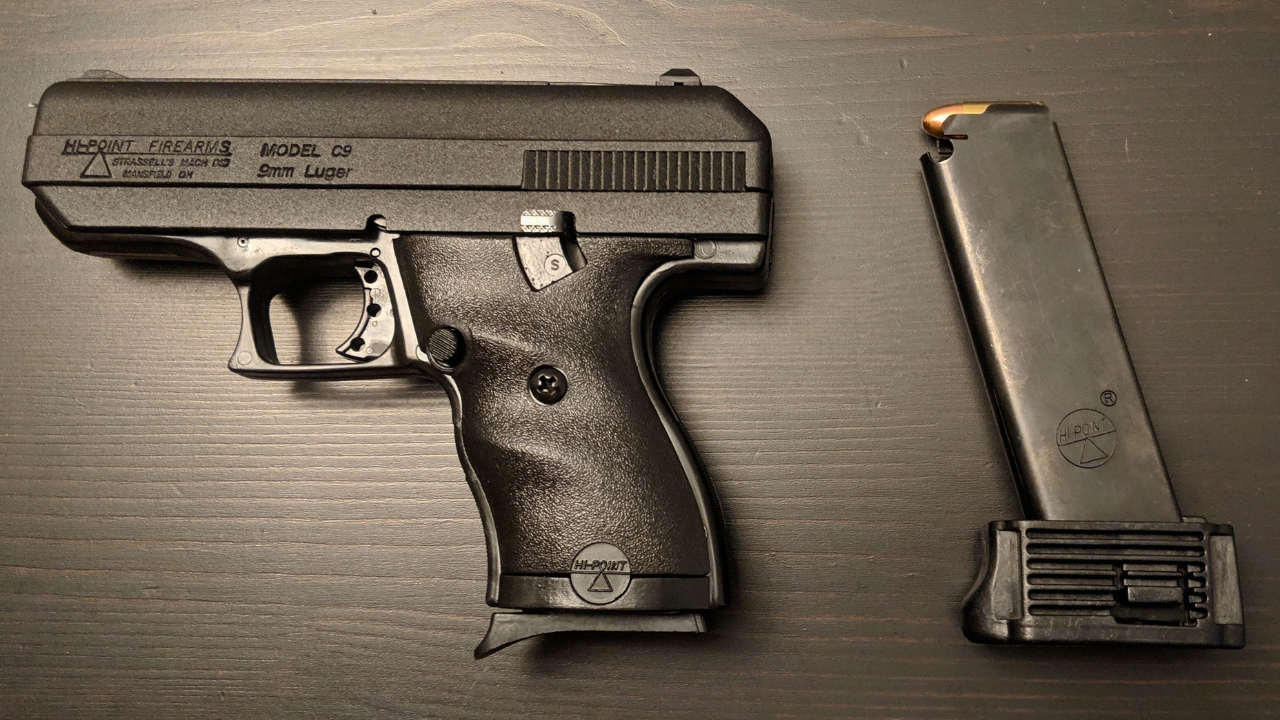
The Hi-Point C9 is often touted as inexpensive and reliable, but “reliable” has its limits. Its blowback system struggles with rapid strings of fire, leading to sluggish cycling or feed issues. The heavy slide and awkward ergonomics don’t help when the pressure is on.
While it can be made to function within a certain window, its tendency to choke when pushed is well documented. It might work fine for casual shooting, but it’s not built to excel under demanding circumstances.
Jimenez Arms JA Nine

The JA Nine from Jimenez Arms is one of the least confidence-inspiring pistols you’ll come across. Its low build quality leads to repeated failures to feed and extract, particularly under rapid fire. Add in durability concerns, and you’re left with a pistol that falls apart quickly under stress.
Many shooters report stoppages after only a few boxes of ammo. When you need performance on demand, this pistol has proven to be one of the most unreliable choices on the market.
Zastava CZ99
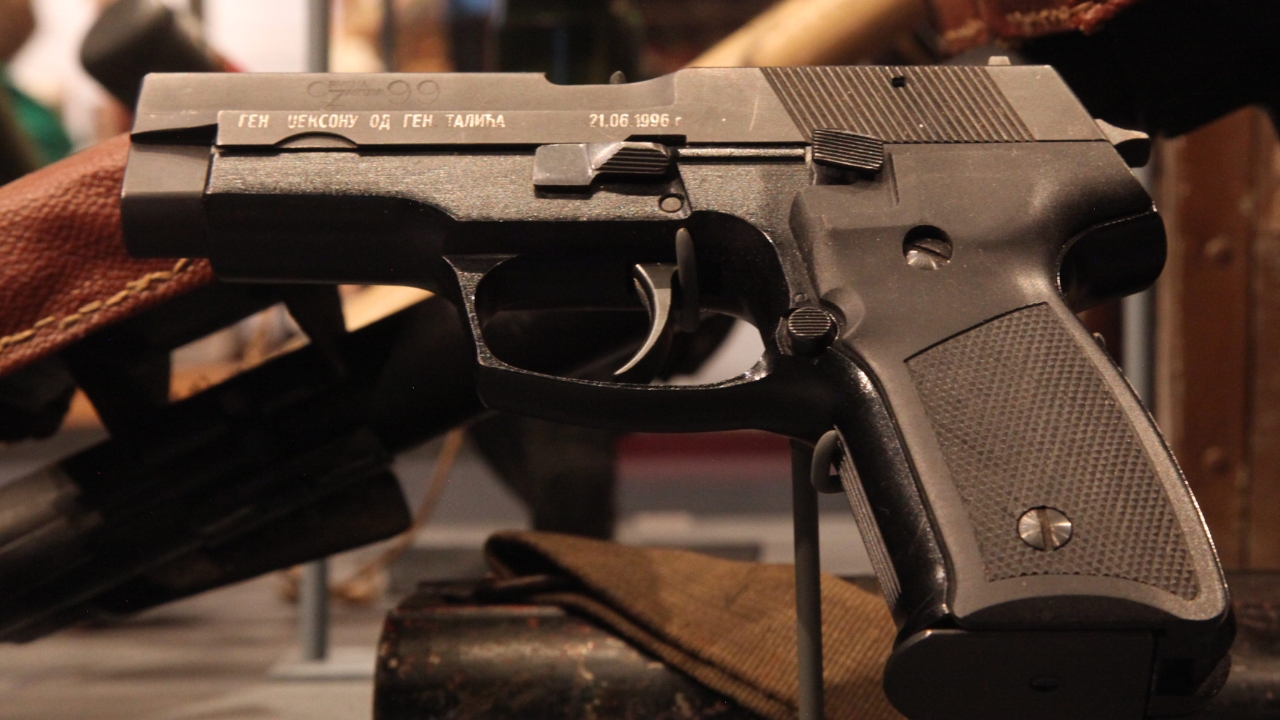
The Zastava CZ99 borrows design cues from the SIG P226, but its execution falls short. While it handles decently during controlled range fire, pressure testing often reveals extraction issues and inconsistencies with different ammunition types.
When pushed in high-round scenarios, the CZ99 frequently struggles with feed reliability. While some users have had solid experiences, the inconsistency between pistols makes it hard to trust completely, especially compared to more proven duty pistols.
Jennings J-22

The Jennings J-22 is a classic example of a pocket pistol that falters under stress. Its small size makes it easy to conceal, but the low-quality materials and questionable design lead to repeated malfunctions once the shooting picks up.
Failures to extract are especially common, leaving shooters frustrated when they need consistent performance. While it might serve as a backup in theory, in practice it’s one of the least reliable pistols when real pressure comes into play.
Cobra CA380
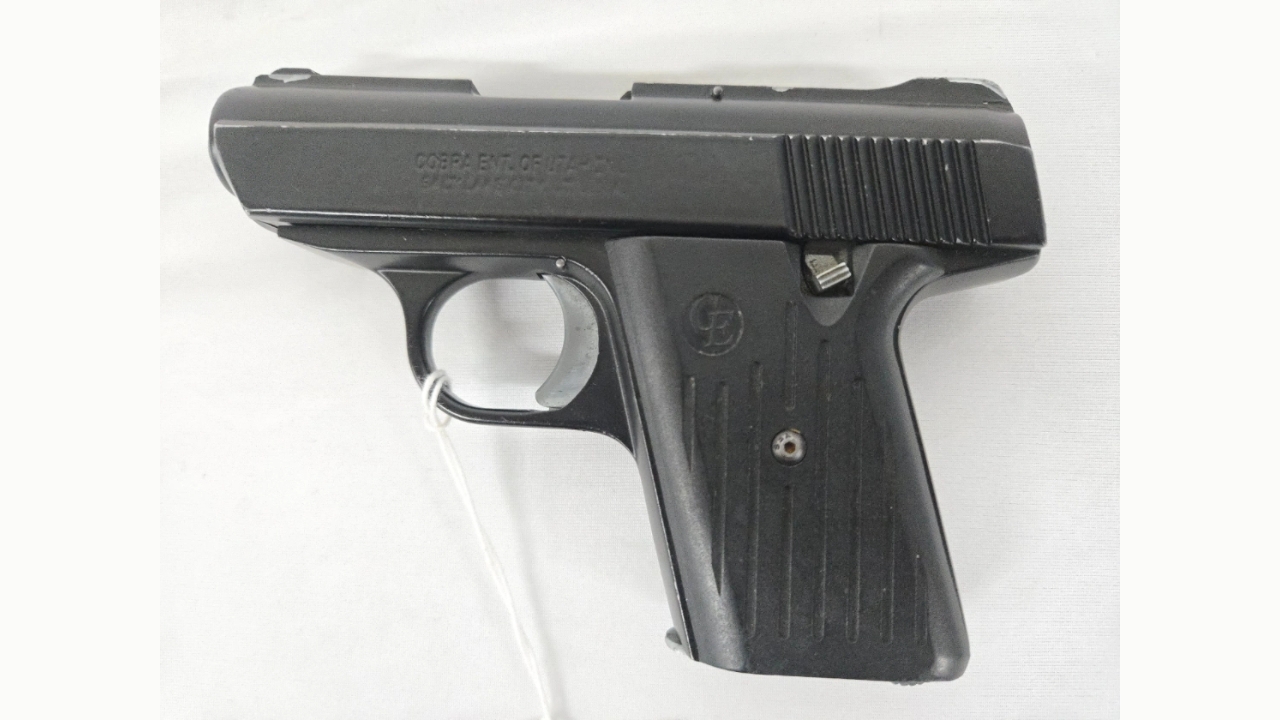
The Cobra CA380 is another low-cost pistol that proves unreliable when pushed. Feeding problems are common, and the heavy trigger doesn’t help accuracy when the pressure is on. Add in durability issues, and it’s not a firearm you want to rely on for anything beyond the range.
Inconsistent manufacturing tolerances only make the reliability gap worse. While it fills a niche for affordability, it lacks the dependability needed for serious situations.
Taurus Spectrum

The Taurus Spectrum is visually modern and compact, but reliability has been its weak spot. Owners have reported issues with feeding and extraction, especially once the pistol heats up. Under stress, those problems can surface at the worst possible times.
It’s intended as a personal defense pistol, but its mixed reputation for reliability makes it tough to recommend for that role. While sleek in appearance, it has proven to struggle in scenarios where consistency is everything.
Phoenix Arms HP22A
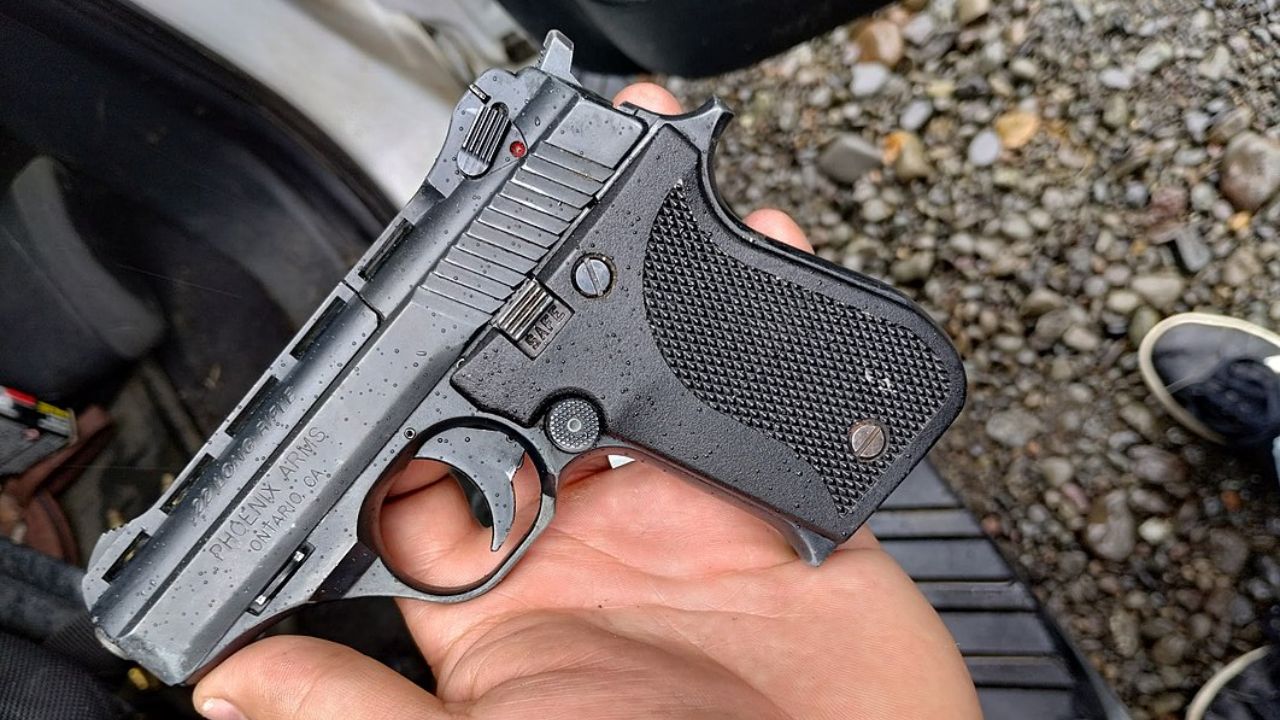
The Phoenix Arms HP22A offers budget accessibility, but the .22 LR chambering and questionable build quality hold it back. Misfires and failures to extract are common, particularly with bulk ammunition, and stress only amplifies those flaws.
At 25 yards or less, you’ll already be fighting the reliability curve. If accuracy and dependability under pressure matter to you, this pistol will disappoint. It’s a low-cost trainer at best, but it’s not a sidearm you want to lean on seriously.
Jimenez Arms J.A. 380
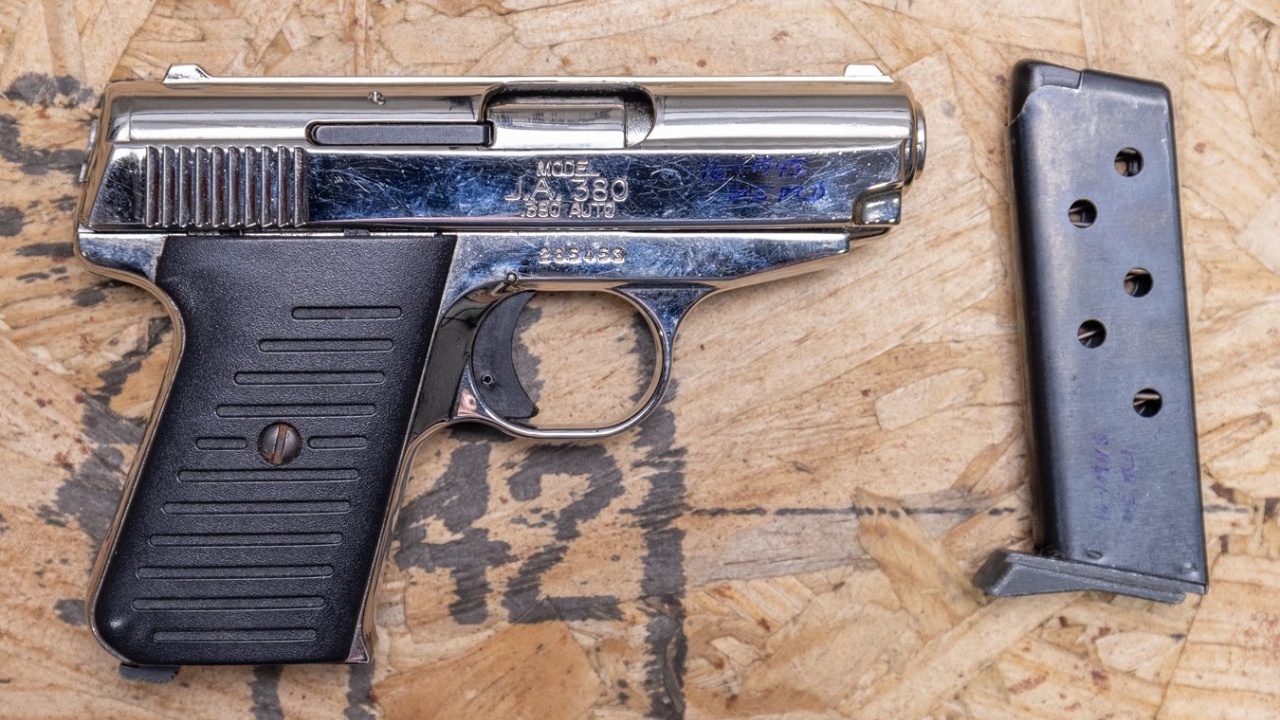
The J.A. 380 suffers from the same pitfalls as other Jimenez pistols: poor construction, erratic feeding, and frequent failures to eject. When put under real stress—fast fire, dirty conditions, or higher round counts—it tends to stumble quickly.
Many shooters have experienced repeated jams after minimal use, showing the design can’t hold up when demands increase. As with other budget options from the same maker, this pistol fails to inspire any long-term confidence.
*This article was developed with AI-powered tools and has been carefully reviewed by our editors.