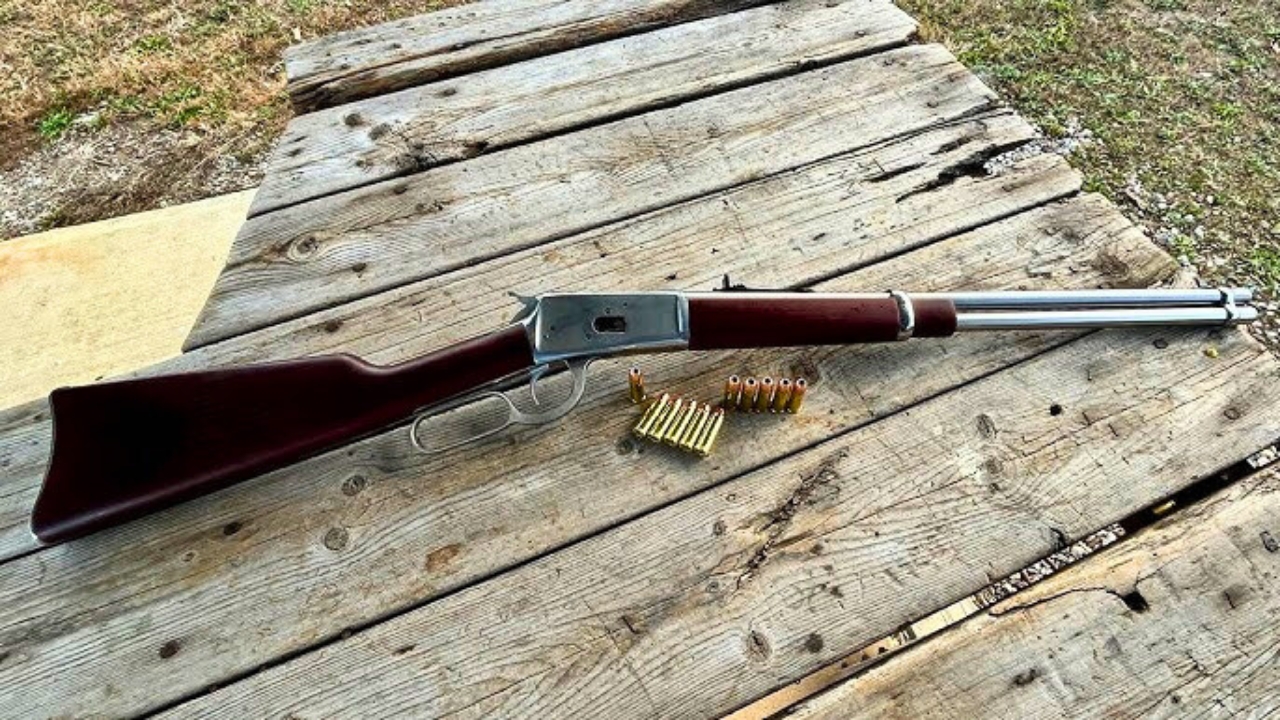
Photo credit: Kentucky Range Time/YouTube
Some rifles handle recoil well for a box or two and then start showing cracks—literally and figuratively. Under steady recoil, weak stocks crack, cheap scope mounts loosen, bedding shifts, screws walk, and parts start wearing in ways that change point of impact and reliability. A rifle doesn’t have to explode to “fall apart.” If it won’t hold zero, won’t keep screws tight, or starts changing behavior every range trip, it’s failing.
These are rifles (and common setups) that are known for showing problems when you shoot them hard and consistently.
Remington 770 (magnum chamberings)
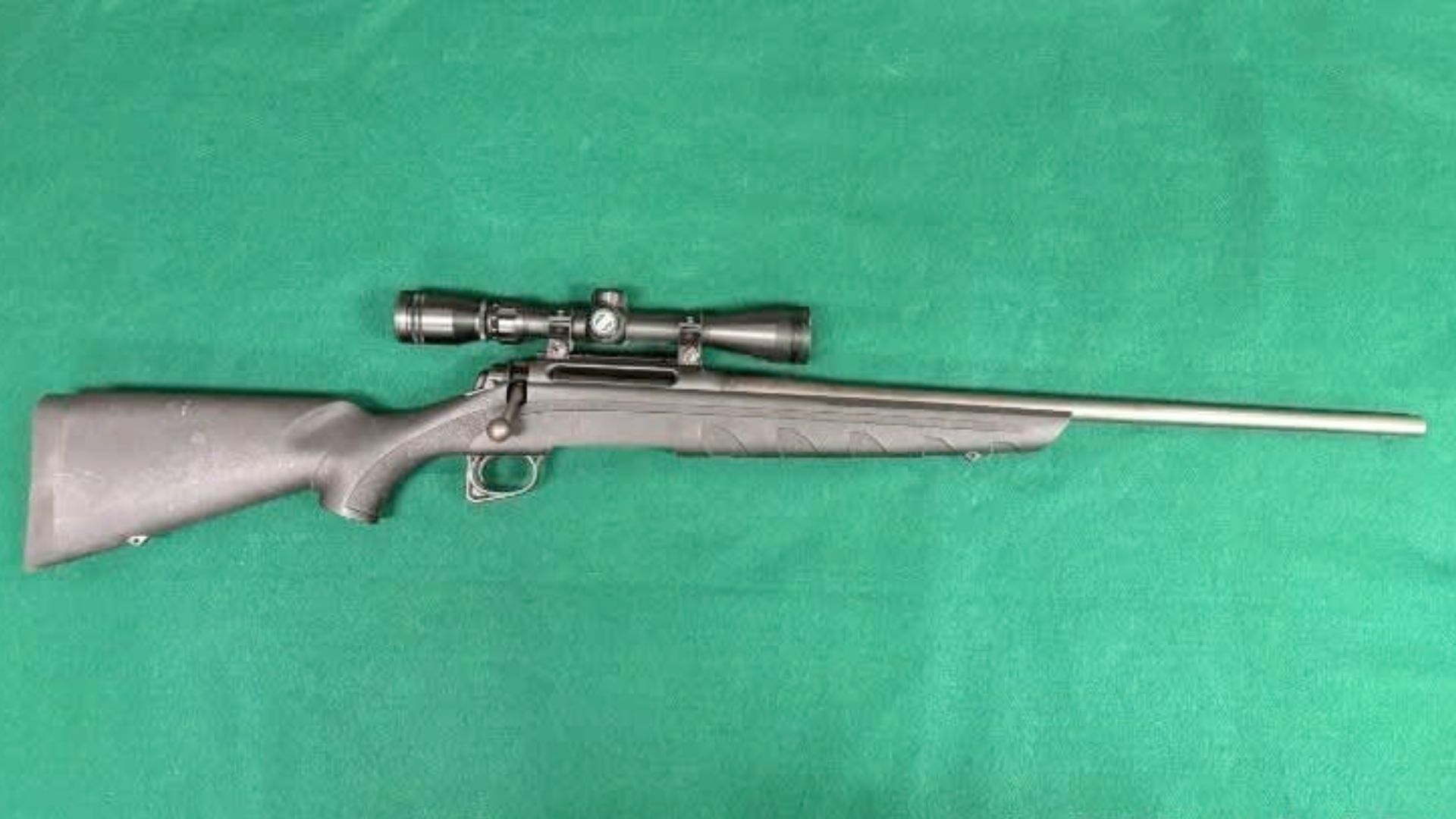
The 770 has a reputation for not holding up well under heavy use, and magnum recoil makes that worse. A lot of these rifles live with cheap optics and mounts, and repeated recoil can loosen hardware and cause zero shifts. That’s the kind of “falling apart” that shows up as mystery misses, not broken receivers.
If you’re shooting a rifle enough to confirm real consistency, the 770 often doesn’t like that kind of attention. It was built for budget buyers who shoot a few rounds and hunt. When you start running it regularly, the weaknesses show.
Remington 710 (magnum chamberings)

The 710 can develop frustrating issues under continued use, and recoil accelerates that. Rough operation, extraction complaints, and a general “this doesn’t feel durable” vibe become more obvious when you shoot it often.
A lot of owners don’t shoot them hard enough to see it right away. But if you’re the guy who actually practices, the rifle often starts feeling like it’s wearing in the wrong direction—more slop, more frustration, less confidence.
Mossberg Patriot in .300 Win Mag

The Patriot is frequently sold as an affordable magnum option, and that’s where steady recoil starts exposing the system. Scope mounts loosen, action screws need attention, and groups can change as things shift. It’s not always catastrophic—it’s death by a thousand small issues.
If you keep torque consistent and run quality mounts, you can improve things. Most buyers don’t. They buy the budget magnum, shoot a few, and hunt. When they start shooting it regularly, the rifle starts acting like a rifle that wasn’t meant to be hammered.
Ruger American in .300 Win Mag (basic setups)

The Ruger American can be a solid rifle, but in .300 Win Mag with bargain mounts and little maintenance, recoil can cause shifting hardware and zero drift. Again, the rifle might not be “breaking,” but the system starts losing stability.
This is why you see so many “it won’t hold zero” stories tied to budget magnums. It’s not always the action. It’s the whole stack: rings, bases, screws, and how often the owner checks them. Magnum recoil doesn’t forgive neglect.
Savage Axis II in 7mm Rem Mag

The Axis line can shoot well, but when you put it in harder-kicking cartridges, steady recoil can expose the stock and bedding limitations. If the stock flexes or action screws aren’t kept consistent, you’ll see groups change and point of impact wander over time.
It’s not a rifle designed to be shot hard weekly with heavy recoil. It’s a budget hunting rifle. If you demand a “practice a lot with a magnum” lifestyle out of it, you may start seeing the system loosen up and lose consistency.
Thompson/Center Compass in .300 Win Mag

The Compass is another affordable rifle that’s often sold in magnum chamberings, and steady recoil can turn it into a constant screw-checking project. If the bedding isn’t stable and the stock flexes, recoil amplifies the problem.
Owners often start by blaming ammo. Then they blame the scope. Then they realize the rifle needs more attention than they wanted to give it. That’s what “falls apart” looks like for many budget magnums: not a cracked receiver, but a rifle you can’t keep consistent.
Winchester XPR in .300 Win Mag

The XPR can be accurate, but lightweight hunting configs in .300 Win Mag can shake hardware loose if you don’t set it up right. Recoil in lighter rifles is sharper, and sharp recoil is harder on mounts, screws, and even shooter habits.
A lot of XPR owners are fine because they don’t shoot many rounds. When someone actually practices and shoots steady strings over months, small issues show up. That’s when you learn whether your setup is truly stable.
Ruger M77 Hawkeye in .338 Win Mag

The Hawkeye is a tough rifle, but the “falls apart” issue often comes from what people bolt onto it. A .338 Win Mag will destroy cheap rings, cheap bases, and cheap scopes faster than people expect. Then the rifle gets blamed for “losing zero.”
Heavy recoil cartridges are honest. If your optic setup is weak, they’ll expose it. Many .338 owners end up upgrading mounts and scopes after they learn this lesson the hard way.
Browning A-Bolt in .300 WSM

The A-Bolt is a quality rifle, but older rifles with aging stocks and older hardware can start showing issues under steady recoil—especially if they’ve been carried hard and maintained lightly. Bedding can shift, screws can loosen, and older scope mounting setups can start showing their age.
This is common with “dad’s old magnum” rifles. They can still hunt, but if you start shooting them frequently again, you may uncover problems that didn’t matter when the rifle was fired once per year.
Marlin 1895 Guide Gun in .45-70 (hot loads)

The Guide Gun is handy, and with modern heavy loads it can recoil hard. Steady shooting with hot .45-70 loads can loosen screws and beat up optics. Lever guns also aren’t always happy with being shot like a bench rifle for long sessions.
The rifle may not break, but the setup can. If you’re running a scope, recoil can punish mount screws. If you’re running irons, the shooter often becomes the weak link because recoil fatigue sets in fast. Either way, steady recoil changes the experience.
Henry All-Weather .45-70 (heavy loads)
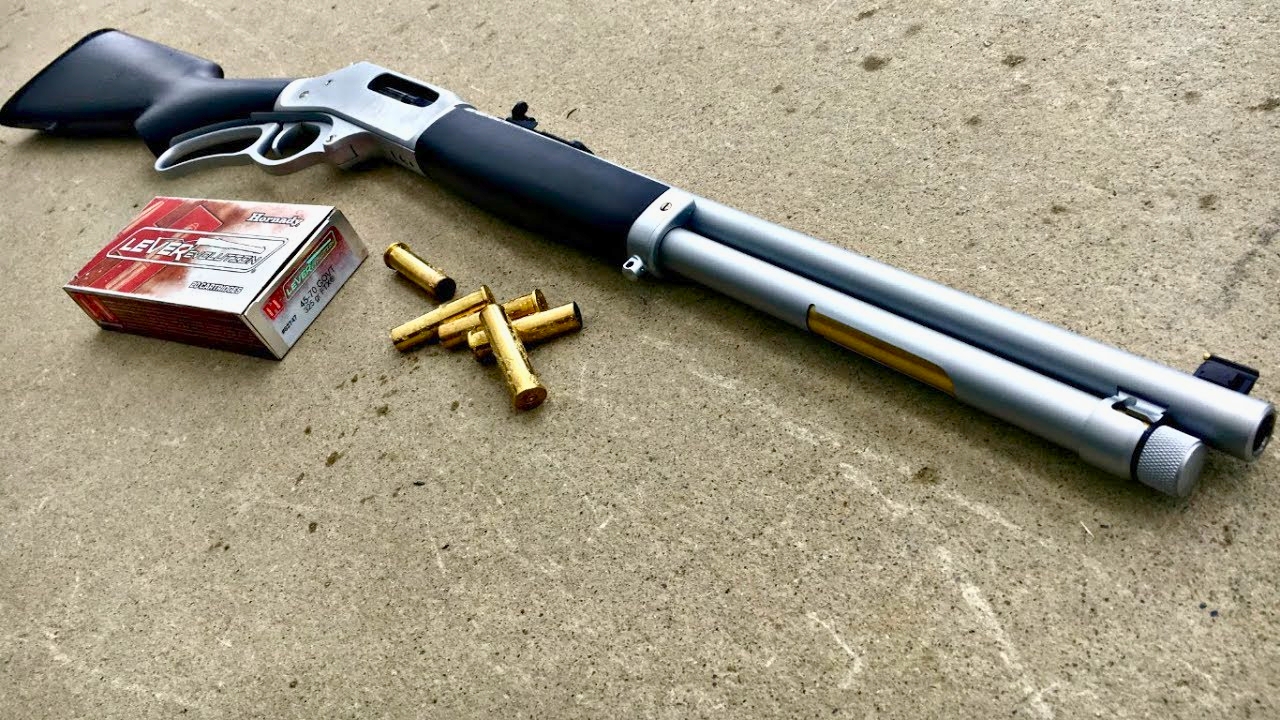
Henry makes solid rifles, but .45-70 recoil with heavy loads is still hard on gear. Optics setups can loosen, and the shooter often doesn’t want to keep firing enough rounds to truly verify stability. That creates a situation where issues show up later in the season when it matters.
If you keep loads reasonable, the rifle is a great tool. If you run “thumper” loads and shoot often, you need to treat it like heavy-recoil equipment: check screws, use quality mounts, and accept that recoil wears on everything.
Ruger No.1 in .458 Win Mag

The Ruger No.1 is a strong action, but heavy recoil cartridges in single-shots can punish optics setups and shooter consistency. The recoil impulse can be sharp, and if you’re mounting a scope, you’d better do it right. Cheap rings and bases don’t last.
This is another case where the rifle itself isn’t weak—the system around it can be. Under steady recoil, anything marginal gets exposed. The No.1 in big cartridges is not where you want to cheap out.
H&R Handi-Rifle in .45-70

The Handi-Rifle is simple and affordable, but in heavy recoiling cartridges, steady shooting can be rough. The lightweight design and basic build can lead to loosening hardware, punishing recoil, and an overall experience that feels like the gun is beating itself and you up.
Many owners love them as budget hunting tools with sensible loads. When you start pushing them hard, they start feeling less like a bargain and more like a shortcut you regret.
Rossi R92 in .44 Magnum

The R92 can be fun, but steady recoil with hot .44 Magnum loads can shake things loose and expose the limitations of a budget lever gun. Screws can back out, sights can shift, and the rifle can start requiring more attention than you expected.
It’s a great example of “works fine for casual use” versus “gets annoying when you shoot it a lot.” If you keep it in its lane, it’s fine. If you run it hard, you’ll spend more time checking and tightening than you want.
Savage 212 / 220 Slug Gun (heavy slug recoil)

Slug guns are recoil monsters, and the Savage 212/220 hits hard enough that weak optics and mounts don’t survive long. The gun itself can be a killer in the field, but steady recoil can loosen setups fast if you’re not using serious rings and bases.
A lot of “this slug gun won’t hold zero” stories are really “your scope and rings weren’t built for this.” Heavy recoil doesn’t care what your budget was. It’ll rattle anything weak until something shifts.
Like The Avid Outdoorsman’s content? Subscribe to our newsletter so you never miss an article.
Here’s more from us: