
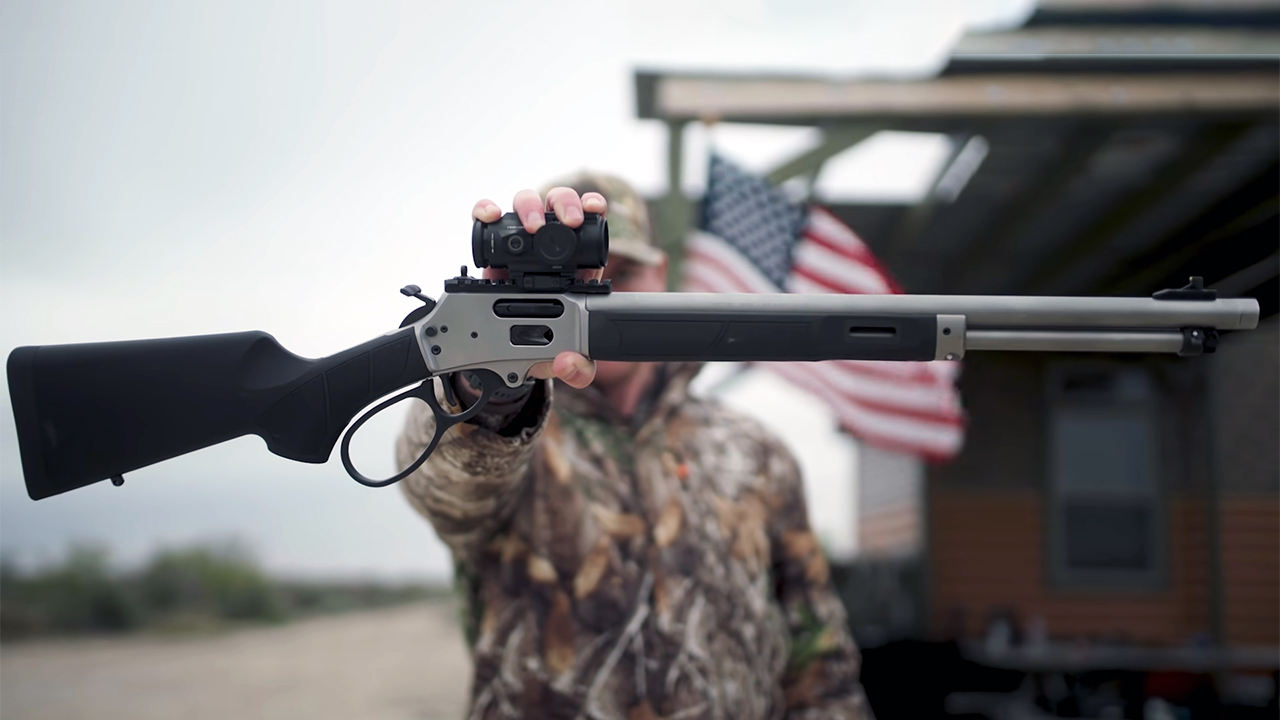
Photo credit: Smith & Wesson/Youtube
The Smith & Wesson Model 1854 is one of the more interesting lever guns to hit the market because it came from a company most shooters do not immediately associate with modern lever-action rifles. Smith & Wesson is a revolver and pistol name first in a lot of people’s minds, so when the company stepped into the lever-gun world, shooters paid attention.
That does not mean the Model 1854 is automatically the right rifle for every buyer. It has a lot going for it, but it also sits in a crowded lever-action market with Ruger-made Marlins, Henrys, Winchesters, Rossi pistol-caliber rifles, and several modern tactical-style lever guns fighting for space. Before buying one, it helps to understand what the 1854 is trying to be: a modernized side-loading lever gun with traditional roots, stainless construction options, threaded barrel options, and chamberings that stretch from pistol calibers to .45-70 Government.
1. It Was a Big Move for Smith & Wesson
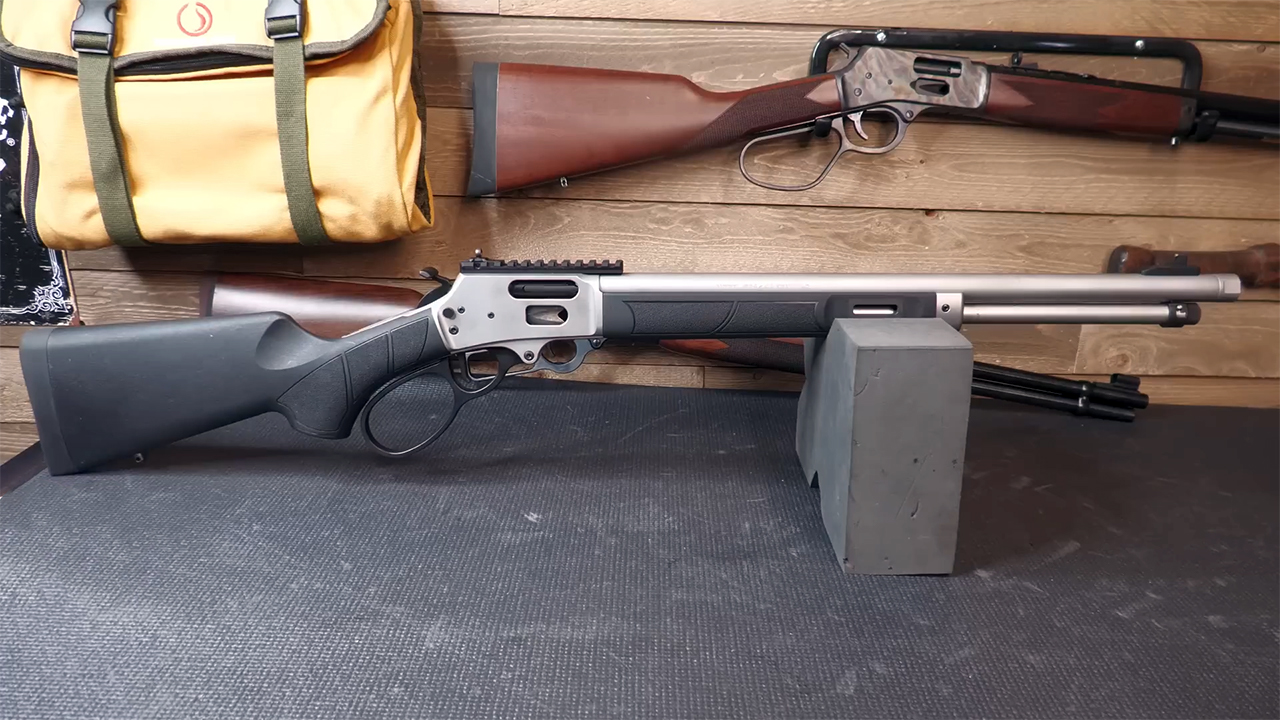
The Model 1854 matters because it put Smith & Wesson back into the lever-action conversation in a serious way. The name itself points back to 1854, when Smith & Wesson’s early lever-action Volcanic design was patented. That history gives the rifle more meaning than if S&W had simply tossed a lever gun into the catalog with a random model number.
For buyers, that does not automatically make the rifle better. History does not tighten groups or smooth an action. But it does explain why the gun got attention so quickly. Smith & Wesson was not only chasing a trend; it was tying a modern rifle to one of the earliest chapters in the company’s firearm story.
2. It Is a Side-Loading Lever Action
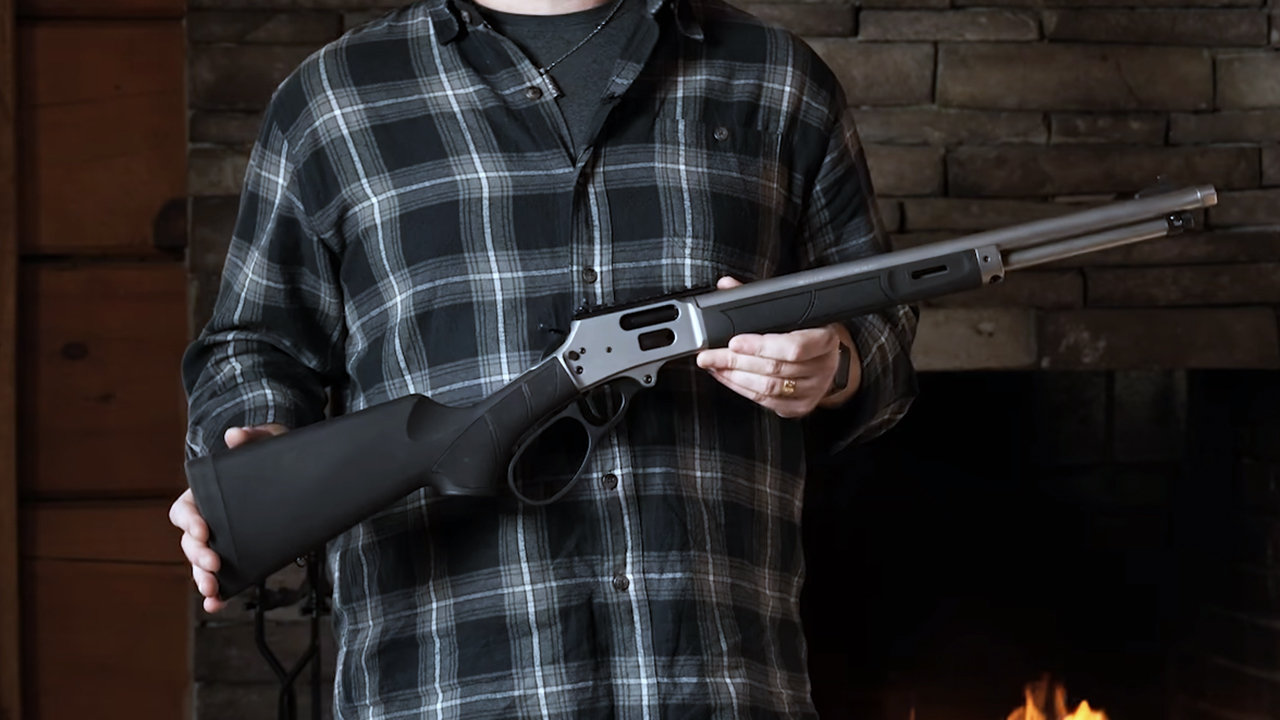
The Model 1854 uses a side-loading gate, and that is a major point in its favor. A side gate lets the shooter top off the rifle through the receiver instead of feeding every round through the front of the magazine tube. That matters in the field, at the range, and especially if the rifle has a threaded muzzle with a suppressor or muzzle device installed.
This is one of those details lever-gun buyers should not overlook. Tube loading can be convenient for unloading, but side loading is often better for keeping the rifle topped off while shooting. If you plan to hunt, shoot from a bench, run drills, or keep the rifle set up with a muzzle device, the side gate makes the 1854 feel more practical.
3. The Chambering Options Are Expanding Fast

The Model 1854 did not stay in one narrow lane. The line has included chamberings like .357 Magnum, .44 Magnum, .45 Colt, .30-30 Winchester, .360 Buckhammer, and .45-70 Government. That spread matters because it changes what kind of rifle you are actually buying. A .357 Model 1854 and a .45-70 Model 1854 are not remotely the same animal.
Buyers should start with the cartridge, not the logo. A .357 version is great for light recoil, range fun, property use, and affordable practice compared with bigger rifle rounds. A .30-30 version makes more sense as a classic deer rifle. A .45-70 version is for people who want heavy close-range power and are willing to pay for it in recoil and ammo cost.
4. The .44 Magnum Version Is Not the Whole Story
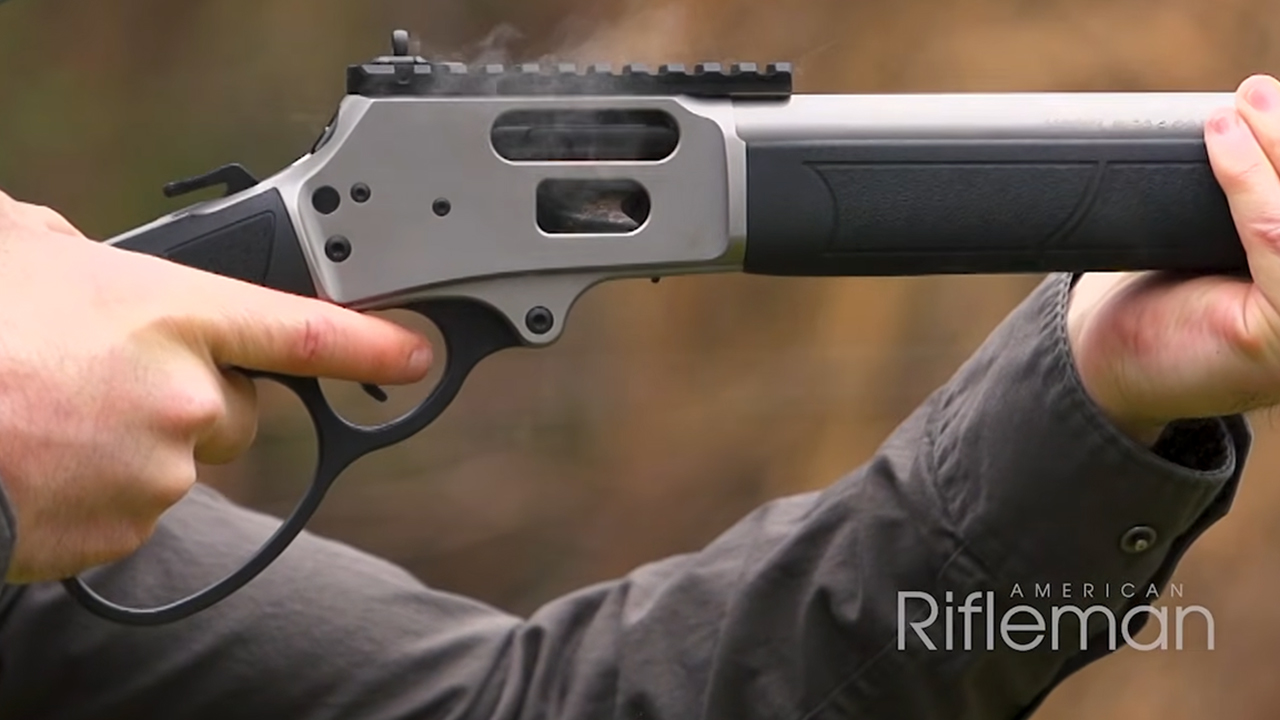
The Model 1854 first got a lot of attention in .44 Magnum, and that chambering still makes sense. A .44 Magnum lever gun is handy, powerful inside normal distances, and pairs well with .44 Magnum revolvers. It can be a good woods rifle, hog gun, deer rifle at close range, or property gun in the right hands.
But buyers should not assume .44 Magnum is automatically the best version. A .357 may be more enjoyable for high-volume shooting. A .30-30 may be better for traditional deer hunting. A .45-70 may be better for big woods power. The .44 is useful, but the best Model 1854 depends on what you actually plan to do.
5. The .357 Version May Be the Most Fun
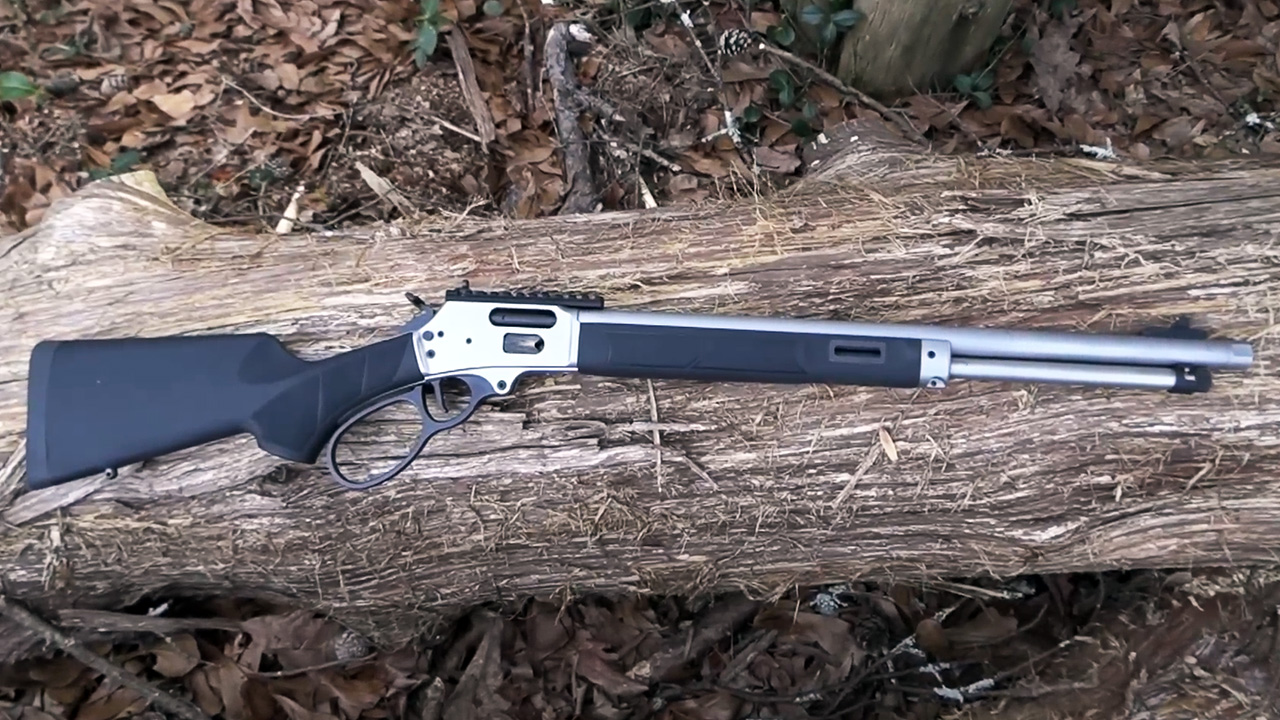
A .357 Magnum lever gun is hard to dislike. It is mild, handy, and much more capable from a rifle barrel than some people expect. The ability to shoot .38 Special also makes it a pleasant range rifle, assuming the individual gun feeds your chosen .38 loads reliably.
For many buyers, the .357 Model 1854 may be the smartest “fun plus useful” version. It is cheaper to feed than .45-70, easier on the shoulder than .44 Magnum, and still practical around property or for small-to-medium game within its limits. If you want a rifle you will actually shoot often, .357 deserves a hard look.
6. The .45-70 Version Is a Different Beast
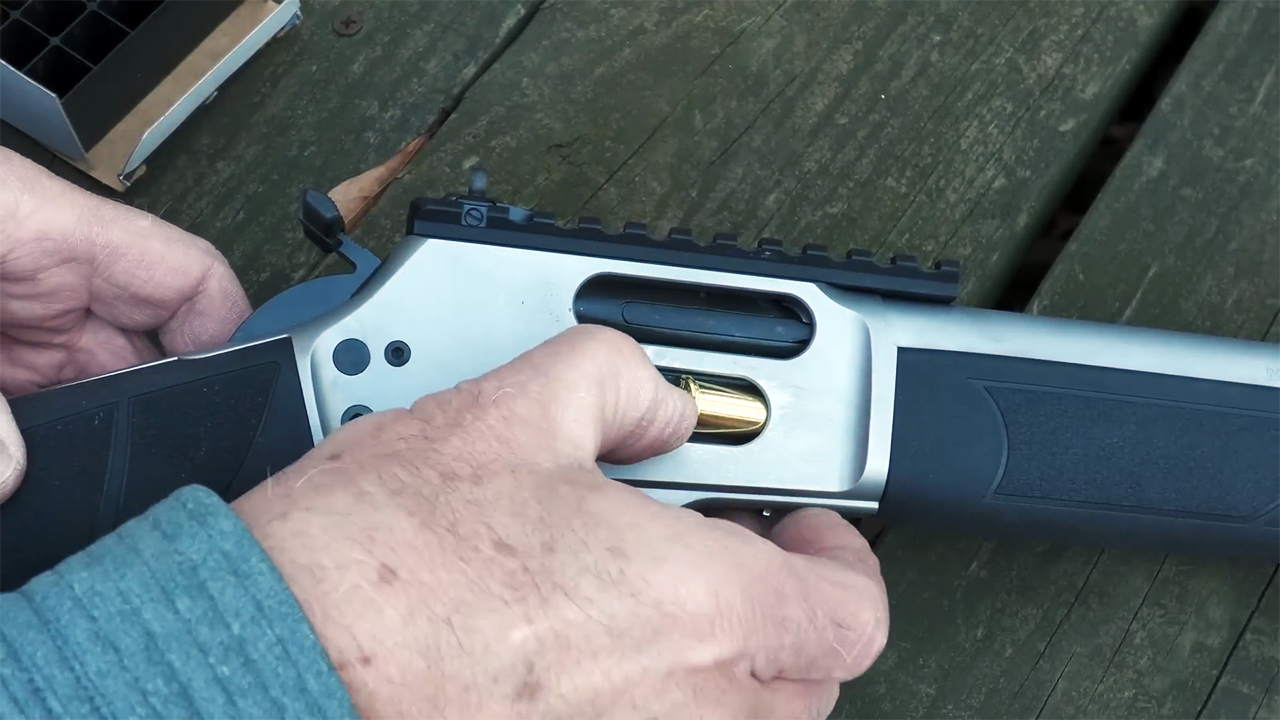
A .45-70 Model 1854 sounds cool because .45-70 always sounds cool. It brings serious power, big-bore authority, and real hunting capability for heavy game at close-to-moderate distances. But buyers need to understand what comes with that: recoil, ammo cost, and less casual range use.
This is not the version most people should buy just because they like the idea of it. A .45-70 lever gun is excellent when the job calls for it. For hogs, bear defense where legal and appropriate, heavy woods hunting, or big-bore lever-gun fans, it makes sense. For cheap plinking and general fun, it is usually more gun than people need.
7. The .30-30 Version Puts It in Classic Deer-Rifle Territory
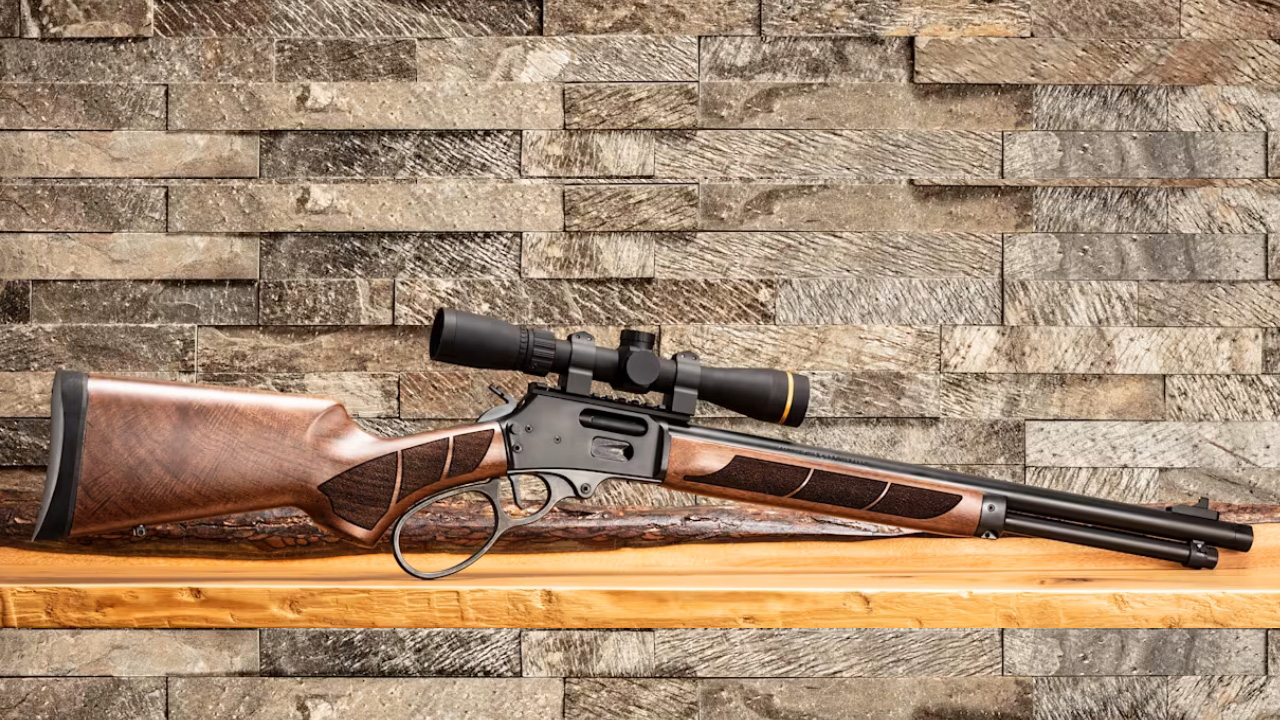
When Smith & Wesson offers the Model 1854 in .30-30 Winchester, it steps into one of the most traditional lever-gun lanes there is. The .30-30 remains a practical deer cartridge for woods and brush-country hunting, and it gives the 1854 a more classic hunting identity than the pistol-caliber versions.
That puts it up against serious names like the Marlin 336 and Winchester 94. Buyers should compare handling, trigger feel, stock fit, sights, optics mounting, and price carefully. The .30-30 Model 1854 has appeal, but it is entering a category where hunters already have strong loyalties.
8. Stainless Steel Is a Real Advantage
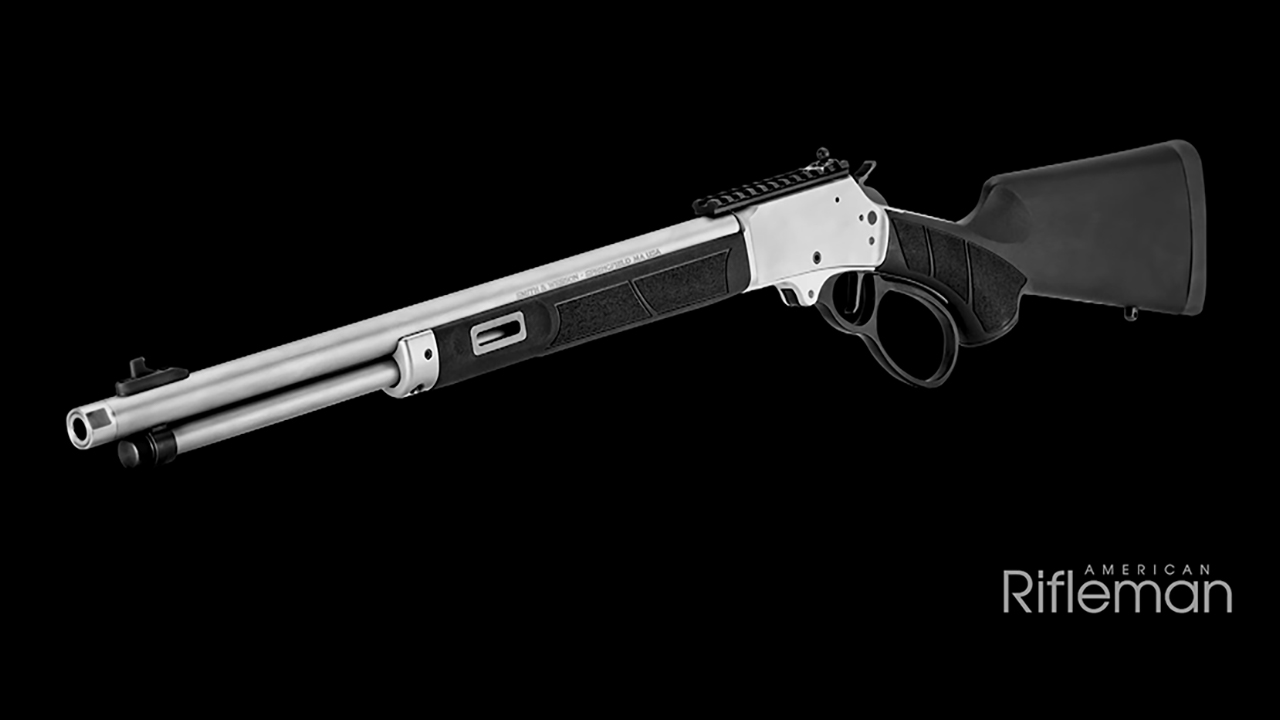
One of the Model 1854’s big appeals is stainless construction on certain versions. Stainless does not mean rust-proof, but it does offer better corrosion resistance than traditional blued steel. That matters for a rifle that may ride in a truck, sit in a damp deer blind, get carried in rain, or live around camp.
A classic blued-and-walnut lever gun looks great, but stainless can be easier to live with. If you want a working rifle more than a display piece, the stainless versions make sense. You still need to clean and care for the gun, but the material choice gives buyers a little more forgiveness in rough conditions.
9. Threaded Barrels Make It More Modern

LIPSEY’S/YouTube.
Threaded barrels are one of the features that help the Model 1854 compete with modern lever guns. They allow suppressors, brakes, or other muzzle devices where legal and appropriate. That is especially appealing on pistol-caliber versions, where suppressed lever guns can be both practical and ridiculously fun.
The important thing is to think ahead. If you might ever want to run a suppressor or brake, buying a threaded version now is smarter than paying for barrel work later. Even if you keep it bare, the thread protector keeps the rifle clean. A threaded muzzle gives the 1854 more flexibility than old-school lever guns had from the factory.
10. Optics Compatibility Should Matter to Buyers
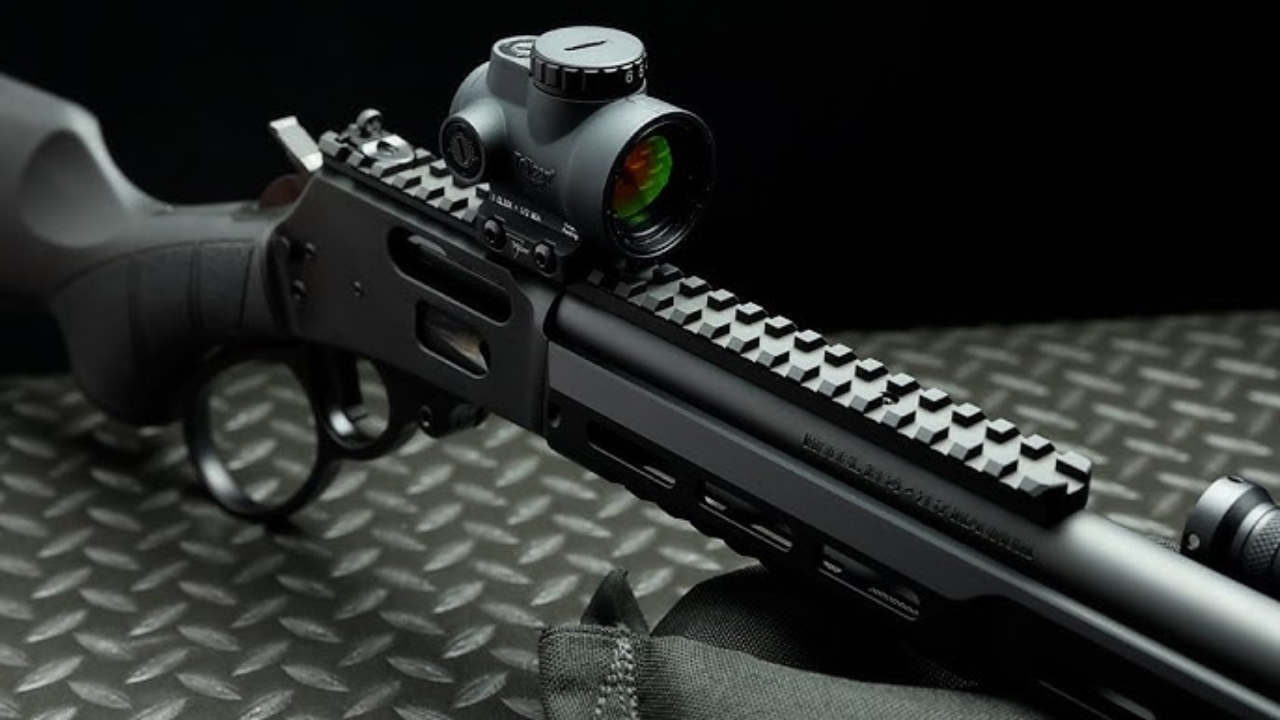
Modern lever guns are not iron-sight-only rifles anymore. A red dot, low-power scope, or peep sight can make a lever gun much more useful, especially for aging eyes or low-light hunting. The Model 1854 line includes optic-friendly versions, and buyers should think through sighting before they choose a model.
That matters because sight height affects cheek weld. A rifle that feels perfect with irons may need a cheek riser with a scope. A red dot may sit low and fast, while a larger scope can change the whole balance of the rifle. Do not treat optics as an afterthought. Decide how you plan to aim the rifle before you buy.
11. Capacity Depends on Chambering

The Model 1854’s capacity changes based on chambering. Pistol-caliber versions like .357 Magnum, .44 Magnum, and .45 Colt are commonly listed at 8+1, while rifle-caliber versions like .30-30, .360 Buckhammer, and .45-70 are commonly listed at 6+1. That difference matters if you care about range use, property use, or hunting regulations.
Capacity should not be the only reason you choose a chambering, but it is part of the picture. More rounds can be handy for range work and general use. Bigger cartridges trade that away for power. That is normal lever-gun math, but buyers should know it before comparing models.
12. It Competes Directly With Marlin and Henry

The Model 1854 does not exist in a vacuum. Marlin has serious loyalty, especially now that Ruger is building them. Henry has a strong following and a wide lineup, including modern X Models with threaded barrels and accessory-friendly furniture. Winchester still carries the classic lever-gun name.
That means buyers should not buy the S&W only because it is new. Compare it honestly. Cycle the action. Check the loading gate. Shoulder it. Look at the trigger. Compare finish quality, wood or synthetic furniture, sights, optic setup, and price. The 1854 is interesting, but it has to earn its place against rifles with decades of trust behind them.
13. The Loading Gate Feel Matters
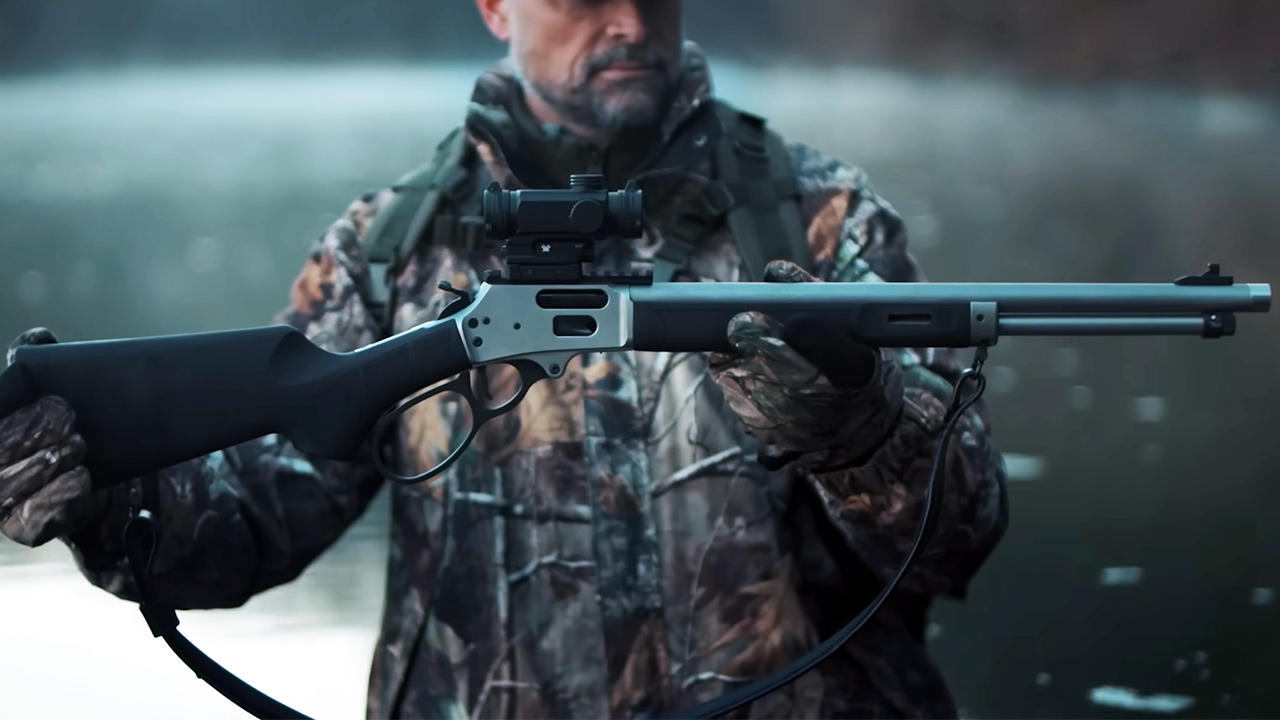
Lever-gun loading gates vary a lot. Some are smooth and easy. Others are stiff enough to chew up your thumb after a range session. Before buying a Model 1854, load dummy rounds or handle one at the counter if possible. Pay attention to how the gate feels and how easily cartridges slide in.
This matters more than people think. A lever gun that is annoying to load will get old quickly, especially in pistol calibers where you may shoot a lot. A stiff gate may smooth out with use, but buyers should still know what they are getting. Handling matters with lever guns in a way spec sheets do not capture.
14. It Has Modern Appeal Without Fully Abandoning Tradition
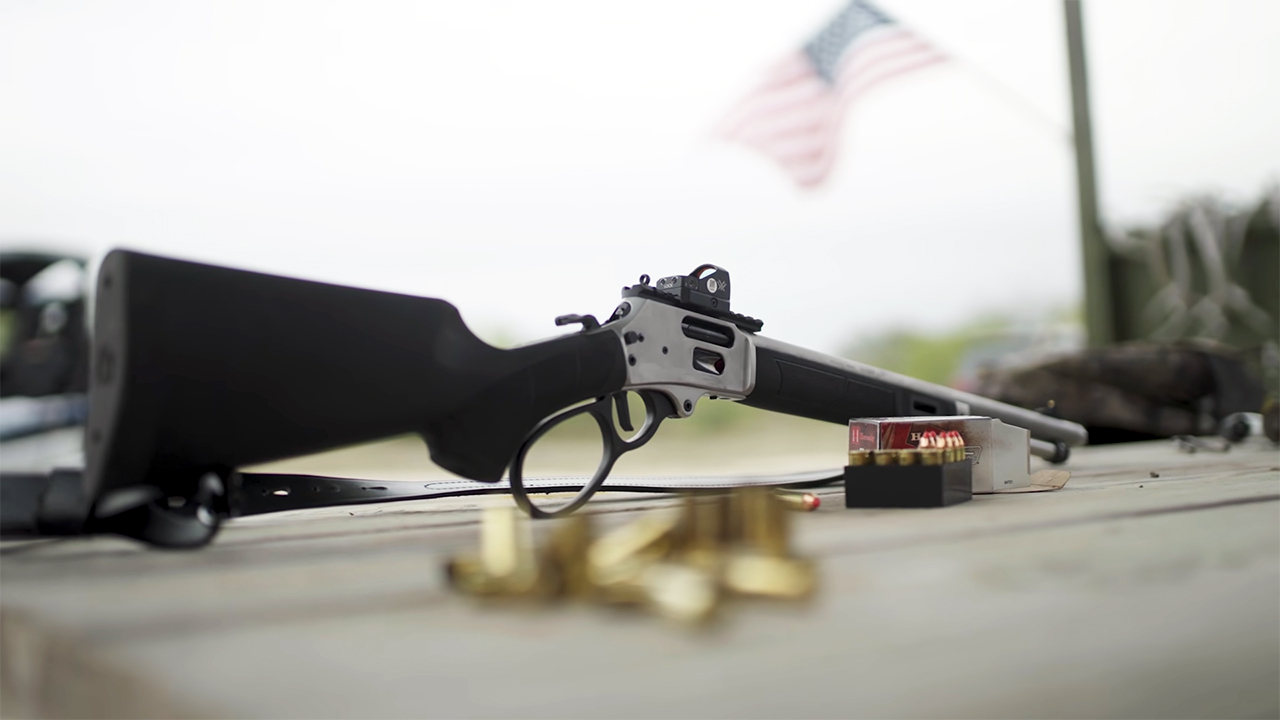
The Model 1854 works because it bridges old and new. It still looks and runs like a lever gun, but it brings modern features like stainless options, synthetic or walnut models, optics compatibility, threaded barrels, and expanded chambering choices. That balance is exactly where the current lever-gun market is headed.
Some buyers want a pure traditional rifle. Others want a full tactical lever gun. The Model 1854 sits between those worlds depending on configuration. That can be a strength if you want classic handling with useful modern features. It can also be a drawback if you want something fully old-school or fully modern.
15. It Is Best for Buyers Who Know the Role First
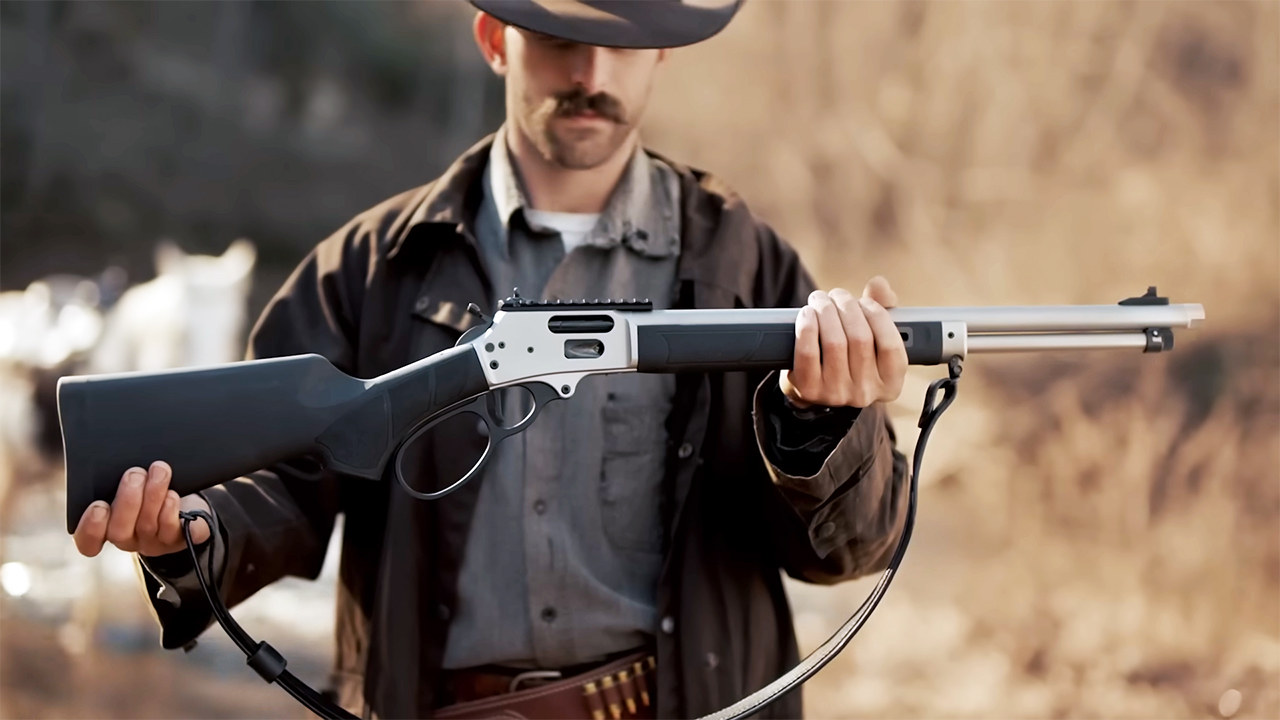
The S&W Model 1854 is not one rifle so much as a growing lever-gun family. A .357 version may be a fun range and property rifle. A .44 Magnum version may be a hard-hitting woods gun. A .30-30 version may be a classic deer rifle. A .45-70 version may be a big-bore thumper. Those are different jobs.
That is the main thing buyers should understand. Do not buy the Model 1854 because it is new, because it has the S&W name, or because lever guns are popular again. Buy it because a specific version fits your actual use. Pick the right chambering, sight setup, material, and barrel configuration, and the 1854 makes sense. Pick based on looks alone, and you may end up with a rifle that is cool but wrong for what you need.
Like The Avid Outdoorsman’s content? Be sure to follow us.
Here’s more from us:


