Photo credit: sootch00/YouTube
A lot of handguns win attention fast and lose relevance even faster. They show up with big launch energy, aggressive styling, a feature list built for internet arguments, and the kind of hype that makes people think the whole market just changed overnight. Then a year or two passes. Something newer arrives. The old “must-have” pistol starts looking a lot less permanent, and the cycle rolls on again.
What usually survives that kind of churn are the handguns that never needed the spotlight in the first place. They were built around reliability, practical shootability, and long-term use instead of trying to dominate one season of gun-shop chatter. These are the pistols and revolvers that kept doing real work while flashier guns soaked up attention and then faded right back out of it.
SIG Sauer P225
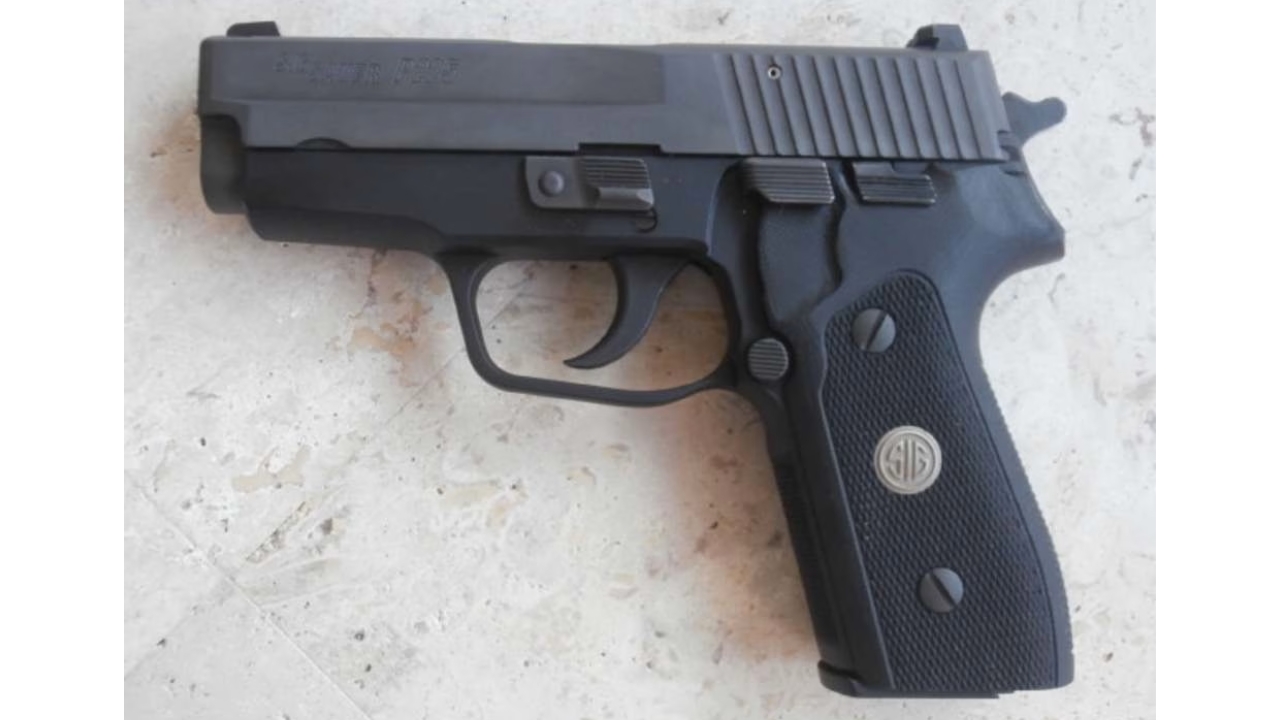
The P225 never had the kind of loud modern branding that turns a handgun into a temporary obsession. It was compact, straightforward, and built with the kind of practical seriousness that does not always wow people in the first ten seconds. That is exactly why it aged so well. While newer pistols kept showing up with bigger promises and louder styling, the P225 just kept feeling balanced, dependable, and easy to trust.
That kind of handgun almost always ends up with a stronger long-term reputation than the flashy alternatives. The P225 was never trying to be a trend piece. It was trying to be a compact service pistol that people could actually shoot well and carry with confidence. Handguns built around that kind of use tend to outlast entire generations of launch hype.
Beretta 81

The Beretta 81 stayed relevant because it never depended on drama to make sense. It was compact, metal-framed, and easy to shoot in a way many people did not appreciate fully until they spent real time behind one. While plenty of flashier carry pistols came and went, the 81 kept showing how much value there still is in a handgun that feels complete instead of stripped down to fit a marketing category.
That is what makes guns like this so durable in memory. They do not always win the first impression battle, but they often win the ownership battle. The 81 stayed useful because it was comfortable, familiar, and much more satisfying to live with than many of the pistols that initially looked more exciting under the glass.
HK P2000

The P2000 is exactly the sort of handgun that survives trend cycles because it does not care about them. It never looked radical enough to become the center of some giant hype wave, and that may have helped it. People who bought one usually ended up with a pistol that felt mature, dependable, and practical instead of something they had to keep convincing themselves was still relevant.
That matters. A lot of flashier handguns rely on buyers staying emotionally invested in what the pistol represents. The P2000 just keeps working. It fits the hand well, behaves predictably, and stays useful long after more glamorous options start feeling dated or gimmicky. That is a very hard kind of value to beat.
Smith & Wesson 6906

The 6906 kept its place because it was built around use instead of image. It is one of those compact double-stack metal-frame pistols that never really needed a second act. It just kept delivering the same practical strengths year after year while flashier carry guns and “next-generation” compacts kept cycling through the spotlight.
What gives it staying power is how grounded it feels. It is not trying to reinvent the carry pistol. It is simply a durable, believable handgun that still makes sense once the launch noise dies. That sort of confidence is usually what remains after the newer, louder guns have already started getting replaced.
Ruger P95
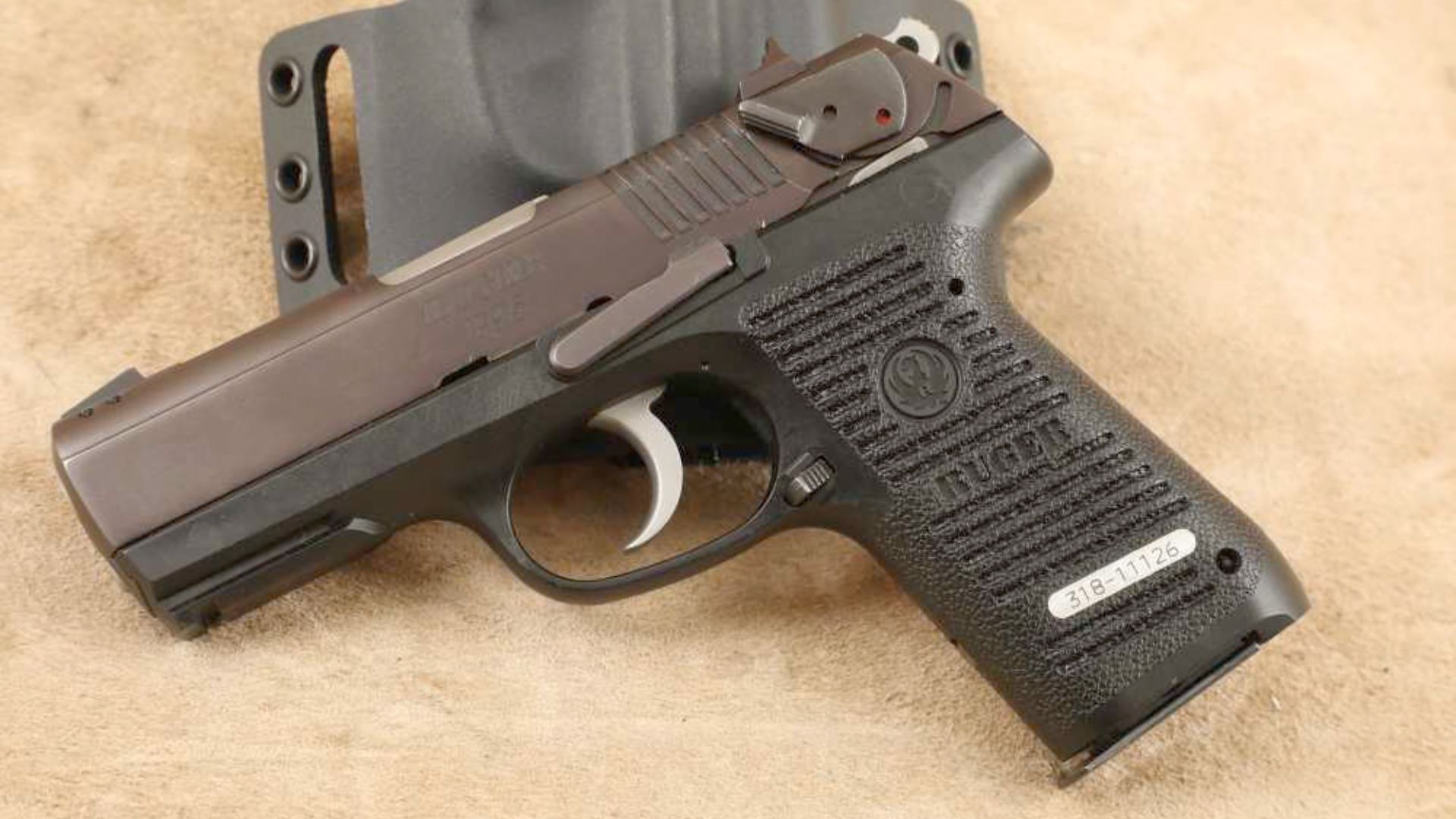
The P95 may be one of the least glamorous handguns on this whole list, and that is part of why it belongs here. It was never bought for elegance. It was bought because it looked like it could take abuse and keep going, and in a lot of cases that is exactly what happened. While slicker, more fashionable pistols got all the attention, the P95 kept earning trust through sheer refusal to quit.
That kind of blunt usefulness ages very well. It is easy to laugh at a handgun that looks this plain until you notice how many of them are still around, still functioning, and still getting respect from people who actually used them hard. Flashier pistols came and went. The P95 just stayed stubbornly relevant.
CZ 83
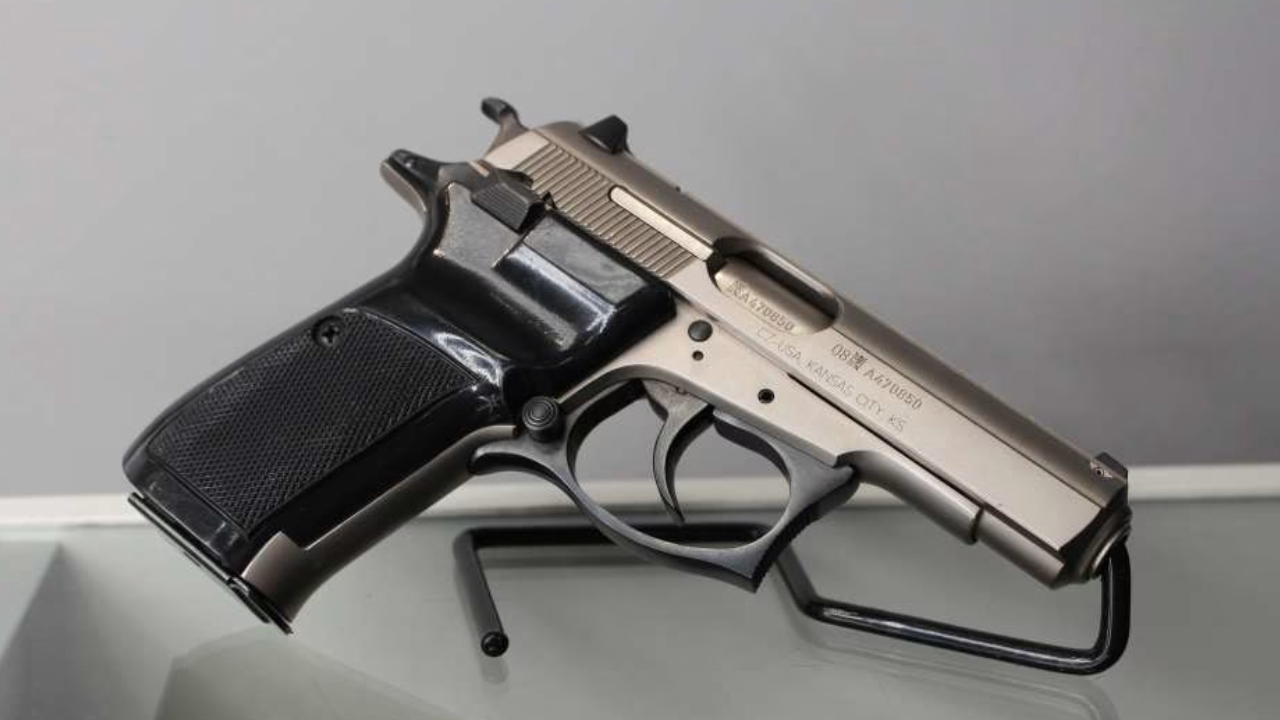
The CZ 83 survived because it always had more substance than its lower-key image suggested. It did not have the cultural heat of some better-known compact pistols, and that kept it from becoming a hype gun. What it did have was comfort, shootability, and the sort of all-around quality that reveals itself through use rather than branding.
That is why it kept mattering while louder models came and went. Owners who spent enough time with one usually ended up understanding that the pistol was not a novelty or a fallback. It was simply a very competent handgun that had been easy to overlook. Those are often the ones that last.
Smith & Wesson 3913

The 3913 stayed useful because it solved real concealed-carry problems without turning itself into a feature parade. Slim, shootable, and built with enough substance to feel like a real pistol instead of a carry-only compromise, it kept making sense while whole waves of “perfect” carry guns came and went around it.
That is the kind of design that usually ages better than trend-driven alternatives. A handgun like this reveals its worth through routine. It carries well, shoots honestly, and never turns into something the owner has to make excuses for. Flashier guns may win the conversation. The 3913 keeps winning the years.
Walther P5

The P5 kept working in the background while flashier pistols moved through their moment because it was built around mature problem-solving, not spectacle. The design has character, but it is not character for its own sake. It feels deliberate. That quality becomes more obvious the longer a person lives with one and the more “innovative” pistols they watch come and go.
Handguns like this tend to outlast hype because they were never trying to be part of it. The P5 keeps reminding people that a gun can still feel distinctive and deeply practical without needing an endless cycle of renewed attention to stay relevant.
SIG Sauer SP2022

The SP2022 stayed in the fight because it was never really sold as some glamorous object. It was a service-minded handgun that gave owners a lot of real-world pistol for the money and then just kept doing that job while more heavily marketed handguns fought for attention. That sort of quiet competence is exactly what survives the best.
The more time passes, the clearer that becomes. A lot of pistols arrive with bigger fanfare than this one ever had, but very few feel as grounded once the first flush wears off. The SP2022 stayed useful because it was built like something meant to be carried, trained with, and trusted, not merely introduced.
Beretta 85FS Cheetah
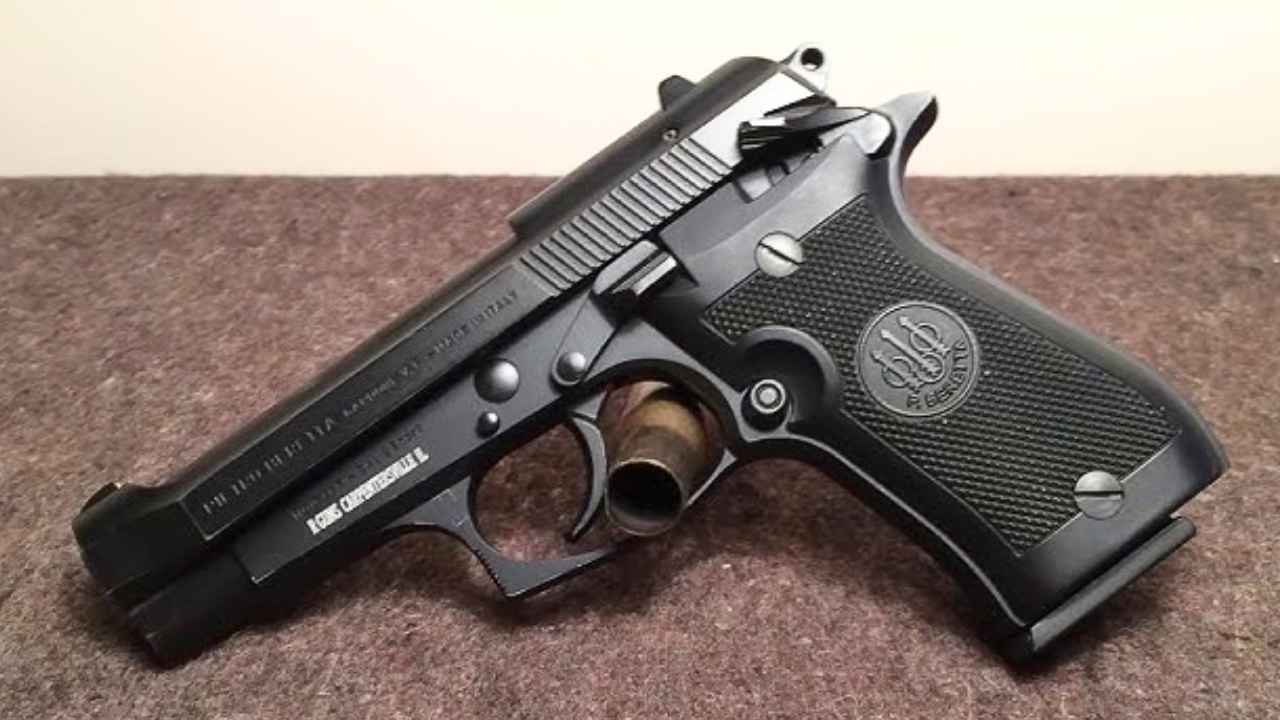
The 85FS stayed worthwhile because it combined a genuinely pleasant shooting experience with compact carry practicality in a way a lot of newer small pistols never really match. It was easy to underestimate because it did not fit the usual “serious modern defensive pistol” look. Then people actually shot one and remembered that controllability matters.
That is why it kept surviving while flashier little guns passed through the market. A lot of compact pistols make big promises and then turn into something owners tolerate. The 85FS often does the opposite. It looks modest at first and becomes more appreciated over time. That is usually the sign of a handgun with real staying power.
Ruger Speed-Six
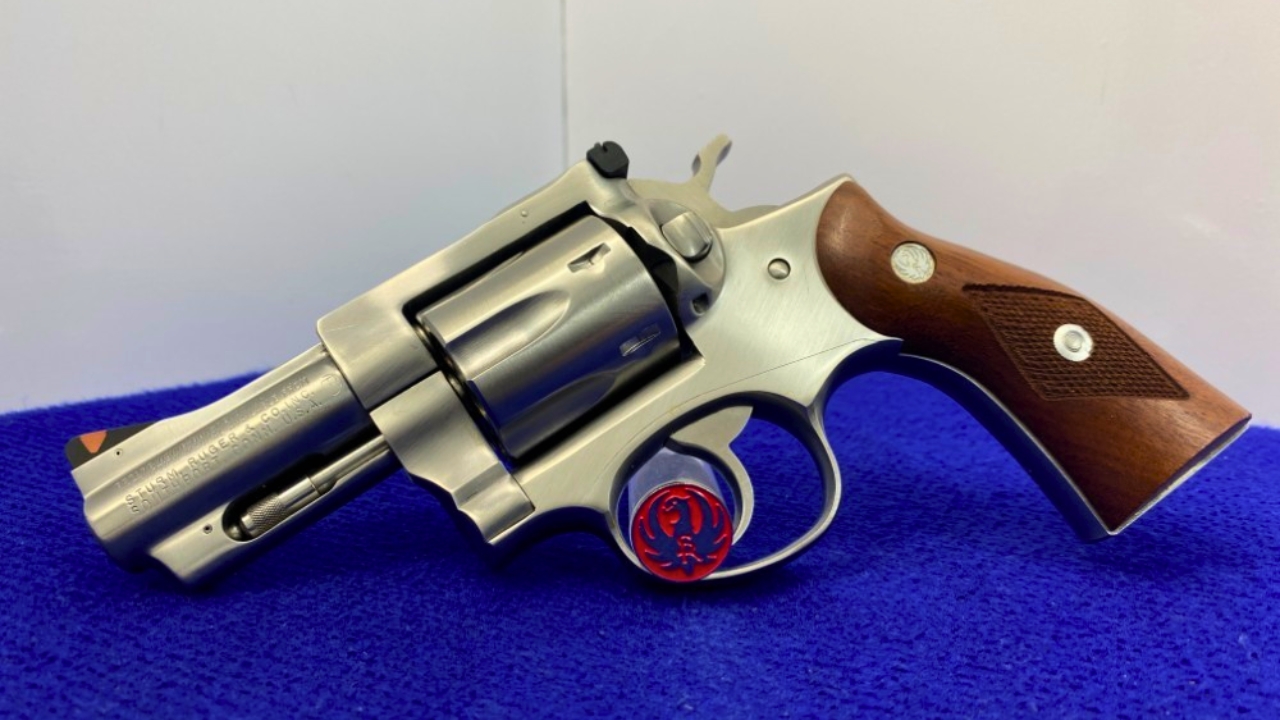
The Speed-Six kept earning respect because small, rugged revolvers never stopped making practical sense for the people who actually use them. It did not need to be romanticized to stay relevant. It was compact, durable, and designed around real-world carry and field use. While more dramatic wheelguns got the attention and more modern semiautos got the headlines, the Speed-Six just kept being the sort of revolver people trusted.
That matters because trust survives fashion. Handguns like this stay alive in collections and on belts because they proved themselves where it counted. A flashy gun can create excitement quickly. A revolver like the Speed-Six builds something harder to replace.
Star BM
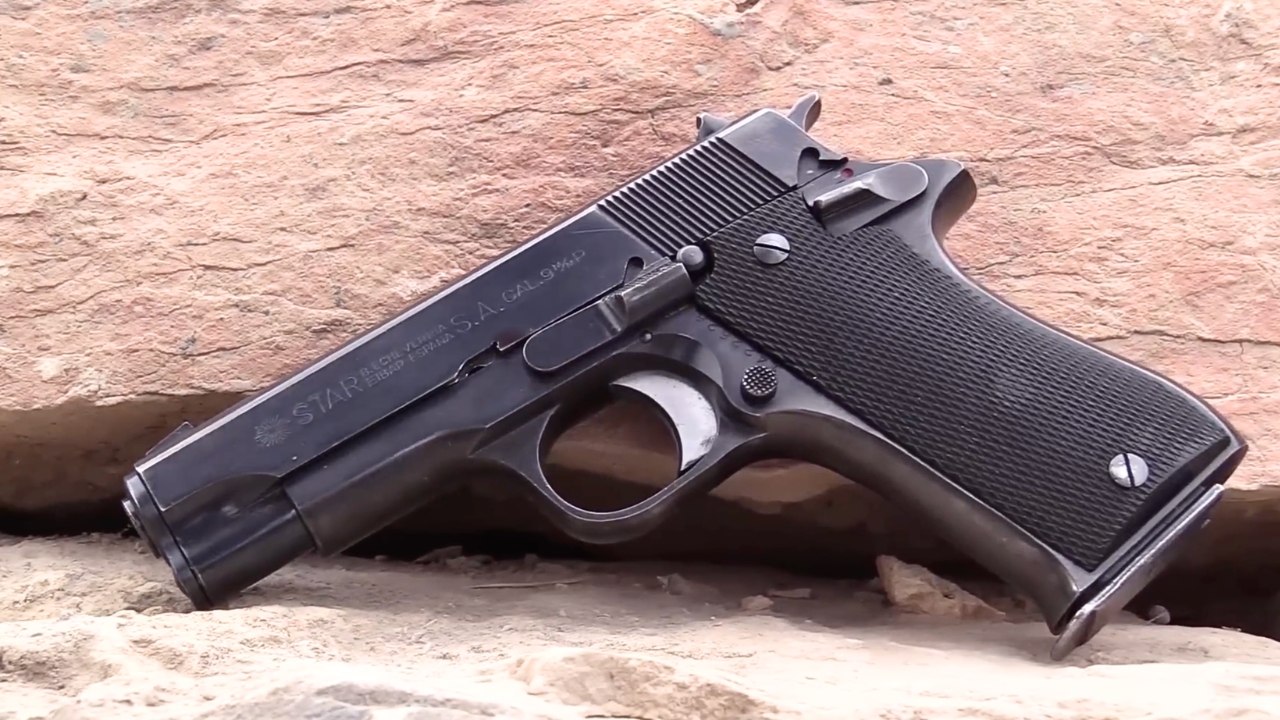
The Star BM is another quiet survivor. It never had the giant American branding machine behind it, and it never became the kind of gun people built trendy identities around. What it did have was a believable size, decent handling, and enough practical value that people who actually owned one often ended up respecting it far more than people who only dismissed it from a distance.
That pattern is very common with guns that outlast the flashy competition. They are not always impressive in the store. They become impressive in ownership. The BM kept making sense because it stayed simple, usable, and much more honest than many of the pistols that briefly looked more modern.
Smith & Wesson Model 67
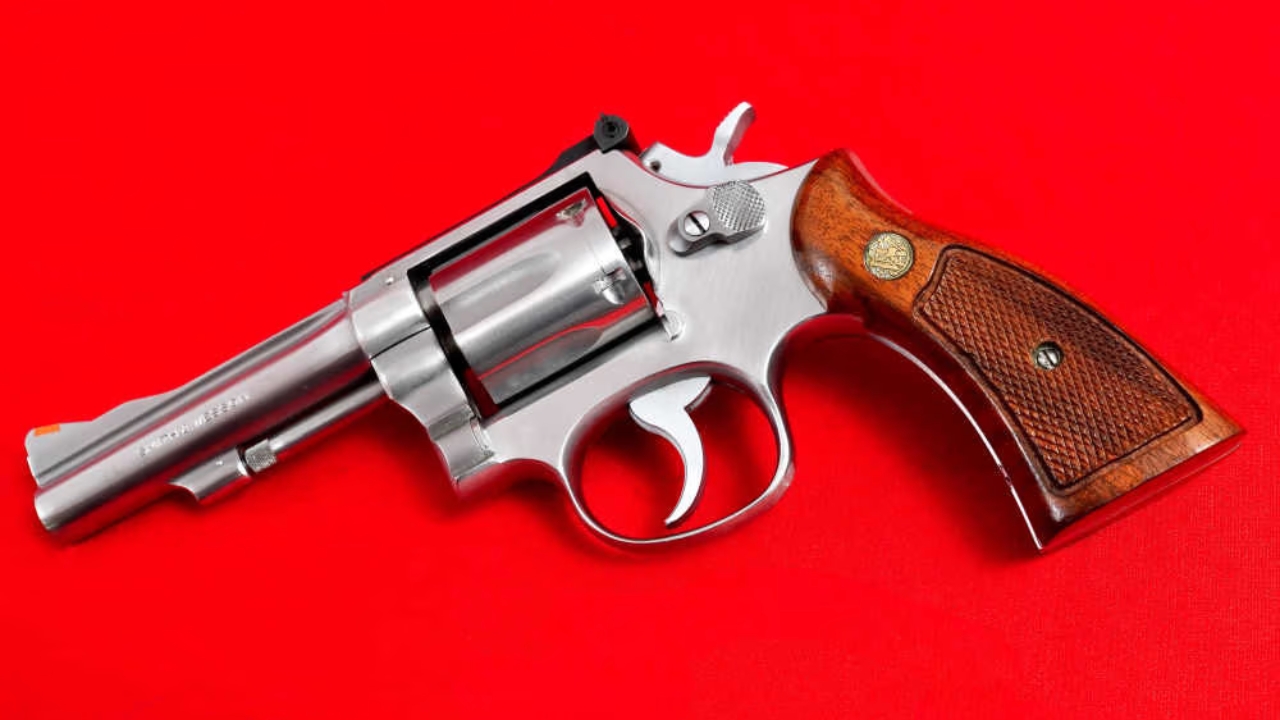
The Model 67 kept proving itself because practical revolvers do not really care what the current hype cycle is doing. Stainless, balanced, and straightforward, it kept showing shooters that there is a lot of value in a handgun that can be shot well, maintained easily, and trusted without needing some giant identity wrapped around it.
That is part of why it outlasted so much flash. The Model 67 was never built to dominate marketing. It was built to work. The longer a person spends around handguns that were all image and launch energy, the more they usually appreciate a revolver like this one.
HK45 Compact

The HK45 Compact stayed strong because it was built like a long-haul pistol from the beginning. It never needed to dominate every conversation to stay relevant. It simply offered a serious, durable compact .45 that owners could train with and trust while a lot of more aggressively marketed handguns were busy trying to feel revolutionary.
That is usually what remains after the hype smoke clears: the pistols that were always grounded in real use. The HK45 Compact has that kind of staying power. It still feels like a mature answer, which is exactly why so many “future of the handgun” launches now feel very temporary by comparison.
Walther PPQ M2

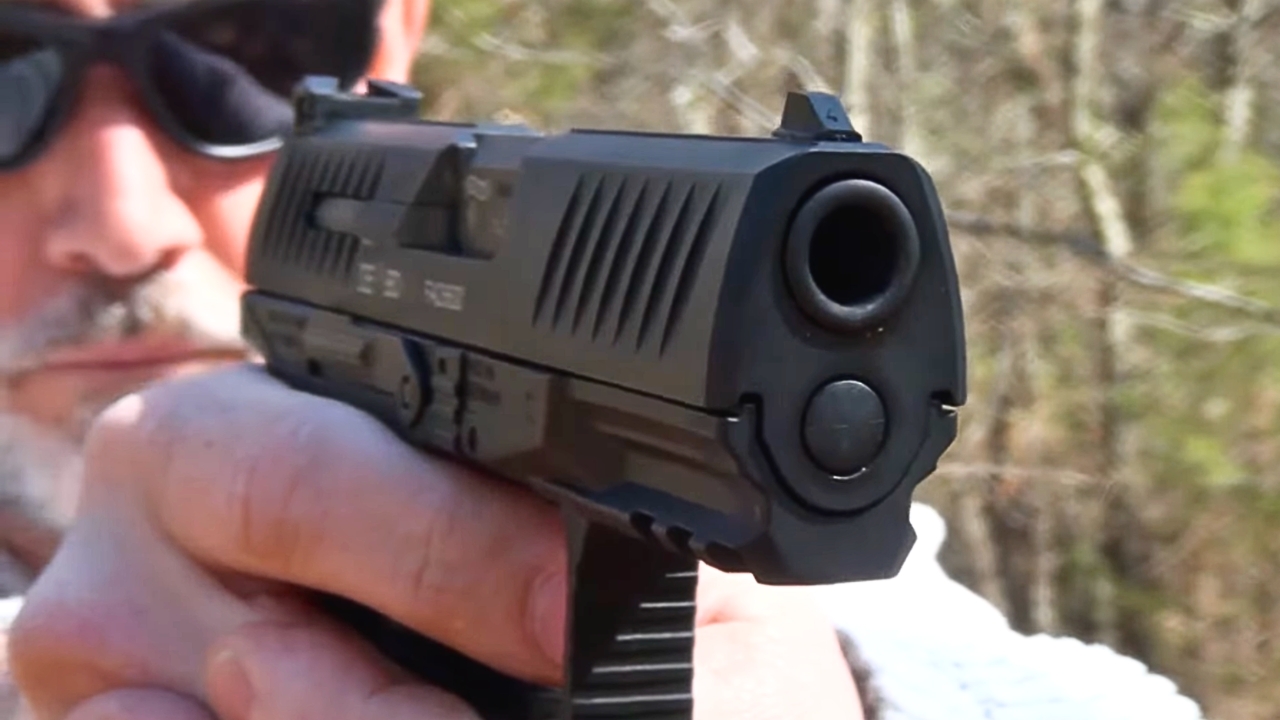
The PPQ M2 outlasted a lot of flashier competition because, once the talking stopped, it still shot extremely well. A lot of modern pistols get bought on image and abandoned once the next image shows up. The PPQ survived because it had the sort of trigger, ergonomics, and range manners that kept owners interested after the initial release wave was long over.
That kind of value is hard to fake. A handgun that keeps rewarding actual shooting does not need endless reintroduction campaigns to remain important. The PPQ stayed alive on merit, and that is exactly why it belongs on a list like this.
Colt Lawman Mk III
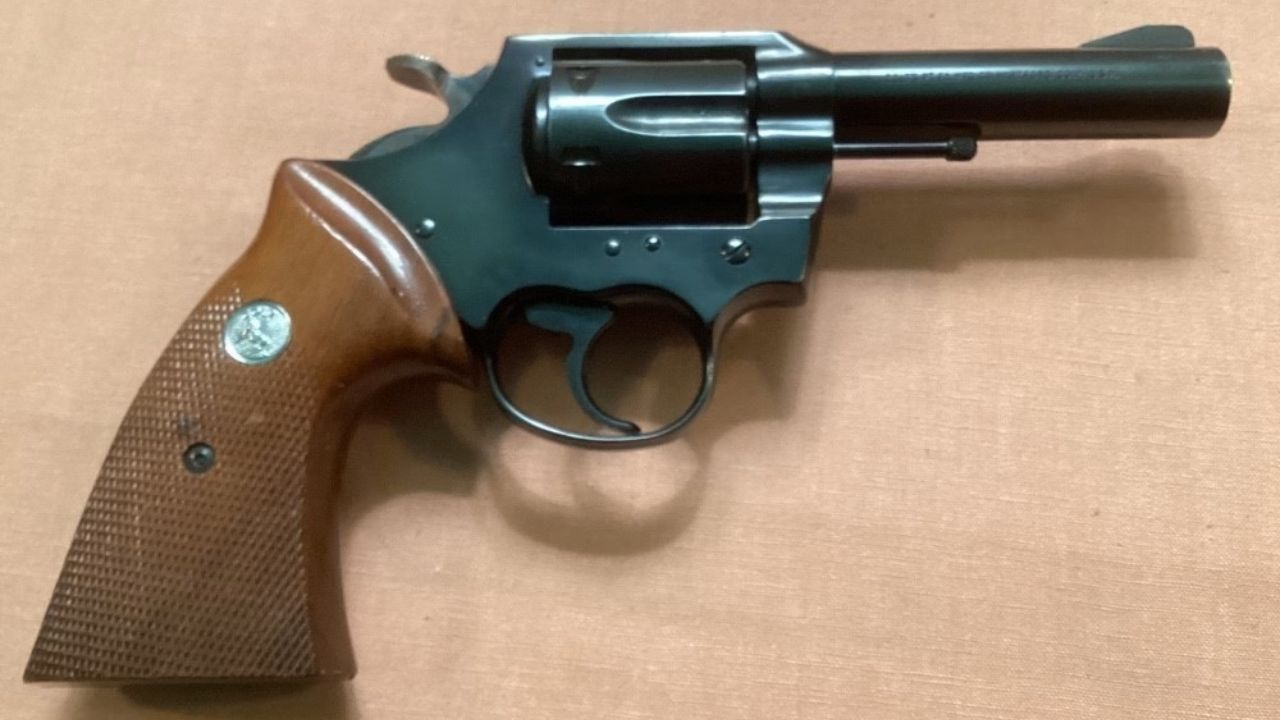
The Lawman Mk III kept working while flashier models came and went because it was built around practical revolver use instead of prestige theater. It never had the glamorous cult around it that some other Colts enjoyed, which actually helped it. People who owned them were often there for the handgun, not the mythology, and that usually leads to a more durable sort of respect.
That is why it lasted. A revolver like this keeps proving itself through range time, carry, and straightforward use. It does not need collector haze or status to stay worthwhile. It just keeps being a sound revolver, and that kind of quiet credibility survives a lot longer than flash.
Like The Avid Outdoorsman’s content? Subscribe to our newsletter so you never miss an article.
Here’s more from us: