Photo credit: Buffalo's Outdoors/YouTube
A lot of collector guns do not look like collector guns while the window is still open. They sit in used cases, show up at shows, or pass through online listings with just enough interest around them to be noticed, but not enough urgency to force the average buyer into action. That is usually when regular shooters talk themselves into waiting. They tell themselves they will circle back later, after they buy the practical rifle, the carry pistol, or the hunting gun they think matters more right now. Then the market changes tone. The collectors arrive, the cleaner examples dry up, and the same firearm that once felt reachable suddenly starts wearing numbers that push ordinary buyers out of the conversation.
That is what happened with these guns. Most were never secret to serious collectors, but they stayed ignored just long enough by the broader market for regular buyers to get comfortable. That comfort was expensive. These are collector guns people ignored until regular buyers got priced out.
Colt Woodsman

The Colt Woodsman spent years in the dangerous zone reserved for guns people admired without urgency. Everybody knew it was elegant, well made, and very Colt in all the ways that matter, but a lot of buyers still filed it under “nice old .22” instead of “buy this before it gets stupid.” Rimfire pistols almost always get underestimated that way. They feel too civilized, too niche, or too easy to postpone, especially when the buyer is more focused on service pistols, military guns, or big-bore revolvers that seem louder and more serious in the moment.
That old delay looks foolish now. The Woodsman did not need hype to get expensive. It only needed enough people to slowly realize that beautifully made old Colt rimfires were not being replaced and were not getting easier to find in clean, original condition. Once that clicked, ordinary buyers started feeling the squeeze immediately. The pistol they once treated like a tasteful future purchase turned into exactly the kind of collector handgun that makes regular shooters mutter about timing.
Winchester 52

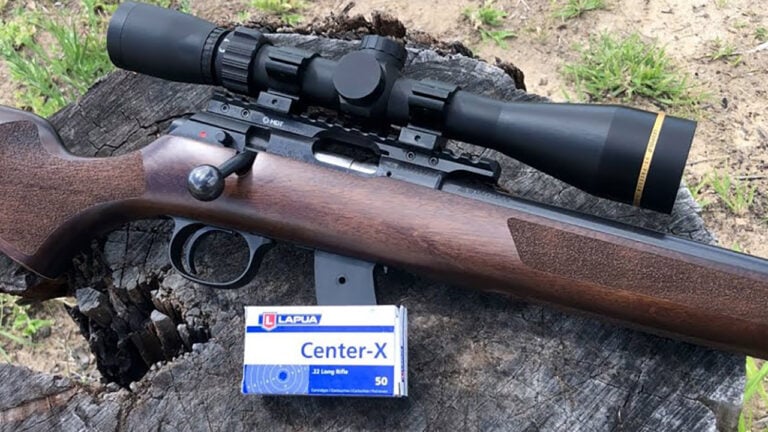
The Winchester 52 is a perfect example of a rifle regular buyers respected without really understanding how vulnerable they were to waiting too long. It always had a strong reputation among serious rimfire people, but that was part of the problem. Too many shooters treated it like “collector target rifle territory” and assumed that if they ever wanted one, there would always be some decent example somewhere down the road. They saw quality without feeling urgency, and that is how markets punish people.
Then the available rifles got better understood and harder to touch. Clean 52s stopped feeling like old target rifles and started feeling like heirloom-grade rimfires with collector pull. That is where regular buyers got pushed aside. Once values rose far enough, the people who simply wanted a beautiful old .22 to own and enjoy had to compete with a crowd that had already decided the rifle belonged in a more serious category. That is usually the moment ordinary buyers realize they missed the best years to get in.
Smith & Wesson Model 27

The Model 27 spent a long time being respected as a classic revolver without always being chased like one. Buyers knew it had history, knew it had presence, and knew it represented the old deluxe side of the magnum revolver world. But a lot of regular shooters still talked themselves into waiting because there were always other revolvers around, and because a big old N-frame .357 felt like something they could eventually get around to once the timing made more sense.
That delay stopped making sense when collectors and old-school revolver buyers began taking the model much more seriously. Once condition, finish, barrel length, and originality started mattering more to the market, the ordinary shooter got pushed into a much worse position. The old logic of “I’ll buy one later” collapsed once later meant paying collector money for a revolver that used to feel attainable. That is the classic path from admired to priced out.
Browning Medalist
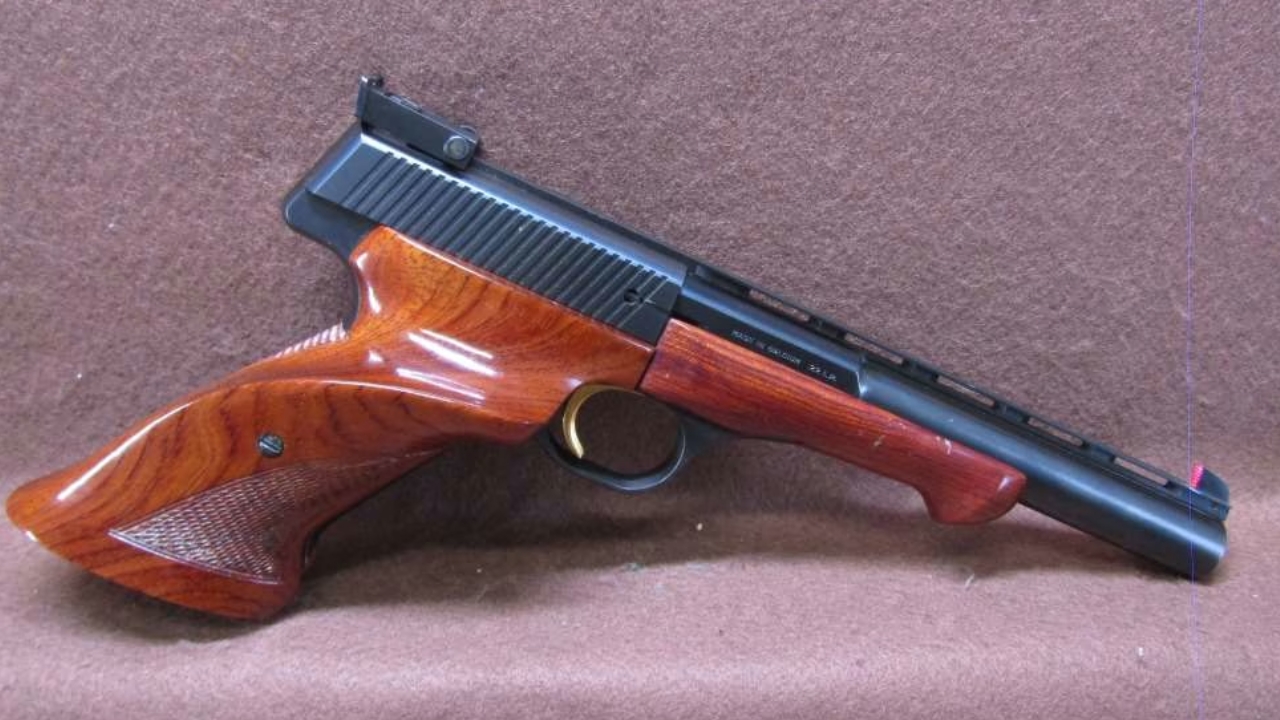
The Browning Medalist always looked like a serious pistol, but many regular buyers still treated it like the sort of old target gun that would remain politely priced because the audience seemed narrow. That is one of the easiest collector mistakes to make. A firearm can feel specialized enough to stay affordable while quietly building exactly the kind of reputation that later makes it painful. The Medalist had presentation, quality, and a real identity, but a lot of buyers still left it for “someday” because rimfire target pistols rarely create panic in the broader market.
Then the panic came anyway, just slowly. Once buyers started appreciating older high-quality target pistols more aggressively, the Medalist stopped being a tasteful niche piece and became something regular shooters had to think twice about. The people who once wanted one simply because it was a beautiful old Browning pistol now had to compete with a much more collector-minded pool. That is how these guns move. They do not need mass hype. They only need enough people to decide all at once that the old easy prices were a mistake.
Remington 81 Woodsmaster

The Remington 81 was easy for regular buyers to overlook because it sat in that odd old-sporting-rifle lane where people never quite know how urgently to act. It looked historic, yes, but it also looked like one of those rifles that would always appeal to a smaller crowd of old-autoloader enthusiasts. That gave a lot of ordinary buyers false confidence. They figured the 81 would always be around if they ever decided they wanted one, and because it was not the loudest name in the room, they kept postponing the decision.
That confidence did not hold. Once collectors and serious old-rifle people started valuing the 81 more aggressively, the supply of appealing rifles began feeling much thinner than regular buyers remembered. Suddenly the old “I’ll get one later” rifle became a much pricier proposition, especially if the buyer wanted strong condition and clean originality instead of just any old example. That is exactly when the regular buyer gets pushed out: the point where the gun becomes collectible faster than he becomes decisive.
Colt Detective Special

The Detective Special looked safe to postpone because small old revolvers often do. Buyers liked the model, liked the Colt name, liked the detective-gun aura, and still rarely acted like one needed to be bought immediately. That was a bad read on the market. The revolver carried too much old-school Colt appeal, too much cultural identity, and too much practical charm to stay cheap once the broader collector conversation around older Colts got hotter.
That is what happened. Regular buyers who once thought they could eventually buy a neat old snubnose found themselves boxed out by buyers who were no longer shopping casually. Once the market started treating older Colts with much more seriousness, the Detective Special stopped being a charming little revolver and started becoming a financially annoying one. The people who wanted it for taste and carry-gun history suddenly found themselves shopping against a collector class with a lot less patience and a lot more money.
Savage 1899
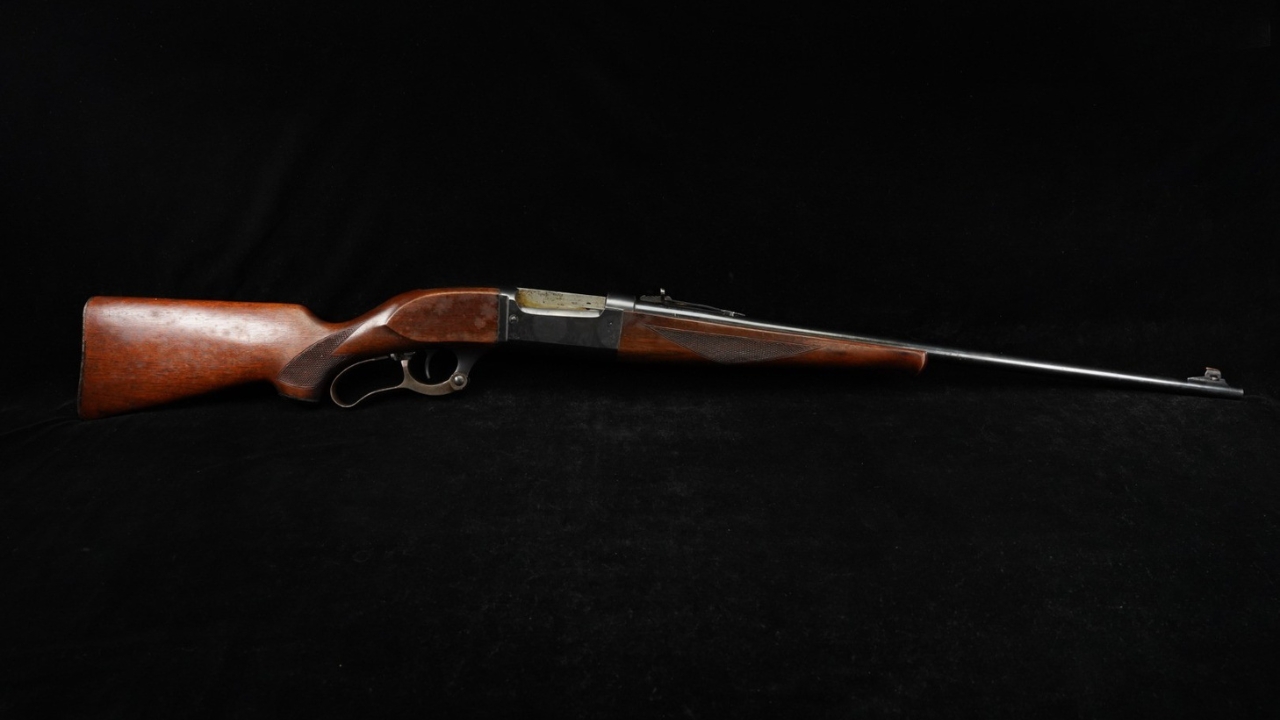
The Savage 1899 lived for years as the kind of rifle knowledgeable hunters liked to talk about without necessarily stampeding to buy. That made it dangerous. It had design interest, real history, and enough underdog prestige to matter, but not enough mainstream pressure to make regular buyers feel like they needed to act that very day. So they waited. They admired it as the smart old rifle they would eventually get around to once they finished chasing more obvious classics.
Then collectors and experienced lever-gun buyers started treating it like more than an underappreciated deer rifle. Better examples got scarcer, variation interest deepened, and the whole tone around the 1899 shifted. At that point, regular buyers got priced out of the comfortable part of the market. They were no longer shopping old practical rifles. They were shopping objects collectors had already elevated. That change always feels unfair to the buyers who thought they had time.
Mauser C96

The C96 was never exactly a secret, but for a long time a lot of regular buyers still treated it like a someday curiosity rather than something they needed to prioritize. It had all the visual drama in the world, but it also felt like a gun for specialists, military-collector guys, or history obsessives with deeper pockets and more patience. That perception made ordinary buyers stay too relaxed. They assumed they would one day cross over into that part of the market when the timing felt right.
Instead, that part of the market crossed over into them. Once the collector demand sharpened and the better examples became much less casual to find, the regular shooter who merely wanted one because it was iconic found himself priced out. That is exactly how these things happen. A gun starts as “very cool, maybe someday” and ends as “I should have bought one before the collector crowd made normal curiosity too expensive.”
Winchester 63

The Winchester 63 felt too calm to be dangerous. That is the sort of rifle people notice, appreciate, and keep walking past because it is “just” a handsome old semiautomatic .22. A lot of regular buyers figured they could always come back to one after handling whatever centerfire obsession was currently making more noise in the market. But old Winchester rimfires have a way of punishing that kind of delay, especially when they combine practical appeal with collector quality.
Once the 63 began attracting stronger collector attention, the numbers changed quickly enough to make regular buyers flinch. It stopped being the kind of rifle you bought because you wanted a classic old .22 and became the kind of rifle you had to justify as a real financial decision. That is when the market has shifted too far for ordinary buying habits. The collectors did not need to take every example. They only needed to make the better ones feel scarce enough that the regular buyer stopped liking the math.
Smith & Wesson 41

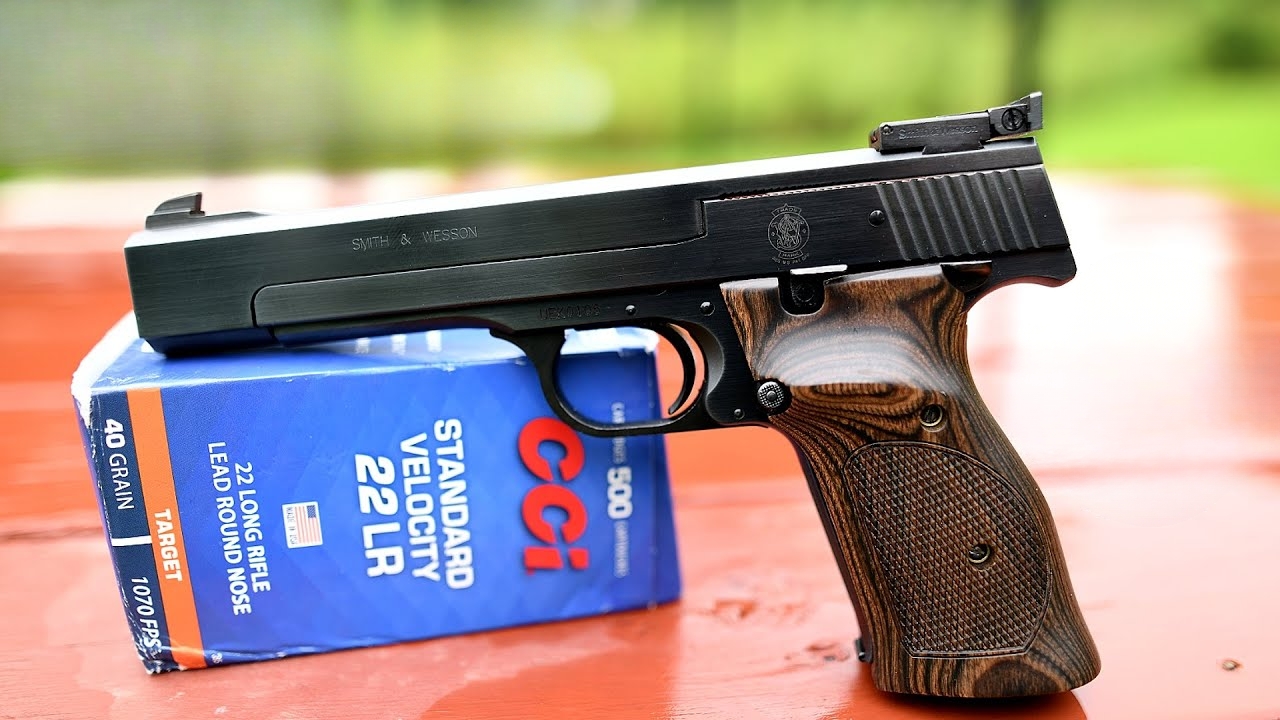
The Model 41 always had quality behind it, but plenty of regular buyers still talked themselves into delaying because target pistols can feel like luxury purchases until the market gets serious. It was easy to admire the craftsmanship, admire the reputation, and still decide that a .22 target gun was not quite urgent enough to beat out all the other things a buyer wanted first. That is a common mistake with specialized guns that are actually too good to stay casually priced forever.
Then the market stopped being casual. Once more buyers began valuing old-school, high-quality target pistols more assertively, the Model 41 started feeling less like an indulgence and more like something ordinary shooters had let get away. That is the point where collectors and serious enthusiasts squeeze out the regular buyer who simply wanted one because it was excellent. The Model 41 did not become more elegant. It became more expensive to have ignored.
Winchester 71

The Winchester 71 always carried a kind of heavy old authority, but many regular buyers still viewed it as a niche lever gun for people deeper into the collector world than they were. That made it seem safe to admire from a distance. It looked important, yes, but not always urgent if you were just a normal buyer trying to decide where to spend your money. A lot of people told themselves they would revisit the 71 once they got more serious about older lever rifles.
That future got much more expensive. Once collectors and high-end lever-gun buyers started treating the 71 with the seriousness it had always deserved, regular buyers were the first people pushed to the edge of the table. The rifle they once thought they could circle back to became one of those guns that makes ordinary buyers feel like they missed the last chance to enter before the room got wealthier and stricter.
Colt Government Model pre-Series 70 commercial pistols

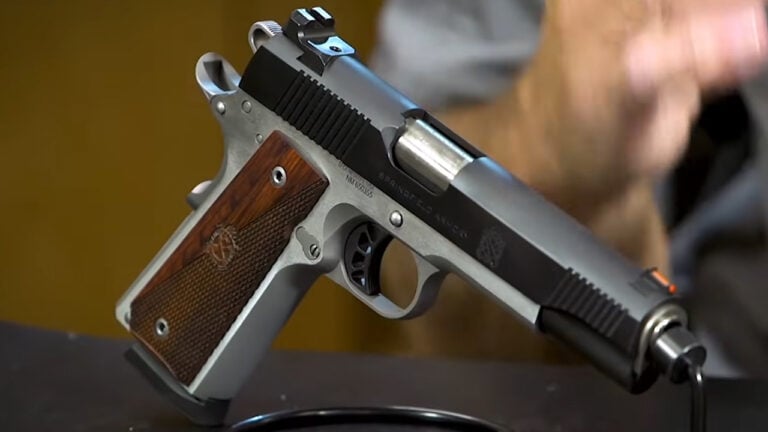
A lot of regular buyers treated older commercial Colts as something nice to have eventually, but not necessarily something that demanded immediate action. That mindset lasted far too long. Colt always carries emotional weight, and the older Government Models had enough built-in reverence that they were bound to get pulled into stronger collector territory once the market started valuing originality and old-commercial-gun appeal more aggressively.
That is where regular buyers got trapped. A person who once wanted one because it felt like the classic .45 to own now has to deal with a market that is no longer pricing them like shooters with history. They are increasingly priced like collector-grade pieces first. That shift always hurts the broadest class of buyer most, because he was never trying to play collector games. He only wanted one before it became obvious that ordinary taste was no longer enough to buy in comfortably.
Browning Superposed field grades

The Superposed is a great example of a shotgun that regular buyers kept treating like a respectable old Browning instead of a future pricing headache. That is what happens when a gun is admired too calmly for too long. People know it has quality, know it has history, and still assume field-grade examples will remain reachable because they were once so normal in the market. That calm assumption usually lasts right up until enough collectors decide that “ordinary good ones” are worth fighting over too.
Once that happened, regular buyers started getting squeezed hard. The person who wanted a Superposed because it represented classic Browning field-gun ownership suddenly had to pay collector-shaped money even for guns he once would have considered merely nice. That is a brutal transition. It takes a gun from admired to aspirational without giving the regular buyer much warning in between.
Ruger Old Army

The Ruger Old Army was ignored by a lot of regular buyers because blackpowder revolvers often get mentally filed under niche fun instead of serious market opportunity. People respected them, sure, but often in a relaxed way that made waiting seem harmless. A lot of regular shooters assumed they could always come back for one if they ever got more interested in cap-and-ball guns or wanted a Ruger oddity for the safe. That turned out to be very optimistic.
Once the market started appreciating the Old Army for what it really was, a uniquely Ruger, uniquely durable, and increasingly finite revolver, the tone changed fast. At that point, ordinary buyers found themselves staring at prices that felt completely different from the casual old days. It is one of the best examples of a gun that got treated as niche long enough for regular buyers to fall asleep, right before collectors and more focused enthusiasts made that sleep expensive.
Like The Avid Outdoorsman’s content? Subscribe to our newsletter so you never miss an article.
Here’s more from us: