Photo credit: Mrgunsngear Channel/YouTube
When you spend enough time around handguns, you start spotting the ones that look promising on paper but stumble the moment you ask them to perform. These are the pistols that show up with brand recognition, sharp styling, or convincing marketing—yet struggle with basics until you start swapping parts.
They’re the guns people try to fix with new springs, tuned magazines, or polished internals just to reach the reliability most handguns ship with. And if you’ve ever owned one, you know the feeling: you’re working harder to make the gun run than the gun is working for you.
Colt Mustang Pocketlite

The Colt Mustang Pocketlite has all the charm of a classic miniature 1911, but many shooters discovered that the stock recoil springs and magazines weren’t up to consistent defensive work. Failures to feed and nose-diving rounds pushed owners toward aftermarket followers and spring kits. The small slide mass makes timing critical, and the factory parts sometimes struggled to keep pace. Once upgraded, the pistol feels far more confident, but that shouldn’t be required for something intended for carry. Many owners found themselves tuning it long before trusting it.
Para-Ordnance Warthog
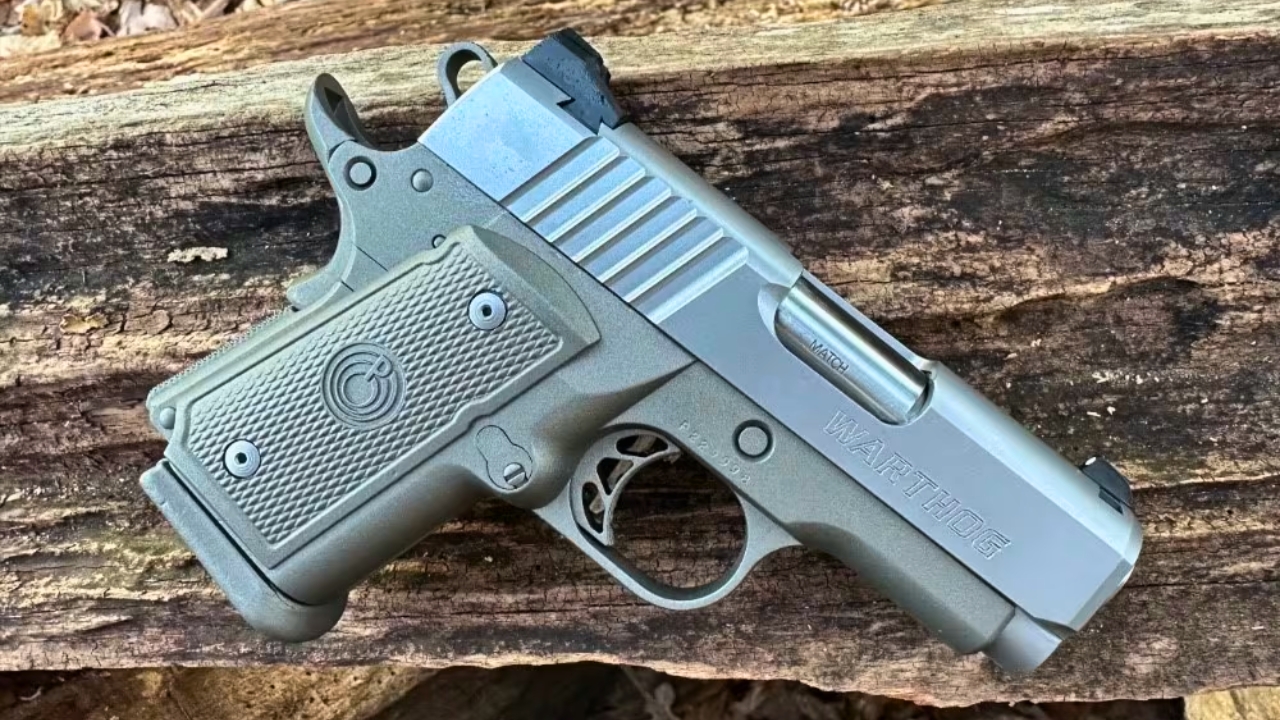
The Warthog’s double-stack micro-1911 profile draws plenty of attention, but the short slide and steep feeding angle often show their limitations. Many shooters added heavier recoil springs or tuned extractors to address frequent stoppages. The stock setup rarely handled hollow points well without polishing or aftermarket magazine tweaks. For a handgun marketed on capacity and power, it demanded too much post-purchase effort. When dialed in, it runs better, but out of the box, it’s a pistol that makes you work just to reach baseline reliability.
SIG Sauer P290
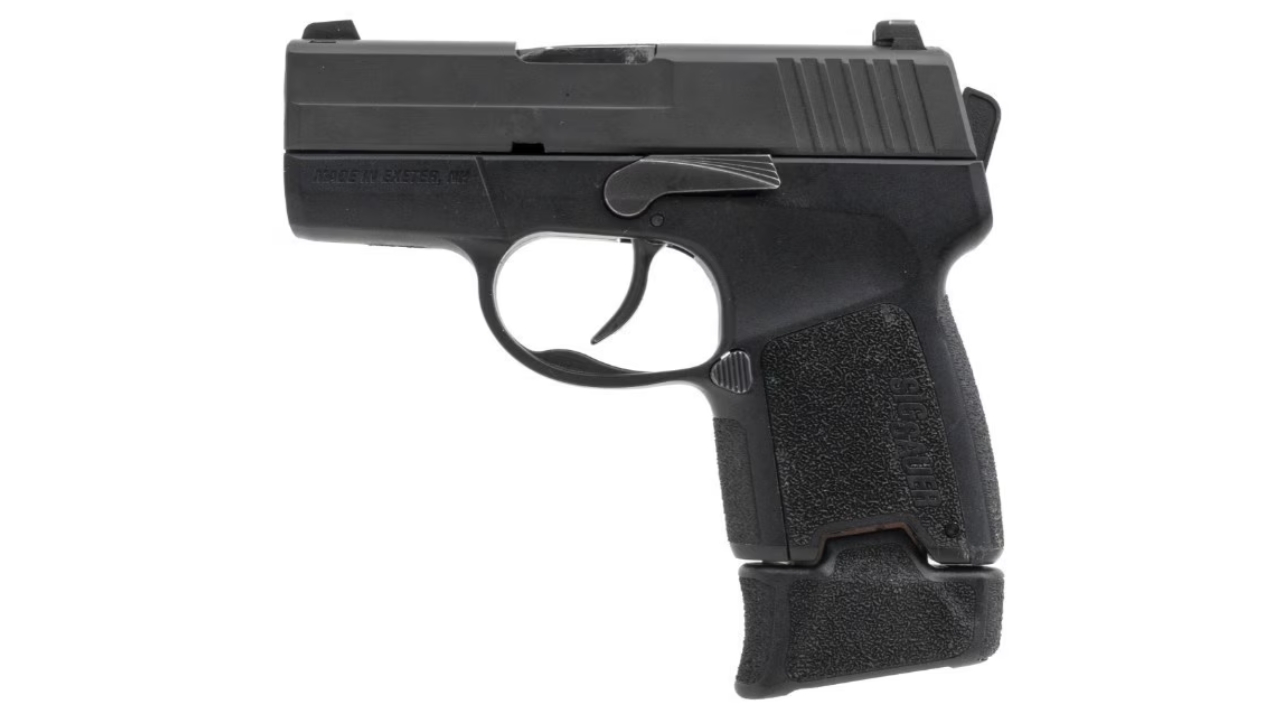
The P290 aimed to be a premium pocket pistol, but its original trigger system and internal parts led many users toward aftermarket spring kits and striker upgrades. Early production models struggled with consistent ignition and abrupt reset behavior. Shooters who wanted dependable performance often ended up modifying internal components to smooth operation and improve reliability. It’s a gun with good materials and a solid frame, yet it rarely met expectations without additional fine-tuning.
AMT Backup

The AMT Backup was marketed as a tough little stainless carry gun, but most owners learned quickly that the factory trigger, springs, and extraction setup needed work. Aftermarket spring kits and custom polishing were almost expected steps. Feeding issues were common with anything other than ball ammunition. While the concept was solid—a small, rugged pistol—the execution left shooters relying heavily on aftermarket solutions for everyday dependability.
Rock Island Armory Baby Rock
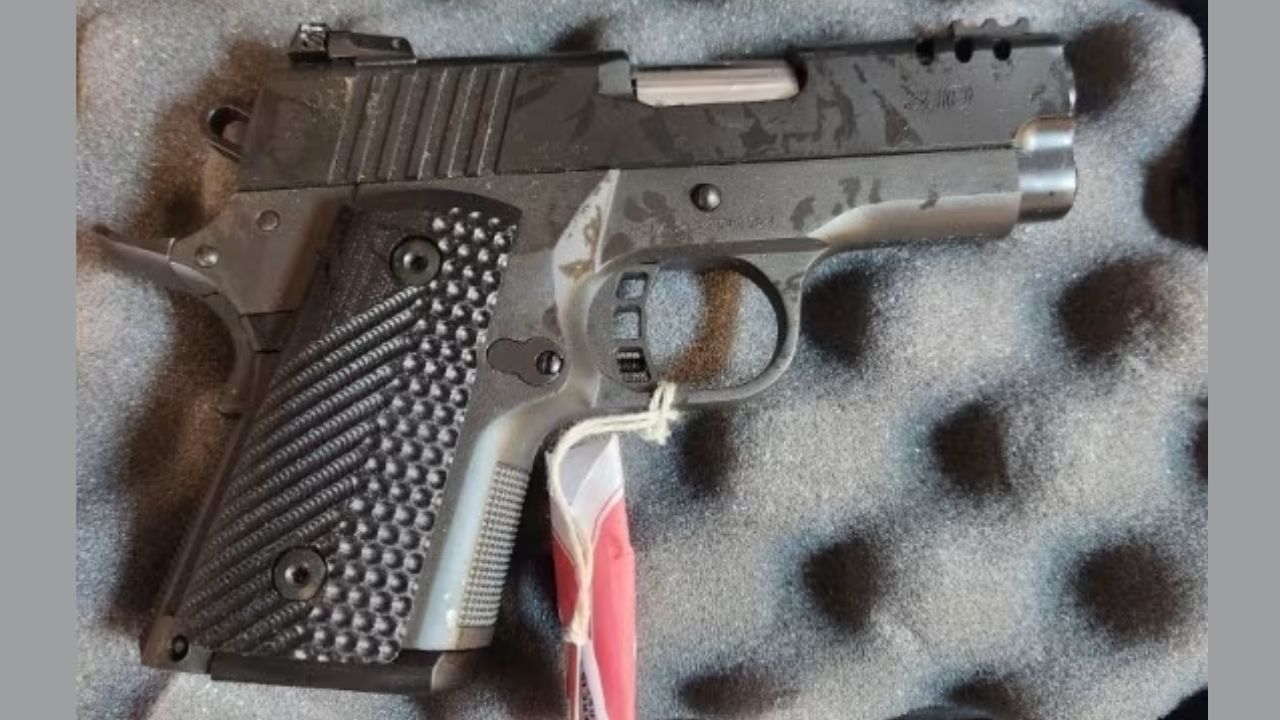
The Baby Rock carries the familiar feel of a scaled-down 1911, but some users reported inconsistent cycling with its stock magazines and recoil system. Smooth feeding often required upgraded springs or improved magazine internals. The pistol has the right ergonomics and weight, but its reliability margin can feel thin until you replace a few key components. Owners who invest in those fixes usually end up satisfied, but the pistol shouldn’t require that much work before performing reliably.
Charter Arms Pitbull

Charter Arms experimented with auto-pistol designs that shared engineering cues from their revolvers, and some early runs had extraction and cycling inconsistencies. Shooters frequently added aftermarket springs or lightly polished internals to stabilize performance. While the design was clever, it wasn’t polished enough from the factory to avoid tinkering. Many owners eventually got them running well, but only after parts replacements that shouldn’t have been necessary on a defensive handgun.
Remington RP9

The RP9 hit shelves with big marketing push, but early examples showed clear issues with magazines, feed ramp geometry, and inconsistent ignition. Owners often replaced magazine springs or swapped out internal parts to address erratic reliability. The frame size and ergonomics weren’t the problem—the stock components were. Once tuned, the pistol could function acceptably, but it rarely inspired confidence without aftermarket intervention.
Caracal F (Original U.S. Release)
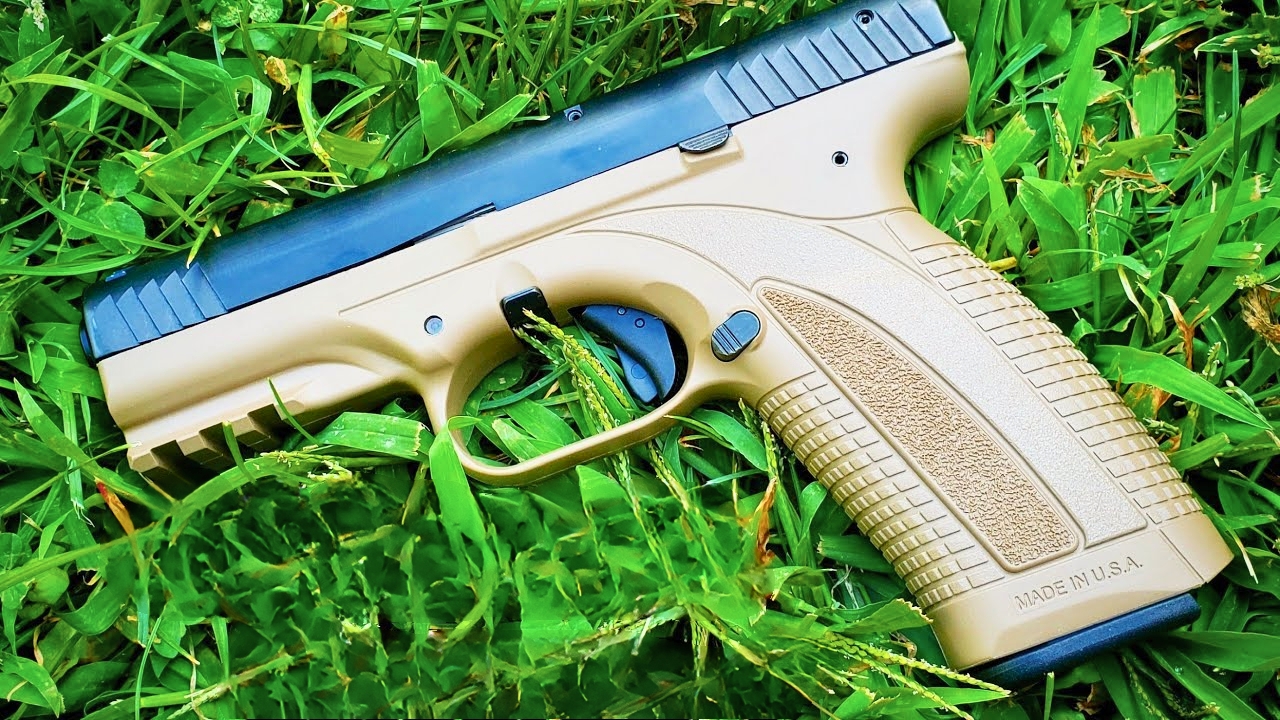
The original Caracal F gained attention for its unusual sighting system and low bore axis, but early U.S. models had enough mechanical issues that many shooters turned to improved springs or replacement parts. Some runs even required factory recalls, and owners who wanted to keep their pistols often upgraded internal components to keep them stable. While the later models performed better, early releases needed help well before anyone should rely on them.
Zastava EZ9
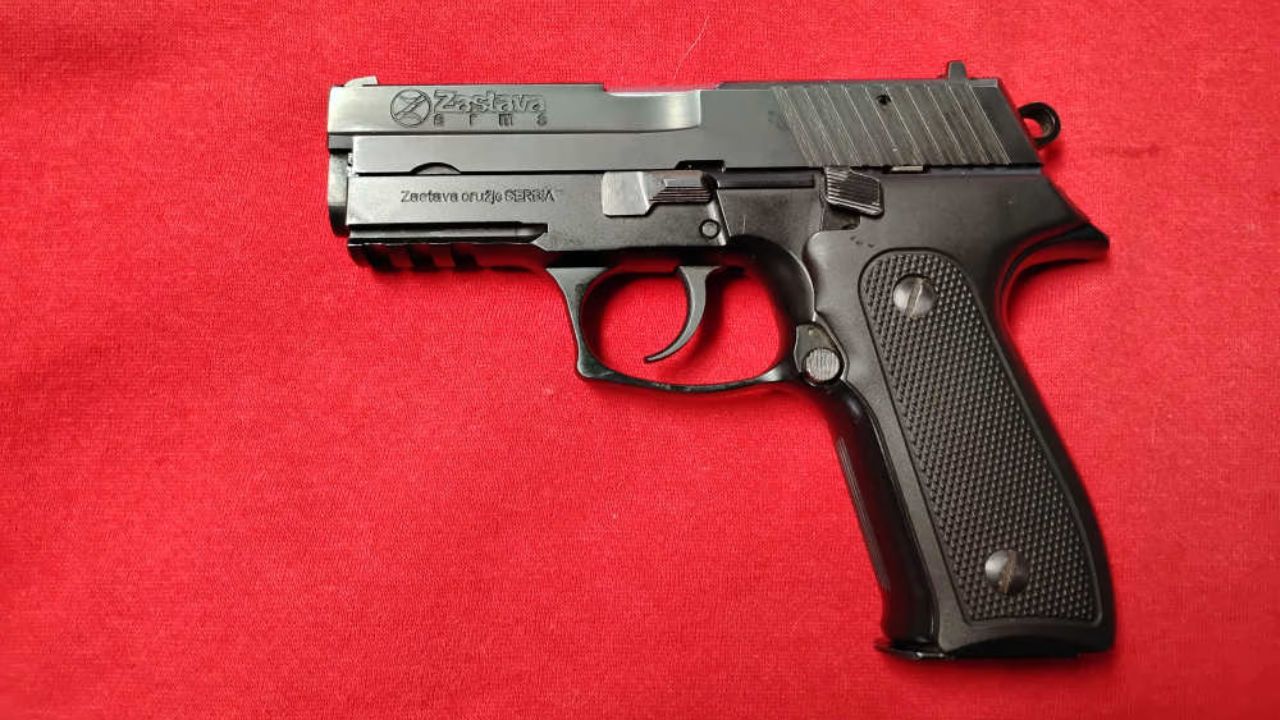
The EZ9 is built like a tank, but numerous shooters reported inconsistent locking and feeding with certain ammunition unless they upgraded magazine springs or tuned the feed ramp. The pistol has excellent potential, yet the stock configuration sometimes struggled with cycling speed. With a few aftermarket fixes, the gun becomes far more dependable, though many owners were surprised they had to make those adjustments in the first place.
FMK 9C1
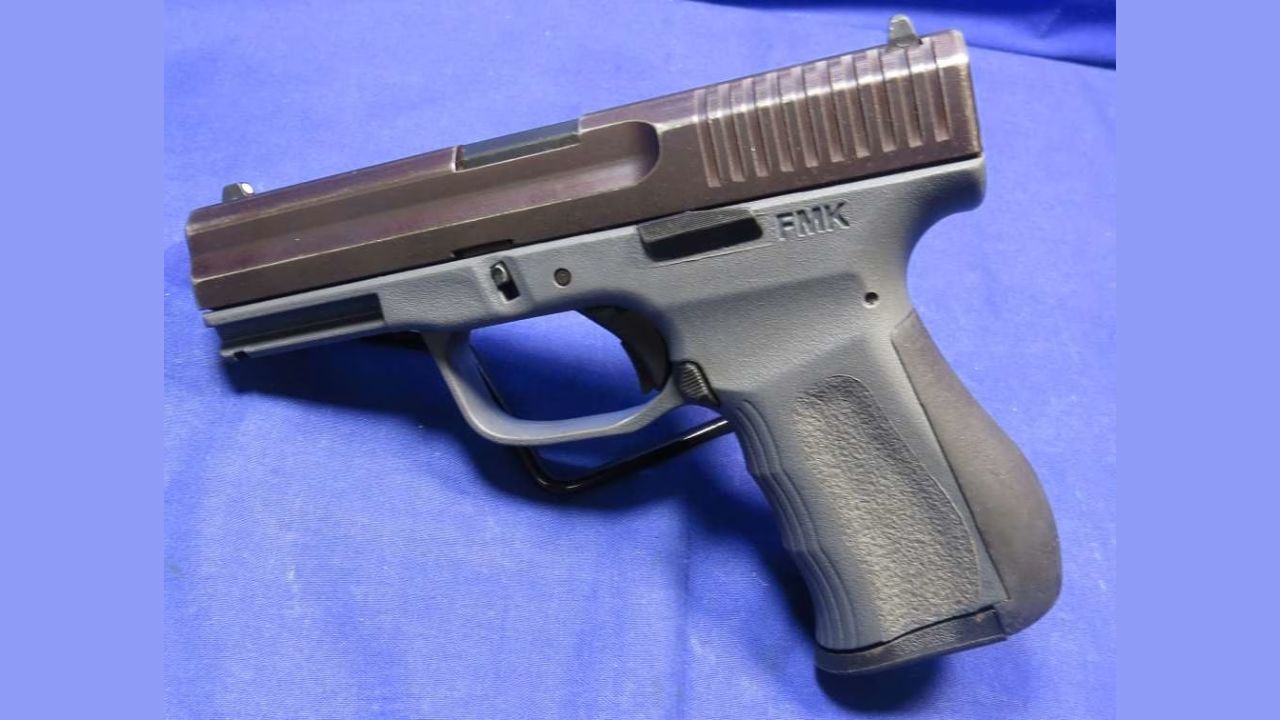
The FMK 9C1 is an American-made striker pistol with a patriotic theme, but early versions suffered from light strikes and inconsistent reset. Aftermarket triggers and upgraded striker springs became common upgrades. Reliability improved noticeably with these modifications, and for many shooters, the transformation was significant. Still, a carry pistol shouldn’t require that kind of parts swapping right out of the gate.
I.O. Hellcat (Not Springfield)
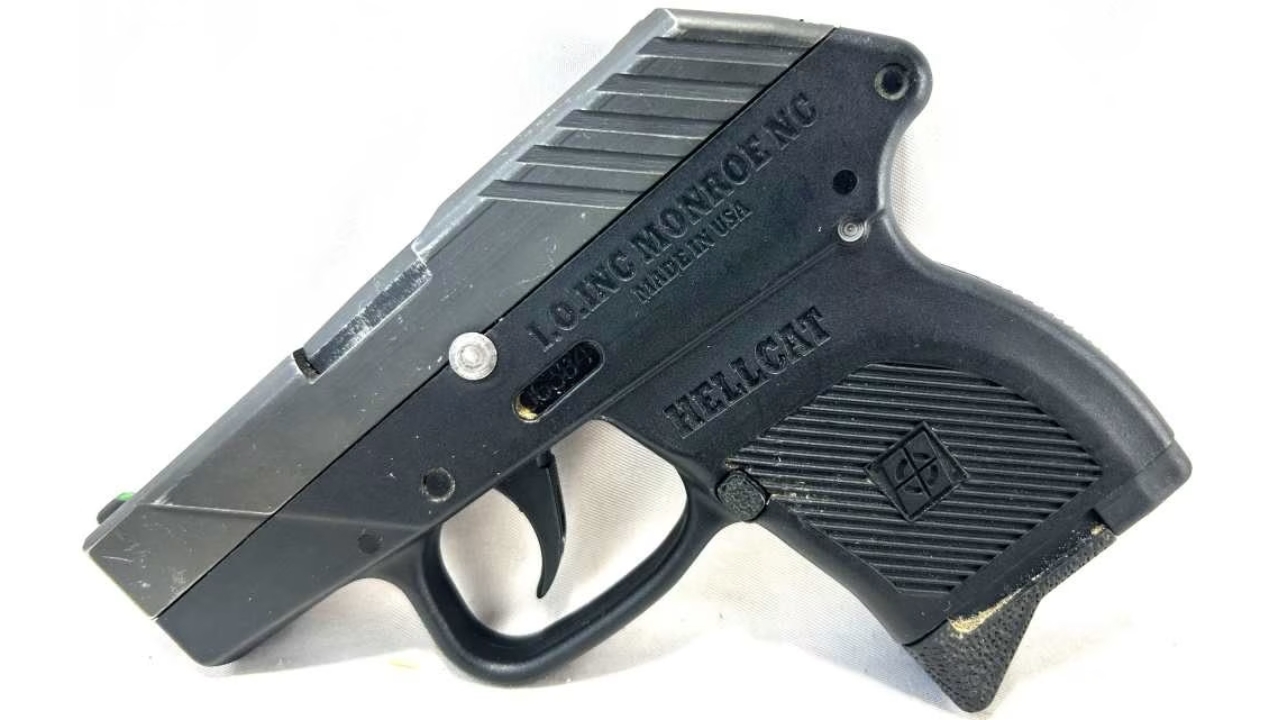
The older I.O. Hellcat pocket pistol often confused buyers because of its name, but its real reputation came from spotty reliability. Weak recoil springs and sensitive feeding pushed owners toward aftermarket replacements quickly. The pistol handled nicely when it worked, but too many units needed internal tuning to reach dependable performance. It’s the kind of handgun that sounds better in marketing than it behaves on the range.
Smith & Wesson 2213
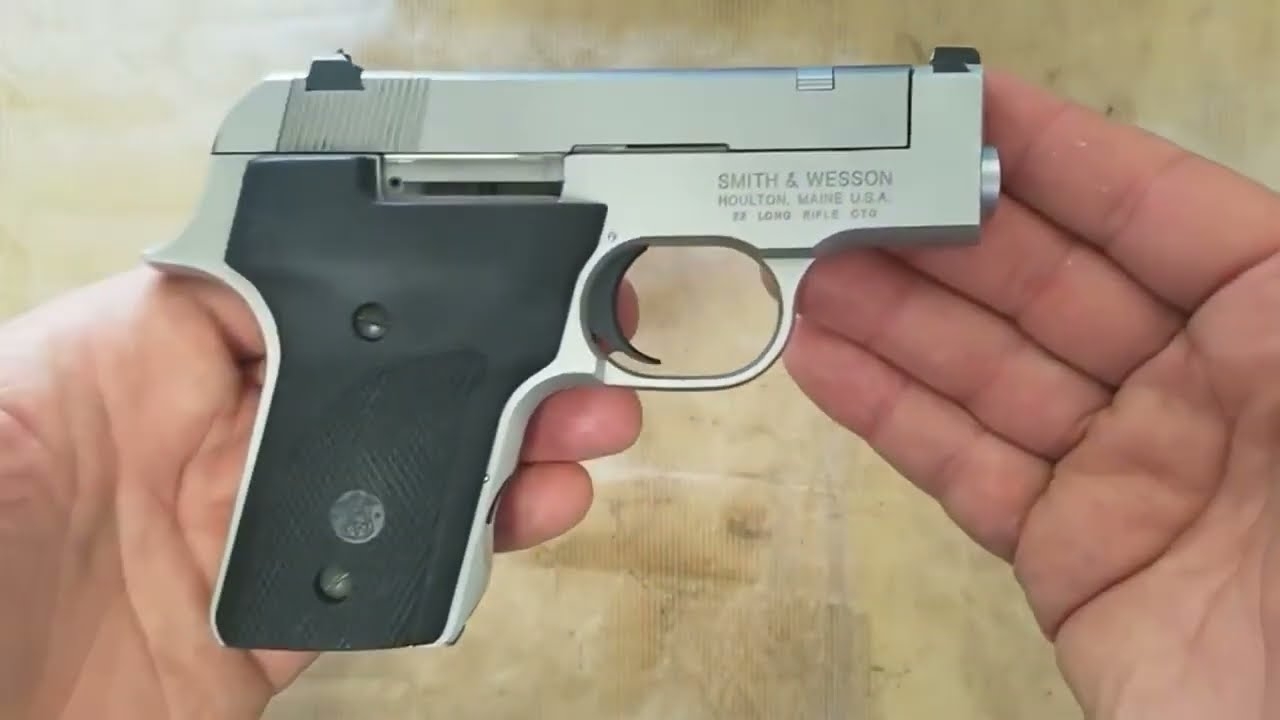
The 2213 is a neat, compact rimfire pistol, but many shooters found stock magazines and springs inconsistent. Aftermarket tuning often improved feeding with a wide range of ammunition. Because rimfire pistols can be finicky, owners expected some variance—but the 2213 required more modification than most competitors. Once upgraded, it’s accurate and fun, but it doesn’t run its best without help.
Llama Micromax

The Micromax looks like a budget-friendly mini-1911, but stock parts—especially the extractor and recoil system—often needed upgrading to keep the pistol from choking on defensive loads. Many owners added new springs, polished feed ramps, and replaced firing pins to make the gun dependable. It has classic styling, yet its factory components rarely met the standard shooters expect from a carry pistol.
SCCY CPX-2
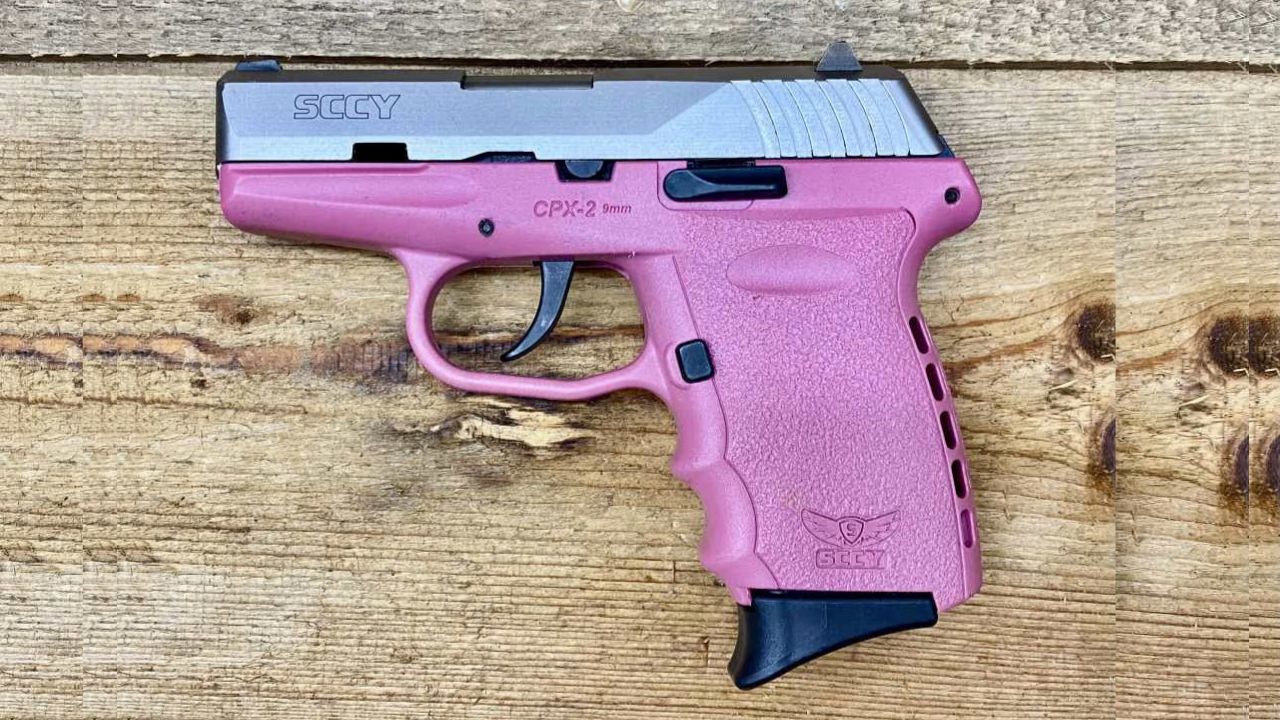
The CPX-2 addressed some concerns from the CPX-1, but it still benefited greatly from aftermarket springs and magazine tuning. The heavy trigger also led many owners to install replacement components for more consistent control. While SCCY improved their manufacturing process over time, the early pistols required far more user intervention than most people expected from a defensive gun.
Phoenix Arms HP22

The HP22 is a budget plinking pistol, but its factory springs and safety mechanisms often frustrated owners who wanted reliable cycling. Aftermarket kits improved performance significantly, turning it into a usable rimfire pistol. Out of the box, though, it demanded more attention than many shooters were willing to give. It’s a perfect example of a gun that only shines after you fix what the factory overlooked.
Like The Avid Outdoorsman’s content? Subscribe to our newsletter so you never miss an article.
Here’s more from us: