Photo credit: Lucky Gunner Ammo/YouTube
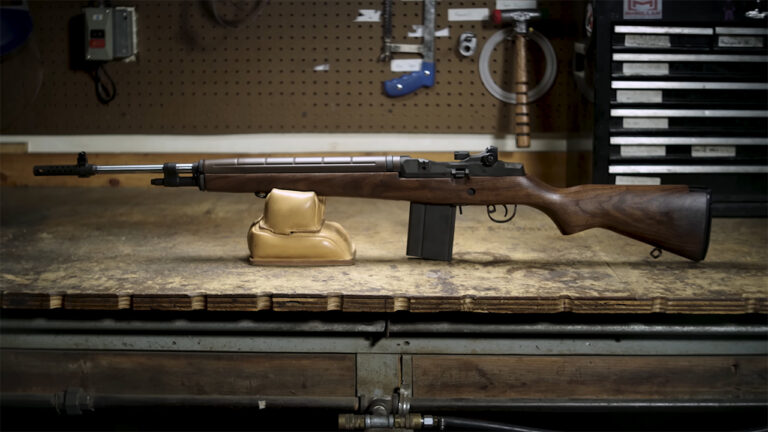
Some cartridges look great on paper but fall apart once the target isn’t standing close. They might shoot tight at 25 or even 50 yards, but push them to 75 and those neat groups start turning into patterns. Light bullets, poor ballistics, and unstable flight paths make some loads more like throwing dice than shooting straight.
You’ve probably seen it yourself—one hit dead center, the next off by half a foot, and you swear your rifle’s cursed. It’s not. Some cartridges just weren’t made to stretch that far, and no amount of optics or luck changes physics. Here are the ones that lose their cool the moment you ask for a little more distance.
.22 Long Rifle

The .22 LR is the classic plinker and small-game favorite, but expecting it to stay accurate past 75 yards is wishful thinking. Those tiny 36- or 40-grain bullets shed speed like crazy, and even a mild crosswind will drift them off target by inches.
Sure, match ammo can tighten things up, but even then, consistency goes out the window once you push the range. By 100 yards, you’re holding high, praying for calm air, and hoping your rifle cooperates. Keep the .22 where it shines—close and controlled.
.410 Bore Slug

A .410 slug can surprise you up close, but beyond 75 yards, things get unpredictable fast. That lightweight, low-speed hunk of lead doesn’t stabilize well, and it starts to wobble the farther it flies.
Even from a full-length shotgun, groups open up to the point where accuracy becomes chance. It’s fine for small game and tight woods, but when you’re stretching distance, a .410 slug acts more like a knuckleball than a bullet.
.22 Magnum
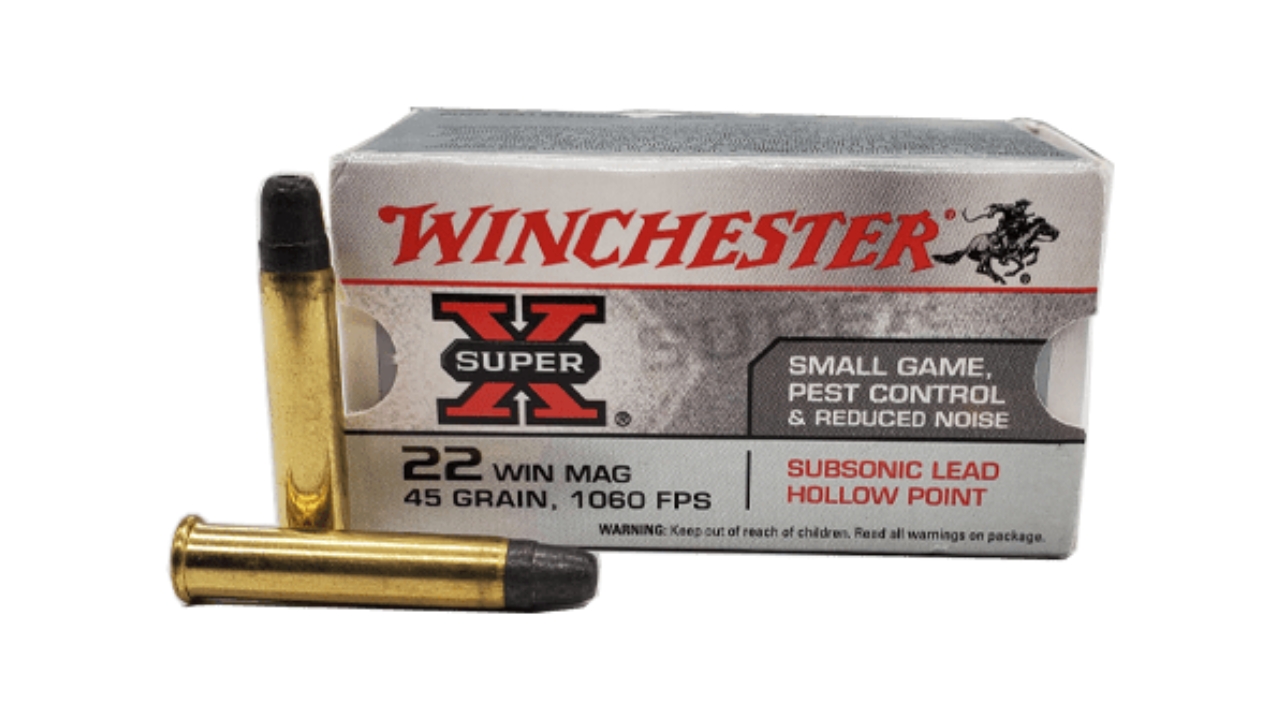
The .22 WMR feels like the bigger, faster sibling of the .22 LR, and it is—but speed alone doesn’t make it stable. Those light bullets still lose steam and drift with every puff of wind.
It’s great for varmints under 75 yards, but past that, accuracy fades. Even with premium loads, the trajectory drops off quickly and point of impact gets inconsistent. It’s a handy round, just not one for stretching shots.
.17 HMR

The .17 HMR shoots flat and fast but is as temperamental as they come. It only takes a light breeze to send that tiny bullet inches off course.
At 50 or 60 yards, it’s surgical. By 100, it’s guessing. Many shooters blame their scope or rifle, but the truth is, the cartridge is fighting physics. When it’s still outside, the .17 HMR shines. When the wind kicks up, it wanders like a leaf.
.44 Special

The .44 Special has old-school charm, but its heavy, slow bullets aren’t made for range. Past 75 yards, they start to drop like anchors.
It’s fine for short-range hunting or punching paper, but by the time the slug reaches 100 yards, gravity and air resistance have already won. The cartridge delivers plenty of punch up close—it just wasn’t designed for stretching shots across a field.
.45 Colt

The .45 Colt’s reputation comes from reliability and power, not precision at distance. Its fat, slow bullet has a tough time staying stable past 75 yards.
Even with modern loads and good optics, you’ll watch impacts shift more than you’d like. It’s an incredible close-range cartridge, but accuracy at distance isn’t in its playbook. You shoot the .45 Colt for tradition and trust, not reach.
.357 Magnum (from a revolver)

Out of a rifle, the .357 Magnum can surprise you. Out of a revolver, it’s a different story. The shorter barrel means less velocity and more drop.
By 75 yards, you’re already holding over, and groups start to widen. It’s still a versatile round, but only when used for what it was built for—close, fast, and powerful shots. Beyond that, accuracy is guesswork.
.300 Blackout Subsonic
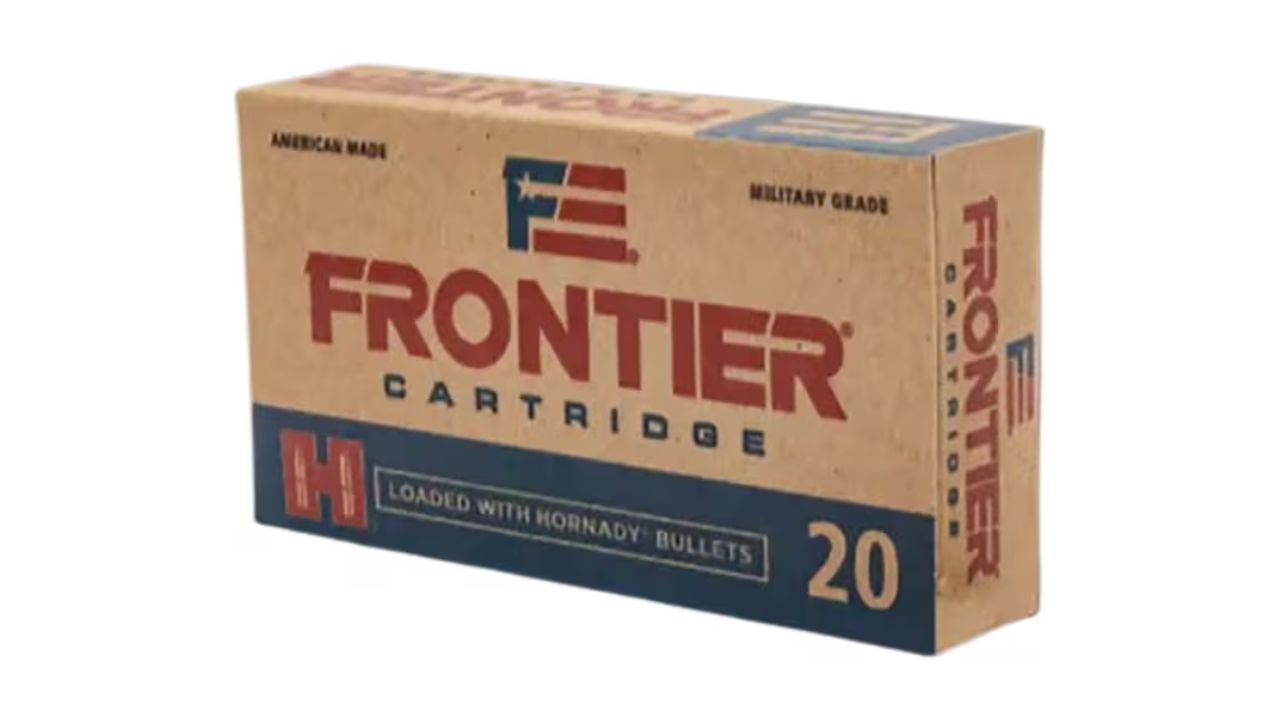
Subsonic .300 Blackout loads are made for silence, not distance. That heavy 220-grain bullet leaves the muzzle at around 1,000 feet per second and starts dropping fast after 50 yards.
By 75, you’re dialing for drop like a mortar crew. Wind drift becomes ridiculous, and consistency vanishes. For suppressed close work, it’s perfect. But for real range accuracy, the subsonic .300 isn’t in the game.
.410 Handgun Loads
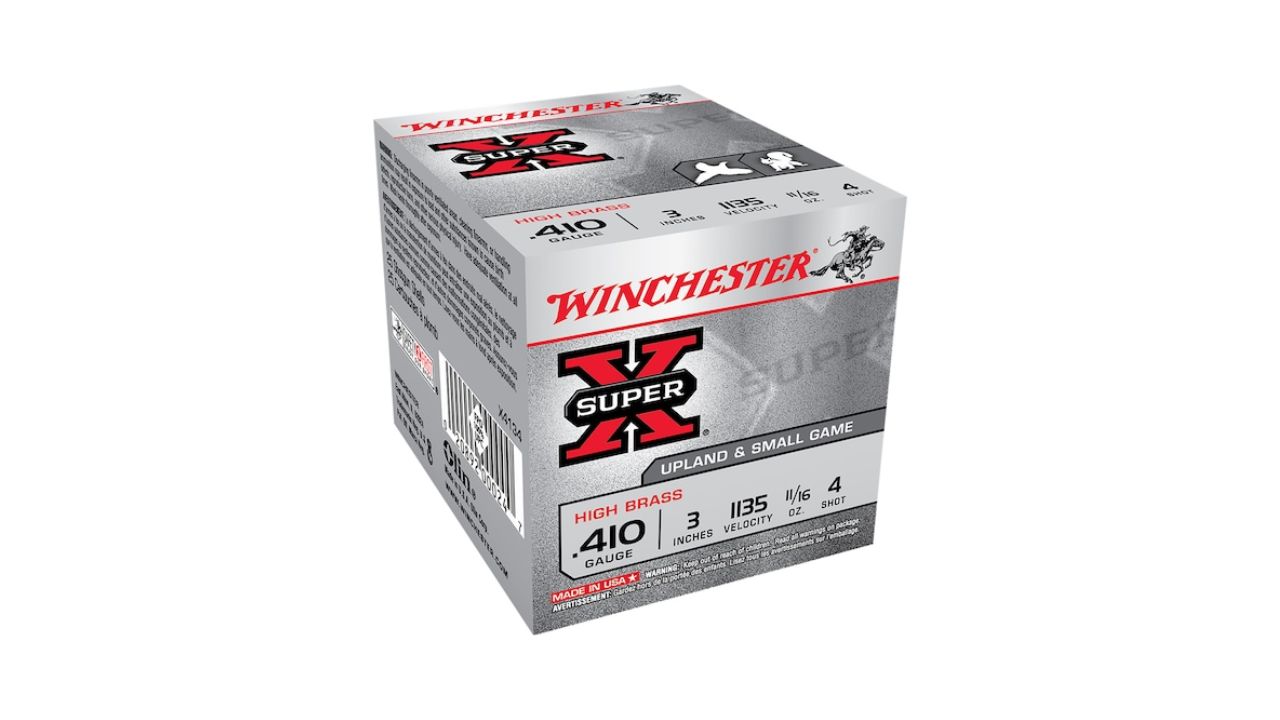
Handguns chambered for .410 shells are fun to shoot but unpredictable at distance. Even with slugs, you’re lucky to stay on paper past 60 or 70 yards.
The short barrel, limited rifling, and low pressure make for erratic performance. Sure, they thump targets up close, but you can’t expect clean hits at range. They’re built for novelty and defense, not precision.
.45 ACP

The .45 ACP is proven and powerful—but only where it was meant to be used: up close. Beyond 75 yards, that slow-moving slug starts to arc like a football.
Even in carbines or long barrels, accuracy breaks down fast. It’s a phenomenal cartridge for personal defense, but no one calls it a long-range performer. Expect to hit big targets—not tight groups.
.38 Special
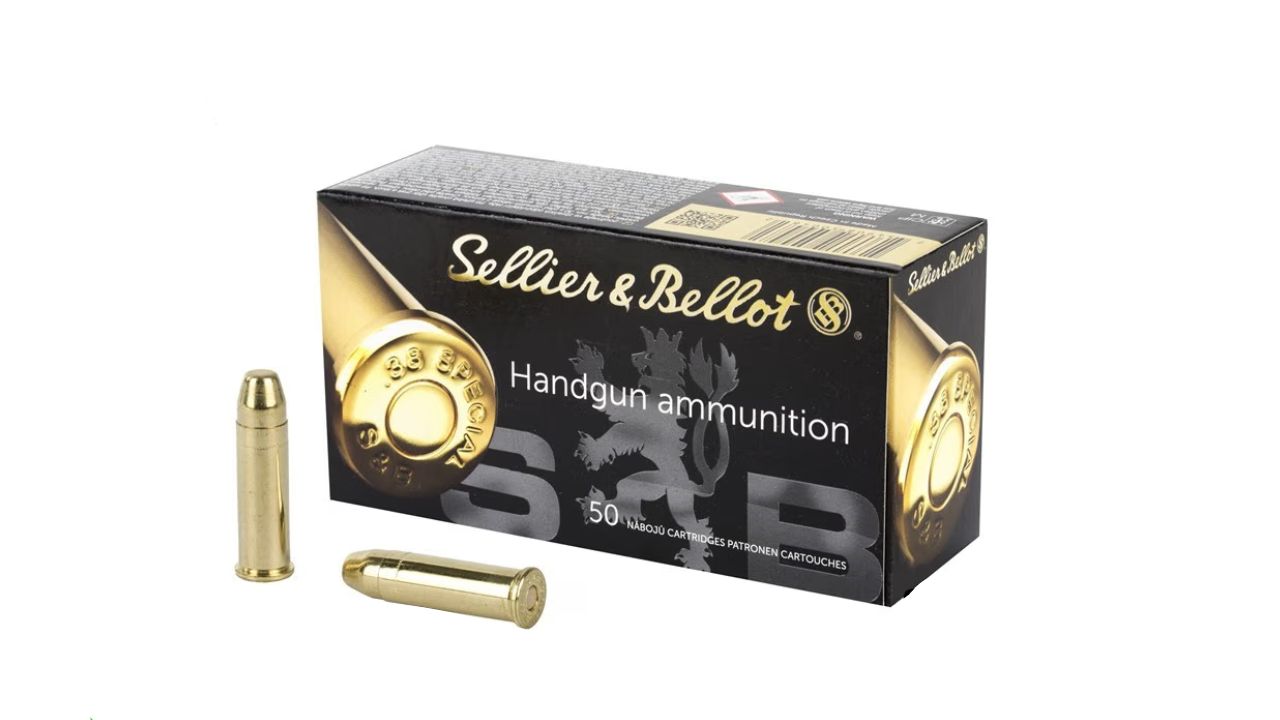
The .38 Special earns its reputation for dependability, but past 75 yards, it loses composure. The slower rounds drop dramatically, while lighter ones get pushed by every gust of wind.
It’s dependable for close defense or target work, but stretching it turns accuracy into luck. It’s not a flaw—it’s just physics. The round was built for control, not reach.
.22 Short
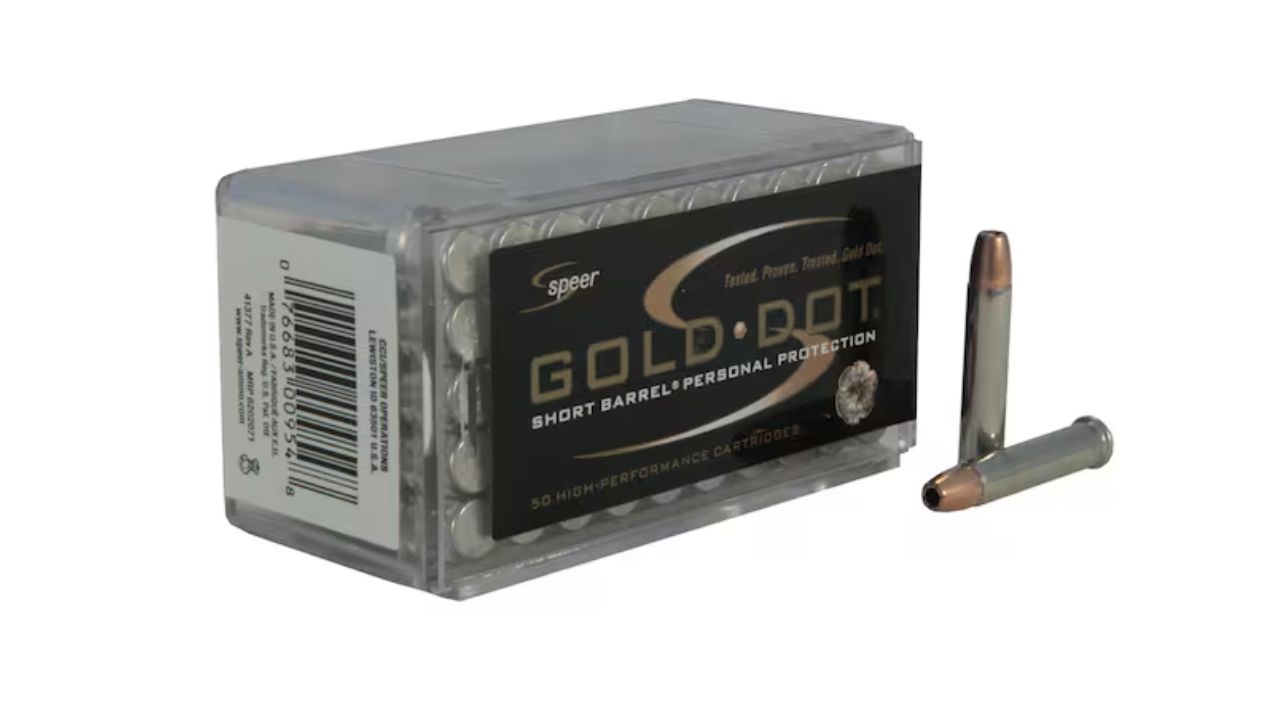
The .22 Short is pure nostalgia—a quiet, light recoiling plinker that’s great for tight spaces. But it’s done by 75 yards.
Tiny bullets and inconsistent loads make it unpredictable. You’ll see patterns that look more like scatter than grouping. It’s fun, it’s historic, but it’s not made for precision once the target gets small and distant.
.380 ACP
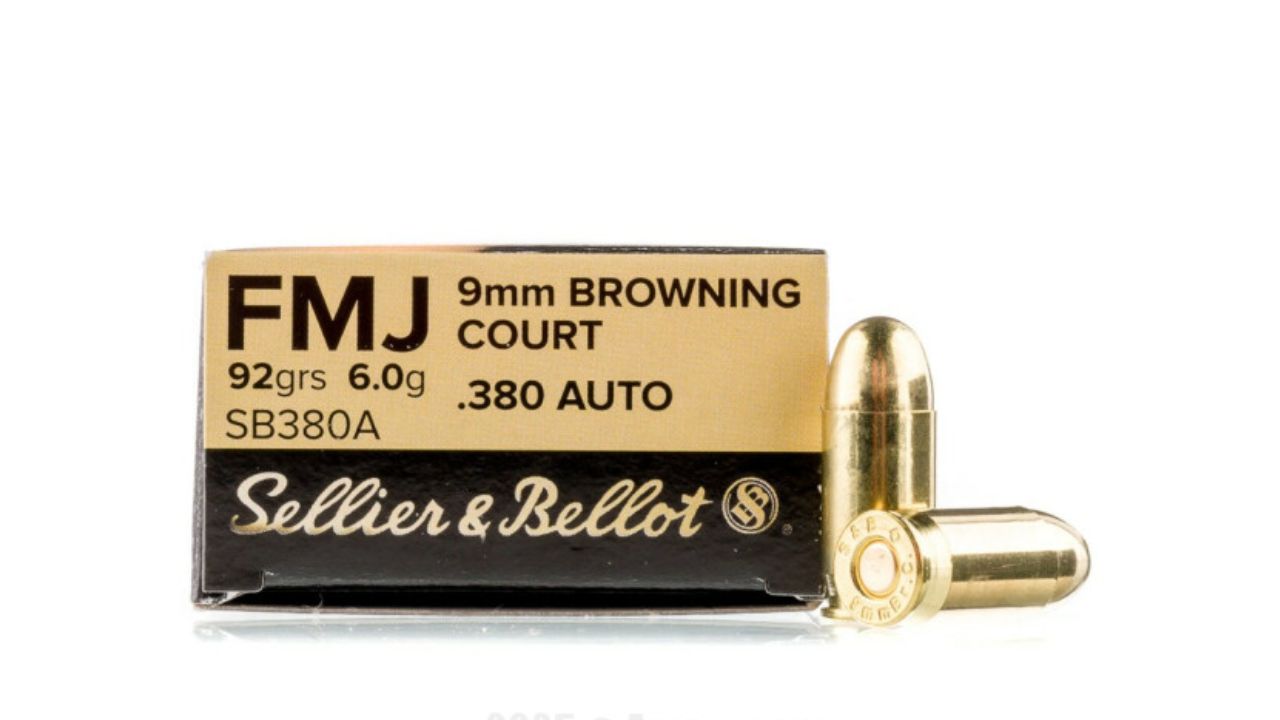
Compact pistols love the .380 ACP, but the cartridge isn’t designed for distance. The light bullet and low velocity make consistency tough to find past 75 yards.
Even when fired from a carbine, accuracy falls apart quickly. The bullet just doesn’t carry enough stability or speed. It’s a capable close-quarters round—but not one you stretch across a field.
.410 Buckshot
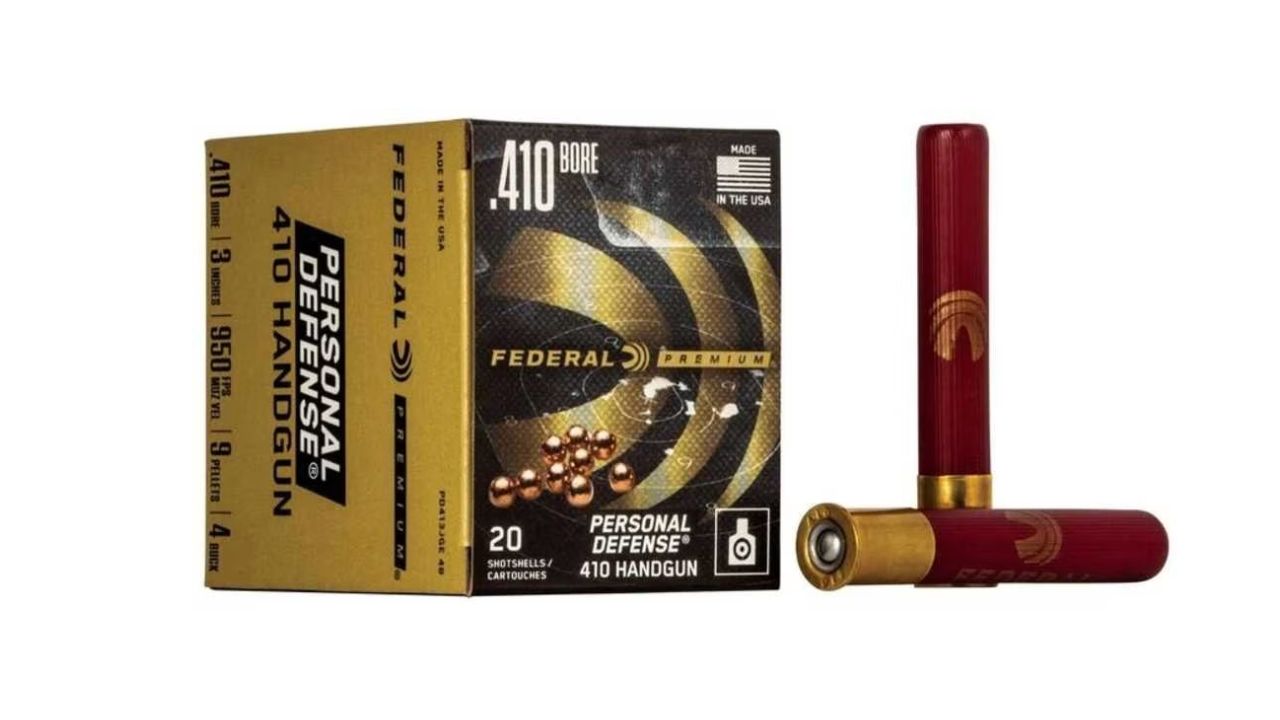
Plenty of shooters have tried .410 buckshot at 75 yards and left shaking their heads. The pattern blows open fast, and pellets lose energy before reaching the target.
At 25 yards, it’s tight and effective. Double that distance, and it’s more of a spread than a group. It’s a close-range load, plain and simple. Anything past that, and you’re guessing where the cloud lands.
.25 ACP
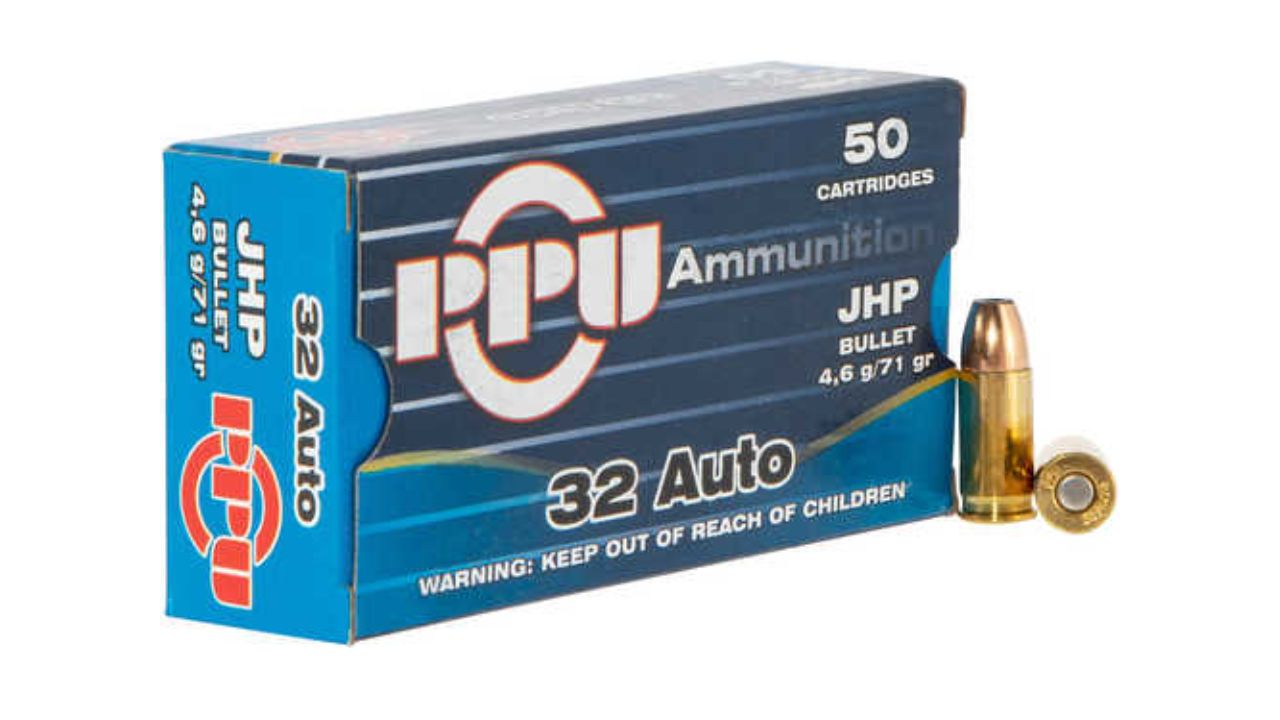
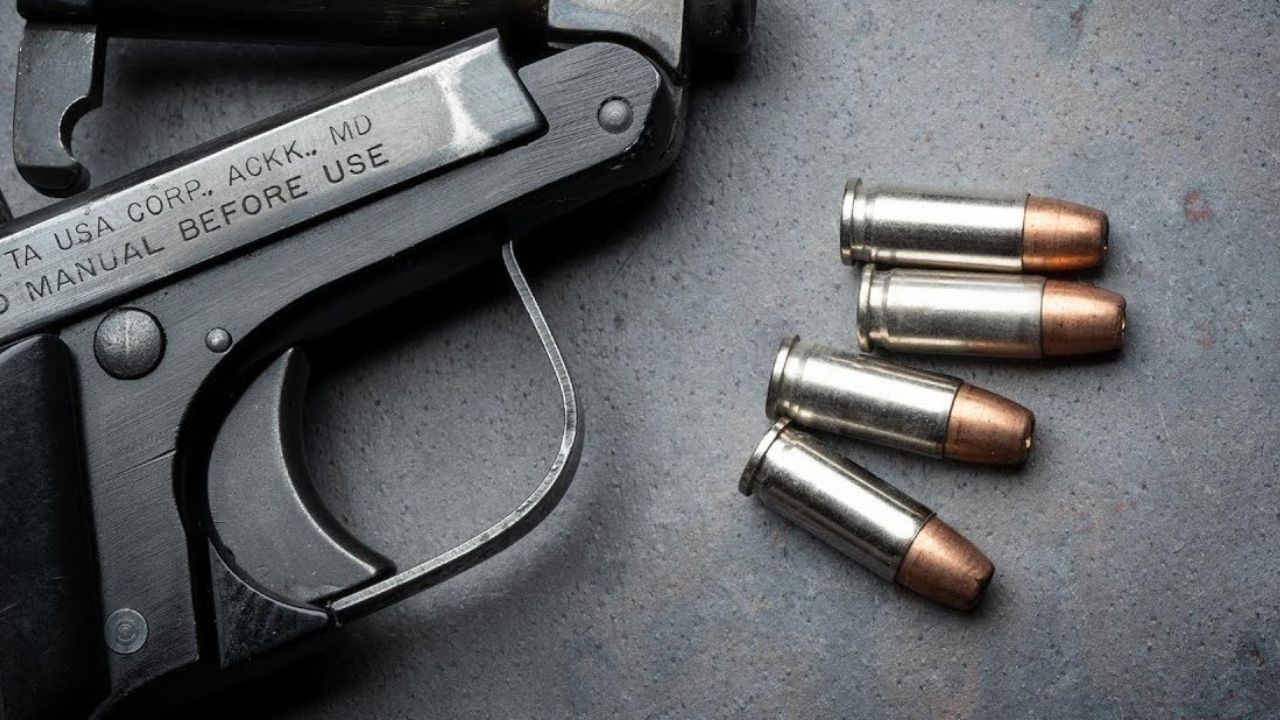
The .25 ACP is a cartridge that was never meant for distance. It’s tiny, slow, and loses energy the moment it leaves the barrel.
At 25 yards, it’s passable. At 75, it’s unpredictable. Even in the best pistols, it struggles to stay consistent or stable. It’s more of a historical curiosity now—a round that belongs in pockets, not long-range targets.
Like The Avid Outdoorsman’s content? Be sure to follow us.
Here’s more from us:
The worst deer rifles money can buy
Sidearms That Belong in the Safe — Not Your Belt
*This article was developed with AI-powered tools and has been carefully reviewed by our editors.