Photo credit: Jason Olbinski/YouTube
When you’ve spent enough time on ranges, in deer camps, and around people who actually run their guns hard, you learn quickly that marketing doesn’t always translate to durability or consistency. Some guns look great in ads, pose well in glossy catalog photos, and rack up big claims on the box—but fall apart the moment you push them past casual use.
These are the rifles, pistols, and shotguns that develop patterns you can’t ignore: feeding issues that show up out of nowhere, accuracy that evaporates when conditions shift, and parts that wear out far sooner than you’d expect. They look dependable until you actually depend on them.
Remington R51

The R51 drew attention for its throwback styling and promises of soft recoil, but the production models arrived with issues that showed up immediately in real use. Feeding trouble, inconsistent ejection, and reliability differences from gun to gun plagued the design. Even shooters who wanted to like it found themselves clearing stoppages far too often. On the bench, it looks sleek and modern, but after a few sessions, the frustration becomes obvious. The concept had potential, but the execution kept it from ever living up to the confident image used to launch it.
Kimber Solo

The Kimber Solo earned a reputation for being one of the most finicky compact pistols to come from a major manufacturer. While it photographs well and feels premium in the hand, it’s notorious for only running reliably with specific ammunition. Many shooters discovered malfunctions the moment they tried anything outside the recommended loads. Light strikes and failures to return to battery became common complaints. In ads, it presents as a top-tier carry pistol, but in practice, its narrow operating window limits its value. A defensive handgun shouldn’t make you second-guess your ammo choices.
Remington 597 (.22 LR)
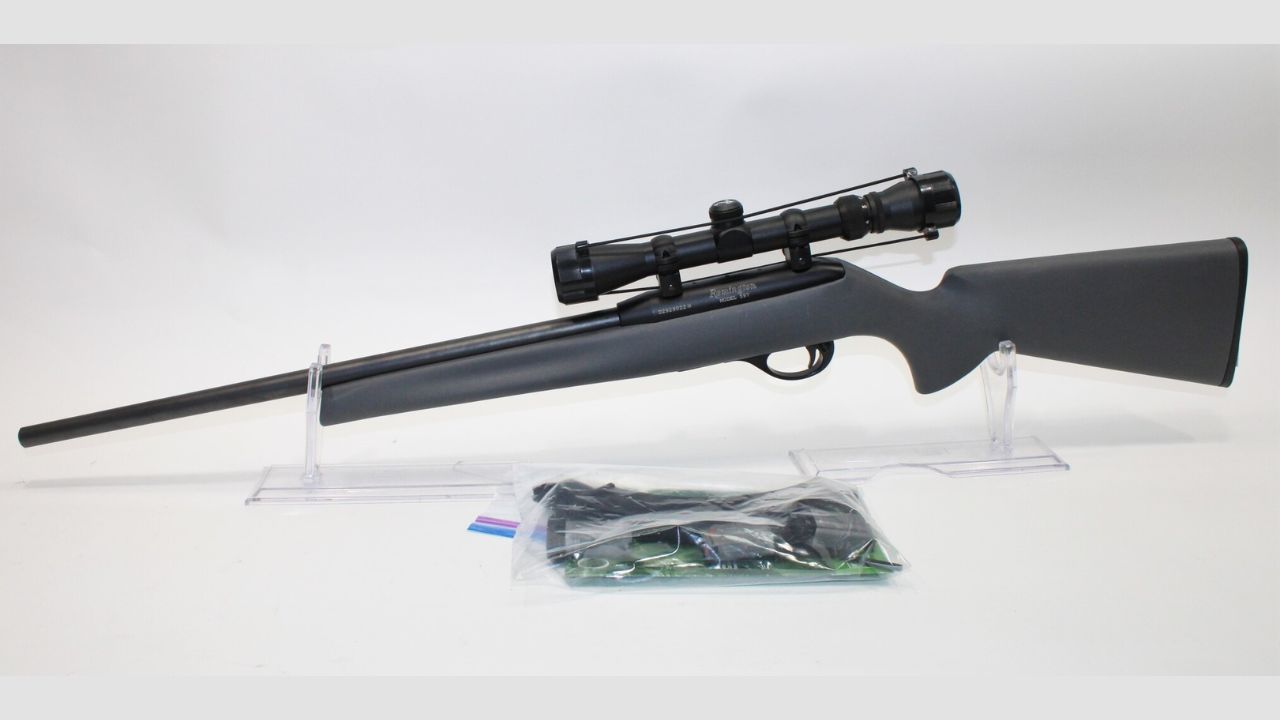
The Remington 597 often appears as a slick alternative to other rimfire semi-autos, but reliability varies wildly. Magazines frequently cause feeding hiccups, and many rifles develop extraction problems over time. For a gun positioned as a dependable plinker or small-game rifle, those issues make it frustrating to run. On paper, it seems well designed, but long-term owners report bolt drag, inconsistent accuracy, and erratic behavior with bulk ammo. It’s the kind of rifle that looks smooth in promotional photos but reminds you quickly that appearances don’t guarantee consistent performance.
Taurus PT140 Millennium

Early PT140 models offered attractive pricing and solid ergonomics, but shooters soon found that reliability didn’t match the presentation. Reports of light primer strikes, magazine-related feeding issues, and inconsistent accuracy were too common to overlook. While Taurus updated later versions, the early PT140 remains a pistol that overpromised and underdelivered. In ads, it appeared ready for daily carry, yet real-world users often experienced unexpected stoppages. It’s a reminder that affordability doesn’t excuse a firearm from dependable function.
Mossberg 464 Lever Action

The 464 looked like a rugged, straightforward lever gun meant to compete with established classics. But early rifles suffered from feeding issues, rough cycling, and accuracy that fell short of expectations. Many owners spent more time smoothing internals or troubleshooting than actually shooting. The design wasn’t inherently flawed, but execution varied too much. On shelves and in ads, it projected durability and tradition, yet plenty of hunters discovered theirs needed more attention than a lever gun should.
SIG Sauer P250

The P250 promised a modular, do-everything system that could adapt to any role, but reliability concerns kept it from gaining traction. Long, heavy trigger pulls and inconsistent ignition made it tough for shooters to run confidently. While later SIG designs refined the modular concept, the P250 never fully overcame its early reputation. Advertisements portrayed it as a breakthrough design, but practical use showed a gun that required more effort and tolerance than most owners wanted to give.
Winchester Wildcat

The first-generation Wildcat promoted itself as a modern, modular rimfire with intuitive controls. But early users reported feeding problems, failures to eject, and accuracy swings from one rifle to another. Even though some later revisions improved things, the initial run left many shooters unimpressed. It’s the sort of rifle that looks clever in a catalog but reveals its limitations the moment you start plugging magazines and sending rounds downrange.
Walther CCP

The original CCP used a unique gas-delayed system that looked refined and user-friendly in marketing. In practice, it proved finicky, difficult to maintain, and prone to stoppages when fouled. Disassembly wasn’t intuitive, and reliability varied depending on how well the system stayed clean. While the ergonomics were great, the mechanical design didn’t live up to its polished image. The CCP M2 later fixed much of this, but the first model remains a case of a gun that promised smooth operation but rarely delivered.
Thompson/Center Venture
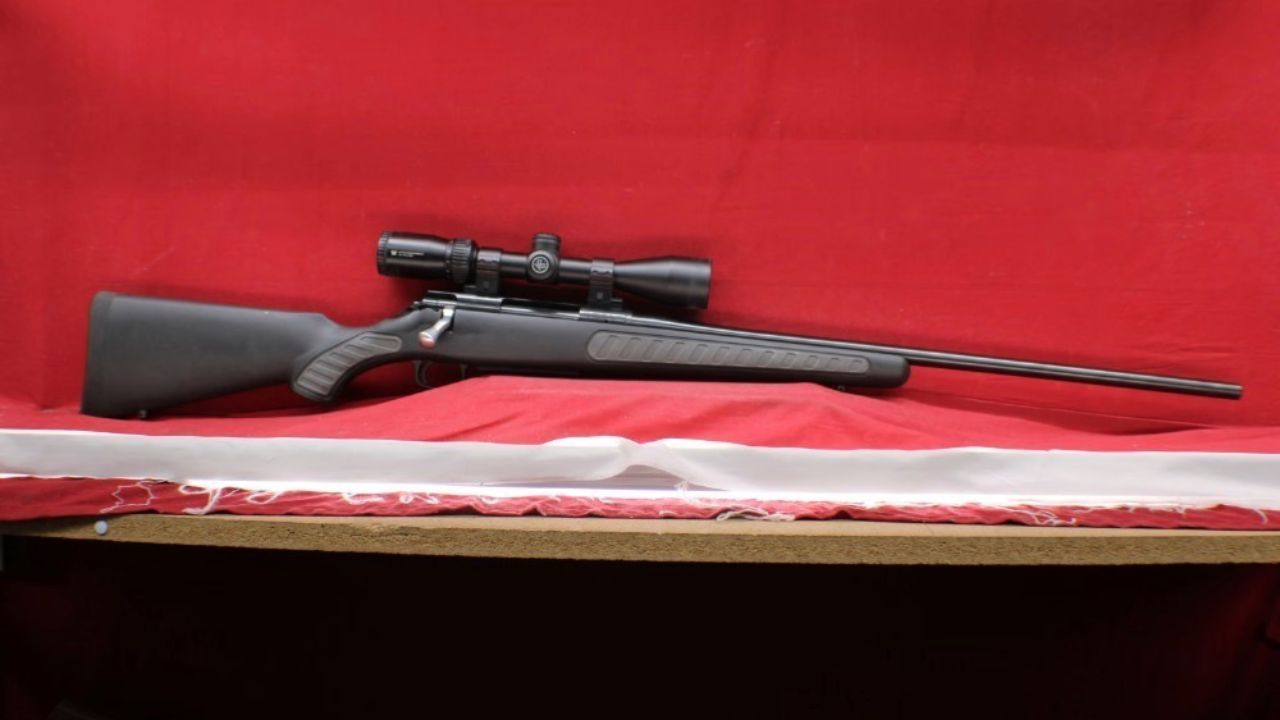
The Venture appeared to be a budget-friendly bolt gun with premium accuracy claims, yet early models encountered safety recalls and inconsistent performance. Some rifles shot well, but others displayed wandering groups and uneven trigger behavior. When a hunting rifle markets itself as precision-ready, shooters expect consistent results from one gun to the next. The Venture’s uneven track record made it a rifle that often looked more dependable in print than it behaved on the range.
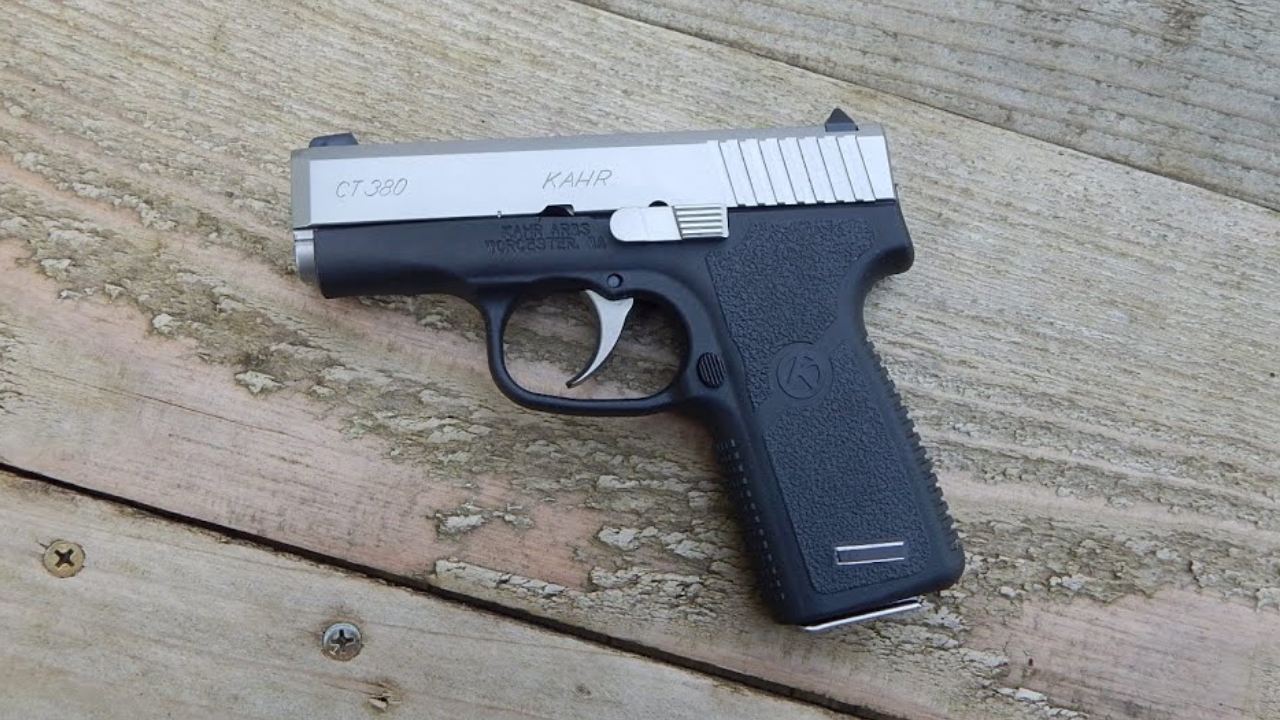
Kahr CT Series
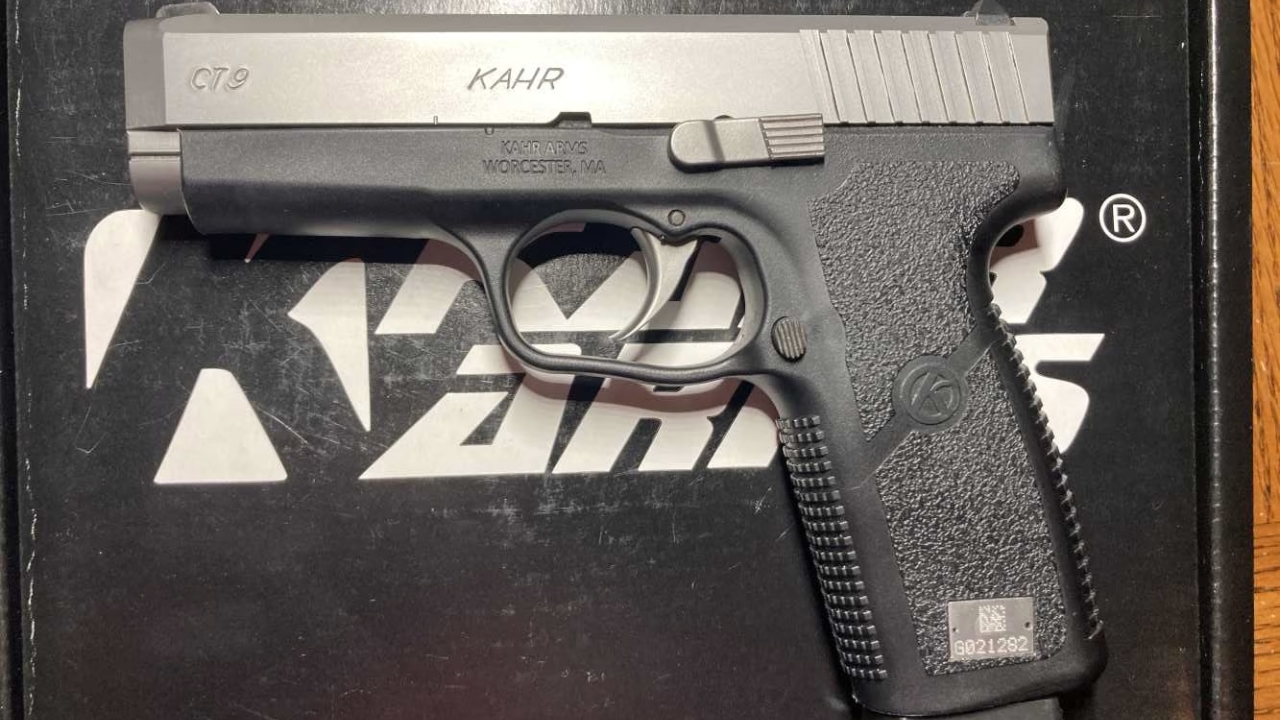
The CT series offered a clean, minimalist look and attractive pricing, but many shooters found reliability hit-or-miss during break-in. Failures to feed and return to battery were common complaints, especially with certain hollow-points. The guns handled nicely and appeared straightforward, yet required more tuning and patience than many owners anticipated. For a pistol intended for defensive roles, those early-life quirks overshadowed the sleek promotional claims.
Browning A-Bolt Shotguns

Browning promoted the A-Bolt shotgun as a precision-minded, slug-focused platform with rifle-like accuracy. In actual use, many hunters reported trouble with extraction, feeding inconsistency, and surprising sensitivity to specific ammo. While the ergonomics and aesthetics were appealing, the reliability didn’t always match the expectations set by the brand’s reputation. The concept was strong, but execution left too many shooters questioning whether they could count on it when the shot mattered.
Colt All American 2000

The Colt All American 2000 launched with big promises and an aggressive marketing push, but its real-world reliability issues became impossible to ignore. Inconsistent accuracy, feeding problems, and an awkward trigger kept it from becoming the modern service pistol Colt envisioned. Despite the strong branding behind it, the pistol never lived up to the performance benchmarks competitors were hitting at the time. It remains a classic example of a gun that looked great in ads but came up short everywhere else.
Ithaca Model 37 Featherlight
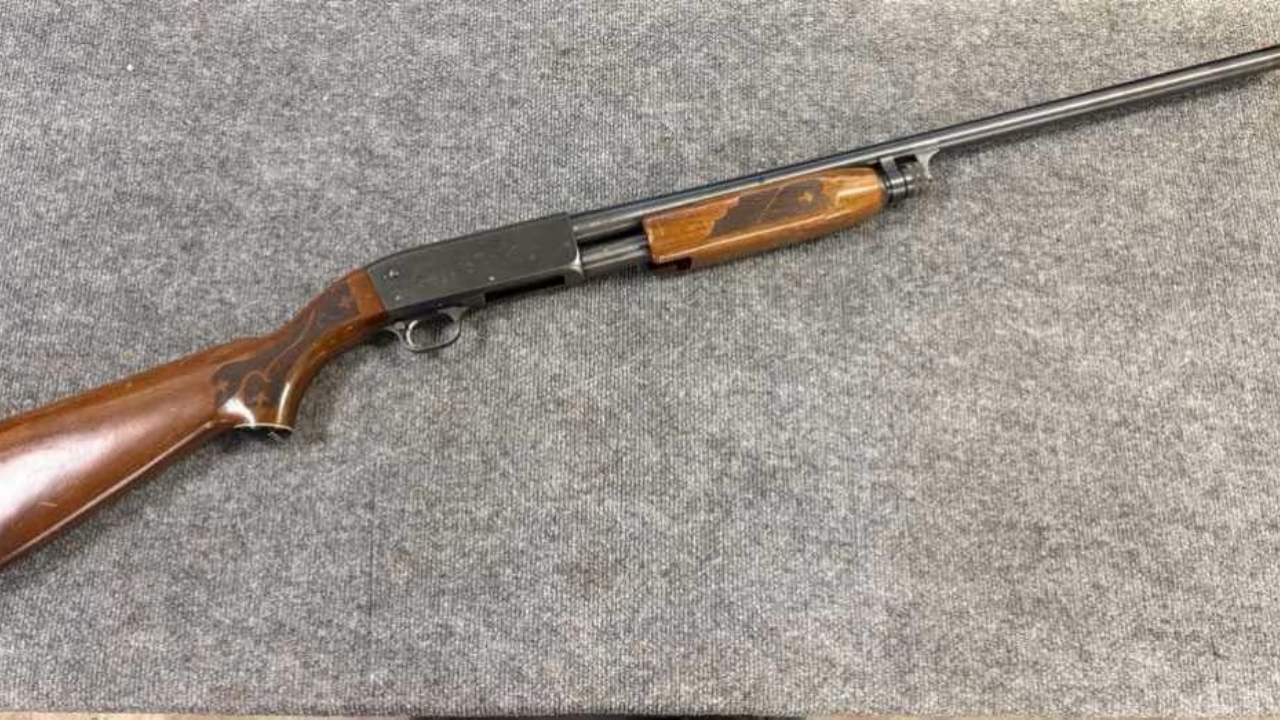
While many Ithaca 37s are excellent, some late-era production runs suffered from rough machining, inconsistent cycling, and extraction issues. The model’s reputation kept it selling, but owners of those weaker-production years regularly reported problems. In ads, the 37 still carried its legendary image; in practice, those particular runs required more attention and troubleshooting than a field shotgun should.
FN FNS-9
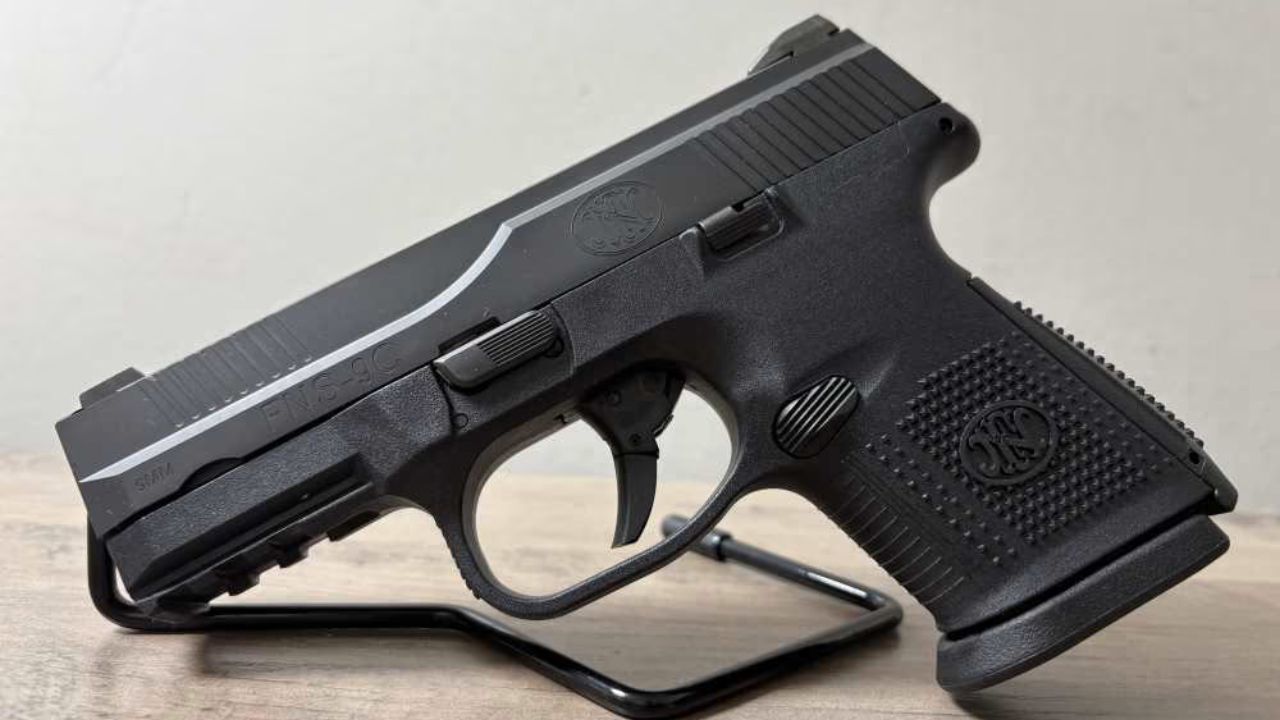
The early FNS-9 pistols looked rock-solid and carried FN’s reputation on their shoulders, yet isolated reports of drop-fire risks and inconsistent trigger behavior affected confidence. While FN addressed these issues, the early perception stuck. Many shooters liked the feel and balance, but reliability concerns—however limited—cast a shadow over a gun that otherwise presented itself as a dependable duty-style option.
Rossi Circuit Judge

The Circuit Judge stood out visually and offered an unusual blend of concepts, which made for effective marketing. But in the field, inconsistent accuracy, heavy carbon buildup, and cylinder gap blast left many shooters unimpressed. It’s a firearm that attracts attention with its appearance and versatility claims, yet struggles to provide the durability and consistency hunters expect. The idea is interesting, but the execution rarely matches the promotional shine.
Like The Avid Outdoorsman’s content? Be sure to follow us.
Here’s more from us: