Photo credit: James Case – CC BY 2.0/Wiki Commons
Handguns inspire confidence when everything lines up — the ergonomics, the trigger, the recoil impulse, and the reliability all support what your hands already know how to do. But some pistols never quite reach that point, even when the shooter is fully capable.
They introduce hesitation through odd controls, uneasy balance, finicky behavior with ammunition, or triggers that refuse to get out of the way. These aren’t unsafe guns, but they’re the ones that make confident shooters slow down, rethink their mechanics, and work harder than they should to get clean hits.
IWI Jericho 941 Compact (Polymer)
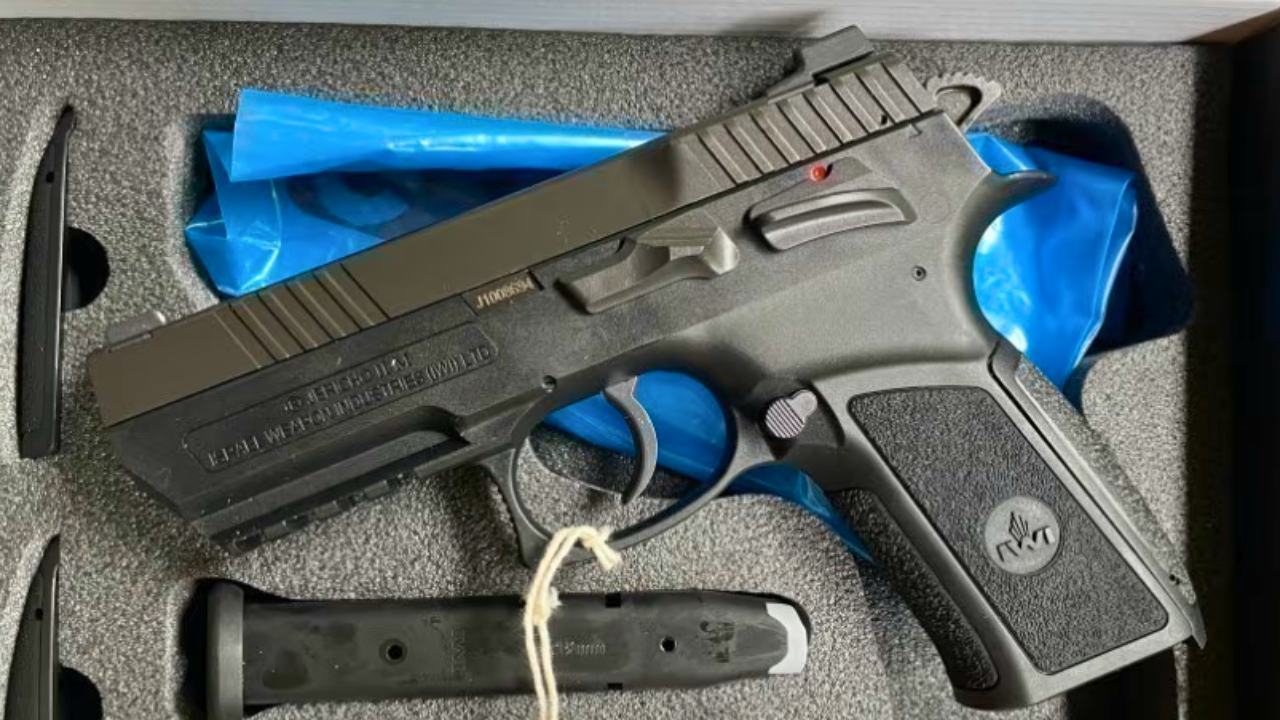
The polymer-frame Jericho Compact doesn’t dampen recoil the way the steel versions do, and that difference catches people off guard. The slide rides low and cycles fast, which causes the front sight to dip more aggressively than many expect. The DA/SA trigger also has a heavy initial pull that resets shooters’ timing until they get used to it. While the gun is accurate, it’s not intuitive for everyone, and that leads to hesitation when transitioning between targets or pressing through that first long trigger pull.
Browning BDM

The Browning BDM is an interesting design, but its unusual trigger system throws off plenty of shooters. The “Pistol” and “Revolver” modes change the trigger characteristics in ways that aren’t immediately obvious. Add in a narrow grip and a long reach to the trigger in DA mode, and many shooters struggle to anchor their finger consistently. The gun runs, but the learning curve is steep. Instead of building rhythm, most people end up pausing at each shot, trying to anticipate the break rather than shooting naturally.
Heckler & Koch VP70

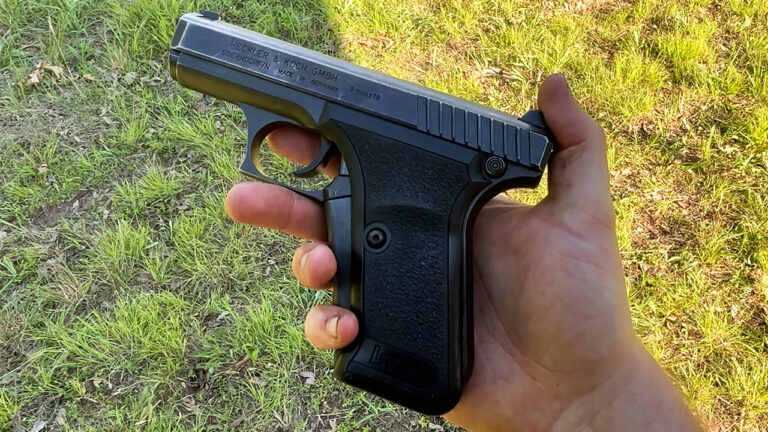
The VP70 has a reputation as one of the toughest triggers ever put in a service pistol. Its long, heavy, elastic pull makes steady shooting difficult, even for experienced hands. Despite being historically significant, the trigger alone causes hesitation because there’s no clear wall, no crisp break, and no easy rhythm to establish. Shooters end up working harder than necessary, tightening their grip mid-press, and anticipating movement. It’s fascinating to shoot, but confidence rarely survives the first magazine.
Colt Double Eagle
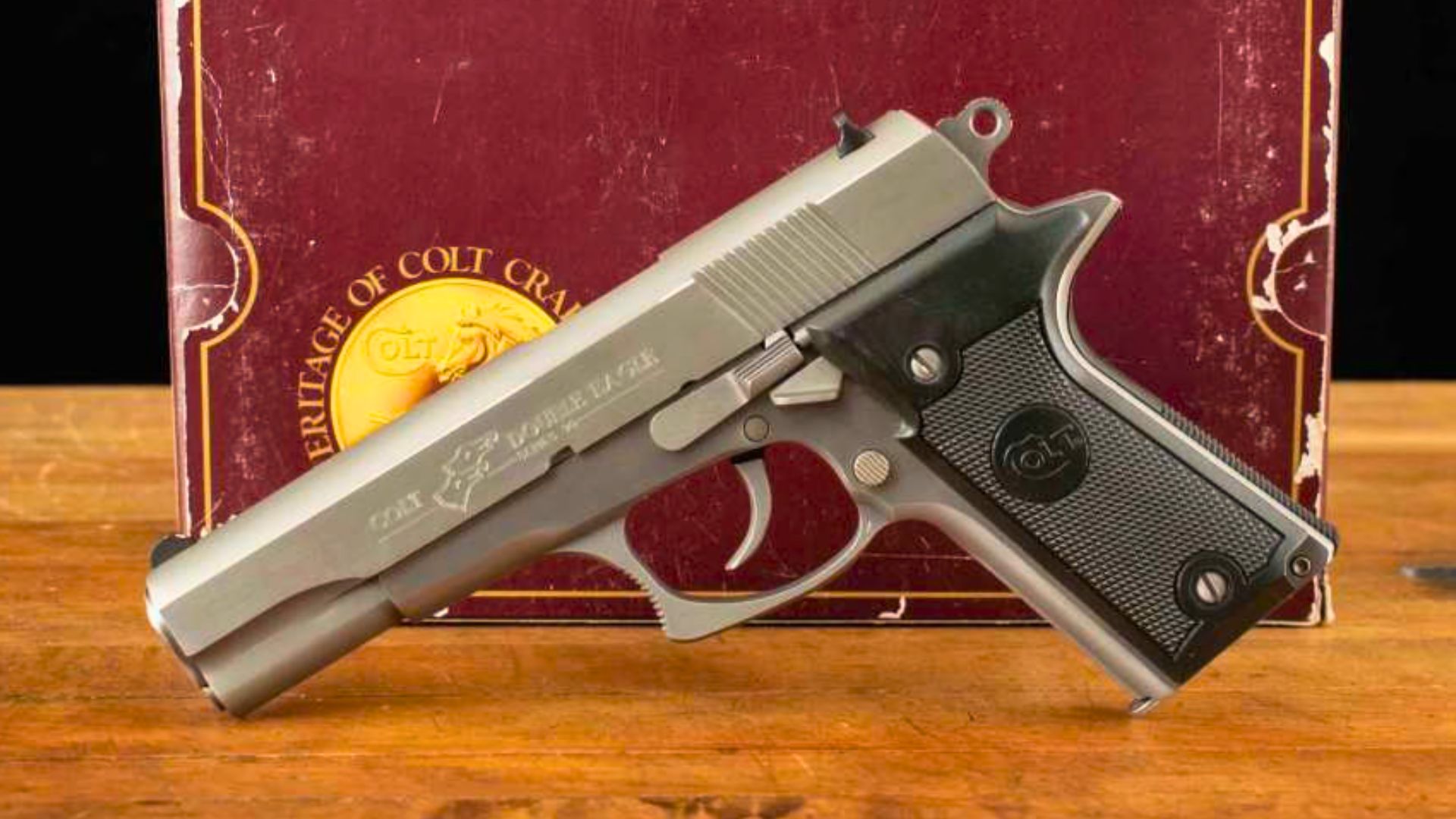
The Double Eagle brings a DA/SA system to a 1911-style frame, but the execution left many shooters wary. The trigger often feels inconsistent from shot to shot, and the decocker placement makes some users nervous. The grip contours also shift your hand in ways most 1911 shooters aren’t accustomed to. That unfamiliarity leads to a lack of trust in the mechanics, especially during transitions or slow-fire work. Shooters find themselves hesitating before each press, trying to recalibrate around controls that don’t feel fully sorted out.
Astra A-75

The Astra A-75 is a solid metal compact, but many shooters struggle with its heavy DA pull and short grip. The frame feels dense, almost top-heavy in smaller hands, and that changes sight recovery between shots. The trigger reset is also longer than most expect, which disrupts cadence. While reliable, it’s a pistol that forces shooters to slow down and think through each phase of the press. That tension shows up immediately on paper and in overall confidence.
Llama Max-I C/F
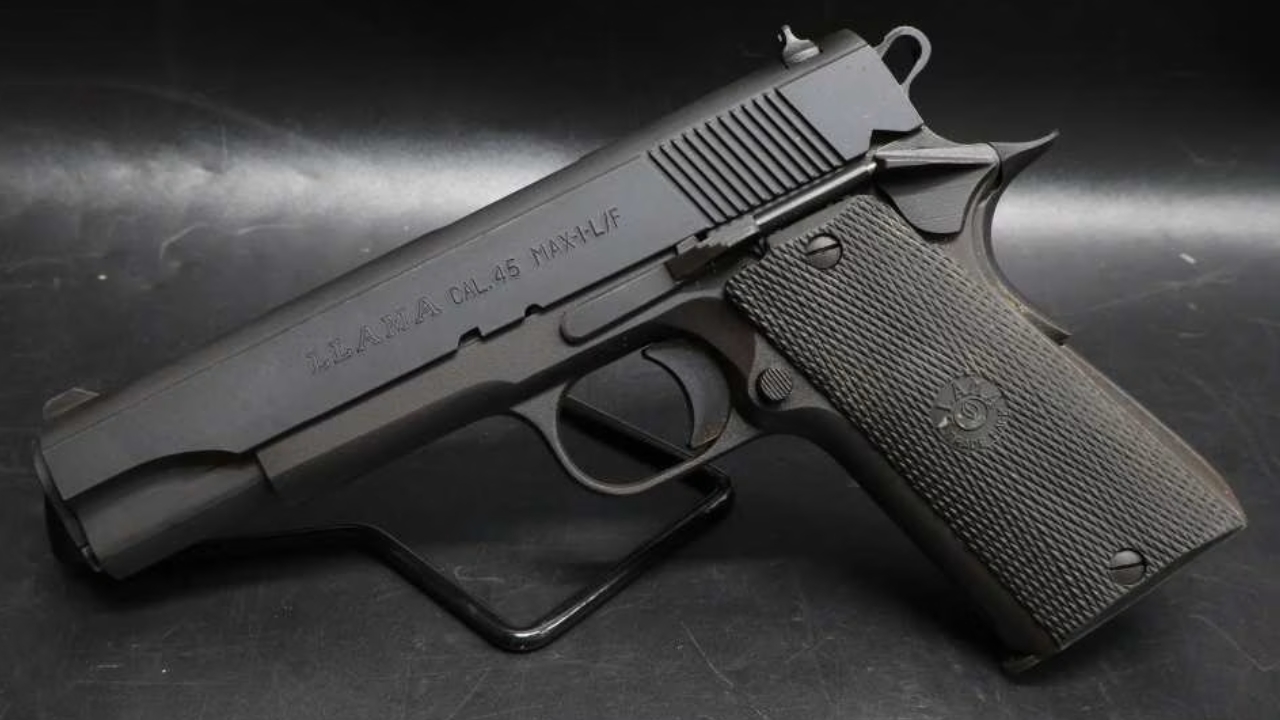
The Max-I C/F looks like a budget 1911, but its triggers vary widely from sample to sample. Some break cleanly, while others feel mushy or gritty enough to interrupt the shooter’s pace. The external fit and finish can cause sharp edges that dig into the hand under recoil, which makes people subconsciously adjust their grip. Once a pistol makes you shift your hold instead of focusing on the sights, hesitation creeps in. That’s the story for a lot of shooters who try this model.
Steyr M9

The original M9 was ahead of its time in ergonomics, but its trapezoid sights take getting used to. Shooters accustomed to three-dot systems often pause at the top of each press to verify alignment. The trigger on early models also had a rolling break that didn’t provide a clear wall, which made controlled accuracy feel inconsistent. The gun is reliable, but the sight picture and break point cause enough mental friction that shooters slow down more than they intended.
Daewoo DP51

The DP51’s “fast-action” trigger is unique, but that’s also what makes shooters hesitant. After cocking the hammer, you push it down to put the pistol in a hybrid ready mode that still offers a light first-shot break. Many shooters don’t trust that system immediately, and they end up second-guessing whether the gun is truly ready. Between the odd trigger behavior and the light frame, shooters tend to handle it cautiously, which interrupts confidence and smooth shooting.
Star Ultrastar
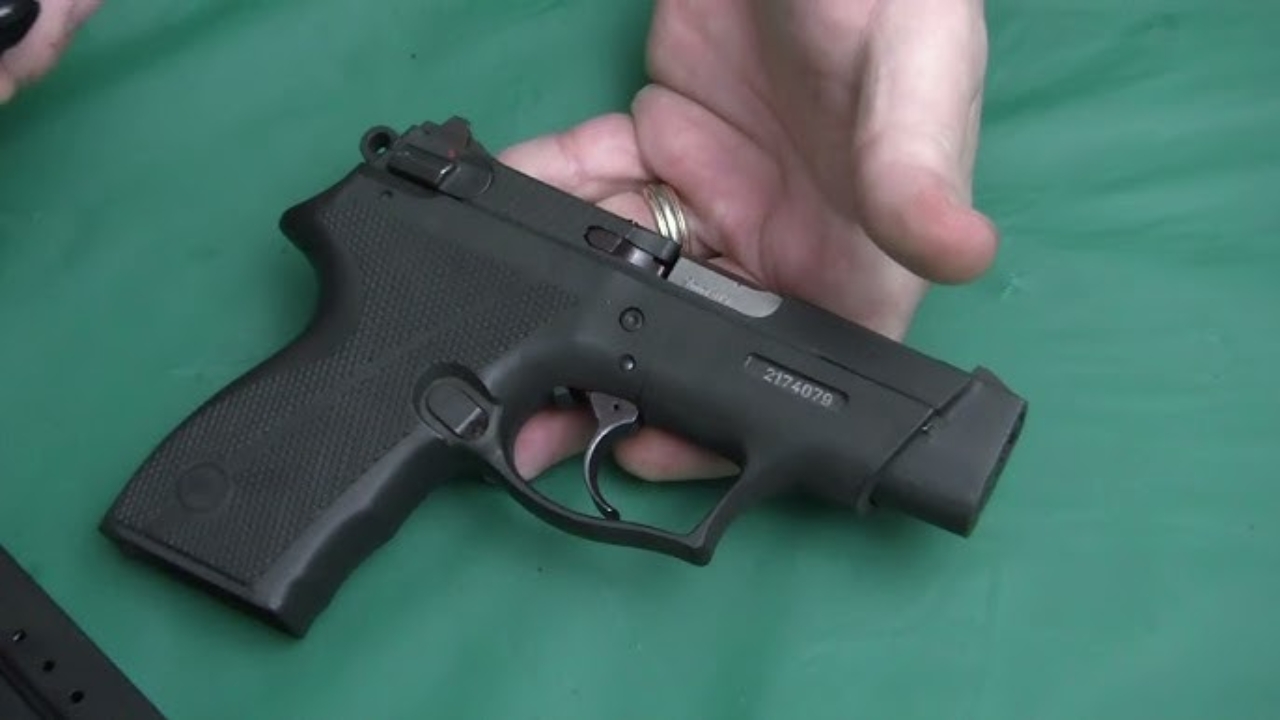
The Ultrastar is lightweight for its era, and that can make recoil feel abrupt compared to similar pistols. The trigger on many examples has noticeable creep, which gives some shooters a sense that the break could occur at any moment. That lack of predictability leads to slow presses and wider groups. While mechanically sound, the overall feel leaves many shooters uneasy until they’ve spent significant time adapting to the quirks.
Beretta 9000S

The 9000S has a distinctive look, but the grip angle and control placement never felt natural to many shooters. The oversized slide release and thick grip panels shift the hand in ways that make consistent trigger placement tricky. The DA pull also feels heavier than expected for a compact pistol. These combined factors lead shooters to hesitate during each press, especially when moving quickly. Even though it functions well, the ergonomics alone make confident shooting tough.
Like The Avid Outdoorsman’s content? Be sure to follow us.
Here’s more from us: