Photo credit: pawn1_17/GunBroker
Factory sights are one of the first places manufacturers cut corners, and you feel it the moment you start shooting seriously. A lot of handguns ship with tiny, low-profile irons that work on a sunny range day and fall apart the minute you add an optic, a suppressor, or even a weapon light that throws glare into your sight picture. Then there’s the simple reality that some guns shoot a little high or low for how you actually hold and see sights—especially once you move from slow fire to real pace.
Taller sights aren’t a fashion upgrade. They’re a visibility fix. The right height gives you a clear front sight in bad light, a usable co-witness with a dot, and a reference you can actually track under recoil. If you’re buying any of the guns below for serious use, you’ll save yourself frustration by budgeting for proper-height irons early.
Glock 19 MOS

The MOS slide makes it easy to add a dot, but the factory sights are still short and easy to lose once you’re running an optic. Even if you’re comfortable living “dot only,” you’ll eventually want a hard backup you can see, especially if the emitter gets occluded or you’re working through weird angles.
Taller sights also help you track the gun under recoil. A thin, low front can disappear in glare or busy backgrounds. With suppressor-height irons, you get a bolder front and a co-witness reference that actually means something. It’s one of those upgrades that makes the pistol feel more confident in your hands without changing the gun’s personality.
Glock 43X MOS
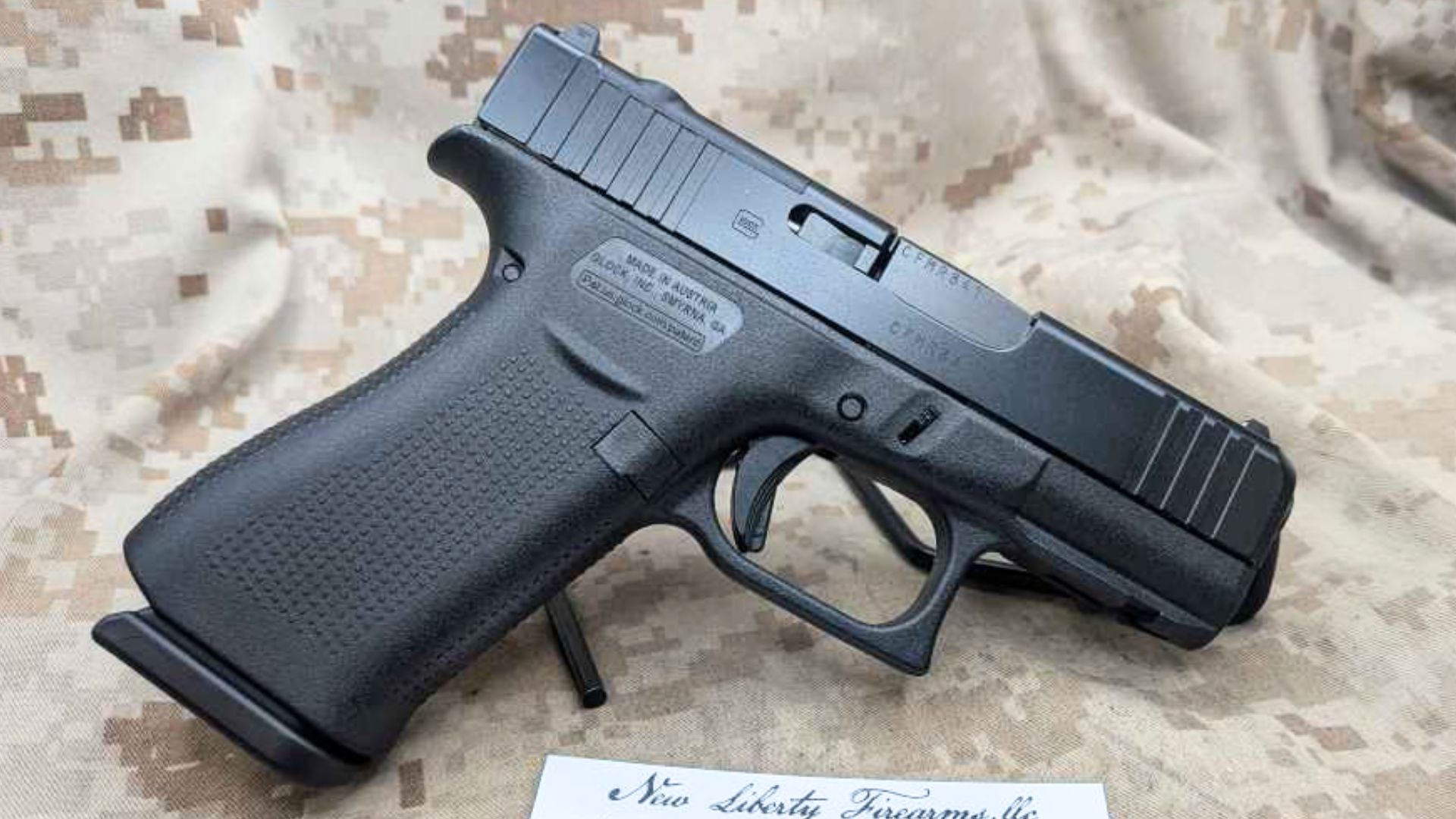
The 43X MOS is a carry favorite, but its small sight radius and slim slide make short factory sights feel even smaller. Add a micro red dot and you’re looking at irons that sit low and don’t offer much help if the dot goes down or you need to index the gun quickly.
Taller sights give you a front post you can actually pick up when you’re shooting at speed. They also let you run a practical co-witness with the optic. On a slim carry gun, you don’t have a lot of margin for sloppy sight picture, and you don’t get many free corrections. A taller, more visible setup makes the gun easier to run well when your heart rate is up.
SIG Sauer P365 XMACRO

The XMACRO brings capacity and shootability to the P365 family, but once you mount an optic, most shooters realize fast that the irons are not set up to be a meaningful backup. They can feel like an afterthought—fine for casual range work, not great for the “carry every day” role the gun gets sold for.
Taller sights solve two problems at once. You get a more usable reference if the dot gets smeared, blocked, or dies, and you also get a front sight you can track better on fast strings. The XMACRO shoots flatter than the smaller P365s, but it still benefits from a sight picture you don’t have to hunt for. If you’re carrying it, make the sights carry-ready.
Springfield Hellcat OSP

The Hellcat OSP is built around the idea that you’ll likely add an optic, yet the factory irons still tend to feel low and minimal once a dot is installed. With a small carry gun, anything that slows your visual pickup becomes a bigger deal, because you’re already managing a shorter grip and snappier recoil.
Taller sights make the Hellcat easier to drive. They give you a stronger front reference for transitions and a real co-witness option if you want it. They also help in mixed lighting—parking lots, indoor ranges, or shaded woods—where the little factory setup can wash out. You’re not trying to turn it into a competition gun. You’re trying to make a small pistol read clearly when you’re moving fast.
Smith & Wesson M&P9 2.0 Optics Ready

The M&P 2.0 Optics Ready models are solid shooters, but the factory sight height often doesn’t match how people actually set them up—especially with a dot. A lot of owners end up wanting a more visible front, and many want a co-witness they can actually use, not a barely-there sliver.
Taller sights help you get the most out of the M&P’s good ergonomics and recoil control. When you’re pressing the gun hard, a clear front post makes confirmation faster, and it keeps you honest when you’re shooting without the dot. If you’re using the pistol for duty-style training, that matters. The gun is capable. The factory sights just aren’t always built for the way serious shooters actually run it.
FN 509 Tactical

The 509 Tactical is one of the rare pistols that often ships closer to what you want, but it still earns a spot here because it’s commonly bought for suppressor and optic use from day one. If you’re going to run it the way it’s marketed—threaded barrel, dot, hard use—you don’t want to mess around with marginal sight height.
A clear, tall sight picture matters even more with a suppressor in the mix, because you’re adding weight and changing how the gun tracks. If your irons are too low or too fine, they get lost behind the can and the dot window becomes your only lifeline. Proper-height sights give you redundancy and a better index when your dot is occluded. With this pistol, it’s not “maybe later.” It’s part of the build.
HK VP9 Optics Ready

The VP9 is easy to shoot well, but the jump to an optic can leave you wishing the iron setup was more supportive. Many shooters find the factory sight picture fine for traditional irons, then realize it’s not ideal once the optic is mounted and the gun becomes a “dot-first” platform.
Taller sights give you a better reference when you’re drawing and presenting fast, especially if you’re still building consistency with the dot. They also help when you’re shooting in bright light where glare and washout can make a lower-profile front disappear. The VP9’s strength is how naturally it points and returns. Don’t handicap that with sights you can’t see when you’re moving at speed.
Walther PDP
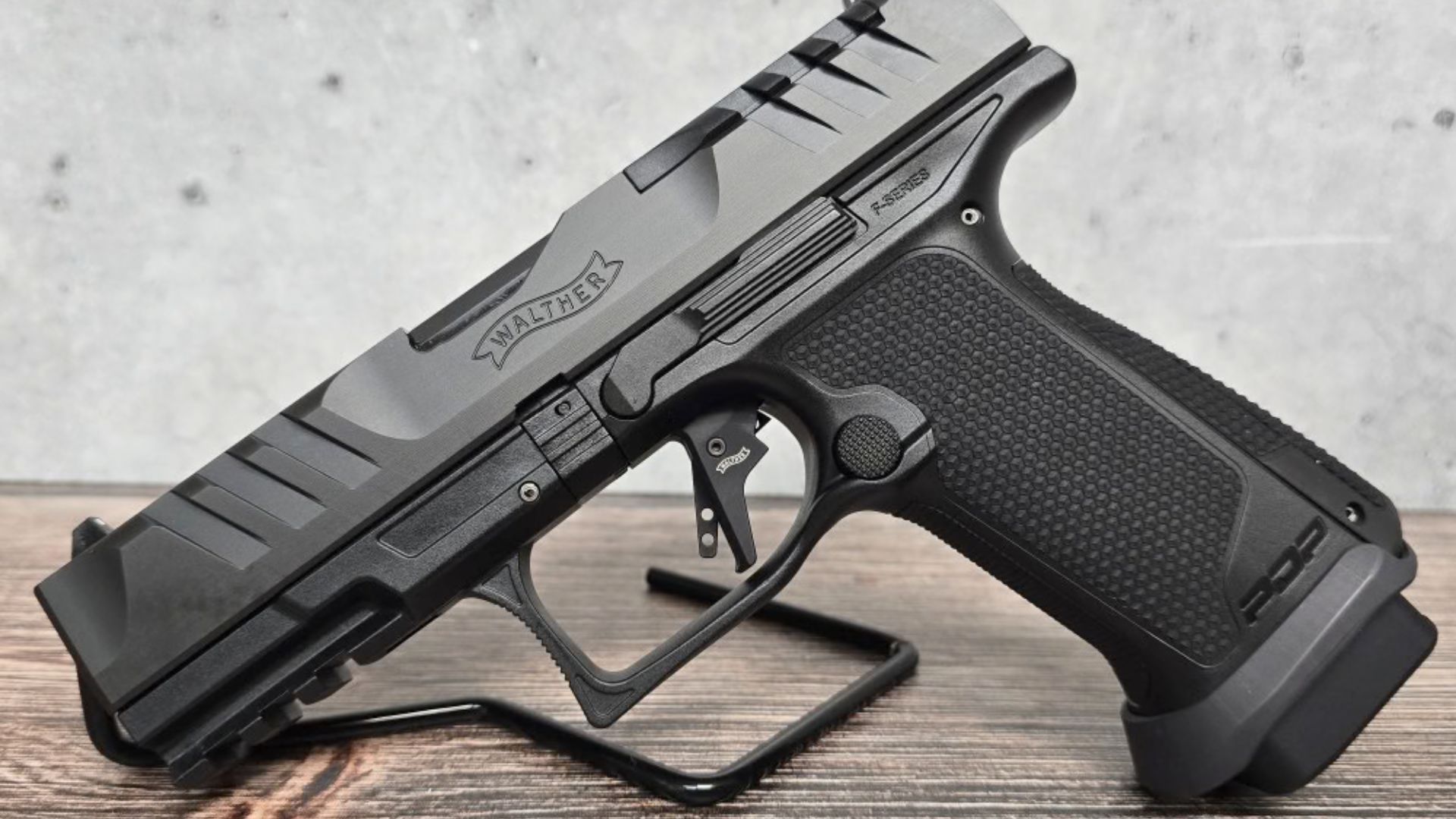
The PDP is a modern performance pistol, and it gets set up with optics more than almost anything else in its class. That’s exactly why taller sights make sense immediately. You’re likely adding a dot, and once you do, the factory irons often feel like they’re not part of the plan.
A taller, more visible set lets you run a meaningful co-witness and gives you a front sight you can actually use in odd lighting or off-angle positions. The PDP is fast, and it rewards aggressive shooting. When you’re running splits and transitioning, you want a sight picture you can trust without thinking. If the gun is already built to run hard, the sights should match the job, not just meet a catalog spec.
CZ P-10 C Optics Ready

The P-10 C is a sleeper for value and shootability, but optics-ready doesn’t automatically mean “ready.” Once you mount a dot, the factory irons can sit too low to be helpful, and the front can feel thin when you’re shooting on mixed backgrounds.
Taller sights tighten up the whole experience. They give you a better reference during the draw, help you confirm alignment when the dot isn’t perfect, and they offer real redundancy. The P-10 C has a good trigger for the money, which encourages speed. Speed is where tiny irons start to betray you. If you want the gun to feel consistent across practice, carry, and training classes, put sights on it that you can actually see.
Beretta 92X RDO

The 92 series is easy to shoot well, but the RDO versions are often bought by people who want a dot on a classic platform. The issue is that a dot changes how you use the gun, and low irons on a big slide can end up feeling like a non-feature once the optic is on.
Taller sights make the 92X RDO more practical. They give you a real backup option and a clearer front reference when you’re shooting irons-only drills. The Beretta’s recoil impulse is smooth, and that tempts you to shoot faster than your sight picture can support. A taller, bolder front sight keeps you from getting sloppy. It’s a simple fix that makes a very shootable pistol easier to run under real pace.
Staccato P

People buy a Staccato to shoot it hard, often with an optic, and they expect the whole package to feel “done.” The truth is that even on higher-end pistols, sight height still needs to match the setup. If you’re running a dot and you want a usable backup reference, you need irons that actually live in the window.
Taller sights also help you when you’re pushing speed. The Staccato shoots flat, and that can hide small sighting errors until you check targets at distance. A clear front and a meaningful co-witness give you better confirmation without slowing you down. On a pistol in this class, you’re not upgrading to be fancy. You’re matching the sights to the way you’re going to run the gun—fast, often, and with gear mounted.
Kimber Custom II

A lot of 1911s ship with sights that look fine in the display case and feel less fine on the range, especially for modern eyes and modern lighting. If you’re using a Kimber Custom II as a serious shooter—training, carry, or defensive role—you can quickly find the factory setup too low or not visible enough for speed work.
Taller, more visible sights help you get what a 1911 is supposed to give you: a clean sight picture and precise confirmation. They also help if you’re dealing with a slightly different point of impact than you expected, which happens more often than people admit when you mix loads and hold styles. The 1911 can be accurate and shootable. You just need irons you can actually see when you’re not shooting slow.
Ruger Mark IV (Tactical / Lite)

Rimfire pistols don’t always get the “serious setup” treatment, but the Mark IV is one that often wears an optic for training and fun. The moment you add a dot, you realize the factory irons can be low and less useful than they should be—especially when you’re trying to use the gun for cheap practice that mimics your centerfire setup.
Taller sights give you a practical co-witness and a better visual index for faster shooting. That matters because a .22 is where you build reps. If you’re practicing draw-to-first-shot, transitions, and plate work, you want your sight picture to be clean and consistent. The Mark IV is capable of great accuracy. Don’t let tiny, low irons make your practice feel disconnected from how you actually shoot your other pistols.
Shadow Systems MR920

Shadow Systems sells the MR920 as a refined Glock-style pistol meant to be run with optics, and plenty of people buy it with that exact plan. Even then, you still want your sights to match your dot height and your preferred co-witness. A “kind of there” iron setup doesn’t help you when you’re trying to run drills at pace.
Taller sights make the whole system more reliable. They give you a stronger front reference when you’re shooting through odd lighting, and they let you verify alignment if your dot presentation isn’t perfect yet. The MR920 is built for people who actually train, and training is where you discover what you can’t see. If you’re buying this kind of pistol, don’t treat the sight height like an afterthought. Make it usable immediately.
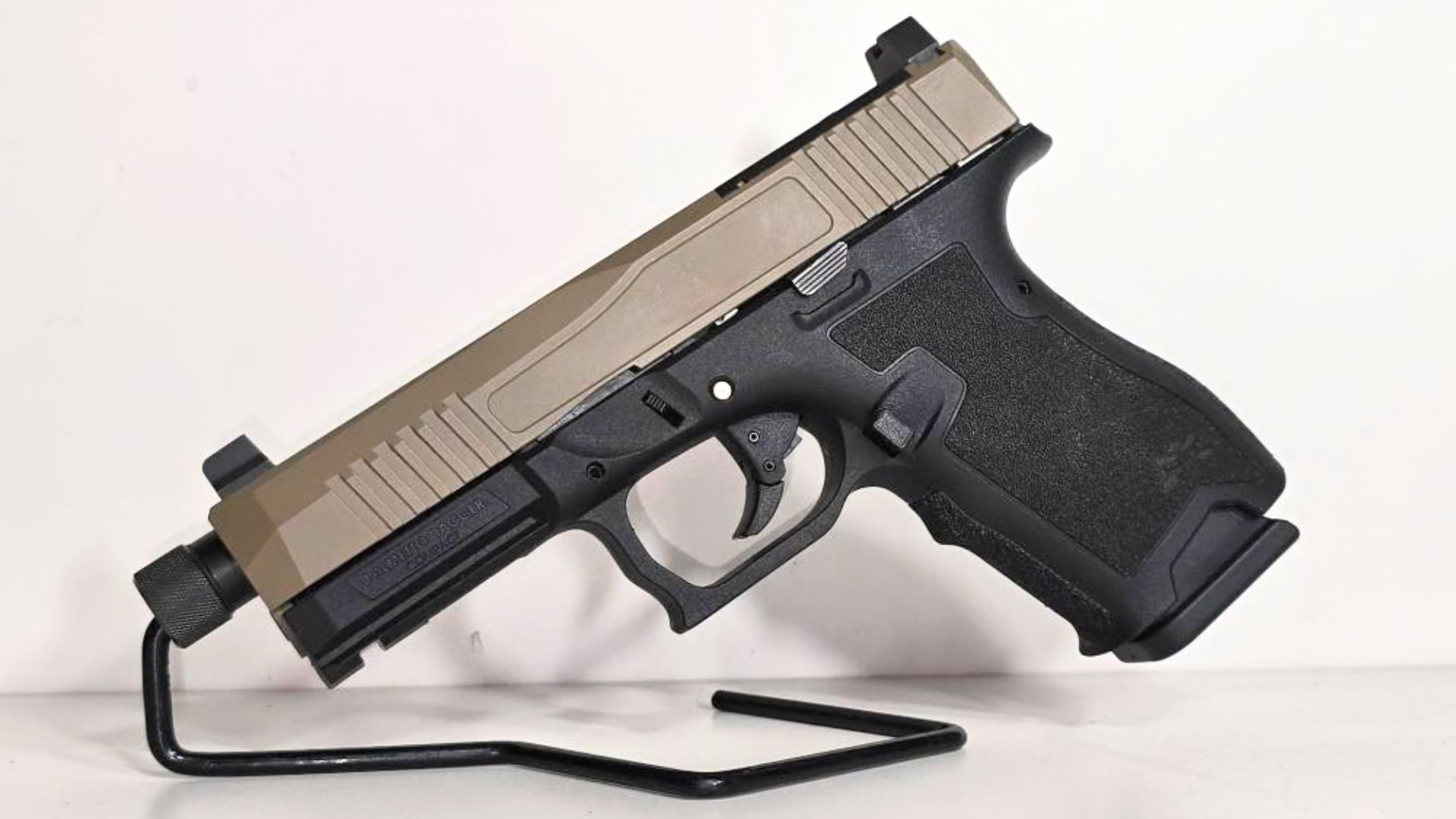
PSA Dagger (RMR-cut variants)

Budget pistols can run well, but they often show where the savings came from—especially in sights. Many Dagger variants ship with irons that are serviceable on a bare slide, then feel low and unimpressive as soon as you mount an optic. New owners also tend to swap dots and plates, which changes what “correct” sight height even means.
Taller sights are a smart early upgrade here because they solve multiple beginner headaches. You get a clearer front for irons-only practice, a functional backup for a dot gun, and a sight picture that doesn’t vanish in glare. If you’re building a Dagger as a trainer or a budget carry option, you want it to behave like a serious pistol. Start by giving yourself something you can actually see. That’s money better spent than chasing cosmetic extras.
Like The Avid Outdoorsman’s content? Subscribe to our newsletter so you never miss an article.
Here’s more from us: