Photo credit: Duke's Sport Shop
A rifle that shoots lights-out can turn into a scattergun after what looked like a harmless swap. A new stock, a different scope base, a “better” trigger, even a muzzle device—none of it sounds like it should ruin accuracy. But rifles are systems. Change the way the action sits, how the barrel is stressed, or how the optic interfaces with the receiver, and you can move your point of impact, open groups, or introduce a weird flier that wasn’t there before.
A lot of this comes down to tolerances, bedding, torque, and pressure points. The frustrating part is that the rifle still feels the same in your hands, so you start blaming ammo or the barrel. These are rifles that are well known for shooting well—right up until a common “upgrade” changes how everything fits together.
Ruger American Rifle

The Ruger American can shoot far better than its price tag suggests, which is why it’s tempting to “improve” it quickly. Swap into an aftermarket stock or chassis and you can accidentally change how the action is supported. If the bedding surfaces don’t match well, or the action screws aren’t torqued consistently, groups can open up fast.
The other common culprit is unintended barrel contact. The factory setup often keeps the barrel clear enough to behave. A new stock that touches the barrel under recoil or with a sling can turn a steady rifle into one that throws shots. You’ll also see accuracy changes when people add a heavy muzzle device and never re-check zero or torque. The rifle isn’t fragile—it’s just honest about fit and setup.
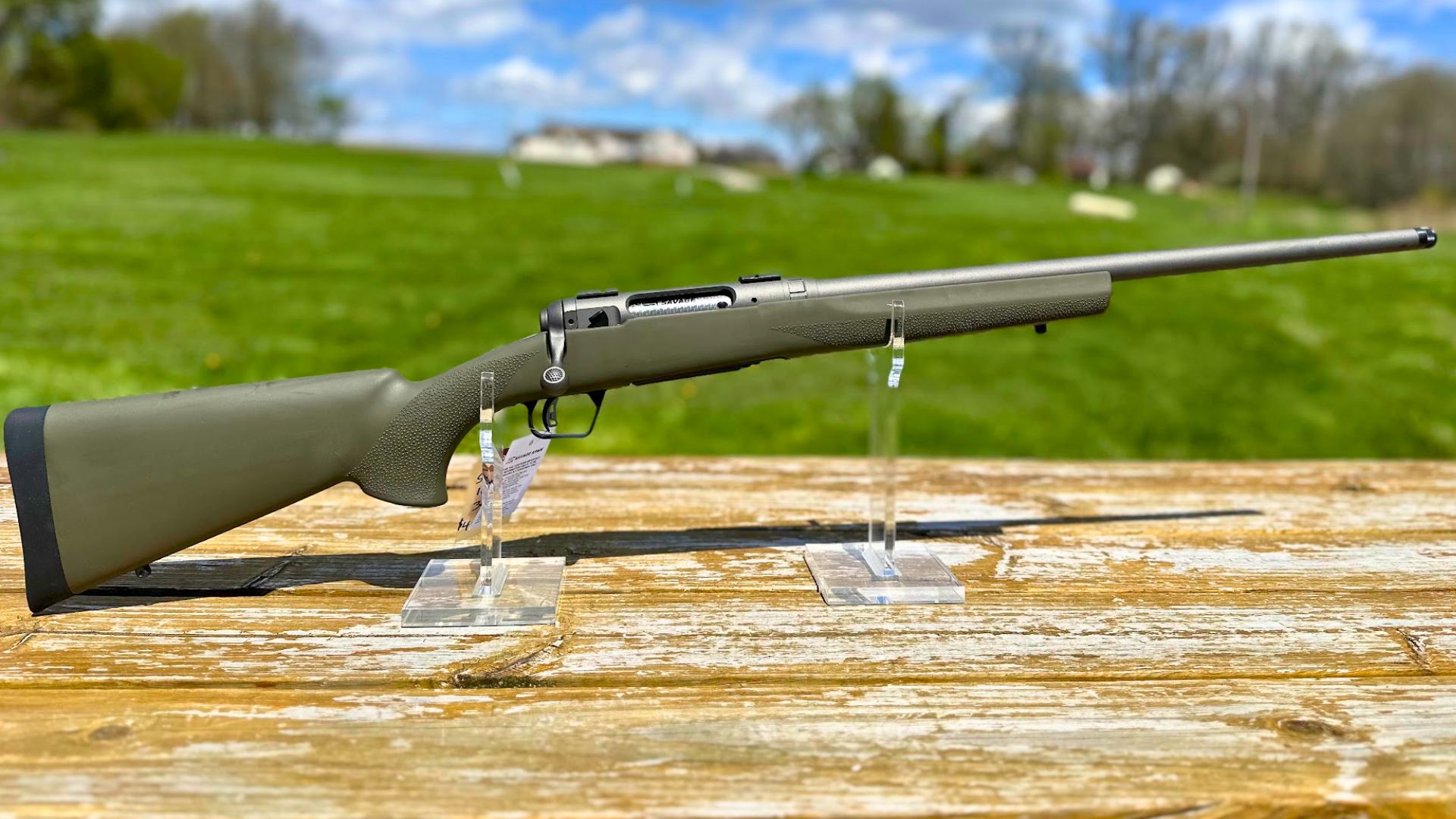
Savage Axis

The Axis is a classic “shoots great, feels cheap” rifle, so owners love swapping stocks and triggers early. The problem is that the Axis action and stock interface can be sensitive to how it’s supported. A stock swap that looks correct can still create uneven pressure on the action, which shows up as vertical stringing or sudden fliers.
You also see accuracy get weird when people crank down action screws without a torque plan. Too loose and the action shifts. Too tight and you can stress the receiver or warp how things settle. The Axis can be a tack driver with the right load, but it doesn’t tolerate sloppy assembly. If a “simple” upgrade changed your groups, the fix is usually boring: confirm bedding contact, confirm barrel clearance, and torque the screws consistently.
Savage 110 (AccuStock models)

The 110 line has a strong reputation, but rifles with factory bedding systems can react badly to certain stock changes. If you move out of the AccuStock setup into something that doesn’t match the action well, you can lose the consistent bedding pressure that was helping the rifle shoot. It’s not that the new stock is bad—it may simply need proper bedding work to shine.
Another common accuracy killer is trigger swaps done without careful verification. If the new trigger changes how the shooter interfaces with the gun, or if the action is disturbed during install and not re-torqued correctly, groups can drift. The 110 is usually forgiving, but it’s still a system. Keep the barrel free-floated, keep bedding consistent, and treat torque like part of the load recipe, not an afterthought.
Remington 700 (SPS and budget stocks)
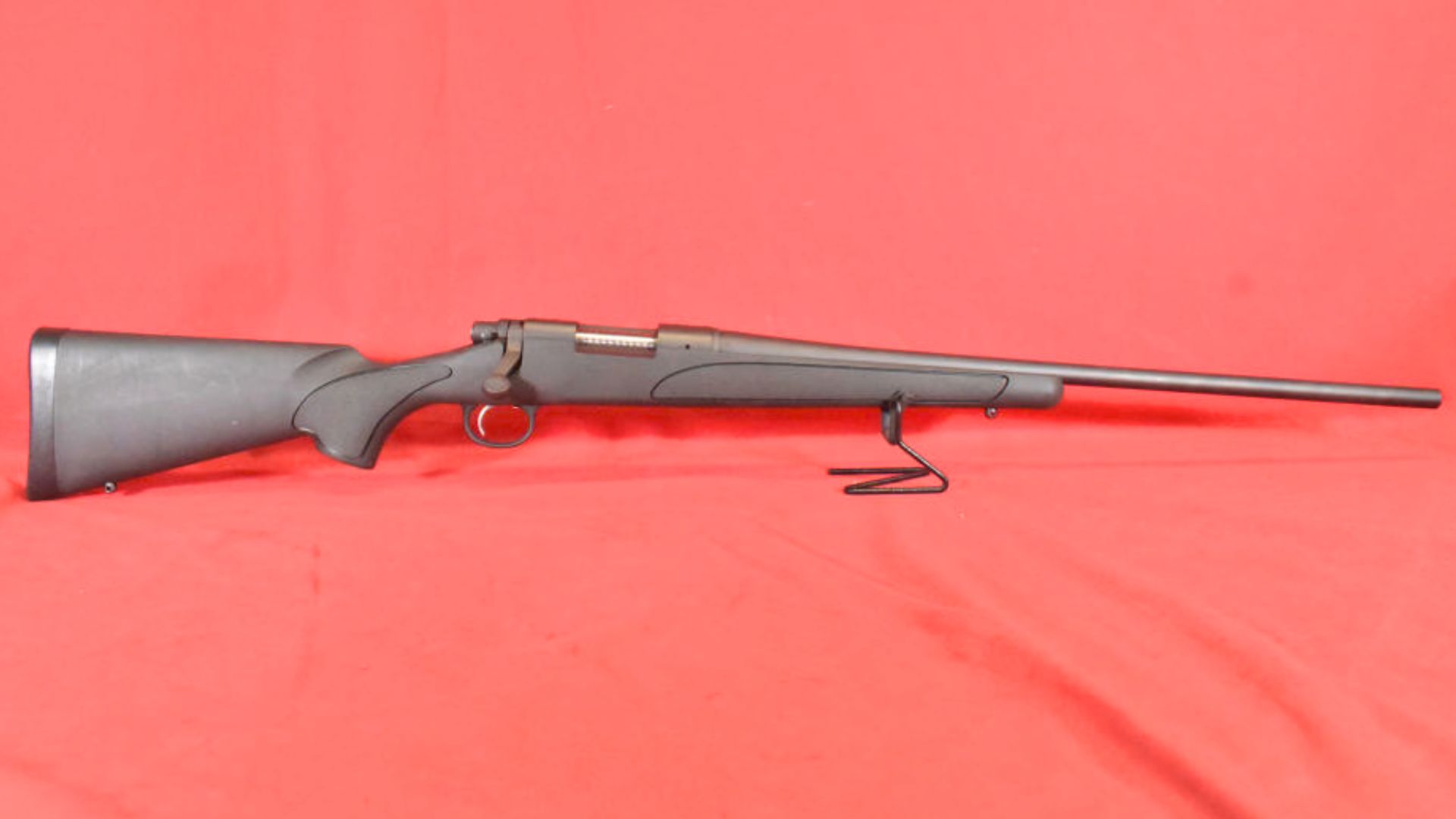
A Remington 700 can shoot great, then suddenly go sideways after a stock swap or bottom metal change. The 700 platform is famous for aftermarket support, but not every “drop-in” stock truly drops in. If the recoil lug isn’t seated cleanly, or if bedding contact is uneven, you can introduce stress that changes your point of impact shot to shot.
Scope mounting swaps also bite 700 owners. A new base or rings can change alignment, and if the base screws aren’t torqued correctly—or worse, bottom out—you can end up with a mount that feels tight but isn’t actually clamping the way it should. The 700 isn’t temperamental. It’s simply common enough that people try everything on it. When accuracy drops after a swap, the culprit is usually fit and torque, not the barrel.
Tikka T3x
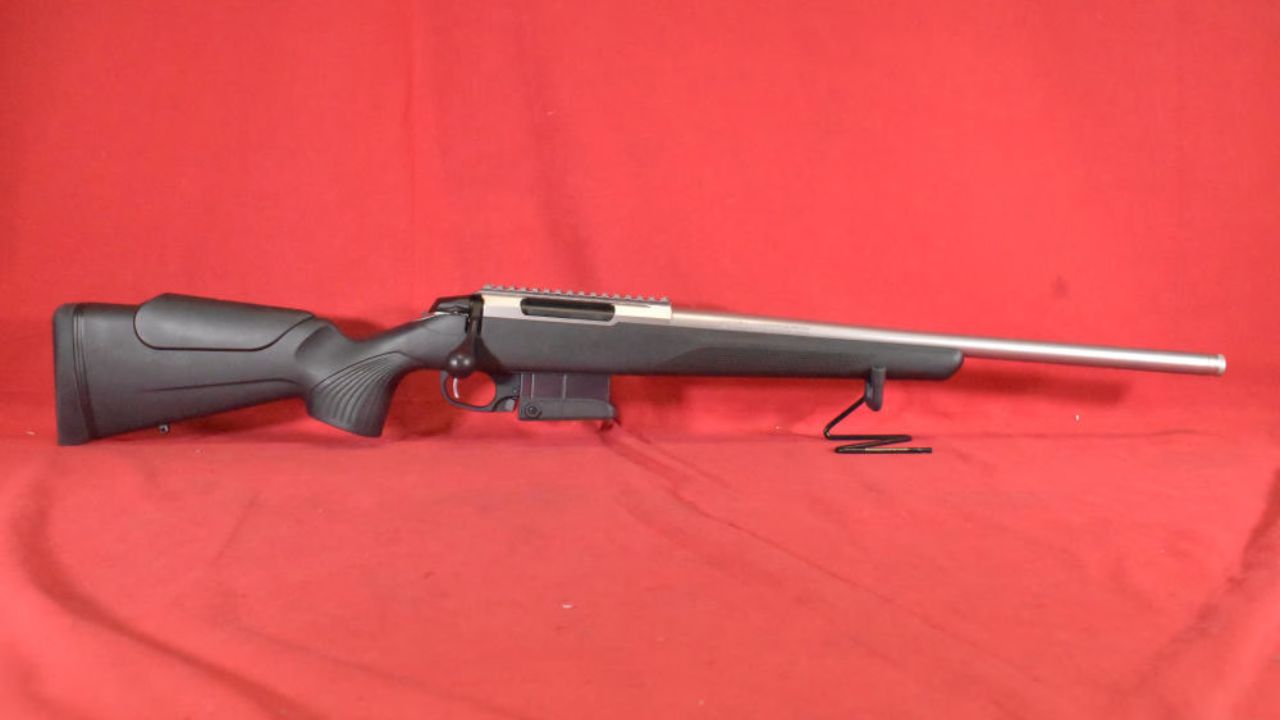
Tikkas are known for shooting well out of the box, which makes it extra painful when a “better” part makes them shoot worse. A common trigger is a stock swap into a chassis or aftermarket stock that changes how the recoil lug and action settle. Tikkas use a recoil lug system that needs proper alignment, and if that interface isn’t right, groups can open up quickly.
Another sneaky issue is barrel clearance. The factory stock often keeps things consistent. Aftermarket options can introduce subtle contact points that only show up under recoil or when you load the bipod. Tikkas will usually tell you the truth: if the action is supported consistently and the barrel stays clear, they shoot. If you change those variables, even a great barrel can start acting unpredictable.
Ruger Precision Rifle

The RPR invites tinkering. Handguards, muzzle devices, bipods, and accessories get swapped constantly. The most common accuracy loss comes from changing the handguard or how it interfaces with the barrel nut area, then loading the rifle differently on a bipod. If the new setup flexes or transfers pressure differently, your point of impact can move in ways that feel random.
Muzzle device swaps are another big one. Changing to a different brake or suppressor mount can shift harmonics and open groups if the install isn’t perfectly concentric or properly torqued. It may still “look fine,” but small alignment issues show up at 100 yards. The RPR is capable, but it responds to mechanical changes like a precision tool. If you upgrade it like a toy, it’ll shoot like one.
AR-15 (generic mil-spec carbines)
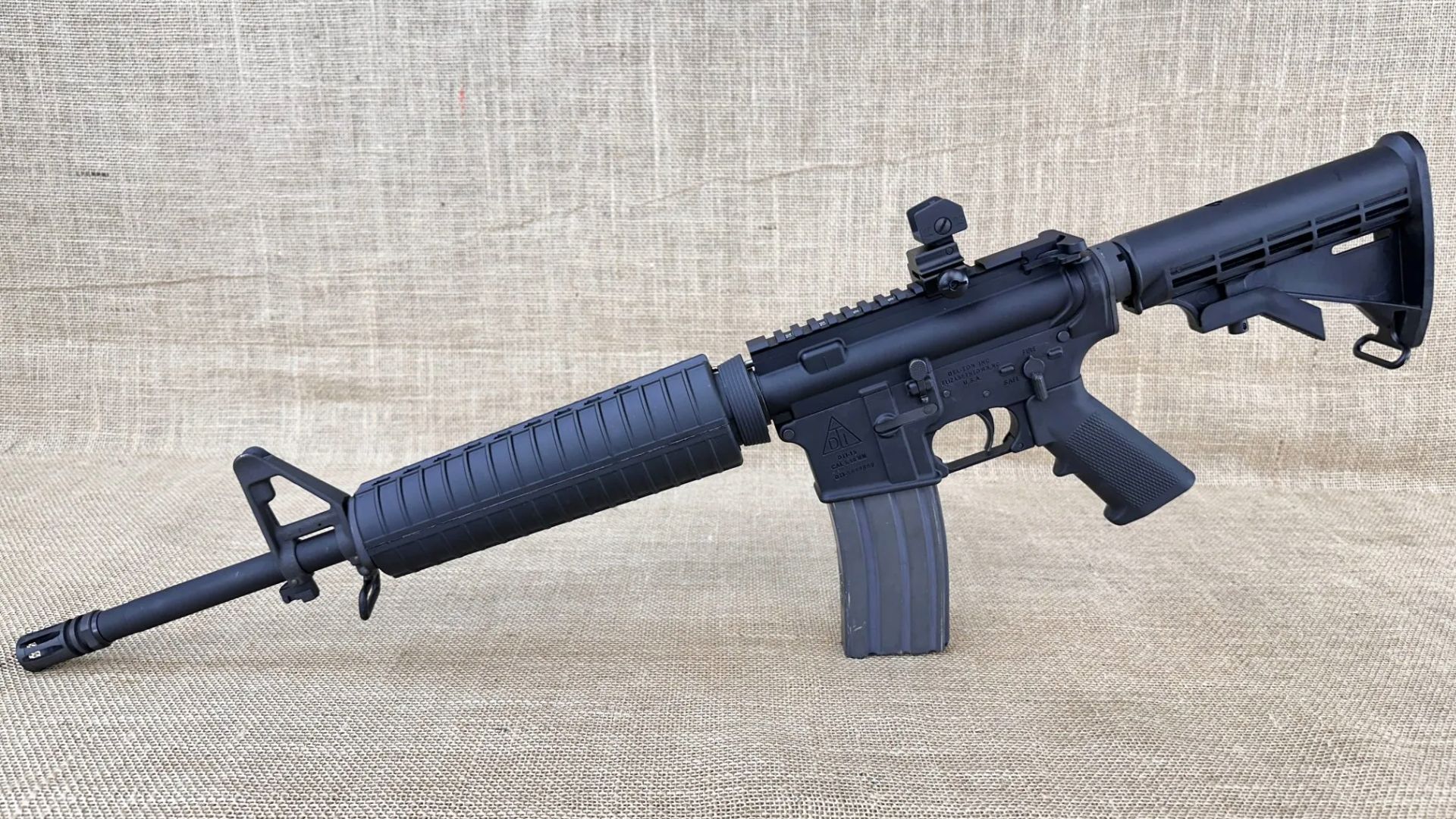
An AR can go from tight groups to mediocre ones after what feels like an easy swap—especially a handguard change. If you move from a free-float setup to something that contacts the barrel, or you install a free-float handguard that isn’t truly rigid, you can introduce barrel deflection. Then any pressure from a sling, barricade, or bipod changes point of impact.
Muzzle devices also matter more than people think. A poorly timed or over-torqued device can affect accuracy, and a suppressor mount that isn’t square can make groups ugly. Even a simple optic mount change can cause issues if the mount isn’t returning to the same slot or if the rail interface isn’t consistent. The AR is modular, but accuracy lives at the interfaces.
AR-10 / .308 pattern rifles
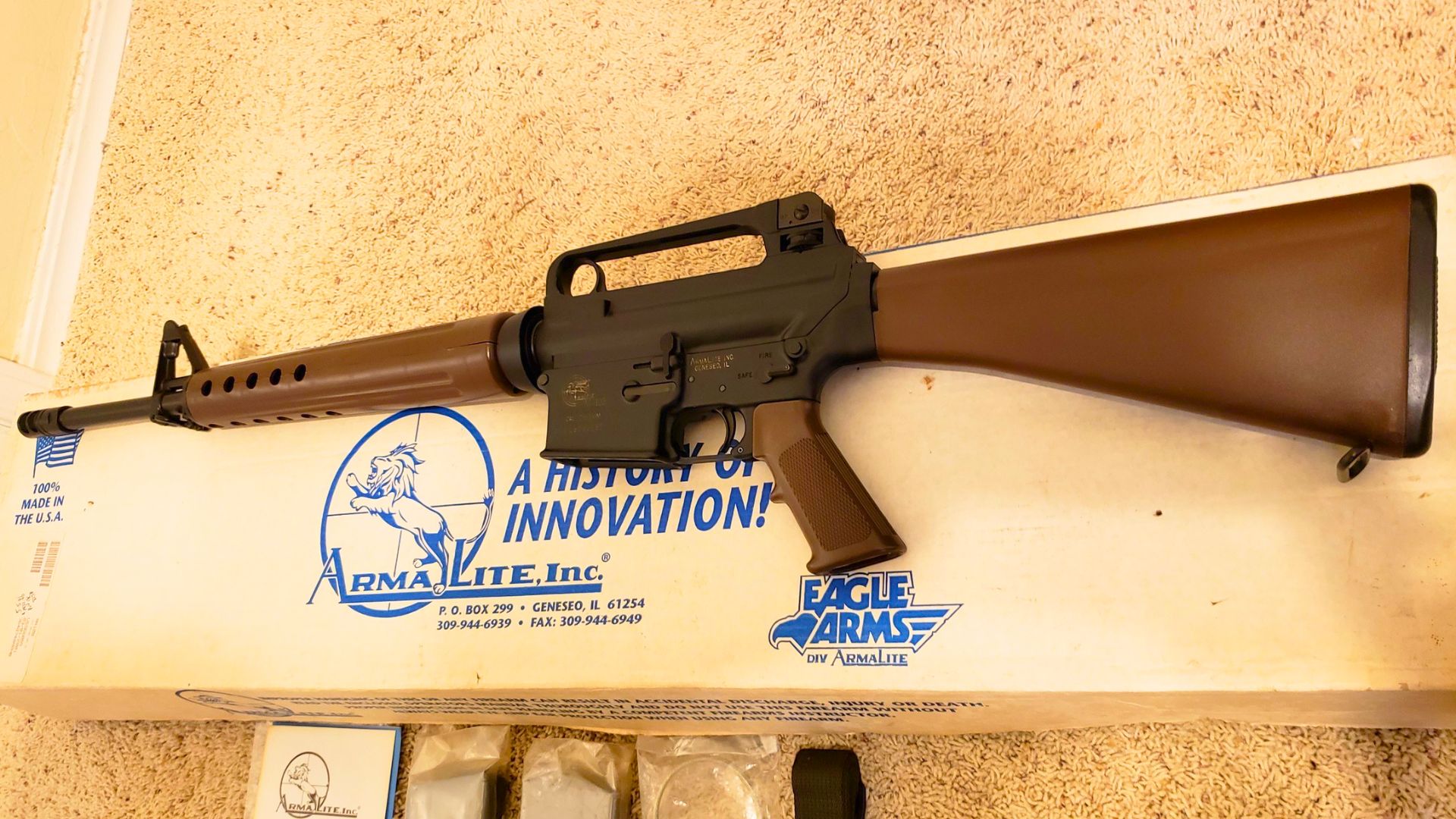
AR-10s and other .308 pattern rifles often get blamed for “ammo sensitivity,” when the real issue is a parts swap that changed harmonics or stress. Handguard swaps are a big one. If the new handguard flexes, or if it touches the gas block or barrel, you can lose consistency fast. The larger cartridge and heavier recoil make small issues show up more clearly.
The other classic accuracy hit is a new muzzle device or suppressor mount that isn’t perfectly aligned. A tiny alignment problem can turn into fliers, and you’ll chase your tail thinking it’s the barrel. Even swapping the buffer system can change how the rifle cycles and recoils, which affects how you shoot it. AR-10s can be accurate, but they demand clean installs and truly free-floated barrels.
Ruger Mini-14
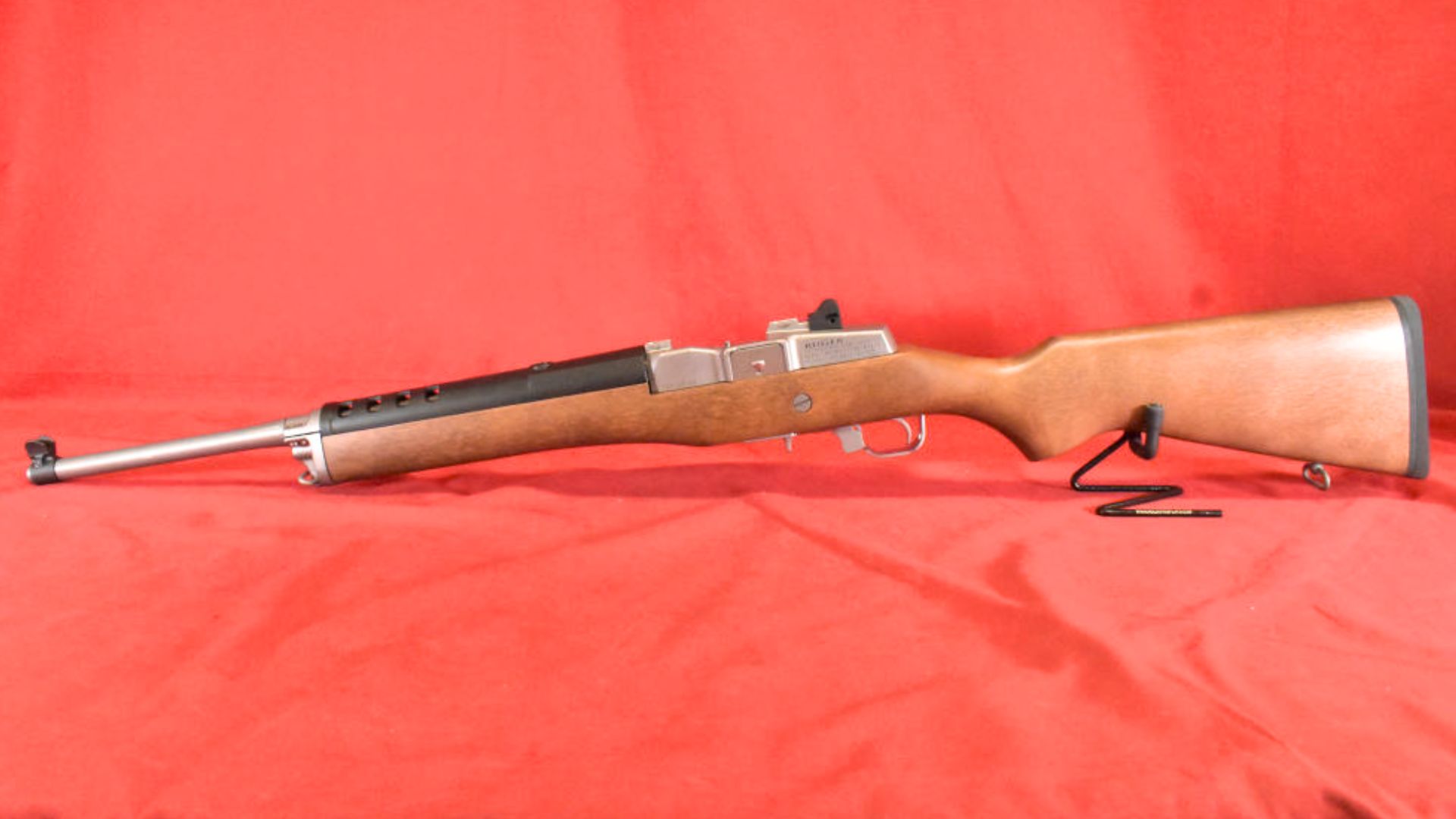
Mini-14 owners love swapping stocks and adding accessories because the rifle feels handy and classic. The Mini can shoot acceptably, but it’s sensitive to how it’s held and how it’s stressed. A stock swap that changes the way the action beds into the stock can shift point of impact dramatically. Tightness, contact points, and consistency matter.
Add a barrel strut, change the gas block tension, or mess with the front end, and you can change harmonics. Sometimes accuracy improves, sometimes it gets worse. The Mini’s design can reward careful setup, but it punishes random upgrades. If a “simple” change hurt your groups, it’s usually because you changed the way the action and barrel are being stressed. The rifle didn’t get worse—you changed the system.
M1A / Springfield Armory M1A

The M1A is famous for being accurate enough—until you start swapping stocks, mounts, and accessories without understanding how it beds. This platform is extremely sensitive to stock fit and bedding pressure. Change the stock, change the tension, and you can change your point of impact and group size even if nothing else changed.
Optics mounts are another trap. Many mounts rely on multiple contact points and screws, and if the mount isn’t perfectly stable, your scope becomes the weak link. You’ll see wandering zero, fliers, and inconsistent groups that look like ammo problems. The M1A can shoot well, but it rewards traditional setup: consistent bedding, consistent torque, and minimal variables. “Easy upgrades” on this platform often aren’t easy.
AKM pattern rifles (common imports)

AKs aren’t precision rifles, but plenty will hold solid practical groups—until you start swapping furniture and mounts. The most common accuracy loss comes from optic mounts and handguards that aren’t stable. If you mount an optic on a system that shifts under recoil, your zero becomes a moving target.
Handguard swaps can also introduce pressure on the barrel or gas system, especially with certain rail setups. Add weight and change the balance, and your support-hand input changes too. That can widen groups without you realizing why. AK accuracy is already limited by design and ammo quality, so any instability in the sighting system shows up quickly. If your AK got worse after a swap, suspect the mount and the contact points before you blame the barrel.
Ruger 10/22

The 10/22 is the king of “it was accurate until I upgraded it.” The most common culprit is a stock swap or barrel swap that changes how the receiver is supported. If the action screw torque is inconsistent, or the barrel isn’t seated the same way, you can lose the consistent harmonics that made the factory setup shoot well.
Another frequent issue is swapping to a heavier barrel and then using a stock that creates pressure points. You can also introduce accuracy loss with sloppy scope mounting on the lightweight receiver. The 10/22 will shoot great, but it rewards careful assembly more than people expect from a rimfire. If your groups opened up after a “simple” change, go back to basics: receiver fit, barrel seating, and consistent torque.
CZ 457

The CZ 457 is a rimfire that can shoot tiny groups, which makes it popular with shooters who love to tinker. Swap stocks, add a heavier barrel, or change the chassis, and you can change the way the action is supported. Rimfires are especially sensitive to small changes, because the accuracy margin is so fine.
You’ll also see accuracy drop when people change scope rings or bases and don’t pay attention to alignment and torque. A rimfire scope setup that’s slightly stressed can shift, and you’ll blame the rifle before you blame the mount. The 457 isn’t fragile. It’s precise. When it shoots well, it’s because everything is consistent. When you change parts, you have to rebuild that consistency. If you don’t, the groups tell you immediately.
Howa 1500

The Howa 1500 is a strong action with a reputation for solid accuracy. The common accuracy loss shows up after a stock swap into something that isn’t truly drop-in. If the recoil lug area or bedding surfaces don’t match cleanly, you can introduce stress that changes how the rifle returns to battery between shots.
Bottom metal swaps and magazine conversions can also cause issues if they change how the action sits or if they create interference. Sometimes the magazine system itself pushes on the action or affects torque. The rifle didn’t suddenly become inaccurate—it’s being held differently. The Howa responds well to proper bedding and consistent torque, and it will often come right back once the stock fit is corrected and the barrel is truly floating.
Winchester Model 70
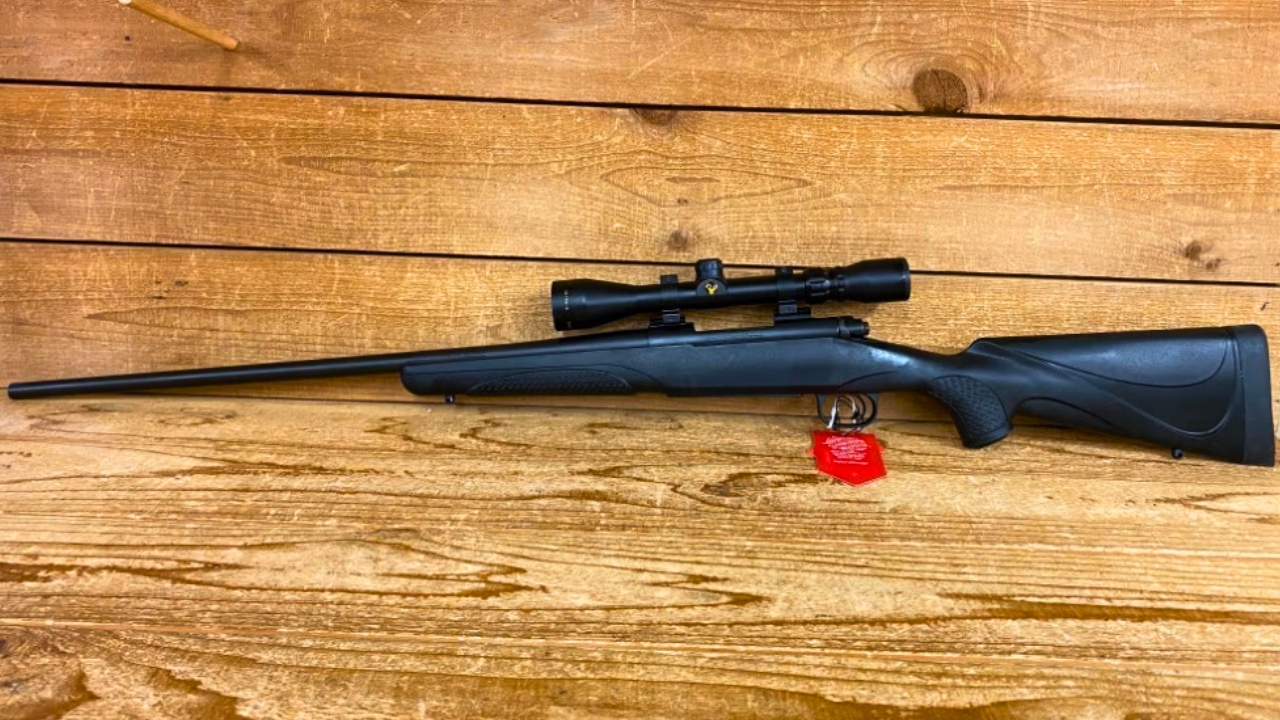
A Model 70 can shoot beautifully, but it’s not immune to accuracy changes after a stock or bedding-related swap. Many Model 70s rely on a consistent bedding setup—often including some intentional pressure or a specific fit pattern depending on the stock design. Change the stock, and you can change the way the action and barrel are supported in ways that aren’t obvious.
Optics mounting can also be a factor. If you change bases, rings, or mounts and don’t confirm that screws are the right length and properly torqued, you can introduce movement or stress. That stress can show up as mysterious fliers. The Model 70 is a classic for a reason, but it rewards careful, methodical changes. When you swap parts casually, you can undo decades of proven stability in one afternoon.
Mossberg Patriot

The Patriot is often bought as a budget hunting rifle that shoots “good enough,” and many do better than expected. Then a shooter swaps stocks, adds a muzzle brake, or changes the scope setup and suddenly the rifle won’t group. The Patriot’s factory stock and bedding arrangement can be a weak link, and changing parts can reveal how sensitive the setup is to contact points and screw torque.
A muzzle brake swap can also shift harmonics, especially if the install isn’t perfectly clean and concentric. Add in a new scope base or rings and you’ve got three variables at once. The rifle can still shoot well, but you have to isolate changes. With budget rifles, the lesson is harsh: you don’t get to change everything at once and expect the rifle to stay the same. One swap at a time, and torque like it matters—because it does.
Like The Avid Outdoorsman’s content? Subscribe to our newsletter so you never miss an article.
Here’s more from us: