Photo credit: Leverguns 50/YouTube
Some calibers sound impressive on paper. They show up in flashy ads, chambered in rifles with aggressive names, and their velocity and energy figures look convincing in charts. But when the crosshairs settle on real game—especially medium to big game—you start to realize some of those numbers don’t mean a whole lot. There’s a big difference between fast and effective. Between loud and lethal. Between what works at the range and what works in the woods.
This isn’t a hit list for obscure wildcats or forgotten rounds. These are cartridges that are still being pushed today, many of them praised as “hard-hitting” or “perfect for whitetail.” You might’ve even carried a few into the field yourself and walked away scratching your head. They promise energy, speed, or shocking power—but when it’s time to anchor a deer or knock down a hog, they leave a lot to be desired.
.243 Winchester Super Short Magnum
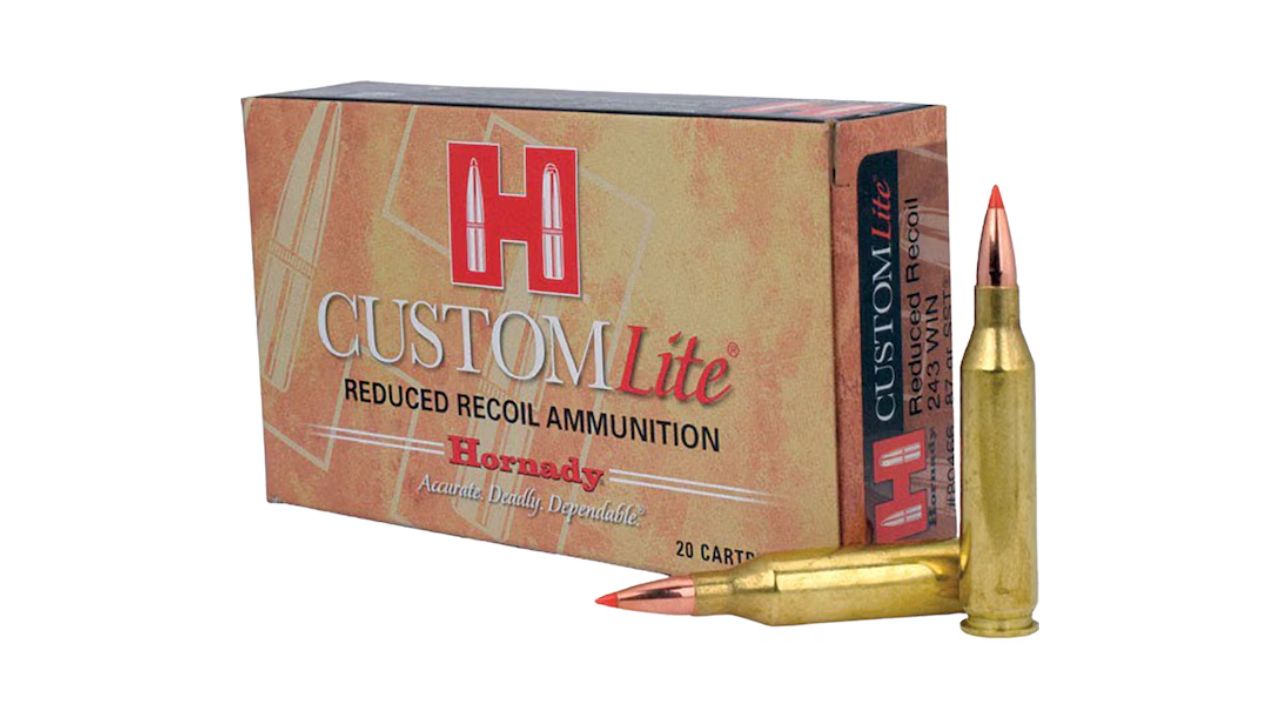
The .243 WSSM came out swinging with factory loads pushing 55-grain bullets over 4,000 fps. That’s serious speed. But once you move into real-world hunting—deer, hogs, anything with mass—you start to see the cracks. Heavier loads slow way down. Accuracy starts to fade. And the terminal performance just doesn’t live up to the hype.
You might get a clean kill here or there, but shot placement has to be perfect. There’s not much forgiveness. And with how picky this round is about barrels and feeding, it’s more headache than help. Most hunters who tried it ended up back with the standard .243 Win or moved to a .25-06 or 6.5 Creedmoor—calibers that actually drop game with confidence instead of promises.
7mm Remington Ultra Magnum

This one’s got numbers that raise eyebrows—over 3,600 foot-pounds of energy and blistering speed. But in the field, it’s a different story. It burns out barrels fast, kicks like a mule, and doesn’t put animals down any faster than cartridges half its size.
You end up with a rifle that’s harder to shoot well, especially from field positions. That extra velocity doesn’t always translate to better kills. In fact, it can fragment bullets on impact, leaving poor penetration and bad blood trails. If you’re hunting elk at 700 yards, maybe there’s a place for it. But for deer or black bear inside 300? You’re lugging unnecessary recoil and barrel wear for nothing.
.30 Carbine
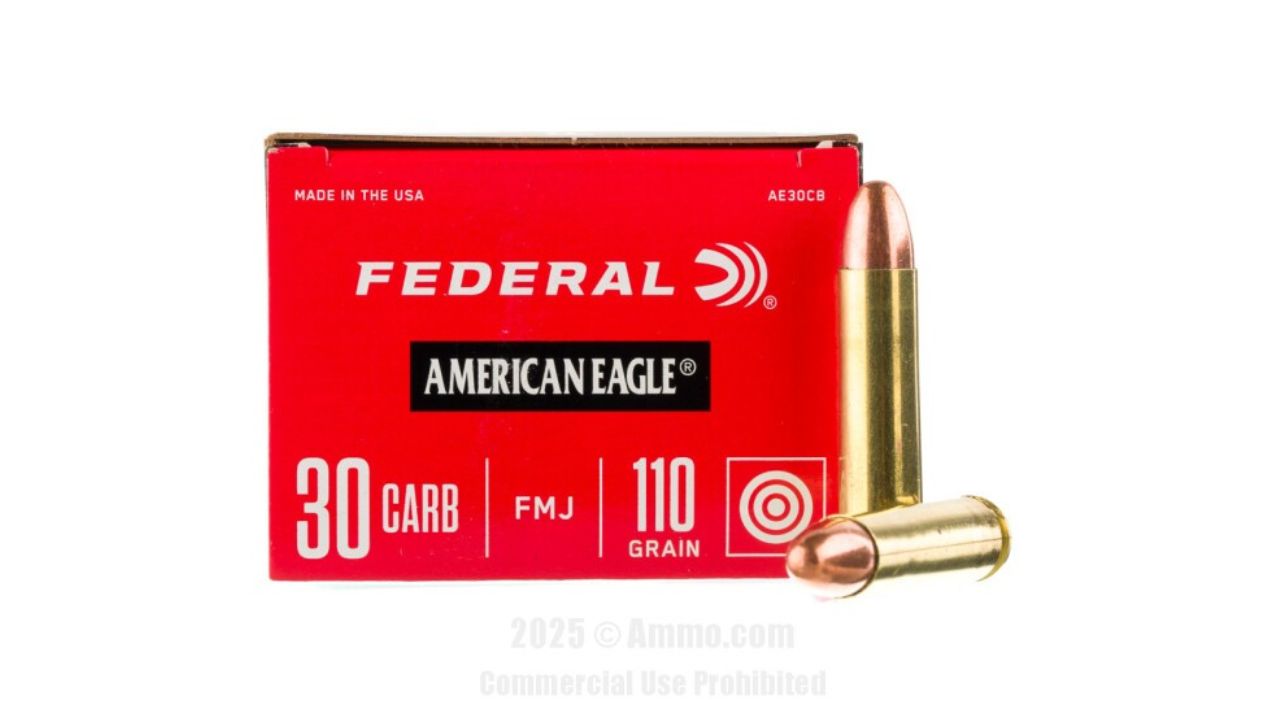
The .30 Carbine’s claim to fame came from the M1 Carbine in WWII, not the deer woods. And while it might look like it packs rifle power in a light platform, it doesn’t hold up on game. Energy levels are closer to a hot pistol round than anything you’d want to shoot a whitetail with.
Even with soft points, the performance on game is weak. It’s legal for deer in some states, but that doesn’t mean it’s ethical. You’re looking at shallow penetration and marginal wound channels. The platform might be fun, lightweight, and nostalgic, but if your goal is a clean, ethical kill on anything bigger than a coyote, this caliber leaves you wishing you’d brought something else.
.300 AAC Blackout

You hear a lot of talk about the .300 AAC Blackout hitting like a hammer in the woods, but on game, especially medium-sized animals, that punch rarely shows up. Sure, it’s quiet when suppressed and pairs well with short barrels, but the terminal performance—especially with subsonic loads—isn’t anything to brag about. If you’re using it on deer or hogs, you’ll need very careful shot placement, and even then, results can be mixed.
Most of the ammo marketed as hunting-capable falls short once it hits real tissue. There’s not enough velocity behind those heavy-for-caliber bullets to produce consistent expansion. Even with supersonic rounds, you’re getting energy levels that barely edge out hot .30-30 loads, but with none of the same reliable track record. It’s a caliber that sounds good on paper and in tactical circles, but when you step into the woods, you’ll probably wish you brought something with a little more authority.
.25-06 Remington

The .25-06 has a loyal following, and at the range, it’s a flat-shooting caliber with decent velocity. But when it comes to game—especially deer—it often leaves you wondering where all that speed went. The long bullets lack the frontal diameter to produce wide wound channels, and if you’re not using a premium projectile, pass-throughs with minimal trauma are common.
Plenty of hunters have made it work, but for every clean kill, there’s a story about tracking a deer way longer than you’d expect. It hits with less authority than .270 or .30 calibers, and it doesn’t forgive poor shot placement. Add in a tendency for standard soft points to pencil through at close range, and it becomes clear the .25-06 is more range showpiece than proven game dropper. If you’re hunting western coyotes, it’s great. But if you’re after whitetails or anything heavier, there are better tools for the job.
.270 WSM

The .270 Winchester Short Magnum was supposed to be the future. Faster than the classic .270 Win, flatter trajectory, more energy—it looked like a game changer. But in the field, it hasn’t lived up to the expectations. It burns powder like a magnum, kicks harder than most need for deer, and chews through barrels quicker than anyone admits.
More importantly, it doesn’t noticeably outperform the original .270 Win where it matters—on animals. With comparable bullet weights and the same frontal diameter, the gains are marginal. Most deer won’t know the difference. What they will notice is inconsistent bullet performance at close range, especially with older cup-and-core loads. Hunters expected big magnum power from it, but the .270 WSM tends to over-promise and under-deliver. If you’re punching paper or trying to justify buying a new rifle, it’s fine. But for real-world hunting? The classic version does everything it does without all the baggage.
.300 Savage

The .300 Savage had a moment when it seemed like the ideal balance between power and recoil. Touted as a compact cartridge that could keep up with the .30-06, it ended up being more of a compromise than a solution. In real hunting scenarios, it often lacks the energy to anchor animals decisively, especially past 200 yards.
Deer hit with .300 Savage rounds frequently run farther than they should, even with decent hits. It doesn’t have the speed to make soft-point bullets expand reliably, and it doesn’t have the mass to break through bone when things go wrong. Compared to modern .308 loads—or even the older .30-30 with proper bullets—the .300 Savage seems stuck in the middle. It’s not quite mild, not quite powerful, and not quite consistent. If you’re using it inside 150 yards, sure, it’ll work. But if you’re expecting magnum-level performance from this old warhorse, you’ll be disappointed.
.22 Hornet
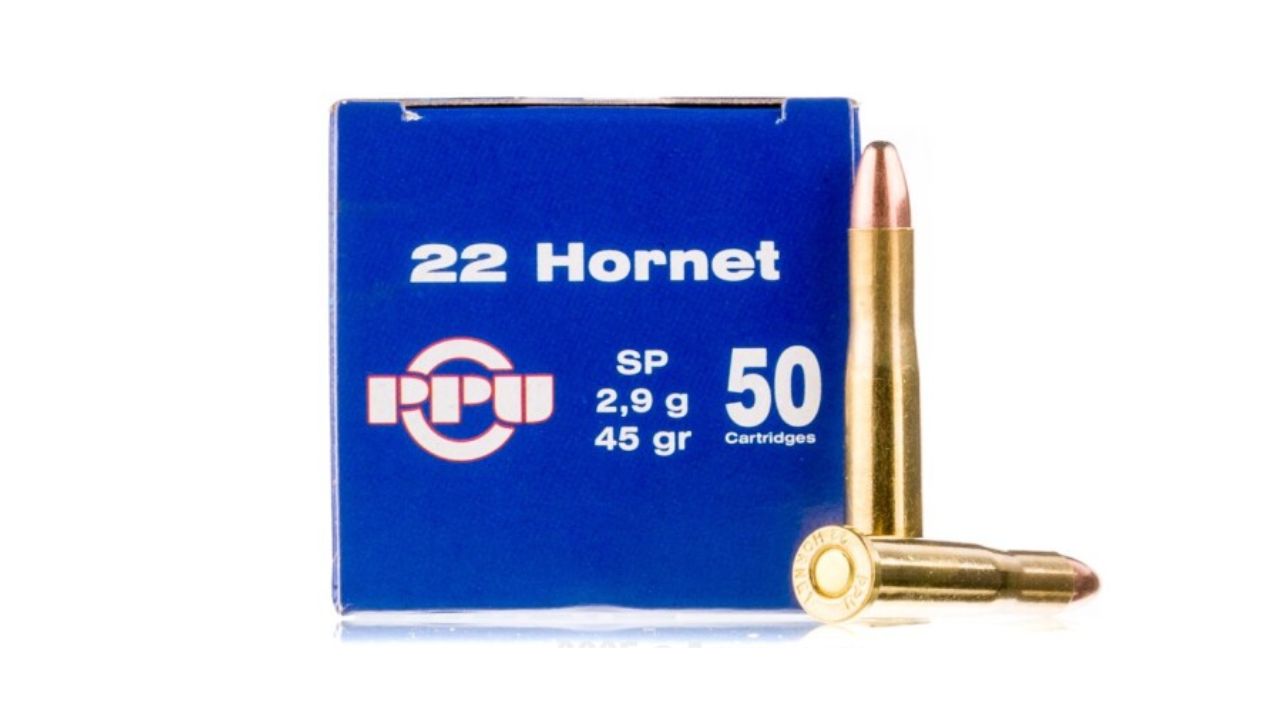
A lot of folks love the nostalgia of the .22 Hornet, and it certainly has a place in varmint country. But when hunters start talking about using it on deer—or worse, hogs—you know someone’s getting bad advice. It’s accurate, yes. It’s quiet and soft-recoiling. But it doesn’t carry enough energy to reliably take medium-sized game without perfect conditions and perfect shot placement.
Even the best handloads struggle to break 800 ft-lbs of energy, and most factory stuff is way under that. Expansion is unreliable, and penetration is shallow. It may look good on paper and has a romantic following, but this is a small-game and pest cartridge—period. Once you cross over into game animals with thicker hides and more muscle mass, the Hornet shows its limits quickly. You owe the animal better than a maybe-caliber. Use it for groundhogs or foxes, but don’t bring it to a whitetail hunt.
.25-20 Winchester

The .25-20 was once a small-game staple, especially in lever actions, but it’s barely holding on these days. While it’s accurate enough and has historical charm, most loads are underpowered by today’s standards. It doesn’t offer enough punch for coyotes, let alone anything larger.
Ammo availability is another serious hurdle. You’re unlikely to find it on shelves, and when you do, it’s overpriced for what you’re getting. Unless you’re restoring a Winchester 92 or deep into cowboy action shooting, the .25-20 is more of a collector’s curiosity than a practical hunting round now.
.35 Remington

This round had its time in the deer woods, especially in Marlin 336s, but its popularity has taken a nosedive. Factory loads are getting harder to find, and the rifles chambered for it aren’t exactly flooding the market anymore. It’s being quietly left behind as newer options outpace it.
Ballistically, it can still do the job in thick timber, but it doesn’t stand out anymore. If you don’t already own a rifle in .35 Remington, there’s no real reason to chase one down now. Most hunters are reaching for .350 Legend or .30-30 instead—and it’s hard to blame them.
6.5 Carcano
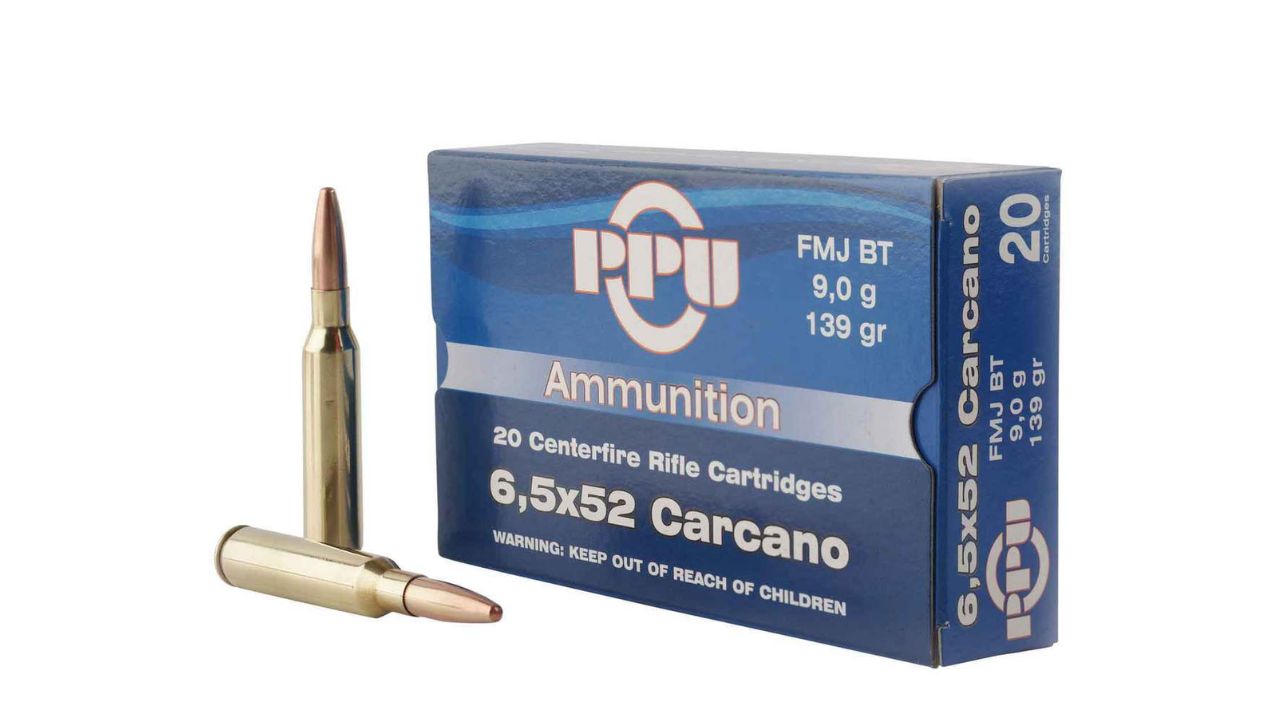
The 6.5 Carcano is an oddball that gets attention mostly because of history, not performance. It was never designed with modern hunting in mind, and the rifles it’s chambered in tend to be heavy, clunky, and not especially accurate by today’s standards. The twist rate is off for most modern bullets.
Ammo choices are severely limited, and even the handloading crowd doesn’t give it much love. If you’ve got one, it’s fine for punching paper now and then. But using it as a go-to hunting round today makes about as much sense as using a musket for varmints.
5.45x39mm
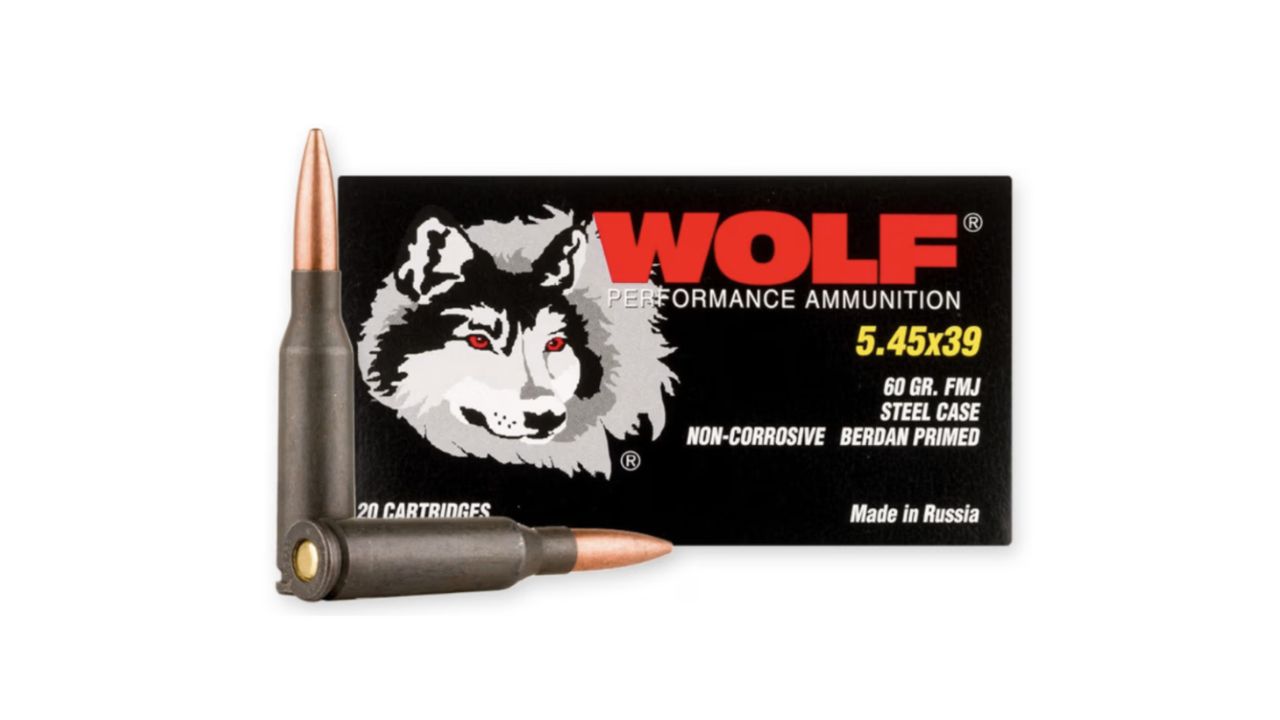
The 5.45x39mm earned a reputation as the Soviet answer to the 5.56, but it’s never found a strong foothold in the American hunting world. Ammo used to be cheap and available in bulk, but that supply has dried up considerably. Without that perk, its appeal plummets.
It lacks energy beyond 100 yards, and bullet options for hunting are limited. Most rifles chambered in it are AK variants with questionable accuracy. Unless you’re chasing varmints at close range with cheap surplus, it’s not offering much a .223 can’t already do better, cheaper, and with way more options.
.38 S&W
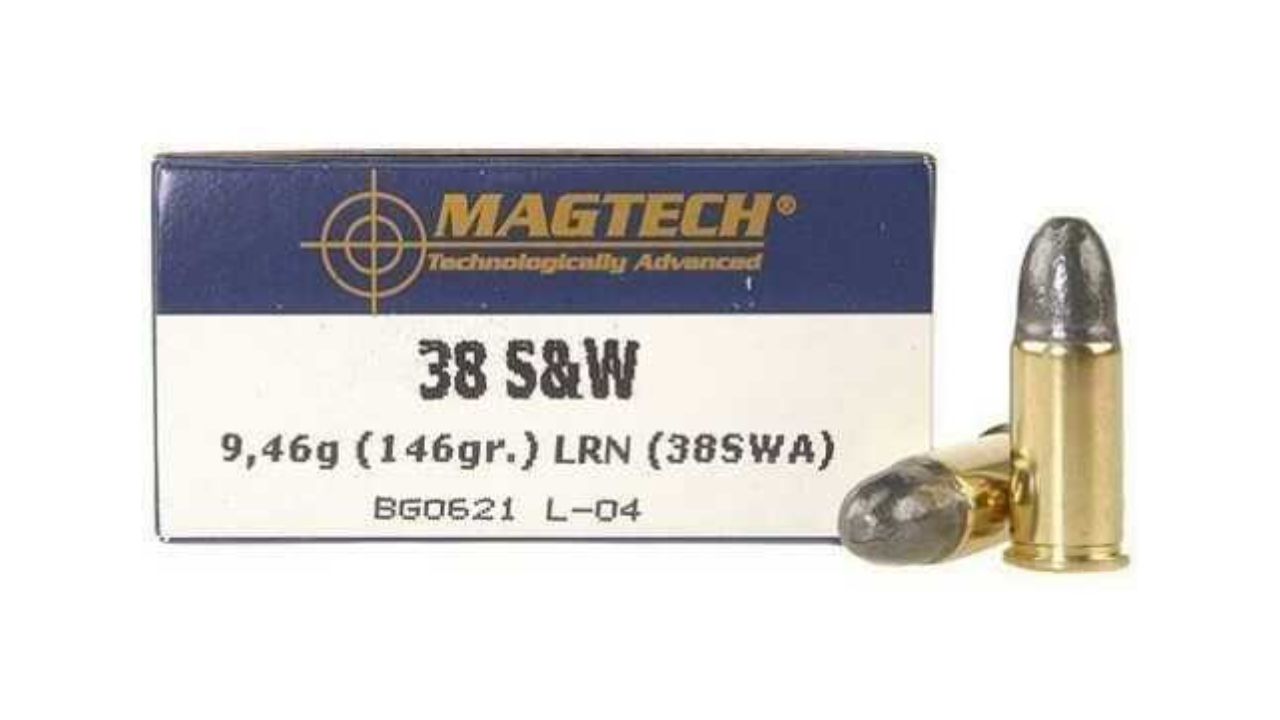
The .38 Smith & Wesson isn’t the same as .38 Special, and that confusion alone causes issues. Originally designed for short-barreled revolvers with modest pressures, it doesn’t offer the velocity or energy modern shooters expect. It’s underpowered even for defensive use and barely relevant for small-game applications.
Finding ammo is another problem—it’s not common in stores, and modern load data is sparse. Most shooters who own a .38 S&W revolver keep it as a novelty or heirloom. If you’re thinking of using it for anything beyond plinking, there are dozens of better, more practical options.
.401 Winchester Self-Loading
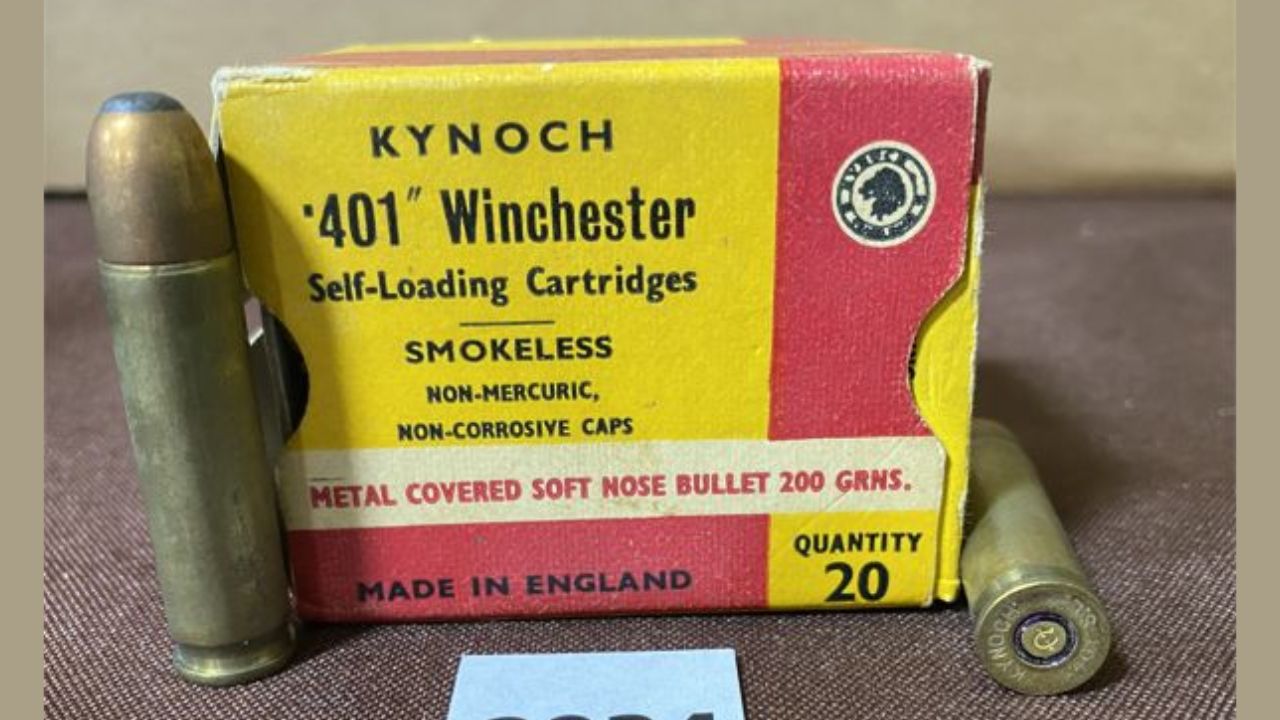
The .401 WSL is another oddball that sounds like it might pack a punch but falls short where it matters most—on game. It was introduced for the Winchester 1910 rifle, which had some early semi-auto appeal, but the cartridge itself never lived up to serious hunting expectations. It’s heavy and slow, with poor sectional density and subpar trajectory beyond 50 to 75 yards.
Ammo is long out of production, and ballistics are closer to handgun rounds than modern rifle cartridges. If you’re holding onto one of these rifles, it’s a collector’s piece—not something you want to trust on deer or hogs.
.25 Remington
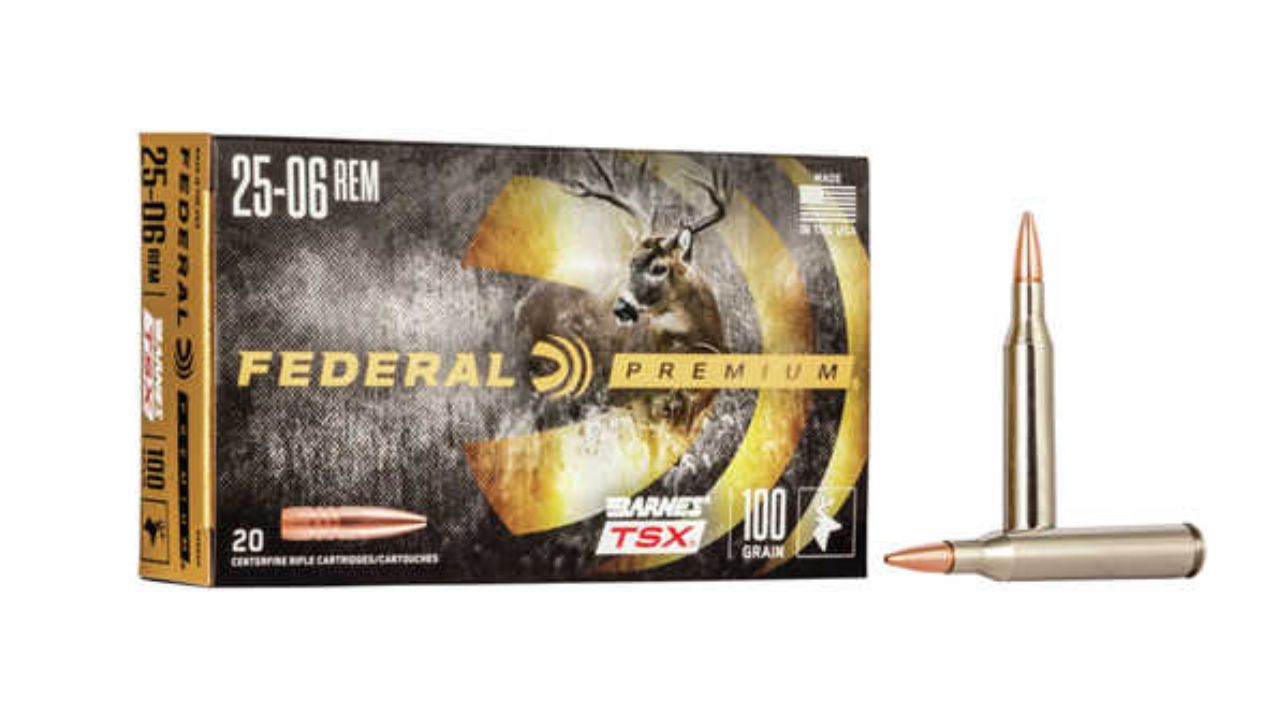
The .25 Remington came from the same era as the .30 and .32 Remington, aiming to compete with Winchester’s .25-35. On paper, it looked like a decent option for small to medium game. But it never really caught on, and for good reason—it offered mediocre velocity, underwhelming energy, and a narrow range of bullet weights.
Out in the field, it drops off fast beyond 75 yards and doesn’t carry enough punch for consistent performance on anything bigger than a coyote. These days, it’s mostly a footnote for collectors, not something you’d ever lean on during deer season.
Like The Avid Outdoorsman’s content? Be sure to follow us.
Here’s more from us: