Photo credit: RealPorkchop/YouTube
Some handguns stay relevant by constantly changing their pitch. New finish, new optic cut, new texture, new name for the same basic idea. Others never really needed any of that. They were already useful, already trusted, and already doing the job before the market decided everything had to be sold like a breakthrough. Those pistols did not survive because they were loud. They survived because they were right.
That is usually what separates a lasting handgun from a temporary one. A pistol that carries well, shoots honestly, and holds up under real use does not have to beg for attention every few years. It just keeps making sense. These are handguns that never had to chase trends because they were already grounded in something more durable than hype.
SIG Sauer P228
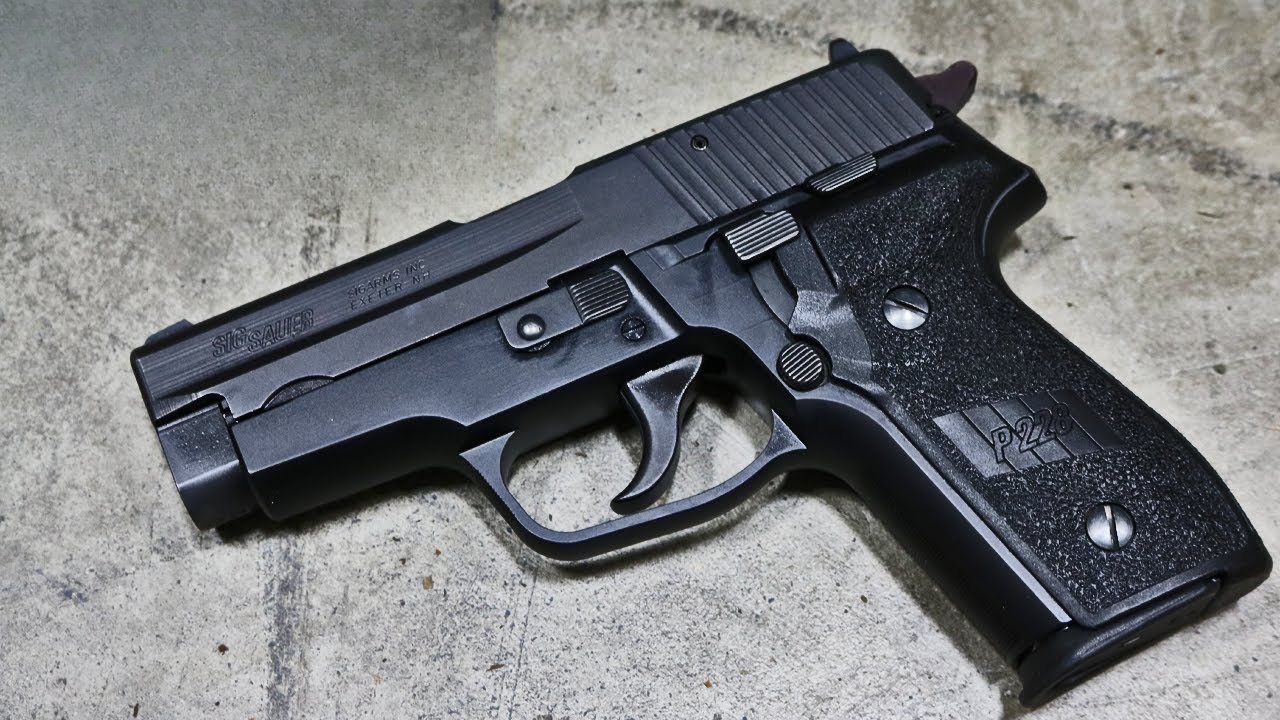
The P228 never had to chase trends because it got the basics right early. It felt compact without feeling compromised, serious without feeling oversized, and controllable in a way that kept shooters loyal once they had enough time behind one. That sort of balance ages better than almost anything else in the handgun world.
It also never needed a dramatic identity shift to stay appealing. The pistol already filled its lane well. Good carry size, strong shootability, and real long-term trust gave it a staying power a lot of trendier pistols never reached. Shooters kept coming back because the gun never stopped making sense.
Beretta 84FS

The 84FS never had to chase trends because it already knew exactly what it was. It was a compact metal pistol with excellent manners, real quality, and a kind of easy shootability that many newer handguns still struggle to deliver. It was not trying to be the smallest, the newest, or the loudest thing in the room.
That confidence is part of why it lasted. The 84FS stayed appealing because it felt good in the hand and behaved well on the range. Handguns like that do not need a constant reinvention cycle. They just need owners who appreciate that comfort, refinement, and real usability still matter.
HK USP Compact
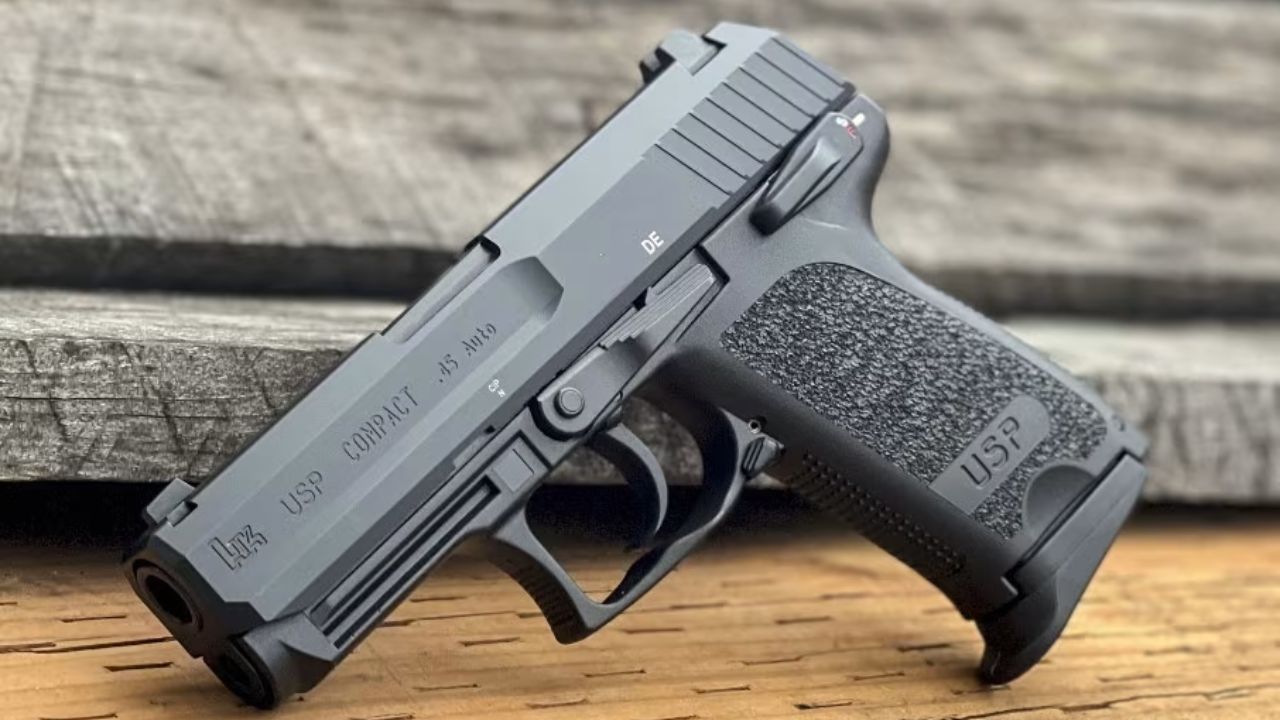
The USP Compact never had to chase trends because it always felt like it was built for a longer life than most market cycles. It was durable, serious, and not especially interested in trying to look fashionable. That actually helped it. A pistol that already feels tougher than most of its competition does not need much help from changing tastes.
It also stayed relevant because it did not depend on novelty. The controls, size, and overall feel gave shooters a compact handgun they could trust without needing to constantly justify why they still owned it. The USP Compact remained useful, and useful tends to outlast stylish.
Smith & Wesson 3914
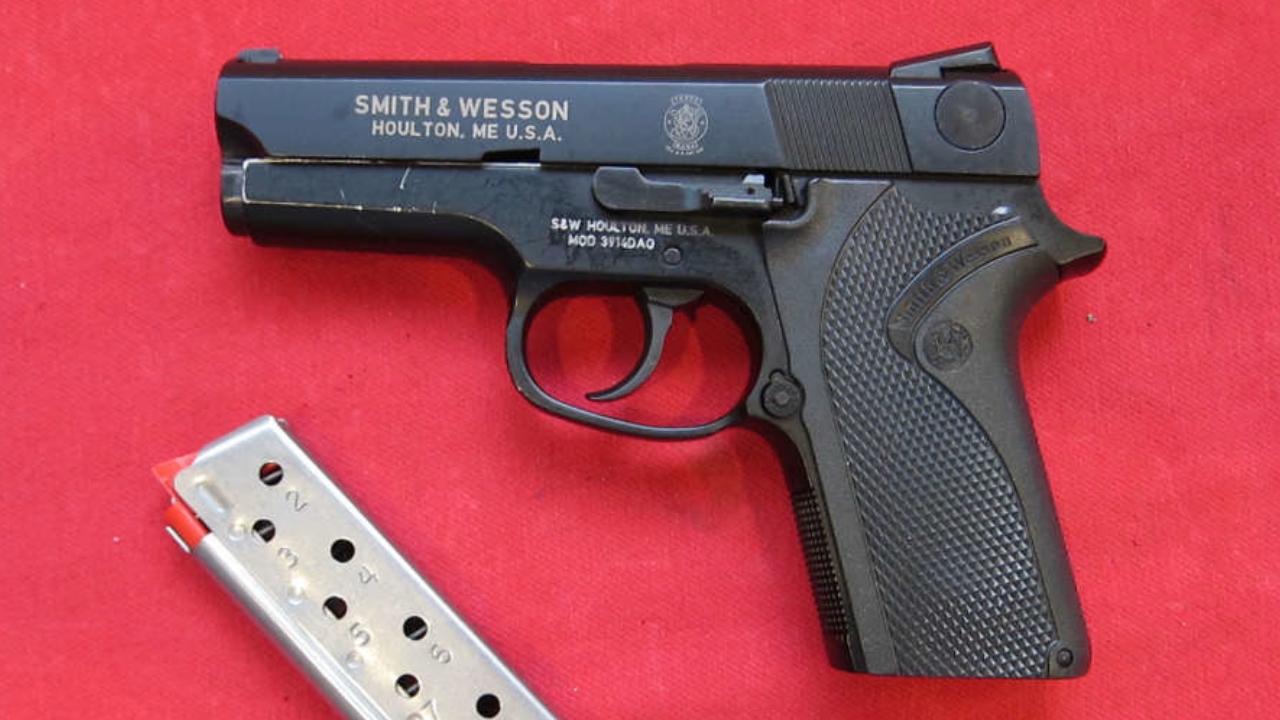
The 3914 never had to chase trends because it was already answering a real carry question before the carry market turned into a nonstop identity crisis. It was slim, practical, and easy to live with in a way that still feels smart now. It did not need to become louder or flashier because concealment and serious handling were already part of the design.
That is why it stayed respected. A lot of newer carry pistols tried to convince buyers they had reinvented the concept. The 3914 just kept proving that a compact metal-frame handgun with the right dimensions and the right feel had not stopped being useful in the first place.
CZ 75 BD

The CZ 75 BD never had to chase trends because it already gave shooters something many handguns still fail to offer: natural handling with real control. The steel frame, grip shape, and calm recoil all helped build a following that did not depend on internet excitement. Once shooters spent time with one, the loyalty usually came pretty naturally.
That kind of loyalty is what keeps a pistol alive long-term. The CZ did not need a total personality makeover every few years. It already had enough substance in the hand and enough honesty on the range to hold its place. That is a much stronger foundation than trend appeal.
SIG Sauer P220

The P220 never had to chase trends because it had a mature identity from the start. It was a serious .45 with real accuracy, real trust behind it, and a design that never seemed confused about its purpose. That matters a lot in a market where plenty of pistols feel like they were built to impress briefly rather than serve for years.
It kept its place because it kept delivering. Shooters who wanted a dependable, accurate .45 did not need it to become something radically different. They needed it to keep being good at what it already was, and that is exactly what helped the P220 stay relevant.
Walther P99 AS

The P99 AS never had to chase trends because it was already smarter than much of the market around it. The ergonomics, trigger system, and overall shooting feel gave it a depth that many newer striker-fired pistols still do not fully match. It never needed a giant reinvention because the original concept already had real intelligence behind it.
That sort of design tends to age well. Shooters who actually used the pistol kept appreciating it, even while the broader market moved on to newer shapes and louder launches. The P99 AS stayed meaningful because it continued to feel intentional instead of temporary.
Colt Combat Commander
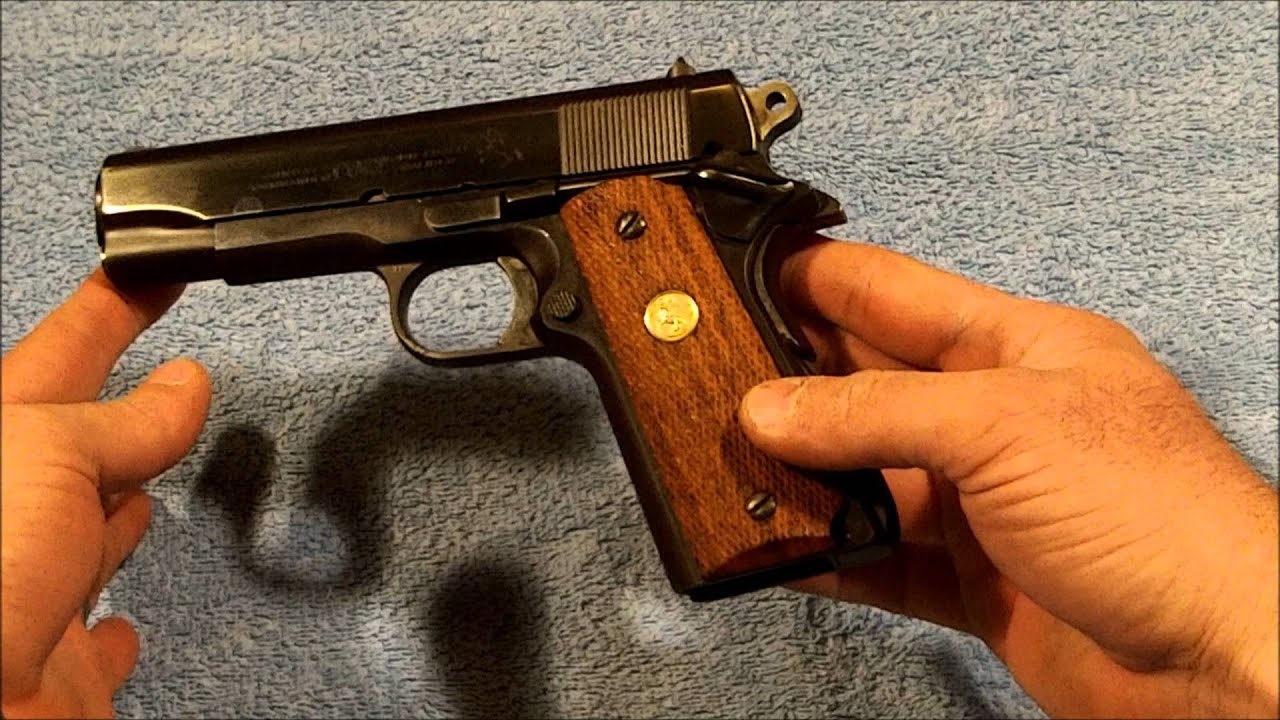
The Combat Commander never had to chase trends because the original idea behind it was already good enough. Trim the 1911 enough to make it handier, keep enough of the platform’s strengths to preserve why people trusted it, and stop there. That is exactly the kind of restrained thinking that creates lasting handguns.
It stayed relevant because it still carries and shoots like a real fighting pistol. A lot of handguns try to split the difference and end up feeling like compromise. The Commander usually feels like purpose. That is why it never needed to act newer than it was.
Browning Hi-Power

The Hi-Power never had to chase trends because it had natural handling and a real identity long before the market became obsessed with constant updates. It was slim for its class, easy to point, and grounded in a kind of practical design confidence that still feels appealing now. Some pistols age into nostalgia. The Hi-Power aged into lasting respect.
That respect comes from how it shoots as much as from what it represents. The gun did not need to be reinvented to keep mattering. Shooters kept discovering or rediscovering the same thing: it still felt right. That is a very strong answer to trend pressure.
Ruger P95

The P95 never had to chase trends because it was never trying to win a style contest in the first place. It was a plain, durable, working 9mm, and that gave it a kind of accidental honesty a lot of handguns lack. Buyers could laugh at the shape, but they kept trusting the function.
That is why it held up. The pistol did not need a polished image or a fashionable lane. It just needed to keep running, and it did. Guns that keep doing the hard part tend to survive long after trend-driven guns have already become yesterday’s answer.
Beretta PX4 Compact
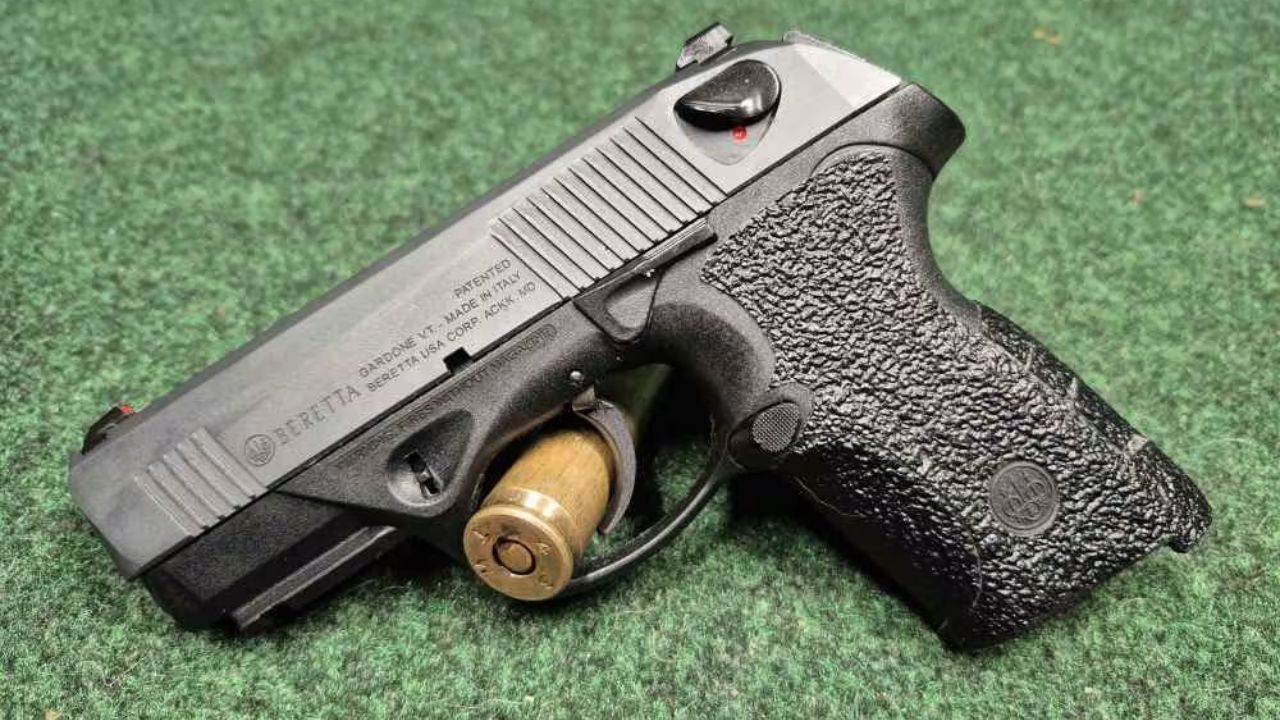
The PX4 Compact never had to chase trends because it was already solving a real problem: giving shooters a carry-size pistol that still felt composed and easy to run. The rotating barrel was different, but the real story was that the gun shot well and made sense in the hand. That gave it more staying power than a lot of louder designs.
It remained relevant because it kept rewarding actual use. Shooters who spent time with one often found it better than its market profile suggested. That is usually a sign the gun never needed help from trends in the first place. It just needed a fair chance.
Smith & Wesson Model 39-2
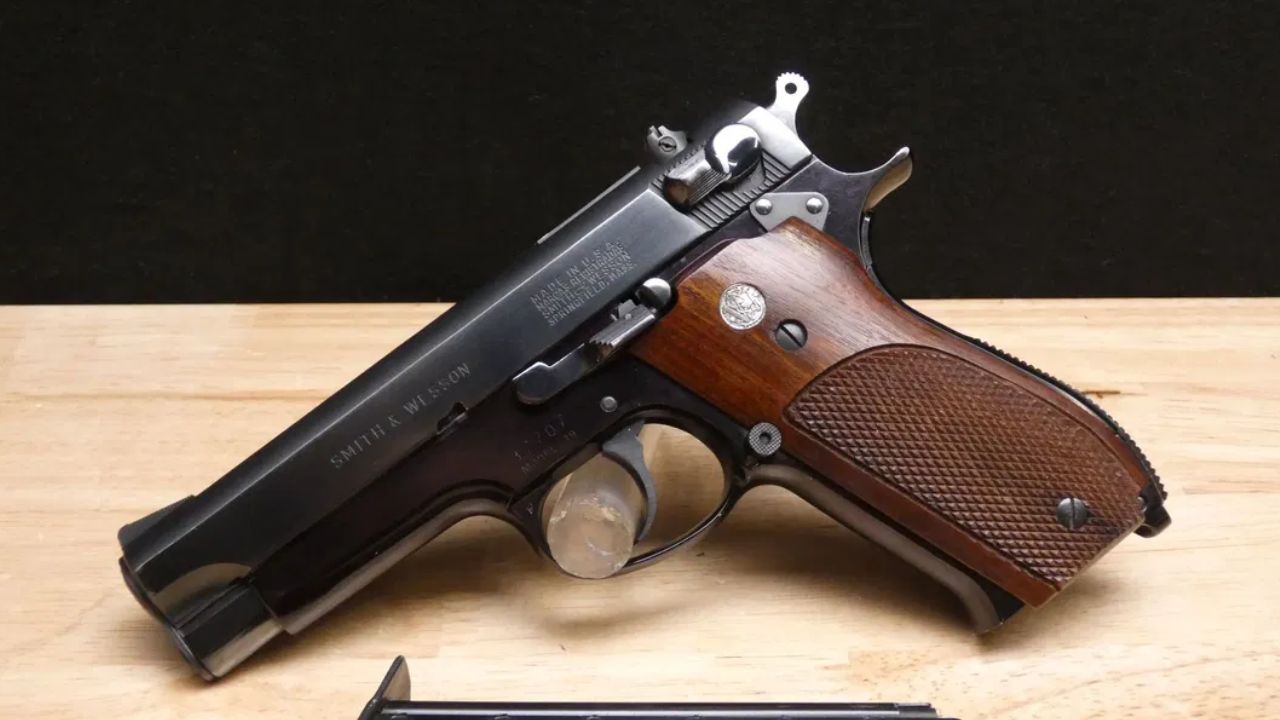
The Model 39-2 never had to chase trends because it already brought something timeless to the table: a slim, serious 9mm with real handling and real service-pistol credibility. It was not trying to be everything for everybody. It was trying to be a dependable, shootable sidearm, and that sort of focus tends to age well.
That is why it still gets respect. The pistol feels like it came from an era when handgun design was allowed to be practical without also being loud. That kind of quiet usefulness keeps a gun relevant much longer than trend-chasing ever can.
HK45 Compact
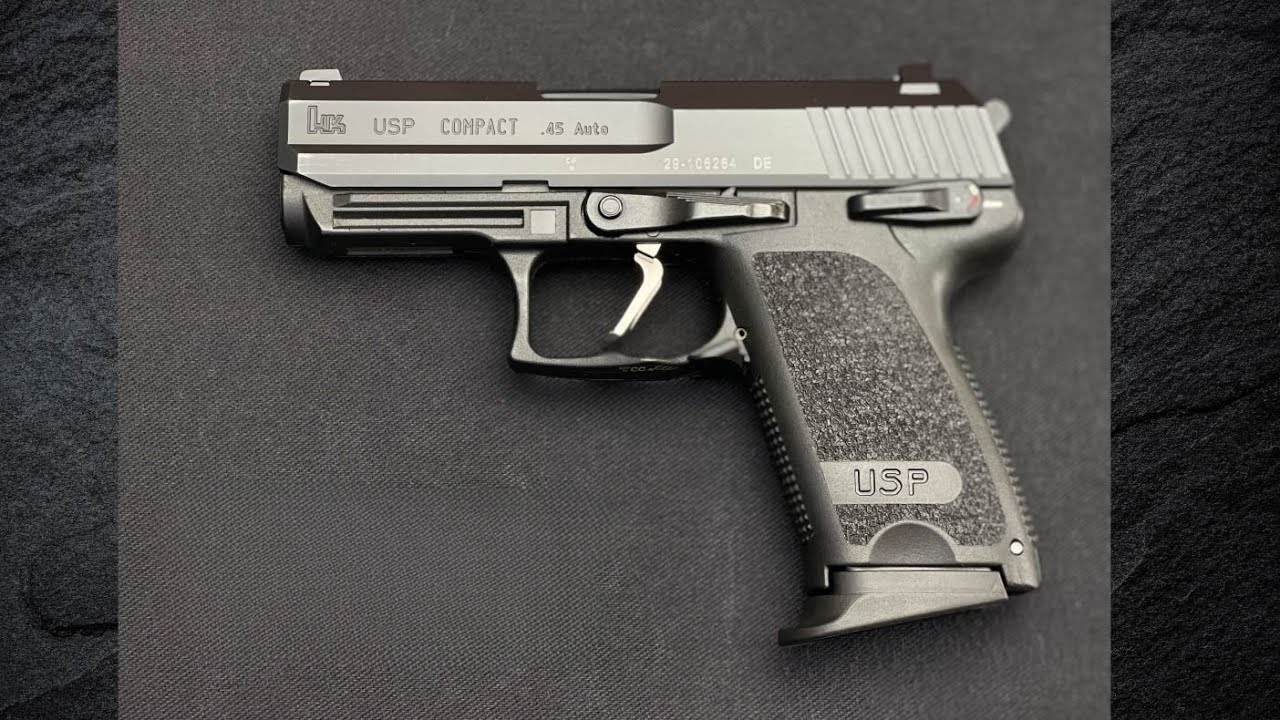
The HK45 Compact never had to chase trends because it was built around long-term confidence instead of quick excitement. It gave shooters a compact .45 that still felt durable, controllable, and worth trusting, which is not as easy a balance as the market likes to pretend. The gun did not need a dramatic personality because the role already made sense.
That is what kept it relevant. It shot well enough, carried well enough, and held enough substance that experienced shooters did not need it to keep reinventing itself. A handgun that stays this grounded in real use is rarely the one scrambling for attention later.
Star BM
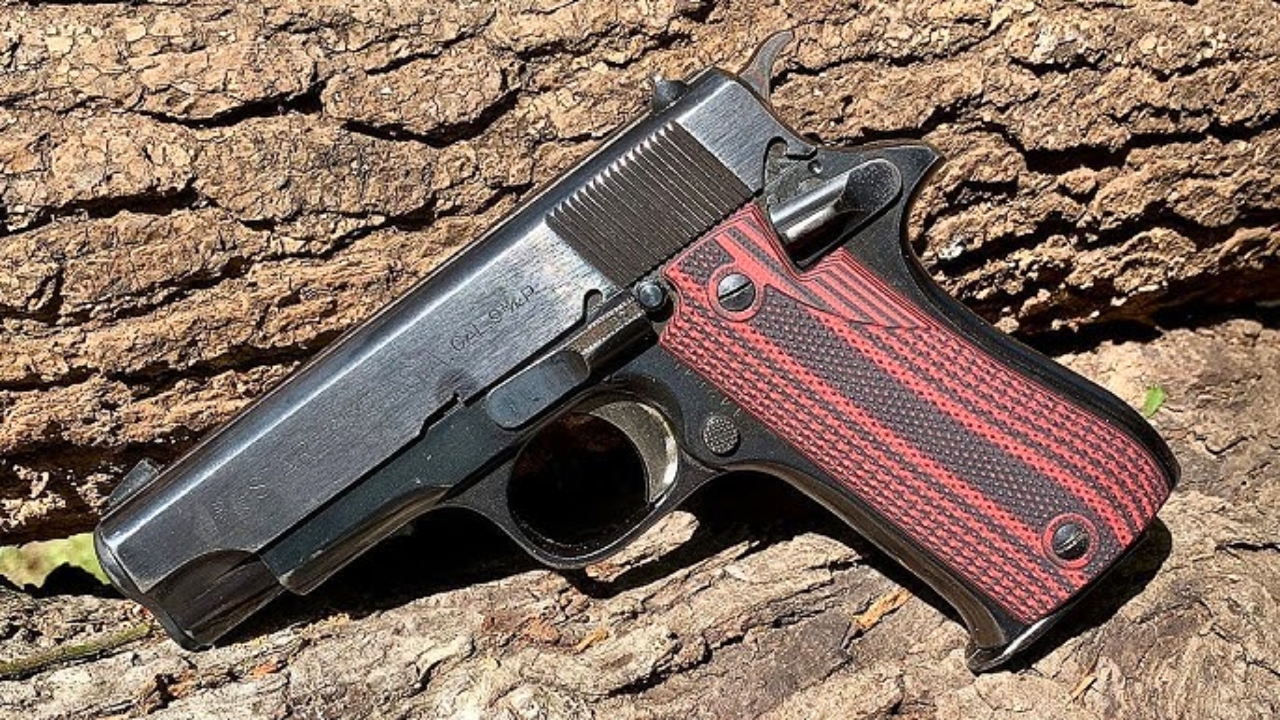
The Star BM never had to chase trends because it stayed in its own lane and did it well. It was compact, all steel, and more serious in the hand than many buyers expected from a surplus-era pistol with a lower-profile name. It never needed a modern glow-up to feel worthwhile to the people who actually used it.
That is part of why it still gets remembered fondly. The BM had enough shootability and enough old-school character to make a lasting impression without needing the market to hype it up. It did not have to sound current to keep feeling useful.
Colt Detective Special

The Detective Special never had to chase trends because it solved a timeless problem in a very clean way. It gave people a compact revolver that still felt like a real handgun, with better capacity than many of its small-frame rivals and enough Colt quality to make owners stay attached. That formula did not stop working just because the market changed its priorities.
It remained relevant because it carried the right kind of confidence. Shooters who appreciate small revolvers never needed it to become fashionable again. They already knew why it mattered. That is exactly what a handgun looks like when it never had to chase anything.
Like The Avid Outdoorsman’s content? Be sure to follow us.
Here’s more from us: