Photo credit: NRApubs/YouTube
Some guns sat around in plain view while buyers talked themselves into waiting. They were not hot enough, modern enough, tactical enough, or prestigious enough to force the sale that day. That usually feels smart right up until the supply tightens, the prices jump, or the market finally realizes the gun made a lot more sense than people gave it credit for when it was easy to buy.
That is what happened with these. Buyers came around on them, but a lot of them came around too late.
Colt 1903 Pocket Hammerless

For years, the Colt 1903 Pocket Hammerless lived in that dangerous space where buyers respected it without feeling much urgency about it. It was elegant, proven, and easy to admire, but a lot of people treated it like a classy old pocket pistol they could always circle back to later. That sort of thinking tends to age badly.
Now it looks like exactly the kind of handgun people should have taken more seriously while it was still attainable without much pain. The fit, the lines, and the way it still feels like a grown-up carry gun all land harder today. A lot of buyers finally figured out what it was after the easy buying window had already narrowed.
Browning BDM

The Browning BDM was easy to pass on because it never felt like the obvious star of the 9mm world. It had quality and style, but it also seemed a little too strange and a little too outside the mainstream to create much urgency. Buyers often treated it like an interesting maybe-later pistol instead of something to actually grab.
That delay has not aged well. The BDM now feels like one of those smart, undernoticed handguns that people finally appreciated once the market got thinner and older metal pistols started making more sense again. It did not suddenly become good. Buyers just ran out of cheap chances to ignore it.
Ruger P90

The Ruger P90 spent years being treated like the plain, chunky .45 buyers settled for only if the sleeker option was unavailable. That kept a lot of people from moving on one. They respected its toughness, but not enough to act like it was worth prioritizing. It seemed too practical to become something people would regret missing.
That turned out to be the wrong read. Once buyers got more honest about what actually matters in a hard-use .45, the P90 started looking a lot smarter. It shoots well, holds up, and feels far more serious than the old dismissive attitude around it suggested. A lot of people came around after the cheap and easy days were already over.
CZ 82

The CZ 82 was one of those pistols buyers often noticed without fully understanding. It was surplus, all steel, a little unusual in caliber, and easy to treat like a curiosity rather than a real opportunity. That made it the kind of gun people would admire on a table and then walk past because surely another one would show up later.
Now the market has made that attitude harder to defend. The CZ 82 feels a lot more compelling once people spend time around it and realize how good the ergonomics, trigger, and general handling really are. Buyers came around, but a lot of them did so only after the easy surplus pipeline stopped feeling endless.
Beretta 8045 Cougar
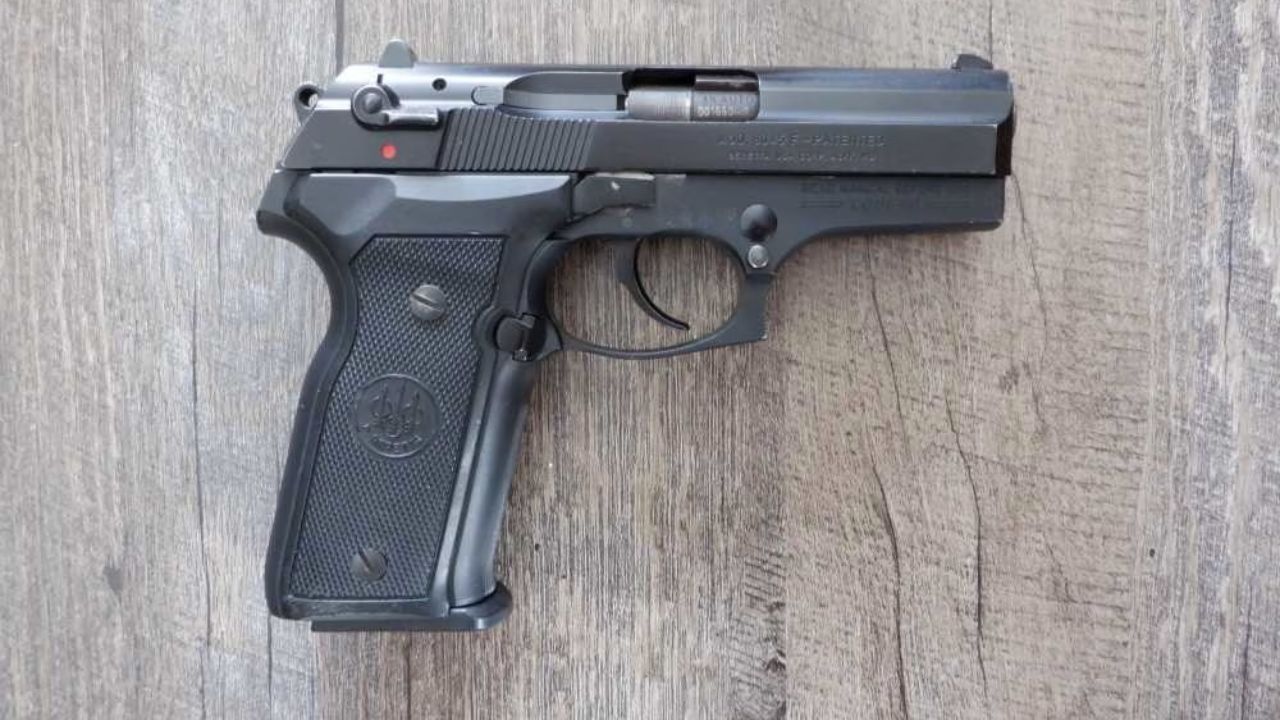
The Beretta 8045 Cougar got passed over because it always seemed like one of those transitional pistols that was not quite classic and not quite current. Buyers often liked it, but not enough to rush. It felt like the kind of Beretta you could revisit later once you had dealt with more obvious wants first.
That later got more expensive. The Cougar now looks like one of those genuinely useful pistols people should have respected harder when it was still sitting quietly in used cases. The rotating barrel system, the all-metal feel, and the practical size all make more sense now than they did when buyers were too busy chasing whatever felt newer.
Winchester 1907
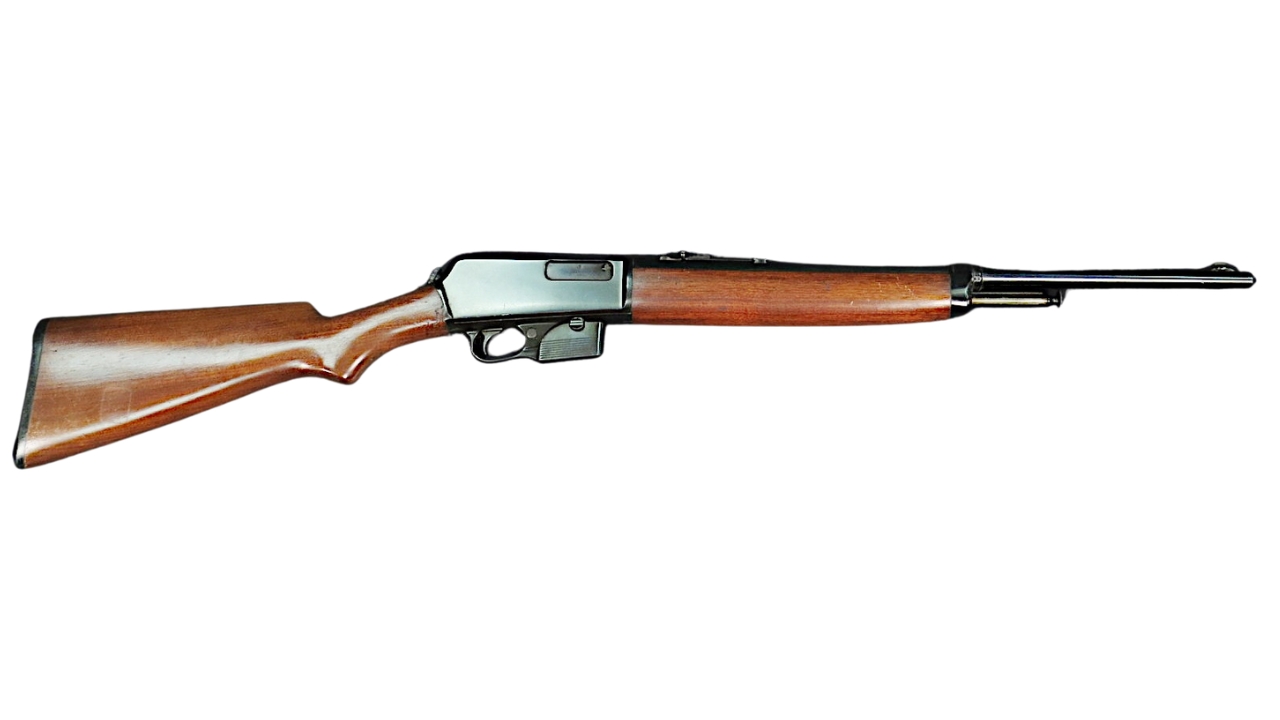
The Winchester 1907 spent a long time being admired mostly as a historical oddity instead of being treated like a rifle someone should actually move on when one appeared in decent shape. It looked too old and too specialized to feel urgent, which made it easy to appreciate casually and postpone indefinitely.
That is exactly how regret starts. Buyers finally came around to the fact that old semiauto Winchesters with this much identity and this much real historical interest do not stay easy forever. Once people started looking at the 1907 as more than a relic, replacing missed opportunities got much harder.
Remington 600 Mohawk
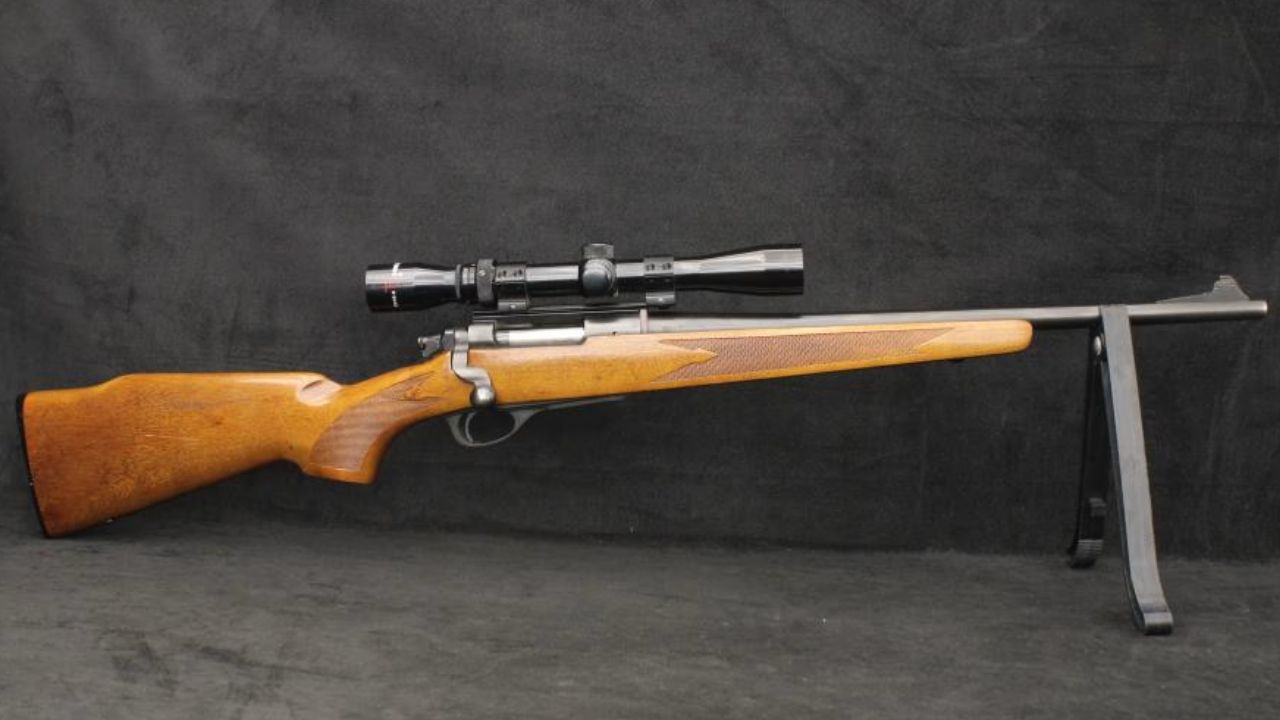
The Remington 600 Mohawk was easy to shrug off because it looked odd and a little too plain compared to the more talked-about compact rifles around it. Buyers saw the short barrel, the unusual profile, and the no-frills feel and often decided they could afford to wait. It never felt like a must-buy when it was sitting right there.
That attitude changed once people started appreciating truly handy bolt rifles again. The 600 Mohawk now feels much smarter than its old reputation suggested. It is quick, useful, and tied to a kind of hunting-rifle thinking that looks better the more the market drifts toward heavier, more generic rifles. Buyers came around after the easy ones were already disappearing.
Savage 340

The Savage 340 sat for years in the category of “plain rifle nobody needs to rush toward.” It was a working-man’s gun, not a bragging rifle, and that kept expectations low. Buyers treated it like the sort of rifle that would always be floating around because it was too modest to get hot.
Then modest started looking smart. The 340 has practical field value, honest utility, and enough old-school simplicity to make it stand out now that so many rifles feel interchangeable. A lot of buyers only realized that after they had already spent years walking past them without much thought.
Browning BAR ShortTrac

The Browning BAR ShortTrac was easy to underappreciate because it felt like one more modern variation in a rifle family buyers thought they already understood. It never had the old-school aura of the older Safari guns, which made it easier to treat like something you could always come back for once the mood struck.
That kind of delay got punished. The ShortTrac now looks like one of the more useful semiauto hunting rifles buyers should have taken more seriously when it was easier to find and easier to justify. It is practical, fast-handling, and much more purpose-built than a lot of the market gave it credit for at the time.
Ithaca 37 Featherlight
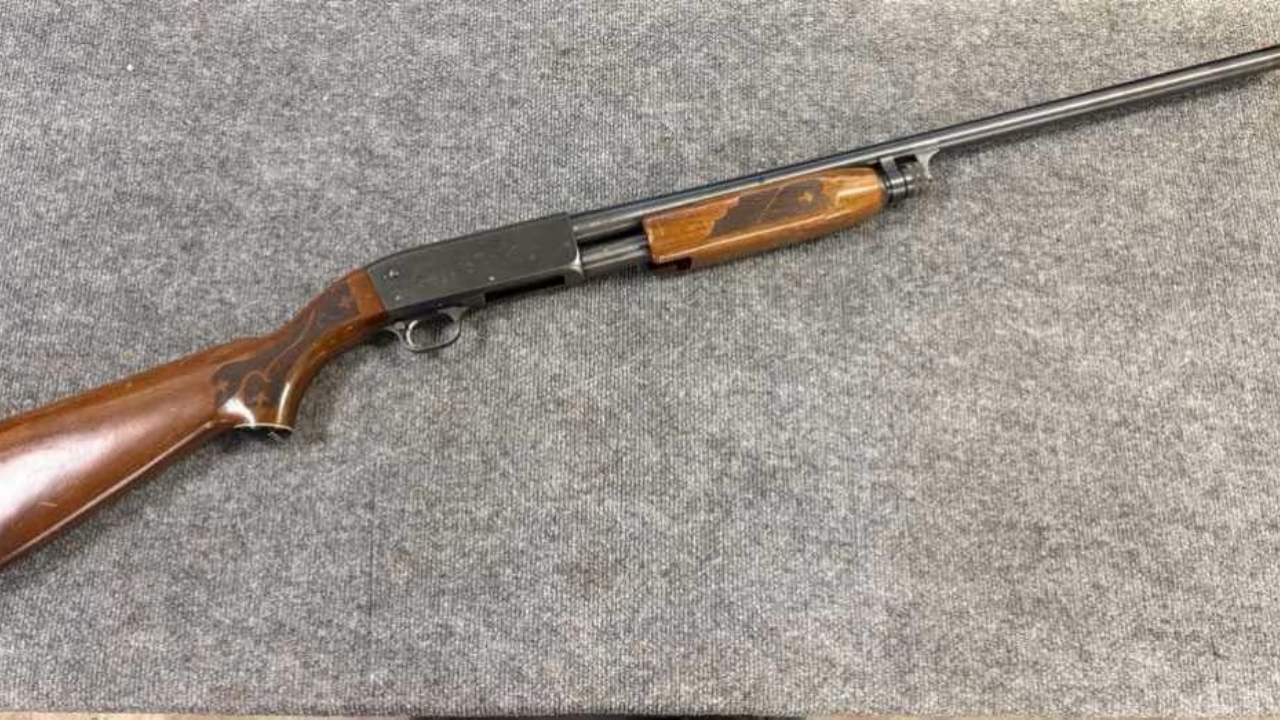
The Ithaca 37 Featherlight was one of those shotguns people respected with a shrug. It was light, handy, and proven, but many buyers still kept it behind more talked-about pumps in their mental pecking order. That made it easy to postpone, especially when it seemed like older Ithacas would always be around somewhere.
That assumption did not hold up well. Buyers finally came around to how naturally the Featherlight carries and how much real-world usefulness sits behind that old design. By then, the easy buying opportunities were a lot thinner. A lot of people learned too late that a pump shotgun can be quietly excellent for a very long time before the market catches on.
Remington 11-87 Police

The Remington 11-87 Police spent years being treated like the practical old duty autoloader you could always buy later if you ever decided you wanted one. It did not have the same cool factor as some tactical shotguns, and that kept a lot of buyers from moving quickly. It felt dependable, but not especially urgent.
Now it feels like a much smarter shotgun than that old casual attitude suggested. The 11-87 Police has real substance, real utility, and a seriousness that looks a lot better once buyers spend enough time with trendier defensive guns that never really settle down. Many people came around only after the market got less generous.
H&R Handi-Rifle in .45-70

The H&R Handi-Rifle in .45-70 was easy to dismiss as too plain, too simple, and too working-class to ever become something worth rushing toward. Buyers saw a single-shot and assumed they had endless time to come back if they ever decided they wanted a big-bore utility rifle. That is how very practical guns get missed.
Now it looks like one of those simple rifles people should have grabbed while they were still being shrugged off. It is compact, direct, and tied to a cartridge that still has plenty of field value. Once buyers started appreciating that honesty, the old “I’ll buy one later” logic stopped working very well.
Ruger Mini Thirty

The Ruger Mini Thirty spent a long time living under the shadow of other rifles buyers thought were more serious, more modern, or more exciting. That kept urgency down. Plenty of people liked the concept, but not enough to actually buy one when the opportunity was easy. It always felt like something to revisit after more important purchases.
That was a mistake for a lot of buyers. The Mini Thirty now looks like one of those rifles people should have taken more seriously when it was just sitting there being useful. It has real handling appeal, real Ruger practicality, and a distinctiveness that became much more obvious once the market got crowded with same-feeling alternatives.
Winchester 55
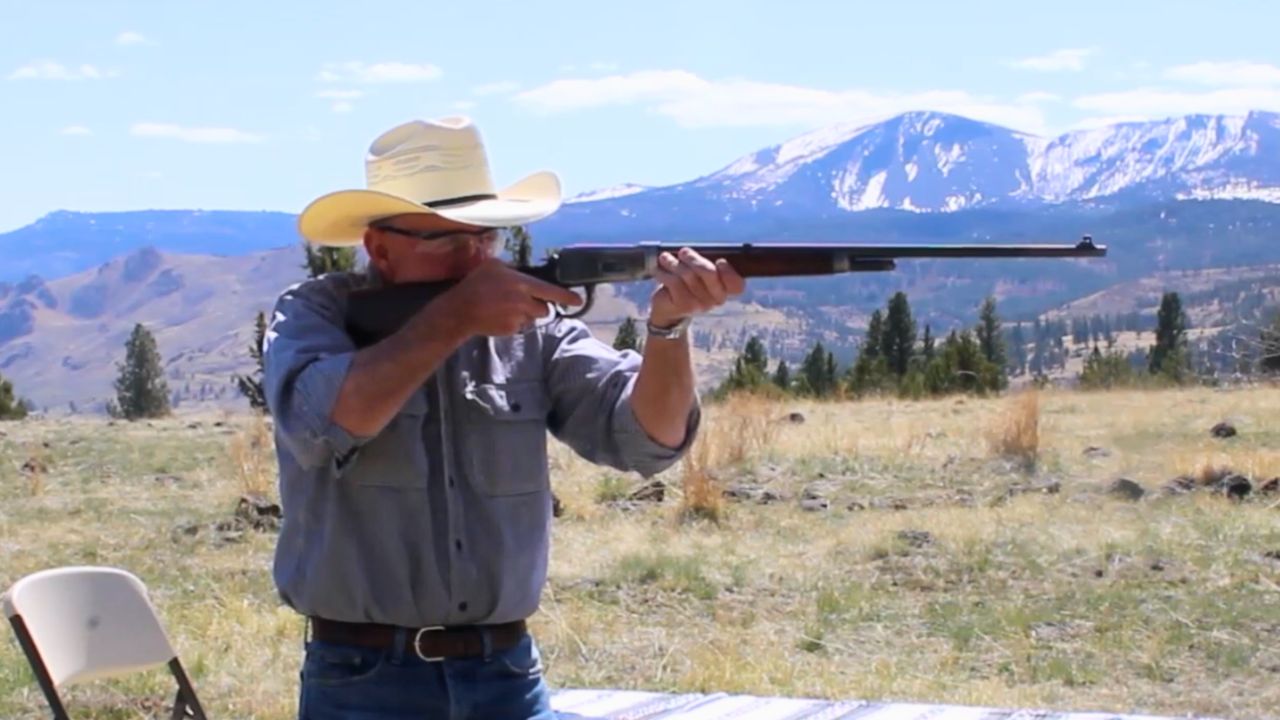
The Winchester 55 is a perfect example of a rifle buyers admired a little too casually. It always had old Winchester appeal, but it also felt like the sort of lever gun that could wait until later because there would always be another old Winchester somewhere down the line. That kind of confidence usually ends badly.
Buyers eventually came around to the fact that rifles like this do not stay easy just because they once felt familiar. The 55 now looks like the kind of rifle a person should have grabbed when the chance was simple instead of waiting until the market decided it was special enough to get expensive.
Smith & Wesson 39-2
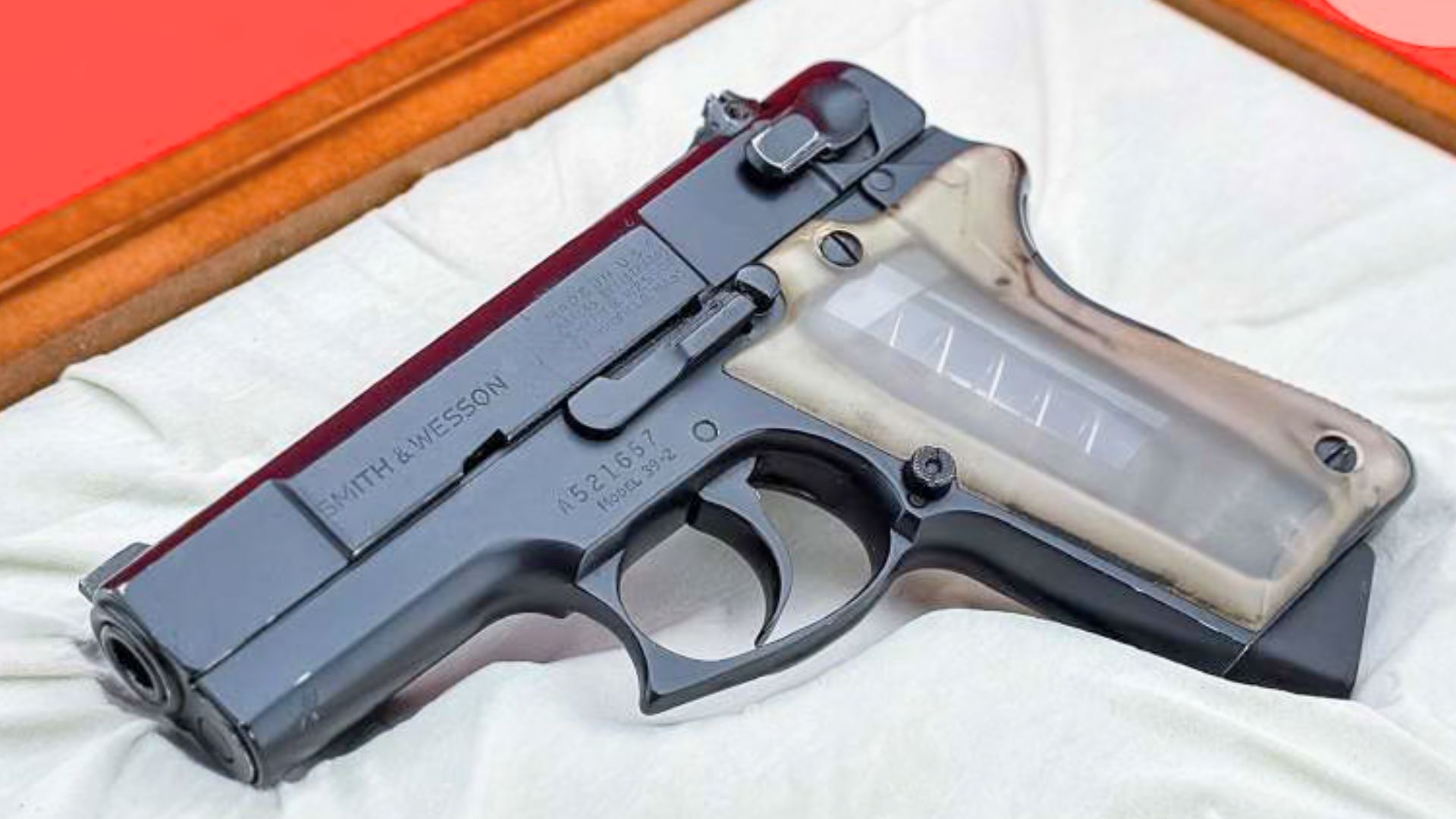
The Smith & Wesson 39-2 spent years being treated like an older single-stack 9mm that was nice enough, but not urgent enough to buy right then. That is usually what happens to pistols that are smart before the market is ready to be smart about them. Buyers liked them, but many still kept moving toward louder, higher-capacity, or more fashionable choices.
Now the 39-2 feels like exactly the sort of pistol people should have paid better attention to. It is slim, elegant, historically significant, and still genuinely useful. Buyers came around on it, but they did so after the prices and supply had already started reminding them they should have made up their minds sooner.
Like The Avid Outdoorsman’s content? Be sure to follow us.
Here’s more from us: