Photo credit: GUNSweek/YouTube
Some handguns feel right at the counter and start bothering you after a few range trips. Maybe the trigger is rougher than expected. Maybe the recoil feels snappier than it should. Maybe the pistol runs fine, but you realize it does not carry, shoot, or handle as well as the gun you already had.
That is usually when owners start shopping again sooner than planned. These are the handguns that often get replaced faster than people expect, not always because they are completely awful, but because better options become obvious once the new-gun excitement wears off.
Springfield Hellcat
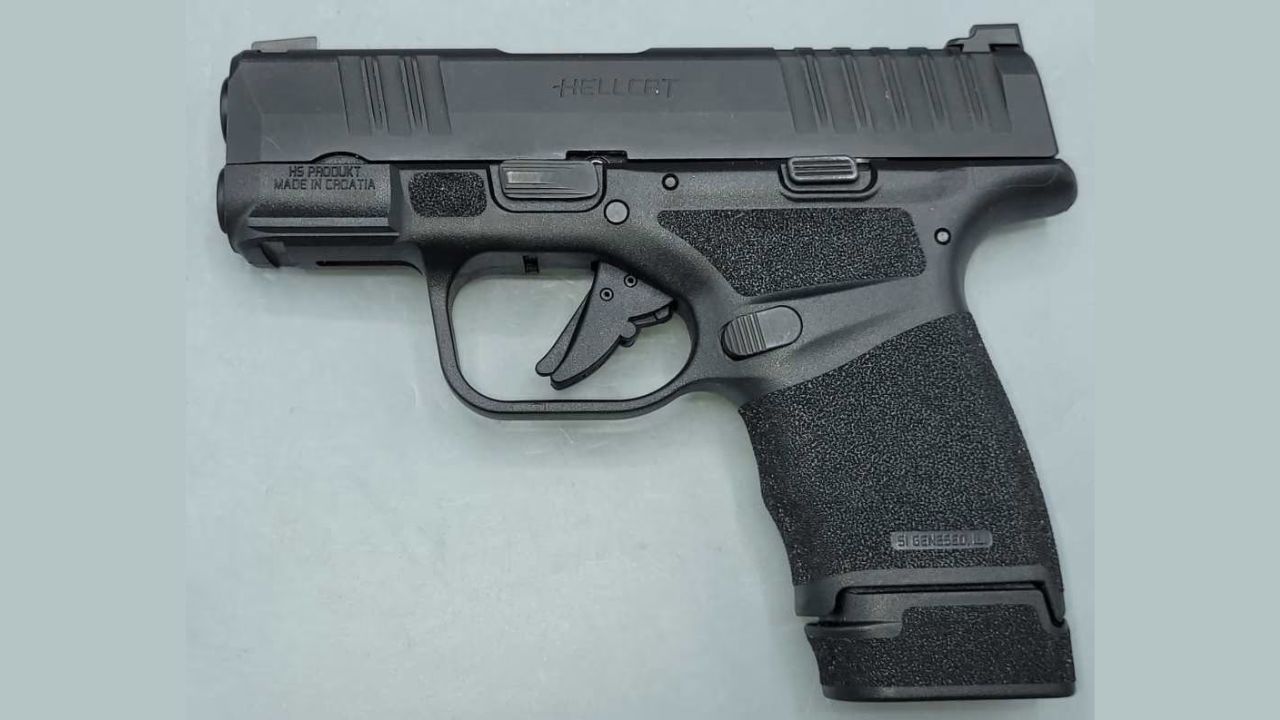
The Springfield Hellcat sold well for good reason. It is small, holds plenty of rounds for its size, and gives you a lot of carry gun in a tiny package. On paper, that sounds hard to beat, especially if you want capacity without stepping up to a larger pistol.
But plenty of owners find out fast that the Hellcat can feel sharp under recoil. The grip is short, the pistol is light, and the snappy feel shows up once you start shooting more than a couple magazines. A lot of people replace it with something like a Shield Plus, P365 XMacro, Glock 43X, or a larger compact that is easier to run well.
Taurus GX4
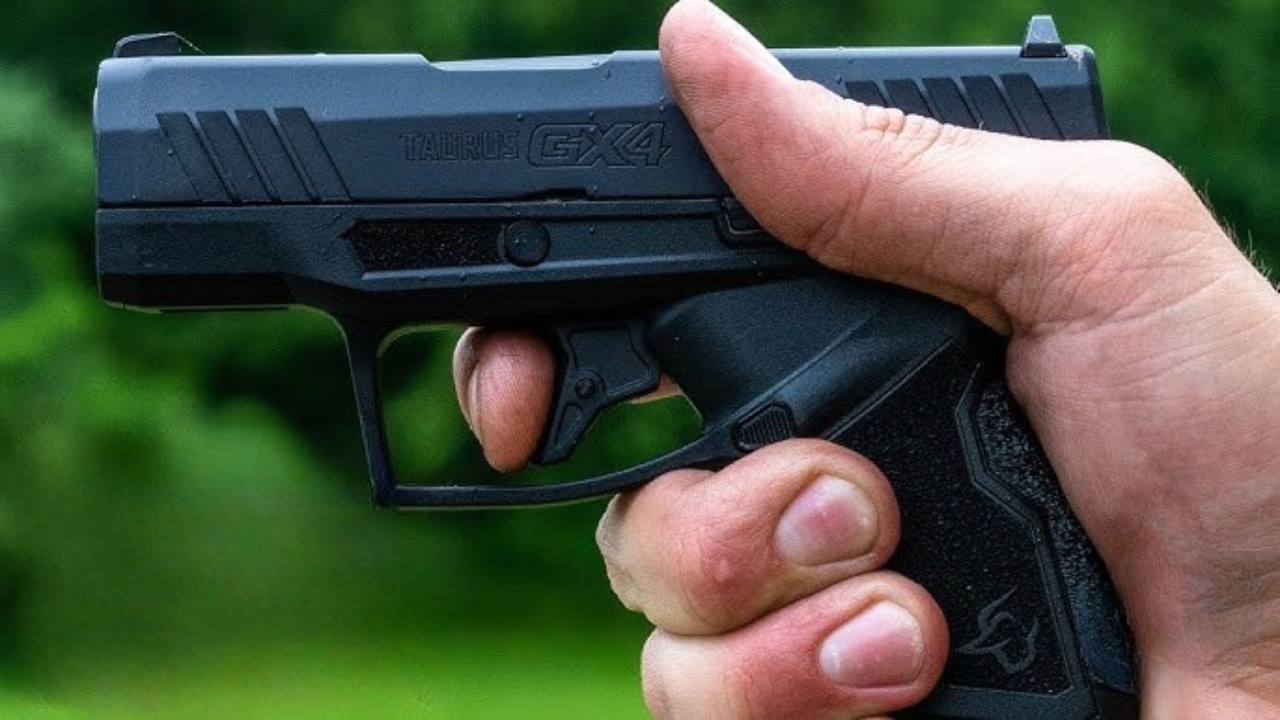
The Taurus GX4 gave budget-minded buyers a small 9mm with solid capacity and a much more modern feel than older Taurus carry guns. For the money, it made sense to a lot of people who wanted a serious concealed carry pistol without spending premium money.
The problem is that budget carry guns still have to win confidence. Some owners like the GX4 just fine, but others move on once they compare the trigger feel, aftermarket support, finish, and long-term trust against more established options. When you are carrying a pistol daily, “good for the price” can start feeling like a reason to upgrade.
Kimber Micro 9

The Kimber Micro 9 looks great in the case. It has 1911-style controls, nice-looking finishes, and a size that makes it easy to imagine carrying every day. For shooters who like small metal-framed pistols, it has a lot of shelf appeal.
Then the reality of shooting a tiny single-action 9mm sets in. It can be snappy, picky with grip, and less forgiving than people expect. Some owners also decide they do not love carrying a small cocked-and-locked pistol after all. Many eventually move to a striker-fired micro-compact that is simpler, softer, and easier to train with.
SIG Sauer P938
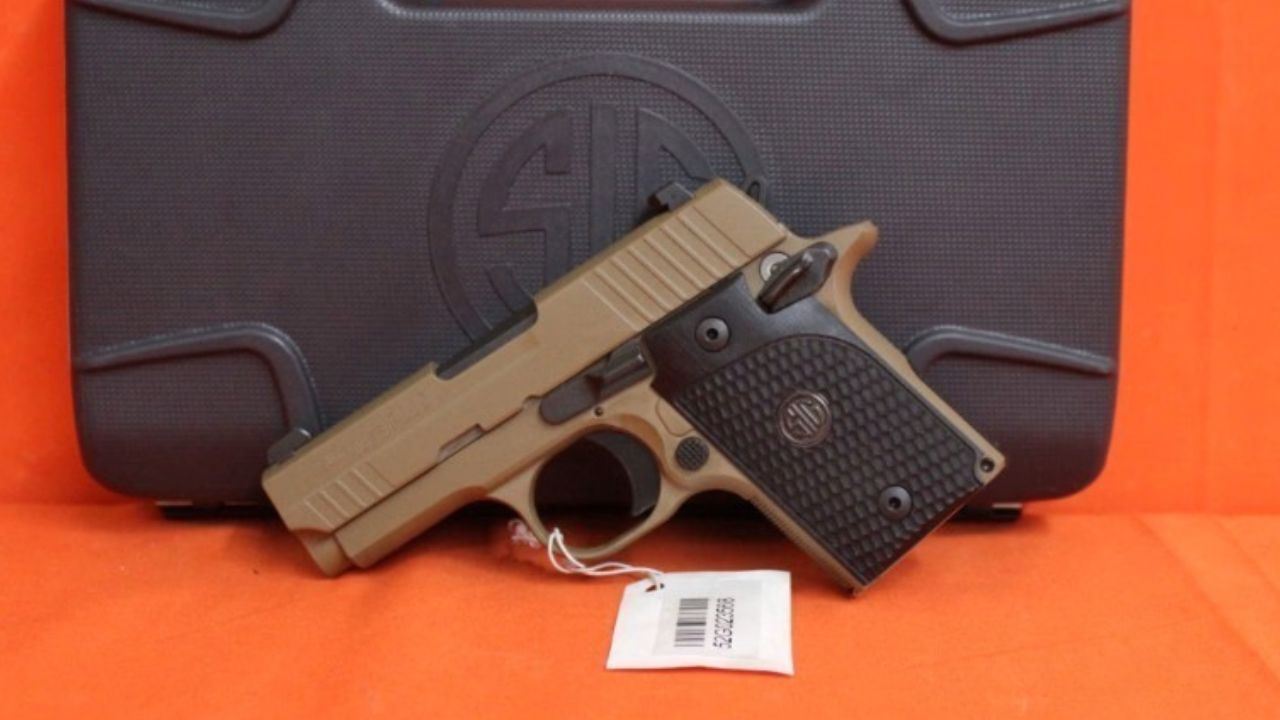
The SIG P938 has a loyal following, but it also gets replaced by owners who realize they wanted the idea more than the experience. It is compact, nicely made, and easy to carry, especially if you are already comfortable with thumb safeties and single-action operation.
The drawback is that it feels dated next to newer micro-compact 9mms. Capacity is lower, recoil is brisk, and the little grip does not give you much room to work. Once shooters spend time with a P365, Shield Plus, or Hellcat Pro, the P938 can start feeling like a neat pistol that no longer makes much sense.
Ruger EC9s
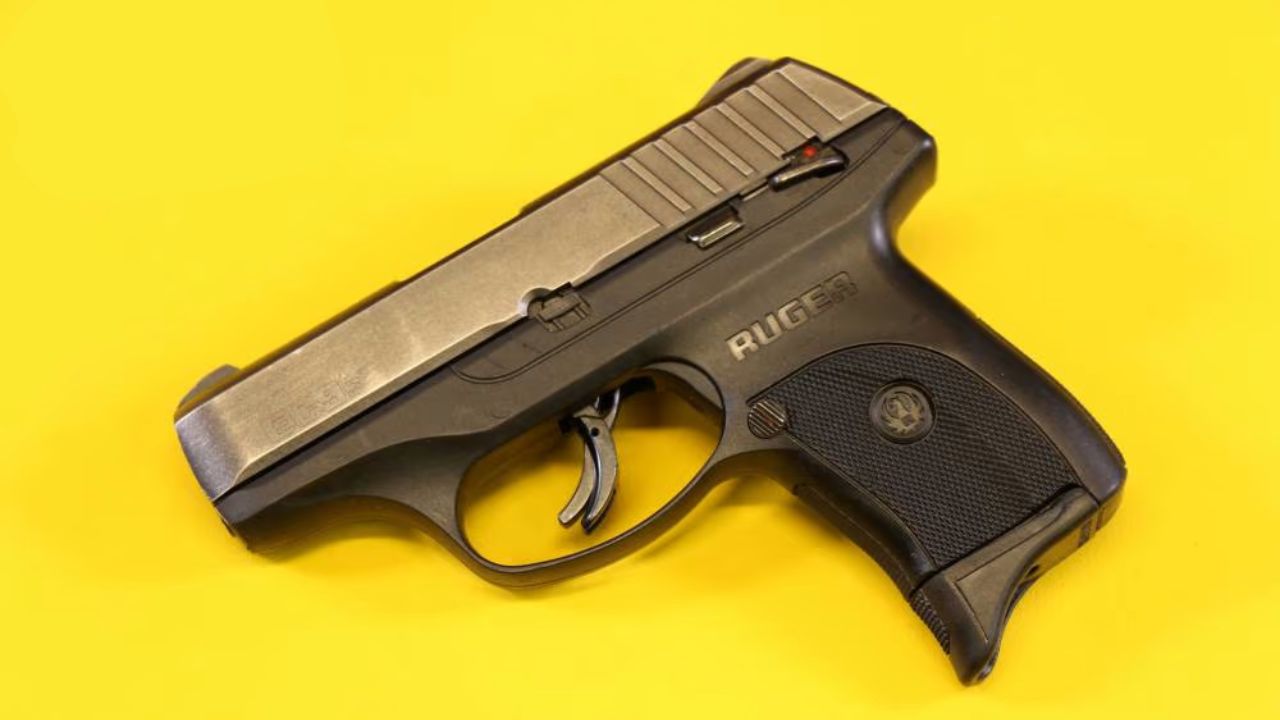
The Ruger EC9s is one of those pistols people buy because it is affordable, slim, and simple. It gets you into a carryable 9mm without much drama, and for some owners, that is enough. Ruger also has a reputation for standing behind its products, which helps.
But after a while, the EC9s can feel like a starter pistol. The sights are basic, the trigger is not especially impressive, and the overall feel is more practical than confidence-building. Many owners replace it once they realize how much better today’s slightly more expensive carry guns shoot.
SCCY CPX-2

The SCCY CPX-2 attracts buyers with its price, size, and simple double-action-only setup. It is often the kind of pistol someone buys as a first carry gun because it seems inexpensive, compact, and easy enough to understand.
The issue is that the long, heavy trigger wears on people quickly. It can make accurate shooting harder than it needs to be, especially for newer shooters who are still building fundamentals. After a few frustrating range sessions, many owners end up replacing it with something that has a cleaner trigger, better sights, and a more refined feel.
Beretta APX Carry
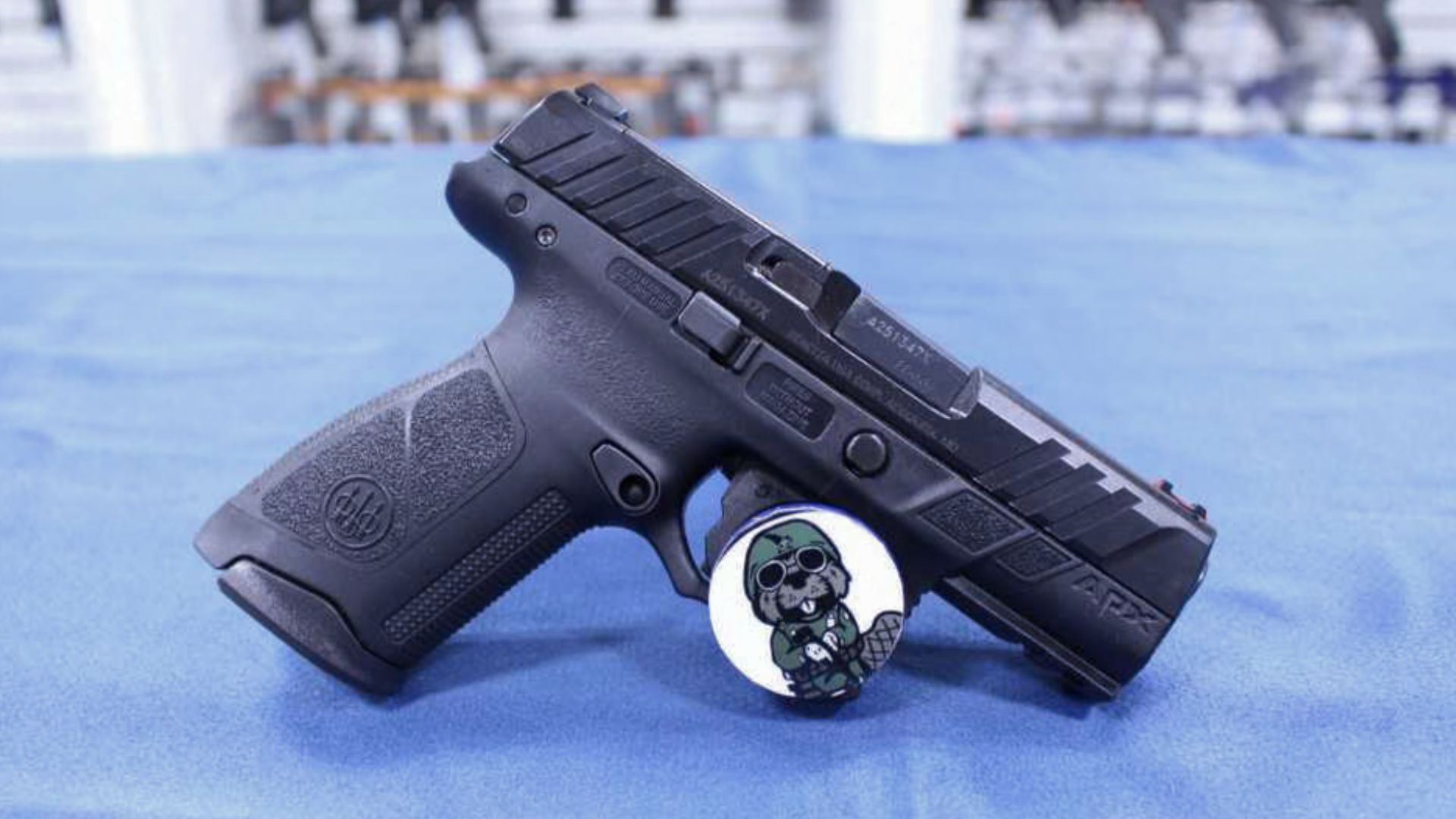
The Beretta APX Carry had a trusted brand behind it, but it never felt as convincing as people hoped. Beretta knows how to build serious pistols, so a slim carry gun from them should have been an easy win. Instead, it landed in a crowded market without standing out enough.
A lot of owners found the trigger, grip feel, and shooting experience underwhelming compared with newer micro-compacts. It was not useless, but it did not give shooters a strong reason to pick it over the better-supported carry guns around it. That makes it an easy one to trade away.
Glock 42

The Glock 42 is reliable, soft for its size, and easy to carry. For people who specifically want a .380 ACP Glock, it still makes sense. The problem is that some owners buy it expecting a tiny carry gun and later realize they gave up more than they wanted.
Capacity is limited, the pistol is not dramatically smaller than some 9mm options, and .380 ammo can cost more than people expect. Once owners compare it with a Glock 43, Shield Plus, or P365, they sometimes decide the G42 is too narrow of a tool for everyday carry.
Smith & Wesson CSX

The Smith & Wesson CSX looked like it should have been a home run. It was small, metal-framed, hammer-fired, and had strong capacity for its size. A lot of shooters liked the idea of a modern compact pistol that did not follow the same striker-fired formula as everything else.
The problem is that the trigger feel turned off plenty of people. A small defensive pistol can survive a lot of criticism, but an odd trigger is hard to ignore when you are trying to shoot it well. Many owners moved on quickly after deciding the Shield Plus was easier, cheaper, and more natural to run.
Ruger Security-9 Compact
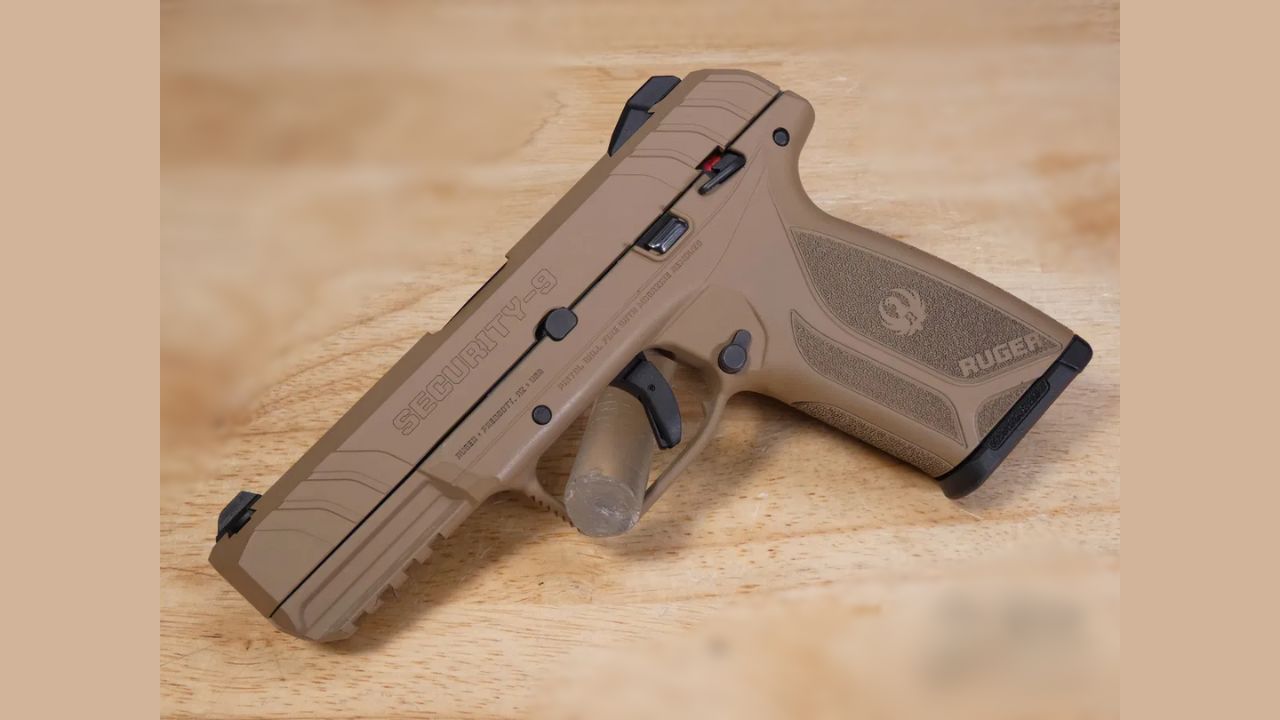
The Ruger Security-9 Compact is affordable, practical, and backed by a company people trust. It gives buyers a compact 9mm without the sticker shock that comes with some higher-end carry pistols. For a simple defensive handgun, it checks the basic boxes.
But it can also feel plain once you put enough rounds through it. The trigger, sights, grip texture, and overall refinement do not always keep owners interested. It is the kind of pistol that works, but does not always make you want to keep training with it. That is when people start looking at M&Ps, Glocks, CZs, and SIGs instead.
Mossberg MC1sc

The Mossberg MC1sc was Mossberg’s return to the handgun market, and it had some smart ideas. It was slim, easy to carry, and compatible with Glock 43-pattern magazines, which gave it an immediate practical advantage.
Still, the pistol never gained the kind of traction that makes owners feel like they bought into a proven platform. The market moved fast, and the MC1sc had to compete with carry guns that offered better capacity, more aftermarket support, and stronger reputations. A lot of owners did not hate it. They just replaced it once better options became too easy to justify.
Walther CCP

The Walther CCP is comfortable in the hand and uses a gas-delayed system meant to soften recoil. That sounds appealing, especially for shooters who want an easy-shooting carry pistol without going to a full-size gun. The grip shape is one of the better things about it.
The downside is that the CCP has never felt as simple or confidence-inspiring as many competing carry pistols. Early takedown complaints, heat buildup, and mixed reliability reports hurt its reputation. Even people who liked the way it pointed sometimes moved on to something easier to maintain, easier to trust, and easier to support with holsters and parts.
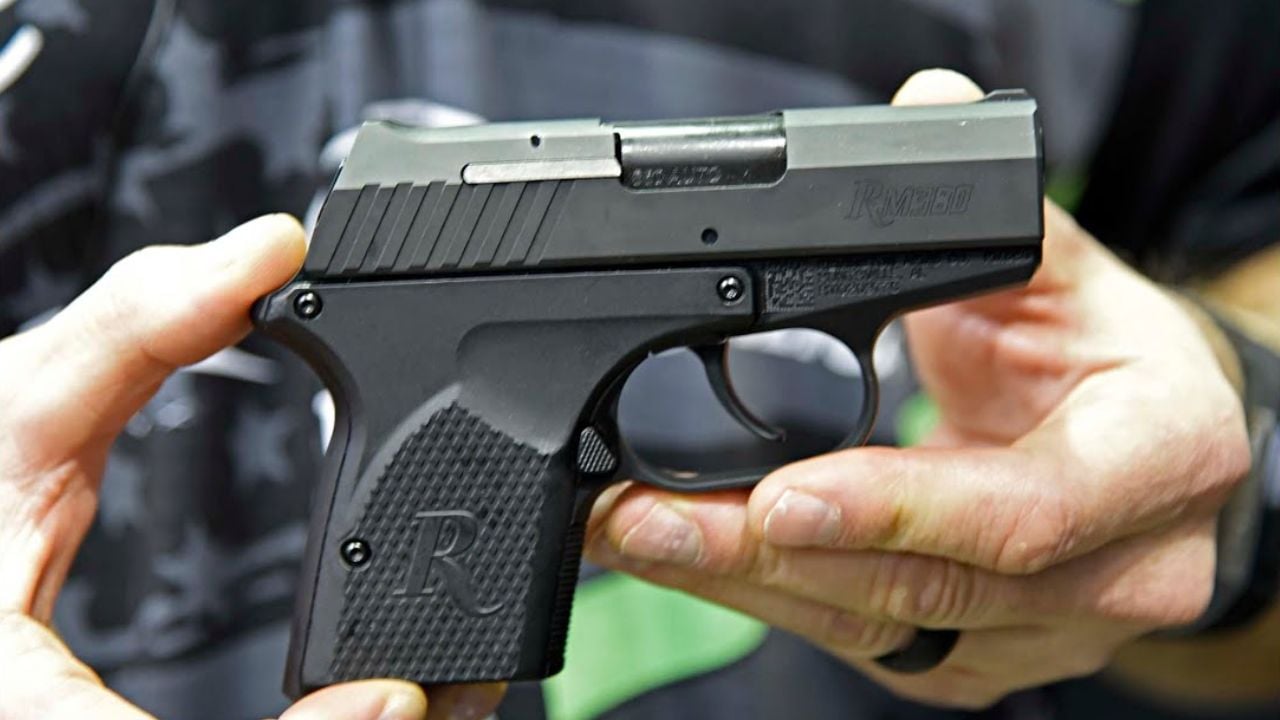
Remington RM380

The Remington RM380 had a few things going for it. It was small, metal-framed, and based on a proven older design. For pocket carry, it looked like a reasonable option, especially for people who wanted something heavier than a polymer .380.
But the RM380 never felt like the future of pocket pistols. The long double-action trigger, modest sights, and limited appeal made it easy to replace once shooters tried more modern options. Plenty of owners eventually decided that if they were going to carry a small .380, they wanted something lighter, cleaner, or easier to shoot well.
Diamondback DB9
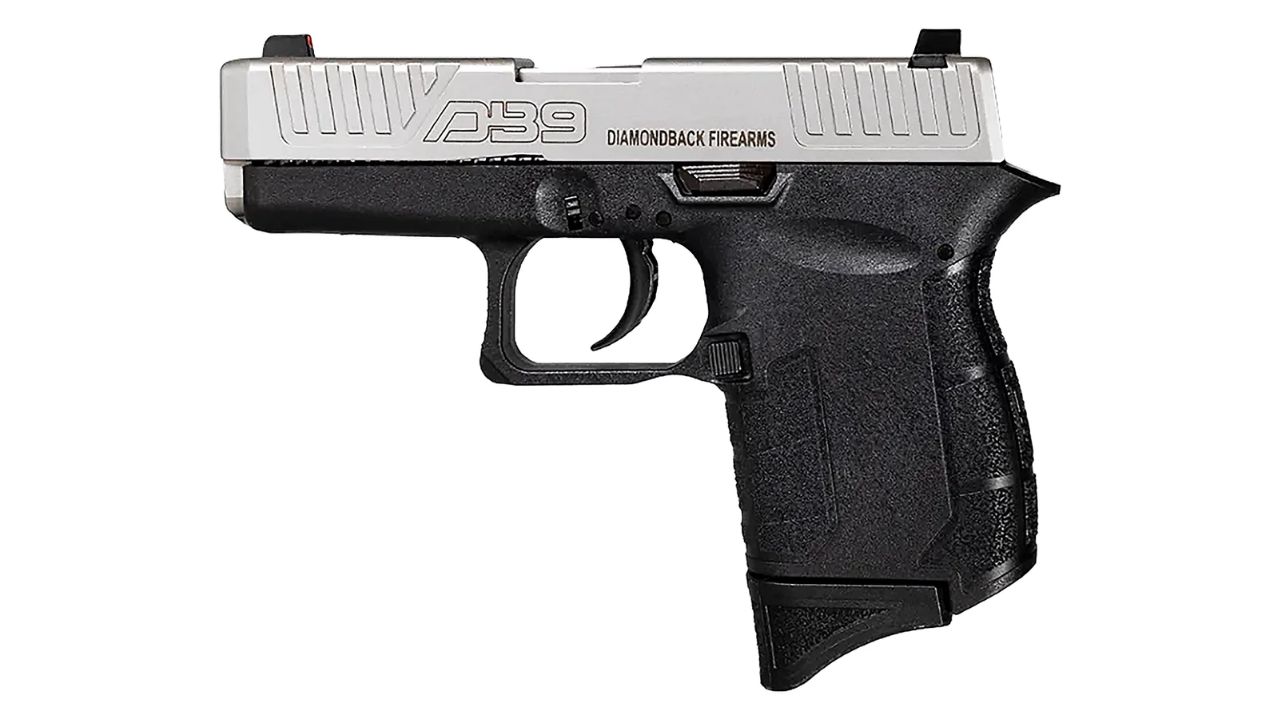
The Diamondback DB9 appeals to people because it is extremely small for a 9mm. That is the hook. You pick it up, realize how easy it would be to hide, and start thinking it might solve your deep-carry problem.
Then you shoot it. Tiny 9mm pistols are rarely pleasant, and the DB9 can be rough on the hands compared with slightly larger guns. Small size also tends to magnify grip issues, recoil control problems, and confidence questions. Many owners replace it with a pistol that is only a little bigger but much easier to shoot under pressure.
KelTec PF-9

The KelTec PF-9 was thin, light, and affordable at a time when small 9mm pistols were not as common as they are now. It filled a real need for people who wanted a carry gun that disappeared easily and did not cost much.
But time has not been kind to it. The recoil is sharp, the trigger is long, and the overall shooting experience feels rough compared with modern micro-compacts. Some owners respect what it was for its era, but they still replace it once they handle newer pistols that carry nearly as well and shoot much better.
Like The Avid Outdoorsman’s content? Subscribe to our newsletter so you never miss an article.
Here’s more from us: