Photo credit: Gun Talk Media/ YouTube
A light, compact revolver carries like it was built for real life. It disappears in a pocket, rides comfortably in a waistband, and doesn’t complain when you’re in a truck seat or walking all day. That’s why so many experienced carriers still keep a snub around, even if they also own a stack of modern semi-autos.
The catch is speed. A small revolver asks more of you when you’re trying to shoot fast and stay accurate. You’re working a longer double-action stroke, managing a short sight radius, and controlling recoil in a gun that doesn’t weigh much. Add tiny grips and minimal sights, and you’ve got a package that carries easy but demands real reps.
These revolvers all earn their keep on the carry side. They’re also the ones that can humble you when you try to run them hard. If you want to get fast with them, you do it the old way: grip, trigger control, and honest practice.
Smith & Wesson 642

The 642 is one of the easiest revolvers to carry because it’s light, snag-resistant, and flat where it matters. In a pocket holster, it rides like a set of keys. It also tends to get carried more than bigger guns, which is the real reason it’s so common.
Shooting it fast is where the work starts. The long double-action pull takes discipline, and the light frame makes recoil feel sharper than you’d expect with .38 Special. The small sights don’t help when you’re trying to run pace. You can get quick with a 642, but you earn it with smooth trigger strokes and a grip that doesn’t let the gun shift in your hand.
Smith & Wesson 442

The 442 carries like the 642 because it’s the same idea: lightweight J-frame, enclosed hammer, and a shape that doesn’t snag on clothing. It’s a revolver you can actually live with day after day without feeling like you’re hauling gear.
Fast shooting is tricky for the same reasons, too. The grip is short, the sights are minimal, and the trigger stroke is long enough that you can rush it and throw shots low or wide. When you speed up, the gun also moves more in your hand than a heavier revolver would. The 442 rewards a locked-in support hand and a trigger press that stays smooth even when your heart rate climbs.
Smith & Wesson 638 Bodyguard Airweight

The 638 gives you a shrouded hammer that still allows a thumb-cock option, and it carries easily in pockets and waistbands. The shape is friendly to daily carry, and the gun has the same “always there” appeal as other Airweight J-frames.
The tricky part is that the carry benefits don’t translate to speed. That exposed hammer spur can snag if you’re careless with presentation, and the gun still has the light-frame recoil that makes fast follow-ups harder. The sight picture is also small and easy to lose when you’re trying to drive the gun quickly. If you want to run the 638 fast, you focus on double-action work and keep your grip consistent, because the gun won’t forgive you when you get sloppy.
Smith & Wesson 649 Bodyguard

The 649 is a great example of a carry revolver that feels more stable than an Airweight while still hiding well. The shrouded hammer keeps it smooth on the draw, and the extra weight helps it ride steady and shoot more comfortably than the featherweight guns.
It’s still a short-barreled revolver with small sights and a long double-action stroke, so speed takes practice. The heavier frame helps, but the short grip and limited sight radius still make it easy to outrun your ability. If you slap the trigger, the gun will show it on the target fast. The 649 rewards a deliberate trigger press and a grip that keeps the front sight tracking straight up and down instead of bouncing sideways.
Smith & Wesson 640

The 640 is a hammerless steel J-frame that carries well and shoots softer than the ultralight guns. You get a snag-free draw and a sturdy feel that makes it easier to practice with, which matters because practice is what turns a snub into a real defensive tool.
Even with the steel frame, it’s still hard to shoot quickly compared to larger revolvers or compact semi-autos. The sights are small, the sight radius is short, and you’re still working a long double-action pull under time pressure. The 640 can be run fast, but it demands clean trigger control and a firm grip that keeps the gun from rolling in your hand. When you push it, you learn fast whether your fundamentals are real.
Smith & Wesson Model 60

The Model 60 carries surprisingly well for a steel revolver, especially in the shorter barrel versions. It’s compact, strong, and comfortable to shoot compared to lighter J-frames, which is why so many people stick with it once they find a setup that conceals.
Speed is still the challenge. The smaller grip and short sight radius make rapid accuracy harder, and the double-action pull needs a steady press if you want consistent hits. The Model 60 also tempts people into hotter loads, and recoil climbs quickly when you do that in a small frame. If you want to shoot it fast, you keep your grip high, your support hand active, and your trigger press smooth enough that the front sight doesn’t dive when you accelerate.
Smith & Wesson 340PD

The 340PD is built for carry comfort, and it delivers. It’s extremely light, it disappears in a pocket, and it’s easy to keep on you in situations where a heavier gun would get left behind. That’s the whole point of a revolver like this.
That same light weight makes it a beast when you try to shoot fast. Recoil is abrupt, muzzle rise is quick, and the gun can shift in your hand if your grip isn’t locked down. The long double-action pull becomes harder to manage when the gun is jumping around, and the small sights don’t give you much help. You can carry it all day, but to run it at speed you need disciplined fundamentals and a realistic ammo choice for training.
Ruger LCR .38 Special

The LCR carries extremely well because it’s light, rounded, and comfortable against the body. The shape hides easily, and the gun’s trigger is often smoother than many small revolvers, which helps you build good double-action habits without fighting the mechanism.
Fast shooting still takes work because you’re dealing with a short barrel, minimal sights, and a frame that doesn’t soak up recoil. The LCR’s light weight makes rapid follow-ups harder, especially with warmer .38 loads. The grip helps, but a compact revolver still moves more than a compact semi-auto. If you want speed, you focus on driving the gun back to the sights and pressing the trigger without disturbing alignment. The LCR will reward that, but it won’t hand it to you.
Ruger LCR .357 Magnum

The LCR in .357 carries well and gives you flexibility, which is why people buy it. You can run .38 Special for practice and still have the strength of a magnum-rated gun. It’s a compact revolver that hides easily and rides comfortably.
Shooting it fast is where the reality check hits. In a small, light revolver, .357 recoil is sharp and disruptive, and it’s hard to keep the gun flat when you’re pushing cadence. Even with .38s, the gun’s light weight means it wants to move, and that movement makes your trigger control harder under speed. The LCR .357 can be a great carry gun, but fast, accurate shooting requires a grip that’s locked in and a training plan that doesn’t pretend physics can be negotiated.
Kimber K6s (2-inch)

The K6s carries well because it’s compact and smooth, and the shape works nicely for concealed carry. You also get a little more capacity than the traditional five-shot snubs, which is a practical benefit in a package that still hides easily.
Speed is still the challenge because it’s a short-barreled revolver with small sights and a long double-action pull. The gun is shootable, but shooting it fast means staying disciplined. If you rush the trigger, you’ll throw shots. If your grip loosens, recoil will start steering the gun. The K6s can run quickly in trained hands, but it expects you to keep the trigger press straight and the front sight managed through recoil. You don’t cheat your way into speed with a snub.
Colt Cobra

The modern Colt Cobra carries easily for a six-shot revolver, and it has the kind of rounded profile that conceals well. It feels like a practical carry piece, not a novelty, and it gives you a bit more grip and control than the smallest five-shot guns.
Fast shooting still isn’t automatic. The barrel is short, the sights are still compact, and the double-action stroke demands a clean press when you’re trying to move quickly. Recoil also adds up faster than people expect because the gun is still light enough to carry comfortably. If you want to run the Cobra fast, you keep the grip consistent and work the trigger without staging or snatching. When you do it right, the gun tracks well, but it makes you earn that consistency.
Ruger SP101 (2.25-inch)

The SP101 is a carry revolver that feels like it was built to be used hard. It’s heavier than the ultralight snubs, which makes it more comfortable to practice with, and that extra weight helps keep recoil under control. It’s still compact enough to conceal without a fight.
Speed is tricky because it’s still a snub with a short sight radius and a double-action pull that demands attention. The SP101 can be shot fast, but you can’t muscle through poor technique. The gun rewards a firm grip and a smooth press, and it punishes a rushed trigger with misses that show up fast. The other challenge is reload speed, because small-frame revolvers don’t give you much room to work when you’re trying to run the gun efficiently under pressure.
Taurus 856 (2-inch)

The Taurus 856 carries well and offers six shots in a compact revolver, which is why it’s so common in the carry world. It hides easily, rides comfortably, and gives you a practical amount of firepower in a small package.
Shooting it fast is still the same snub-nose story: short sights, limited grip, and a long double-action stroke that can get choppy if you rush it. The gun’s light carry feel means recoil can move it around more than you want when you push cadence. If you want speed, you build it through control—consistent grip pressure and a trigger press that stays smooth all the way through. The 856 can do the job, but the shooter has to do more of the work when the pace increases.
Charter Arms Undercover

The Undercover is popular because it’s compact, easy to carry, and priced so real people actually buy it. It’s the kind of revolver that ends up in pockets, glove boxes, and nightstands because it’s convenient and it’s a straightforward concept.
Convenience doesn’t equal speed. The small frame and short barrel make it harder to keep sights aligned when you’re moving fast, and the long double-action pull demands a steady press to avoid pulling shots off target. Recoil can also feel sharper than expected depending on the load, and that can make follow-up shots slower. If you carry one, you get the most out of it by practicing the basics: smooth trigger work, solid grip, and realistic distances. That’s how you make a compact revolver perform when time matters.
Smith & Wesson Model 36 Chief’s Special
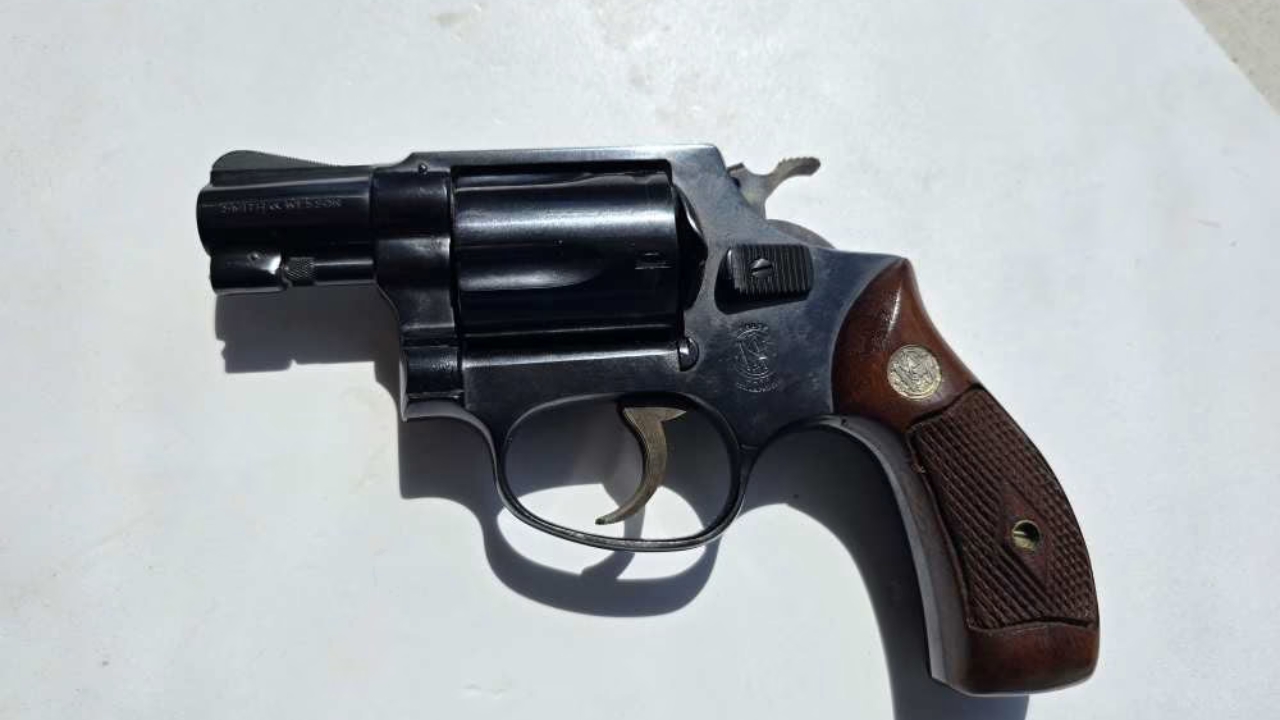
The Model 36 carries well because it’s compact, rounded, and built around the classic snub format. It conceals easily and has the kind of balance that makes it pleasant to carry and practical for daily life. Many people stick with it because it feels like a real revolver, not a toy.
Fast shooting is where the Chief’s Special demands respect. The sights are small, the barrel is short, and you’re working a double-action pull that can be unforgiving when you’re trying to go quick. The gun is accurate enough, but speed exposes every flaw in grip and trigger press. If you want to run it fast, you keep the front sight honest and the trigger smooth, and you accept that the revolver doesn’t give you the same margin as a compact semi-auto when you start chasing splits.
Colt Detective Special

The Detective Special carries surprisingly well for a six-shot revolver, and that’s part of its long-standing appeal. It gives you extra capacity in a package that still hides under normal clothing, and it has a feel that many shooters find natural in the hand.
Speed is tricky because it’s still a snub with the same limitations: short sight radius, compact sights, and a trigger pull that needs discipline when you’re trying to shoot quickly. The extra weight and grip can help compared to the lightest five-shots, but it won’t cover sloppy technique. If you push pace, you’ll see how important a clean press and strong support hand really are. The Detective Special can be fast, but it expects you to bring skill, not shortcuts.
Smith & Wesson 37 Airweight

The Model 37 Airweight is built for carry comfort. It’s light enough that you’ll keep it on you, and it carries easily in places where heavier revolvers feel like too much. That’s why it has stayed popular for so long.
That same lightness makes it challenging when you try to shoot fast. Recoil feels sharper, the gun shifts more in the hand, and the long double-action pull gets harder to manage when the sights are bouncing. Small sights and a short barrel don’t help when you’re trying to keep hits tight at speed. The Airweight can be a solid carry companion, but it rewards a trained grip and disciplined trigger work. If you want to run it quickly, you practice enough that the trigger press stays smooth even when the gun is moving.
Like The Avid Outdoorsman’s content? Be sure to follow us.
Here’s more from us: